Home Blog Page 1931

Visionscape promises cleaner Lagos, partners PSPs

0

Visionscape Sanitation Solutions Ltd. on Friday, April 6, 2018 assured Lagos residents that refuse was set to disappear from roads and houses in the state, as stakeholders in the waste collection network had resolved their differences.
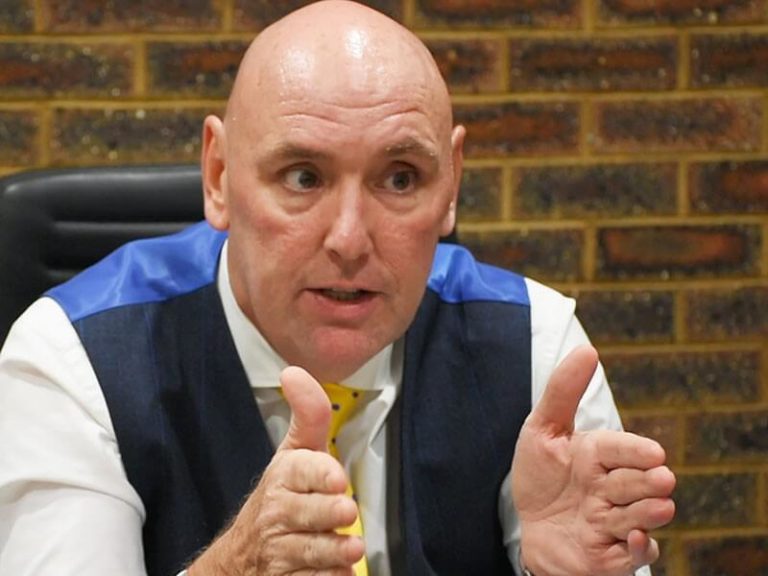
John-Irvine
Chief Executive Officer of Visionscape, Mr John Irvine

The firm’s Chief Executive Officer, Mr John Irvine, told journalists in Ikeja that the company had entered a new agreement with Private Sector Participants (PSP) for effective waste collection and management.

“Over the course of the next 18 months, you would find a cleaner, more transparent and a more beneficial waste infrastructure,” he said.

The CEO said that months of negotiations had ended the clash that erupted among the stakeholders as a result of the introduction of the Cleaner Lagos Initiative (CLI) by the state government.

“The two key parties, Visionscape Sanitation Solutions and the PSP operators, have reached an agreement, borne out of the need to give effective environmental services to the people of Lagos State.

“Under the new arrangement, the PSP operators, now referred to as Waste Collection Operators (WCO), have agreed to resume residential waste collection, where they will bill and service homes across the state, while Visionscape’s primary concern would be infrastructure development.

“This resolution also became urgent as government and other stakeholders are determined to avoid similar environmental disasters as the Olusosun Dumpsite fire outbreak that occurred a few weeks before,” he said.

Irvine said a 10-year process was being fast-tracked and compressed into a three-year period under a new arrangement.

The arrangement, he said, would help Visionscape focus on providing the needed infrastructure for the entire refuse management process to run on.

Irvine appealed to residents of Dopemu and other areas where refuse had accumulated to be patient.

He said the distribution of refuse bags and refuse collection would capture them from next week.

Irvine said that, under the new partnership, Visionscape had paid some PSP operators upfront to aid the effective collection of residential waste.

According to him, the CWOs are being paid N250,000.00 upfront to aid their collection of refuse, while Visionscape focuses on solid waste management in its landfills, transfer loading stations and depots.

He said that the firm would continue to support all partners with equipment and capacity to upgrade refuse collection methods.

The CEO said that the firm was ready to purchase vehicles and other modern equipment that meet 21st century refuse management techniques for the CWOs.

“If you have to look at New York City in the late 70s and 80s, there was more trash on the streets of New York than what you have here in Lagos. Reform takes time,” he said.

Irvine said the firm had made huge investments developing infrastructure in its transfer loading stations in Tapa, Ogudu, Agege and Oshodi.

By Grace Alegba
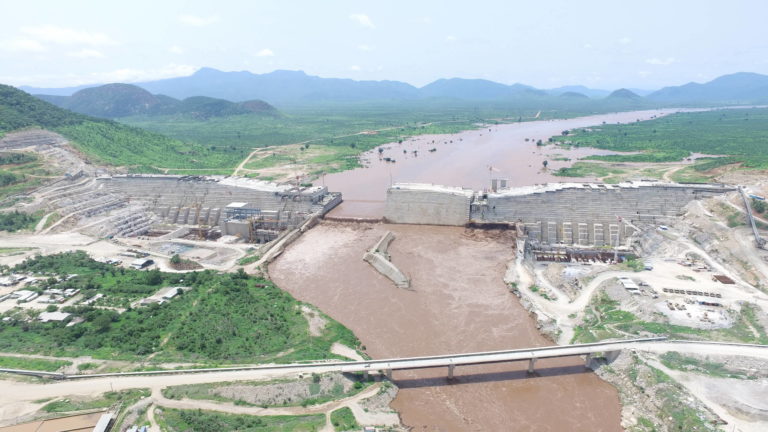
Nile dam’s future in flux after Egypt-Sudan-Ethiopia talks collapse

0

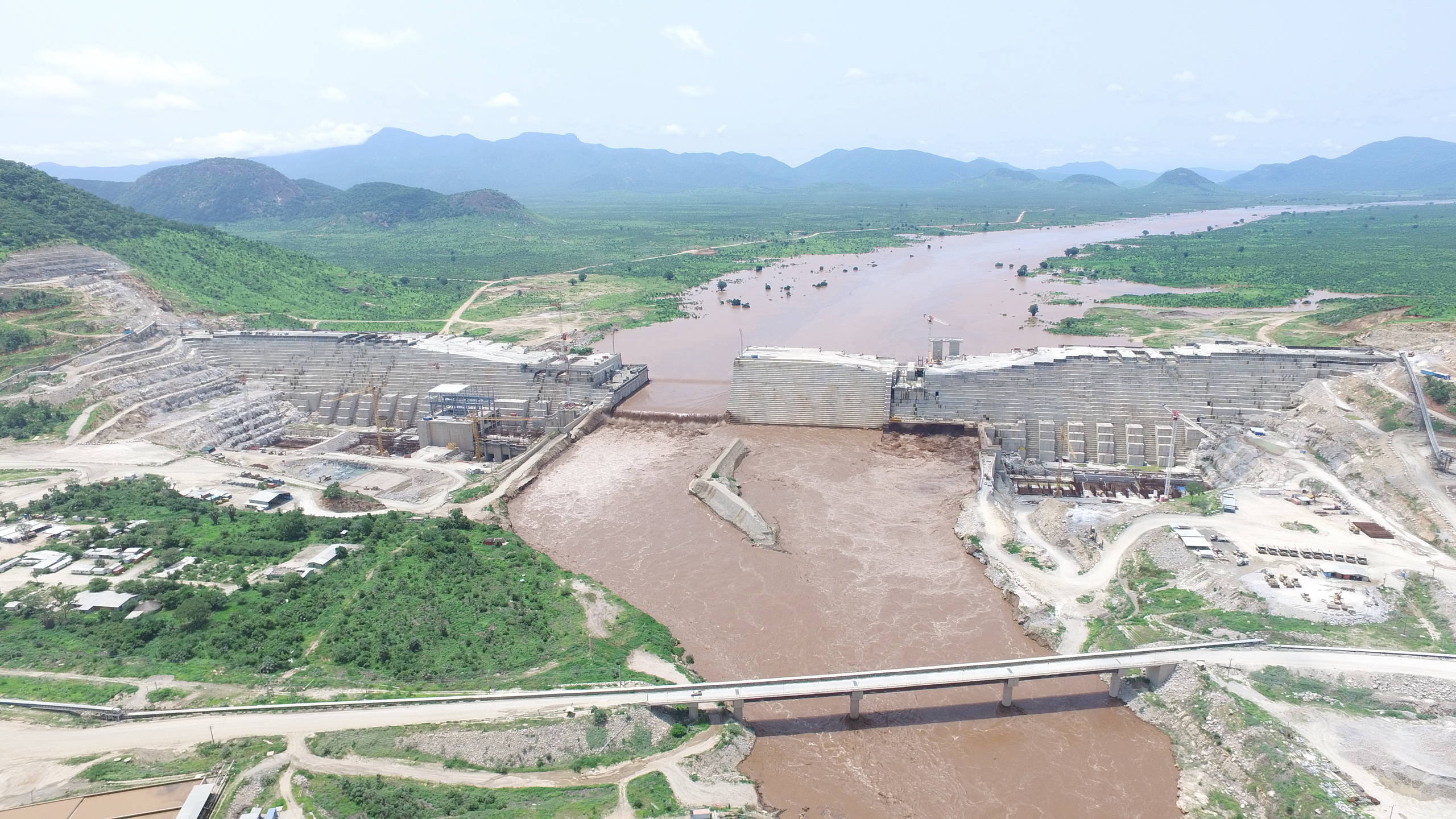
Talks involving Egypt, Sudan and Ethiopia regarding the construction of a disputed dam on the Nile River have collapsed, the Sudanese Information Minister said on Friday, April 6, 2018.

Grand Ethiopian Renaissance Dam

“The countries were discussing many issues including, the Nile and the dam but we failed to reach any agreement on the matters that caused conflict,’’ Ahmed Mohamed Osman told dpa by phone from Khartoum, where the talks were conducted.

Egypt decried the $4.8 billion hydroelectric Grand Renaissance Dam on Ethiopia’s border with Sudan could reduce its share of waters from the Nile.

Sudan supports the dam.

The dam, which is expected to more than double Ethiopia’s current energy production levels, is more-than-60-per-cent built.

The east African nation would become an energy hub for the continent upon its completion.

At the end of the works, the Grand Ethiopian Renaissance Dam will be the largest dam in Africa: 1,800 m long, 155 m high and with a total volume of 74,000 million m³. The project involves the construction of a main dam in Roller Compacted Concrete (RCC), with two power stations installed at the foot of the dam.

Formerly known as the Millennium Dam and sometimes referred to as Hidase Dam, the Grand Renaissance Dam is a gravity dam on the Blue Nile River in Ethiopia that has been under construction since 2011. It is in the Benishangul-Gumuz Region of Ethiopia, about 15 km (9 mi) east of the border with Sudan.

Why clean energy transition needs to accelerate

0

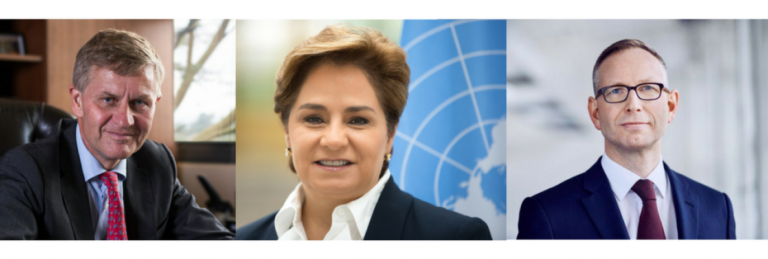
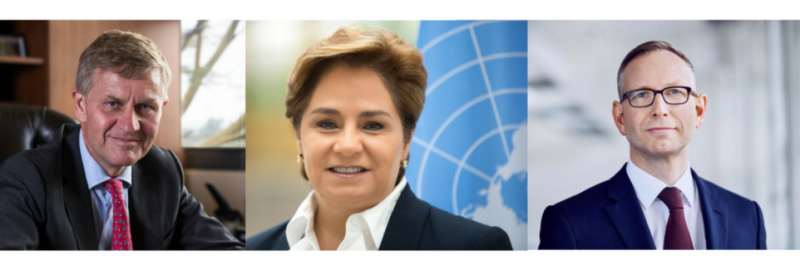
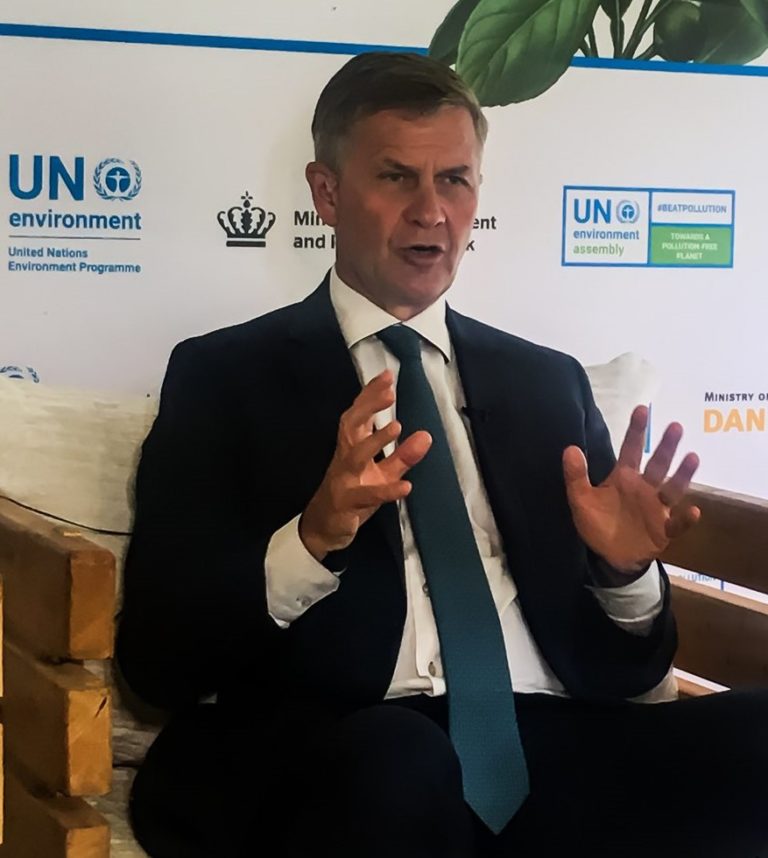
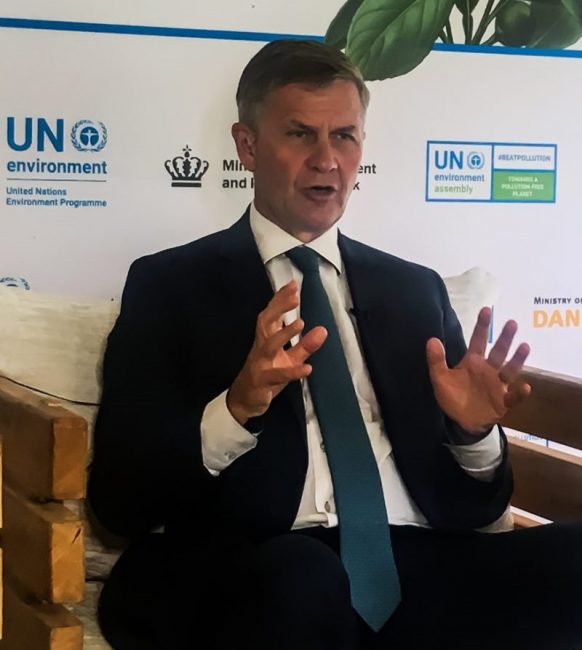
In a foreword to the “The Global Trends in Renewable Energy Investment 2018” report published on Thursday, April 5, 2018, Erik Solheim (Executive Director  of UN Environment), Patricia Espinosa (Executive Secretary of UNFCCC) and Nils Stieglitz (President of Frankfurt School of Finance & Management) emphasise that the renewable energy market has continued to make remarkable progress

Clean energy
L-R: Erik Solheim (Executive Director of UN Environment), Patricia Espinosa (Executive Secretary of UNFCCC) and Nils Stieglitz (President of Frankfurt School of Finance & Management)

We are in the middle of a global renewable energy revolution. Investments in renewables have continued to increase each year, led largely by developing countries, and since 2004 the world has invested $2.9 trillion in green energy sources. The annual Global Trends in Renewable Energy Investment report illustrates these changes in the global energy map and the road ahead in securing the future of our planet.

The central message of the report is clear. The renewable energy market continues to make remarkable progress. Last year was the eighth in a row that global investment in renewables exceeded $200 billion. Much of this can be attributed to falling costs for solar electricity, and to some extent wind power, which continues to drive deployment. More electricity generated by renewable sources in 2017 signals strong commitment to addressing climate change and reducing carbon emissions.

The world installed a record number of new solar power projects in 2017, more than net additions of coal, gas and nuclear plants put together. China has been the leading destination for renewable energy investment, accounting for 45 percent of the global investment. The country has initiated 13 offshore wind projects, which in addition to reducing emissions will generate jobs in all stages of construction and operation. This demonstrates the potential for renewable energy to fight climate change and boost economic growth. Fossil-fuel-rich countries are also showcasing strong progress. The United Arab Emirates, for example, recorded an astounding 29-fold increase in renewable energy investment in 2017.

While there is much to be positive about, it is also evident that we need to continue to push the acceleration of the global renewable energy revolution. In 2017, just 12.1% of global power came from clean sources, 1.1% more than in 2016. Climate change is moving faster than we are. Last year was the second hottest on record and carbon dioxide levels continue to rise. In electricity generation, new renewables still have a long way to go. While renewable generating costs have declined, and governments are phasing-out fossil fuel subsidies – they amounted to a total $260 billion in 2016 – the transition needs to accelerate and be complemented by strong private finance that can make sure this global momentum continues.

In 2015, countries adopted the Paris Climate Change Agreement, the central goal of which is to limit the rise in global average temperatures to well below two degrees Celsius and as close as possible to 1.5 degrees above pre-industrial levels. We will only achieve this goal by substantially and rapidly reducing use of fossil fuels. We hope this report will encourage investors, businesses and governments to accelerate action in favour of our planet, and power us towards a sustainable future for all.

GEF, UN, NCF help Cross River communities achieve REDD+ goals

0

The Nigerian Conservation Foundation (NCF), through support from the United Nations Office for Project Services (UNOPS) and Global Environment Facility’s Small Grant Programme (GEF-SGP), appear to be re-defining forest management, conservation of landscape and rural livelihoods in selected forest-edge communities of Ebok, Kabakken and Ebranta in Boje, Boki Local Government Area of Cross River State.

NCF
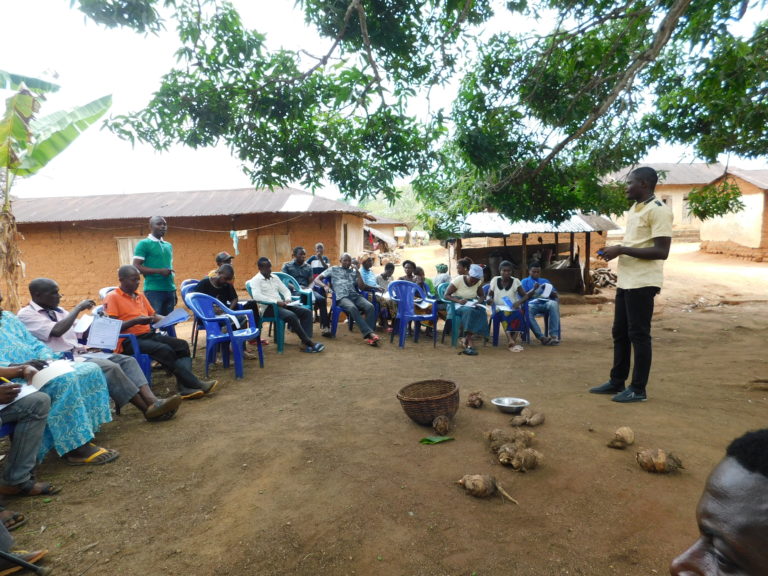
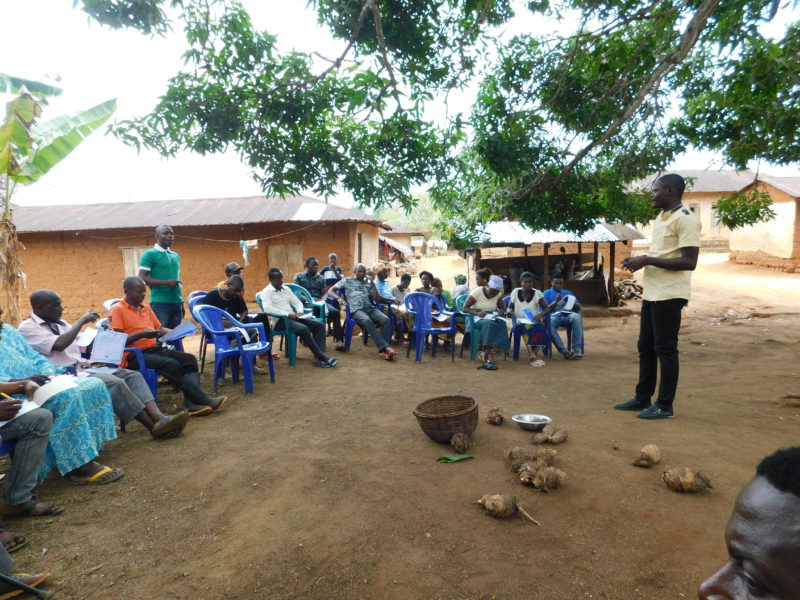
Training the communities on cultivation of cocoa yam using improved farming methods and multiplication of planting materials

In 2017, NCF, with the support of GEF-SGP, set up the Community-Based REDD+ programme (CBR+) to promote activities that boost poverty eradication, promotion of improved crop varieties and yields, gender empowerment, biodiversity conservation and climate change mitigation and adaptation.

Through the funding, Ebok, Kabakken and Ebranta communities cultivated two acres of land respectively with improved cassava stem cuttings, set-up cassava processing mills, cultivation and domestication of Afang Gnetum africanum by community members and harvesting of Non-Timber Forest Products (NTFPs) – bush mango Irvingia gabonensis as part of efforts to reduce forest loss through improved agricultural practices. Proceeds of the harvest were shared among women and youth in the communities to supplement their income.

In addition to the cassava, vegetable and NTFPs cultivation, the three communities commenced the cultivation of cocoayam on two acres each using improved farming methods and multiplication of planting materials (mini-set technology). In order to restore and cope with the impact of landslide-affected community forests, 4,000 tree seedlings raised by the beneficiary communities were planted to restore degraded forests.

To prevent hunting of animals in the wild, poultry (turkey) and snail farms were established in the three communities to enhance food security.

The estimated beneficiaries are 36 households comprising about 250 individuals and their income levels have improved by 10%. Fifteen forest eco-guards made up of five representatives from each community have been established. The eco-guards, along with the Community Council of Chiefs, make up the natural resources governance committee.

Mr. Tony Attah, the facilitator for community forest bye-laws at the training, applauded NCF for the laudable strides made and called on the people to take full advantage of the opportunities that the CBR+ project presents. He also expressed hope that the initiative could be expanded in the near future.

Part of the trainings focused on forest laws, ownership (government, private and local), delineation of forest boundaries, designing clear rules for access to forests resources and provision for monitoring and sanctioning violators, recognition of the rights of the community to help achieve improved forest outcomes.

Cross River State has over 50% of the forest cover in Nigeria. Akamkpa, Etung and Boki comprise the largest share of this forest cover.

CBR+ is a partnership between the UN-REDD Programme and the GEF Small Grants Programme to deliver grants directly to indigenous peoples and communities to empower them to fully engage in the design, implementation and monitoring of REDD+ readiness activities, and develop experiences, lessons, and recommendations at the local level that can feed into national REDD+ processes.

CBR+ supports community-based projects that complement UN-REDD National Programmes, national REDD+ readiness processes and strategies. Currently in its pilot phase, CBR+ is being implemented in six countries: Cambodia, Sri Lanka, Panama, Paraguay, Democratic Republic of the Congo and Nigeria.

Community forest, according to the NCF, contributes to the sustainable livelihoods of millions of rural people living in developing nations. Thus community involvement has the potential to improve the effectiveness, efficiency and provide more co-benefits from REDD+ project, adds the group.

World added far more new solar than fossil fuel power in 2017

0

Solar energy dominated global investment in new power generation at unprecedented levels in 2017, according to a new report that underlines that clean energy makes sense not only for the climate but for the global economy as well.

unifil
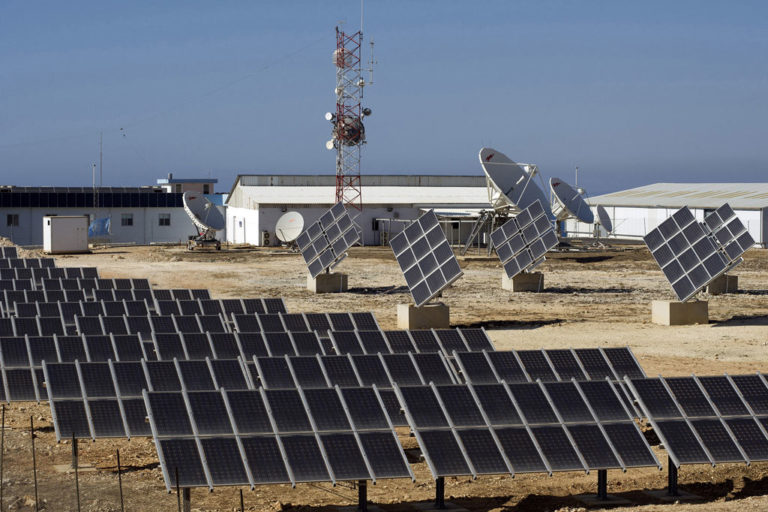
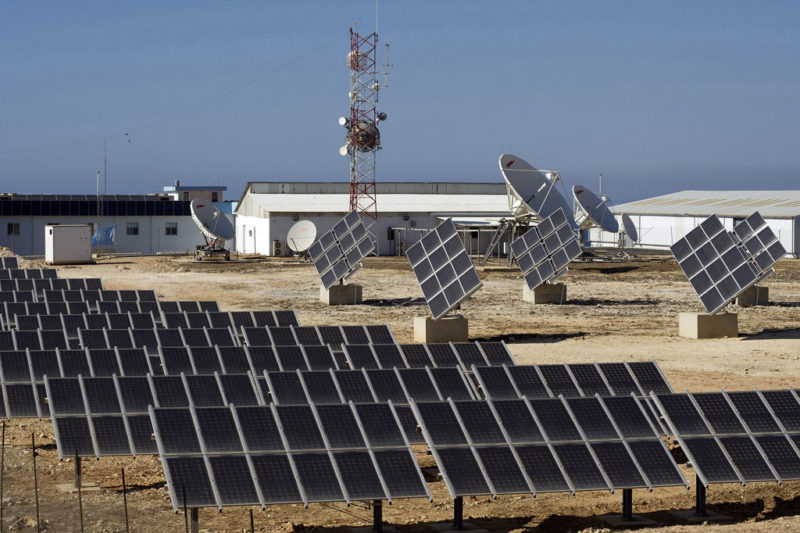
Renewable energy: A Solar Energy System at the United Nations Interim Force in Lebanon (UNIFIL). Photo credit: UNIFIL

Some 98 gigawatts of new solar capacity were installed worldwide in 2017, far more than the net additions of any other technology, including fossil fuels and nuclear.

The rapid growth in solar power is significant as global markets recognise the importance of meeting the goals of the Paris Agreement.

“The extraordinary surge in solar investment shows how the global energy map is changing and, more importantly, what the economic benefits are of such a shift,” said UN Environment head, Erik Solheim. “Investments in renewables bring more people into the economy, they deliver more jobs, better quality jobs and better paid jobs. Clean energy also means less pollution, which means healthier, happier development.”

Solar power also attracted far more investment, at $160.8 billion (up 18 percent from the year previous), than any other power technology in 2017. It made up 57 percent of the total investment in all renewables (excluding large hydro) of $279.8 billion, and it towered above new investment in coal and gas generation capacity (estimated at $103 billion).

The Global Trends in Renewable Energy Investment 2018 report, released on Thursday, April 5, 2018 by UN Environment, Frankfurt School – UNEP Collaborating Centre, and Bloomberg New Energy Finance, finds that falling costs for solar electricity, and to some extent wind power, are continuing to drive deployment.

“While there is much to be positive about, it is also evident that we need to continue to push the acceleration of the global renewable energy revolution. Climate change is moving faster than we are,” said UN Climate Change Executive Secretary, Patricia Espinosa, in the report foreword co-authored with Mr. Solheim and Nils Stieglitz, President of Frankfurt School of Finance & Management. “Last year was the second hottest on record and carbon dioxide levels continue to rise. In electricity generation, new renewables still have a long way to go.”

“In 2015, countries adopted the Paris Climate Change Agreement, the central goal of which is to limit the rise in global average temperatures to well below two degrees Celsius and as close as possible to 1.5 degrees above pre-industrial levels. We will only achieve this goal by substantially and rapidly reducing use of fossil fuels,” the three state in the report foreword.

Last year was the eighth in a row in which global investment in renewables exceeded $200 billion – and since 2004, the world has invested $2.9 trillion in these green energy sources.

Overall, China was by far the world’s largest investing country in renewables, at a record $126.6 billion, up 31 percent from 2016.

There were also sharp increases in investment in Australia (up 147 per cent to $8.5 billion), Mexico (up 810 per cent to $6 billion), and in Sweden (up 127 percent to $3.7 billion).

A record 157 gigawatts of renewable power were commissioned last year, up from 143 gigawatts in 2016 and far out-stripping the net 70 gigawatts of fossil-fuel generating capacity added (after adjusting for the closure of some existing plants) over the same period.

“The world added more solar capacity than coal, gas, and nuclear plants combined,” said Mr. Stieglitz. “This shows where we are heading, although the fact that renewables altogether are still far from providing the majority of electricity means that we still have a long way to go.”

Global investments in renewable energy of $2.7 trillion from 2007 to 2017 (11 years inclusive) have increased the proportion of world electricity generated by wind, solar, biomass and waste-to-energy, geothermal, marine and small hydro from 5.2 percent to 12.1 per cent.

The current level of electricity generated by renewables corresponds to about 1.8 gigatons of carbon dioxide emissions avoided – roughly equivalent to those produced by the entire U.S. transport system.

China solar power leads global renewable energy capacity

0

Chinese solar power led a record 157 gigawatts (GW) of new renewable energy capacity added worldwide last year, more than double the amount of new generation capacity from fossil fuels, a U.N. backed report showed on Thursday, April 5, 2018.

Li Keqiang
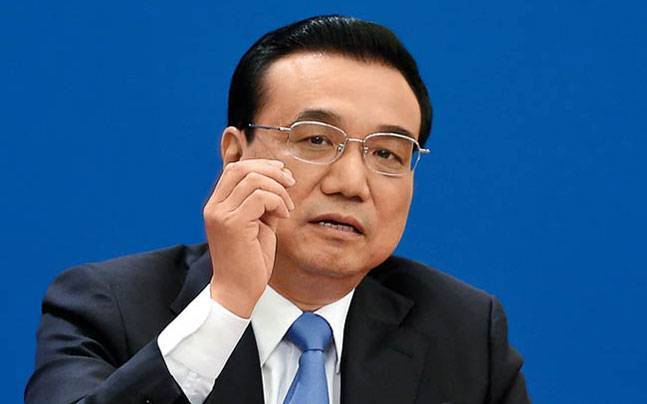
China’s Premier, Li Keqiang

Globally, a record 98 GW of solar power capacity was installed last year with China contributing more than half, or 53 GW, according to U.N. Environment, the Frankfurt School-UNEP Collaborating Centre and Bloomberg New Energy Finance.

The new renewable energy generating capacity, also including wind, biofuels and geothermal energy, dwarfed the 70 GW of net new capacity from fossil fuels in 2017, it said.

“We are at a turning point … from fossil fuels to the renewable world,” Erik Solheim, head of U.N. Environment, told Reuters. “The markets are there and renewables can take on coal, they can take on oil and gas.”

Fossil fuels, however, still dominate existing capacity. Solar, wind, biomass and other renewables generated 12.1 per cent of world electricity in 2017, up from 5.2 per cent a decade earlier, it said.

Climate scientists have advised governments that renewables should be the world’s dominant source of energy by mid-century.

They say thus is vital if they want to achieve the toughest goals set under the 2015 Paris climate agreement to combat global warming.

Global investment in renewable energy rose by two per cent to 279.8 billion dollars in 2017 from a year earlier. China invested the most in renewables at 126.6 billion dollars – its largest amount ever and 45 per cent of the global total.

“Much lower costs … are the driver of solar investment worldwide,” said Angus McCrone, chief editor of Bloomberg New Energy Finance and lead author of the report, told the media.

And solar power in China benefited from government policies to help industry, reduce air pollution and slow climate change, he said.

The report said the cost of generating electricity from large-scale solar photovoltaic technology fell by 15 percent last year to $86 per megawatt hour.

In the U.S., renewable energy investment fell by six per cent in 2017 to $40.5 billion.

However, it was relatively resilient to policy uncertainties under President Donald Trump, who wants to promote fossil fuels, the report said.

“Trump can no more brake this than those who opposed the Industrial Revolution could stop the Industrial Revolution,” said Solheim, a former Norwegian environment minister.

Still, Trump’s decision in January to slap tariffs on imported solar panels could dent U.S. solar power in the short term, McCrone said.

But there was no sign the U.S. Congress would scrap tax credits for renewables that was a bigger driver of long-term investment, he said.

Europe’s investment in renewables plunged by 36 per cent to 40.9 billion dollars due to factors including the end of subsidies in some countries for solar and wind and lower technology costs.

“In Europe the fall in investment is strongly driven by Germany and the UK,” said Ulf Moslener, lead editor of the report at the Frankfurt School.

World invests $2.9b in renewable energy since 2004 – UNEP Report

0

The world has invested $2.9 trillion dollars in green energy sources since 2004, a new UN-backed report released on Thursday, April 5, 2018 said.

Erik Solheim
Head of the UN Environment, Erik Solheim

The Global Trends in Renewable Energy Investment 2018 report, released by the UN Environment Programme (UNEP) and its partners, showed a steady move away from fossil fuel-based power production to ‘green’ power sources.

The report said solar energy dominated global investment in new power generation like never before in 2017.

It added that 2017 was the eighth in a row in which global investment in renewables exceeded $200 billion dollars.

“In 2017, the world installed a record 98 gigawatts of new solar capacity, far more than the net additions of the rest – other renewables, fossil fuel and nuclear”, according to the report.

The report added that solar power also attracted far more investment than any other technology, at $160.8 billion, up 18 per cent.

A driving power behind last year’s surge in solar was China, where an unprecedented boom saw some 53 gigawatts added – more than half the global total – and $86.5 billion invested, up 58 per cent.

“The extraordinary surge in solar investment shows how the global energy map is changing and, more importantly, what the economic benefits are of such a shift.

“Investments in renewables bring more people into the economy, they deliver more jobs, better quality jobs and better paid jobs.

“Clean energy also means less pollution, which means healthier, happier development,” UNEP chief Erik Solheim, said.

It said 2017 was the eighth in a row in which global investment in renewables exceeded $200 billion– and since 2004, the world had invested $2.9 trillion in these green energy sources.

Overall, China was by far the world’s largest investing country in renewables, at a record $126.6 billion, up 31 per cent on 2016.

There were also sharp increases in investment in Australia, up 147 per cent to $8.5 billion; Mexico, up 810 per cent to six billion dollars; and Sweden, up 127 per cent to $3.7 billion.

By Prudence Arobani

$300m AfDB fund for Niger Basin launched

0

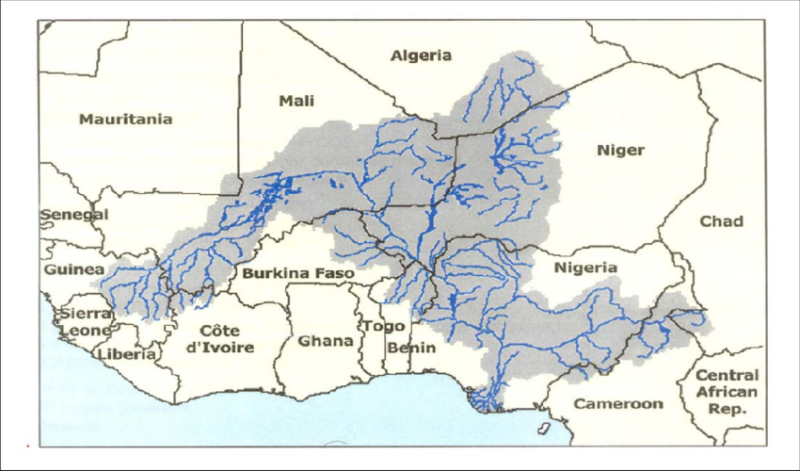
The Niger Basin Authority (NBA) has launched a $300 million fund with the African Development Bank (AfDB) for technical and environmental studies to protect the basin from the consequences of climate change.

Niger-River-Basin
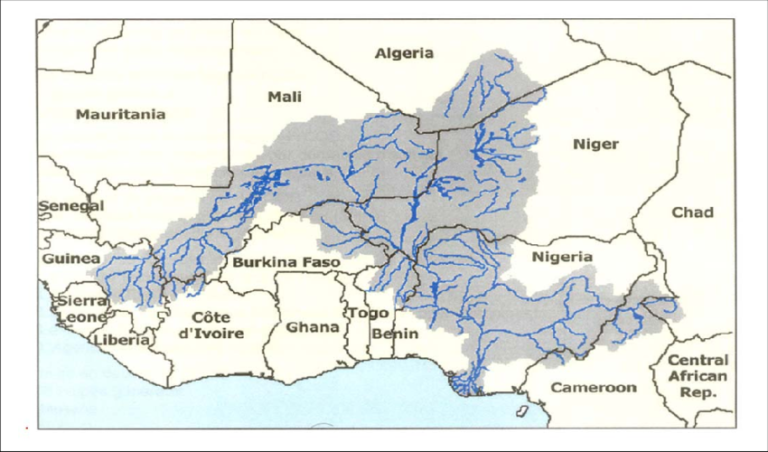
Location map of the Niger River Basin

The Executive Secretary of NBA, Dr Abderahim Hamid, made this known on Friday, April 6, 2018 at the opening of the 36th Ordinary Session of the Council of Ministers of NBA in Abuja.

The project, which is the Programme for the Integrated Development and Adaptation to Climate Change in the Niger Basin (PIDACC), would promote the adaptation of mechanisms to manage the depletion of the basin.

Hamid said that it was important for NBA member countries to make additional efforts through contributions and strengthening of human capacities towards improving the people’s livelihoods.

“I would like to request for member countries’ political and financial support and their ownership of NBA actions, so as to create favourable conditions for the people, especially in efforts to engage the youth of the basin.”

He pledged that the authority would continue to improve governance without forgetting the current difficulties in trans-boundary basin management.

The Minister of Water Resources, Mr Suleiman Adamu, said that the degradation of the environment in the Niger River Basin and its impact on the natural resources were the major concerns of countries, adding that the solutions entailed strengthened cooperation.

He said that the combined phenomena of climate change and population growth as well as irrational and abusive exploitation of natural resources had been having adverse consequences on the social-economic activities in the basin.

Adamu said that it was saddening to note that the Niger Basin Area, with a population of more than 130 million, was facing myriad challenges despite its richness and its diversity.

He underscored the need for the member countries to promote the development of the region by showing more commitment via the payment of their contributions.

Adamu urged them to pursue programmes such as the implementation of major integration projects and the Silting Control Programme in the basin, among others.

He also noted that programmes such as Reversing Land and Water Degradation Trends in the Niger Basin and the Water Resource Ecosystems Programme had been of great importance to the survival and development of the basin.

The minister restated the commitment of the Federal Government to fast-tracking the development of the basin, so as to achieve the overall goal of improving the livelihoods of the residents of the area.

News Agency of Nigeria reports that the Niger Basin Authority has nine-member countries – Benin Republic, Burkina Faso, Cameroon, Cote d’Ivoire, Guinea, Mali, Niger, Nigeria and Chad.

The population of the basin is approximately 130 million inhabitants and 70 per cent of the population are living in rural areas.

Due to its ecological and socio-economic importance, the Niger Basin is crucial to the development of the sub-region.

By Tosin Kolade

Nigeria, EU, UNODC renew commitments against terrorism, unfold new project

0

The ongoing fight against terrorism in Nigeria received a boost as the European Union unfolded a three-year funding plans commencing in April 2018. This was the highpoint of a final Project Steering Committee meeting involving Nigerian, European Union (EU), and United Nations Office on Drugs and Crime (UNODC) officials to reflect on the achievements made under the second phase of the EU-Nigeria-UNODC partnership to counter terrorism in Nigeria.

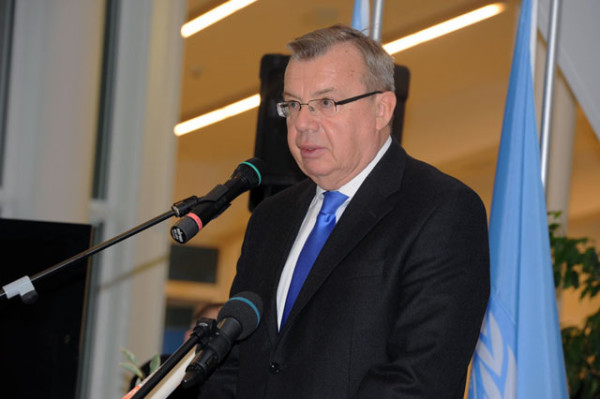
Fedotov
Yury Fedotov, Executive Director, United Nations Office on Drugs and Crime (UNODC)

The two-year project, funded by the EU, came to a close at the end of March. While it lasted, the project focused on further strengthening the capacity of Nigerian criminal justice officials to effectively investigate, prosecute, and adjudicate terrorism cases, in accordance with the rule of law and human rights.  It built on the groundwork laid under the previous EU-Nigeria-UNODC project.

The project delivered 82 capacity building activities, including providing extensive training to select groups of investigators, legal advisors, defence attorneys, prosecutors, and judges on a range of practically-focused terrorism-related criminal justice issues. It strengthened the capacity of Nigerian criminal justice training institutions, providing in-depth train-the-trainer courses to groups of Nigerian trainers on counter-terrorism investigations, adjudication of terrorism cases, and human rights, respectively, and producing a manual on counter-investigations for use by police practitioners and trainers.

The project also expanded its work in Northeast Nigeria.  Mr. Kurt Cornelis from the European Union noted: “The European Union is particularly pleased to have been able to support the Government of Nigeria to address the significant terrorist threat facing the Northeast by working with Nigeria to develop an Action Plan on the Criminal Justice Responses to Terrorism in Northeast Nigeria which will support implementation of the Policy Framework and National Action Plan for Preventing and Countering Violent Extremism.  The EU looks forward to partnering with Nigeria on its implementation during the next phase of the project.”

At the final Steering Committee meeting, Ms. Catherine Udida, from the Office of the National Security Advisor, stated: “Over the last two years, Nigeria has made important progress in its fight against terrorism.  We continue to be grateful for the partnership with the EU and UNODC in addressing this challenge and in particular for the support provided to the Nigerian Policy Framework and National Action Plan for Preventing and Countering Violent Extremism” which serves as an important framework for Nigerian efforts to counter terrorism.”

Ms. Elisabeth Bayer from the UNODC Office in Nigeria thanked the European Union and Nigeria for their on-going close collaboration, noting: “This project has been tailored to the needs identified by the Government of Nigeria.  As a result, it has built a significant cadre of trained Nigerian counter-terrorism practitioners who are armed with the skills and knowledge needed to respond to the terrorism-related criminal justice challenges that Nigeria is currently facing.”

The Project Steering Committee was attended by representatives from the Nigerian entities who most closely worked with the project including: the Office of the National Security Advisor; Ministry of Budget and National Planning, Court of Appeal, Department of State Services, Federal Ministry of Justice, Federal High Court, Federal Ministry of Foreign Affairs, National Assembly, National Human Rights Commission,  National Judicial Institute,  Nigeria Police Force, Nigerian Bar Association, and Defence Headquarters.

Nigeria, the European Union and UNODC have already committed to continue this successful partnership with an EU-funded three-year counter-terrorism project starting in April 2018 which will build on and expand the work already started.

PSP resolves rift with government, to resume door-to-door waste collection

0

PSP waste operators in Lagos are to return to their former role as residential waste collectors, thanks to what appears to be a resolution of differences between them and the authorities.

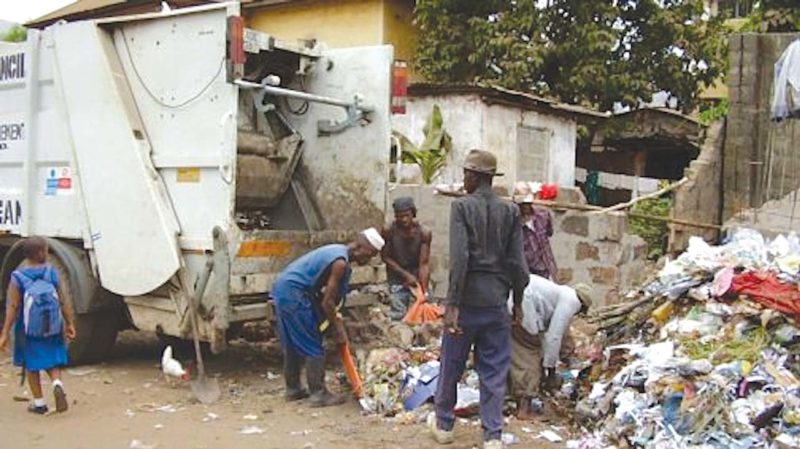
waste managers
Lagos waste PSP operators at work

The breath of fresh air will also see the PSP operatives, now referred to as Waste Collection Operators (WCOs) under the controversial Cleaner Lagos Initiative (CLI), revert back to their traditional door-to-door residential waste collection task.

The reshuffling of residential waste collection responsibilities by the state government under the CLI saw Visionscape Sanitation Solution taking over the function from PSP, thereby leading to an infamous waste management crisis that lead to the emergence of heaps of refuse in the state.

But, in an announcement on Thursday, April 5, 2018, CLI disclosed that a progressive consensus has now been reached between both parties.

“This new development contains an agreement which will see PSP operators, now referred to as Waste Collection Operators under the scheme, return to their former role as residential waste collectors, while Visionscape oversees waste management infrastructural reforms in the state,” according to the statement.

CLI pointed out that the agreement was reached after the state government extended a proverbial olive branch to the aggrieved operators in a bid to resolve the long drawn out issues, and prompt the WCOs to return to regular waste collection operations in the state.

Oladipo Egbeyemi, Chairman of the Association of Waste Managers of Nigeria (AWAM), expressed his gratitude to government officials for their unrelenting support and dedication in the face of the challenges faced by the PSP operators.

Egbeyemi further reassured Lagos state residents of an uplift in the city’s waste management system with the official resumption of door-to-door residential waste collection by the PSPs.

Visionscape Sanitation is likewise charged with the construction of waste management infrastructure and, so far, the organisation has refurbished three dilapidated Transfer Loading Stations (TLSs) previously managed by LAWMA in Simpson, Agege, and Oshodi.

Visionscape is also currently facilitating the completion of an Engineered Sanitary Landfill in Epe which, according to state officials, serves as a safer alternative for the troubled dumpsite in Olusosun, which caught fire a few weeks ago, and has since been shut down by the state government.

The CLI says it remains committed to working with all parties to achieve and maintain a clean environment for all.

The landfill currently under construction, and manned by Visionscape Sanitation in Epe is said to be the first Engineered Sanitary Landfill in West Africa.

The 88-hectare landfill has been described as a key infrastructural reform under the CLI and, on completion, will boast of engineered cells, leachate collection and treatment facilities, material recovery facilities, a green EcoPark, and other essential features.