Home Blog Page 1929

AfDB key to continent’s economic development – Southern African governors

0

The Southern African Governors of the African Development Bank (AfDB) have called on the bank to lead the way to faster-paced development of the African Continent.
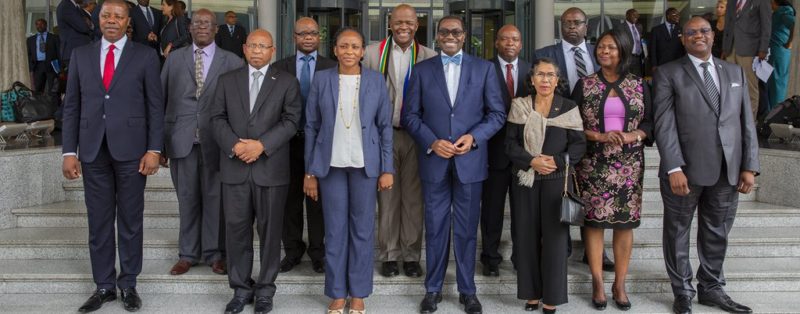
AfDB-Southern-Africa-Governors
The AfDB Southern Africa Governors in a group photo with the bank’s President, Akinwumi Adesina

The AfDB, in a statement on Tuesday, April 11, 2018, said the governors as well as Finance Ministers from Angola, Lesotho, Madagascar, Malawi, Mozambique, and Namibia shared their thoughts at a regional consultation with AfDB in Abidjan, Côte d’Ivoire.

The ministers of Finance and Planning from São Tomé and Príncipe, South Africa, Swaziland, Zambia and Zimbabwe were also present at the meeting.

According to the statement, the governors expressed concern about the Southern African region’s low growth performance in 2017 and the fact that nine out of 10 developing countries would be in Africa by 2030.

They identified the bank as Africa’s trusted partner to lead the way to reverse the situation.

The Minister of Finance and Budget of Madagascar, Mrs Vonintsalama Andriambololona, said many challenges faced by Africa required that the continent sit up in order to develop and to grow.

She commended the bank’s leadership in reducing time lags between project conception and first disbursements, which she noted was faster with the AfDB than with any other multilateral development institution.

“We are grateful to the African Development Bank for anticipating Africa’s funding needs and addressing them now. Africa needs more resources to grow.

“As such, we are favourable to a capital increase for the Bank to help address Africa’s funding needs,” she said.

Meanwhile, the AfDB president, Mr Akinwumi Adesina, said in 2017, the bank accelerated the scale and delivery of its lending and achieved the highest disbursement ever in its history with over $7.2 billion.

“The challenges ahead of Africa are immense, and the need for faster growth is even more urgent than ever before. Therefore, we cannot rest on our oars,” he said.

Adesina called for collective action to scale-up implementation of Africa’s development, noting that a faster-paced development was what the continent needed.

“We have just 12 years to achieve the Sustainable Development Goals. This is not a clock ticking, It is an alarm bell for the world and the bell is ringing louder and louder.

“The Sustainable Development Goals will not be achieved by a ‘business as usual’ attitude and they will not be realised globally unless Africa achieves them completely and comprehensively,” he said.

Adesina said all the countries of the Southern region had a great opportunity to accelerate inclusive growth in the next few years and that the AfDB would be with them on this journey.

According to AfDB data, the bank’s operations are transforming the lives of millions of Africans.

According to figures for 2010-2017, 18 million Africans benefitted from new electricity connections and 57 million Africans benefitted from improvements in agriculture.

In the same period, 420,000 small businesses were provided with financial services, while 83 million Africans benefitted from improved access to transport and 49 million Africans benefitted from better access to water and sanitation.

By Rachael Ishaya
NPC puts Nigeria’s population at 198m

0

The National Population Commission (NPC) has put Nigeria’s current population at 198 million people with urban population growing at an average annual growth rate of about 6.5 per cent

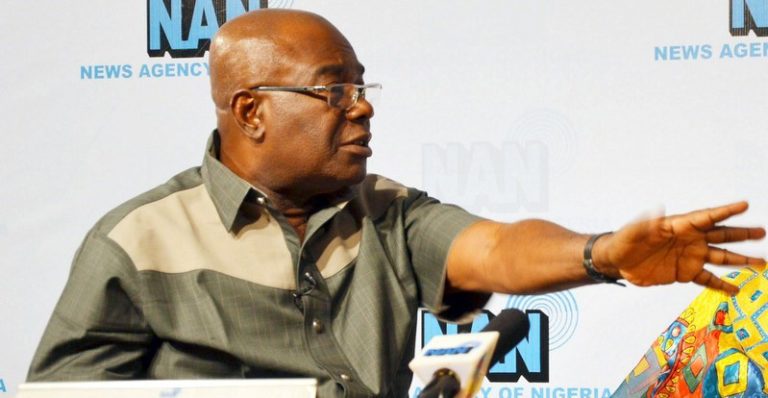
Chairman of NPC, Mr Eze Duruiheoma, stated this in New York while delivering Nigeria’s statement on Sustainable Cities, Human Mobility and International Migration at the 51st Session of Commission on Population and Development.

Eze Duruiheoma
Chairman of NPC, Eze Duruiheoma

Duruiheoma said: “Nigeria remains the most populous in Africa, the seventh globally with an estimated population of over 198 million.

“The recent World Population Prospects predicts that by 2050, Nigeria will become the third most populated country in the world.

“Over the last 50 years, the Nigeria’s urban population has grown at an average annual growth rate of more than 6.5 per cent without commensurate increase in social amenities and infrastructure.

“It grew substantially from 17.3 in 1967 to 49.4 per cent in 2017. In addition, the 2014 World Urbanisation Prospects report, predicts that by 2050, most of the population – 70 per cent – will be residing in cities.

“The 2010 human mobility Survey report revealed that 23 per cent of the sampled population were of more females than males”.

He said the category of population mostly engaged in urbanisation and migration were young people of teenage and adolescents’ girls and boys, women of child bearing age and the working age population.

He said existing urbanisation trend coupled with internally displaced persons (IDPs) in cities, pose critical challenges to securing sustainability of our cities, including efforts to make them smart and responsive to human influx.

“The Displacement Tracking Matrix round XXI of January 2018 identified estimated 1.7 million IDPs in over 321,580 households across six states of North-East Nigeria with 40 per cent residing in camp-like settings in urban areas plus 1.4 million returnees.

“The number of IDPs represented 4.5 per cent increase compared to the 1,702,680 identified in Round XX (Dec. 2017).”

Duruiheoma said that, like in other developing countries, Nigerian cities hosted wide spread poverty, under-employment and unemployment at an average of 18.4 per cent, according to the National Bureau of Statistics 2017 report.

The NPC boss bemoaned the insecurity and inadequate and inequitable health care services for adolescents and women of child bearing age.

“Nigeria continues to commit to solving the challenges of insurgents in the Northeast, which has induced a high number of internally displaced persons.

“We acknowledge that women, children and particularly the girl child are often the most vulnerable in these displacements, and in this regard, we remain focused on the wellbeing of these vulnerable parts of our population.

“We are committed to providing adequate health care services, reducing maternal mortality, rebuilding safe schools and empowering our women, ensuring no one is left behind in terms of achieving sustainable development.”

Duruiheoma said these challenges adversely impacted on the quality of life and standards of living of the urban populace.

According to him, Nigeria stays committed to the twin goals of the Habitat Agenda – adequate shelter for all and the development of sustainable human settlements in an urbanising world.

By Prudence Arobani

Attenborough joins world experts in calling for action for nature

0

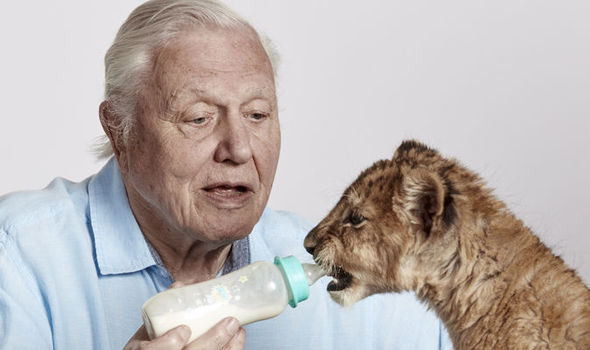
English broadcaster and naturalist, Sir David Attenborough, on Thursday, April 12, 2018 in Cambridge, UK, joins the head of the UN’s Convention on Biological Diversity (CBD), Dr Cristiana Paşca Palmer, and a panel from government, business and civil society to discuss how to mobilise global action to tackle what is said to be the greatest threat to humanity: the biodiversity crisis.

David Attenborough
Sir David Attenborough

The Public lecture and panel discussion is themed: “Setting a new post-2020 biodiversity agenda – the communications challenge”.

Dr Palmer said: “By 2020, the end of the current UN Decade on Biodiversity, the world’s biodiversity is set to have declined by two-thirds. This unprecedented rate of destruction jeopardises not only the amazing variety of life on Earth, but the prospects for human development and well-being. We need a paradigm shift in the way that humans interact with nature; we need transformative change and a systemic approach to address the root causes of biological destruction.”

In 2020, the world’s governments will meet in Beijing, China, to agree a new framework for global action to tackle the biodiversity crisis over the next decade. It is critical that a strong, evidence-based biodiversity conservation strategy be agreed, linked to the climate and development agendas, and that momentum is built within the public and private sectors to inspire a movement for action and galvanise political urgency to deliver ambitious commitments post-2020.

Millions of viewers around the world watched the BBC’s landmark series Blue Planet II in 2017, which took an unflinching look at the impact of human activity on marine life and saw Sir David delivering a powerful rallying call to do more to protect the environment. “The future of all life now depends on us,” the BBC naturalist said in his closing speech of the final episode.

Sir David will now return to the building that bears his name and which he proudly opened two years ago to address a booked-out audience. Leaning on his nearly 70 years’ experience of communicating the wonder of nature, he and the panel will consider how to galvanise governments, business, media and the general public to transform the complex messages surrounding biodiversity into understandable, effective and inspiring ones.

It’ll take millions of years for Africa to split, say scientists

0

In view of the discovery of a deep crack in the Rift Valley in Kenya, scientists on Tuesday, April 10, 2018 said it would take millions of years for Africa to divide to two.

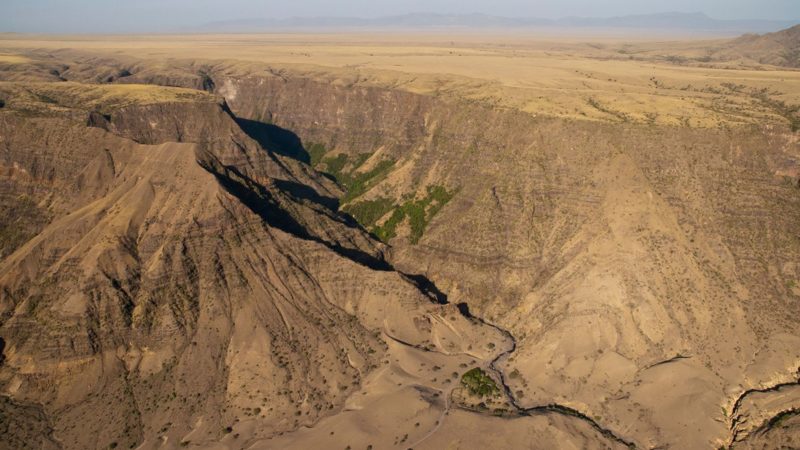
Rift-Valley-Kenya
Rift Valley, Kenya

The scientists were reacting to reports of a 50-foot deep crack in the earth that began to develop near Nairobi in Kenya on March 18, which they say could be a sign of an impending continental split.

The crack, stretching several kilometres, made a sudden appearance recently in south-western Kenya. The tear, which continues to grow, caused part of the Nairobi-Narok highway to collapse and was accompanied by seismic activity in the area.

However, some scientists think the gully was caused by rains washing away loose soil, nothing more, and suggested fixing the road.

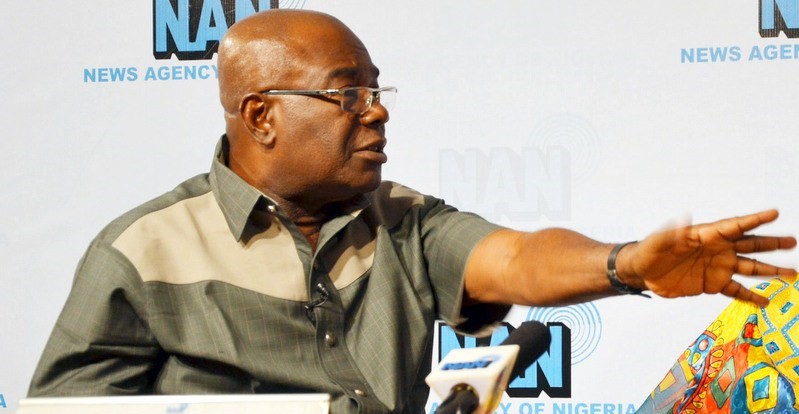
Prof. Mosto Onuoha, the President, Nigerian Academy of Science (NAS), told the News Agency of Nigeria (NAN) that it would take at least 50 million years for such separation to take place.

“We will keep noticing the change in a period of about 100 to 200 years’ measurement.

“But this is about 50 million years from now,” he said.

Onuoha said the rift did not start recently but very many years ago, adding that the process had been on and it would continue.

He said the issue in Kenya could be likened to Madagascar that was part of Africa and later was divided by an ocean.

“Like Madagascar, it was joined to Africa around Mozambique, but there is an ocean now between Mozambique and Madagascar,” he said.

Mr Adewale Bakare, the President, Nigeria Community Association Bradford (NCAB), UK, said the African continent ought not to entertain any panic regarding a crack in Kenya.

“That rift will keep on expanding and getting wider. It is going to take so many millions of years for that to happen.

‘’There is nothing to worry about. It is a geological process and natural phenomenon.

“There is a positive aspect to all the troubles they are having in the East African region, which is generation of geothermal energy.

“The geothermal energy is coming up from the breaking or extension of the land,” he said.

Dr Adeneye Talabi, the Director, Technology Acquisition and Adaption Department, Federal Ministry of Science and Technology (FMST), urged Africans not to be frighten whether the continent would split in two.

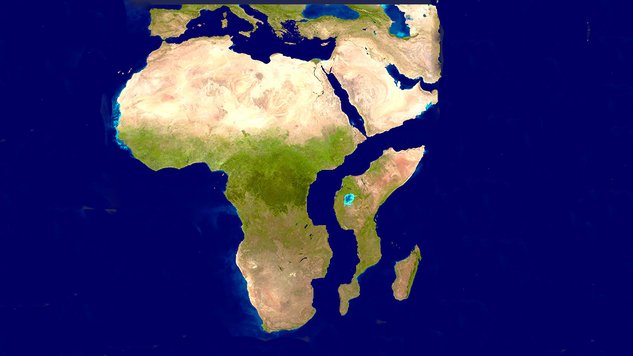
Africa split
Projection: Africa after the split

According to Talabi, splitting Africa in two via Kenya will not be in this present generation.

He, however, urged the continent to take proactive technology steps to address any incidents that could arise as a result of splitting process.

“Where the crack is now, African countries should be very proactive to apply the appropriate technologies that are already available.

“By installing early warning system devices and equipment that are sensitive enough to detect probable time, location and direction of movement of the crack further from where it is now in Kenya.

“This will allow them to be proactive in determining what to do for any likely occurrence and to reduce to the barest minimum loses that will be incurred,” he said.

The director urged the government to strengthen all parastatals under the Federal Ministry of Science and Technology (FMST) to be able to carry out research and development works capable of determining the effect of the crack in Nigeria.

NAN reports that it has been discovered that Israel also sits along the Rift Valley, which some scientists say can be an impending danger in form of a devastating earthquake for the country.

Dr Ron Avni of the Ben-Gurion University of the Negev told Haaretz that “indeed the plate tectonics are tearing Africa into two and we don’t need the crack in Kenya to know that.’’

The Kenyan crack definitely is in the Rift Valley, which starts in Mozambique, passes through most eastern Africa all the way to Israel – the Red Sea, Dead Sea and the Sea of Galilee all sit on it.

By Gabriel Agbeja

Jibril, environment minister, to grace Africa Carbon Forum

0

The Minister of State for Environment, Ibrahim Usman Jibril, will participate at the 10th Africa Carbon Forum, scheduled to hold from Wednesday, April 11 to Friday, April 13, 2018 in Nairobi, Kenya.

Ibrahim Usman Jibril
Environment Minister of State, Ibrahim Usman Jibril

The Minister, who is attending the forum on the invitation of the World Bank, will participate in a ministerial high-level plenary session as a key speaker. The session, which has “Climate Finance as a catalyst for the promotion of integrated landscape management and rural development” as its theme, will also include ministers from Ethiopia, Mozambique and Namibia.

The Africa Carbon Forum, it was gathered, connects project developers with foreign investors, carbon market representatives and government representatives, while engaging Africa in the global climate finance process.

Observers have tagged the annual forum a “must‐attend” event, pointing out that it is critical for keeping up with the latest on climate finance, carbon markets and mechanisms. It has been described as one of the most important global events on climate financing and carbon markets and mechanisms.

According to the organisers of the event, the Paris Agreement, along with accompanying financial pledges, investor’s guidelines, actions and initiatives announced during COP21, sets out a clear signal and framework for scaled-up climate action, which now needs to be implemented. The present moment, they say, marks the start of a new era for the Nairobi Framework and the Africa region as a whole, one that holds great challenges but also exciting, transformational opportunities driven by ambitious national action and increased international cooperation in the areas of finance, market-driven development approaches, technology transfer and capacity-building.

In December 2017, Nigeria issued its first Sovereign Green Bonds as part of it innovative ways of financing the implementation of its Nationally Determined Contributions (NDCs). The debut N10.69 billion green bond, described as “pilot sovereign”, is part of a N150 billion green bond programme by the Federal Ministry of Environment. It emerged after an extensive development process involving domestic and international stakeholders, which observers say demonstrates the commitment of the administration of President Mohammadu Buhari to the Climate Action Agenda.

UN urges Africa to embrace traditional crops to combat climate change

0

The UN specialised agency on combating hunger on Monday, April 9, 2018 urged African states to embrace traditional crops in order to combat climate change.

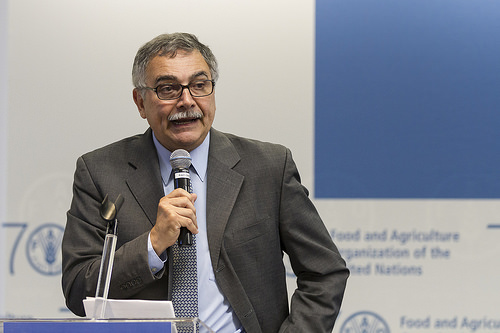
René Castro
René Castro, Assistant-Director General of the UN Food and Agriculture Organisation (FAO)

Wilson Ronno, Crops Officer at the Food and Agriculture Organisation (FAO) Kenya, said this when FAO officials made a courtesy call to the Kenya Agricultural and Livestock Research Organisation offices in Nairobi.

Ronno said studies had indicated that sub-Sahara Africa would lose a significant portion of its arable land in the coming decades due to climate change.

“Africa should embrace and promote sorghum, millet, cassava and indigenous vegetables because they could help the continent fight climate change as they are drought tolerant crops,” Ronno said.

The FAO officials are currently visiting Kenyan projects that have received financial assistance from the Benefit Sharing Fund which aims to increase the number of nutritious crops that farmers grow.

Ronno said the amount of land suitable for growing one of Africa’s key staple crops, maize will reduce as climate change is now a reality.

“The continent should ensure resilience against climate change by embracing traditional crops that have been neglected,’’ he added.

Ronno observed that millets and sorghum would be the food for the future when temperatures go up and maize can longer perform well.

The crops officer said cultivation and consumption of indigenous crops had been on the decline due to increasing urbanisation and change of lifestyles.

He noted that as Africa economy develops, the urban population have begun to embrace foreign foods and move away from consuming indigenous crops.

“As a result, farmers have lost the incentive to cultivate traditional crops such as sorghum and millet,” he added.

Word Health Day: Government reiterates commitment to 2025 Universal Health Coverage

0

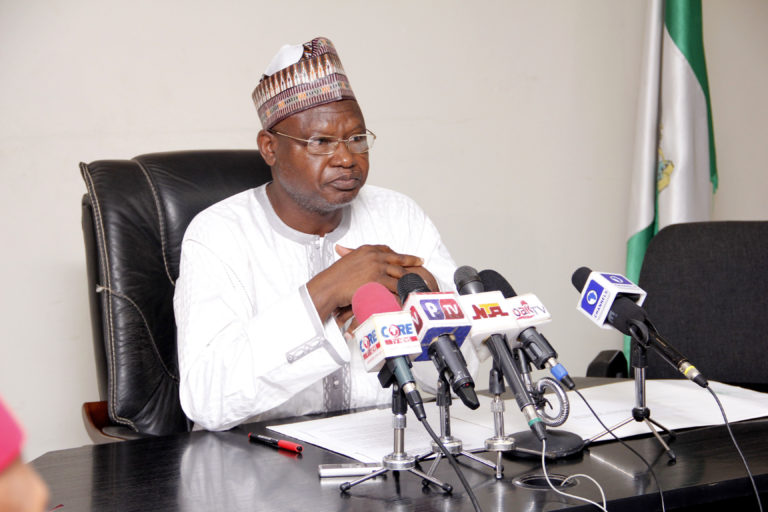
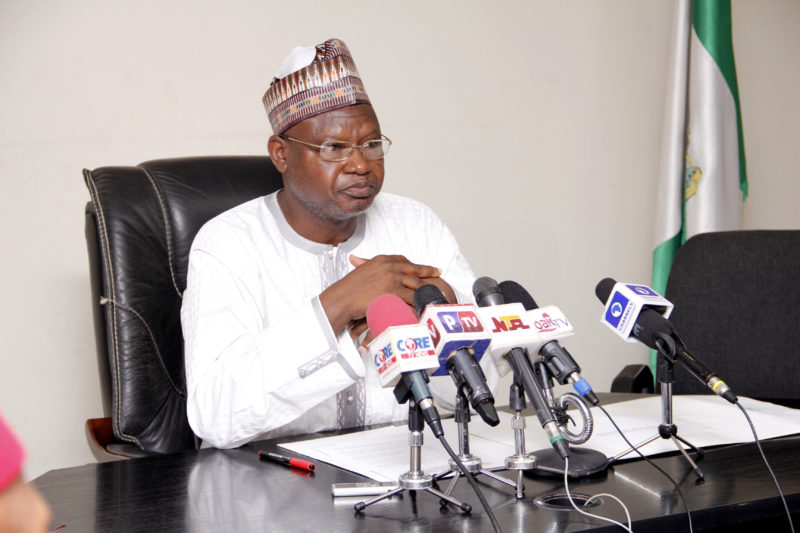
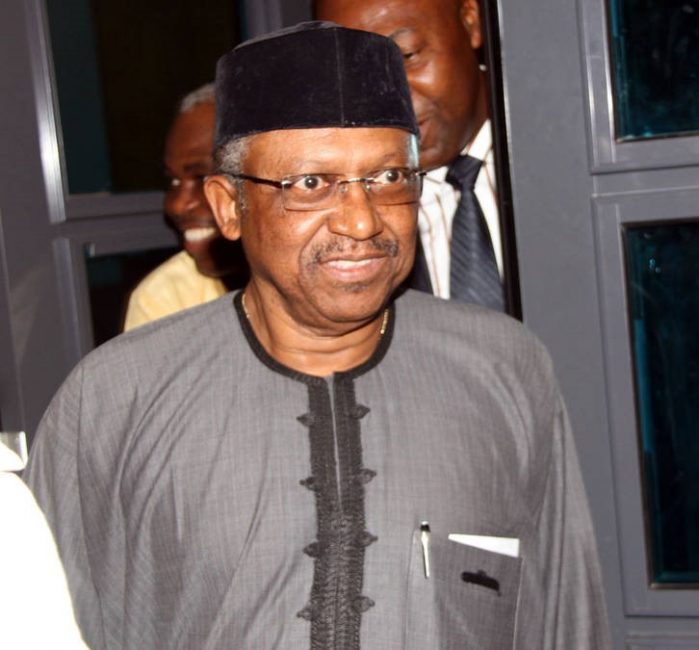
The Minister of State for Health, Dr Osagie Ehanire, has reiterated Federal Government’s commitment to achieve Universal Health Coverage (UHC) by 2025.

Dr Osagie Ehanire
Minister of State for Health, Dr Osagie Ehanire

The minister made this known while briefing newsmen on Monday, April 9, 2018 in Abuja as part of activities to commemorate 2018 World Health Day with the theme “Universal Health Coverage: Everyone, Everywhere.”

He said that the Federal Ministry of Health also has “Health for All” as its slogan.

World Health Day is a global health awareness day celebrated every year on April 7 under the sponsorship of World Health Organisation (WHO) and other related organisations.

WHO held the first World Health Assembly in 1948 and the Assembly decided to celebrate April 7 of each year as World Health Day with effect from 1950 to draw worldwide attention to major global health issues.

Ehanire said Federal Ministry of Health, through National Health Insurance Scheme (NHIS), set the mandate to achieve UHC by 2025.

He added that Federal Government recognised the importance of UHC in National Health System as part of social protection architecture aimed at ensuring that Nigerians got quality health service when and where they needed it without suffering financial hardship.

He said: “Government is working to provide physical access to health care with the revitalisation of one functional Primary Health Care Centre in every political ward to serve citizens, even when they do not immediately have money to pay.

“This helps to preserve human capital and contributes to productivity and socioeconomic development, while supporting equity, especially among rural dwellers and the urban poor, leaving no one behind.”

The minister noted that UHC strategy and approach to better healthcare vary from country to country and that Nigeria had studied other countries’ models.

He said the lessons learned toward the goal of UHC for Nigerians yielded the National Health Act (NHAct).

Ehanire added that the National Health Act provided the guidelines for Basic Health Care Provision Fund (BHCPF) National Health Care Financing Policy and Strategy, Primary Health Care Under One Roof (PHCUOR), among others.

He said the Act, enacted in 2014 to provide framework for regulation, development and management of National Health System.

“Operationalisation of the Act, as step toward UHC, is expected to support physical and financial access to healthcare by aiding and revamping of neighbourhood PHC Centres and solving challenges of human resource for health.”

By Mustapha Yauri

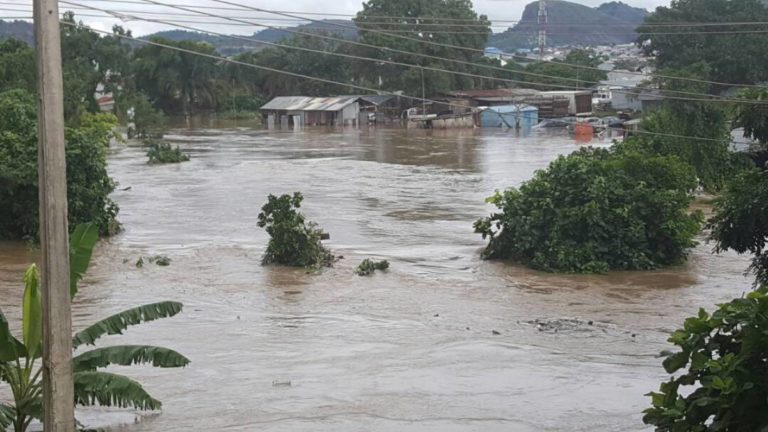
NEMA issues flood warning to communities living close to rivers in South-East

0

The National Emergency Management Agency (NEMA) has issued a flood warning to communities living close to rivers and low land areas within the South-East

Suleja
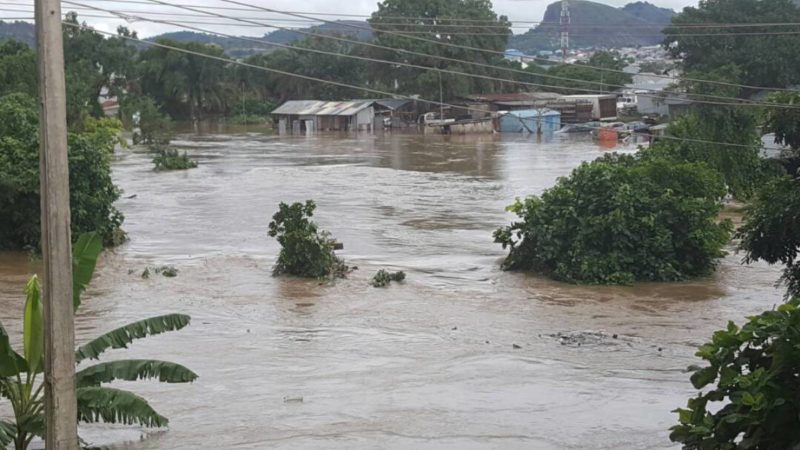
Flooded parts of Suleja. Photo credit: Sahara Reporters

NEMA’s Zonal Co-ordinator, Mr Walson Brandon, issued the warning while briefing journalists in Enugu on Monday, April 10, 2018.

Brandon also advised residents of the zone to immediately contact the agency in case of any flood occurrence.

According to him, top on the flood risk communities and areas in the South-East are within Enugu, Ebonyi and Anamra states.

He said the warning arose from annual flood outlook from the National Meteorological Agency (NiMet) and the National Hydrological Service Agency (NIHSA).

“From the annual flood outlook, the risk areas in Enugu State are Enugu South, Enugu East and Oji River council areas.

“In Ebonyi, it includes Afikpo North, Ezea South, Ohaukwu and Ebonyi council areas.

“While in Anambra State, includes Orumba North, Orumba South, Anaocha, Oyi, Dunukofia and Njikoka council areas.

“I urge the people in the affected areas not to fall back and wait for government at the state and local levels, they should be on alert and contact appropriate federal agencies in case of any flood incident,’’ he said.

Brandon, who is an Assistant Director in the agency, urged people in the affected areas to immediately contact NEMA through its emergency line 07084561972, if the need arises.

On the issue of Internally Displaced Persons (IDPs) in the zone, the co-ordinator said NEMA cannot do it alone.

He noted that the agency was reaching out to the local governments to sensitise them on camp management, particularly how to put together and manage IDPs.

Brandon noted that the mandate of NEMA includes disaster prevention, preparedness, response and recovery.

By Stanley Nwanosike

Unilag’s biodiversity conservation centre to ensure ecosystems sustainability

0

The Executive Director, Tertiary Education Trust Fund (TETfund), Dr Abdullahi Baffa, says there is need for continued defence and extension of existing environmental protection provisions by promoting skills, technology, market access and innovation.

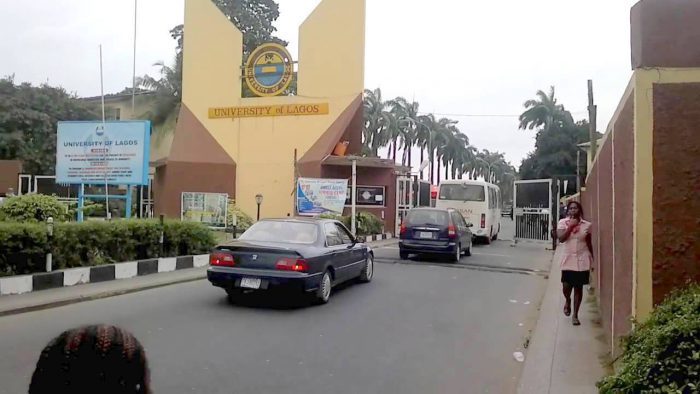
University of Lagos Unilag
University of Lagos, Akoka

Baffa said this at the inauguration of the Centre For Biodiversity Conservation and Ecosystem Management (CEBCEM) in the University of Lagos, Akoka on Monday, April 9, 2018.

The inauguration had the theme: “Biodiversity Conservation and Environmental Sustainability; Road Maps Towards Economic Empowerment”.

The News Agency of Nigeria (NAN) reports that CEBCEM is to focus on management of biodiversity, conservation and sustainable ecosystem monitoring through collaborative research.

It will use scientific findings to advance environmental awareness campaigns and inform decision makers.

It will also provide a platform for education and researches of undergraduates and graduate students as well as faculties in the related fields of science, social sciences arts, and science-based education courses.

According to Baffa, who was the keynote speaker at the event, governments also need to continue to champion sustainable farming, livestock and food production through huge investments.

’’In Nigeria and globally, biodiversity is under threat and plants and animals species seem to be more precarious to this threat.

“The action of especially anthropogeny is believed to have some serious negative impacts on biodiversity, leading to genetic erosion and consequent extinction of valuable plants.

“Biodiversity and conservation are important concepts to achieve environmental sustainability.

“While biological diversity includes all living organisms (both individuals and groups) and their relationship with one another, conservation is the protection and/or management of such resources,” he explained.

Baffa added that biodiversity also had to do with the degree of variation of life forms within a given specie, ecosystem or an entire planet.

He said that it was also a measure of the health of ecosystems.

‘’Environmental sustainability is one of eight Millennium Development Goals (MDGs) declared in the year 2000.

‘’Nigeria has taken lots of initiatives to achieve all the eight goals, but for  goal number seven (ensuring environmental sustainability), the rate of implementation has been slow, especially with respect to reversing the loss of environmental resources; ensuring sustainable access to safe drinking water for all, and reducing biodiversity loss,’’ he said.

Baffa said that challenges to achieving the goal included population growth, high incidence of poverty and policy inconsistency.

The official said that complementarity should be encouraged for environmental sustainability and economic empowerment.

‘’The establishment of CEBCEM should, therefore, be seen as one major contribution of the University of Lagos toward protecting the planet,’’ he said.

He said that researchers at CEBCEM would have opportunities to make global impacts by proposing local solutions to challenges of biodiversity conservation.

He called for solutions to “wicked water” problems, and urged increase in the resilience of people and ecosystem.

The Vice Chancellor of the institution, Prof. Oluwatoyin Ogundipe, told NAN on the sidelines of the inauguration that the centre was aimed at mitigating critical threats to local, regional and global biological, physical and cultural diversity by advancing scientific research in diverse ecosystem.

Ogundipe said that the centre had the goal of strengthening application of science to conservation practice and public policy formulation, among others.

“Biodiversity is about our life; it is about our environment; it is about us.

“It is about how we can make maximum use of our environment.

“When you talk about environment, you talk about plants and animals and, of course, our usage.

“One of our main goals is achievement of demand-driven research to help our community and nation as a whole on food security as well as lead us to see the potential of our environment,” he said.

Ogundipe said that TETfund had offered the institution research grant on allergy.

According to him, it is no longer new that sometimes people react to certain pollen grains in the atmosphere.

He said that the university had already begun a research on the issue.

In his good will message, the Dean, School of Postgraduate of the university, Prof. Solomon Akingboye, said that the inauguration was a step in the right direction.

Akingboye said that the centre would assist in the production of quality PhD holders and thesis.

He remarked that poverty alleviation was key to environmental sustainability.

By Chinyere Nwachukwu

Nigeria said to be making remarkable effort to eradicate water scarcity

0

Nigeria’s Ambassador/Deputy Permanent Representative to the UN, Amb. Samson Itegboje, has said that the country is making tremendous efforts to eradicate poor sanitation and excessive use of water.

Amb. Samson Itegboje
Nigeria’s Ambassador/Deputy Permanent Representative to the UN, Amb. Samson Itegboje

Itegboje made this known at the International Decade for Action tagged: “Water for Sustainable Development 21018-2028” held at the UN Headquarters, New York.

He added that concerted efforts were being made to address water scarcity.

He explained that the role of water in ensuring the country’s sustainable development could not be overemphasised.

Itegboje said: “The present administration has increased momentum for meeting this goal through the inauguration of the Partnership for Extended water.

“The Federal Ministry of Water Resources is working tirelessly to scale up access to water and sanitation by repositioning the relevant department/agencies for efficient service delivery.”

The envoy, however, regretted that, currently, 65 million Nigerians were without clean drinkable water.

He noted that an estimated 100 million Nigerians still lacked basic sanitation facilities and 63 million did not have access to improved source of drinking water.

Open defecation is still practised by about a third of the rural population, while some 12 per cent of the urban population also practices open defecation, he said.

He expressed confidence that the “International Decade for Action: water for sustainable development: 2018-2028″ would provide Nigeria with the opportunity to put its acts together to change the scenario.

“Nigeria follows the national standards and targets as stated in the Water Sector Road Map of 2010, the Vision 20:2030, the Sustainable Development Goals (SDGs) and the African Water Vision.

“Nigeria is of the view that water is the driving force of all nature and that it is linked with every aspect of human existence to equip and sustain a people,” he said.

According to him, the Federal Ministry of Water Resources is constructing dams mostly in the northern part of Nigeria where we have desert encroachment as a result of climate change.

“In the spirit of not leaving anyone behind, Nigeria is striving to ensure that these vulnerable Nigerians are catered for while meeting target for the Agenda 2028.

“This is to ensure the availability of clean water to every Nigerian,” he said.

Nigeria reiterated its position to continuously support the implementation of SDG 6 knowing its importance to the development of our people.

By Prudence Arobani