Home Blog Page 192

Equatorial Guinea President to join global energy leaders at AEInvest 2025 in New York

0

The President of Equatorial Guinea, Teodoro Obiang Nguema Mbasogo, has confirmed that he will join other African Presidents, global energy leaders and investors at the inaugural Africa Energy Investment Summit (AEInvest 2025), taking place in New York on September 25, 2025. He becomes the latest African President to confirm his attendance.

Equatorial Guinea, as a founding member of APPO and one of Africa’s key oil and gas producers, will play an active role in advancing the summit’s objectives. President Obiang’s participation underscores the country’s leadership in mobilising investments that will transform Africa’s energy infrastructure, create jobs, and drive innovation.
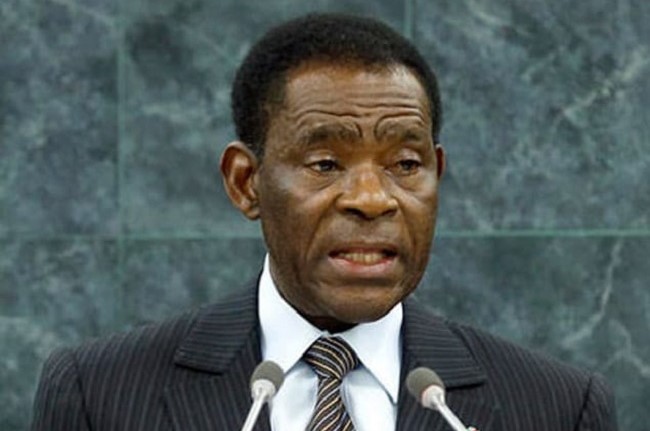
President Teodoro Obiang Nguema Mbasogo
President of Equatorial Guinea, Teodoro Obiang Nguema Mbasogo

Hosted under the auspices of the Africa Petroleum Producers Organisation (APPO), AEInvest 2025 will convene global investors, policymakers, and energy leaders to unlock critical capital flows for Africa’s energy sector. This high-profile summit is set to position Africa at the forefront of global energy investment discussions, fostering new partnerships and accelerating sustainable development across the continent.

“Africa stands at a decisive moment in its energy journey. AEInvest 2025 represents an unparalleled platform to showcase our continent’s vast energy potential, attract vital capital, and promote sustainable growth,” said Dr. Omar Farouk Ibrahim, Secretary General, APPO.

“APPO is proud of Equatorial Guinea and other member states’ support in this transformative effort to align Africa’s energy ambitions with global investment opportunities,” Ibrahim added.

The Africa Energy Investment Summit comes at a time when the global energy landscape is rapidly evolving. With its immense natural resources, Africa has a unique opportunity to strengthen energy security, expand infrastructure, and champion the transition to sustainable solutions.

“We are creating a historic platform to channel capital, innovation, and partnerships into Africa’s energy sector. This summit is not just about investment; it is about unlocking Africa’s full potential to drive sustainable growth and opportunity for generations to come,” said Dr. James Shindi, Chief Executive Officer, Brevity Anderson, the event producers.

The summit will feature opening keynote addresses from African Heads of State, UN representatives, and energy leaders. There will also be panel discussions on investment opportunities, regulatory reforms, successful energy models and the event will be rounded up with strategic networking sessions between African governments, U.S. financial institutions, and global energy companies.

By convening at the heart of the global financial ecosystem in New York, AEInvest 2025 aims to unlock untapped capital from Wall Street and other financial centers, strengthen investor confidence in Africa’s energy sector and promote technology transfer, job creation, and sustainable growth.

The Africa Energy Investment Summit (AEInvest 2025) is the first of its kind dedicated to attracting significant international investment into Africa’s energy sector. Organised by APPO, the summit will coincide with the 80th UN General Assembly, ensuring maximum global engagement and visibility.
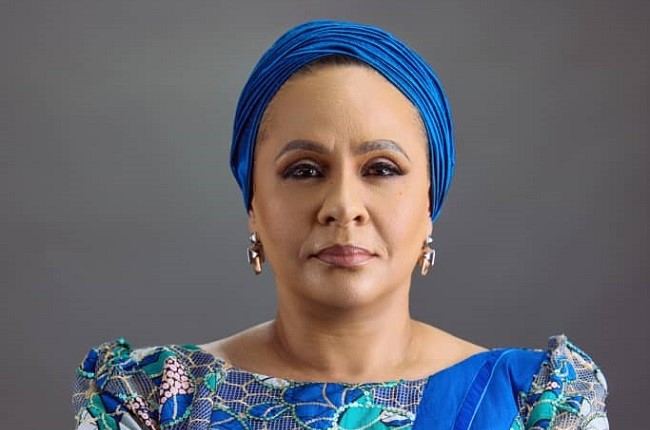
NNPC’s architect of trust: Why the Chief Relations Officer matters

0

In today’s global energy landscape, the real measure of corporate strength is not only in barrels lifted or revenues declared. Increasingly, it is found in the quality of stakeholder relationships and trust a company can sustain – relationships with regulators who approve, investors who fund, communities who host, and partners who collaborate. Essentially, relationships within the business ecosystem.

For the Nigerian National Petroleum Company Limited (NNPC Ltd), this vital responsibility rests squarely on the shoulders of the Chief Relations Officer (CRO), a role now held by Mrs. Morenike Adewunmi, a lawyer and accomplished energy executive with an international pedigree.

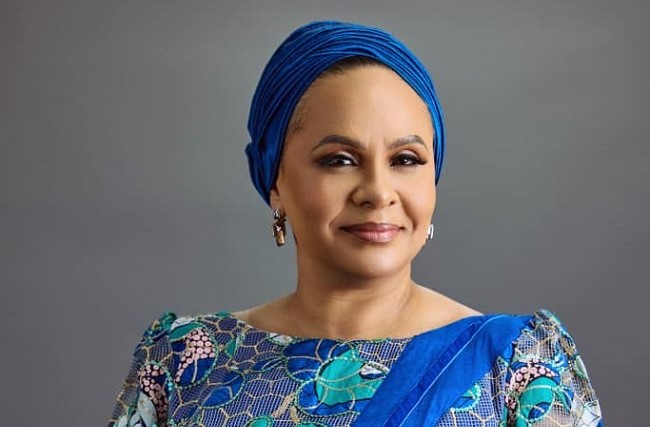
Mrs. Morenike Adewunmi
Mrs. Morenike Adewunmi, Chief Relations Officer, NNPC

The CRO role is often misunderstood, sometimes confused with the traditional Chief Communications Officer. Yet the distinction is profound. The Chief Communications Officer tells the story; the Chief Relations Officer ensures that the right people believe in that story and stand with the company when it matters most. Put differently, the CRO’s work is about “who we have on our side” – stakeholders, regulators, investors, communities, and global partners. Without them, even the most compelling strategy risks collapse.

Mrs. Adewunmi’s appointment could not have come at a more significant time. NNPC Ltd is undergoing a bold transformation into a commercially driven, globally competitive energy company, a journey that requires not just operational efficiency, but legitimacy in the eyes of those who hold influence over its future. This legitimacy cannot be bought or advertised; it must be earned through consistent trust-building, policy advocacy, and stakeholder diplomacy. That is the essence of the CRO’s mandate.

Her career path reflects the depth required for this office. A lawyer by training, she holds a Law degree from the Ogun State University and was called to the Nigerian Bar. Her professional journey includes a distinguished tenure at Shell Petroleum Development Company (SPDC) and the wider Shell Group, where she held senior roles spanning legal advisory, business relations, and government affairs. Within Shell, she developed a reputation for her ability to navigate complex stakeholder interfaces, regulatory frameworks, and craft partnerships that advanced both corporate goals and national interests. These skills are now critical to NNPC Ltd as it positions itself on the frontline of Africa’s energy future.

As CRO, she is responsible for shaping the company’s relationships with all the tiers of government, regulators, investors, host communities, and international institutions. Her office is where policy is explained, trust is negotiated, and legitimacy is consolidated. Every successful engagement that secures regulatory approval, every investor and shareholder convinced of NNPC’s credibility, every community that embraces partnership rather than protest – these quiet victories are the results of a capable CRO.

But beyond the technicalities, her appointment also carries symbolic weight. In an industry long dominated by men, the rise of a woman into such a strategic and visible leadership role signals an important shift toward inclusivity. For young professionals, especially women aspiring to careers in law, energy, and corporate leadership, Mrs. Adewunmi represents both possibility and proof that excellence can shatter ceilings. She is considered one of the best SME’s on non techinical risks.

NNPC Ltd’s journey into the future will be shaped not just by the energy it produces, but by the confidence and trust it inspires. And confidence comes from relationships – from “who we have on our side.” In Mrs. Morenike Adewunmi, NNPC Ltd has not only appointed a Chief Relations Officer; it has invested in a custodian of trust, a bridge-builder, and a strategist of legitimacy.

As Nigeria navigates the energy transition and seeks to attract investment while deepening local content, the CRO’s role will remain indispensable. It is the quiet force that ensures policies align, communities cooperate, investors commit, and the company’s reputation endures. In this sense, the CRO is less a back-office executive and more a frontline architect of corporate survival and national progress.

Mrs. Adewunmi embodies that significance. She is not simply telling NNPC Ltd’s story – she is ensuring that the people who matter most believe it, support it, and walk alongside the company into the future. And in today’s energy world, that may be the most valuable asset of all.

By Kunle Odusola-Stevenson, energy communications strategist and policy commentator in Nigeria’s oil and gas sector

Nasarawa gov inaugurates tree planting campaign to mitigate climate change

0

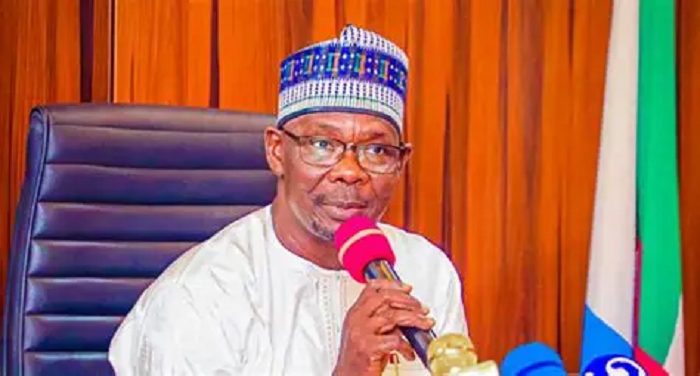
Gov. Abdullahi Sule of Nasarawa State has flagged off a tree planting campaign to mitigate the impact climate change in the state.

Sule, while planting a tree at the event on Wednesday, September 3, 2025, in Karu Local Government Area (LGA), said the initiative was aimed at promoting green pastures, mitigate the effects of climate change, and enhance the overall well-being of the residents.

Abdullahi Audu Sule
Abdullahi Audu Sule, Governor of Nasarawa State

The governor said that his administration effort aligns with President Bola Tinubu administration’s commitment to environmental conservation and community development.

“The campaign seeks to beautify the state, reduce the impact of erosion, and foster a healthier environment for residents,” Sule said.

He also revealed that the state government had distributed sufficient waste bins to all the 13 LGAs for proper disposal of waste.

Sule noted that through climate-smart innovation, waste could be converted for agricultural purposes and power generation for economic prosperity.

In her remarks, Princess Margaret Elayo, the State’s Commissioner for Environment and Natural Resources, urged residents of the state to collaborate with the government to preserve the environment and keep it clean to guard against diseases and disaster.

Elayo attributed environmental challenges in most communities to improper management of waste, adding that such could lead to environmental degradation and desertification.

She, therefore, charged residents to properly dispose their waste in the trash bins provided at strategic locations for pick up by the Nasarawa State Waste Management Agency (NASWAMSA).

Also in their separate remarks, Pharm. Luka Panya-Bab, the Esu Karu, and Abubakar Madaki, Chairman, Karu LGA, drew attention to the roads blockade in Old Karu and Rugan Madaki, which they said was compounding the traffic challenges in the area and causing untold hardship to motorists.

By Sunday John

Paris Agreement: 37 countries lag on climate reporting – UNFCCC

0

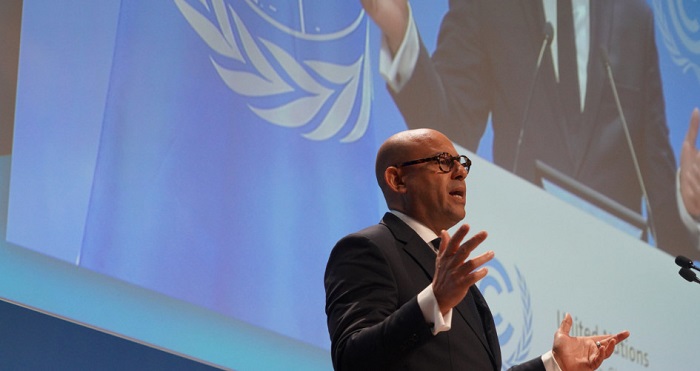
UN Climate Change Executive Secretary, Simon Stiell, has warned that 37 countries had yet to submit one or more mandatory reports under the Paris Agreement’s transparency framework, stressing that “no country can be left behind.”

Speaking at the Global Transparency Forum in Songdo, Republic of Korea, on Wednesday, September 3, 2025, Stiell said the Enhanced Transparency Framework (ETF) was not just technical bookkeeping but “a vital enabling tool” for stronger climate action.

Simon Stiell
Simon Stiell

UN Climate Change (UNFCC), in a statement, said EFT would help governments attract investment, design more ambitious policies, and accelerate progress on clean energy and resilience, he added.

To date, more than 100 nations have submitted their first Biennial Transparency Reports (BTRs), which Stiell called a “smart investment” bringing economic and social benefits.

Over 10,000 experts from 140 developing countries have received training on the ETF, with 1,200 certified reviewers and 1,400 officials now using its tools.

The first global synthesis of BTRs will be published ahead of November’s COP30 climate change conference in Brazil, offering an early snapshot of progress on mitigation, adaptation, and support. Stiell said the findings would guide the next Global Stocktake.

“What is measured can be acted upon. What is reported helps build trust. And what is shared becomes a force for change,” he said.

In a related development, UN Secretary-General, António Guterres, said he was “profoundly saddened” by the death and destruction caused by the recent floods in northern Pakistan.

The current death toll stands at over 400.

In a statement released by his Spokesperson, the UN chief noted that the disaster driven by severe monsoon conditions had been exacerbated by climate change, impacting around 1.5 million people.

Hundreds of thousands of people need humanitarian aid while more than 3,000 homes, over 400 schools and some 40 health facilities have suffered some level of damage.

“The Secretary-General commends Pakistani authorities for relocating more than one million people in Punjab.

He expresses his solidarity with the Government and people of Pakistan, extends his heartfelt condolences to the families of those who have lost their lives, and wishes a swift recovery to those who have been injured.”

The UN and other humanitarian organisations are working closely with the Pakistani authorities to assess the full impact of the floods on communities, identify further needs and also address any gaps in the response.

The UN’s Emergency Relief Coordinator, Tom Fletcher, has released $600,000 from the Regional Humanitarian Pooled Fund for relief and recovery efforts, and discussions are underway with the Government on a specific response plan.

By Cecilia Ologunagba

NAFDAC seals illegal chemical, water firm in Abuja

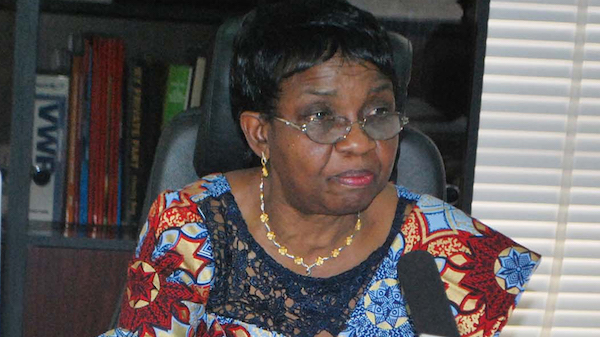
National Agency for Food and Drug Administration and Control (NAFDAC) on Thursday, September 4, 2025, sealed a chemical and water packaging factories in Damangaza district, Apo Waru, in the Federal Capital Territory.

Mr. Embugushiki Godiya, Head of NAFDAC’s Investigation and Enforcement Unit, Abuja, said the factories were sealed following their illegal operation within their premises.

Mojisola Adeyeye
Prof. Mojisola Adeyeye, Director-General, National Agency for Food and Drug Administration and Control (NAFDAC)

Godiya explained that the agency embarked on enforcement operation within the Apo Waru area following intelligence gathered concerning the area.

He said that the water factory was discovered to be producing saturated water at night to evade detection.

He noted that when NAFDAC inspectors arrived, they found 88 bags of packaged water and traces of unauthorised production.

“This is an illegal factory, not certified by NAFDAC. Even the registration number on the product is fake. We are going to investigate further and apply the necessary sanctions,” Godiya explained.

The NAFDAC official said that similarly in the same area, an illicit chemical laboratory operated by one Ikechukwu Elijah was uncovered.

“According to reports, Elijah produces products ranging from disinfectants, air fresheners and even banned substances without regulatory approval.

“Initially, he denied ownership of the materials, but evidence found in his home, including his ID card, confirmed his involvement,” Godiya said.

During the operations, NAFDAC seized cylinders, sealing machines and large containers of mixed chemicals as well as finished products ready for distribution.

Elijah and one of his workers were arrested while the facility was sealed.

Godiya said that NAFDAC would not only prosecute the suspects but also investigate their supply chains.

 “We want to know where he was getting these chemicals from, and who he was supplying to. Our major interest is to mop these products out of the market,” he said.

The agency also signalled it would examine the role of landlords who rent out properties for illegal manufacturing.

“If you own a house, you cannot claim ignorance of such activity. That is aiding and abetting, and it is punishable by law,” the NAFDAC official stressed.

He added that the agency would ensure that necessary sanctions were enforced.

By Aderogba George

Carbon offset can tackle pollution, poverty, violence – Group

0

The Country Director of Search for Common Ground, Mr. About Ouattara, on Thursday, September 4, 2025, said that carbon offset initiatives could offer a practical solution to the triple challenges facing the Niger Delta.

He identified these challenges as pollution, poverty, and violence, noting that a well-structured carbon market could help address both environmental and socio-economic issues in the region

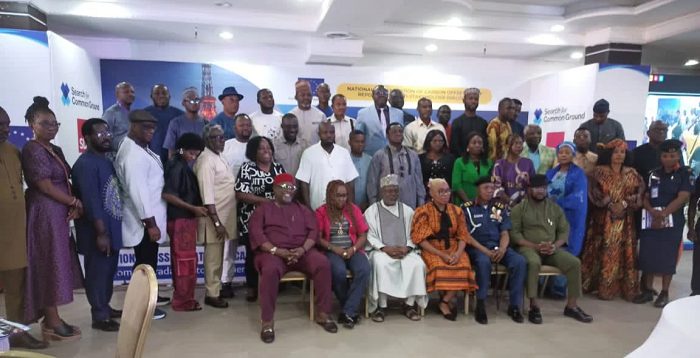
Carbon Offset
Participants at the National Dissemination of the Carbon Offset Study Report and Multi-Stakeholder Dialogue in Abuja

Speaking at the National Dissemination of the Carbon Offset Study Report and Multi-Stakeholder Dialogue in Abuja, Ouattara described the region as “a paradox of abundance and adversity.”

In spite of its resource wealth, he noted, decades of gas flaring, oil spills and artisanal refining had left communities struggling with environmental degradation, loss of livelihoods, and severe health risks.

He pointed out that the Niger Delta recorded some of the highest emissions in Africa, largely due to gas flaring and informal oil activities.

“These emissions not only fuel global climate change but also deepen socio-economic vulnerabilities, creating a cycle where environmental damage drives underdevelopment, which in turn fuels conflict and criminality,” Ouattara said.

He highlighted the EU-funded Community-Centered Approach to Transforming Criminality and Violence in the Niger Delta, implemented with the Stakeholder Democracy Network (SDN) and PIND Foundation, as a promising model.

By aligning carbon offset strategies with local aspirations, he said the initiative offered both environmental and peacebuilding benefits.

In his remarks, Eric Pitos, Programme Manager at the European Foreign Policy Institute in Dakar, reaffirmed the EU’s commitment to climate action.

He said the initiative aligned with the European Green Deal and broader efforts to achieve climate neutrality by 2050.

“Carbon offsets can complement direct emissions cuts, if governed with integrity,” Pitos said, citing the EU Emissions Trading System, which had cut emissions by nearly half and generated more than 200 billion euro for clean innovation.

He stressed that while Nigeria’s exposure to the EU’s Carbon Border Adjustment Mechanism may be limited, its leadership potential in renewables and carbon pricing was significant.

Also speaking, Ms. Florence Kayemba, Country Director of SDN, warned that environmental degradation continued to fuel insecurity in the Niger Delta, with long-term impacted on livelihoods and social stability.

“We have seen the scars of gas flaring and pollution for more than 20 years.

“These drive unemployment and crime, which regrettably continue to rise,” she said.

Kayemba urged Nigerian regulators to adopt global best practices for managing carbon markets to ensure local communities benefit directly.

“Carbon offset initiatives must not only reduce emissions but also address root causes of insecurity.

“The most affected should be the primary beneficiaries,” she said.

The Abuja dialogue brought together policymakers, researchers, civil society, private sector, and community leaders to build consensus around embedding carbon offsets in Nigeria’s development and peacebuilding strategy.

Organisers said the forum followed previous state-level dialogues in Rivers, Bayelsa, and Delta States, which identified urgent concerns including environmental degradation, youth vulnerability, and drug abuse in the region.

By Sumaila Ogbaje and Angela Atabo

Climate change issues require innovative media storytelling – SOS director

0

Country Director of SOS Children’s Villages, Nigeria, Mr. Eghosa Erhumwunse, has called on media professionals to report more about climate change issues, amplify conversation on it and drive meaningful action.

Erhumwunse made the call in Lagos on Thursday, September 4, 2025, at a climate change media workshop organised by the organisation.

Eghosa Erhumwunse
Country Director of SOS Children’s Villages, Nigeria, Mr. Eghosa Erhumwunse

He described climate change as one of the most pressing issues of the time, which must be given adequate attention.

The country director said that media professionals play a vital role in shaping public discourse and influencing policy decisions.

He urged that media professionals should do more to influence decisions, actions and programmes that would address climate change.

Erhumwunse appealed to media organisations to explore innovative storytelling approaches to climate change reporting.

According to him,  the media should give much support to young people making impacts on environmental sustainability.

The country director said that SOS Children’s Villages had identified some young climate actors and supported them to do more.

He said that amplifying the voices of such youths would inspire others to create changes that would help to address climate change and mitigate its effects on the environment.

The country director said that the organisation had identified few outstanding young climate actors and named them Eco Champions, urging support of stakeholders to enable them to drive climate change agenda further.

“I would like to particularly acknowledge the presence and participation of our young climate actors, Eco Champions, who are already making a significant impact in this space.

“Your energy, creativity and passion are crucial in driving the climate agenda forward.

“We recognise that climate change is not just an environmental issue, but also a social justice issue that disproportionately affects young people and future generations.”

He highlighted the importance of intergenerational collaboration, youth-led initiatives and inclusive climate policies that would prioritise the needs and perspectives of young people.

“I encourage you all to lend your expertise and learnings to our young climate leaders, and to work together to create a more sustainable and equitable future for all.

“Let us harness the power of media to drive climate action and ensure that the voices of young people are heard and valued in this critical conversation,” he said.

Mr. David Lemuel, the National Coordinator of EcoChampions Programme of SOS Children’s Villages, noted that woman and children were more affected by climate change.

He said that disruptions in weather patterns would negatively affect food productions that could lead to malnutrition especially in children.

He said that there was the need to take climate issues more seriously, urging individuals, groups and organisations to contribute their quotas toward addressing climate change.

One of the Eco Champions, Miss Hannah Omokhaye, urged young people to lead actions on climate change.

“They should create action and not wait for others.  It is about our future,” she said.

By Ijeoma Popoola

Angola’s Sonangol to rollout 100 electric vehicle charging stations by 2028

0

Angola’s national oil company, Sonangol, plans to roll out over 100 Electric Vehicle Charging Points (EVCP) by 2028 as part of its broader energy transition strategy.

The announcement was made during a Sonangol-sponsored pre-conference workshop led by Jelson Pereira, Head of the Operational Management of Energy Assets Department, Sonangol Gas and Renewable Energies, ahead of the Angola Oil & Gas 2025 Conference and Exhibition.

Electric cars
Electric vehicles charging point

The EVCP strategy comes as Sonangol works to enhance the adoption of electric vehicles across Angola, supporting the decarbonisation of the country’s transport industry. During the 2024/2025 period alone, the company plans to establish 70 EVCPs, 30 of which are situated in Luanda. Sonangol has also launched a mobility app, which offers customers insight into EVCP infrastructure.

EVCP form part of Sonangol’s multi-energy strategy in Angola, whereby the company will continue driving hydrocarbon exploration and production, diversify its portfolio through natural gas while pursuing alternative energy solutions such as electric vehicles and solar. In tandem, the company is strengthening collaborations with international partners in clean energy, seeking to unlock innovative technologies to improve operations.

A core feature of the company’s energy transition strategy is the rollout of solar, particularly across Angola’s mining industry. Historically relying on diesel-powered generators, the mining industry often faces challenges associated with high power costs. To address these, Sonangol plans to distribute solar across the country’s mining operations, thereby reducing costs while decarbonising the industry.

The company continues to advance its solar strategy, with Pereira reaffirming that Quilemba solar project will start operations in 2026, bringing 35 MW online in the first phase and 45 MW in the second phase.

Developed by Sonangol, energy major TotalEnergies and oil company Maurel & Prom, the project will reduce the country’s reliance on thermal power plants while supporting the diversification of the energy mix.

DRC declares Ebola virus disease outbreak in Kasai Province

0

Health authorities in the Democratic Republic of the Congo have declared an outbreak of Ebola virus disease in Kasai Province where 28 suspected cases and 15 deaths, including four health workers, have been reported as of Thursday, September 4, 2025.

The outbreak has affected Bulape and Mweka health zones in Kasai Province where health officials have been carrying out investigations after the cases and the deaths reported presented with symptoms including fever, vomiting, diarrhoea and haemorrhage. Samples tested on September 3 at the country’s National Institute of Biomedical Research in the capital Kinshasa confirmed the cause of the outbreak as Ebola Zaire caused by Ebola virus disease.   

Mohamed Janabi
Dr Mohamed Janabi, WHO Regional Director for Africa

A national Rapid Response Team joined by World Health Organisation (WHO) experts in epidemiology, infection prevention and control, laboratory and case management has been deployed to Kasai Province to rapidly strengthen disease surveillance, treatment and infection prevention and control in health facilities. Provincial risk communication experts have also been deployed to reach communities and help them understand how to protect themselves.

Additionally, WHO is delivering two tonnes of supplies including personal protective equipment, mobile laboratory equipment and medical supplies. The area is difficult to reach, taking at least one day of driving from Tshikapa (the provincial capital of Kasai), with few air links.   

“We’re acting with determination to rapidly halt the spread of the virus and protect communities,” said Dr Mohamed Janabi, WHO Regional Director for Africa. “Banking on the country’s long-standing expertise in controlling viral disease outbreaks, we’re working closely with the health authorities to quickly scale up key response measures to end the outbreak as soon as possible.”   

Case numbers are likely to increase as the transmission is ongoing. Response teams and local teams will work to find the people who may be infected and need to receive care, to ensure everyone is protected as quickly as possible.    

The country has a stockpile of treatments, as well as 2000 doses of the Ervebo Ebola vaccine, effective to protect against this type of Ebola, already prepositioned in Kinshasa that will be quickly moved to Kasai to vaccinate contacts and frontline health workers.   

The Democratic Republic of the Congo’s last outbreak of Ebola virus disease affected the north-western Equateur province in April 2022. It was brought under control in under three months thanks to the robust efforts of the health authorities. In Kasai province, previous outbreaks of Ebola virus disease were reported in 2007 and 2008. In the country overall, there have been 15 outbreaks since the disease was first identified in 1976.    

Ebola virus disease is a rare but severe, often fatal illness in humans. It is transmitted to people through close contact with the blood, secretions, organs or other bodily fluids of infected animals such as fruit bats (thought to be the natural hosts).

Human-to-human transmission is through direct contact with blood or body fluids of a person who is sick with or has died from Ebola, objects that have been contaminated with body fluids from a person sick with Ebola or the body of a person who died from Ebola.

Africa Climate Summit: UN, Ethiopia want COP30 to deliver for African nations

0

The Africa Climate Summit next week is seen an unmissable opportunity to send a clear global message, according to a joint statement issued by UN Climate Change and the Government of Ethiopia: “Africa is ready to supercharge climate action, but COP30 must ensure Africa is fully enabled to do so.”

The joint statement – issued at Climate Week on Thursday, September 4, 2025, in Addis Ababa – comes as nations around the world prepare for the crucial COP30 global climate conference in Brazil in November.

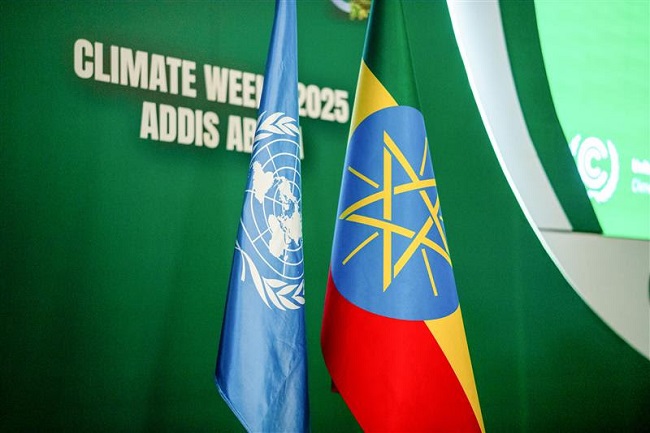
UN and Ethiopia
UN and Ethiopia urge Africa Climate Summit to send a clear message: COP30 must deliver for African nations. Photo credit: UNFCCC/Ramzy Youssef

The statement – from Dr Fitsum Assefa, Ethiopia’s Minister of Planning and Development, and Mr. Simon Stiell, UN Climate Change Executive Secretary – sets the stage for the Africa Climate Summit starting on Monday, September 8, in Addis Ababa.

“This Climate Week has shown that no continent holds greater potential than Africa for climate actions that transform lives and economies for the better. With the world’s youngest population, vast natural resources, unparalleled renewable energy potential, and extraordinary diversity and human ingenuity, Africa is a colossal, coiled spring of climate action possibility,” said the statement.

“This Climate Week has shown that African innovators are putting forward pioneering solutions, to boost climate resilience and cut planet-heating emissions. However, it has also highlighted again that only a fraction of this potential has yet been realised. Global decarbonisation is charging ahead, with clean energy investments hitting $2 trillion last year alone, driving economic growth and millions of new jobs, but only a fraction of that investment is flowing to African nations.”

The two leaders pointed to recent United Nations climate COPs delivering concrete global outcomes that should materially benefit Africa and other developing nations.

“But to realise these benefits, COP30 must take the next concrete steps forward: with ambitious outcomes which convert agreements into results on the ground, and scalable solutions which drive a new era of implementation… Because when all nations are empowered to take bold climate actions, this strengthens the entire global economy and lifts up all the world’s 8 billion people,” the statement concludes.

During the Climate Week, Ethiopia also announced its bid to host the COP32 UN Climate Conference in 2027.

“We have the capacity, the facilities, the location, the connectivity to host the much-anticipated climate summit,” Ethiopian President, Taye Atske-Selassie, said.

The joint statement and announcement of Ethiopia’s bid for COP32 cap what appears to be a productive Climate Week attended by delegates from 119 countries, and hundreds of representatives from NGOs, investors and other international organisations.

During the Climate Week, in focused workshops and “implementation labs” over 40 initiatives driving implementation were featured, so they can be replicated in other markets and scaled up.

Noura Hamladji, UN Climate Change Deputy Executive Secretary, said: “Climate Week has been about connecting the international climate process to people’s daily lives. We’ve worked together here in Addis to help translate pledges into actions. From community mini-grids to recycling innovations in Kibera, Kenya; to green bonds in Morocco and digital platforms tracking ambition across the continent: we’ve heard from innovators of climate action that is profitable, scalable, and irreversible.”

The Climate Week also advanced work on key issues being negotiated at COP30 in Brazil, across issues including climate adaptation, finance pathways, and a just transition.

Negotiators also participated in solutions-focused workshop, as part of Climate Week’s new approach this year, aiming to bring the intergovernmental process and real-economy implementation closer together. By clustering mandated meetings in the COP process together, the Climate Week also delivered cost savings and efficiencies.

Mrs. Hamladji thanked the Government of Ethiopia for its leadership in hosting the Climate Week: “Ethiopia has long stood as a symbol of African independence, a founding member of the United Nations, and today the diplomatic capital of Africa – home to the African Union and the UN Economic Commission for Africa.”

“This is a country whose influence in regional diplomacy, security, and sustainable development, together with its innovative and dynamic society, made it an ideal setting for the week’s vital work.”

Dr Fitsum Assefa, Ethiopian Minister of Planning and Development said: “By gathering here for Climate Week, a global platform for Parties and non-Party stakeholders, we reaffirm Addis Ababa’s role as a hub of the Global South, a place where ideas are exchanged, partnerships forged, and practical solutions launched. This Climate Week is not just an event. It is a bridge between negotiation and implementation. It is where ambition meets action, where commitments are translated into real solutions that reach communities, restore ecosystems, and advance sustainable development.”

Mukhtar Babayev, President of COP29 in Azerbaijan, said: “Each region has its own challenges and solutions. This high-level ministerial event convened by the COP29 Presidency within the Climate Week in Africa will serve as an important space for in-depth engagement on Africa’s core challenges, with a focus on potential solutions through maximising the opportunities for effective actions.”