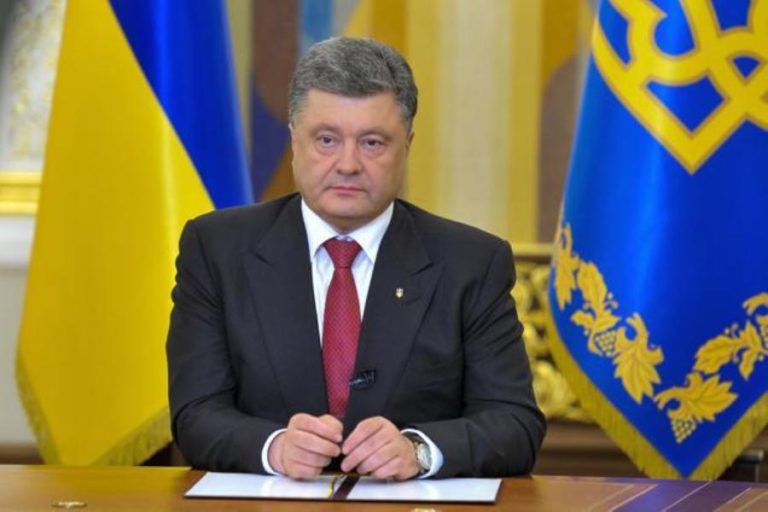
Ukrainian President Petro Poroshenko said on Thursday, April 26, 2018 that his country would strengthen its Radioactive Waste Management.
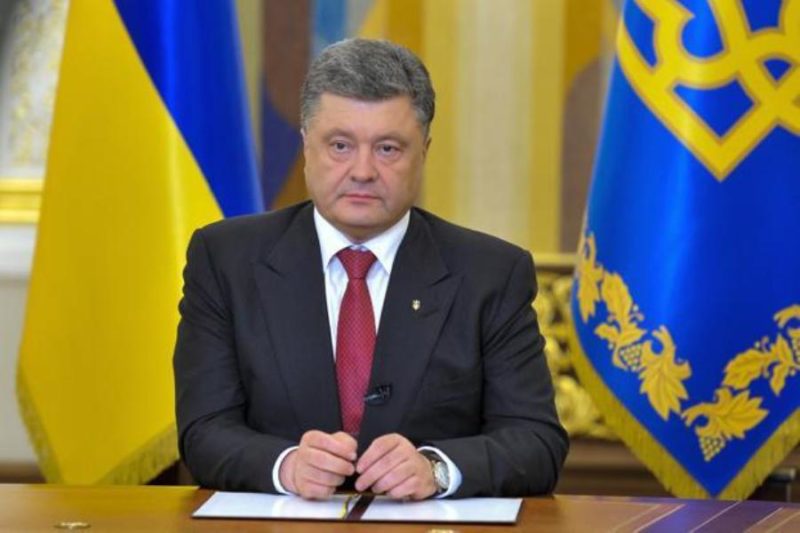
Ukrainian President, Petro Poroshenko
“We will continue to improve Ukrainian legislation on radioactive waste management,’’ Poroshenko said during the commemorative event to mark the 32nd anniversary of the Chernobyl nuclear accident.
“Our experts are working on this issue with the professionals from the Netherlands, France, Germany, Spain and Sweden,’’ he said.
Poroshenko said the efficient nuclear waste management would help revive the area near the destroyed Chernobyl nuclear power plant (NPP) and boost Ukraine’s energy security.
“This year, a solid radioactive waste management complex and a liquid radioactive waste processing plant will be put into operation in Ukraine.’’
He added that the new protective cover on the destroyed Chernobyl nuclear reactor No.4 would also be inaugurated by the end of 2018.
Currently, Ukraine is implementing several projects in the Chernobyl area aimed at improving the system of radioactive waste management.
The construction is underway for the central spent fuel storage facility, which will stockpile spent nuclear fuel from three Ukrainian nuclear power plants.
Another project is the establishment of the interim spent fuel storage facility, which would store the fuel decommissioned from the Chernobyl NPP’s units No.1, 2 and 3.
The Chernobyl disaster, one of the worst nuclear accidents in human history, happened on April 26, 1986, when a series of explosions ripped through the plant, which is located 110 kilometres north of the Ukrainian capital Kiev.
The blasts resulted in the demolition of the No.4 reactor and the spread of radiation across Ukraine, Belarus, Russia and other European countries.
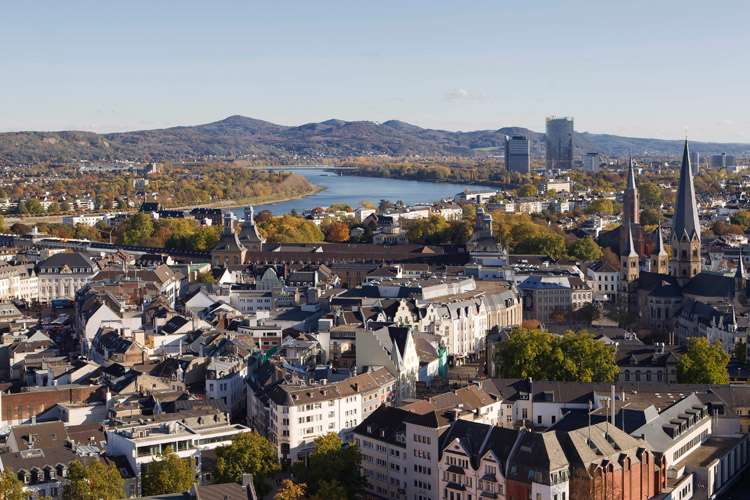
In an effort to step up immediate climate action, experts from around the world will meet in Bonn, Germany from May 1 to 2, 2018 to discuss the policy options, technological innovations, and best practices on circular economies to achieve emission reductions and generate sustainable development benefits.
Bonn in Germany hosts the Technical Expert Meetings on Mitigation
The gathering will take place as part of the so-called Technical Expert Meetings on Mitigation during the 2018 UN Climate Change Talks in Bonn, which aims to identify activities that have a high potential for emission reductions in order to boost climate action before 2020.
Importantly, the expert meeting will align its discussion with the format of the year-long Talanoa Dialogue, an important international conversation around ambition now and in the future.
Specifically, the dialogue will check progress, reaffirm the goals of the Paris Agreement and aim to find solutions how countries can increase their ambition now and in the next round of their national climate action plans, officially termed “Nationally Determined Contributions”.
As per tradition in the Pacific region, a “Talanoa” invites participants to find solutions for the common good through story-telling. The Talanoa Dialogue will invite participants to share climate ambition-related stories around three questions:
Where are we?
Where do we want to go?
How do we get there?
The Technical Expert Meeting will also structure its discussions around these questions to ensure that expert voices can easily be fed into the Talanoa Dialogue. This will be important for the dialogue’s political phase at the UN Climate Change Conference (COP24) at the end of the year in Poland, where high-level officials from around the world will take forward all input received during the year.
Led and organised by the UNFCCC secretariat, the United Nations Industrial Development Organisation, and the World Business Council for Sustainable Development, participants will discuss currently available policies and technological solutions as well as innovative approaches on waste-to-energy and supply chain re-design solutions. These are regarded as integral elements to achieving a circular economy with key economic, environmental and employment benefits.
The circular economy is becoming an established way of creating value, and ultimately prosperity. It works by extending a product’s lifespan through improved design and servicing, and relocating waste from the end of the supply chain to the beginning – in effect, using resources more efficiently by using them over and over, not only once.
A number of experts representing the public and private sector as well as the civil society from Africa, Asia, Europe, Latin America and the Pacific, will share their hands-on experiences. Their experiences will help to identify ways forward, as well as necessary actions to be taken by Parties, non-Party stakeholders such as cities or businesses and organisations to replicate and upscale innovative approaches. These discussions will also help identify best practices on waste to energy and supply chain re-design.
The expert meeting is part of the technical examination processon mitigation (TEP-M) that was initiated in 2014 with the aim of exploring high-potential mitigation policies, practices and technologies with significant sustainable development co-benefits that could increase the mitigation ambition of pre-2020 climate action. The meeting will have provisions for virtual participation.
Following a series of trials over the years, Nigeria now seems to be getting things right and consequently recording remarkable triumphs in the area of climate change and sustainable development diplomacy.
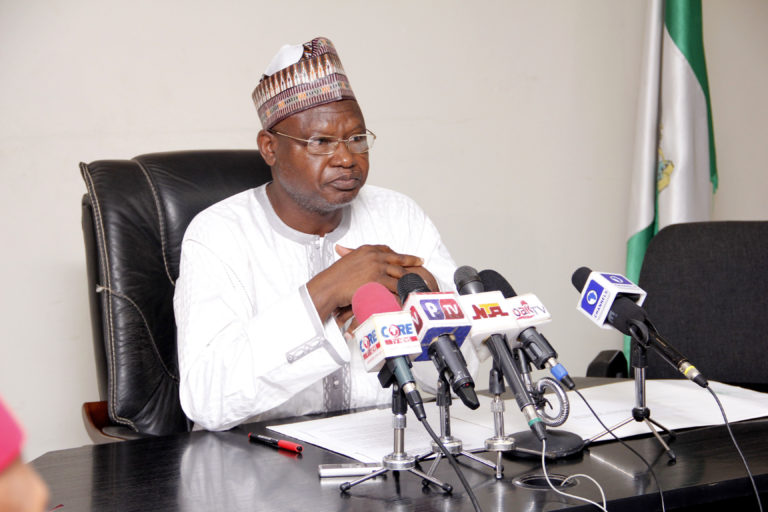
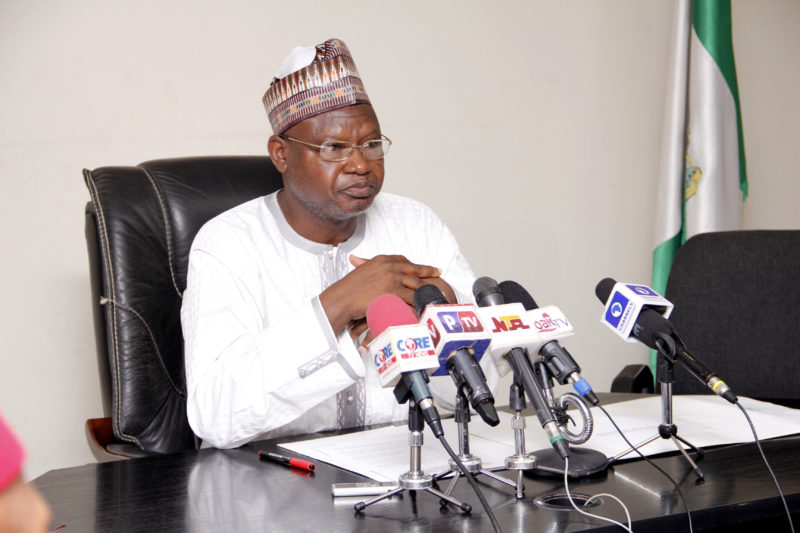
Environment Minister of State, Ibrahim Usman Jibril
Ranging from a report submission, the decoration of a financial facility, to the selection of a team of local experts, the accomplishments seem to be emerging in torrents, and the accolades have caught the attention of the authorities.
A source close to the Federal Ministry of Environment disclosed that the minister, Ibrahim Usman Jibril, is positively inclined to the idea of showcasing the nation’s successes in climate change activities. It is not clear precisely how this will be done.
Among others, five activities were isolated as being worthy of note.
Firstly, Nigeria a week ago submitted its First Biennial Update Report (BUR1) under the United Nations Framework Convention on Climate Change (UNFCCC)
“The unwavering decision of the Federal Government of Nigeria to fully comply with commitments to the UNFCCC informed the submission of the country’s First Biennial Update Report (BUR1),” says Jibril.
What has actually been a source of delight to the nation is the fact that the UNFCCC reportedly acclaimed the country’s BUR1 as being “highly qualitative”.
Similarly, Nigeria on Tuesday, March 20 received the 2018 Green Bonds Award under the category of “New Countries Taking Green Bonds Global” at the Annual Green Bonds Conference in London, UK. This followed Nigeria’s issuance of a N150 billion Green Bond to the public.
Nigeria becomes the first nation in Africa to take this step and only the fourth in the world. Nigeria also got a three-star rating in the monthly assessment of 20 countries (including the EU) with high emission levels.
Jibril states: “This further reinforces Nigeria’s re-emergence as a major player in the international climate regime and President Muhammadu Buhari’s strides in moving Nigeria to a low carbon economy.
“Nigeria take pride in being the first African country to issue a Sovereign Green Bond and the forth in the world. The award marks a unique and historic day in the efforts of Nigeria in tackling climate change.”
Also, the Intergovernmental Panel on Climate Change (IPCC) disclosed on Friday, April 6, 2018 that it included seven Nigerians amongst the 721 experts from 90 countries invited to participate in the Sixth Assessment Report (AR6) as authors and editors.
The Nigerians include:
Hyacinth Nnamchi of the University of Nigeria, Nsukka (Working Group I – Chapter 2: Changing state of the climate system) as Lead Author
Ms Ibidun Adelekan of the University of Ibadan, Ibadan (Working Group II – Chapter 9: Africa) as Coordinating Lead Author
Ayansina Ayanlade of the Obafemi Awolowo University, Ile-Ife (Working Group II – Chapter 9: Africa) as Lead Author
Chukwumerije Okereke of the University of Reading, UK (Working Group III – Chapter 1: Introduction and Framing) as Coordinating Lead Author
Ms Chioma Daisy Onyige of the University of Port Harcourt, Port Harcourt (Working Group III – Chapter 5: Demand, services and social aspects of mitigation) as Lead Author
Ogheneruona Diemuodeke of the University of Port Harcourt, Port Harcourt (Working Group III – Chapter 10: Transport) as Lead Author
Sanusi Mohamed Ohiare of the Rural Electrification Agency (Working Group III – Chapter 15: Investment and finance) as Lead Author
Prof Nasiru Idris of the Nasarawa State University, Keffi said: “The implication for Nigeria is that our input from the Nationally Determined Contributions (NDCs) and some outcome of the results of our scientific researchers on how climate change has impacted on the country will be part of the scientific evidence in the AR6.”
Prof Daniel Gwary of the University of Maiduguri, submits: “This is a good development for Nigeria since the IPCC has maintained the number of Nigerian participants with a slight increase as a sign of appreciating contributions from our scientists and experts. It is also good for Nigeria because this team from Nigeria is a new crop of experts helping to increase our expertise in the IPCC process and global climate change discuss.”
Nigeria is also believed to have gotten approval of its Green Climate Fund (GCF) project – The Acumen Fund ($26 million).
Lastly, the nation will play host to the Green Climate Fund (GCF) / African Development Bank (AfDB) Africa Region Private Sector Meeting.
Some 30 countries have jointly pledged $4.1 billion to the Global Environment Facility (GEF) to better protect the future of the planet and human well-being. With the health of the global environment worsening, the GEF has received strong support for its new four-year investment cycle (known as GEF-7), to help safeguard the world’s forests, land, water, climate, and oceans, build green cities, protect threatened wildlife, and tackle new environmental threats like marine plastic pollution.
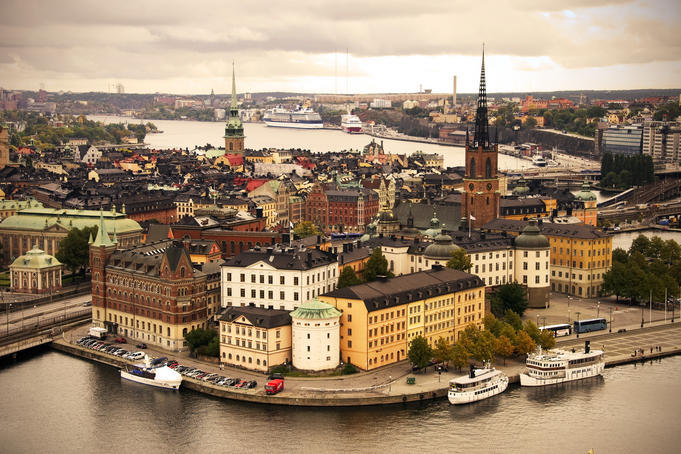
Stockholm, Sweden, hosted the fourth meeting of the GEF-7 replenishment
“We are pleased with the outcome of the negotiations; It is entirely in line with government priorities,” said Isabella Lovin, Deputy Prime Minister and Climate Minister of Sweden, who hosted the donors meeting on Wednesday, April 25, 2018. “Also, the Fund’s working methods have been further strengthened, giving it more of a strategic climate focus and increased resources, including for biodiversity, chemicals and waste.”
“A clear majority of donors have stepped up their support for the GEF, signalling the urgency of the global environmental agenda, and trust in the GEF to help tackle the problem and achieve even greater results,” said Naoko Ishii, GEF CEO and Chairperson. “We need to forge the partnerships that will help transform the food, urban and energy systems in an integrated way. GEF-7 is designed to do just that,” she said.
With an emphasis on addressing the drivers of environmental degradation, gender equality, and stronger collaboration with the private sector, the GEF is now poised to deliver even greater results for the environment, and better value for money: The new strategy doubles the target for greenhouse gas emissions mitigated from GEF projects compared to the last funding cycle, and increases by almost 50% the targets for the protection of biodiversity and valuable ecosystems.
“Over the last 25 years the GEF has been an essential mechanism for addressing environmental challenges at a multilateral level and has made a great difference,” said Axel van Trotsenburg, World Bank Vice President, Development Finance, and co-Chair of the replenishment meeting. “Today, the international community again gave GEF a strong vote of confidence through the endorsement of a $4.1 billion financial support package for the next four years. With this renewed mandate, GEF will be able to continue its important role as an impact investor in environmental programs around the globe.”
The new funding will support countries to meet their obligations under various multilateral environmental agreements, including the recently adopted Minamata Convention on Mercury, the three Rio Conventions on Biodiversity, Climate, and Land Degradation, and the Stockholm Convention. Also, strong emphasis is given to financing for Least Developed Countries and Small Island Developing States.
“Cote d’Ivoire is pleased to return as a donor in GEF-7. The first major conference of the GEF took place in Abidjan in December 1992 under the leadership of H.E. Mr. Alassane Ouattara, then Prime Minister of Côte d’Ivoire. Now, as President of the Republic, he has been instrumental in the return of Cote d’Ivoire as a donor in GEF-7,” said Adama Koné, Minister of Economy & Finance for Côte d’Ivoire. “Cote d’Ivoire welcomes and strongly supports GEF-7 Impact programs and strategies aimed at addressing the concerns of the beneficiary countries while maximizing the global environmental benefits.”
In recent years, the world agreed on the Global Goals of Agenda 2030, and the Paris Agreement, elevating the ambition and action needed to put the world on a sustainable path. GEF-7 is the first replenishment of the GEF after these landmark agreements and another sign that the world is responding.
“The Global Environment Facility’s new focus on transforming food systems, sustainable forest management, and cities is not only good for the planet and human well-being, but an enormous business opportunity,” said Paul Polman, CEO of Unilever. This is an exciting moment for the GEF, which is tackling complex problems by inviting stronger collaboration with the private sector. Business can help innovate, finance and scale solutions for environmental sustainability, which in turn can open up better and more inclusive growth opportunities.”
GEF-7 comes at a critical time for the world, and will help ensure that the hopes and aspirations of millions of people are met without stretching Earth to a breaking point.
“Countries have given a central role to the Global Environment Facility in helping to transform our economies and to safeguard the global commons – the land, seas and atmosphere we share, and the ecosystems they host,” said Nicholas Stern, Chair of the Grantham Research Institute on Climate Change and the Environment at the London School of Economics. “Protecting and nurturing our global commons and ecosystems is fundamental to sustainable growth and poverty reduction. No other kind of growth can last. This is the growth story of the 21st century. The next 15 years will decide the future of the world for the rest of the century and beyond. The cost of inaction is immense. Congratulations to the entire GEF partnership for adopting this ambitious new agenda.”
The GEF-7 replenishment will be formally concluded at the upcoming GEF Assembly that will take place from June 27-28 in Da Nang, Vietnam.
The fourth meeting of the GEF-7 replenishment was held in Stockholm, Sweden, on April 25, 2018.
Akinwumi Adesina, President, African Development Bank, says: “The African Development Bank’s partnership with the GEF has been a highlight of our environmental actions in Africa. GEF7 offers new exciting opportunities to expand our partnership into new areas that support Africa’s transformation. The links between GEF and the Bank’s High 5, climate change, and green growth agenda, as well as the Sustainable Development Goals are very strong. A robust GEF7 replenishment is necessary to address Africa’s increasing environmental threats. We look forward to a stronger partnership with the GEF in Africa and we thank all donor participants for a successful GEF7 replenishment.”
Inger Andersen, Director General, International Union for Conservation of Nature: “We’re in the midst of a global biodiversity crisis that has plunged the planet into a 6th mass extinction. But there is hope because, done right and done now, conservation works. The GEF, armed with the strong support from its donor countries, is essential in helping organisations like IUCN tackle the major threats to our natural world.”
Monique Barbut, Executive Secretary, UN Convention to Combat Desertification: “Investing in sustainable land management is the most straightforward path to building climate change resilience and conserving biodiversity. But equally important is the vital role that healthy and productive land can play in securing the lives and livelihoods of the world’s poorest and most vulnerable communities. Investments in land must be transformative, innovative and generate added value. We count on the increasing recognition by the GEF family of the crucial importance of investing more in the Land Degradation Focal Area.”
Ligia Castro, Corporate Director, Environment and Climate Change Department, Development Bank of Latin America (CAF): “In CAF we are a development bank committed to improving the quality of life of all Latin Americans and our actions promote sustainable development and the integration of the region. The lines of action of CAF as well as the GEF-7 programming in focal areas and impact programmes bring to us a fertile field to strengthen our collaborative efforts and achieve the catalytic change of the inclusive development of low-carbon economies, giving priority to conservation and the efficient use of the natural capital of the region.”
Suma Chakrabarti, President, European Bank for Reconstruction and Development: “The EBRD is delighted for its long cooperation with the GEF, which has grown steadily over the past fifteen years. The EBRD’s mandate to promote green, market-based economies and its track record in mobilising private capital are firmly aligned with the GEF’s mission. Now, in its seventh replenishment, we look forward to delivering even more innovative projects together and catalysing greater private sector involvement to address the systemic drivers of environmental degradation in our region.”
Mr. Chen Liang, Director General, Foreign Economic Cooperation Office of the Ministry of Environmental Protection of China: “The seventh phase of the GEF (GEF-7) will be critical for fulfilment of the GEF 2020 Strategy. FECO, as a long-term partner and accredited Project Agency of the GEF, hopes to see substantial replenishment for the GEF-7, during which FECO has high expectations to join hands with the GEF to work towards realisation of MEAs targets on climate change, biodiversity, chemical and waste etc. and contribute to the achievement of Sustainable Development Goals.”
Patricia Espinosa, Executive Secretary, UN Climate Change: “The impacts of extreme weather are already being felt throughout the world and we must work together at all levels to significantly increase our commitment to addressing climate change. The GEF plays an important role in financing and driving action that will make a real and lasting difference.”
Christiana Figueres, Convener, Mission 2020: “GEF’s new ambitious strategy is a huge boost to environmental protection efforts and is far from business as usual. If we are to achieve the Global Goals for sustainable development and deliver on the ambition of the Paris Agreement, we must reach a climate turning point in 2020. With its new integrated approach and focus on transforming urban, energy and land-use systems, the GEF is set to yield much higher results including a doubling of greenhouse gas emissions mitigated in its projects and programs. This is very good news for the environment and takes us one step closer to a climate-safe world.”
Kristalina Georgieva, Chief Executive Officer, World Bank: “The World Bank has been part of the GEF from the very beginning, and we are proud of our contribution to tackling the planet’s most pressing environmental challenges. We are a strong and committed partner on driving the expansion of clean energy around the world, promoting the conservation and sustainable use of biodiversity, and helping to build resilience among communities through sustainable management of their natural resources. This 7th replenishment will help us scale up the GEF’s innovations even more in our investment projects, and create more space for the private sector to play a role.”
Gilbert F. Houngbo, President, International Fund for Agricultural Development: “The partnership between IFAD and GEF has led to qualitative improvements in more than 40 project investments. Last year, more than 31,000 farmers were able to take adaptation measures on their lands to protect against climate change impacts. Our combined development approach means that we can address environmental issues and ensure access to natural resources such as soil, water, biodiversity and energy to achieve multiple benefits. We look forward to continuing our collaboration with GEF to support rural communities deal with environmental degradation and climate vulnerabilities in the decades to come.”
Prof. Pavel Kabat, Director General and Chief Executive Officer, and Prof. Nebojsa Nakicenovic, Deputy Director General and Deputy Chief Executive Officer, International Institute for Applied Systems Analysis: “Safeguarding the global commons, from clean air to healthy forests, is key to underpin a prosperous and safe future for all humanity. This requires systemic thinking in environment-related policies and investments that recognise the interconnectedness of the world’s natural, social, and economic systems. GEF is one of the pioneers in using high-quality science to adopt integrated approaches to sustainable development such as a joint GEF-UNIDO-IIASA project on interlinked solutions for energy, food, water and urbanisation. The healthy replenishment of the GEF’s trust fund is a strong endorsement for such a transformative and systemic approach.”
Rosa Lemos de Sá, Chief Executive Officer, Brazilian Biodiversity Fund (Funbio): “GEF’s continuous support has been of utmost importance to the conservation of biodiversity in Brazil. To be able to participate in the replenishment process gave us a new perspective of the enormous negotiation effort necessary to reach a balance where all partners agree. Now, at the end of this process, we are confident of the continuity of the extensive collaboration of the GEF with Brazil and its future. Funbio is honoured to be a GEF Agency.”
LI Yong, Director General, United Nations Industrial Development Organisation: “As the global community continues its pursuit of the Sustainable Development Goals (SDGs), joint efforts such as those undertaken by the GEF partnership are essential to the achievement of the SDGs. In our pursuit of inclusive and sustainable industrial development, UNIDO fully supports the GEF’s strategic priorities for GEF-7 and looks forward to furthering its strategic alliance with the GEF, as well as other agencies of the extended GEF partnership.”
Amy Luers, Executive Director, Future Earth: “Today virtually all sustainability issues must be considered in a global context. As a result, the Global Environment Facility is needed more than ever. The Future Earth community will continue to support the GEF’s mission by providing the science needed to enable a systems approach to protecting the global commons. We look forward to deeper collaborations in the future.”
Jennifer Morris, President, Conservation International: “Humanity faces a critical moment for ensuring sustainable growth in an age of resource depletion and climate change. The renewed funding for the Global Environment Facility is a welcome sign that the international community continues to prioritise this work. Conservation International is proud to partner with the Global Environment Facility to deliver planet-sized impact in protecting the nature humanity needs to thrive.”
Takehiko Nakao, President, Asian Development Bank: “The global environment is facing mounting pressures from climate change, pollution, unsustainable consumption and poor land management practices. Increasingly, this will have a huge impact on regional economies and human well-being. Working together ADB and the GEF can play a key role in helping countries to scale up investments to support resilient and sustainable development.”
Ngozi Okonjo-Iweala, Co-chair, Global Commission on the Economy and Climate, and former Finance Minister, Nigeria: “Financing the transition to a low-carbon economy is fundamental to securing a more sustainable, prosperous future. The strong support for the GEF’s new replenishment and strategy will help deliver this transformation and avoid the potentially enormous human and economic costs of congested cities, degraded agricultural and forest lands, and a changing climate. Crucially, some of the world’s poorest and most vulnerable people are set to benefit from more GEF investment in the least developed countries.”
Cristiana Paşca Palmer, Executive Secretary, Convention on Biological Diversity (CBD): “The successful conclusion of the GEF-7 replenishment will contribute to the financial basis needed for addressing the tasks under the global Strategic Plan for Biodiversity 2010-2020 in its remaining years, and the first two years of implementation of the global framework that succeeds it. The biodiversity programming directions for the next GEF cycle are in line with the need for the transformational change required to achieve the objectives of the Convention on Biological Diversity and its Protocols. I look forward to working with the GEF Partnership in the transition to the post-2020 global biodiversity framework.”
Rolph Payet, Executive Secretary, Basel, Rotterdam and Stockholm Conventions: “GEF-7 marks an important step in our common journey to ensure sound management of chemicals and wastes worldwide and comes at a critical juncture for the Stockholm Convention since over ten new chemicals have been added in past decade. This and the time-bound milestones for some legacy POPs, such as the 2025 deadline for PCBs, call for a renewed commitment of donor support for the implementation of the Stockholm Convention. There is hence an urgent need to scale-up efforts through multifocal area projects, innovative financing, and the strategic use of opportunities afforded by the GEF’s new Integrated Programmes.”
Mohale Rakgate, Group Executive: Project Preparation Division, Development Bank of Southern Africa: “The DBSA commits to an even more dynamic partnership with the GEF and the Government of South Africa and look forward to working together towards achievement of GEF-7 targets, exploring innovative technical and financial models, blending its resources to implement infrastructure and integrated cities projects that will lead to an increased developmental impact with evident global environment benefits. GEF-7 resources will play an important role in the Bank’s efforts to fully mainstream climate change and overall environment management in its core business and meeting financing targets in this regard and reporting thereof.”
Carter Roberts, President and Chief Executive Officer, World Wildlife Fund – US: “The success of global sustainability initiatives depend on building lasting partnerships with businesses, governments, and other organizations around the world. The Global Environment Facility has long been one of our movement’s most essential and irreplaceable partners. For example, the GEF’s anchor funding enabled WWF and others to secure permanent financing for protected areas in the Brazilian Amazon and Bhutan. GEF funding typically leverages 10X funding from other institutions and fuels many of the most innovative breakthroughs in the world of conservation. The new pledges announced today for the GEF ensure that it will continue to be an essential partner for years to come.”
Johan Rockström, Executive Director, Stockholm Resilience Centre: “The work of the Global Environment Facility is critically important for the future of humanity. The resilience of Earth’s life support system is under threat. Nations have now committed to enhancing this resilience and this is welcome news.”
Dr. Guido Schmidt-Traub, Executive Director, Sustainable Development Solutions Network: “The Sustainable Development Solutions Network congratulates the GEF on its successful replenishment meeting. The world is facing multiple environmental crises, including climate change, biodiversity loss, land degradation, and unsustainable food systems. The Paris Climate Agreement and the Sustainable Development Goals can only be met if these integrated challenges are addressed at scale. The GEF-7 will make an important contribution towards meeting countries’ financing needs, and we hope that governments and business will leverage these resources over the years to come.”
Janis Searles Jones, Chief Executive Officer, Ocean Conservancy: “Ocean Conservancy has had the pleasure of working with GEF on reducing marine debris and we are pleased to see their continued commitment to protecting our ocean and supporting the blue economy with this latest plan to tackle ocean plastic. Marine debris has been a focus of our organisation for more than 30 years, and we know that we’ll need all hands on deck to take on this critical challenge to ocean health.”
Rossana Silva-Repetto, Executive Secretary, Minamata Convention on Mercury: “Mercury is a global issue with devastating effects on the environment and human health. The Minamata Convention Secretariat appreciates GEF backing of cooperative cross-cutting activities among implementing agencies in support of work on mercury. I am excited that the multi-region GEF GOLD PROJECT will tackle the use of mercury in artisanal mining in nine countries. I also look forward to working with GEF and the GEF entities on innovative ways to address other major emission sources. Together, we will Make Mercury History!”
Dr. Andrew Steer, President & Chief Executive Officer, World Resources Institute: “The funds pledged today to the GEF will have huge impact in protecting the global environment – and in turn in securing the prosperity of future generations. The GEF has designed a superb new strategy for allocating funds for maximum impact, and we look forward to an exciting new period of action. All 183 member countries should feel proud to be part of humanity’s boldest effort to protect the global commons.”
Achim Steiner, Administrator, United Nations Development Programme: “The Global Environment Facility (GEF) has invested more than $17 billion in grants over the past 25 years which has empowered and strengthened the resilience of vulnerable communities, transformed markets, and built the capacity of over 180 countries to safeguard their natural capital as the foundation of sustainable development. As we collectively work towards implementing Agenda 2030, UNDP stands committed to the countries we serve, the GEF, the GEF partnership and our shared goal to scale up innovative finance and leverage new investments to meet the urgency of the global environment and development challenges we face.”
Pavan Sukhdev, President, World Wide Fund for Nature International: “The stakes couldn’t be higher. If the loss of nature isn’t reversed, crucial biospheric systems will be seriously damaged and put much of life on Earth at risk. Food sustainability, adequate nutrition, and good health all depend on stable, safe and productive land and ocean ecosystems. However, today’s agri-food systems are depleting the very same resources on which their existence depends. Therefore, I am delighted that GEF’s strategy will support the necessary transformations of agri-food systems for the benefit of people and the planet.”
Ambassador Peter Thomson, United Nations Secretary-General’s Special Envoy for the Ocean: “The time is upon us for humankind to take concerted action to ensure the wellbeing of the Ocean. We are called upon to reverse the cycle of decline in which the Ocean is currently caught, or condemn our children and grandchildren to the consequences of our inaction. The commitment of new financing for GEFs work in the marine environment is therefore timely and vital. I join with others in commending GEF’s support for meaningful implementation of SDG14, the Ocean goal.”
Nigel Topping, Chief Executive Officer, We Mean Business: “Our civilisation faces no more important task in the 21st century than that of rebalancing the relationship between ecosystems and economies. The work of GEF is central to that task and the We Mean Business coalition is delighted to see GEF receive a new powerful mandate. I look forward to seeing GEF help public and private sectors collaborate to establish economies that grow with the flow of nature rather than by depleting the finite stocks of our one beautiful planet.”
Mark Watts, Executive Director, C40 Cities: “The GEF has been a steadfast supporter of cities and has served as a vital resource for helping cities in delivering bold and urgent climate action. The evidence is clear that action taken in years to 2020 will determine if the worst effects of climate change can be prevented, and cities will be crucial. The mayors of the world’s great cities will be pleased to know that they can rely on the Global Environment Facility as a vital partner in leading these efforts.”
Dominic Waughray, Head of International Institutional Agenda, World Economic Forum: “Addressing climate change, protecting the health of our ocean and biodiversity, stemming materials pollution and ensuring food and resource security are wicked, interconnected global environmental risks for our 21st century economy and society. Addressing them effectively – and with the necessary urgency – requires unprecedented cooperation. To this end, the Global Environment Facility’s innovative strategy for its 7th funding replenishment offers a keystone investment agenda for public-private cooperation to help secure our global commons in line with the SDGs. As the international organisation for public-private cooperation, the World Economic Forum stands ready to help the GEF advance this vital international agenda.”
Global wind markets have reached all time high as wind power successfully competes against heavily subsidised fossil fuels in the global marketplace, according to a new report from the Global Wind Energy Council (GWEC).
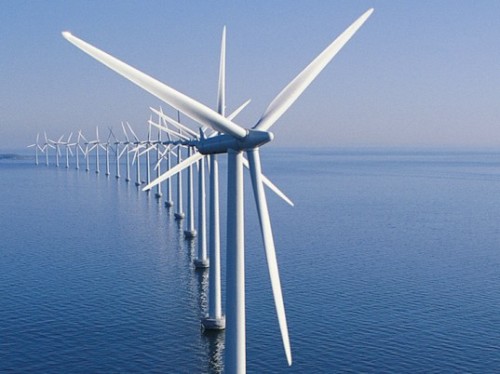
Wind, solar and other renewable energy sources added 138GW to global power capacity in 2016, up 8% from the 127.5GW added in 2015. Photo credit: offshorewind.biz
Massively ramping up clean, renewable energy is crucial to meeting the objectives of the Paris Climate Change Agreement, which aims to limit the rise in global average temperature to well below two degrees Celsius and as close as possible to 1.5 degrees compared to the pre-industrial level.
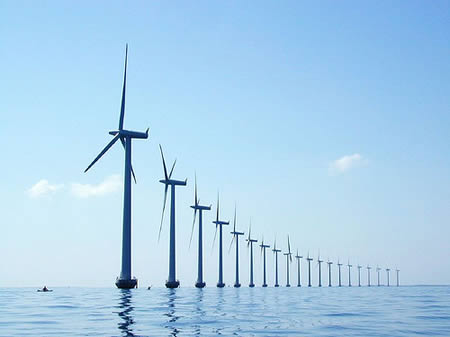
More than 52GW of clean, emissions-free wind power were added in 2017, bringing total installations to 539 GW globally. And there were dramatic price reductions for both onshore and offshore wind. Markets in Morocco, India, Mexico and Canada range in the area of $ 0.03/kWh, with a recent Mexican tender coming in with prices well below $ 0.02/kWh.
“Wind power is leading the charge in the transition away from fossil fuels; and continues to blow away the competition on price, performance and reliability”, said Steve Sawyer, GWEC Secretary General. “Both onshore and offshore, wind power is key to defining a sustainable energy future”.
Meanwhile offshore wind had its first ‘subsidy-free’ bids in tenders In Germany and the Netherlands, with tenders for nearly 2 GW of new offshore wind capacity receiving no more than the wholesale price of electricity.
GWEC’s rolling five-year forecast puts the 2018 market at a similar level as 2017, as the dominant EU markets in Germany and the UK will face reductions due to changing regulatory environments, and India’s market will drop temporarily due to a “policy gap” between the old and new systems; but the sector will return to dramatic growth in 2019, will pass the 60 GW milestone in 2020, and move upwards from there to reach a total of 840 GW by 2022.
“We have a booming new market in Argentina, a return to form in South Africa, Mexico on the verge of dramatic growth, and a powerhouse building in India”, said Sawyer. ‘We see huge potential just beginning to be realized in Russia, Vietnam and even Saudi Arabia; and offshore is spreading like wildfire across the globe due to Europe’s patient, pioneering efforts to bring the technology to cost-competitiveness.”
The US market is projected to remain strong at least through 2020, and probably beyond, and Brazil will continue to dominate Latin American markets, although with a new challenger from Argentina. New markets continue to emerge in Africa and Asia, although China will continue to be the dominant market globally, but with less spectacular growth than in the past decade.
Wind penetration levels continue to increase rapidly. Denmark got 44% of its electricity from wind in 2017, and Uruguay more than 30%.
In 2017, wind supplied 11.6% of the EU’s power, led by Denmark, Portugal and Ireland at 24% and Spain and Germany just under 20%. Four US states get more than 30% of their electricity from wind, as does the state of South Australia, and a number of states in Germany.
“Driven by the improving economics of wind power, as well as solar and storage, the outlines of a 100% renewable energy system is becoming clear,” concluded Sawyer.
On the occasion of World Malaria Day 2018 observed on Wednesday, April 25, the African Development Bank (AfDB) has released “Money and Mosquitoes: The Economics of Malaria in an Age of declining Aid”. Authors include Harvard University’s Nobel laureate economist Eric Maskin; African Development Bank Group Vice-President for Economic Governance and Knowledge Management, Célestin Monga; Josselin Thuilliez of the French National Centre for Scientific Research, and Jean-Claude Berthélémy, Professor of Economics at the University of Paris 1 – Panthéon-Sorbonne and Corresponding Member of the Institut de France.
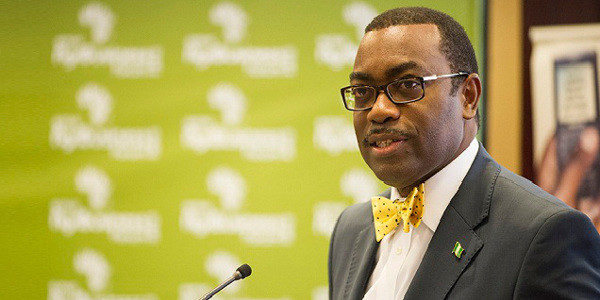
Dr. Akinwumi Adesina, President of the African Development Bank (AfDB)
The report examines financing in the battle against malaria, focusing on the role of foreign aid. It analyses whether or not a disease such as malaria can be controlled or eliminated in Africa without health aid. It also presents a theoretical model of the economics of malaria and shows how health aid can help avoid the “disease trap.” While calling for increased funding from international sources to fight malaria, it also recommends that African countries step up their own efforts, including on domestic resource mobilisation. In 2016, governments of endemic countries contributed 31% of the estimated total of $ 2.7 billion.
Between 2000 and 2014, malaria control efforts were scaled up and worldwide deaths were cut in half. But declining health aid and deprioritised vertical aid (as for malaria), despite its potentially great efficiency, have led to rising numbers of cases. In 2016, 216 million cases of malaria were reported, up from 211 million in 2015. Africa was home to 90% of all malaria cases and 91% of malaria deaths in 2016. Progress appears to have stalled in the global fight against the disease.
“Malaria is bad for business,” AfDB President, Akinwumi Adesina, told the African Leaders Malaria Alliance, a coalition of 49 African Heads of State and Government that was established in 2009 to eliminate malaria by 2030, during the African Union Summit in January. “For this reason, Africa should invest in the local manufacturing of low-cost generic medicines to facilitate access to treatment for its people.”
Malaria strains national economies and impoverishes households, Adesina remarked, adding that the economic impact of the tropical disease costs Africa an estimated $12 billion annually. The gross domestic product of some nations is affected by as much as 5-6%. Of the drugs consumed on the continent, an estimated 79% are imported from India and China whereas if anti-malaria medicines were manufactured locally, they would be affordable for most Africans families.
Lift Above Poverty Organisation (LAPO), a non-governmental organisation (NGO), says Nigeria losses about N132 billion to malaria annually through treatment costs, prevention and loss of man-hour.
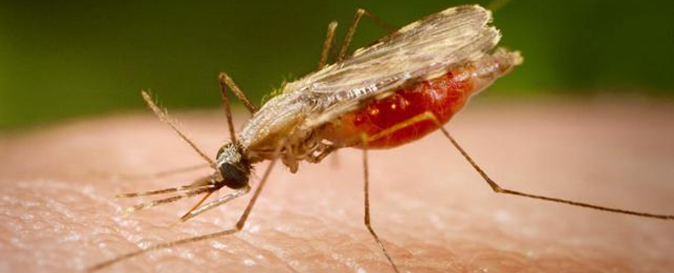
The malaria-causing anopheles mosquito feeding on a victim
Ms Sabina Idowu-Osehobo, the Executive Director of LAPO, disclosed this on Wednesday, April 25, 2018 at the 2018 World Malaria Day sensitisation programme.
The event was held in Meiran Community, Agbado Oke-Odo Local Council Development Area (LCDA) of Lagos State.
The News Agency of Nigeria (NAN) reports that the programme, which was organised by LAPO Lagos 2 Region, had “Ready to Beat Malaria,” as its theme.
Idowu-Osohobo, represented by the Regional officer, LAPO Lagos 2, Mrs Sandra Asowata, said that malaria constituted a huge epidemiologic burden in Africa and had continued to cripple the economic development in the region.
According to her, malaria remains an important cause of morbidity and mortality in Nigeria with all year transmission and 97 per cent of the population at risk.
She said Nigeria also accounted for 32 per cent of the global estimate of 655,000 malaria deaths annually.
She said that the victims were mostly pregnant women with their unborn babies and children below the age of five years.
Idowu-Osehobo said: “Malaria is responsible for 60 per cent out-patient visits to health facilities, 30 per cent childhood death, 25 per cent of death in children under one year and 11 per cent maternal death in Nigeria.
“Malaria is a major cause of increasing household poverty and slow phase of national development.
“The financial loss due to malaria annually is estimated to be about N132 billion in form of treatment costs, prevention, loss of man-hours, yet the disease is a treatable and completely eradicable.”
She noted that collective effort was therefore needed to beat the scourge of malaria in the country.
“We believe that with collective efforts of everyone – international partners, government at all levels, business sectors, NGOs, community stakeholders and direct beneficiaries, we are ready to beat Malaria,” she said.
According to her, LAPO will continue to collaborate with the Roll Back Malaria Partnership and the Nigeria’s National Malaria Control Programme (NMCP) in their quest to end the disease.
She said that LAPO activities for malaria prevention were aimed at reducing the social and economic burdens of malaria on individuals and the society.
“In 2017, LAPO distributed thousands of information materials, treated bed nets and provided free malaria screening services to 38,593 beneficiaries across our target communities,’’ she said.
Idowu-Osehobo said: “A total of 946 stakeholders from local government councils, primary health care facilities and target communities participated in our 2017 World Malaria Day events with the theme: ‘A Push for Prevention’.
“LAPO will continue to support every malaria control effort of Government of Nigeria to show that we are “Ready to Beat Malaria”.
“We believe that beating malaria means healthier societies, increased attendance at school and work, more productive communities, and stronger economies.
“Beating malaria is critical to ending poverty, and achieving the Sustainable Development Goals (SDG) of ending poverty in all its forms.
“It is also in line with Goal 3.3 which is to end epidemics of AIDS, TB, Malaria and neglected tropical diseases by 2030,” she said.
NAN reports that LAPO sensitised the community members on how to keep their environment clean in order to curb the spread of Malaria.
It also distributed free treated bed nets to the community residents as well as conducted free Malaria and blood pressure tests for them.
Nigeria is yet to be listed among African countries that have made significant progress in eliminating malaria, a statement by the World Health Organisations (WHO) says.
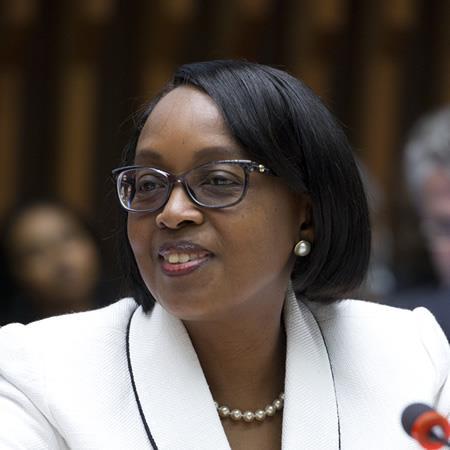
Dr. Matshidiso Moeti, the World Health Organisation (WHO) Regional Director for Africa. Photo credit: pbs.twimg.com
Dr Matshidiso Moeti, the WHO Regional Director of Africa, in her message to commemorate the “World Malaria Day 2018” in Abuja on Wednesday, April 25, 2018, said 14 countries with the world’s biggest malaria problem were in sub-Saharan Africa.
Moeti said these countries still accounted for 80 per cent of the global burden of malaria with 194 million new cases and 410,000 deaths recorded in 2016 alone.
She however said some countries in the region have witnessed a decrease in malaria cases and deaths showing significant potential to eliminate malaria by 2020.
According to Moeti, Ethiopia, Madagascar, Senegal, Gambia and Zimbabwe are among 16 countries globally that witnessed a decrease in malaria cases and deaths by more than 20 per cent between 2015 and 2016.
She said that Algeria, Botswana, Cape Verde, Comoros, South Africa and Swaziland could potentially eliminate malaria by 2020.
The WHO regional director expressed concern over the slow pace of progress in some African countries with significant gaps in the implementation measures to eliminate the disease.
Moeti said international and domestic funding for malaria prevention and control has also stagnated in the region.
“Some countries in the African region recorded the biggest rise of malaria testing in the public sector from 36 per cent of suspected cases in 2010 to 87 per cent in 2016.
“Over half the people at risk of malaria across sub-Saharan Africa have been sleeping under insecticide-treated nets for the past five years indicating some success in behaviour change and outreach campaigns.
“This progress needs to be sustained. Eliminating malaria requires above all political leadership at the highest level as well as leadership of programmes, resource mobilisation, inter sectoral and cross-border collaboration.
“We are ready to beat malaria but the pace of progress must be accelerated to achieve a 40 per cent drop in global malaria cases and deaths by 2020 compared to 2015 levels,” Moeti said.
She said that the world malaria day was an occasion to renew political commitment and continue investing in malaria prevention and control.
The regional director said the day also focuses global attention on malaria and its devastating impact on families, communities and development.
Moeti called on countries still affected by malaria to work with development partners to boost investments in malaria prevention and control, especially in new tools to combat the scourge.
She said: “This will propel countries along the road to elimination and contribute to the achievement of other Sustainable Development Goals (SDGs) such as improving maternal and child health.’’
The theme for the 2018 World Malaria Day is “Ready to Beat Malaria”.
The theme stresses the need to accelerate efforts to defeat malaria and remind countries of their commitment to end malaria epidemic by 2030 as one of the SDGs.
The News Agency of Nigeria (NAN) reports that the Federal Government on April 22, committed to securing $300 million from the World Bank, Islamic Development Bank and African Development Bank to eliminate malaria in the country.
The government also pledged additional $18.7 million to leverage on $37 million from the Global Fund Grant to enable it distribute 15 million mosquito nets and support local manufacturing of essential malaria commodities.
The Coordinator, Malaria Research Programme, Nigerian Institute of Medical Research (NIMR), Dr Samuel Awolola, said that Nigeria still has between 30 and 50 per cent of malaria prevalence rate.
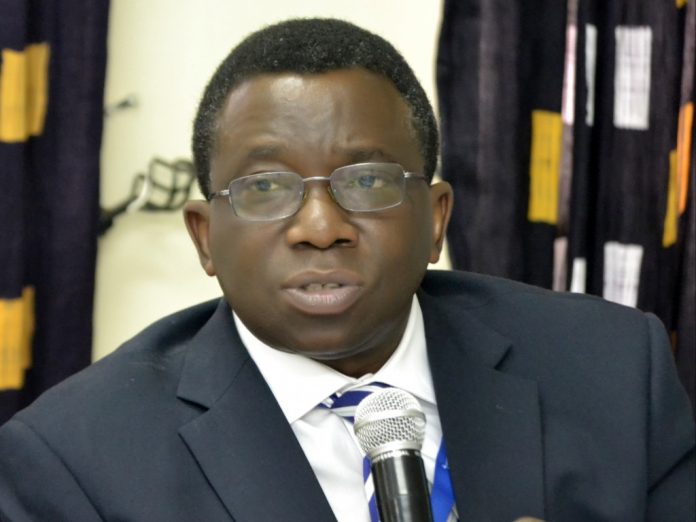
Minister of Health, Isaac Adewole
Awolola, who is also an entomologist, said this in an interview with the News Agency of Nigeria (NAN) in Lagos, on Wednesday, April 25, 2018.
NAN reports the World Health Organisation has declared April 25 of each year as the World Malaria Day (WMD) to recognise global efforts to control malaria with a common goal of ensuring a world free of malaria.
The theme for this year’s commemoration is entitled “Ready to Beat Malaria”.
He said that the prevalence rate was among the highest in world, adding that governments have not done much to reduce it within the last one year.
“The data shows clearly that over the last five years, the prevalence remains the same, in spite of the increase in distribution of long lasting insecticide nets.
“Government needs to do more, by more interventions to eradicate malaria in the country
“Long lasting insecticide nets is one of the interventions which has prevented a lot of children and pregnant women from contracting malaria.
“There is another great intervention that can help to reduce the burden of malaria which is indoor residual spray.
“Most people complained that indoor residual spray is very expensive but with the help of both federal and state governments it can be distributed to the people,” Awolola said.
According to the expert, Lagos state has the lowest prevalence in malaria in the country.
“Lagos state government was able to provide indoor residual spray in three local governments which helped to reduce burden of malaria in the state.
“But currently, Lagos environment is dirty with refuse, potholes and bad drains which can breed more mosquitoes.
“Most times the type of mosquitoes it may breed may not cause malaria but causes other diseases such as; zika virus, yellow fever and so on”.
Awolola called on state government to clear and clean the environment in both the rural to urban areas.
“Individual and governments must make sure that environment is properly clean because malaria does not know anybody, which means it can affect anybody.
“Especially, individuals can be their own health inspectors by cutting grass, clearing the drains and blocking all potholes in their environment,” he said.
Awolola urged government at all levels to invest more in malaria prevention and treatment, which could help to eliminate the disease in the country
“Theme of this year is ‘Ready to beat malaria”; I think we are still very far to beat malaria.
“If governments can invest more in malaria elimination, it can help us to beat malaria.”
The Nigerian Communication Satellite (NIGCOMSAT) Ltd. and the Turkish Satellite Company (TURKSAT) are set to reach both the served and the underserved with satellite-based services in Africa.
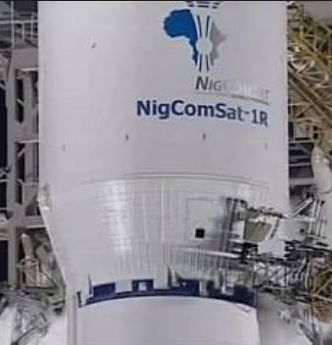
The NigcomSat-1R
NIGCOMSAT disclosed this in a statement signed by its Head, Public Affairs, Mr Adamu Idris.
Idris said that NIGCOMSAT, which is famous for broadband Internet service delivery, is collaborating with the Turkey-based communication satellite company to ensure the deployment of satellite solutions.
He said the agreement provided for a framework of cooperation between the two satellite operators in various areas, which included shared satellite ground infrastructure in Africa and Europe and back-up capacity arrangements.
The official said the agreement with TURKSAT also included satellite communication training, broadcast content sharing and satellite applications development with particular emphasis on e-government applications.
“This new collaboration is expected to allow both operators to use their resources and specific expertise to provide new and innovative satellite-based solutions.
“It is expected to meet government interest in broadband penetration in every part of Nigeria, including other parts of the world where its footprints are visible.’’
According to Idris, the two agencies signed the Memorandum of Understanding (MoU) in Ankara, Turkey.
The Nigerian delegation to Ankara was led by the Executive Director, Technical services, Mr Kazeem Raji, while the Turkish Vice President, Hasan Ertok, led the TURKSAT delegation.