26.8 C
Lagos
Friday, December 26, 2025
Home Blog Page 1890

Cattle colonies: Robbing Peter to pay Paul

0

“If I were to remain silent, I would be guilty of complicity” – Albert Einstein (1879-1955)

“The fact that the southern Niger Republic is greener than parts of northern Nigeria should suggest to us that our approach to environmental management is defective” – Nnimmo Bassey (Director, Health of Mother Earth Foundation – HOMEF).
Herdsmen
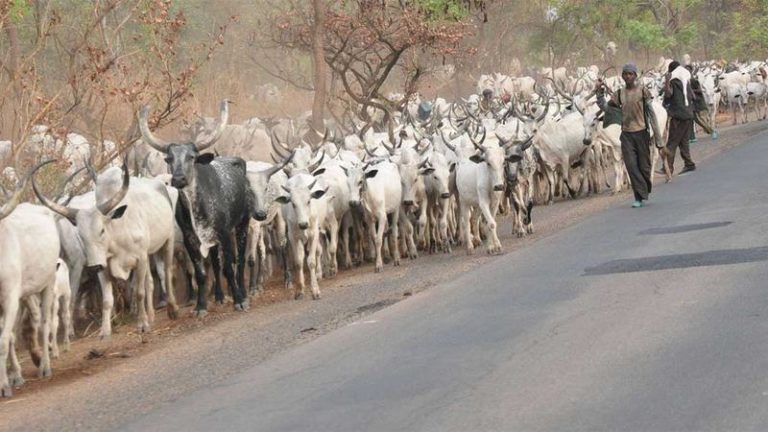
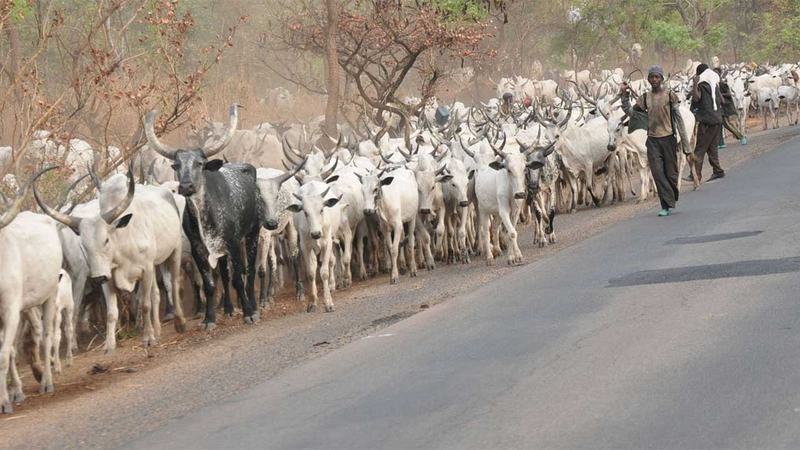
Herdsmen

The above two quotations are apt for the real reason why this article was written. The first one was from the fertile mind of the late renowned 1921Nobel Prize Winner in Physics, German-born Albert Einstein, “a theoretical Physicist who developed the theory of relativity, one of the two pillars of modern physics.”(Wikipedia).

The second one was excerpted from an article in EnviroNews Nigeria (January 14, 2018). It is an omnibus online magazine that covers environmental, climate change, human settlement, sustainable development, water & sanitation,  renewable energy, science, and technology issues in Nigeria and around the world. The said article titled: “Benue massacre: Ending the season of heady herders” was written by Nnimmo Bassey whose employment identity is disclosed above.

Be that as it may, this writer wants to draw the attention of readers to the ongoing national discourse in Nigeria on the proposed bill by the Federal Government to create cattle colonies throughout the states of the federation by invoking the “power of eminent domain” to acquire land in each state for the sole use by a few compatriots who are pastoralists (cattle rearers) from certain ethnic group, to the detriment of other compatriots who are mainly peasants engaged in subsistence farming as their means of livelihood.

Since the Federal Government intention was made public, the polity has been heated to the boiling point causing a barrage of caustic commentaries, vitriolic, diatribe, hate speeches, provocative newspaper articles, and TV discussions all laced with fury and ethnic or religious sentiments from both sides of the divide, that is the pro and con agitators who are for or against the idea being mooted by the Federal Government. Regrettably, it has caused violence traced to the Fulani herdsmen to escalate in some sections of the country.

Many innocent lives have been lost to the orgy of violence and drums of another civil war are being beaten by the aggrieved.

Benue State, in particular, was the major victim where scores of her indigenes were mercilessly massacred by the rampaging Fulani herdsmen. The social media is replete with gory and offensive pictures of women and children brutally macheted and decapitated. The ugly incident has been labeled “genocide” which means that we are slowly walking the road to Kigali, Rwanda, the consequence of which is better imagined than experienced.

How do we find ourselves in this avoidable and pitiable situation as a nation? Lethargy is number one reason. Two, we always indulge in playing the proverbial ostrich. Three, we often fail to plan and collaboratively plan to fail. This writer is an unrepentant critic of the government’s lackadaisical attitude to planning most especially environmental and physical planning, as pivotal as these two issues are. We constantly abuse the environment to the detriment of our health, the cities, regions and the country as a whole.

We set up a gamut of a lame duck and cueless institutional apparatus and regulatory bodies whose impacts are never felt by the citizenry regarding their functions and sundry responsibilities under their purview. Nnimmo Bassey was unequivocal about these shortcomings as encapsulated in the opening quote above and went further to indirectly intone that we leave leprosy (which is more harmful to human) to treat ringworm a less harmful disease. Put in simple word, bureaucracy is a national malaise. The Government lacks priority. It treats any matter of national urgency with tardiness and sometimes with levity until it snowballs to a national crisis. The herdsmen-farmers’ incessant crisis is a living and trending example.

It is a cumulative effect and abysmal failure of environmental management on the part of the Federal Government and lack of a land use inventory as a precursor to the preparation of national physical and environmental plans, which are long overdue in Nigeria. Quoting Bassey again, he said regarding our vegetative cover and water resources, “we tend to see our environment as capable of self-regeneration irrespective of how rabid our rate of consumption of Nature’s gifts to us…The result is the reality of desertification in northern Nigeria that we characterise as the downward march or spread of the Sahara Desert.” He added a poser, “if the desert were marching down so mercilessly, how come Niger Republic (a country closer to the Sahara Desert) has not gone completely under the sand?”

In the light of the debate about the perennial clashes between the herdsmen and local farmers around the country, I want to lend a voice rather than remain silent, to avoid being guilty of complicity as Albert Einstein opined. Albeit there have been series of suggestions on how to resolve the age-long national conflict, the rigid positions that are being taken by the various commentators and ethnic affiliates cannot and will never solve the problem. We need to be flexible and amenable to whatever position we take. First, the Federal Government approach needs to be reconsidered. Its use of the “power of eminent”( the power of Government to take private property and convert it to public use) is being wrongly applied in this case. There is no legal defense for the intended action of the government to take land from one group of people and hand it over to another set of people for personal business.

Pastoralism is a commercial business which anybody can engage in and not the exclusive business of a “particular ethnic nationalities nor region.” The cattle colonies are not for public use, which contradicts the letters of the eminent domain law. The Federal Government errs in law by robbing Peter (landowner-farmer) to pay Paul (the pastoralist) for the conduct of the latter’s private business.

In a Supreme Court landmark judgement in 2003 over a suit instituted by the Lagos State Government (LASG) against the Federal Government to determine which of the two governmental entities has the constitutional authority for planning, the apex court ruled in favour of LASG based on the premise that planning is a residual matter in the Nigerian constitution, which falls under the purview of the state. The Supreme Court ruled that the only area which the Federal Government could exert its power of authority on land use is within the Federal Capital Territory (FCT) including Abuja, the nation’s capital city. The land within the FCT can be subjected to any use as the Federal Government pleases in cognisance of the territory’s master plan. In a nutshell, the Federal Government cannot be too overbearing in the use of its power contrary to what the supreme law(constitution) of the land allows.

Land is a platform for development. It is the prerogative of each state to determine what and how it wants to use the land under its jurisdiction for developmental purposes. The establishment of cattle colonies could be the priority of the Federal Government, whereas mechanised agriculture could be a state’s priority. The two choices have one thing in common: they are both consumers of huge land. The states would be reluctant to release a large chunk of land to outsiders for a venture where they cannot reap any benefit for the good of their indigenes. It is an injustice. Like the late American civil rights icon, Martin Luther King pontificated, “an injustice anywhere is a treat to justice everywhere.”

The short-term solution is more engagement and dialogue with all warring parties to douse the tension of more violence. Furthermore, the Federal Government should aggregate all shades of opinions and technical recommendations volunteered by professionals and choose the best options to ameliorate the looming crisis. The use of Federal might through the enactment of a protective law that unjustly favours one ethnic group against the others is a recipe for national anarchy.

By Yacoob Abiodun (Urban Planner, Planning Advocate, Hayward, California, USA)
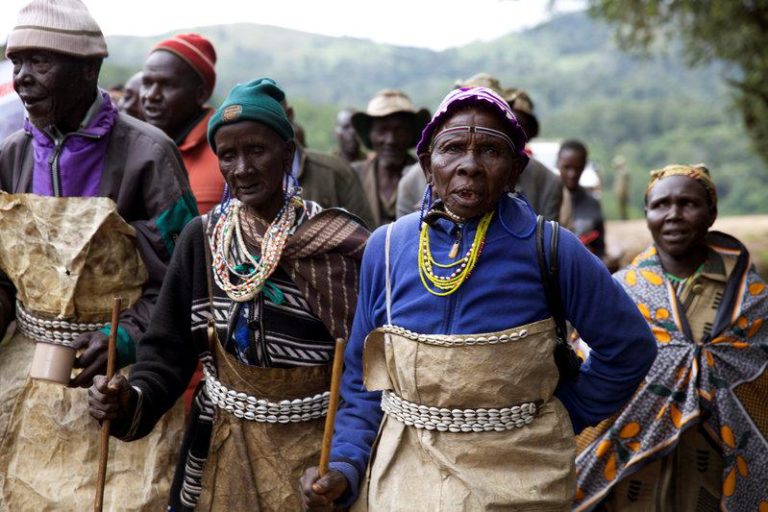
UN experts urge Kenya to respect indigenous rights in climate change project

0

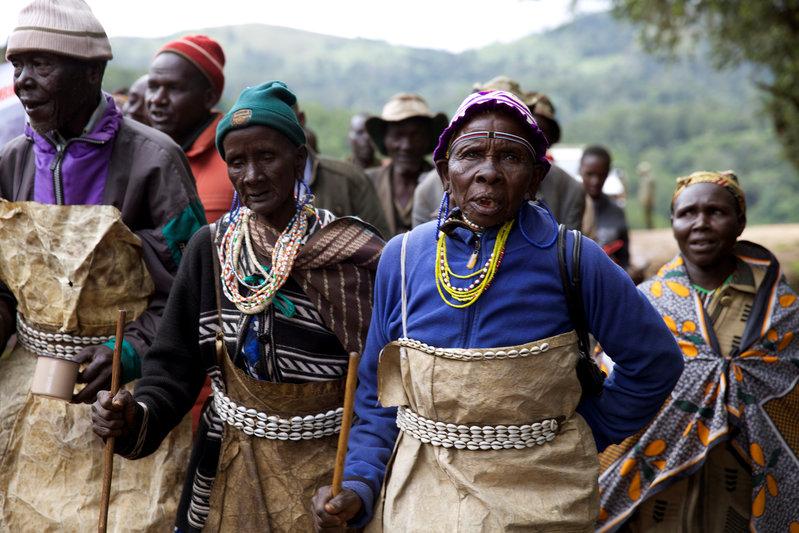
Three United Nations independent experts on Monday, January 15, 2018 called on the Kenyan government to respect the rights of indigenous Sengwer peoples while implementing a climate change project in north-western Kenya.

Sengwer indigenous people
indigenous people from the Sengwer community in western Kenya. Photo credit: REUTERS/Katy Migiro

The experts expressed concerns about recent reports that indigenous Sengwer peoples have been attacked and forcibly evicted from their homes.

They said the forceful eviction was as a result of the implementation of the Water Towers Protection and Climate Change Mitigation and Adaptation project, an EU-funded water management project.

The experts are John H. Knox, Special Rapporteur on the issue of human rights obligations relating to the enjoyment of a safe, clean, healthy and sustainable environment; Victoria Tauli-Corpuz, Special Rapporteur on the rights of indigenous peoples; and Michel Forst, Special Rapporteur on the situation of human rights defenders.

They called on the Kenyan authorities to urgently halt the evictions of the Sengwer community and undertake impartial investigations of these attacks.

“Furthermore, we urge the European Union to suspend funding for the project until measures have been taken to uphold international standards on indigenous peoples’ rights,’’ experts said.

The Sengwer indigenous people whose population is estimated at 33,000 inhabit forests straddling Elgeyo Marakwet and Trans Nzoia counties in north-western Kenya.

For centuries, the Sengwer community has derived its livelihood from the forest ecosystem while protecting it from both man-made and natural calamities.

The Ministry of Environment in partnership with EU has since 2016 implemented a climate resilience project on the foothills of Cherangany water tower.

The project roots for active involvement of indigenous communities in restoration of one of the five major water towers in the country.

“The Sengwer are facing repeated attacks and forced evictions by agents of the Kenya Forest Service, which is an implementing agency in the project financed by the European Union,’’ the experts said.

Over 100 armed Forest Service guards entered the traditional lands of the Sengwer in the Embobut Forest on Dec 25, 2017, firing gunshots, burning no less than 15 homes and killing their livestock.

On Jan. 9, one of the Sengwer leaders was shot at by Forest Service Service guards but while he managed to escape unhurt, his house was burnt down and his property destroyed.

The experts called on Kenya and the EU to ensure that the human rights of the Sengwer peoples are respected, noting that consultations have not been held with the Sengwer to seek their free, prior and informed consent.

“We are concerned that the project is being undertaken without a human rights impact assessment,’’ the experts said.

Warmer temperatures causing sea turtles to be born female in Australia

0

Rising temperatures at Australia’s Great Barrier Reef are causing more green turtles to be born female, which could lead to the species dying out, a new scientific study has found.

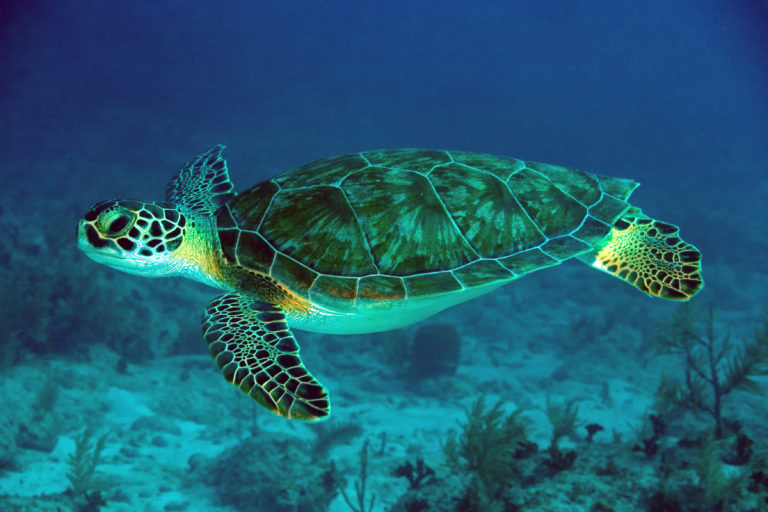
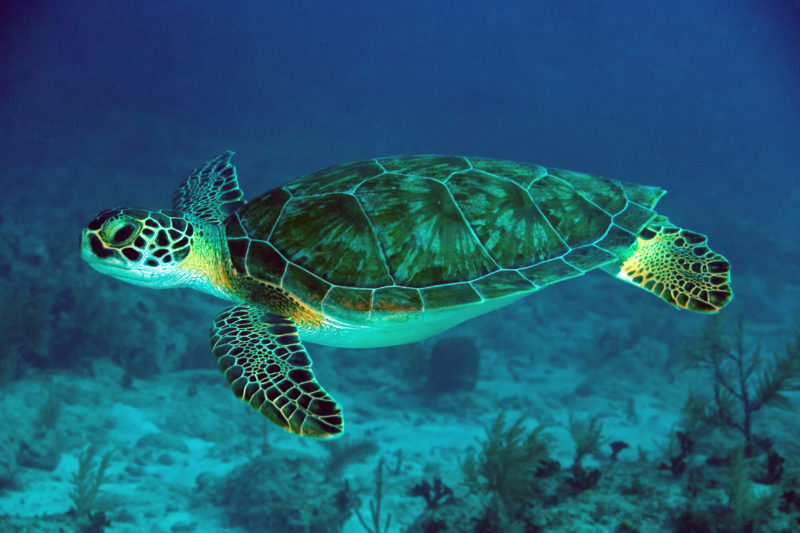
Sea turtle
A sea turtle

As the gender of green turtles is determined by temperature, the hotter weather caused by climate change induces warmer incubations of eggs, and that has led to a greater number of female hatchlings.

The study published last week revealed that more than 99 per cent of the juvenile and sub adult population on the northern part of the reef are female, and 69 per cent are female on the southern reef.

The two populations are genetically distinct.

“We’re now seeing on those northern beaches virtually no males being born.

“That really rings alarm bells for the long-term survival of those northern green turtle population,” said WWF-Australia Chief Executive, Dermot O‘Gorman.

The study was carried out by the National Oceanic and Atmospheric Administration, California State University, and Worldwide Fund for Nature (WWF) Australia.

O‘Gorman said urgent measures were needed to tackle climate change.

The Queensland Department of Environment and Heritage Protection have been testing various measures to lower the temperature of the sand, where the turtles lay their eggs.

Options include providing shade or inducing artificial rain to cool the beach, said chief scientist Colin Limpus.

“Protecting some of the big breeding males from threats like nets and by catch is going to be really important going on into the future as well,” said O‘Gorman.

The Great Barrier Reef, covering 348,000 square km (134,000 square miles), was listed as a World Heritage site in 1981 as the most extensive and spectacular coral reef ecosystem on the planet.

Why Gani Adams was chosen out of 25 shortlisted as Aare Ona Kakanfo, by Alaafin

0

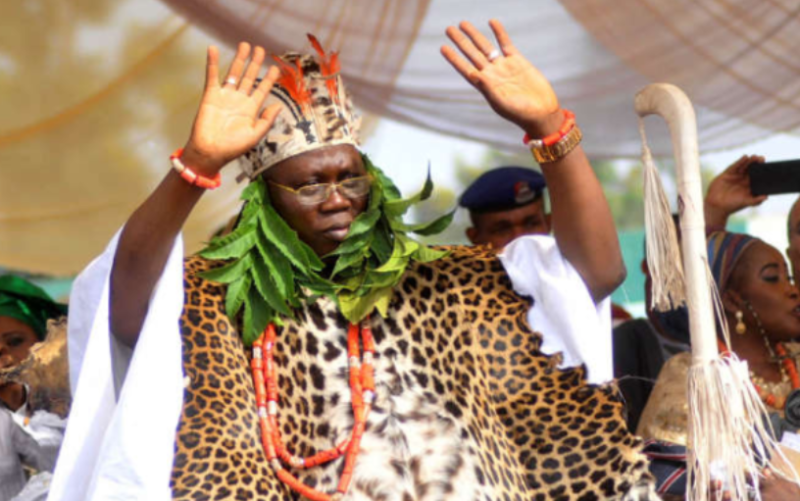
The Alaafin of Oyo, Oba Lamidi Olayiwola Adeyemi III, has disclosed that the title of Aare Ona Kakanfo was bestowed on Dr. Gani Adams because of his passionate commitment to the protection of the culture and territorial integrity of Yorubaland.

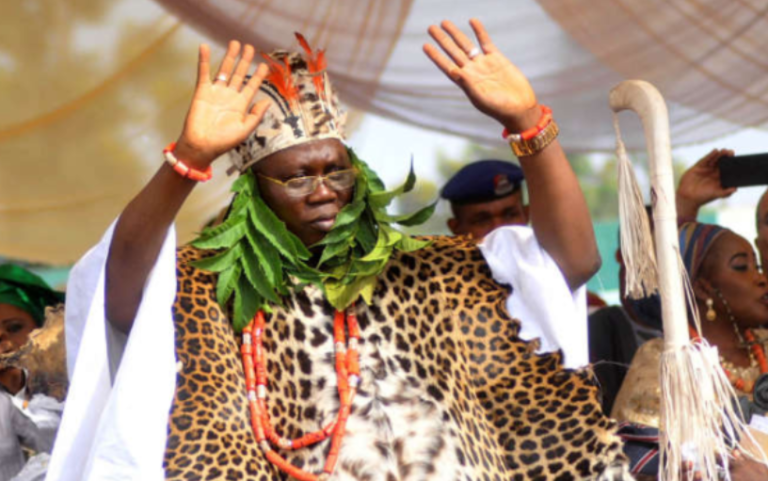
Gani-Adams
Dr Gani Adams, the Aare Ona Kakanfo of Yorubaland

Oba Adeyemi made the disclosure during a thanksgiving service on Sunday, January 14, 2018 at St Mary’s Catholic Church, Oyo to mark his 47th year on the throne.

He disclosed that, out of 25 candidates shortlisted for the title, Adams was found to have paid dearly and earnestly for the interest of Yorubaland

Oba Adeyemi said: “The benchmark of selection was not hung at the sentinel of political engagement, solidity in terms of gold, wealth or fortune, neither was it on the number of properties acquired on global pedestal, but on agrarian and blind engagement of those who have abused and abusing, those who have infringed and infringing on the territorial and cultural territory of Yoruba.

“Whatever methods employed by him and his association, the fact still remains that there was a counter balance check valve which sent jitters down to the spines of the irrational irredentists who hitherto thought that they can make mincemeat of Yoruba land.

“And for his bold steps at ensuring that Yorubaland was not desecrated or lorded over both by blue collar miscreants, ethnic irredentists and he paid dearly for it.”

Adams, Oba Adeyemi pointed out, “has been poignantly consistent in fighting for the protection of Yoruba. He was for many times humiliated, disgraced, manacled and jailed. It is natural for you either to hate, love and dislike him. However, the truth must not only be told that he was there when the Yoruba needed a person who is bold, strong and ready to lay his life for the defence of the heritage.

“After he came first at the examination and scrutinisation by men and earthly beings, his appointment as the 15th Are Ona Kakanfo was also subjected for approval and subsequently sanctioned by the gods and all the elemental forces in the firmament.

“We also ensured that the three religions being fervently practiced by the Yoruba prayed and endorsed his appointment. Thus, we find it expedient to be here today not only to give and pray to God through Mother Mary, the Holy Virgin for my 47th year on the throne, but also for the successful installation ceremony of the 15th Aare Ona Kakanfo of Yorubaland.

“The role of an Aare Ona Kakanfo both in the peace and war period is not a deal for the Lilly or jelly livered or for a spineless fellow. It is the consignment of a man with a Lion’s heart and an eagle spirit, which we have found in Aare Gani Adams.”

National Park Service to be repositioned for global service delivery

0

The Conservator-General, Nigeria National Park Service, Alhaji Ibrahim Goni, on Monday, January 15, 2018 said that the service would be repositioned for global service delivery so as to boost its revenue generation potential.

FMEnv Retreat
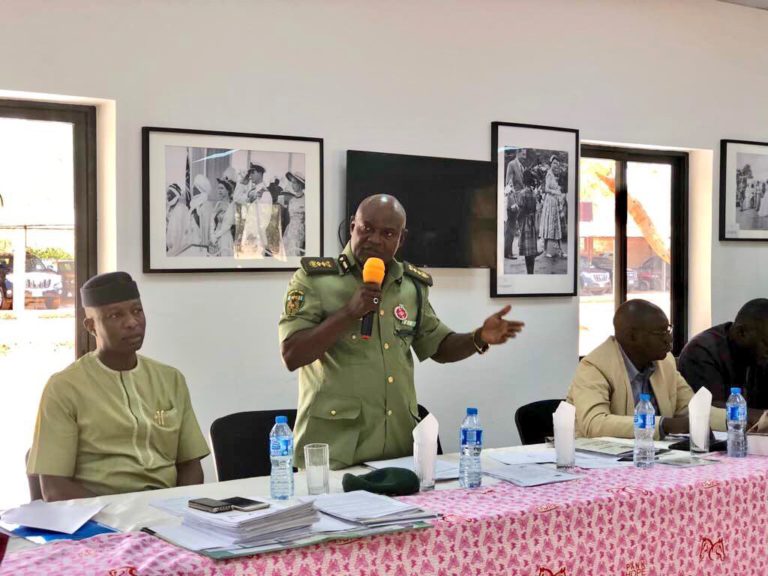
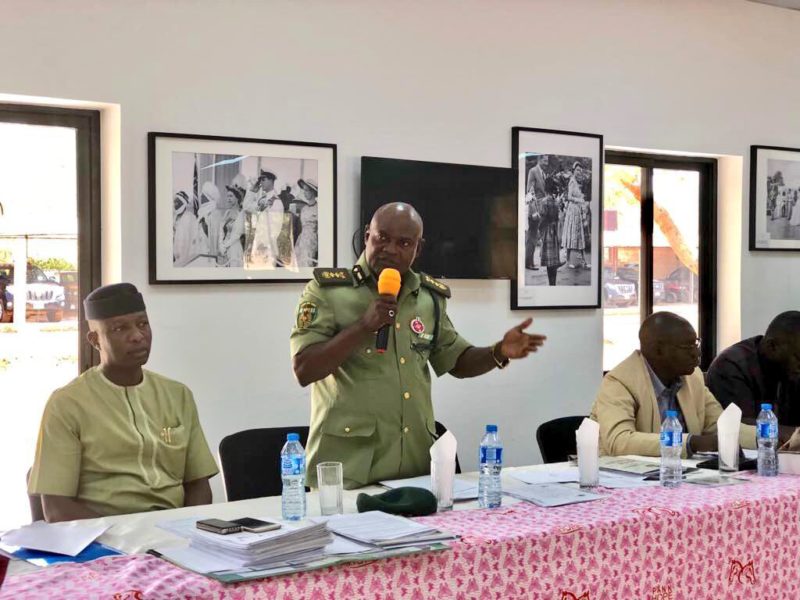
The Conservator-General, National Parks Service, Alhaji Ibrahim Goni

Goni said this in an interview with News Agency of Nigeria (NAN) in Abuja.

He said that since one of the roles of the service was to protect the environment and indigenous genetic resources, it would be upgraded to international standard to enable it to attract more tourists.

“The parks play significant roles in science, research and educational development, especially in agriculture, medicine, psychology and spiritualism.

“The nation’s population depends on its natural sources for food, fibre and medicine; this, in essence, demands that Nigeria pays much attention to the protection and conservation of its ecosystem,’’ he said.

Goni said that the service was being overhauled in the areas of capacity building, infrastructural development, research and development, among others.

He, therefore, called for the support and collaboration of other agencies and the private sector in efforts to make the national parks one of the best in the world.

“Some of the areas where we need the support of donor partners include training of rangers via the establishment of rangers’ training schools, sponsoring researches, upgrading and total overhaul of national parks across the country.

“The service manages seven national parks spread across all the ecological zones of the country and each of them has unique features.

“Each of these parks has the potential of attracting tourists and researches to the country, and if the potential is developed, it will be a plus to our economy.

“We have been doing well in terms of protecting national parks since the service was established but we can do better if we get the necessary support, in line with the global standards,’’ he said.

Goni said that the service, which had 1,961 personnel, had conducted staff training at different levels and categories.

“Sixteen officers were given Global Positioning System (GPS) training, while 48 others got approval to undergo various training programmes in tertiary institutions in the 2016/2017 academic session.

“Some of our Public Relations/ICT workers were trained by the Ministry of Environment; our rangers also received training to boost their capacity in park surveillance and tracking of human activities.

“Currently, training in both combatant and non-combatant operations is underway in all the parks and at the National Park Service headquarters to prepare the officers for new tasks as paramilitary personnel,’’ he said.

Goni said that not less than 615 offenders, including poachers, were arrested in 2017, while more than 10,371 tourists visited different parks across the country within the same period.

By Ebere Agozie

Images: Concern as refuse litters Lagos streets

0

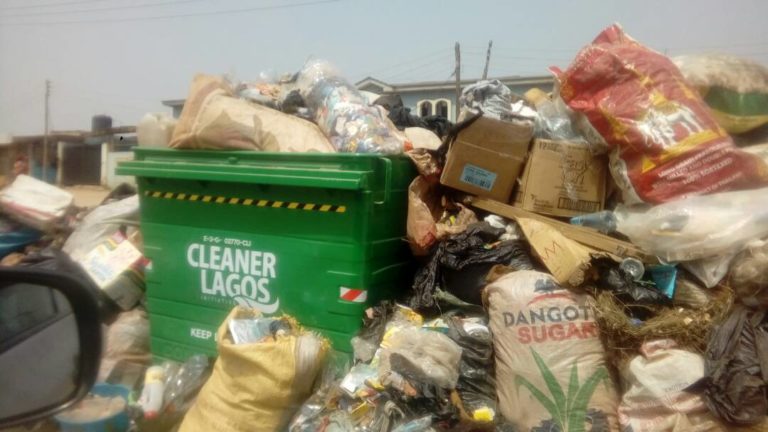
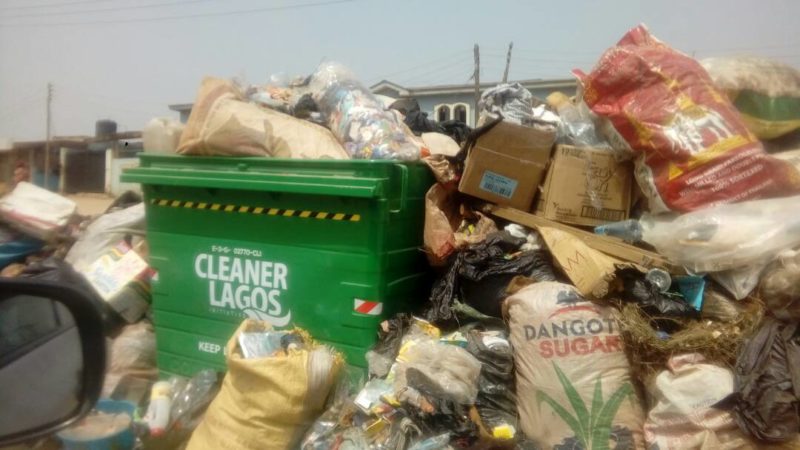
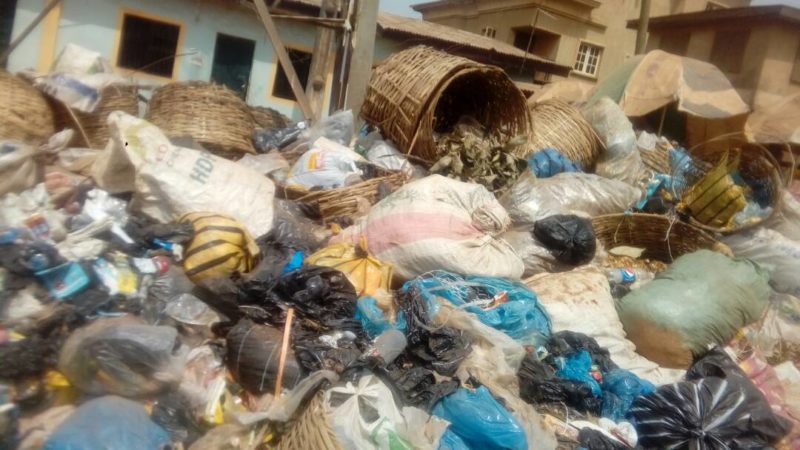
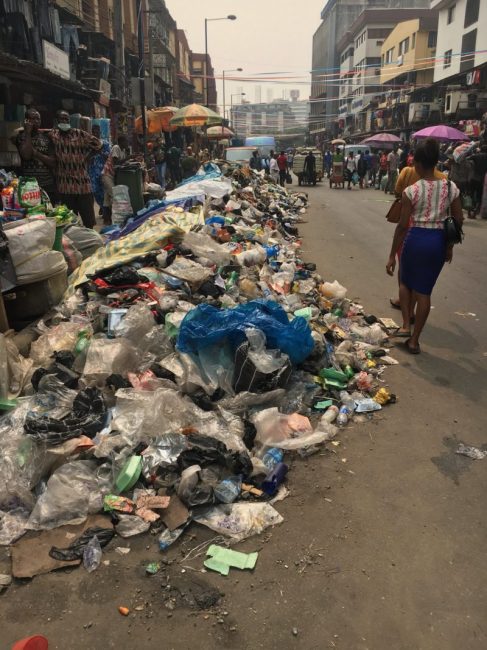
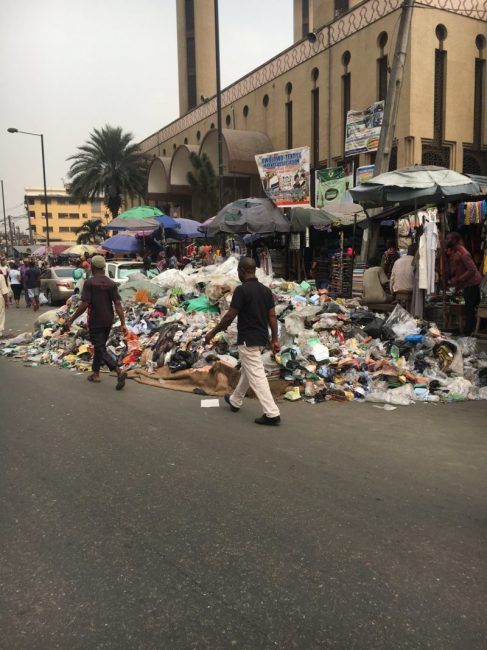
Who will clear the heaps of refuse littering the streets of Lagos, the Centre of Excellence?

That appears to be question on the lips of almost all Lagosians as residents express concern over the implications of the recent development.

Medical practitioners are worried at the spreading heaps of refuse, saying it could lead to outbreak of epidemic in the state.

The Lagos State Government recently announced a ban on the operations of cart pushers and wheelbarrow operators, saying their activities are inimical to the environmental cleanliness of the state.

There appears to be uncertainty over the fate of private waste disposal firms, a situation that may have led to the non-clearance of waste from most streets and waste dumps across the state.

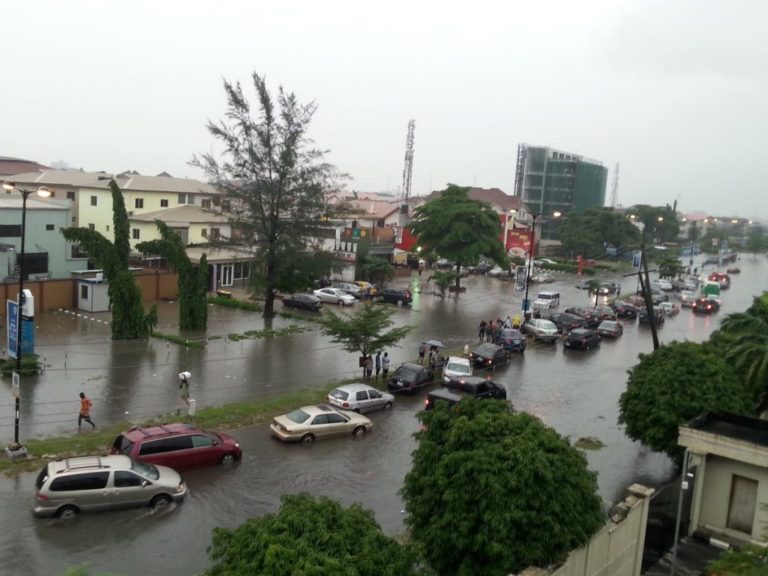
Lagos refuse
No one is clearing heaps of refuse littering the state’s streets
Lagos refuse
Health officials say that the presence of rotten waste all over the street is a public health issue
Lagos refuse
Major roads are not left out
Lagos refuse
Government recently announced a ban on the operations of cart pushers and wheelbarrow operators

Uganda confirms outbreak of hemorrhagic fever

0

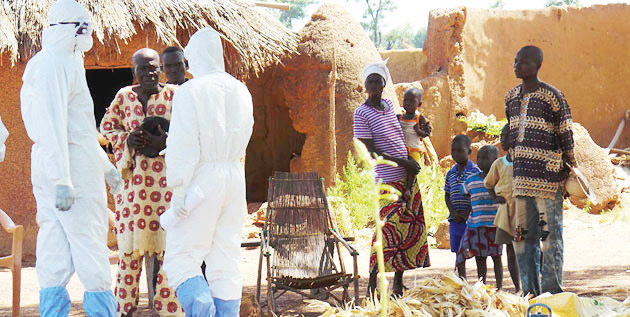
Uganda’s health ministry on Monday, January 15, 2018 confirmed an outbreak of Crimean-Congo Hemorrhagic Fever (CCHF) in the central district of Nakaseke, Sarah Opendi, State Minister for Health, said.

Uganda
Uganda’s health ministry has confirmed an outbreak of Crimean-Congo Hemorrhagic Fever (CCHF) in the country

The official told Xinhua that the laboratory results of the samples taken from a nine-year-old suspected case who has been under isolation at Kiwoko Hospital, Nakaseke tested positive of the fever.

She said a National Rapid Response team from the Ministry of Health and that of Agriculture, Animal Industry and Fisheries has been dispatched to Nakaseke and Luweero districts to handle the outbreak.

“Results from Uganda Virus Research Institute, Entebbe tested positive for the Crimean-Congo Hemorrhagic Fever and negative for other viral Hemorrhagic Fevers like Ebola, Marburg, Rift Valley Fever and Sosuga,” said Opendi.

The confirmation of the CCHF comes barely two weeks after the ministry of health denied the outbreak.

On Jan. 5, Opendi told reporters that the samples taken from the suspected nine-year-old boy tested negative of CCHF, contrary to the claims from Nakaseke districts authorities on the outbreak.

The minister on Monday dismissed reports that an eight-year-old girl from Kagugo village, Luweero district, succumbed to the fever.

“The laboratory results from the deceased’s blood samples tested negative for CCHF and other viral Hemorrhagic fevers.

“The ministry of health is continuing to investigate the possible cause of the death of this young girl in collaboration with partners,” Opendi said.

Crimean-Congo is a tick-borne illness transmitted to humans through tick bites. It is also be transmitted through contact with the blood of infected animals especially during slaughter.

It can also be transmitted through direct contact with the blood, secretions and the organs of infected people.

Nosocomial transmission can occur through contaminated medical equipment or body fluid from infected persons.

A CCHF outbreak constitutes a threat to public health, according to the World Health Organisation (WHO).

According to the global health body, the fever is associated with high case fatality ratio of about 10-40 per cent, which is endemic in Africa, the Balkans and the Middle East.

Forceful ejection from homes and panacea to Lagos flooding

0

It was a terrible day as Olasumbo Apanpa’s apartment at the Lekky County Homes Estate in Ikota, on the Lekki-Epe Expressway, Lagos was ravaged by flood. Sequel to the devastating flooding and fear of what the incoming rainy season has in stock by staying in her apartment, she has no option than to relocate to a different apartment – for the safety of her family prior to the incoming rainy season.

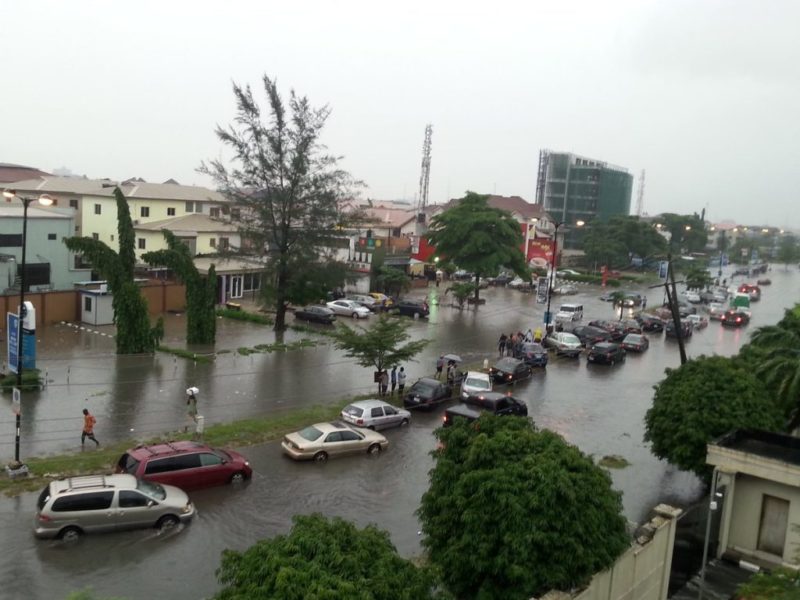
Lagos flood
A street overrun by flood on Victoria Island, Lagos

Properties worth billions of naira were destroyed in the epic flooding of July 8, 2017 – which engulfed Lagos, Nigeria. Socio-economic activities were at standstill, many people unexpectedly got mired in massive debts, and millions of residents dispossessed of their hard-earned valuables and forcefully ejected from their abodes abruptly; leaving the trail of severe ecological damage. Six months after, the victims are still reeling in the scars and finding it difficult to wriggle out of the trauma – as the ugly incidence flashes in their thoughts.

“On that fateful Saturday morning, I was still snuggling up in bed, because it had been raining since morning, till my son came into my room. He said he got a WhatsApp message on the estate residents’ platform asking people to pray for the rain to stop, that it was serious!  I got up then to go downstairs only to see our sitting room flooded to almost knee deep.

“We looked out from our balcony and saw water gushing out from a wall that had been there to demarcate the estate. The force of the water broke the wall and water was just flowing into houses and streets in torrents. The whole place was looking like a moving stream,” Apanpa reveals in an interview.

With an estimated population of 21 million and 40% landmass of water bodies, Lagos is unarguably the most populous city and Nigeria’s commercial capital. But the bustling city is vulnerable to flooding, sea level rise, high water table, ocean surges and inundation due to its strategic location and low-lying terrain. Despite that, thousands of migrants who are earnestly in search of greener pastures within and outside Nigeria’s shores troop in on a daily basis – constituting stress on the few facilities – leading to extensive pressure on the Lagos’ fragile  ecosystem.

Amidst the growing population and the skyrocketed cost of acquiring an apartment, the low-income migrants who are desperate to cope with the standard of living and hit the ground running are left with the option of pitching their tents in informal settlements – which are devoid of basic amenities. The over 65% inhabitants are perpetually vulnerable to extensive flooding, ocean surges, poor sanitation, and malaria and cholera outbreak. Such shanties are often on low-lying coastal areas; among which are communities such as Makoko, Ilaje-Bariga, Iwaya, and the recently-demolished Otodo Gbame.

In contrast, the rich have a penchant for land reclamation along the ocean and river banks – prompting queries and suspicion on the genuinety of Environmental Impact Assessment purportedly carried out prior to such land mark projects.

The 9 Km2 landmass of the ongoing Eko Atlantic City project – requiring about 95 million m3 of sand dredged from the sea bed typifies such an affluent and grandiose reclamation project — with an estimated cost of $6 billion. It is expected to accommodate about 350,000 people, with the price of a two-bedroom apartment selling in the region of $896,750.

Climate scientists are worried that continuous and unregulated reclamation could exacerbate flooding, the devastation of marine habitat culminating ecological imbalance. And quite worrisome, the poorer communities are at the receiving end of coastal erosion, extensive flooding and tidal waves generated by reclamation – with untoward consequences.

A source close to Total Exploration & Production Nigeria Limited, revealed that the firm was badly hit as properties worth over N35 million got damaged. According to him, the entire ground floor of the firm located at Victoria Island was submerged such that the underground draining pipes were unable to suck out the water. There are indications that the firm is yet to recover from the debt incurred.

“This is the first time I’m experiencing this kind of flooding in my adult life and I know of a family who was contacted and relocated that same day,” the source adds.

The unprecedented submergence along Ahmadu Bello Way on Victoria Island is said to be just a tip of the iceberg of the looming danger. On the heels of the devastating occurrence, palpable fear is evident as Lagos residents are apprehensive of what the incoming rainy season has in stock for them – owing to the failed promises of the concerned bodies.

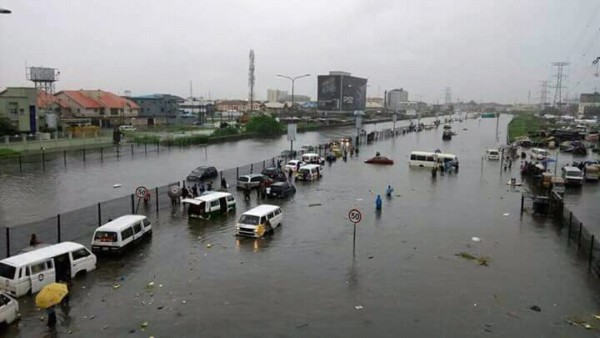
Lekki flood
Flooded highway in Lekki, Lagos

No doubt, flood is a natural and global source of concern – in which Lagos isn’t exempted from its perennial occurrence. According to worldweather online, the average rainfall of 281.3 mm in July was the highest rainfall volume in 2017 – with duration of 30 days. Not surprising the extensive flooding.

As part of efforts to rid the state of flooding, the government says it is committed to desilting by clearing jerry cans, sacks, polythene bags, tires, blocks, silts among others that block the free-flow of storm water.

“Ikorodu Road, Mile12, Kosofe, Ketu, Ojota, Anothy, Maryland, Ilupeju, Obanikoro, Palmgrove, Onipanu, Fadeyi, Jibowu, Moshalashi, Ojuelegba, Stadium, Alaka and Iponri.Others include CMS, Marina, TBS, Kudirat Abiola Way, Awolowo Road, Opebi-Allen Road, Apapa Wharf Road and Agege,” are being desilted as revealed by Managing Director of Drain Ducks, Mr. Akeem Apatira.

The Lagos government is indeed commended for its adaptation and mitigation moves but, quite unfortunate that the ambitious and commendable Lagos State Climate Change Adaptation Strategy (LAS- CCAS) that briefly outlinesd drainage appears not to have given a full account of a clear and comprehensive roadmap in addressing the seemingly defective drainage pattern the state, the indiscriminate dredging by sand miners, and relocation plans. And nothing concrete was said of uncoordinated settlements lying across flood plains and the down streams of Oyan dam.

“If we have learnt anything in the ongoing flooding of some parts of the state, it is that there is an immediate, even urgent need for us to embark upon a review and re-engineering of our canals and drainage systems,” Governor Akinwunmi Ambode said in dousing the tension subsequently after the flooding.

Nothing can stop accumulation of excessive puddles not receding some days after a long stretch of heavy downpour if well-structured and efficient drainage systems together with a strictly coordinated infrastructural layout are not incorporated into the adaptation strategy. Alleviating the seasonal flooding would be in jeopardy, and thereby threading the path of a mirage.

Six months after the promise, most of the inhabitants are still sceptical of government’s sincerity in tackling the defying flooding. The citizens have a role to play too in stopping refuse clogging the water ways and obstruct free flow of water.

Apart from the shrinking Lake Chad basin which is capable of triggering unprecedented humanitarian crisis in Northeast Nigeria and beyond, perennial flooding in Lagos is a climate change phenomenon in urgent need of proactive measures towards forestalling inundation that is capable of wreaking havoc on Lagos’ ecosystem.

By Odewale Abayomi Joseph (ICFJ Climate Fellow, climate writer and advocate; @ODEWALEAbayomi)

Media told to sensitise Nigerians to dangers of ozone-depleting products

0

An ecologist, Mr Abdullahi Aremu, on Monday,January 15, 2018 urged the media to sensitise Nigerians to the dangers of using refrigerators, air conditioning units which emit ozone-depleting substances like chlorofluorocarbons into the atmosphere.

ozone hole
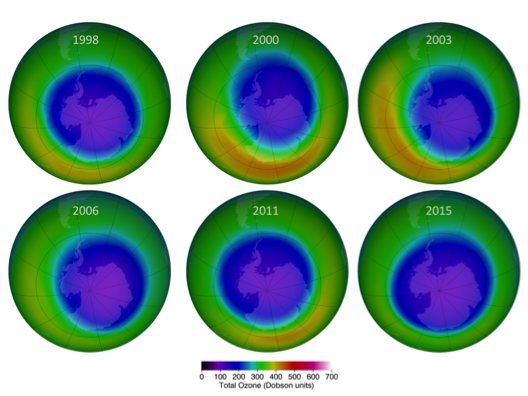
The ozone hole in 2015

Aremu, the Director-General, Advocacy for Environmental and Sanitation Integrity, an NGO, gave the advice in an interview with the News Agency of Nigeria (NAN) in Abuja.

The ecologist advised Nigerians not to buy products that contained chlorofluorocarbons as, according to him, such devices released toxic chemicals which depleted the ozone layer.

He said that the depletion of the ozone layer was a global environmental challenge which posed serious dangers to the entire human community.

“Therefore, if you are out for shopping, don’t buy aerosol products containing chlorofluorocarbons.

“Check your fire extinguishers to ascertain if halon or halogenated hydrocarbon is the main ingredient.

“I am urging the people to dispose of their old air conditioning units and refrigerators that use chlorofluorocarbons to function, as these devices release toxic chemicals into the atmosphere,’’ he said.

Aremu described chlorofluorocarbons as one of the primary causes of the depletion of the ozone layer.

“Industrial products, including solvents, soaps, spray aerosols, insulating foams, ‘take-away’ containers and cooling utilities, such as refrigerators and air conditioners, also use chlorofluorocarbons.

“Over time, the toxic chemicals accumulate in the atmosphere and are carried by wind into the stratosphere,’’ he said.

He said that once chlorofluorocarbons were in the stratosphere, their molecules were broken up by the ultraviolet (UV) radiation from the sun which released chlorine atoms.

He stressed that the chlorine atoms would react with the ozone, setting out a chemical cycle that destroyed the ozone layer.

“Depletion of ozone layer does not affect a region or a country; the whole world is vulnerable to it.

“The increase in the levels of ultraviolet rays lead to the high incidence of skin cancer and eye-related problems,’’ he said.

Aremu also said that fertilisers and pesticides produced nitrous oxide, which also contributed to the depletion of the ozone layer.

By Deji Abdulwahab

Edo schools to teach SDGs

0

No fewer than 100 schools and communities are to benefit from the teaching of two of the 17 United Nations sustainable development goals (SDGs) in Edo State by the Initiative for Climate Education and Energy Awareness (ICEEA).

education
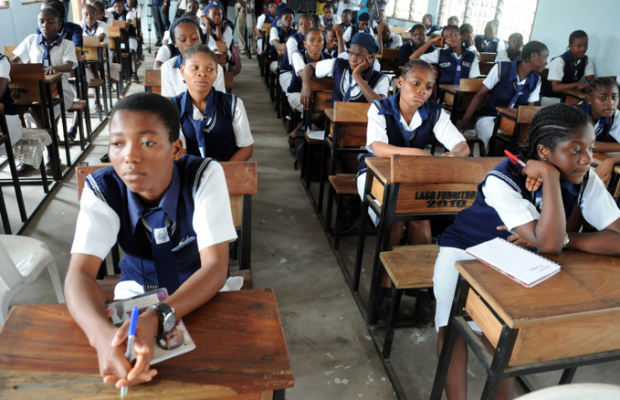
Secondary school students

The President of the NGO, Mr Victor Osehobo, stated in an interview that, so far, the two benefitting schools are Winrose Secondary School in Obe and Phelim High School in Ugbor, adding that 98 other schools were on the waiting list.

He added that ICEEA’s interest in teaching the SDGs and especially Goals 13 and 7 is aimed at raising awareness on issues of climate change and clean energy which is at a very low ebb among the general public in most parts of the state if not the country.

“We found out on a survey that most schools in Edo do not have geography teachers while schools with such teachers do not have Climate Awareness or Environment clubs at a time the while world is worried about global warming seen in high temperatures, rainfalls, mudslides, floods, hurricanes and so on.”

The ICEEA President, who called on the state government to as a matter of priority give scholarships to geography students at Colleges of Education and Universities, said it would reduce the dearth of the subject teachers in the state schools.

On the two SDGs of ICEEA project which he said respectively talks about taking climate action and affordable and clean energy, Mr Osehobo added that they are being taught without forgetting that all of the 17 goals are interrelated and designed to end poverty, protect the planet and reduce inequalities.

On the modalities adopted, he said that it is through the establishment of Climate Awareness Clubs and inauguration of Goals Ambassadors in the schools and neighbouring communities with children and youths, women and resource poor men as beneficiaries.

“Through these clubs we teach people the impacts of climate change and how to reduce their carbon footprints, what is renewable energy and by so doing inform, educate and cultivate among them an admiration and concern for the Earth’s future”.

He added, “Our plan is to have these clubs in about 100 communities and schools in the state so that community dwellers like women, children and youths as well as resource poor men being the most vulnerable to the impacts of climate change learn to adapt by taking action.

“We believe that the Climate Awareness Clubs will help members to actively lead and participate in the climate change and clean energy awareness activities and take personal action to contribute to adapting to climate change impacts.”

Osehobo said all the Goal Ambassadors were receiving training to become climate leaders who connect with others to create awareness about climate change and adaptation strategies in a manner that will help them to lead, identify and solve environmental problems in the future.

×