Home Blog Page 189

Feast of consequences: Why Nigeria should stop eating its ocean future

0

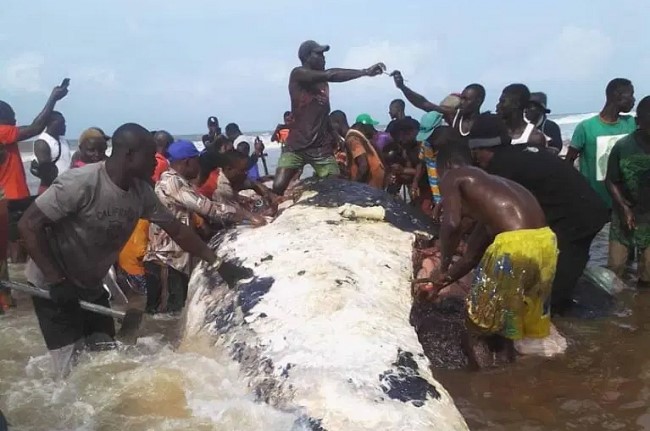
A dramatic scene unfolded in June 2024 on the shore of Okpoama Community in Brass Local Government Area of Bayelsa State, Nigeria, as villagers trooped out toward a stranded whale, not to rescue it back into the water, but with machetes, hacksaws and axes to slaughter it for food.

Within hours, the entire whale was butchered and shared among community members.
Okpoama community
Residents of Okpoama community butchering a stranded whale. Photo credit: Vanguard

A resident of the community, Mr. Nengi Omietimi, said incidents like this happen often within five to 10 years, and different communities gather to have their share of the marine mammal.

“A giant whale washed ashore this morning on Okpoama beach. Young men are here doing what they know best, and a lot of people are still queuing and waiting at the beach to get their share of the fish.  As you can see, this fish can feed the whole community. The people you’re seeing here came from different communities to get their share of the large mammal,” Omietimi said in an interview with NAN.

The butchered whale at Okpoama community is not the first occurrence of the manslaughter of aquatic mammals in the country. In 2022, Aquaworld reported that two African manatees (Trichechus senegelensis), also known as sea cows, were caught and slaughtered by a fisherman in a remote village called Gaiyingbo in Badagry, Lagos State.

According to the report, fishermen in the region said that manatee meat is in high demand and worth about 250,000 naira in the Nigerian currency. It was observed that large numbers of people were at the spot to purchase the meat.

In September 2023, The Punch Newspaper also reported another incident of a fisherman who caught and slaughtered a shark at Minibie community in Akassa, Brass Local Government Area of Bayelsa State.

To these fishermen, these marine creatures are big meals for themselves and their families. Meanwhile, the country just lost some lives below water. For these communities, this was not a violation of protective laws but a literal “godsend” to put food on the table.

As far as conservation experts are concerned, slaying these marine mammals is not a blessing, but a tragedy and a growing crisis threatening both marine lives, human livelihoods and the country’s blue economy.

An aquaculture expert, Paul Eweola, lamented that the continuous killing of marine animals in Nigeria, especially endangered species, is a pressing issue that poses a significant threat to ocean ecosystems. Eweola highlighted that the imbalances in marine food chains, disruptions in ecosystems, and eventual endangerment and extinction of certain species are results of human actions.

He added that overfishing, water pollution, habitat destruction, and climate change have left the country’s aquatic ecosystem with devastating impacts.

Needed but endangered

Over the years, the alarming trendof decline of marine life in Nigerian watersis not just about conserving wildlife for future generations, but also about protecting a key food and income source for coastal communities.

The Food and Agriculture Organisation (FAO) noted that the fisheries sector is crucial to the country’s economy, with Nigeria being the largest fish consumer in Africa and among the largest fish consumers globally. A 2022 report estimated that over 10 million Nigerians are actively engaged in primary and secondary fisheries operations.

The country also spends $1.2 billion to import 2 million metric tons of fish to meet its annual demand of fish consumption of nearly 3.2 million metric tons of fish, revealing the urgent need for the country to address its heavy reliance on fish imports by managing its own resources.

Nigeria is among the world’s largest shark fishing nations, landing over 10,000 metric tonnes of sharks per year, largely via artisanal and bycatch fisheries. Among shark species landed in Southwest Nigeria, the scalloped hammerhead shark (Sphyrna lewini) alone comprises 18.3% of total landed sharks and is listed as critically endangered.

Estimates indicate that one‑third of all sharks, rays and chimaeras globally face extinction risks due to overfishing, habitat loss, and climate change. Nigeria follows the global trend of high demand for shark fins and meat, including the Atlantic stingray in Ibeju-Lekki, Lagos State.

A study on ResearchGate assessed the daisy stingray (Fontitrygon margarita), found along Nigeria’s coast, as vulnerable, and its populations have declined due to intense fishing pressure and habitat degradation. Largetooth sawfish, historically present in Nigeria’s Niger Delta, are now critically endangered globally and have declined drastically in many regions, partly due to artisanal hunting.

The International Union for Conservation of Nature (IUCN) classified the Atlantic humpback dolphin (Sousa teuszii) native to coastal West Africa, including Nigeria, as extremely at high risk of extinction and critically endangered. A study further revealed that its decline is driven by bycatch in gill nets, habitat loss, overfishing, pollution, including oil spills, sewage runoff, and coastal development disturbances.

IUCN also listed Manatees (West African manatee, Trichechus senegalensis), once native to Nigeria’s mangrove ecosystems, as vulnerable. Local reports from places like Lagos, Bayelsa and Rivers States indicate multiple occurrences of manatees being caught and butchered for meat.

The previous events, such as the Okpoama whale‑butchering incident, sharks and manatees being butchered or eaten, reflect the broader pattern of unregulated exploitation of protected or vulnerable marine species in the country.

No sanctuary in sight

The absence of Marine Protected Areas (MPAs) in Nigeria contributes to the lack of enforcement and safe zones for threatened marine species. According to IUCN, an MPA is “a clearly defined geographical space, recognised, dedicated and managed, through legal or other effective means to achieve the long-term conservation of nature with associated ecosystem services and cultural values”.

This obligation aligns with IUCN recommendations and the United Nation’s Sustainable Development Goal SDG 14 on conserving marine resources.

Eweola recommends that “Nigeria should establish Marine Protected Areas (MPAs) in designate areas where our marine life is protected from harmful activities, allowing populations to recover and thrive. Sustainable fishing practices should also be encouraged and enforced,” he said.

Laws on paper, chaos in waters

Environmentally, Nigeria has a suite of laws to regulate and protect its marine mammals, with existing legal frameworks for conserving marine species; however, enforcement is weak.

The killing of stranded whales and sharks, among other aquatic creatures, indicates a dramatic gap between policy and practice. For instance, the Sea Fisheries Act 1992 was established to regulate, control and protect sea fisheries in Nigeria’s territorial waters. TheEnvironmental Impact Assessment (EIA) Act 1992 also mandates the assessment of the potential effects of projects on habitats. The Endangered Species (Control of International Trade and Traffic) prohibits the killing and trade of endangered species. Despite these laws, implementation and enforcement remain weak, although there are penalties, such as imprisonment or heavy fines, for those who destroy habitats or kill endangered species.

There are more laws– Legal expert

Aside from the above laws, a Climate Law Specialist, Jochebed Tengya, Esq., said there are more laws adopted by Nigeria on an international level to curb environmental issues, including sea-related. She added that the country has also ratified international laws such as the United Nations Convention on the Law of the Sea.

According to her, other governing laws include, “The National Environmental (Protection of Endangered Species in International Trade) Regulations of 2011; National Environmental Standards and Regulations Enforcement Agency (NESREA) Act of 2007 (as amended); ⁠National Environmental (Coastal and Marine Area Protection) Regulations, S. I. No 18, 2011; ⁠Endangered Species (Control of International Trade and Traffic) Act of 1985; ⁠Exclusive Economic Zone Act; and ⁠Nigeria Maritime Administration and Safety Agency.”

As far as Tengya is concerned, “The laws are not necessarily weak; the issues are the lack of enforcement. No penalties for activities that violate aquatic life, corruption and bribery when caught. Some of the laws are outdated, some lack focus on specific marine life and the absence of marine protected areas.”

While advising Nigerians to be aware and conscious of these laws, she urged citizens to take up responsibility to report, conserve, protect and safeguard marine life, noting that individual and collective activities contribute to the extinction of marine mammals.

She added that efforts to strengthen the existing laws can be done through “Having an Endangered Species Conservation and Protection Bill (later turned into law) and Marine Life Protection Bill. Government initiatives and NGOs should collaborate with international organisations and community engagements should be encouraged.”

From meal to multi-million dollar asset: Nigeria’s blueprint for blue economy

Nigeria can learn from other coastal developing countries such as South Africa and Kenya that have successfully turned their marine resources into income-generating enterprises.

South Africa’s Gansbaai shark cage diving, which began in the early 1990s when local operators recognised the region’s unique potential, has evolved into a global hub for shark tourism, not only drawing visitors from every corner of the world but significantly boosting the country’s local economy, providing jobs and funding conservation efforts.

In 2011, the Save Our Seas’ report revealed that the White Shark Cage Diving (WSCD) industry contributes a minimum of R30 million (approximately $1.6 million) per annum in direct ticket sales to the South African economy.

Nigeria can also learn from Kenya’s MPAs, which have exemplified how conserving habitats can boost fisheries and tourism. The Kenyan government established a system of marine parks and reserves to conserve and manage its marine ecosystem. According to Marine Life Protectors, Kenya has the oldest managed Marine Protected Area (MPA) in Africa.

A study revealed that in Kenya, marine fisheries form a major component in employment and revenue generation for numerous coastal dwellers. A comparative case study on the co-management in marine protected areas in East Africa shows that 37 per cent of Kenyan community members and 95 per cent Tanzanian community members felt they benefited from the MPA.

According to the International Whaling Commission’s report in 2006, 80 per cent of visitors to Peninsula Valdes in Argentina engaged in whale-watching tourism, which generated over $61 million in revenue for the country.

A Nigerian Blue Economy Strategist, Adejugbagbe Kehinde, stressed that “Educating fishers and coastal dwellers (particularly women and youths) on the status of economically important fish species under the IUCN Red List is critical to protecting endangered marine mammals like whales, sharks, and rays.

“Since, the capture of marine mammals is inevitable, fishers should be trained on improved fishing techniques and equipped with fishing gears or crafts that would allow the release of captured marine mammals,” he said.

Kehinde advocated for strict surveillance and monitoring of Nigerian territorial waters to curb poaching, pollution interdiction, declaration of catch and bycatch, and unbiased enforcement of binding local and international treaties, policies or laws to protect marine mammals.

Ways forward

At the heart of this crisis is a gap in understanding, experts say. They stressed that education, enforcement and empowerment must be the first line of defence.

An Ecotourism and Wildlife Management expert, Dr Sunday Oladeji, emphasised that conservation education, especially in coastal communities, is paramount in Nigeria. “People must be orientated to realise that these marine resources could serve purposes that are beyond consumption,” Oladeji stated.

He pointed to the global blue economy, where marine life drives lucrative, non-consumptive industries. “Many countries are making money, generating income from whale or shark viewing. Orientation and awareness need to be intensified for people to realise that they could derive or source protein meat in another form.”

Oluwatosin John, a Fisheries and Aquaculture expert with over eight years of experience engaging Nigeria’s coastal communities, called for “adequate sensitisation and effective awareness and extension outreach to coastal communities on the need for proper and legal fish capture.” According to him, this education must be backed by tangible support, including providing “alternative means of livelihood and protein source” to ease the immense pressure on wild fish stocks.

Awareness alone is not enough, Eweola said, a robust legal and regulatory framework is crucial to turn the tide. He insisted that Nigeria needs to adopt a “multifaceted approach,” beginning with the establishment of Marine Protected Areas (MPAs). According to him, these designated zones would serve as sanctuaries where marine life is shielded from harmful activities, allowing threatened populations to recover.

Eweola further stressed that beyond protected areas, there is a need to “mitigate marine pollution” by enforcing regulations against industrial runoff, plastics, and chemicals.

Government should regulate fishing activities

The conservation experts emphasised the urgent need to reform fishing practices in the country. According to them, overfishing, coupled with the use of crude and destructive gear, has severely depleted fish stocks and harmed other marine life.

John said for government-led interventions, “an appropriate quota system should be in place to regulate fishing activities on our water body.” He also called for the regulation of gear sizes to prevent the capture of juvenile fish and a ban on “poisons and other obnoxious practices.”

Oladeji added that, “There is a need for regulation of fishing gears, since some of the equipment used is crude and not standardised.”

To further reduce the strain on the ocean, John advocates for the private sector to champion “cage culture aquaculture on the water body to increase farm fish production and reduce the capture of fish drain.” He urged communities to “fish out defaulters and hand them to security operatives for prosecution,” as such actions will deter illegal practices and serve as a powerful warning.

The experts agree that marine conservation cannot be the sole responsibility of the government. It requires a concerted effort from all stakeholders.

John lays out a clear division of roles. The government, he says, must lead with “active orientation, enforcement of fishing laws, and huge fines to defaulters.” He also sees a vital role for Non-Governmental Organisations (NGOs) to “routinely make it a point of responsibility to do orientation from the schools to the landing sites.”

Eweola emphasised that local communities must be empowered as guardians of their own resources. “There is a need to involve local communities in conservation efforts, ensuring they have a stake in protecting their natural resources,” he said.

By Emmanuel Oluwadola

Group deploys air quality sensors to strengthen climate action advocacy in Niger Delta

The Media Awareness and Justice Initiative (MAJI)  has commenced deployment of 200 air quality monitoring devices to collect empirical data to support climate action activism aimed at addressing oil pollution and addressing climate change.

Mr. Onyekachi Okoro, Executive Director of MAJI, announced this at a preliminary consultation and interactive meeting with stakeholders on the effect of climate action in Nigeria, held in Yenagoa, the Bayelsa State capital, on Friday, August 29, 2025.

Air quality sensor
Air quality sensor

Okoro explained that MAJI, an environment focused non-government organisation (NGO), has so far deployed some 30 air quality monitoring devices across oil communities prone to oil pollution at the pilot stage to collect and transmit real time empirical data on measurement of air particles from the field.

He said that the project, tagged “Strengthening Data for Climate Action in Nigeria (SD-CAN)”, is supported by funding from United Nations Democracy Fund and will train stakeholders in the use of the devices to monitor the environment.

He said that MAJI is collaborating with the National Oil Spills Detection and Response Agency (NOSDRA) and has trained officials at the Port Harcourt Zonal Office of the agency on the workings of the devices used to monitor air quality across the world.

Okoro noted that the introduction of technology in data gathering on environmental variables like air particles, carbon emissions and toxicity would strengthen the arguments for environmental justice often dismissed as mere emotions and lacking empirical evidence by polluters who escape liability due to lack of credible data evidence.

Representatives of the academia, media, oil producing community leaders, NGOs, regulators and Bayelsa Ministry of Environmental participated in the interaction.

The participants examined the challenges around data collection, data quality, integrity and access and recommended collaboration amongst the stakeholders to overcome identified challenges.

Mrs. Maria Olodi-Osuma, a media professional, urged the stakeholders to evolve strategies that would leverage on the competence and experience of journalists who cover the environment rather than relying on untrained hands who use the social media to disseminate unverified information that lack credibility.

She noted that perceptions by the stakeholders about impact of media in raising awareness on climate change is born out of lack of knowledge as the media practitioners were doing their jobs amidst various challenges including risks to lives and personal safety.

In his contributions, HRH David Osene, (Ogbolo XI) Paramount Ruler, Elebele Community, Ogbia LGA in Bayelsa, regretted the neglect of the environmental hazards faced by residents of oil communities.

According to the traditional ruler, several oil and gas leak incidents have been swept under the carpet on the grounds that the evidence presented by the communities were not scientific and, therefore, denied compensation and remediation.

Osene applauded the efforts by MAJI to strengthen the capacity of communities and stakeholders to collectively advocate for environmental justice.

He pledged to mobilise women and youths in his domain during the training phase of the MAJI project at the Kolo Creek Oilfields.

Also, Mrs. Grace Orumiefa, Chairman of Bayelsa chapter of National Association of Women Journalists, urged MAJI to ensure that oil firms operating in the Niger Delta region to be part of the project.

By Nathan Nwakamma

Flooding: Kaduna begins 4,000m dredging of River Kaduna

The Kaduna State Government, on Friday, August 29, 2025, commenced the dredging of 4,000 metres of River Kaduna to expand its capacity and curb perennial flooding in the state.

The Permanent Secretary, Ministry of Environment and Natural Resources, Mrs. Linda Yakubu, said the exercise would cover Barnawa, Living Faith axis and other flood-prone areas along the river.

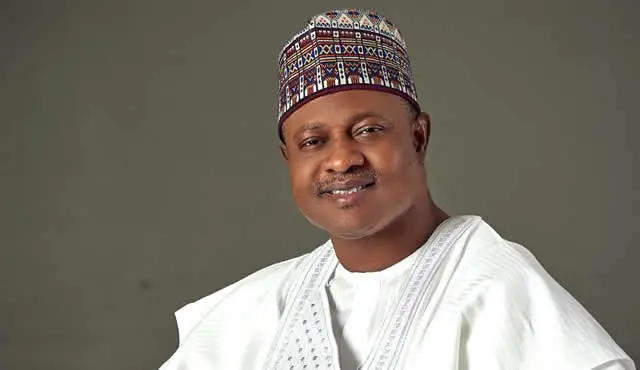
Uba Sani
Governor Uba Sani of Kaduna State

Yakubu said the state procured a swamp buggy, approved by Gov. Uba Sani, to carry out the dredging as part of measures to prevent displacement of residents and destruction of property.

She recalled that the swamp buggy was inaugurated earlier this year, marking the state’s first independent flood-control intervention.

She said a similar dredging exercise was completed around Airport Road, Kutungari, in June, to ease water flow and protect homes and investments in the area.

Yakubu said that tributaries emptying into River Kaduna would also be cleared, noting that the government’s long-term goal was to improve the river’s carrying capacity.

She cautioned residents against dumping refuse into waterways, warning that mobile courts would sanction offenders when monthly sanitation would resume in October.

Mrs. Ikramat Muazu, an Assistant Chief Disaster Risk Reduction Officer, National Emergency Management Agency (NEMA), said the dredging was a vital preventive action against flooding.

She said that preventive measures were cheaper and safer than emergency responses.

According to her, proactive steps, such as dredging, would save lives and reduce government spending on relief measures.

Muazu gave assurance that NEMA would intensify collaboration with state agencies to ensure the exercise translated into lasting flood control and community resilience.

Mr. Michael Balai-Ibrahim of the National Inland Waterways Authority (NIWA) said the swamp buggy would help remove sandbars and debris, ensuring smooth water flow and reducing flood risks.

Balai-Ibrahim added that NIWA would continue to regulate river users and enforce safety measures to prevent dumping of refuse and other harmful practices that worsen flooding.

He said that effective maintenance of the waterways was critical to sustaining the benefits of the dredging, while pledging NIWA’s technical support to the state.

Also, the Assistant Director, National Orientation Agency (NOA), Mrs. Rahama Suleiman, said that townhall meetings and sensitisation drives were ongoing across Kaduna’s 23 Local Government Areas to secure public cooperation.

She advised that residents must align with the government’s efforts to avert the heavy flooding predicted this year by Nigerian Meteorological Agency (NiMet).

By Ezra Musa

Ondo commits to implementing planning laws for urban development

The Ondo State Government has pledged its commitment to domesticating and implementing urban and regional planning laws to meet the reality of modern-day town planning and urban development.

Mr. Sunday Olajide, State Commissioner for Physical Planning and Urban Development, made the pledge on Friday, August 29, 2025, in Akure, the state capital, while hosting executive members of the state chapter of the Nigerian Institute of Town Planners (NITP).

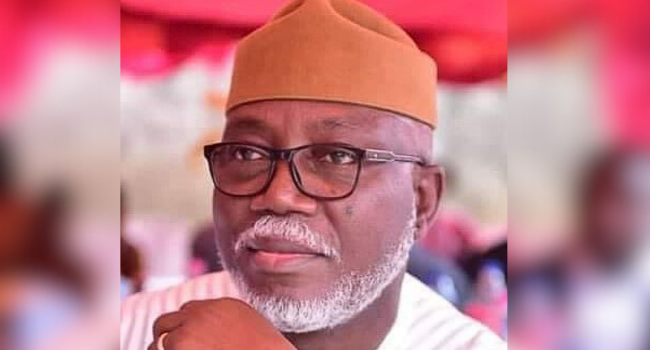
Lucky Aiyedatiwa
Gov Lucky Aiyedatiwa of Ondo State

Olajide said the current administration had commenced the process of producing a modern and comprehensive master plan for Akure and other major towns.

According to him, this is with a view to ensure orderly physical development of the state.

“The ministry has commenced the process of digitalising approvals for development permits and other activities for greater efficiency and seamless interaction of business with the public.

“This will also fast track urban regeneration and renewal agenda of the administration of the present government.

“I want to assure you that my ministry will continue to collaborate with you in the areas of capacity building, monitoring and enforcement control.

“I want to assure you we will continue our collaboration on capacity building, monitoring and enforcement control, and prevention of encroachment on government setback and lands preserved for future developmental projects,” he said.

Earlier, the Chairman of NITP, Prof. Ayo Olajuyigbe, called on the state government to urgently provide funds for the production of a befitting master plan for Akure.

Olajuyigbe, represented by the first Vice Chairman of the institute, Akin Ogundipe, callled for the development of a holistic approach in monitoring and enforcement control.

According to him, this can be done by engaging town planning practitioners resident in towns and neighborhoods in the state.

“The state government should grant amnesty to house owners without building plan permit and allow them to regularise their documentation without paying penalties.

“This will increase internally revenue generation to the government,” he said.

Olajuyigbe assured continuous collaboration of the institute with the government in the areas of decentralisation of planning functions, preservation of government lands and public participation.

“This will enhance sustainable physical development and urbanisation of the state,” he said.

By Segun Giwa

Conservation: CG blames communities for complicity in forests destruction

0

Conservator-General (CG) of the National Park Service, Dr Ibrahim Goni, has blamed forest communities in Cross River State for complicity in forest destruction. According to him, locals’ support is key to exploitation.

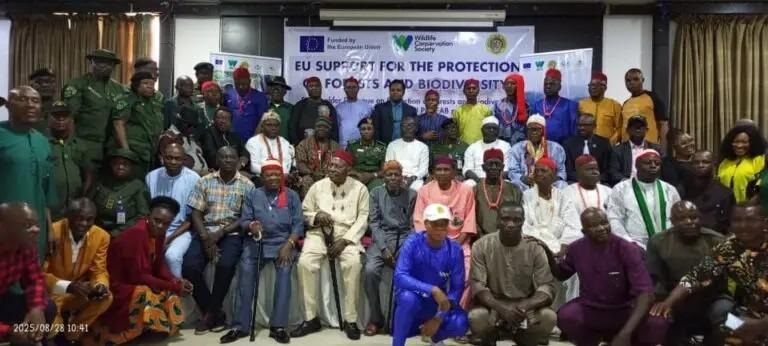
Goni stated this in Calabar, the state capital, during a stakeholder dialogue organised by the Wildlife Conservation Society (WCS), in partnership with the National Park Service and other stakeholders on protection of forest and biodiversity.

National Park Service
Participants at the stakeholder dialogue organised by the Wildlife Conservation Society (WCS), in partnership with the National Park Service and other stakeholders on protection of forest and biodiversity

The meeting was also for the official launch of the European Union (EU) PROFAB project.

The EU PROFAB project is a programme aimed at protecting the forest ecosystem, biodiversity and to enhance climate sustainability.

Goni, who was represented by Caroline Olori, former CP, Cross River National Park, emphasised that climate change was real and that the job of protecting the forests was not for government alone.

According to him, the ongoing destruction of forests in the state is happening because outsiders come, offer money, and the youths as well as the whole community join and accept them.

He said that the meeting was to raise the alarm that “there is a fire on the mountain and unless we act now, it will continue, and forests take years to grow but can be destroyed in days.

“Climate change is real, the extreme heat, floods and environmental changes we thought were far away are upon us today because of our continued forest destruction.

“At the end of this meeting, each of us must go back determined to act; if we say we will no longer allow outsiders to exploit our forests, they cannot,” he said.

On his part, Country Director of WCS, Dr Inaoyom Imong, said the objective of the programme was for a sincere dialogue from all stakeholders on policies, legal and institutional frameworks that enhance protection of the forest.

Imong said that the Cross River forest was fast declining and if something was not urgently done, the state ran the risk of losing all of its forests very soon.

He said that it was important for stakeholders to start looking at measures that could be taken to salvage what was left of the biodiversity in Cross River.

He noted that communities were very important, adding that the fight to protect the forest cannot succeed without the active participation and support of the royal fathers in the communities.

“I also want us to note that what we are doing in conservation in this state is not just for the sake of conservation.

‘’It is to improve the well-being and livelihood of communities living around forest areas; this is why WCS put communities first,” Imong said.

Similarly, Mr. George Oben-Etchi, Chairman, Cross River Forestry Commission, noted that the Cross River National Park harbours the state’s biodiversity and forest.

Oben-Etchi, represented by Mr. Clement Omina of the commission, noted that the lives of all the communities around the parks were intricately tied to the biodiversity and forests the state was endowed with.

He said that whatever error or efforts put in place previously to ensure the protection of the forests resources and biodiversity, the meeting would bring out new ways of positively relating with the environment.

Mr. Bette Obi, Chairman, House Committee on Agriculture, Forestry and Biodiversity in the state assembly, commended the organisers for the programme, and noted that illegal mining in Cross was becoming a challenge.

Obi, (Boki 1 State Constituency), added that more efforts in the sensitisation and enforcement of regulations were necessary for the communities to curb the problems of illegal mining in the state.

The meeting, which was attended by traditional rulers from forest communities, also witnessed participants brainstorming solution to tackle the forests depletion in Cross River.

By Christian Njoku

Nigeria launches report to integrate conflict-sensitivity, peacebuilding into its adaptation plan

0

Nigeria has released a report that will serve as a road-map for integrating conflict-sensitivity and peacebuilding into the nation’s ongoing National Adaptation Plan (NAP) process.

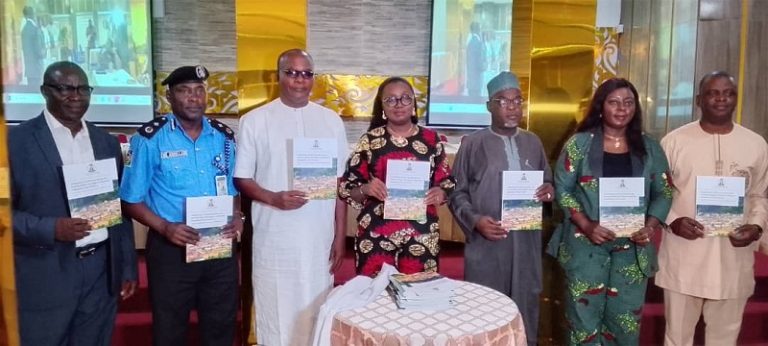
The report, titled “Integrating Conflict Sensitivity and Peacebuilding into Nigeria’s National Adaptation Plan Process,” was unveiled on Thursday, August 28, 2025, during a capacity-building workshop organised by the Department of Climate Change (DCC) under the Federal Ministry of Environment in Abuja. It gave a summary of the connection between conflict and climate change and offered some suggestions on how to best accomplish this objective.

National Adaptation Plan (NAP)
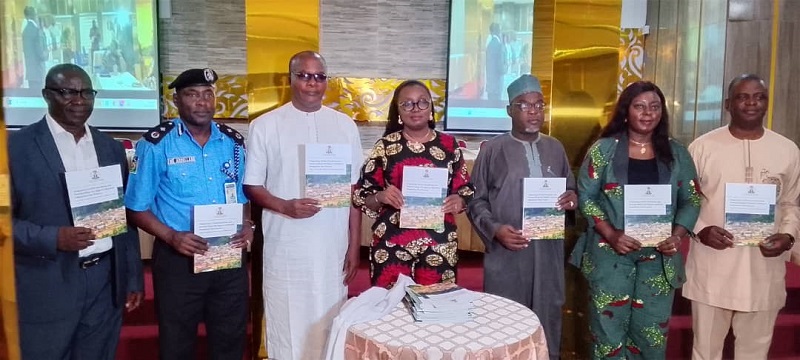
Stakeholders in Abuja, at the formal unveiling of the report for Integrating Conflict Sensitivity and Peacebuilding report into Nigeria’s National Adaptation Plan (NAP).

Globally, the effects of climate change are increasing, and Nigeria is no exception. The director in charge of the DCC, Dr. Iniobong Abiola-Awe, hinted that these effects, which include climate variability and extreme weather events, are having a major impact on key sectors and endangering national security.

“While efforts are underway to mitigate the effects of climate change, the need for adaptation is also very important,” the DCC director, who was represented by Mr. Jonah Barde, noted.

According to her, this will help the country adapt its operations and systems to these changes without interfering with Nigerians’ daily activities and lifestyles.

Therefore, she is optimistic that the ongoing development of the nation’s National Adaptation Plan (NAP), which aims to identify medium- to long-term adaptation needs, will facilitate the creation and implementation of strategies and programmes to address these needs in a participatory and fully transparent manner.

In closing, Dr. Abiola-Awe thanked the National Adaptation Plan Global Network for its ongoing support to Nigeria through the Federal Ministry of Environment and encouraged the participants – who are drawn from the various ministries, departments, and agencies (MDAs) – to contribute significantly to the training materials that will be developed.

Similarly, Adam Kambari, Permanent Secretary of the Federal Ministry of Environment, emphasised that, despite its importance in solving the climate catastrophe, mitigation receives more attention than adaptation.

According to the PS, who was represented by Mrs. Victoria Pwol, a director with the DCC, conflicts such as the farmer-herder crisis, cattle rustling, and banditry, which are currently threatening the security of the country, can be linked to climate change. So, he believes it would be a mistake to overlook medium- and long-term adaptation needs in these peacebuilding contexts in the formulation of the country’s NAP process.

“Adapting to climate change means taking action to prepare for and adjust to both the current effects of climate change and the predicted impacts in the future,” he stated.

He went on to say that to accomplish this, strategies for conflict-sensitive adaptation planning and programming must be developed that understand the local conflict dynamics associated with climate change and use that understanding to address such dynamics, combat climatic vulnerabilities, and promote peace.

Consequently, he submitted that it is essential that relevant stakeholders from MDAs should have their capacities built on integrating conflict sensitivity and peacebuilding issues into their adaptation planning initiatives.

“Hence, this inception workshop focuses on climate-sensitive adaptation planning. Stakeholders are expected to gain insight into the importance of ensuring that their development planning activities are sensitive to potential conflicts,” Kambari asserts.

By Etta Michael Bisong, Abuja

Nigeria’s NDC 3.0 is blueprint for inclusive, resilient low-carbon development – Experts

A cross section of climate experts and development partners have appraised Nigeria’s Nationally Determined Contributions 3.0 and described it as a step in the right direction. They made the assertion at the National Stakeholders’ NDC 3.0 Validation Workshop organised by the National Council on Climate Change (NCCC) in Abuja to present update of Nigeria’s NDCs in preparation for the National Executive’s approval and eventual submission to the United Nations Framework Convention on Climate Change (UNFCCC). The event was held on August 27, 2025, with stakeholders from across multiple sectors as a hybrid engagement.

Resident Representative of United Nations Development Programme (UNDP) Nigeria, Mrs. Varsha Redkar-Palepu, who was also at the event, described the NDC 3.0 as sharper in emission reduction target and deeper in integration of critical segments of the society including the youth, women and sub-national voices.

Varsha Redkar-Palepu
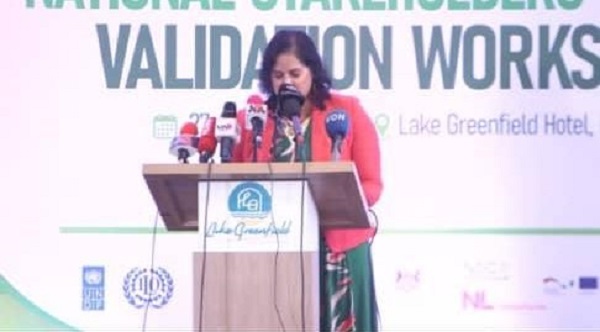
Resident Representative of United Nations Development Programme (UNDP) Nigeria, Mrs. Varsha Redkar-Palepu

Redkar-Palepu explained that Nigeria’s journey through NDC 1.0 and 2.0 has laid a strong foundation even as she pointed out that the validation of Nigeria’s NDC 3.0 is a pivotal moment and a milestone that reflects Nigeria’s unwavering commitment to climate action and its leadership in shaping a sustainable future for Africa and the world.

She maintained that Africa, though contributing the least to global emissions, remains disproportionately vulnerable to climate shocks. Yet, it is also a continent of immense potential – rich in natural resources, youthful energy, and innovative spirit. Even with this, she stressed that Nigeria, as the largest economy and most populous nation in Africa, carries a unique responsibility and opportunity to lead by example.

In the same vein, Senior Special Assistant to the President on Climate Finance and Stakeholder Engagement, Ibrahim Abdullahi Shelleng, said that the third version of the NDC is designed to respond to the outcomes of the first Global Stocktake under the Paris Agreement, and builds on lessons learned, identifies where there is need to do more, and sets a clear pathway for stronger mitigation and adaptation action across Nigeria’s economy.

He maintained that, under the Renewed Hope Agenda of President Bola Ahmed Tinubu, Nigeria is committed to inclusive growth, economic transformation, and social development – objectives that align seamlessly with our environmental and climate goals.

“As we unveil and deliberate on Nigeria’s NDC 3.0, it is important to underscore that this document is not just a climate commitment – it is a developmental blueprint. It reflects our national priorities in energy transition, agriculture, waste management, and resilient infrastructure, all of which are central pillars of the Tinubu administration’s policy direction.”

In her opening remarks, Director-General of the National Council on Climate Change (NCCC), Barr. Teni Majekodunmi, called on global partners, particularly developed countries, to honour their commitments under the UN Framework Convention on Climate Change (UNFCCC) and the Paris Agreement, particularly in the areas of technology transfer and support for innovation in developing countries.

Majekodunmi stressed the importance of localizing innovation by building the capacity of Nigerian entrepreneurs, researchers, and start-ups to develop technologies suited to the nation’s climate realities.

At the event, Yakubu Kolo, a conservation expert said that the states hold a central role in both design and implementation and called for access to finance for states.

Kolo, who is Commissioner for Environment and Climate Change, Niger State, acknowledged that the process of developing NDC 3.0 has shown committed efforts to course-correct and be inclusive, participatory, and people-centered.

He noted that Nigeria’s NDC 3.0 must set clear ambition that reflects leadership, embed stronger adaptation strategies, and ensure financing is both practical and accessible to states.

He affirmed that the NDC must be ambitious, inclusive, and credible, and must reflect the important contributions of the subnational as the burden bearer of climate change vulnerabilities.

Attendees included representatives from UNDP, Africa Development Bank (AfDB), United Nations Children’s Fund (UNICEF), Youth Constituency, German Corporation for International Cooperation (GIZ), United Nation Women, Global Disability Green Initiatives (GDGI), International Labour Organisation (ILO), the Foreign, Commonwealth & Development Office (FCDO), as well as NGOs/CSOs.

Africa Climate Summit 2: A defining moment for Africa

Two years after its much-acclaimed inaugural meeting, the Africa Climate Summit (ACS) will convene for its second edition in Addis Ababa from September 8 to 10, 2025. The government of Ethiopia and the African Union will host the event. The summit comes at a critical moment as Africa looks to strengthen its climate leadership ahead of COP30 in Belém, Brazil.

This year’s summit carries greater urgency. Africa remains among the most climate-vulnerable regions, facing an escalating crisis defined by 2024 being the hottest year on record, with 2025 poised to surpass it. ACS2 offers a high-stakes opportunity to shape Africa’s climate agenda before key global events to be held this year.

Addis International Convention Centre
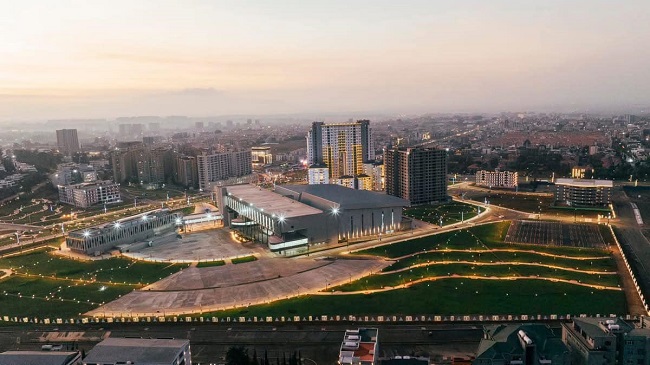
Addis International Convention Centre, Addis Ababa, venue of the second Africa Climate Summit of 2025

Resilience and Green Growth

The theme of this year’s summit,  “Accelerating Global Climate Solutions: Financing for Africa’s Resilient and Green Development,” signals Africa’s resolve to reframe the climate narrative. Building on the momentum of ACS1, which presented Africa as a continent of solutions, innovation, and potential, ACS2 seeks to champion homegrown approaches while advancing Africa’s role as a driving force in global climate action.

From the Nairobi Declaration to Addis Ambition

The inaugural summit in Kenya culminated in the Nairobi Declaration, an 11-point call to action that unified Africa’s voice on climate. Over the past two years, countries have worked to turn the declaration into tangible policies and outcomes. But where do they stand? ACS2 will take stock of this progress, consolidate efforts, and spotlight local solutions capable of turning Africa’s climate vulnerabilities into drivers of resilience and growth.

From Nairobi to Addis: ACS2 Takes the Stage

The Second Africa Climate Summit (ACS2), scheduled for September 8-10, 2025, in Addis Ababa, is being billed as Africa’s COP, a moment to shift from declarations to delivery. With more than 45 Heads of State expected, the summit will showcase African-led solutions, from renewable energy expansion to climate-smart agriculture, while pressing on the core issue of finance: how to close the multi-trillion-dollar gap that leaves African countries spending 5% of their GDP on climate impacts they did little to cause.

Building on the 2023 Nairobi Declaration, ACS2 aims to reposition Africa not as a victim of climate change but as a powerhouse of solutions, driving a just energy transition, demanding fair finance, and making the case that investing in Africa is investing in the planet’s future.

GOCOP 2025 annual conference to address Nigeria’s governance realities

0

The Guild of Corporate Online Publishers (GOCOP) has announced that its 2025 annual conference will be held at 10:00 a.m. on Thursday, October 9, 2025, at Radisson Blu Hotel, Ikeja, Lagos.

The conference, which is the ninth edition, is themed: “Reconciling Campaign Promises with Governance Realities: Challenges and Prospects.”

Maureen Chigbo, GOCOP President
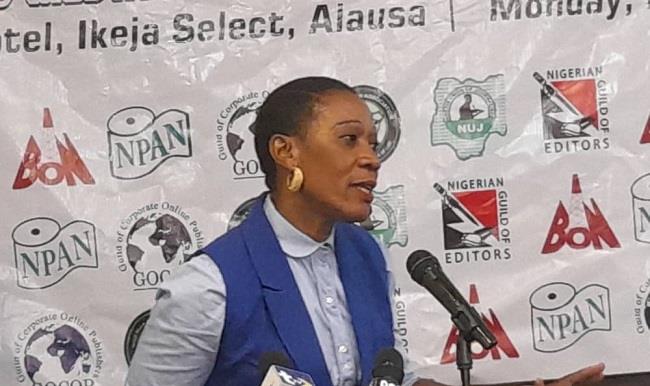
Maureen Chigbo, GOCOP President, at Media Roundtable on self-regulation

A press statement by the publicity secretary, Ogbuefi Remmy Nweke, quoted the conference planning committee chairman, Danlami Nmodu, as saying that the event was aimed at generating actionable strategies for bridging the gap between electoral promises and effective governance in Nigeria and Africa.

Nmodu, who doubles as the deputy president of GOCOP, also revealed that the conference would feature a distinguished keynote speaker and panel discussions.

Nweke recalled that past GOCOP conferences had hosted prominent speakers including Bishop Matthew Hassan Kukah, the Bishop of the Catholic Diocese of Sokoto, who delivered the 2019 lecture on “Economy, Security and National Development: The Way Forward”.

In 2021, Mr. Boss Mustapha, then Secretary to the Government of the Federation, keynoted the Conference in his capacity as Chairman of the Presidential Task Force on Covid-19. He spoke on: “Post Covid-19 Pandemic: Recovery and Reconstruction in Nigeria”.

In 2022, Professor Mahmood Yakubu, Chairman, Independent National Electoral Commission (INEC), delivered the keynote titled “2023 Elections: Managing the Process for Credible Outcome.”

The 2023 edition, which held in Abuja, with the theme “Nigeria: Roadmap for Socio-Economic Recovery and Sustainability”, was keynoted by Professor Uche Uwaleke, a Professor of Capital Market.

GOCOP, a professional body comprising 119 member organisations, was founded to uphold the tenets of journalism in the digital age. Its members are seasoned editors and senior journalists who have transitioned from traditional media to online publishing.

The statement noted that “the conference offers unique sponsorship opportunities for brand visibility, media recognition, and networking with high-level journalists, editors, and policy influencers”.

Through a partnership with GOCOP, organisations demonstrate their commitment and promotion to ethical journalism and responsible media, the statement said.

At media parley, Heirs Energies showcases operational milestones, Pan-African growth ambitions

0

Heirs Energies, Nigeria’s leading indigenous integrated energy company, hosted a strategic media parley on Thursday, August 28, 2025, at the Heirs Towers on Victoria Island, Lagos. The interactive session brought together over 50 journalists from top-tier energy and business publications, marking a significant step in the company’s efforts to foster transparency and strengthen industry-media relations.

In his remarks, Sam Nwanze, Heirs Energies’ Executive Director and Chief Financial Officer, who delivered a presentation titled “The Heirs Energies Story: From Vision to Impact”, provided deep insights into the company’s founding vision, operational transformation, and its rapidly expanding role in Nigeria’s energy landscape.

Sam Nwanze
Sam Nwanze, Heirs Energies Executive Director & Chief Financial Officer, addressing journalists during the media parley in Lagos

A key highlight of the session was Heirs Energies’ turnaround of OML 17, a formerly underperforming asset burdened by oil theft and inactivity. According to Nwanze, the company reactivated over 100 dormant wells and achieved a 95–100% terminal delivery rate – all within the first 100 days of taking over the asset.

Heirs Energies also emphasised its strategic pivot toward gas as a cornerstone of Nigeria’s energy future. The company has commissioned the Agbada Non-Associated Gas (NAG) Plant and scaled its gas production to over 100 million standard cubic feet per day (MMscfd), positioning itself as a key supplier in the Eastern domestic gas market.

Osa Igiehon, Heirs Energies’ CEO, in his submission addressed pressing industry challenges, including crude oil theft, infrastructure sabotage, policy uncertainty, and energy security. He highlighted the role of indigenous companies like Heirs Energies in driving sustainable growth in Nigeria’s upstream sector.

“Our strategy is rooted in resilience and transparency,” Igiehon said. “We are building a globally competitive company with Nigerian leadership, for Nigerian and African prosperity. Africapitalism isn’t just a philosophy for us—it’s our business model.”

Beyond operations, the company spotlighted its commitment to social impact and host community development, aligned with its Africapitalist principles.

Key CSR achievements include:

  1. Training over 300 youths through vocational programs
  2. Awarding 280+ scholarships to students from host communities
  3. Providing medical outreach to over 20,000 individuals
  4. Rehabilitating 4,500 sqm of access roads
  5. Empowering 1,000+ entrepreneurs in Rivers State through a partnership with the Tony Elumelu Foundation.

Heirs Energies also revealed plans for continental expansion, with strategic interests in Namibia, Senegal, Angola, and other African energy markets. The company aims to replicate its Brownfield Excellence (BFE) model-leveraging local expertise and operational innovation-to revitalise underperforming assets across Africa.

The media parley underscored Heirs Energies’ ambition to lead not just within Nigeria but across the African energy sector, combining business success with measurable socio-economic impact.

By Ajibola Adedoye