An environmentalist, Mr Idowu Salawu, has called for establishment of a solar farm at the Olusosun Dumpsite in Lagos recently closed by the state government.
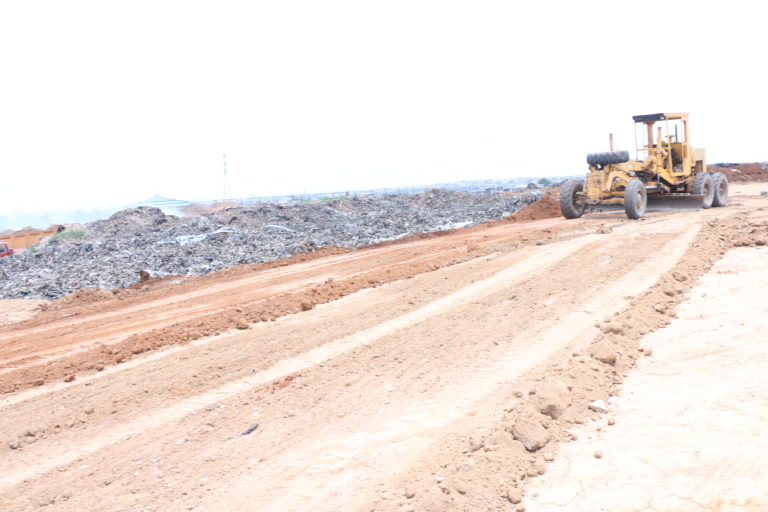
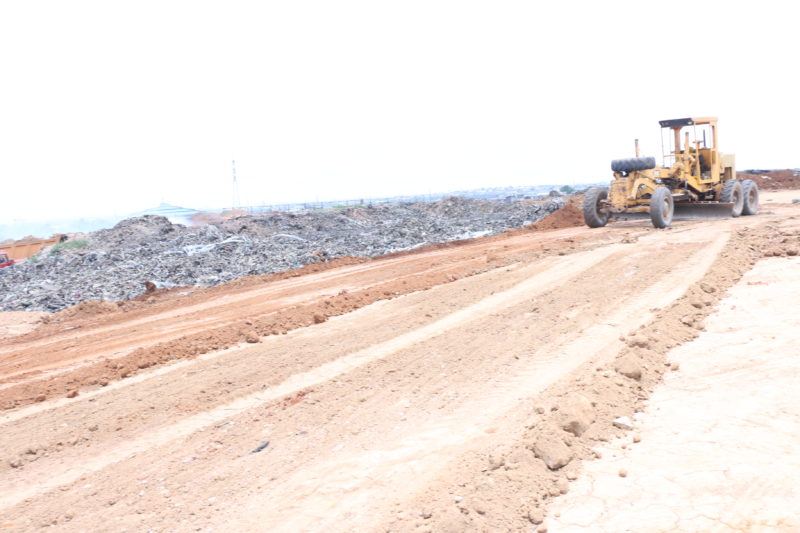
Capping at the Olusosun dumpsite in Lagos
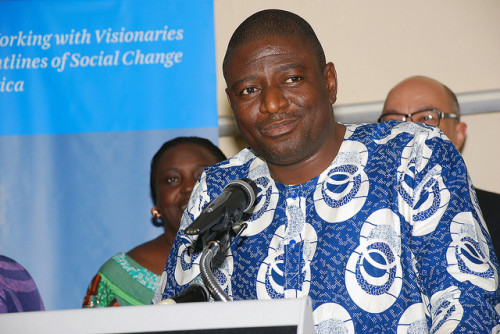
Salau, Chief Executive Officer, Macpresse West Africa Ltd., made the call during a visit to the Lagos Office of the News Agency of Nigeria (NAN).
Salawu said that the proposal by the state government to convert the dumpsite to a recreation centre was below the economic potential of the landfill.
“Olusosun is a treasure to Lagos; it is located at the heart of Lagos and close to the national grid.
“It is a good development that the state government has decided to transform the dump site to a recreation centre, but the government should look beyond a park.
“I advise establishment of a value chain because of its strategically located; the Olusosun Dumpsite can generate 25 megawatts of electricity,’’ he said.
The expert said that the landfill could accommodate the solar farm, an energy-generating facility and a recreation park for economic viability.
“Scientific reports state that you can generate one megawatt of electricity from one million metric tonnes of landfill waste.
“Olusosun has been in existence since 1992; from estimates, it has received not less than 25 to 30 million metric tonnes of landfill waste that can produce 25 megawatts of electricity.
“It can also produce 325,000 cubic feet of gas, enough to power from 800kw to 1,000kw of electricity turbine plant.
“The state government can incorporate the solar farm, energy-generating facility and recreation park at the Olusosun site,” he said.
Salawu called for caution in the current capping of the landfill to avert disaster.
He called for a scientific approach to the capping.
“Landfill fires are very delicate; one method cannot be used to turn off the fire.
“It takes a multifaceted approach. We have the surface and the sub-surface landfill fire.
“I hope that the capping of the landfill is done appropriately so that it does not result in sub-surface fire.
“I advise that a post-closure study plan of the dump site be carried out before capping the landfill with laterite.”
“The expert added that there should also be a gas mapping study to locate the various kinds of gases beneath the surface.
“The capping should be done scientifically to get the best of it, in terms of economic viability,” he said.
Akinbode Oluwafemi, deputy director, Environmental Rights Action/Friends of the Earth Nigeria (ERA/FoEN), alleges that the visit of World Bank Executive Directors to the country is to promote privatisation, particular in the water sector. Under the aegis of the Our Water Our Right Coalition, he calls on the populace to resist the move
Akinbode Oluwafemi, Deputy Executive Director, Environmental Rights Action/Friends of the Earth Nigeria (ERA/FoEN)
We are concerned with the World Bank invasion of Nigeria and Lagos in particular. Earlier this week we received reports of World Bank Executives’ visit to the Vice President, Prof. Yemi Osinbajo, and the Lagos State Governor, Akinwunmi Ambode, as part of a host of engagements supposedly to study the challenges and expectations of their partners in West Africa.
Ten executive directors of the bank from different countries came for this visit. They are from Switzerland, France, Italy, Nordic, Peru, Germany and South Africa (representing Angola, Nigeria and South Africa). Others are from Burkina Faso (representing Francophone sub-Saharan Africa), Zimbabwe (representing Anglophone sub-Saharan Africa), United Kingdom and Indonesia.
On Wednesday, May 9, 2018 when the team visited Governor Ambode, he is credited as saying that the various budget support initiatives of the bank in the water sector in Lagos had supposedly resulted in “stronger ties with the institution” and urged the bank to plough more funds into water and other key projects in the state.
The Ambode administration continues to present Lagos as a state ready for any form of private investment and water remains one of the sectors that it is pushing for investors to take control of.
This is very disturbing.
Since 2014 we have challenged attempts at the commodification of Lagos water by the Lagos State government through a Public Private Partnership (PPP) model now being vigorously pursued across the globe by the World Bank.
We unearthed the secret advisory contract between the World Bank’s private arm – International Finance Corporation (IFC) – and the Lagos government which the IFC walked away from due to popular resistance that we spearheaded along with our global partners in the struggle to keep our water from for-profit corporations.
We have shown through well-documented researches that the PPP and other privatisation models that the World Bank wants to foist on us through their heartless partners in government have failed in every continent that they were introduced. Water privatisation models promoted by the World Bank through its private arm – IFC failed in Beunos Aires, Cochabamba, Paris, Manila, Delhi, Tanzania, Cameroun, Ghana, and more recently in Gabon.
We had equally urged the Lagos State Government to invest some of the huge revenue it rakes in monthly in sustainably funding its water infrastructure, including rehabilitation of existing waterworks spread across the state.
World Bank behind the scenes
Beginning in 2017 the World Bank rolled out a vision to promote privatisation, leveraging on crowding in the private sector. Its priority now seems tailored to changing policies and regulations to promote private finance. This may have informed the decision of the Lagos government in February 2017 to introduce the comprehensive environment law which was laced with anti-people sections including the criminalisation of boreholes and wells to pave way for privatisers to take over the sector. Faulty argument of the Lagos government is that Lagos has the resource which is water, the people which it believes must pay, and so-called investors that it woos with promises of money to be made in the state water sector.
The Our Water Our Right Coalition had to organise public protests culminating in the march on Alausa secretariat in 2017 which forced the government to expunge the wicked sections from the law.
Unfortunately, it is still promoting the World Bank new approach which prescribes private investment for projects then PPP and only if the two fail will public finance be an option.
The visit of the huge number of World Bank executives to Nigeria and particularly Lagos may actually be a smokescreen because it was kept away from civil society and other critical stakeholders whom it fears will raise red flags. The visit may actually be a signal it wants to move forward with new projects in Lagos focusing on privatisation and PPP.
As we have said time and again, around the globe, the World Bank private arm – IFC has been advising governments, conducting corporate bidding processes, designing complex and lopsided water privatisation contracts, dictating arbitration terms, and is part-owner of water corporations that win the contracts it designs and recommends, all while aggressively marketing the PPP model to be replicated around the world.
Not only do we see these activities as undermining democratic water governance, they also constitute an inherent conflict of interest within the IFC’s activities in the water sector as has been observed from in different countries.
In Manila and Ghana World Bank corporate partners attempted to privatise and profit from water. Poor service, limited ace,ss and chronic quality problems forced the Ghanian government not to renew a bank-backed contract for a private corporation to manage the country’s water.
Despite its 60-day disclosure policy, the Lagos advisory contract which it walked away from after much pressure in 2015 was not disclosed on the bank’s website and was hidden from civil society.
We reiterate our NO to water privatisation
We believe that the visit of the World Bank team to Nigeria and particularly Lagos is a whitewash. As anticipated, critical stakeholders like civil society and the public have been kept in the dark on the critical reasons behind the visit and the banks’ poster projects.
The Our Water Our Right Coalition uses this medium to reiterate our call
No to the ongoing wholesale privatisation of Nigeria and privatisation of our water
The federal and state governments, particularly Lagos should reject contracts designed by, involving, or influenced by the IFC, which operates to maximise private profit, among others.
Lagos and other states of the federation can fund water sustainably if they build the political will to prioritise water for the people and come up with a comprehensive plan that invests in the water infrastructure necessary to provide universal water access, create jobs, and improve public health
Government at all levels must integrate broad public participation in developing plans to achieve universal access to clean water and uphold the human right to water as an obligation of the government, representing the people.
Visionscape Sanitation Solutions (VSS) has refuted claims that it is mentioned in the revised environmental laws of Lagos State.
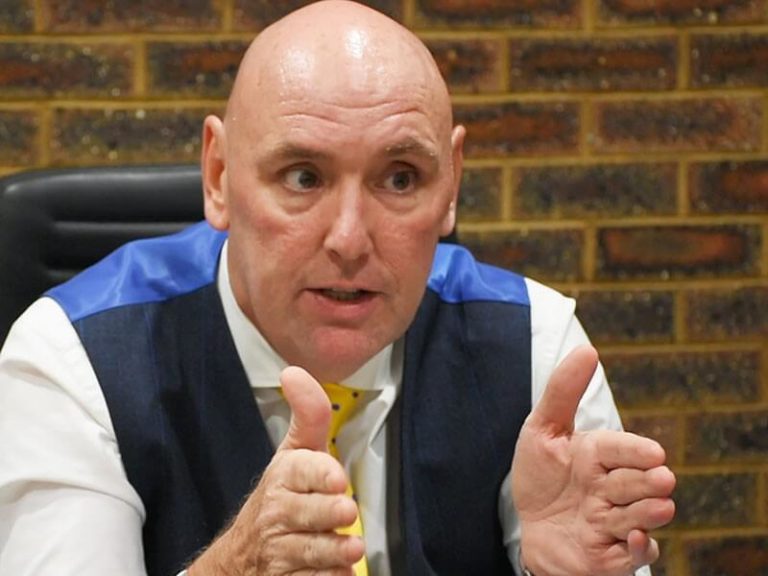
Chief Executive Officer of Visionscape, Mr John Irvine
An online news medium had in a news report quoted an opposition politician in Lagos who claimed that Visionscape was included in the environmental laws of Lagos.
But, in a statement, Visionscape says it rejects the statement it describes as false.
“Visionscape Sanitations Solutions has learnt of the false report circulating in the media regarding the inclusion of its name/parent company name in the recently ratified Environmental Law of Lagos State.
“The above statement is false and the Visionscape Group and Visionscape Sanitation Solutions strongly reject this statement in its entirety.
“While Visionscape chooses not to engage routinely in reference to defamatory statements, the company has deemed it necessary to state unequivocally that neither Visionscape Group nor any of its subsidiaries had ever been written into or named in the laws of Lagos State or any other state in Nigeria. To allude to this implicitly or explicitly is mischievous and divisive,” it stated.
The renewable energy industry created more than 500,000 new jobs globally in 2017, a 5.3 per cent increase from 2016, according to figures released by the International Renewable Energy Agency (IRENA) on Tuesday, May 9, 2018.
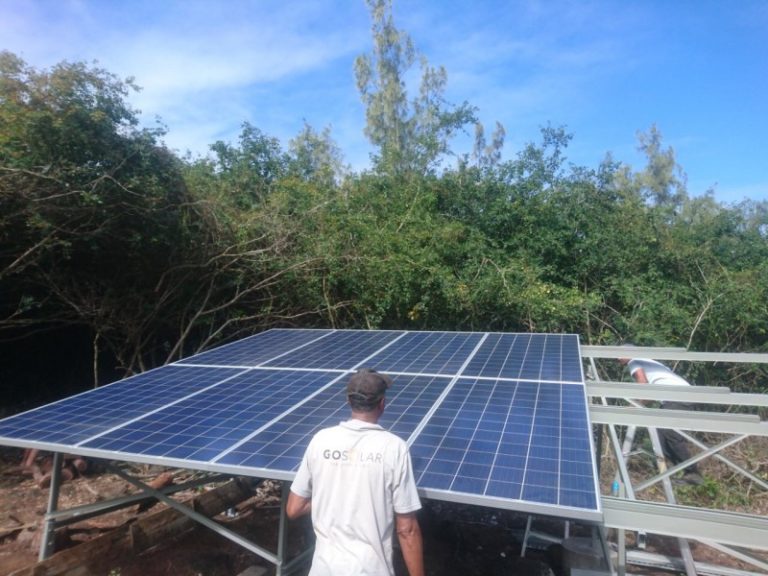
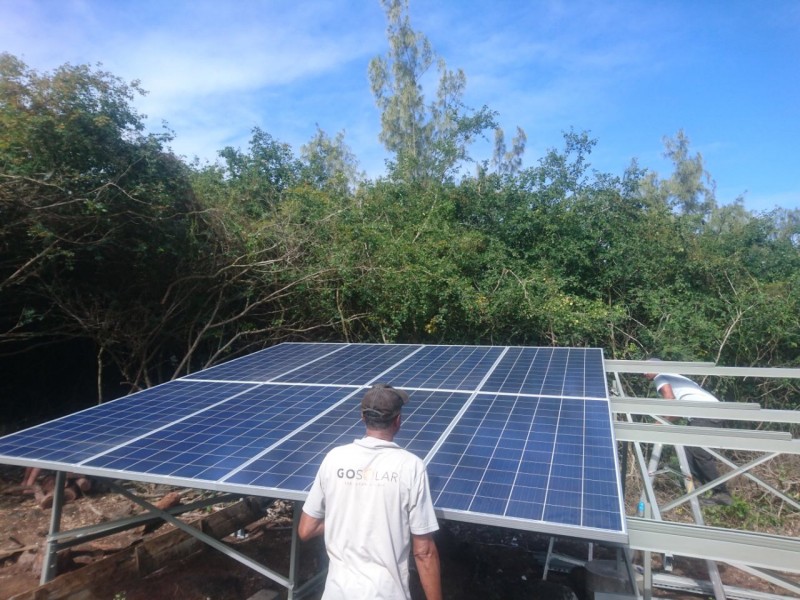
Employment: Installation of solar panels
According to the fifth edition of Renewable Energy and Jobs – Annual Review, launched at IRENA’s 15th Council in Abu Dhabi, the UAE, the total number of people employed in the sector (including large hydropower) now stands at 10.3 million globally, surpassing the 10 million figure for the first time.
China, Brazil, the United States, India, Germany and Japan remain the world’s largest renewable energy employers, representing more than 70 per cent of all industry jobs globally. Although growing numbers of countries are reaping the socio-economic benefits of renewables, the bulk of manufacturing takes place in relatively few countries and domestic markets vary enormously in size. Sixty per cent of all renewable energy jobs are in Asia.
“Renewable energy has become a pillar of low-carbon economic growth for governments all over the world, a fact reflected by the growing number of jobs created in the sector.” said Adnan Z. Amin, Director-General of the International Renewable Energy Agency.
“The data also underscores an increasingly regionalised picture, highlighting that in countries where attractive policies exist, the economic, social and environmental benefits of renewable energy are most evident,” continued Mr. Amin. “Fundamentally, this data supports our analysis that decarbonisation of the global energy system can grow the global economy and create up to 28 million jobs in the sector by 2050.”
The solar PV industry remains the largest employer of all renewable energy technologies, accounting for close to 3.4 million jobs, up almost 9 per cent from 2016 following a record 94 gigawatts (GW) of installations in 2017. China was estimated to account for two-thirds of PV jobs – equivalent to 2.2 million – representing an expansion of 13 per cent over the previous year.
Despite a slight dip in Japan and the United States, the two countries followed China as the largest markets for solar PV employment in the world. India and Bangladesh complete a top five that accounts for around 90 per cent of global solar PV jobs.
Jobs in the wind industry contracted slightly last year to 1.15 million worldwide. While wind jobs are found in a relatively small number of countries, the degree of concentration is lower than in the solar PV sector. China accounts for 44 per cent of global wind employment, followed by Europe and North America with 30 and 10 per cent, respectively. Half of the top ten countries with the largest installed capacity of wind power in the world are European.
“The energy transformation is one of improving economic opportunity and a rise in social wellbeing as countries implement supportive policies and attractive regulatory frameworks to fuel industrial growth and sustainable job creation,” said Dr. Rabia Ferroukhi, Head of IRENA’s Policy Unit and Deputy Director of Knowledge, Policy and Finance.
“By providing policy makers with this level of detail about the composition of renewable energy employment and skills requirements, countries can make informed decisions on several important national objectives, from education and training, to industrial policies and labour market regulations,” continued Dr. Ferroukhi. “Such considerations will support a fair and equitable transition to a renewables based energy system.”
An environmentalist, Mr Paul Akporowho, on Thursday, May 10, 2018 called for stiffer measures to effectively address issues of gas flaring in the oil and gas sector.
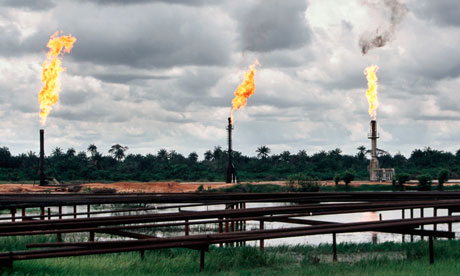
Gas flaring in Ogoniland, Nigeria. Photo credit: premiumtimesng.com
Akporowho, who spoke with the News Agency of Nigeria (NAN) in Warri, called on the Federal Government to take decisive measures through viable legislations to nip the “illegalities” on the bud.
He said that the fall out of environmental pollution emanating from hydrocarbon emissions would persist until firm measures were taken to tackle the situation.
According to him, oil multinationals need to devise better means of evacuating their gas instead of flaring them into the atmosphere, thereby causing environmental and health hazards to people.
The environmentalist said that the hydrocarbon processing plants were heavy pollutants and needed to be regulated for a healthy environment.
“Only the Federal Government has the sole responsibility of monitoring and regulating the oil and gas industry.
“Recently, Port Harcourt was taken over by black sooth pollution and it is of a great concern, particularly to the people of the Niger Delta. There should be proper ways of evacuating gas.
“The development is capable of causing myriads of health problems including respiratory disease like asthma, cardiovascular disease and skin cancer,’’ the former National Secretary, Nigerian Environmental Society (NES), said.
Akporowho said: “It can also cause environmental damage to both the terrestrial and aquatic animals like fish, periwinkles and birds, among others, aside the peoples’ means of livelihood.
“The issue is not peculiar to Port Harcourt alone; we also have them in Warri where gasses are flared and illegal bunkering activities are perpetually carried out.
“So, Federal Government, being responsible for the monitoring and regulating the oil industry, needs to tackle these anomalies head-on through good legislation.”
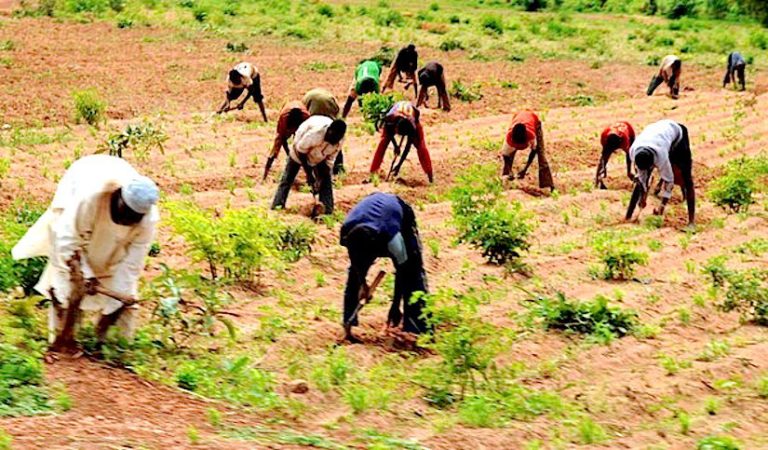
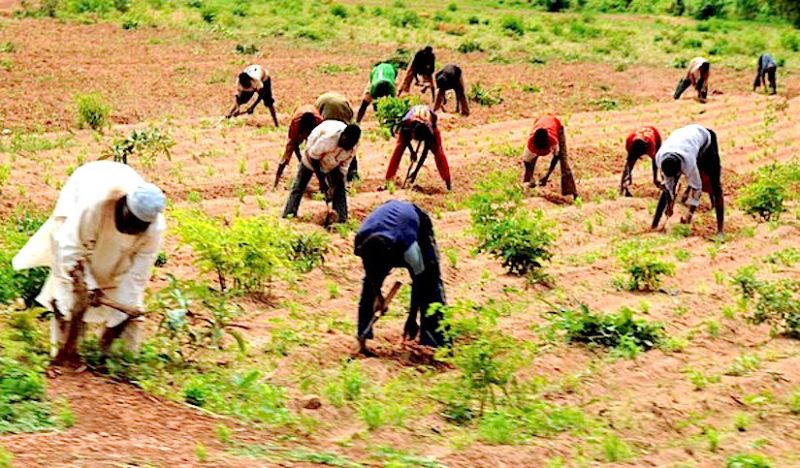
A lecturer in the Department of Geography, Gombe State University, Mr Iliya Musa, says Nigerian farmers are more vulnerable to the consequences of climate change.
In northern Nigeria, farming faces challenges related to desertification and drought
Musa told News Agency of Nigeria (NAN) on the sidelines of a media roundtable on climate change in Gombe, organised by Africa Media Development Foundation.
He said that Nigeria’s agricultural sector was very much threatened by the consequences of climate change, adding that the situation appeared grim as the sector gave employment to over 70 per cent of the country’s population.
He stressed that the consequences of climate change were a global phenomenon, adding, however, that all stakeholders in Nigeria, including government, citizens and organisations, should make concerted efforts to address climate change issues.
“Nigerian farmers are particularly vulnerable because a larger portion of the citizenry, that is 70 per cent of the population, is engaged in agriculture as their means of livelihood.
“These people are dependent on climate-sensitive natural resources for their livelihood and are, thus, more at risk of being affected by climate change.
“Already, temperature increase of about 0.2 degree Celsius to 0.3 degree Celsius per decade has occurred in the various ecological zones of the country, while persistent drought has characterised the southern Sudan-Sahel region since late 1960s.
“The Savannah areas of Northern Nigeria now have less rainfall, with increase in temperature, and this has reduced soil moisture. If soil moisture is affected, even with the application of fertiliser, you may not have good harvests.
“The change in temperature and rainfall patterns, especially in Savannah areas of Northern Nigeria, every year is leading to poor agricultural output in these areas.
“The impact of climate change on crop production in Nigeria would have tremendous impact on income, employment and food production,’’ he said.
Musa said that climate change had made it very difficult for farmers and even weather agencies to predict the onset of the rainy season and rainfall patterns in the country, adding that the development had affected crop cultivation timetables across the country.
He commended the Federal Government’s efforts to mitigate the impact of climate change by developing the National Policy on Climate Change and ratifying the 2017 Paris Agreement on Climate Change.
He, however, urged the government at all levels to expedite action on domesticating all international agreements to which Nigeria was a signatory.
The don also called on Nigerians to cultivate the habit of planting trees so as to mitigate the impact of climate change and safeguard the environment for posterity.
NAN recalls that President Muhammadu Buhari on March 28, 2017, signed the instrument ratifying Paris Agreement on Climate Change in Abuja to affirm Nigeria’s commitment to the global efforts to tackle the effects of climate change.
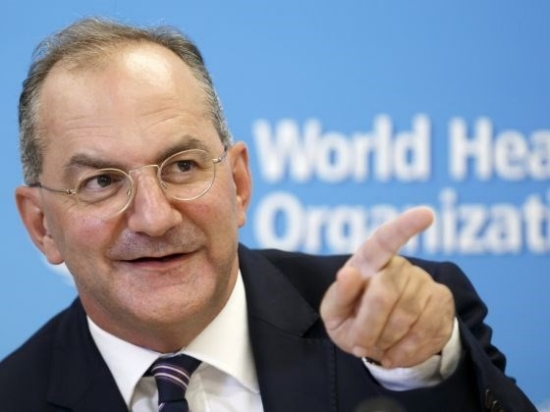
The World Health Organisation (WHO) says that with declining numbers and only a handful of confirmed cases reported in recent weeks, the critical phase of Nigeria’s largest Lassa fever outbreak is under control.
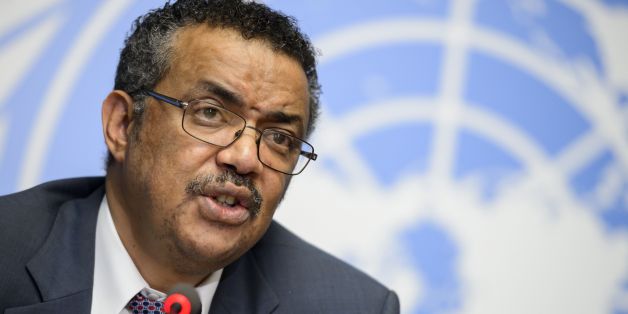
Dr Tedros Adhanom Ghebreyesus, Director-General of the World Health Organisation (WHO). Photo credit: AFP / FABRICE COFFRINI / Getty Images
According to a statement issued by WHO’s Communication Officer, Ms Charity Warigon in Abuja on Friday, May 11, 2018, continued vigilance is, however, needed as the country is still Lassa fever endemic.
She said that, this year, 423 confirmed cases, including 106 deaths, had been reported but that national case numbers had consistently declined in the past six weeks.
The spokeswoman said that the numbers had dropped below levels considered to be of national emergency when compared with data from previous outbreaks.
Warigon said that in the week ending May 6, only three new confirmed cases of Lassa fever were reported, stating that people could still be infected throughout the year hence the need for continued vigilance.
The UN agency congratulated Nigeria for reaching a milestone in the fight against Lassa fever but urged the country not to “let its foot off the pedal”.
It assured the Federal Government its continuous support in maintaining intensified response to the outbreak.
“WHO continues to help states that have reported new cases by strengthening their capacity to conduct disease surveillance, treat patients, implement infection prevention and control measures, laboratory diagnostics and engaging with communities.
“Communities are encouraged to remain vigilant and report any rumour to the nearest health facility because early diagnosis and treatment can save lives.
“Thirty-seven health workers have been infected with Lassa fever and eight have died.
“This highlights the need to implement standard infection prevention and control precautions with all patients regardless of their diagnosis.
“Health workers are urged to maintain a high index of suspicion for Lassa fever when handling patients with fever, headache, sore throat and general body weakness, especially when malaria has been ruled out with a Rapid Diagnostic Test.”
The world body also urged health workers to adhere to standard precautions by wearing protective equipment like gloves, face masks, face shields and aprons when handling suspected Lassa fever patients.
The News Agency of Nigeria (NAN) recalls that WHO in its Emergency Report, issued in April stated that in March less than 20 cases were reported each week while only five new cases were reported in the week ending April 15.
These figures, according to WHO compare with earlier reports issued in January, the beginning of the outbreak, to Feb. 18, when the number of weekly reported Lassa fever cases increased from 10 to 70.
The General Manager, Lagos State Environmental Protection Agency (LASEPA), Mr Antonio Ayodele, on Thursday, May 11, 2018 rated Alimosho as the highest noise pollution local government area in the state in 2017.
The Lagos State Commissioner for Environment, Mr Babatunde Durosinmi-Etti
Ayodele made the remark at the 3rd Annual Stakeholders Interactive Session on Noise Pollution Control in Lagos State, organised by the agency.
The News Agency of Nigeria (NAN) reports that the session is entitled: “Noise Pollution Abatement Evaluation in an Emerging Smart City – 2 Years Retrospect”.
The general manager said that coming after Alimosho were Shomolu, Surulere, Lagos Mainland, Ikeja, Kosofe, Ikorodu, Eti-Osa, Agege, and Mushin.
He said that there had been an increase in noise pollution from both indoor and outdoor activities of hotels, bars, clubs, lounges, pubs and event centres in recent times.
According to him, this increase became a source of concern to the state government, especially where residential houses are converted for such purposes without necessary approvals.
“Going back memory lane in 2014, noise pollution complaints emanating from industrial facilities were merely 19 in number; religious houses recorded a total of 183, and residential houses had 221, making a total of 423.
“’Little did we know that residents are merely tolerating environmental infractions exposed to them by their neighbours, majority being noise pollution.
“This significant increase in 2015 to 955 resulted in 125.8 per cent increment in one year, thereby complementing the series of enlightenment campaigns of the agency,” he said.
Ayodele said that with the series of campaigns, residents got to know where to find respite, as the number of complaints treated on noise pollution increased significantly.
He said that the sector with the highest noise pollution complaint was the worship centres, closely followed by the entertainment industry.
“In 2016 and 2017, the local government areas with the highest noise complaints were Agege and Alimosho respectively.
“Record sellers on the streets of Lagos have continued to disturb other users of the environment, causing deleterious health effects to them, due to long term exposure.
“The telephone vendors, who tend to generate noise pollution during activities of products, have been closely monitored and guided by the operational guidelines of the agency,” he said.
Ayodele said that, reflecting on the past activities of noise pollution management, the agency had taken several troubleshooting strategies, which included monitoring and evaluation over the years.
He said that there had been increase in nightlife activities, especially the once quiet Lekki, Ikoyi and Victoria Island areas of Lagos State.
Ayodele said that there had been proliferation of religious houses in residential areas and power outage, which played the lead to increased use of noisy generators, among others.
According to him, the interactive session with the stakeholders would better promote the synergy required to mitigating noise pollution in Lagos State.
“We must, therefore, come together to redress noise pollution in the state, and develop a culture of sustainable management in all sectors of the economy.
“Birds and animals abound in Lagos State, and the agency looks forward to having once again a Lagos that could hear the chirpings and singing of birds in the early hours of the day and at evenings, as well as the cockcrow at dawn!
“We also want to hear the waves of the ocean and the sound of trees, blowing and swaying along our medians.
“Noiseless Lagos” is achievable by you and I. Please join us to stop noise pollution in Lagos State, to have a serene and safe environment,” he said.
The World Health Organisation (WHO) said on Friday, May 11, 2018 that it hopes to deploy an experimental Ebola vaccine to tackle an outbreak in a remote area of Congo to prevent it spreading, particularly to the provincial capital of one million people.
Peter Salama, WHO’s Deputy Director-General of Emergency Preparedness and Response
Congo reported the outbreak on Tuesday, with 32 suspected, probable or confirmed cases of the disease since April 4, including 18 deaths. A new suspected case was reported on Friday.
The WHO appears to be moving quickly, having been criticised for bungling its response to a 2014-2016 outbreak that killed more than 11,300 people in Guinea, Sierra Leone and Liberia.
“We are very concerned and planning for all scenarios, including the worst case scenario,” Peter Salama, WHO’s Deputy Director-General of Emergency Preparedness and Response, told a regular U.N. briefing in Geneva.
The outbreak area is 15 hours by motorbike from the closest town and has “absolutely dire” infrastructure, Salama said, so the WHO wants to send in 20 to 40 experts by helicopter this weekend and then clear an airstrip for more supplies.
“This is going to be tough and it’s going to be costly to stamp out this outbreak,” he said.
The immediate risk was to the provincial capital Mbandaka, with about one million inhabitants, but Congo’s nine neighbours have also been put on high alert in case the disease crossed a border, especially by river to the Republic of Congo or Central African Republic.
Normally a remote setting would reduce the chance of the disease spreading. But already there are three separate locations covering 60 km or more, and some of the victims were healthcare workers, potentially “an amplification factor” for outbreaks, Salama said.
The local culture, with traditional healers and communal burials where there was close contact with the deceased, could cause “super-spreading” of Ebola, which kills up to 90 per cent of sufferers, he said.
Salama said he spoke to Congo’s Health Minister Oly Ilunga on Thursday and hoped to get approval within days to use a vaccine developed by Merck in 2016.
Although highly effective, it is still experimental, has not been licensed, and must be kept at -60 to -80 degrees Celsius (-76°F to -112°F).
“This is a highly complicated, sophisticated operation in one of the most difficult terrains on earth,” Salama said.
It can be used to protect people who have had contact with Ebola victims, stopping the spread of disease, but that requires intensive contact tracing, which Salama said could take a week or two just for the cases already documented.
Ilunga said on Thursday that the risk to urban areas and cases among healthcare workers made the outbreak worrisome, and that health workers might be the priority for vaccination.
Salama said that WHO was preparing for the green light and hoped to have a mobile laboratory operational over the weekend, and that both WHO and the medical charity Medecins Sans Frontieres already had a team on the ground.
“The cold chain is on standby, the stockpile is on standby, the teams have been put on standby including up to 40 people that conducted the initial ring vaccination trial in Guinea.”
Salama also said there was no evidence of a link between the outbreak and eight deaths that occurred in January and February in the same area, which had not been confirmed as Ebola.
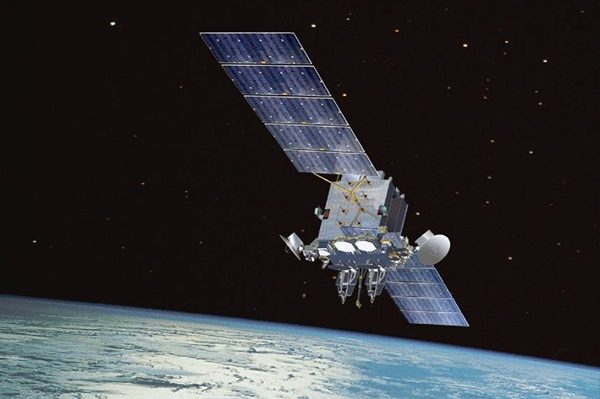
Kenya on Friday, May 11, 2018, launched its first locally produced satellite into space, hoping “to go into the books of history.”
Kenya has launched its first locally produced satellite into space
The nano satellite precursor flight (1KUNS-PF) will be the first outer space object registered by Kenya, the University of Nairobi, whose team developed the satellite, said in a statement.
The team was hoping “to make history” by venturing into space science, said the university’s vice chancellor, Peter Mbithi.
The satellite, which is only 10 centimetres high and able to provide limited earth observation and audio broadcast, was launched by the Japan Space Agency in Tokyo at 1000 GMT.
If the flight is successful, the scientists of the university plan to develop bigger, high-resolution satellites “with serious scientific and technological value for the country,” according to the statement.
Kenya is now hoping to launch its own space programme at the cost of between 500,000 dollars and one million dollars per year, the university said.
Commercial satellites have considerable economic potential for Kenya, including earth mapping, land use, weather forecasting, food security mapping, disaster management, coastline and border monitoring, forest management and wildlife monitoring.
Kenyan scientists are already collaborating the with United Nations Office for Outer Space Affairs, the Japan Aerospace Exploration Agency and University of Rome in Italy to boost innovation in Kenya.