Home Blog Page 1867

World No Tobacco Day: 1.1b people smoke globally, says WHO

0

There are around 1.1 billion smokers in the world today, the same number as at the turn of the century, according to latest data from the World Health Organisation (WHO).
Douglas Bettcher
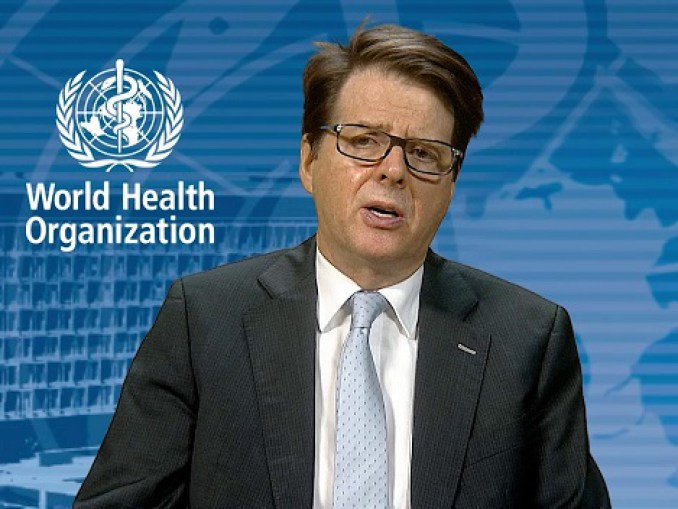
Dr Douglas Bettcher, Director, Department for the Prevention of Non-communicable Diseases at WHO

WHO’s “Global Report on Trends in Prevalence of Tobacco Smoking 2000-2025”, which coincided with World No Tobacco Day 2018, observed every May 31, warned that smoking is a habit that destroyed the hearts.

The report states: “Tobacco is the only legal drug that kills many of its users when used exactly as intended by manufacturers.

“WHO has estimated that tobacco use (smoking and smokeless) is currently responsible for the death of about six million people across the world each year with many of the deaths occurring prematurely.

“This total includes about 600,000 people that are also estimated to die from the effects of second-hand smoking.

“Although often associated with ill-health, disability and death from non-communicable chronic diseases, tobacco smoking is also associated with an increased risk of death from communicable diseases.”

The global health agency, in the report by health experts, said spreading the message that tobacco caused deadly illnesses such as heart disease and stroke helped prevent “needless” loss of life.

WHO warned that tobacco use and exposure to second-hand smoke were “major causes” of cardiovascular disease, contributing to three million deaths annually.

It said lack of awareness about the risks of tobacco use was most common in low and middle-income countries.

The report said in China, more than six out of 10 people were unaware that smoking could cause a heart attack while in India and Indonesia, more than half of all adults did not know that the habit could lead to a stroke.

Dr Douglas Bettcher, Director, Department for the Prevention of Non-communicable Diseases at WHO, said tobacco use was falling globally but it still killed more than seven million people a year.

“Progress is uneven in protecting consumers from the tobacco industry,” Bettcher said.

He explained that higher income countries were making “faster progress” than their poorer counterparts at protecting consumers, partly owing to stronger regulations.

“In spite of the apparent lack of progress in tackling the total number of smokers, the report highlighted that only one in five people smoked today, compared to more than one in four, 18 years ago.

“The decline was masked by the world’s growing population.’’

On efforts to encourage people to quit, the UN health expert warned that only around 12 per cent countries were on track to meet global targets to reduce by one-third the number of people dying from non-communicable diseases by 2030 as part of the Sustainable Development Goals agenda.

In a bid to promote a healthy heart, the WHO wanted every one of its 194 Member States to implement a series of increasingly strict tobacco control measures.

These include making indoor public and workplaces smoke-free and insisting that tobacco packaging carries warnings that demonstrate the health risks for users.

“The good news is that these deaths are preventable and we know what needs to be done,” Bettcher said.

He named Ireland and Uruguay as countries that had achieved the highest level of tobacco control before, adding that since 2007, the number of people around the world to have benefited from these measures has more than quadrupled, from one billion to five billion.

By Prudence Arobani

Benue asked to provide farmlands to IDPs to tackle food insecurity

0

A call has been made to the Benue State Government to provide farmlands to Internally Displaced Persons (IDPs) in the state as a means of curbing imminent food shortage.

Benue-anti-grazing-law
Benue State governor, Samuel Ortom

Making this call on Wednesday, May 30, 2018 in Makurdi at the Action Vision Group (AVG) and Action Innovation Group (AIG) meeting organised by Synergos, Assistant Rural Institution Gender and Youth Mainstreaming (ARIGYMO) of International Food for Agricultural Development (IFAD), Mr Fabian Asemagema, noted that there is impending food shortage in the state.

He lamented that the 2018 cropping season was at hand and many farmers in Benue were still living in IDPs because their areas were still occupied by the insurgents.

He said that as a temporary measure to tackle the imminent food shortage, the state government should as a matter of urgency provide lands to the IDPs so that they too could cultivate crops so as to prevent acute food shortage.

He also stated that the government could as well support them with all the necessary inputs since they were handicapped presently.

The Field Assistant, Synergos, Mr Raymond Jolie, who noted that the meeting was mainly aimed at finding solutions to the perceived food crisis as a result of the displacement of farmers by Fulani herdsmen in the state, also encouraged farmers to have home gardens in addition to their large scale farms because it would go a long way to check food insecurity.

Jooli further disclosed that Synergos would soon establish a Rice Incubation Centre in the state to assist processors to package the product in 1kg, 5kg up to 50kg bags to be sold within and outside Benue.

He added that they could even export the product because it would meet international standard and would also get National Agency for Food Drug and Administration Control’s (NAFDAC) approval.

Also speaking, the Chairman, Cassava Growers Association of Nigeria, Chief Igyo Ali, urged government to encourage and support farmers in LGAs where there are no attacks to cultivate massively, so as to cushion the imminent food crisis as a result of the attacks on farmers by armed Fulani herdsmen.

Speaking separately, consultant, Acefields Development Partners Limited, Mr Ushahemba Aondoakaa, and a rice farmer, Mr Fidelis Unongo, called on government to venture into massive agricultural activities since most farmers were displaced and, as such, cannot carry out agricultural activities soon.

A cassava processor, Mr Joseph Ameh, called on the government to revive the marketing boards to enable them mop up produce and store for rainy days, stressing that it was a long term measure of tackling food insecurity.

By Damian Daga

World No Tobacco Day: Uganda to destroy container of shisha pots

0

As the world prepares to commemorate World No Tobacco Day on Thursday, May 31, 2018, Uganda will destroy a 40-feet container full of shisha pots and related apparatus that were confiscated from bars and restaurants across the country.

Shisha
Smoking shisha is said to be 10 times more deadly than cigarettes

Diana Atwine, the permanent secretary, Ministry of Health, said Uganda is striving to fight against the use of the substance which is a source of income to some people and yet a drain to the economy in terms health care.

According to a World Health Organisation (WHO) statement on Wednesday, in Uganda the cost of tobacco use constitutes 0.5 per cent of the Gross Domestic Product (GDP), while expenditure on treating tobacco induced illness is two per cent of the National Health Expenditure.

The WHO noted that tobacco causes over one in 10 heart diseases, including stroke.

This year’s theme, “Tobacco and heart disease”, focuses on tobacco use as a key risk factor for developing heart and related diseases, including stroke.

A study, “The Health Cost of Tobacco in Uganda,” released last year shows that the total cost of tobacco use including the direct cost of treatment and the indirect costs of loss of income and productivity from death and disability is $126.48 million.

The study indicates that the total health cost outweighs the market value ($81.22 million) of tobacco products or the assumed benefits of tobacco use in the east African country.

Global annual costs from tobacco use, according to WHO, is $1.4 trillion in health care expenditure and lost productivity from illness and premature death.

The health body says there is need to highlight the dangers associated with using tobacco, and to press for policies to reduce its use.

Uganda enacted a Tobacco Act about three years ago spelling out stringent measures to curb the produce, import, use and promote tobacco products.

The law banned advertising, promotion and sponsorship by tobacco manufacturers, distributors and sellers.

Government also banned importation, manufacture and sale of tobacco products which do not conform to standards.

The country’s tax body, Uganda Revenue Authority, recently destroyed contraband cigarettes worth $410,000. The law also made it illegal to smoke in public places.

Atwine recently told reporters that, whereas the country has a good law, it needs to be implemented to realise the desired results.

Atwine said government would embark on sensitising young people on the dangers of smoking.

“The percentage of young people with mental illness is associated with drug abuse. Young people fancy smoking shisha – this is dangerous,” she said, noting that, in their campaign against smoking, they would target university students.

Civil society organisations are also pushing companies to have in place regulations against the use of tobacco.

Primah Kwagala, an official of The Centre for Health, Human Rights and Development, a civil society organisation, told newsmen that companies which fail to protect employees from smokers would face civil litigation.

Tobacco farmers are, however, protesting the increased pressure to stop tobacco use, arguing that their household income is reducing.

HYPREP trains 35 youths for Ogoni clean-up

0

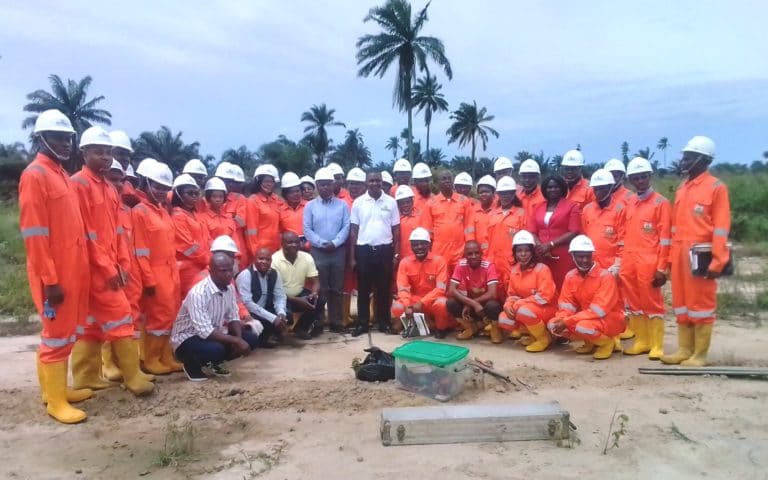
The Hydrocarbon Pollution Remediation Project (HYPREP) has trained 35 youths as technical assistants to monitor clean-up of oil impacted sites in Ogoniland, an official said.

Hyprep
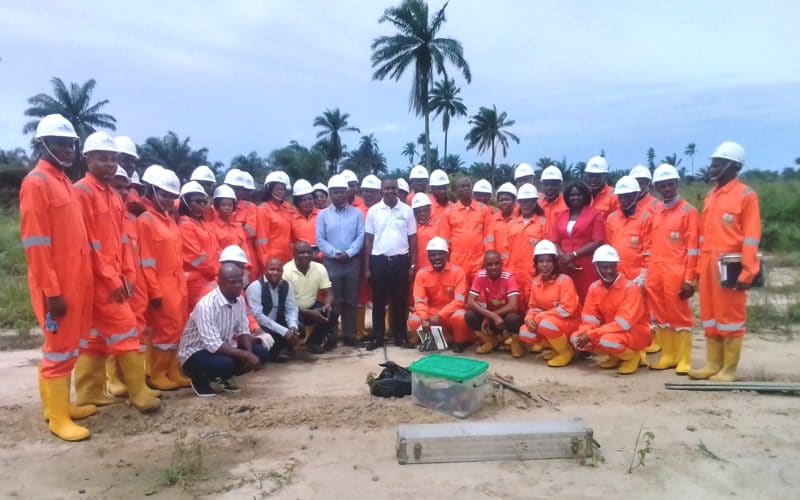
A group photograph of the trainees with HYPREP officials

HYPREP’s Head of Communications, Mr Isa Wasa, on Wednesday, May 30, 2018 in Goi community, Gokana Local Government Area, said the training was in collaboration with the Niger Delta Development Commission (NDDC).

He said the training aimed to equip indigent Ogonis with requisite skills and experience to work with firms that would handle the clean-up exercise.

“Training of the 35 youths, who are all graduates of environmental sciences, was the second series. HYPREP has already trained 15 youths in the first series.

“The essence is to ensure the trainees work with companies that will be selected after the procurement process.

“We do not take the training of our personnel for granted.

“HYPREP will continue to train more personnel to equip them for the job ahead, in line with international best practices.’’

Wasa commended NDDC for its support to the exercise and assured the Federal Government’s commitment to full implementation of the Ogoni clean-up exercise.

“Presently, we have 35 trainees in this phase. The capacity building will be a continued process, so it is not going to end here.

“We are inviting other organisations to join us in ensuring that HYPREP’s mandate of remediation restoration of livelihood is achieved,” he said.

Mr John Ukpatu, who spoke on behalf of trainees, said the training had equipped them with the skills set to contribute to clean-up of oil spills in some Ogoni communities.

He said that trainees had already taken soil and water samples with aimed at testing the present state of contamination levels in the affected communities.

“Based on our training and knowledge in environmental sciences, we are going to monitor and assist HYPREP for successful implementation of the clean-up exercise,” he assured.

By Desmond Ejibas

World No Tobacco Day: Countries urged to raise taxes on tobacco products

0

As the “World No Tobacco Day 2018″ is commemorated globally, the World Health Organisation (WHO) has called on countries to raise taxes on tobacco products to make them less affordable.

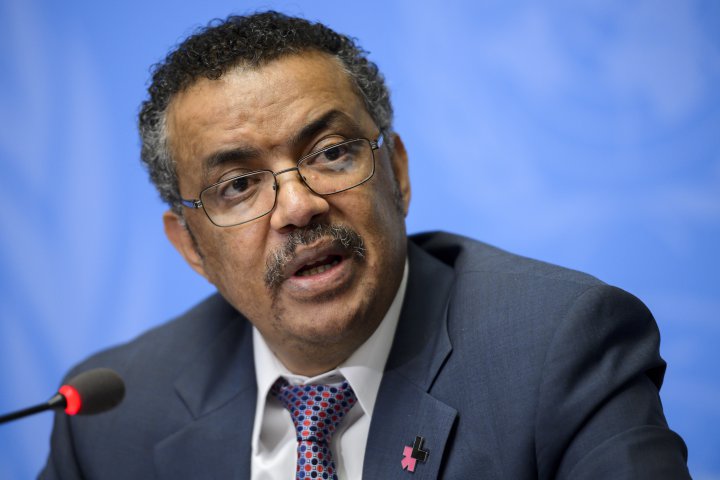
Dr Tedros Adhanom Ghebreyesus
Dr Tedros Adhanom Ghebreyesus, Director General of the World Health Organisation (WHO). Photo credit: FABRICE COFFRINI/AFP/Getty Images

The WHO, in a message on Wednesday, May 30, 2018 to commemorate the day celebrated annually on May 31, also urged countries to enforce comprehensive ban on tobacco advertising, promotion, sponsorship and monitor tobacco use and prevention polities.

The organisation said it was concerned over the number of deaths caused by tobacco use as the global tobacco epidemic killed more than seven million people yearly.

It urged countries to therefore protect people from exposure to tobacco smoke by creating a completely smoke-free indoor public places, workplaces and public transport.

WHO advised countries to also offer help to people who wished to quit tobacco use by covering the cost of their treatments, provide medical care, counselling and toll-free quit lines.

The organisation urged governments to adopt these measures as it would help to reduce tobacco use and protect people from Non Communicable Diseases (NCDs).

“Nearly 80 per cent of the more than one billion smokers worldwide live in low and middle-income countries where the burden of tobacco-related illness and death is heaviest.

“Despite the known harms of tobacco to heart health and the availability of solutions to reduce related death and disease, knowledge among large sections of the public that tobacco is one of the leading causes of Cardiovascular Disease (CVD) is low.

“Tobacco use is an important risk factor for the development of coronary heart disease, stroke and peripheral vascular disease.

“CVD kills more people than any other cause of death worldwide and tobacco use and second-hand smoke exposure contributes to approximately 12 per cent of all heart disease deaths.

“Tobacco use is the second leading cause of CVD after high blood pressure,” it said.

WHO said that the World No Tobacco Day was commemorated to focus on the impact tobacco had on the cardiovascular health of people globally.

It therefore called on countries to intensify efforts at increasing public awareness on the dangers of tobacco products and the impact their use and exposure to could have on the cardiovascular health.

The theme for the 2018 celebration is “Tobacco and Heart Disease”.

By Yashim Katurak

GWP-WA boss appointed chair of chairs of regional partnerships

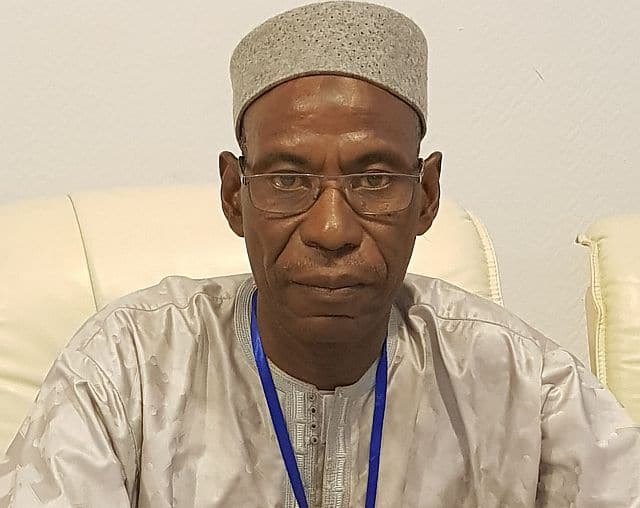
Chair of Global Water Partnership West Africa (GWP-WA), Professor Amadou Hama Maiga, has been appointed as Chair of Chairs of the Regional Water Partnerships.

Professor Amadou Hama Maiga

This formed one of the major highlights of the Global Water Partnership (GWP) Regional Days meeting held from May 22 to 26, 2018 in Budapest, Hungary.

In this capacity, the GWP-WA Chair will be responsible for coordinating the exchanges of his fellow Chairs with the Global Secretariat, and will attend and speak on their behalf at the Global Steering Committee meetings during his two-year term.

“Prof. Maiga needs all of you to accompany him in this mission to our great satisfaction,” says Sidi Coulibaly, Communications & Knowledge Manager of the Ouagadougou, Burkina Faso-based GWP-WA.

Another fall out from Budapest was the resignation of the chair of the GWP, Oyun Sanjaasuren, which becomes effective from June 15, 2018.

“My expectation, and desire, was to serve out my three-year term as GWP’s chair until July 2019. However, I have a career opportunity to join the Green Climate Fund as their director of external affairs. Because of the full-time nature of the job, I will no longer be able to perform my duties as the GWP chair,” said Sanjaasuren.

The GWP steering committee acknowledged Sanjaasuren’s two years of successfully strengthening GWP’s international standing, raising the participation and profile of GWP in global political processes, while also guiding the organisation towards more focus and effective delivery.

The steering committee appointed one of its members, Ross Hamilton, as interim chair until a new chair is selected by GWP’s sponsoring partners. Hamilton has nearly 20 years of experience in sustainability and environmental fields across the private, public, and not-for-profit sectors. He is a senior advisor on water issues to both the UN Global Compact CEO Water Mandate and to the Pacific Institute and is a senior climate advisor to the International Finance Corporation.

In addition, one of GWP’s patrons (and a former GWP chair), Letitia Obeng, has agreed to take on a more active role to support GWP’s positioning at high level global fora as needed during the interim period.

“It is fortunate that GWP has a deep bench of leaders, including the new executive secretary, Monika Weber-Fahr, who has the skills, creativity, and charisma that bodes well for GWP’s future,” said Sanjaasuren. “There is continuity at other levels in the GWP network, so I am convinced that as GWP completes its current strategy to the end of 2019, and launches a new one, it will do so with the competence and commitment for which it is known.”

“GWP’s large and diverse network models how development work should be done in a sustainable world. Given the pivotal role of water in sustainable development, I truly believe GWP’s multi-stakeholder partnership contributes in a major way to solving the complex water-related challenges facing the world today,” she said.

Professor Maiga, a Malian, emerged chair of the GWP-WA in September 2017. He used to be the Director General of the International Institute for Water and Environmental Engineering (2iE). He has a 37-year professional career mainly dedicated to scientific and professional training and research & development in the fields of water, sanitation and environment in Africa and internationally.

UN releases $2.7 million to help cyclone-hit ‘Somaliland’

0

Following a visit to a cyclone-hit community in “Somaliland”, the United Nations has released close to $3 million to help people affected by an unprecedented storm which delivered a full year’s worth of rain in just a few days, compounding damage caused by recent severe flooding.

Somaliland
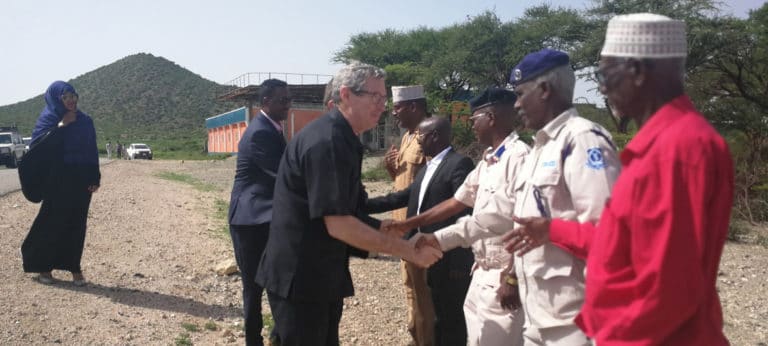
On a visit to Borama town, 180 kilometres southwest of Somaliland’s capital, Hargeisa, the UN Humanitarian Coordinator for Somalia, Peter de Clercq, is greeted by local officials who later shared with him information about the impact that Cyclone Sagar had on the community. Photo credit: UNSOM/Carlos Gomez del Campo

“Somaliland”, officially the Republic of Somaliland, is a self-declared state internationally recognised as an autonomous region of Somalia.

“We are on the ground, both the UN and NGOs, and we have already been providing assistance, particularly in the form of immediate food security assistance, and also non-food items, shelter items in particular, and health assistance – and this has kicked in, basically, from day one,” said the UN Humanitarian Coordinator for Somalia, Peter de Clercq, on Monday, May 28, 2018 in the wake of a visit to Borama, located some 180 kilometres south-west of Hargeisa, the capital of “Somaliland”.

“Just to reinforce the rebuilding of livelihoods I, moreover, pledged $2.7 million,” Mr. de Clercq added, with the money coming from the international donor-backed Somalia Humanitarian Fund (SHF), designed to address the most urgent humanitarian needs in Somalia, which also covers “Somaliland”.

The recent landfall of Cyclone Sagar on the northern Horn of Africa has affected some 160,000 people, killing dozens and causing severe damage to infrastructure and economic hardship, especially for traditional pastoralists.

Mr. de Clercq had been in Borama to see its impact first-hand, as well as meet with local partners, including government officials, representatives of non-governmental organisations, community elders and people directly affected by the storm.

“It was an opportunity to interact with people who were immediately affected by it,” he said. “They’ve lived through this year of near-famine already, and they had to endure not only this very difficult period of drought, but then floods, immediately followed by the cyclone.”

The UN official said the response to the combination of events – storm, floods and drought – highlighted the need for a response which addresses both the short- and longer-term humanitarian needs with the short-term; the longer-term being centred on building the resilience of communities like that of the Awhal region.

This will help to tackle the effects of climate change among the most vulnerable local populations, as resilience in these communities had already been extremely strained due to at least four failed rainy seasons.

“We still are dealing with the food insecurity, the lack of livelihoods as a result of the drought, and at the same time we’re dealing with people who’ve been displaced because their houses have been flooded, or because their livelihoods have been washed away,” said Mr. de Clercq, who also serves as the UN Secretary-General’s Deputy Special Representative for Somalia, and noted the need for increased funding of the SHF.

Currently, the Humanitarian Response Plan funding stands at $390 million – less than 50 per cent of the amount that was pledged at this stage in 2017.

“We really need to not just work on the relief, but on the increased resilience of the families that live in this area, the families that have to go through this kind of terrible humanitarian challenges year after year after year,” Mr. de Clercq said. “So, we should not be waiting until the next crisis hits us – we haven’t seen the last drought yet, we very well may not have seen the last cyclone here.”

FAO considers promoting biodiversity across agricultural sectors essential

0

Changing how countries across the world produce food is “fundamental” to protecting the future of the Earth’s ecosystem, said the head of the Food and Agriculture Organisation (FAO) on Tuesday, May 29, 2018.

josé-graziano-da-silva
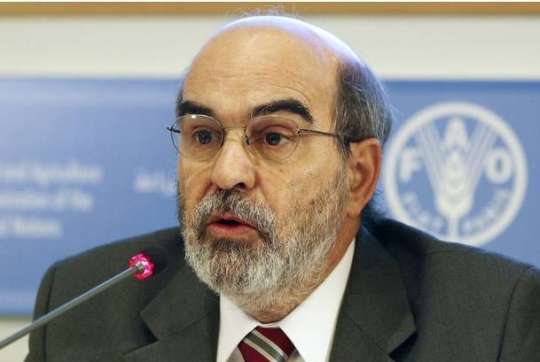
Jose Graziano da Silva, Director General of the FAO

With large swathes of the planet’s surface used to grow food, raise animals or produce products such as timber; the agricultural sector – if managed sustainably – can make significant contributions to protecting biodiversity, said FAO Director-General, José Graziano da Silva.

Addressing a three-day international dialogue on mainstreaming the key issue into agricultural policies and practices, he called for transformative changes in food production, aimed at producing healthy and nutritious food while simultaneously safeguarding the planet’s biodiversity.

“Biodiversity is essential for safeguarding global food security and nutrition, improving rural livelihoods, and enhancing the resilience of people and communities,” he said in keynote remarks.

However, planetary biodiversity – at the genetic, species and ecosystem levels – faces a number of threats, the FAO Director-General noted, adding that food production “is a big part of the problem”.

Pointing out that the world still produces food based mainly on 50-year-old principles, often using environmentally unfriendly chemicals, he also described how the loss of agricultural biodiversity poses a direct risk to food security.

“Only three staple crops – rice, maize and wheat – and three animal species – cattle, pigs and chicken – provide the majority of food energy intake in the world,” he said.

Diversifying food sources could play a critical role in ensuring food security; such as genetically diverse plants which are more tolerant to hotter and drier conditions, he said. Similarly, more diverse livestock would allow farmers and pastoralists to breed animals which could adapt to changing environmental conditions.

“This is especially important nowadays in the face of emerging challenges such as the impacts of climate change, rapid urbanisation and also a growing population with changing diets,” Mr. Graziano da Silva said.

At the farm level, implementing production practices that prioritize safeguarding biodiversity can also ensure that food can be produced sustainably.

To that end, the FAO conference gathers together people from across the whole sector, to consider real-world examples of how agriculture, fisheries and forestry have been successfully managed to safeguard biodiversity.

A series of working groups will also focus on avenues for mainstreaming biodiversity in agriculture, including global governance; national policies and legislation; financial incentives and investments; and supply chain measures.

Niger to spend N50b on water works reticulation

The Niger State Government said on Wednesday, May 30, 2018 that it would spend over N50 billion on the reticulation of Minna, Suleja, Bida and Kontagora water works.

Alhaji-Abubakar-Sani-Bello
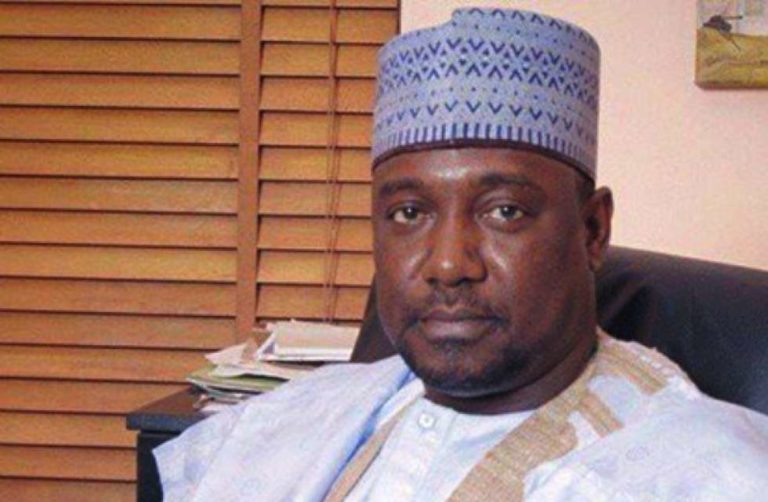
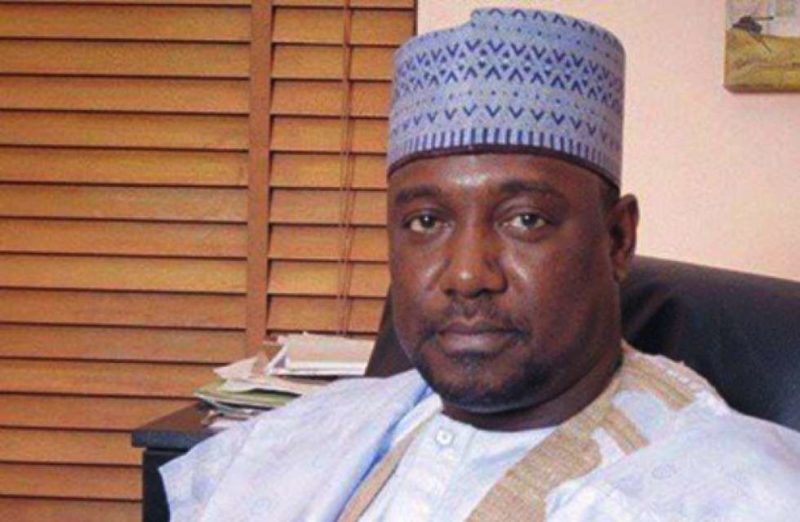
Alhaji Abubakar Sani Bello, Governor of Niger State

Gov. Abubakar Bello told newsmen in Minna, the state capital, that the state government would go into Public Private Partnership (PPP) to ensure adequate water supply in major towns in the state.

The News Agency of Nigeria (NAN) recalls that the state government had in 2016, declared a state of emergency on the water sector starting with Chanchaga water works.

Bello said that the government had spent N2 billion on the purchase of 60 water pumps and other equipment from Germany for Chanchaga water works.

He added that government would go into partnership with investors to install pumps, water meter and other relevant accessories across the major towns to enhance water supply.

“When we took over the government, we met a dilapidated water infrastructure – water pipes were broken down beyond repairs, the engines were not functioning; virtually everything was in bad shape.

“We started with Chanchaga water works; we constructed access roads, purchased new equipment and repaired broken water pipes and engines.

“We couldn’t fold our hands to watch our people continue to suffer for water; that was why we declared a state of emergency on water sector and I can say that we have recorded quite a success in water supply.

“Even though major cities in the state still do not have adequate water supply, we have taken a holistic approach and doing everything possible to ensure adequate water supply.

“We are going into partnership with investors through PPP to instal water pumps and water meters in the major cities. This is the only way can ensure regular water supply.”

The governor called for positive attitudinal change towards maintenance of government property.

He noted that negative attitude constituted a major problem hindering the development of the state.

The governor appealed to the media as partners in progress, to continue to support the government by publicising its programmes.

By Rita Iliya

Experts predict less eventful hurricane season

0

After the insurance industry paid out record damages for 2017’s hurricane season, climate experts are expecting this year’s tropical storm season in the North Atlantic to be less eventful.

Irma
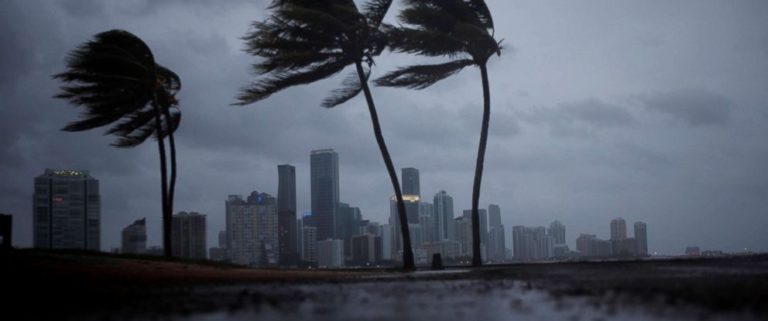
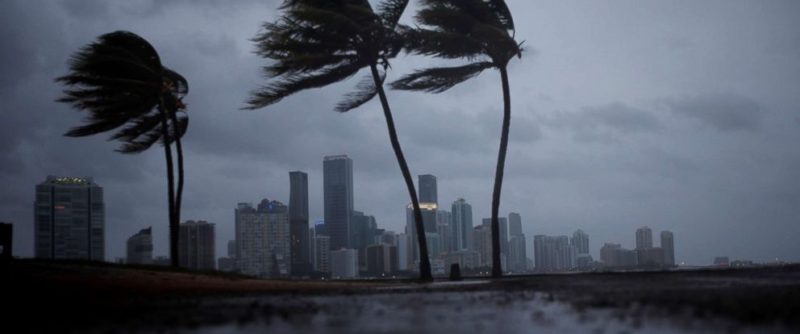
Dark clouds over the Miami skyline before the arrival of Hurricane Irma

“Forecasts by several research institutes say this year’s season will be average,’’ climate experts for German reinsurers, Munich Re, said on Wednesday, May 30, 2018.

The long-term average for the hurricane season, lasting from the summer until the early autumn off the coasts of the U.S. and Caribbean islands, is 6.3 tropical storms.

In 2017, there were 10 hurricanes, the most destructive being Harvey, Irma and Maria, which laid waste to the Caribbean and parts of the U.S. east coast.

Damages resulting from the 2017 hurricane season were a record $220 billion .

The hurricane season starts each year at the beginning of June.

“The coastal states must prepare themselves for a normal tropical storm season, in which one strong hurricane could hit them,’’ Munich Re climate experts, Eberhard Faust and Mark Bove, wrote in a report.

They expect between five and nine hurricanes, the same as the U.S. meteorological authorities.

The experts were proved wrong in 2017 when they said it would be a below-average season for hurricanes.

But instead, ocean temperatures in the North Atlantic were unusually warm, leading to more hurricanes.

Munich Re is the world’s largest insurer and has its own dedicated climate department.

Torsten Jeworrek of the company’s board has said Munich Re does not expect more storms, just more powerful and damaging ones, which could lead to higher payouts.