Home Blog Page 1853

My Pacific Northwest Earthcorps journey (2)

0

It was an interesting week seeing new places, meeting new people, using different tools and having a first-hand practical experience in the field. EarthCorps is a place to be if you’re hungry of having a lasting impact in the community and the people around you. The work we do create an enabling environment for both the fauna and flora to thrive.
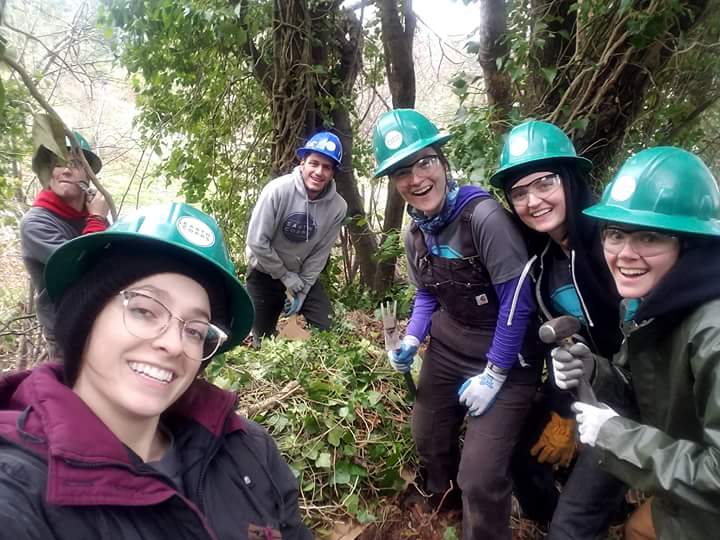
Adnane crew members, EarthCorps

I would like to digress a bit before giving a detailed account of what transpired last week at Camp Lyle McLeod, a camp sitting 10 miles northwest of Belfair.

I can convincingly say that traveling is not just part of education, but a complete school of learning with a well-designed syllabus that any university of the world will struggle to beat. If you’re willing to see things differently, relate rationally with the people and communities around the world, then, traveling should be second to none on your wish list.

It’s amazing how people of Seattle cherish pets and biking. Here, biking is not just a sport; it’s a way of life people can’t do without. Pets, especially dog and cat, are so dear to an average Seattleite. It’s very hard to enter a home without being welcome by these lovely creatures. Pets are not just animals here; they are like children in the homes of their owners because they enjoy all the love and goodies freeborn are entitled to.

It’s necessary I found myself, before getting lost in the wilderness of thoughts painting the colourful world of Seattleites. The week started with me feeling energetic and getting ready for the task ahead.

We all had our first fieldwork experience in the beautiful park of Bellevue, removing blackberry, using tools like hand pruner, shovel, pick mattock, pulaski and brush cutter. Later in the day, Rachael and Madeline did well explaining the English measurements and pacing at the project site. The next day, I and the rest of the corps members had the opportunity to text run the cut and dab herbicide application method on weeds.

In the early hours of Wednesday, we all set out for the astonishing camping trip. The weather was cold and calm, due to the early morning atmospheric shower of rain that greeted us. On getting to the camp, we offload our vehicles and walk to our various cabins to drop our bags. I was quick to secure a bed space at Yurt Village, a cabin close to the Forest Glade amphitheatre.

Camp Lyle McLeod was named after the first Girl Scout leader in Kitsap County. It’s a secluded area, far from the ever busy city sounds, and a place to see nature at its best. It’s a good place for hiking, swimming, nature study and boating. Indeed, the organization has made the best choice in selecting this wonderful site!

We all gathered at Ulali hall around eleven in the morning to start a presentation. This is just a kind of introduction about who we are, what we do and why we choose to join EarthCorps. The presentation started with the organization’s staff, existing volunteers, and finally, the new corps members.

In short, we enjoyed ourselves and at the same time learned through the process by engaging in meaningful conversation with each other. On Friday, seven crews were formed; each crew consisted of one team leader, three old AmeriCorps, one International Corps and a new AmeriCorps. This means that we now have six volunteers forming a crew.

I was fortunate to be in Adnane (crew leader) crew, he is also an international volunteer, from Morocco. Just like me, he started his volunteer journey last year June with EarthCorps and was lucky to secure a second-year placement as a crew leader. Abby, Gabi, Emma, and Robyn will definitely not be happy with me if I fail to mention them. They’re amazing crew members to work with!

I must say, we are not worthless for choosing to volunteer, but priceless for what we offer is precious than gold. Don’t forget to check this space next week to know what happens at Discovery Park, the largest park in Seattle.

By Alabede Surajdeen (Environmental International Exchange Fellow at EarthCorps, Seattle, Washington, USA; alabedekayode@gmail.com; @BabsSuraj)
Group raises alarm over open defecation at Abuja IDPs camps

0

The Society for Water and Sanitation (NEWSAN) has raised an alarm over continuous practice of open defecation in Internally Displaced Persons (IDPs) camps at Dagban and Wassa in the Federal Capital Territory (FCT).

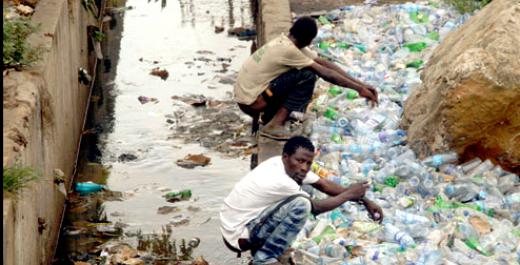
defecation
Open defecation. Photo credit: spynewsafrica.com

Mr Benson Attah, the National Coordinator of NEWSAN, expressed the fear on Tuesday, June 19, 2018 in Abuja when he led other members of the group on a visit to the headquarters of Abuja Environmental Protection Agency (AEPB).

He said that more than 6,000 persons living in the two camps did not have any toilet to use whenever they wanted to defecate, adding that the unwholesome development ought to be addressed.

He stressed that if urgent efforts were not made to stop the continuous practice of open defecation at the camps, there could an outbreak of water-borne diseases such as cholera and diarrhoea.

Attah said that the group found it expedient to draw the attention of the authorities to the plight of the IDPs regarding the poor hygienic conditions and the lack of water supply in the camps.

He stressed that people’s access to Water, Sanitation And Hygiene (WASH) facilities would facilitate inclusive development.

He particularly noted that the site of the IDPs camp in Wassa community, which belonged to private individuals, was littered with faeces, calling for urgent action from relevant agencies to deal with the situation.

“We recently heard of cholera outbreaks in Niger and Kogi states. Imagine the proximity of these IDPs camps to the Abuja city centre; we can’t just keep quiet like that.

“Most of the persons living in these camps interact with people in town; they are the wheelbarrow pushers, the fruit sellers; they enter the same vehicles with us and we interact with them daily.

“If any outbreak of cholera occurs in that part of the FCT, that means danger to everyone. We need to do something as soon as possible, it is a ticking time bomb,’’ he said.

Attah said that his group would not relent in its efforts to ensure an improvement in the people’s access to water and sanitation, adding that efforts in that regard were important if Nigeria wanted to attain the Sustainable Development Goals (SDGs) by 2030.

Responding, Mr Jacob Areo, the Deputy Director, Administration, AEPB, commended the group for the visit and for highlighting the plight of the IDPs in the camps.

He said that a report was already being collated to address perceptible areas of interventions, adding that the overall goal of the board was to scale up hygiene promotion practices in the FCT.

Areo said that the board also had a list of WASH needs in the satellite towns of Abuja, adding, however, that there was a need for improved collaboration between relevant stakeholders to promote hygiene practices in the FCT.

He said that the board would liaise with the National Emergency Management Agency (NEMA) to identify the intervention projects that should be executed in the IDPs camps.

He added that such interventions could be in the form of the provision of temporary toilets to tackle the deplorable conditions of the camps.

By Tosin Kolade

150,000 Nigerian children born with sickle cells disease annually – Don

0

Consultant Hematologist with the Ahmadu Bello University Teaching Hospital (ABUTH), Zaria, Prof. Aliyu Babadoko, said on Tuesday, June 19, 2018 that 150,000 Nigeria children were born with sickle cells disease annually.

Isaac Adewole
Minister of Health, Isaac Adewole

Babadoko made the disclosure while presenting a paper during the World Sickle Day celebration at Kaduna State University (KADSSU) main campus in Kaduna.

The don, at the programme jointly organised by Safiyya Sickle Cells Foundation, Sickle Cells Cohost Research (SCORE) and KADSSU, titled his paper: “Journey through the Most Common Genetic Blood Disorder”.

The consultant described sickle cells disease as the most common genetic disease in the world.

He said: “Worldwide 20 to 25 million people have sickle cells disease, while 12 to 15 million are in sub-Saharan Africa and 300,000 are born with the disease worldwide annually.

“Of the total number, Nigeria accounts for 150,000 and about 2-3 per cent of Nigerians have sickle cells disease.

“Nearly 90 per cent of the world’s sickle cells disease population live in Nigeria, India and Democratic Republic of Congo,” he said.

He said that Africa had the highest rate of sickle cells disease in the world and equally had the highest rate of malaria.

In his speech, the Vice-Chancellor, KADSSU, Prof. Mohammed Tanko, said the knowledge and challenges about sickle cells disease was neglected over the years.

Tanko lamented that people, especially in Nigeria, blindly fell in love without knowing their blood genotypes, which to some extent resulted in giving birth to children with sickle cells anaemia.

He lauded the efforts of the organisers of the event and urged them to sustain the tempo, describing it as educative, informative and encouraging.

The programme drew hundreds of sickle cells patients from within and outside Kaduna as well as many experts in the field.

By Mohammed Lawal

How space technology can revolutionalise agriculture

0

The Director, Centre for Satellite Technology Development (CSTD), Dr Spencer Onuh, on Tuesday, June 19, 2018 said space technology could be deployed to revolutionalise agriculture to further boost the country’s foreign exchange reserve.

Kenya-satellite
Space technology

Onuh made the call in an interview with the News Agency of Nigeria (NAN) in Abuja.

The CSTD is a subsidiary of the National Space Research and Development Agency (NARSDA).

He said the centre was working toward using satellites in revolutionalising agriculture because the sector had greatly contributed to revenue generation for the country in the past few years.

“We are trying to let the government know that agriculture can be revolutionalised using space technology.

“We are thinking of earth observation satellites, and we can use the same satellite that we have now to revolutionalise and affect the agricultural system.

“Agriculture as we have seen has saved huge amount of foreign reserve for the under two years that the government changed the economic policy to focus on agriculture.

“The government has taken the right step but you can use space technology as a catalyst to revolutionalising this agriculture.”

According to him, space technology can be used to solve local problems without depending on international bodies for satellite information.

He said that the government could also engage the same momentum used to boost the agricultural sector though the use of space technology to solve its problems.

Onuh said that satellites with infrared capacity could be used in agriculture which would save the government and citizens some loses.

“The kinds of satellite that can revolutionalise agriculture are satellites with infrared capacity and can actually detect diseased plants, detect irrigation requirements and other problems.

“It is about the satellite having information over huge hectares of land and triggering the relay down to earth,” he said.

“This kind of technology might be termed the language of tomorrow but some people think we better start learning it now.”

The centre is planning to hold CSTD Week from Aug. 14 to Aug. 15.

The programme will serve as a platform to sensitise the government and stakeholders in the sector on the benefits of space technology for agriculture and economic growth.

By Ijeoma Olorunfemi

International community urged to help Africa adapt to climate change

0

Participants at a Climate Change Adaptation Conference in Cape Town, South Africa, on Tuesday, June 19, 2018 urged the international community to help Africa adapt to climate change.

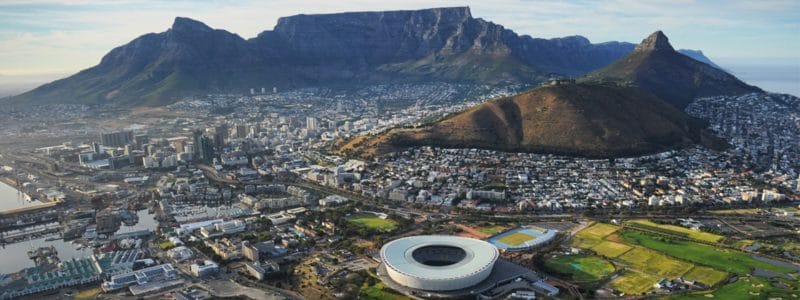
Cape Town
Cape Town in South Africa is hosting the Adaptation Futures 2018

The three-day conference, taking place on the African continent for the first time, brought together more than 1,000 government officials, scientists, experts and business leaders from around the world to connect, learn and inspire actions for climate change adaptation.

The conference highlighted Africa’s vulnerability to climate change. Participants agreed that the impacts of projected warming in Africa are relatively extreme compared to the historical climate condition under which human and natural system have evolved.

“Africa faces a significant challenge in adapting to climate change with the cost and damages of the climate change impacts rising rapidly with increased warming,” said Tlou Ramaru, Acting Deputy Director-General at the South African Department of Environmental Affairs.

Addressing the challenges posed by climate change will inevitable require adaptation, but the intensity of the needed adaptation measures and the scale of damages will be tightly linked to the achievements or inadequacies of efforts made to curb emission, Ramaru told the delegates.

A technical report released at the conference showed that extreme weather events, including droughts, flood and heat waves are likely to become more frequent and more severe, particularly in Africa.

According to the report, human health will be undermined by the risks associated with extreme weather events and increased incidence of transmittable diseases as well as malnutrition.

Those African populations that are already most vulnerable to climatic variability, such as poor inhabitants of informal settlements, will become even more vulnerable, the report said.

“We are therefore, looking forward to exchanging experiences and knowledge that will help the African continent to adapt to these impacts,” Ramaru said.

He shared the experiences in South Africa where unprecedented extreme weather events have occurred in the past few years due to climatic variability in the country, ranging from severe storms and cyclones to a debilitating drought over large parts of the country.

“The reality became more evident last few months when our government declared the current drought crisis across the country a national disaster,” Ramaru said.

South Africa, he said, has just developed the draft National Climate Change Bill, which is currently published for public consultations.

According to Ramary, the bill would provide for the effective management of inevitable climate change impacts through enhancing adaptive capacity, strengthening resilience and reducing vulnerability to climate change, with a view to building social, economic and environmental resilience, and an adequate national adaptation response.

The biennial International Climate Change Adaptation Conference, also known as Adaptation Futures, is the world’s premier conference on climate change adaptation, organised by the UN Environment.

Local research crucial to curb plastic waste pollution, say experts

0

Local research and enforcement of environmental laws are crucial in curbing plastic pollution, according to environmental experts.

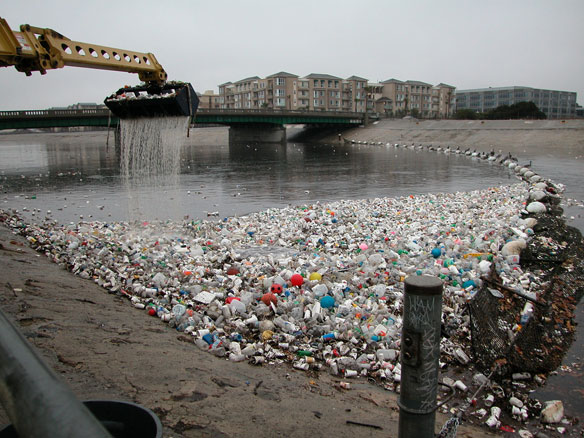
Plastic pollution
Plastic pollution

The experts, who spoke with the News Agency of Nigeria (NAN) in separate interviews on Tuesday, June 19, 2018 in Lagos, advocated for an integrated approach to addressing plastic pollution.

Mrs Kofo Adeleke, Programmes Director at Community Conservation & Development Initiatives (CCDI), an NGO, suggested a selective ban of plastic in the country as well as indigenous research on the alternative use of plastics.

“Dealing with plastic pollution requires an integrated approach; but as the situation becomes critical, we have to talk about the reduction. We also have to ban some types of plastics.

“We need a lot of research and development. We can apply what is being done in other countries but if we do not do our own homegrown research into how plastic pollution can be curbed, we will never get there.

“I do not think we really have proper research and to do proper research requires financial commitment. If the government will not be committed to the research, we will just keep advocating without results.”

Adeleke, however, insisted on the enforcement of environmental laws and regulations to further mitigate plastic pollution in the country.

“If there are environmental laws and they are not being enforced, then the people who created the law should start get together and ask themselves why they are not enforcing it.

“It is time for government officials to be bold enough to address the enforcement of these environmental laws in order to tackle plastic pollution in the country,” she added.

On her part, Mrs Ebere Akwuebu, the Programme Manager, Environmental Law Research Institute (ELRI), advocated for the enforcement of global laws to curb plastic pollution in Nigeria.

“There are global laws against plastic pollution and there has been a UN resolution on marine pollution globally.

“In 2011, the Federal Ministry of Environment came out with a set of regulations, one of which is the Extended Producer Liability regulation which stipulates that a producer of a product is responsible for managing the product from cradle to grave.

“These laws exist; they are more of physical laws but the question is are they being obeyed? Is there compliance? That is an area we need to address.

“Our environmental laws need to be refined in such a way that they achieve compliance and a balanced socio-economic benefit for the country,” Akwuebu said.

By Mercy Okhiade

Windstorm disaster: Buhari dispatches delegation to Bauchi

0

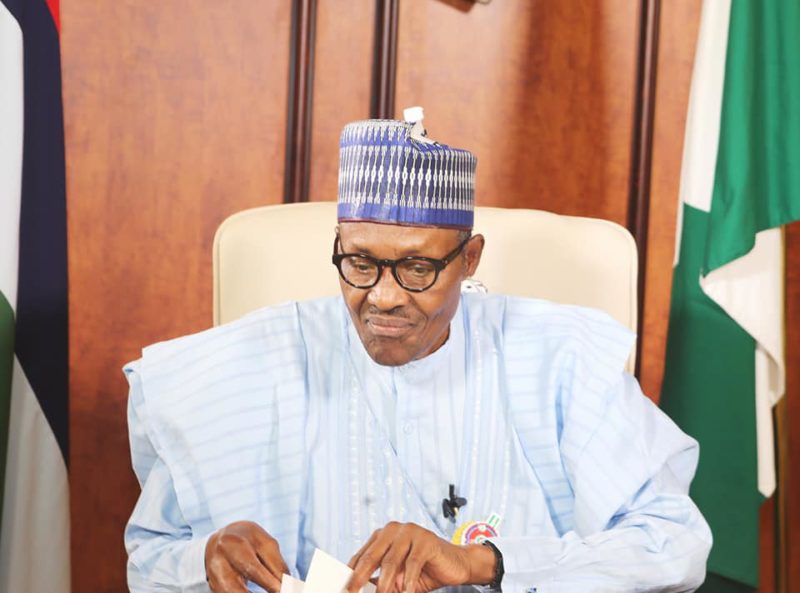
President Muhammadu Buhari has directed the Minister of Education, Malam Adamu Adamu, to lead a Federal Government delegation to Bauchi State, due to a windstorm that damaged an estimated 1505 houses.

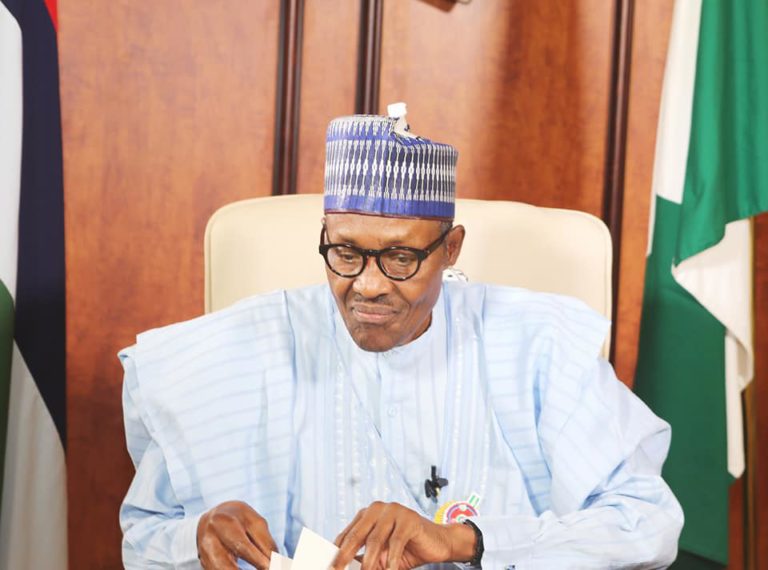
Muhammadu Buhari
President Muhammadu Buhari

Malam Garba Shehu, Senior Special Assistant to the President on Media and Publicity, in a statement in Abuja on Tuesday, June 19, 2019 said the delegation was to undertake an assessment of the extent of damage occasioned by the natural disaster.

According to Shehu, the delegation includes the Director General of National Emergency Management Agency (NEMA), Mr Mustapha Yunusa Maihaja.

He said that already NEMA had started mobilising relief items from its warehouses located in Damaturu and Yola, for onward distribution to those displaced by the windstorm.

“The aid materials are expected to reach Bauchi today, Tuesday evening, while assessment is being conducted on the fire incident in Azare,’’ he added.

It would be recalled that President Buhari had on Monday extended his sympathy to the victims and families of the windstorm and the fire incidents.

The President said that the “nation stands in solidarity with their fellow countrymen in this difficult time, as they face the devastation with courage and fortitude.”

The News Agency of Nigeria (NAN) reports that eight persons have so far been confirmed dead, while 120 are reported to have sustained various degrees of injuries.

Azare, another major town was struck by a major inferno that razed down the market in the town few days after.

By Ismaila Chafe

Climate Wednesday utilises sport to create plastic pollution awareness

0

A non-governmental organisation (NGO), Climate Wednesday, has embraced sporting activities to raise awareness about the negative effects of plastic waste pollution.

Climate Wednesday
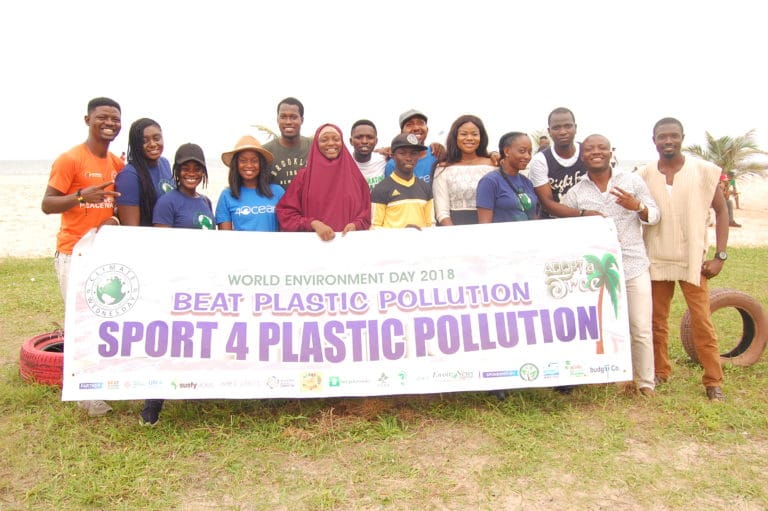
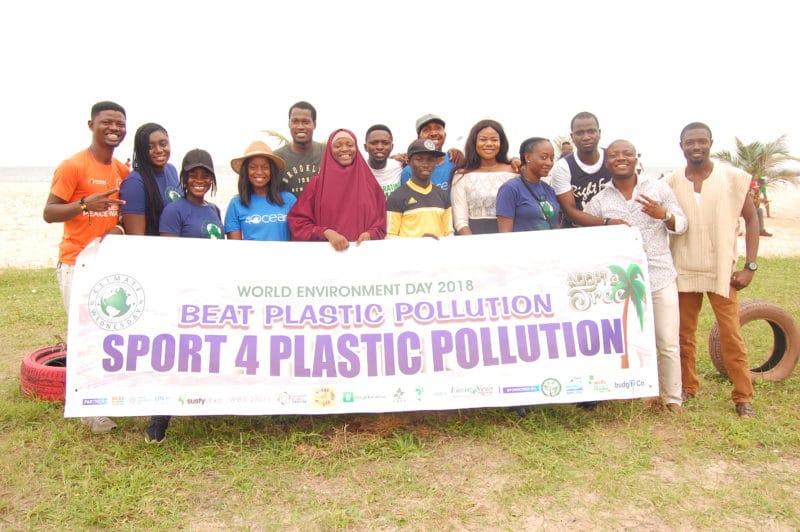
Participants at the event

As part of activities to commemorate the 2018 World Environment Day (June 5) and World Oceans Day (June 8), Climate Wednesday and ICCDI hosted an event tagged: “Sport for Plastic Pollution” on Saturday, June 9, 2018 at the Kids Beach Gardens, Elegushi, Lagos. The event was in line with the United Nations theme for the World Environment Day: “Beat Plastic Pollution”.

The event, according to the organisers, was aimed at using sports to promote awareness and action for the protection of the environment.

The event was attended by representatives of notable organisations such as Arctic Infrastructure, Climate and Sustainable Development Network of Nigeria (CSDevNet), EnviroNews, REES Africa, Fight Against Desert Encroachment (FADE Africa), Fabe International Foundation (FABE), Galaxy 4 Peace, One Voice Initiative for Women and Children Emancipation (OVIWCE), Swags News, Local Guides and Going Green Initiatives, as well as BudgIT.

Co-founder of Climate Wednesday, Olumide Idowu, in a welcome address, reiterated the need for concerted efforts to beat plastic pollution and how sport, which is universal, can be used to communicate with people to make wiser choices in order to ensure a safer, greener and healthier environment.

Director of Community Engagement, Babatunde Enitan, charged participants to take local actions to reduce plastic pollution and promote environmental sustainability.

Thereafter, representatives of each organisation present gave brief overview of what their organisation is doing to beat plastic pollution, as well as the impacts and future plans they are looking at to take action.

The activity of the day created awareness about the impacts of plastic pollution. The event fostered team work and collaborations as the only way to “Beat Plastic Pollution”.

Each organisation also aims to show that sports can be a driving force towards reducing plastic pollution. The event also shed light on how the global sports community is coming together to raise awareness and inspire action on plastic pollution.

“Our sport activities were really engaging and representatives of each organisation and other individuals took part in games like volleyball and chess. Other activities of the day included general cleaning of the beach and adoption of trees in the Kids Beach Garden to beautify and preserve the environment,” said Idowu, even as he gave the closing remarks and showered encomium on the management of the Kids Beach Garden, “for their great work and cooperation”.

He also took time to specially thank all the organisations that supported and took part in the event.

Communications director, Adekoya Abiodun, gave the vote of thanks and implored participants to take the message of environmental sustainability and beating plastic pollution back to their various communities and other places they are associated with.

The World Environment Day event was supported by organisations like the Arctic Infrastructure, Climate and Sustainable Development Network of Nigeria (CSDevNet) and EnviroNews.

Indonesian hotel sets path towards carbon neutrality

0

A beach hotel resort in Bali with a focus on sustainability has become the first company in Indonesia to take the Climate Neutral Now pledge, to measure greenhouse gas emissions, reduce where possible and offset the rest.

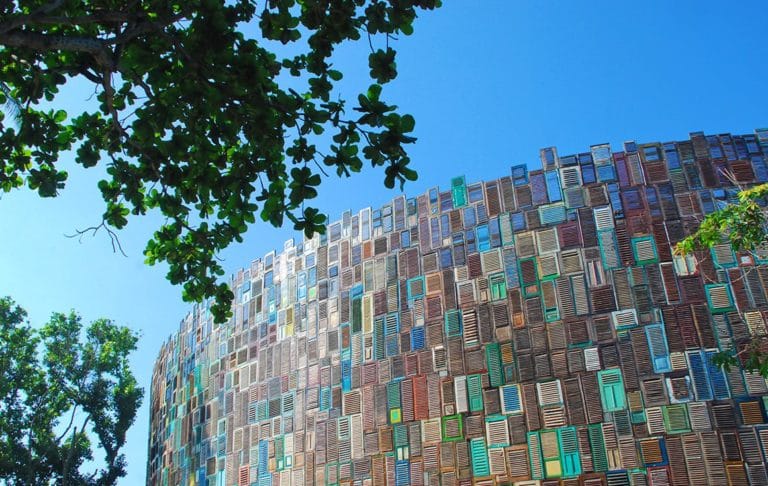
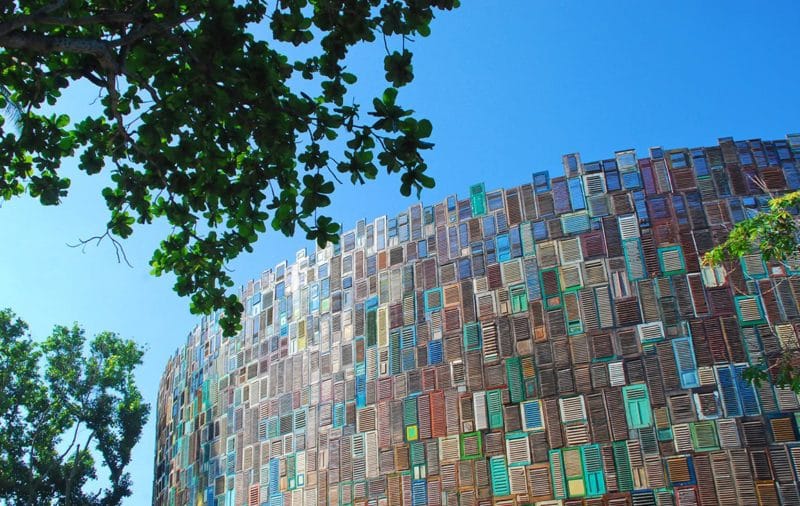
Katamama Hotel
The Katamama Hotel façade comprised of antique window shutters salvaged from across the Indonesian archipelago

This pledge is one of many being taken across the globe by organisations, companies, events and individuals to curb greenhouse gas emissions in line with the goals of the Paris Climate Change Agreement. The hotel’s pledge is part of a general shift towards carbon neutrality and sustainability from the global tourism industry, which is responsible for around 10% of global greenhouse emissions, mainly from travel.

The company has, for example, been able to drastically reduce the amount of waste it sends to landfill and has established industry benchmarks for eliminating waste and promoting recycling in Indonesia, said Ronald Akili, founder of Jakarta-based Potato Head Family, owner and operator of the Katamama Hotel and Potato Head Beach Club.

The company reports that both the hotel and beach club serve local foods responsibly sourced from likeminded farmers and prepared using sustainable methods.

“A climate-neutral mindset is as necessary as impeccable customer service,” said Mr. Akili. “Our mission as a company is to provide good times and do good in the world. Our projects are always done as sustainably as possible because that is what the future needs; we hope to inspire both our local community and our industry peers,” added Mr. Akili.

Climate Neutral Now offsets – cancelled credits each representing a tonne of CO2 reduced or avoided – come from projects vetted and registered under the UN’s Clean Development Mechanism, everything from clean cookstove projects, to wind power projects that displace the use of fossil fuels, to large industrial projects.

Katamama Hotel and Potato Head Beach club has established renewable energy targets for all new and existing properties, which includes use of efficient lighting and electric appliances and the generation of its own potable water.

On a local level, the Katamama hotel has had a focus on sustainability and supported the traditions of its island home since its inception. It was built using 1.8 million bricks, each hand pressed by local artisans and fired using only biomass – a time-consuming technique typically reserved for Bali’s sacred temples.

The painstaking process both fulfilled the artistic vision of Indonesian architect Andra Matin and the company’s mission to rescue this diminishing handicraft, said Mr. Akili.

“We are delighted to have Katamama and Potato Head Beach Club as signatories of the Climate Neutral Now initiative. Their philosophy aligns with our goals of a climate neutral world that has met the Sustainable Development Goals,” said Niclas Svenningsen, Manager of Global Climate Action at UN Climate Change. “We hope they will inspire others to take action to support local and global solutions to climate change, and help deliver on the goals of Paris Climate Change Agreement and the SDGs.”


How the Tourist Industry Is Increasingly Moving towards Carbon Neutrality and Sustainability

The International Tourism Partnership (ITP), a global organisation linking the world’s most powerful hotel companies, embraced the Paris Agreement objectives and commissioned climate research in 2017. Its ITP carbon report highlights the hotel sector’s carbon reduction goals of 66% by 2030 and 90% by 2050.

Further, 16 New York hotels have joined mayor Bill de Blasio’s NYC Carbon challenge in a commitment to reduce greenhouse gas emissions from their buildings by 30 percent or more in the next ten years. Similarly, Hilton recently announced it will reduce carbon emissions by 61% in line with the Paris Agreement and approved by the Science Based Targets Initiative.

AfDB mobilises funds to actualise Côte d’Ivoire pay-as-you-go solar home systems

0

In very remote rural areas of some African countries, access to electricity for low-income people is still through traditional and outdated systems such as battery-powered flashlights or oil lamps that pollute and are extremely harmful to health.

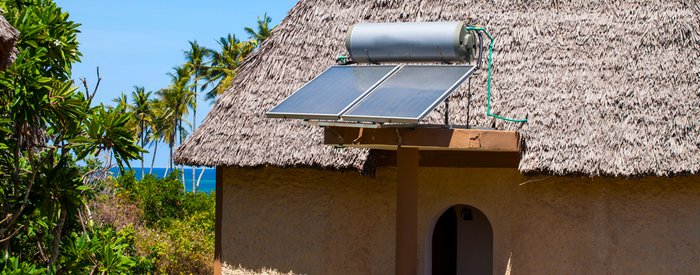
Solar panel
Solar panel

In response to this urgent need, the Board of Directors of the African Development Bank (AfDB) has approved a proposal to help Zola EDF Côte d’Ivoire (ZECI), to mobilise a loan in local currency to the tune of CFAF 15.75 billion (approximately € 24 million) arranged by Société Générale de Banque in Côte d’Ivoire (SGBCI) and Crédit Agricole Corporate and Investment Bank (Crédit Agricole CIB). The AfDB will provide a partial credit guarantee covering part of the guaranteed loan facility as a catalyst.

NEoT CI, the special purpose vehicle currently being created to mobilise the receivables-backed senior loan, is sponsored by NEoT Offgrid Africa (NOA), an investment platform focused on distributed energy in Africa, managed by NEoT Capital, with Meridiam and EDF as investors. In addition, the Grameen Crédit Agricole Foundation will participate in the financing of ZECI and will monitor environmental and social norms for the duration of the transaction.

The project will pilot a local currency receivables-backed financing structure to allow ZECI – a 50/50 joint venture between Off-Grid Electric (OGE) and EDF – to provide access to approximately 100,000 rural households with pay-as-you-go solar home systems by 2020. This operation would be the first large-scale local currency financing structure using the securitisation technique for the off-grid renewable energy sector in Africa.

ZECI’s business model, which consists of selling solar kits that meet international quality standards, under lease-purchase agreements for a three-year period (creation of predictable receivables payable with mobile money), makes it easier for low-income customers to access clean energy. In addition, it enables financial inclusion, including through the establishment of credit history, as well as access to financing and ownership of assets.

Presenting the project, AfDB’s Renewable Energy and Financial Sector Development directors –  Ousseynou Nakoulima and Stefan Nalletamby, respectively,  emphasised the viability of the operation, its alignment with the bank’s High 5s, namely “Light up and power Africa” (New Deal on Energy for Africa, especially reaching the target of 75 million households by 2025,”Improving the quality of life for the people of  Africa” and the Flagship  Industrialisation Strategy, which aims to “create liquid and efficient capital markets”, by supporting the development of innovative new financing mechanisms.

Furthermore, Amadou Hott, the bank’s Vice President in charge of Energy, noted that “the financing is in line with the 2016-20 National Development Plan of Côte d’Ivoire, the Strategic Plan for the Energy Sector and the Electricity for All programme initiated by Ivorian authorities to electrify all localities by 2020.”

Board members underscored the relevance of the support, which will complement the Transmission and Distribution Network Strengthening Project (PRETD) in Côte d’Ivoire (approved on November 2, 2016) to fund electricity transmission and distribution networks, ensuring access to clean energy for underserved households.

The provision of clean electricity under the project will have considerable impact on many low-income households in rural areas. It will also improve health outcomes by helping to reduce harmful kerosene lamps. It will improve the socio-economic situation of the target population, especially women. Through the use of mobile payment systems, the project will promote financial inclusion of rural populations. The project also contributes to the development of the financial sector by piloting a receivables-backed financing structure.