Shell Nigeria Exploration and Production Company Limited (SNEPCO) has donated four ultramodern science laboratories to Erku Secondary Commercial School in Ekiti Local Government area of Kwara State. This is said to be the latest effort by the Shell deep offshore company to spread its social investments across Nigeria and boost the study of science subjects among secondary school students.
L-R: Social Performance and Social Investment Lead, Shell Nigeria Exploration and Production Company, Hope Nuka; Deputy Manager, Community Development, National Petroleum Investment Management Services (NAPIMS), Mrs Jolayemi Kolapo; The Amuludunloye I, Owa of Eruku, HRH Oba Busari Ayinde Olarewaju; Director of Human Capital Development of Kwara State Ministry of Education, Mrs Comfort Abioye and General Manager, Deepwater Exploration, Shell Nigeria Exploration and Production Company, Adedayo Adewuyi at the inauguration of the World Class Laboratory Centre at Eruku Secondary Commercial School in Kwara State
“The importance of science education cannot be overemphasised particularly in this age of rapid technology advancement. Government alone cannot do it which is why SNEPCo, its government and co-venture partners have continued to intervene in this critical area of youth development just as much as we do in the health sector,” said Managing Director of SNEPCo, Bayo Ojulari, at a ceremony in the school last week to handover the multi-million-naira laboratories to the school management.
Represented by SNEPCo’s General Manager, Deepwater Exploration, Adedayo Adewuyi, Ojulari charged the students to take maximum learning advantage offered by the well-equipped laboratories to develop their potential in Science, Technology, Engineering and Mathematics.
Deputy Manager, Community Development, National Petroleum Investment Management Services (NAPIMS), Mrs Jolayemi Kolapo, said NAPIMS on behalf of NNPC was pleased to support SNEPCo’s focus on education across Nigeria as a proof-point of government’s commitment to people development in its partnership with oil and gas companies in the country.
Kolapo, represented the Group General Manager of NAPIMS, Roland Ewubare, said: “We believe that our investments should not just be in the bolts and nuts but also in the people. Assisting the Government to provide quality Education delivery is a crucial aspect of our investment and that is why NAPIMS is pleased to partner with SNEPCo on the delivery of this project. We therefore encourage the school to make judicious use of the laboratories for the intended purpose. It is only by so doing that the huge investment made in putting this project in place would be justified.”
The Kwara State Commissioner for Education and Human Capital Development, Bilikisu Oniyangi, described the laboratories as world-class standard and charged parents and teachers to “deliberately encourage youths to have inquisitive minds that can help in carrying out research for solving modern day challenges that pose a threat to humanity”.
Oniyangi, who was represented by Director, Human Capital Development in the ministry, Mrs. Comfort Abioye, described SNEPCo’s intervention as timely noting that “the project supports the policy thrust of the state governor on the improvement of quality teaching and learning of science subjects aimed at facilitating development in technology and human development”.
Management, staff, parents and students of the school, and community leaders who witnessed the handover of the laboratories were all full of praises for SNEPCo, NNPC and their partners for extending their social investment to their community, noting that the laboratories would go a long way in supporting the students’ preparation for internal and external examinations. They called on the statement government to complement SNEPCo’s gesture by providing qualified science teachers to the school.
SNEPCo pioneered Nigeria’s deep-water oil and gas production at the Bonga field, a project that increased Nigeria’s oil capacity by 10% when output began in 2005. The company, working with its government and co-venture partners, has a long history of supporting education. About 267 sstudents are currently on SNEPCo’s full-board scholarship in top-rated secondary schools across Nigeria while another 100 students are in different universities on the company’s scholarship.
The Management of ExxonMobil has given reasons why spy police officers on the company’s employ were terminated shortly after being absorbed in compliance with the recent Supreme Court order.
ExxonMobil Nigeria headquarters in Lagos
On July 13, 2018, the spy policemen working for the company in its operational locations in Lagos, Eket in Akwa Ibom State and other places simultaneously staged protests over alleged denial of their “official” entitlements.
The Chairman, Security Workforce ExxonMobil, Okon Johnson, said the protesters, some of whom put in almost 22 years’ service, accused the management of refusing to comply with the Supreme Court order to absorb them as employees of the company.
However, Ogechukwu Udeagha, the company’s spokesperson, denied the accusations.
Udeagha said the management had fully complied with the Supreme Court order by providing compensation packages for the affected personnel.
Udeagha said in a statement: “The compensation packages covered all categories of affected personnel, including those in active service, and others who had already left the services of the company before the judgment.”
Besides, he said the company also offered human resource consulting services to assist the affected police officers with employment opportunities with third parties working for the company.
But a senior official of the company who requested his name not to be revealed, said though the management absorbed the policemen in compliance with the Supreme Court order, their appointments had to be terminated for “operational reasons”.
The source said: “The company complied with the Supreme Court ruling by acknowledging the spy police as employees.
“But given the business model MPN is running, calculating their emoluments and benefits was a challenge.
“Most of them have School Certificate as their highest qualification.
“Now, the least of them will get a minimum of 10 years annual basic salary and allowances up till July 13, 2018, in addition to August salary paid in lieu of one month notice of disengagement from service.
“They were hired or recruited and trained by the Nigeria Police and deployed to Mobil Producing Nigeria.
“The company has been paying them through the police.
“Administratively, they were being managed by the police, including their promotions and other benefits.
“Most of the police officers, who joined the service in the 1990s, have put in a minimum of 12 years of service.
“The case went all the way to the Supreme Court and was decided in their favour.”
The official said the policemen took ExxonMobil to court demanding to be absorbed as full staff to be entitled to full benefits like every other MPN employees.
However, the official said due to the peculiar nature of the oil and gas industry, ExxonMobil was compelled to terminate their appointments, despite agreeing to pay all their benefits, gratuity, leave allowance arrears and pension going back to when they began to work for the company.
The official said: “ExxonMobil is an oil and gas producing company, and not a security services provider. In all, they were about 900. Of this number, a lot of them have either retired, moved on to other jobs, or died. Those who are still active are about 500, more than all the engineers.
“As an operator of a joint venture with the federal government, management thought it would be difficult to defend their status as employees on the payroll of the company.”
The official said at the time they were issued letters of employment as directed by the Supreme Court, they were informed the company would not be able to carry them in the company’s books as employees going forward.
Rather, he said they were told those who are strong enough to continue working would absorbed through a third-party security provider to the company for them to continue working for MPN.
Renewable energy developer, Dr Sunny Akpoyibo, has announced the launch of the Nigeria Green Campus Initiative (NGCI), which is focused on entrepreneurship and empowerment, and coming with over $1million of funding to scale up innovative projects.
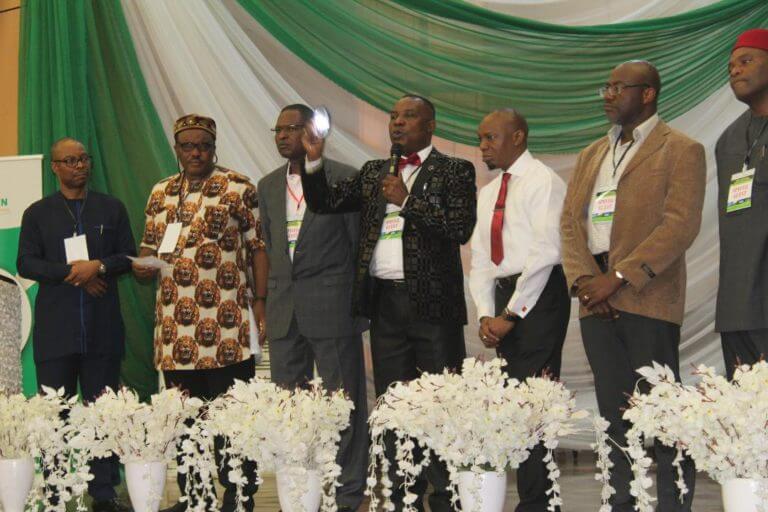
Dr Dunny Akpoyibo (middle), President Asteven Group, announcing the Nigerian Green Campus Initiative. From Left: Prof Tony Nyong, Director Green Growth and Climate Change, AFDB; Dr Magnus Onuoha, President, Sustianable Energy Practitioners Association of Nigeria, SEPAN/Coordinator, Green Economy Lecture/Awards Series; Dr Peter Tarfa, Director, Department of Climate Change, Federal Ministry of Environment; Prof. Chukwumerije Okereke, Keynote Speaker/Member, Intergovernmental Panel on Climate Change (IPCC)
The announcement was made at the Third Green Economy Lecture/Awards held from Monday, July 16 to Tuesday, July 17, 2018 in Ilorin, Kwara State.
“Our children go to schools and are at the mercy of unreliable power systems. With this initiative, we shall be able to deploy portable lighting systems to campuses and students in our tertiary institutions; and at the same time, contribute towards helping entrepreneurs start up their businesses in the industry,” says Dr Akpoyibo.
A brainchild of the Asteven Group, the NGCI is in partnership with the Federal Ministry of Environment, Green Economics Institute of Nigeria, First Bank and other partners.
This announcement was made as the Light Up Kwara (LUK) Project of the Kwara State Project received a huge boost with the hosting of the 3rd Green Economy Lecture/Achievement Awards 2018, with the theme, “Carbon Market: Challenges and Opportunities in Nigeria”.
Prof. Chukwumerije Okereke, a Professor of Environmental Science and Development and a member of the Intergovernmental Panel on Climate Change (IPCC), delivered the keynote presentation at the first day of the two-day event. This was followed by a panel discussion anchored by Prof. Anthony Nyong, Director, Green Growth and Climate Change, African Development Bank (AFDB).
The Green Economy Council Roundtable, moderated by Dr Victor Fodeke, Initiator, Nigeria’s Green Economy Hall of Fame, had a presentation on: “Understanding Green Economy”, and was followed by an interactive session with participants at the lecture.
Day Two witnessed a masterclass session by Richard Okibe, MRV (Measurement, Reporting, Verification) expert with the Federal Ministry of Environment, on “Challenging Issues in Agriculture, Forestry and other Land Use (AFOLU)”. It was followed by a tour to sites of green economy projects of the Kwara State Government under the Light Up Kwara Project, which showcased the innovative Solar Light Tunnels, said to be the first of its kind in Africa. Over 80 percent completed, it is said not to have displaced residents and that it is a wholly private sector funded PPP project.
The event ended with the induction of outstanding Nigerians and institutions who have contributed hugely to development of the Green Economy and Sustainable Development of Natural Capital in Nigeria into The Green Economy Hall of Fame. Inductees included: Dr. Newton Jibunoh, Dr. Victor Fodeke, Dr Sunny Akpoyibo, Dr Magnus Onuoha and a Posthumous Award to Ken Saro Wiwa, received by Asu Ekiye, who thrilled guests with his music.
Deserving professionals in the green economy space were also recognised with achievement awards, among whom were: Segun Adaju of Solar Direct, Hannah Kabir of Creeds Energy, Femi Adeyemo of Arnergy Nigeria, Habiba Ali of Sosai Renewables, Chuks Umezulora of Auxano Solar, and Dr Abdulfatah Ahmed, Governor of Kwara State.
The Green Economy lecture is an initiative of the Sustainable Energy Practitioners Association of Nigeria (SEPAN), Green Economics Initiative of Nigeria (GEIN) and Global Legislators Organisation for a Balanced Environment (GLOBE), Nigeria Chapter, as well as Asteven International Group.
Construction bigwig, ITB Nigeria Ltd, has disclosed that it is set to complete its first steel and concrete building project, tagged the “Azuri Peninsula.” The structure is being built at the Eko Atlantic City in Lagos.
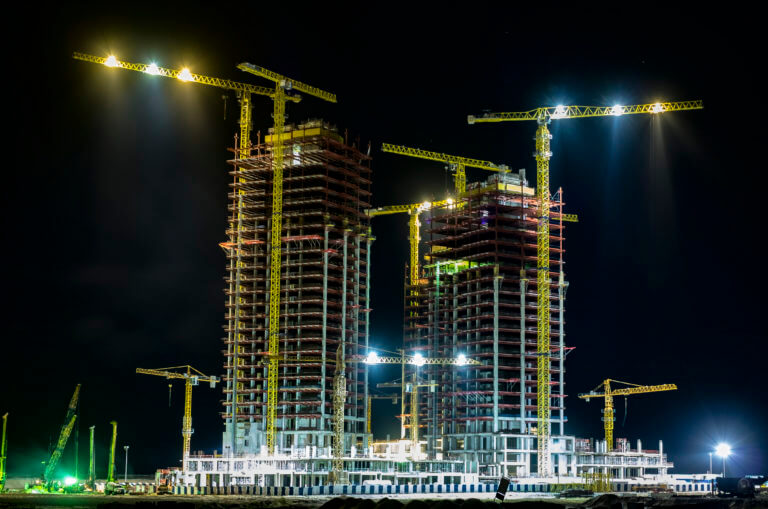
The Azuri Peninsula under construction
The Azuri Peninsula project, which began in early 2015, is said to be a unique steel and concrete residential building project that consists of three sets of over 30-storey towers. It offers a collection of four-bedroom luxury and super luxury apartments, two- and four-bedroom Marina Town houses, as well as six-bedroom simplex (penthouses).
Commenting on the project, Managing Director of ITB Nigeria, Mr. Ramzi Chidiac, said, “We are excited about this project because it’s our first composite structure created by a combination of steel and concrete to form a single element. This helps to deliver performance that is more effective than when individual components are used together but not unified. This testifies to the excellent work that we do at ITB Nigeria. We are focused on fully understanding the needs of our clients and delivering on our promises, regardless of the scale or complexity of the challenge at hand.”
Steel and concrete structures involve a mix of steel and concrete together to form a single element. The tensile capacity of the steel and the compressive capacity of the concrete results in a standard structure. This gives rise to benefits like speed, performance and value. Additionally, concrete encasement protects the steel from buckling, corrosion and fire.
On his part, QA/QC Coordinator, ITB Nigeria, Emmanuel Adeyemi, stated, “The uniqueness of composite structures is that it enhances speed of construction, performance and value. Steel framing for a structure can be erected quickly and the pre-fabricated steel floor decks can be put in place immediately. When cured, the concrete provides additional stiffness to the structure, making the structure one that can stand the test of time.”
ITB Nigeria Ltd is the major building civil engineering contracting firm handling some of the infrastructural projects being carried out in Eko Atlantic City.
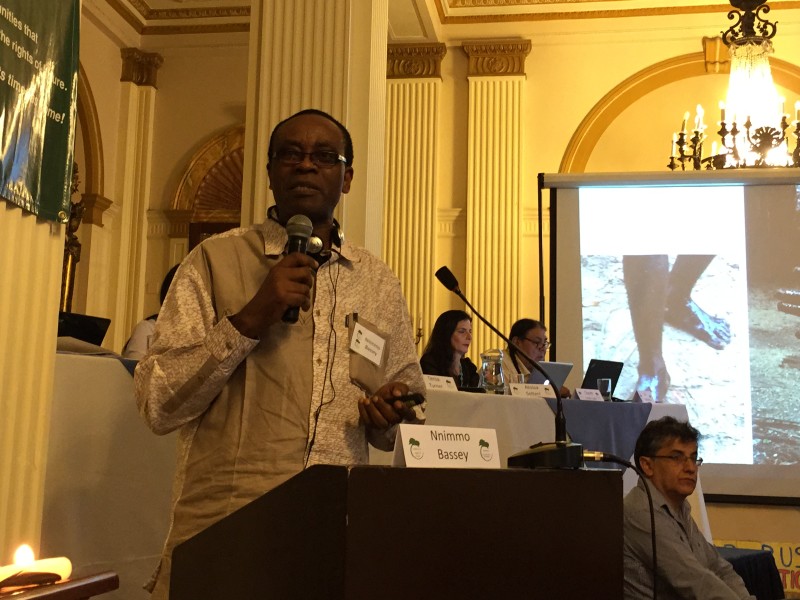
Being Right Livelihood Lecture delivered by Nnimmo Bassey, Director, Health of Mother Earth Foundation (HOMEF) Saturday, July 21, 2018 at Chulalongkorn University Right Livelihood Summer School, Bangkok, Thailand, with the theme: “Healing the Earth, Healing Society, Healing Self”
Nnimmo Bassey, Director, Health of Mother Earth Foundation (HOMEF), is part of the 12-member Ogoni clean-up Board of Trustees. He was picked to represent non-governmental organisations on the BoT
The fondest memory of my late father is captured by the moments when we stood at the back of our home and gazed at the verdant valley rolling off our garden and on to the sculpted hills that fade off as far as our eyes could see. Those were the moments he told me stories of life. The stories close to his heart. And each time we stood there he told me the same stories. Although I grew weary of hearing the same tales over and over again, I always looked forward to those precious, private moments. Today, older and hopefully wiser, I understand the power of looking across valleys and over hills.
Memories. Life. Hope.
There was a time when I got really agitated and angry if anyone responded with the phrase “no problem” when asked “everything okay?” The phrase, “no problem”, indicated to me that the respondent was not attentive to the objective realities around him/her. My emotions have been so moderated that I can stomach that response these days. I would only extend it: “no problem that cannot be overcome.”
Some of the problems confronting humankind today have been constructed by our greed, naivety and indifference. Humankind has arisen as a unique species when it comes to exploitation without responsibility and appropriation of the gifts of Nature without appreciation. Commodification of Nature has not ended in the transformation of the physical elements around us to the marketing of intangibles and things only grasped by imagination. Think of the fact that our major medium of exchange is the imaginary promissory material called money, for which individuals compete, kill and destroy. Is it not surprising that many people measure their worth by this weightless imaginary means of exchange?
The assault on Mother Earth has tested her patience. She was here before humans arrived. She will be here after we have left. How shameful that we could imagine that we own Mother Earth or a piece of her!
Market Environmentalism and Loss of Memory
The commodification of Nature has been built on the false notion that Nature can only be protected or defended if it has a monetary value. This extremely contentious idea has become mainstream in neoliberal thinking and drives policy discussions in official bilateral and multilateral spaces. Not surprisingly, serious harm has resulted from the market environmentalism and the loss of sense of the intrinsic value of Nature. These harms have not only arisen from the unrestrained exploitation of Nature without thought being given to the repercussions, it has permitted the crimes of ecocide and even genocide as tolerable inevitabilities.
It is this thinking that made a Chief Economist of the World Bank to write (in an email in 1991, see at www.whirledbank.org) that Africa is under polluted and that it made economic sense to ramp up pollution on the continent. In his words, “…I think the economic logic behind dumping a load of toxic waste in the lowest wage country is impeccable and we should face up to that. I’ve always thought that under-populated countries in Africa are vastly under-polluted.”
We see in this position that the market dogma can permit the twisting of logic and the wilful poisoning of whole populations without compunction. In this statement, Africa is not only presented as nothing but a waste dump, she is also presented in a narrative that permits abuse. Here we refer to the notion of some African countries being under-populated. Although most African countries are actually under-populated, the popular narrative, and one that permits aggressive birth control proposals for the continent, is that Africa is overpopulated and is plagued by a threatening youth population bulge.
The logic of being under-polluted gives a good explanation of why international oil companies operating in the communities of the Niger Delta, Nigeria, can maintain an uninterrupted oil spilling and gas flaring for sixty years. As we speak, there are ongoing oil spills and unquenched gas furnaces raging in the communities. Raised as totems of development, the activities of oil companies have rendered the environment hostile to human survival. Oil activities have not only instituted militarisation of the region and the attendant human rights abuses, the installation and transportation of extractive facilities have led to severe habitat loss and fragmentation occasioning the decline in biodiversity as well as threat to sustainable livelihoods of rural communities. Fragmentation of habitats in some communities come through the laying of oil and gas pipelines. In coastal communities, fresh water systems have been experiencing salinisation due to canals constructed to allow movement of equipment inland. The result of turning fresh water brackish is a severe loss of biodiversity as well as loss of access to potable Water.
With water, soil and air assaulted with toxic elements, it is no surprise that human life expectancy has dropped precipitously to a mere 41 years in the region.
On the other hand, the idea that Africa is over populated is hinged on to encourage manipulation of plant genetic material in ways that are harmful to human health as well as the environment. Products of agricultural biotechnology are accompanied with heavy doses of toxic chemicals which degrade soils and run off to pollute water sources. This technology which is portrayed as the silver bullet to agricultural challenges puts livelihoods of millions of small scale farmers at risk while it favours a large-scale farming system that is driven by the profit motive and thrives on market monopoly.
Meanings and Actions
In a foreword to a report by Health of Mother Earth Foundation (HOMEF), “Beyond Oil – Reimagining Development in the Niger Delta”, Alberto Acosta reminds us that “serious environmental damage caused in the name of ‘modernity’, development and progress, the bastardisation of concepts such as “sustainable development”, the persistence of false solutions such as the “green economy”, make it necessary to look no longer at alternative developments, but rather at “alternatives to development” and indeed alternatives to capitalist society. Such limitations should not lead to catastrophic conclusions. In various parts of the world, and in the Niger Delta itself, there are communities that re-imagine their lives over and over again.
“They have understood that they cannot follow the mantra of development and progress imposed by colonial and neo-colonial invasions, whether military or conceptual. And from these readings many communities give concrete answers honed from their own daily life in response to their demands of life. Breaking with the false promises of oil, people’s alternatives emerge in this region of Africa, such as training, learning and re-learning programs; breeding poultry and chickens; integrated sustainable farms; community microcredit schemes; economic diversification programs; banana plantations without chemicals or transgenics; fish farms; own telecommunication and transport systems; communal farms to produce rice; use of renewable resources …”
Latching on the African philosophical concept of Ubuntu, Acosta points out that the needed alternatives are practical and hold the promise of “a decent life for many communities but, in addition, they are projected into the future, because they possess a strategic horizon of action. These alternatives are based on an ethical position: an assumption that a human being must not only take care of him or herself, but others as well. A person is understood to become a person by looking through the eyes of others; thus, human beings have to act with the consciousness of being interconnected with the rest of humanity and other living beings. Such a way of life involves caring directly for the environment and working for life in harmony with Mother Earth.”
It is dangerous to assume that simply because we speak to one another we have a common understanding of the terms and concepts that we use. It is rather the interrogation of terms such as modernity, development, progress, sustainable development and green economy that reveals whether we are on the same track or if indeed we are heading in divergent directions.
Things labelled modern are superficially seen as superior to things that are labelled primitive. Can this position be routinely correct? It cannot be assumed that simply because weapons of mass destruction are modern then they are superior to weapons of war that date back to thousands of years. Neither can we say that the fossil fuel dependent automobile is superior to a bicycle, outside the concept of speed. Even then, is moving faster an ideal if one is headed in the wrong direction?
Green is a Colour
Concepts such as carbon trading, green economy and even clean coal so readily capture attention. An oil company like Shell publishes an annual Sustainability Report. How sustainable is the extremely polluting extraction of oil and gas? Consider that other mining companies and governments project ideas of sustainable mining. How can extraction be sustainable. Extraction by definition is subtraction, a taking away, a hacking away at Mother Earth. In the same vein, sustainable development as a concept is an oxymoron. It is only when there is an agreed definition of development, including a base line that shows what is developed, underdeveloped or developing, that we can say if what is so defined is realistic in a finite world and if the conditions that led to that state of affairs can be replicated.
Green economy evokes an image of life, but in reality, it places life on the chopping block. Built on the concept of commodifying Nature or keeping tabs of natural capital, it places value on so-called environmental services, including the job done by rivers and even the value of pollination by bees. It is doubtful that anyone can gauge the true value of the gifts of Nature in a way that would produce an equal ecological exchange.
By creative or selective accounting, efforts to internalize environmental costs in the price of commodities has not gained traction. This wilful amnesia ensures that vulnerable workers, communities, territories and nations bear the hidden costs of extraction and production while the oligarchs smile to the bank with their bounties.
There is a global rejection of subsidies doled out to fossil fuel industries. We applaud the need the remove those subsidies, but that is not going far enough. When shall relief come to the communities/territories that are subsidising the cost of extraction by bearing the brunt of environmental costs? When will Mother Earth enjoy a relief from these unending despoliations? When, indeed will the call to Keep it in the Ground become a binding rule and not just a slogan mouthed by the polluters and their supporting neoliberal institutions? When, indeed, will we demand an end to pollution and not merely demand that polluters pay?
The Measure of Progress
What development or progress birth wellbeing? Efforts have been made to measure development and progress through a variety of indexes including the notorious Gross Domestic Product (GDP) which has been described as Gross Domestic Problem. It has been shown by many analysts that the GDP of a nation has no correlation to the state of wellbeing of the citizens. Yet other indices include Measure of Economic Welfare (MEW), Total Income System of Accounts (TISA), Index of Sustainable Economic Welfare, Physical Quality of Life Index (PQLI), Human Suffering Index (HSI) and Ecological Footprint.
Writing on the quest for statistical measure of economic performance, Joseph Stiglitz said, “Just as a firm needs to measure the depreciation of its capital, so too, our national accounts need to reflect the depletion of natural resources and the degradation of our environment. Statistical frameworks are intended to summarise what is going on in our complex society in a few easily interpretable numbers. It should have been obvious that one couldn’t reduce everything to a single number, GDP. The report by the Commission on the Measurement of Economic Performance and Social Progress will, one hopes, lead to a better understanding of the uses, and abuses, of that statistic.”
Some politicians and statisticians are stuck with the GDP because it offers flattering pictures of their economies. As a compilation that is built mainly on imagination and sleight of hand, the GDP stubbornly marches on despite the arrival of other measures such as Human Development Index (HDI) and the Gross Happiness Index (GHI) that are closer to reality and do indicate a correlation to reality and the hopes of citizens.
Consider how Nigeria became Africa’s largest economy in 2014. Nigeria’s GDP was said to have grown by 6.81 percent in the third quarter of 2013. But this and other optimistic GDP projections mask the lived reality of ordinary citizens on the ground as evidenced even in official statistics. For example, a joint study conducted by the World Bank (WB) and the Nigerian Bureau of Statistics (NBS) on poverty in Nigeria. A blog on the report opens with an oblique statement that “The World Bank and the Nigerian Bureau of Statistics (NBS) have recently completed an in-depth analysis of Nigeria’s last set of household survey statistics, which were compiled in 2010 but until recently were not fully understood”. Why did it take the WB and the NBS so long to get to the point of comprehending the real situation? The stumbling block obviously is the stark contradiction between the huge growth rates in the nation and the “stubbornly high” poverty rates.
Reporting on the sudden jump of the Nigerian economy, the Economist (8th April 2014) tackled “How Nigeria’s economy grew by 89% overnight.” It explained that the base year for previous computations was 1999, but the government decided to change that base to 2010. The opening paragraph of the report makes a clear statement about GDPs. Here: “ON SATURDAY, April 5th, South Africa was Africa’s largest economy. The IMF put its GDP at 354 billion last year, well ahead of its closest rival for the crown, Nigeria. By Sunday afternoon that had changed. Nigeria’s statistician-general announced that his country’s GDP for 2013 had been revised from N42.4 trillion to N80.2 trillion ($509 billion). The estimated income of the average Nigerian went from less than $1,500 a year to $2,688 in a trice. How can an economy grow by almost 90% overnight?”
Waging War with GDP
The GDP as an economic measure goes back to the 1600s and has its roots in war efforts. It began when a physician of the British army, William Petty, was asked to conduct a systematic survey of the country’s wealth in order to aid in the redistribution of land among the soldiers. In order to position both land and labour for taxation, Petty tried to place market value on them. In the process, Petty got to increase his financial assets significantly. He acquired land from soldiers cheaply in lieu of salary and as such lands were declared “unprofitable.”
During the great depression of 1929 and 1941, it was found that market forces could not stabilise the economy quickly enough. The then president of USA needed a means of stimulating the economy and statistician Simon Kuznets started to work on the conceptualization and measurement of national income in 1932. His aim was to condense all economic production by individuals, companies and the government into a single number. The method developed by Kuznets finally came together during the Second World War (1939-1945) and the GNP was used a main scorecard for the design and implementation of national economic policy.
The GNP accounts turned to be a powerful instrument used to estimate militarization costs and to calculate the speed at which the economy needed to grow in order to ‘pay for war’. Instructively, the government aimed to get citizens to increase consumption in order to be able to pay for the ammunitions used in war. It should be noted that Kuznets reportedly had reservations on the GDP right from the start.
How could war or use of hard drugs be counted as activities that add to human welfare?
In the words of Lorenzo Fioramonti, “GDP was designed as a war device. That war did not end in 1945 but has continued ever since. It turned into an endless war against social equilibria, natural environments and non- renewable resources, in which consumers become the new foot soldiers; ultimately, a war against our own future on this planet”.
Humility and Defiance: Looking across that Valley
Saying No to mining and Yes to life is not a decision taken lightly. It is an inescapable objective reality when one has seen and experienced widespread ecocide in communities and territories that happen to harbour the gifts of Nature. Humans have no doubt developed tools through the transformation of Nature. However, the shift into a throwaway system of production where obsolescence is inbuilt, so as to promote inordinate consumption, is indefensible. The sure way to living well is by respecting Mother Earth and ensuring that our actions do not impede her right to maintain her cycles.
Standing on the lips of the valley behind my father’s house, it becomes clear that living well is possible for individuals, communities and the larger society. Living well happens when we are at peace with ourselves and with other beings and see them as our relatives. Living well happens when solidarity trumps competition and reckless wars. Living well occurs when we do not compete about whose car or house is bigger. Not even about who has the larger or more destructive nuclear button.
As my mind’s eyes wander beyond the horizons, it becomes clearer that well-being is not a private affair. It may begin as a personal quest but is only actualised in our connectedness. It is consummated in the commons, in our collectives, in our cooperation and in our undying trust that we can recover our memory. A recovered memory reminds us that the Earth does not belong to us, but that we are children of the Earth. Calling ourselves sons and daughters of the soil states a deep truth. As Vandana Shiva stated, we are the soil!
We are stewards bequeathed with gifts that have generational responsibilities. It is time to see the gifts of Mother Earth as re-sources perpetually calling on us to re-connect to her. True reconnection provokes healing and at the same time eliminates divisive instincts, and the dispositions that promote exploitation, domination and destruction.
The complex ecosystems around and within us yearn for an understanding of the intricate connections in the webs of life. Living with this consciousness and practice is Ubuntu, true liberation, true healing of both self, society and Mother Earth. We are individuals, yet we are community. This reality calls for both humility and defiance. Humility to accept that the tiniest being, even those invisible to our naked eyes, and the most complex ones need each other. Defiance by the essential need to oppose irresponsible exploitation of the gifts of Nature, ecocide and war.
The power that will tilt the ecological balance in favour of the health of Mother Earth, respecting the rights of Nature, will come through broad based mass movements joining forces, building common understanding and forging global solidarity of peoples.
In conclusion
We are at a crossroads. The Chinese saying advices that to get out of a hole you have to stop digging. Now is the time to make the transition to a post extractivist world. Extractivism has had its day and has driven many species to extinction. It has yielded what may euphemistically be termed a plastic civilisation. Now is the time to move to the back of our homes and take a long gaze at the remains of what we have not yet destroyed.
It is time to gaze at the valleys and hills and re-connect and re-encounter Nature as a critical priority that cannot be postponed. We simply have to terminate models that situates humans as external to Nature. We are children of Mother Earth and it is time to wake up, regain our memory and return home. For healing to begin and be sustained we have to put a halt to the harms.
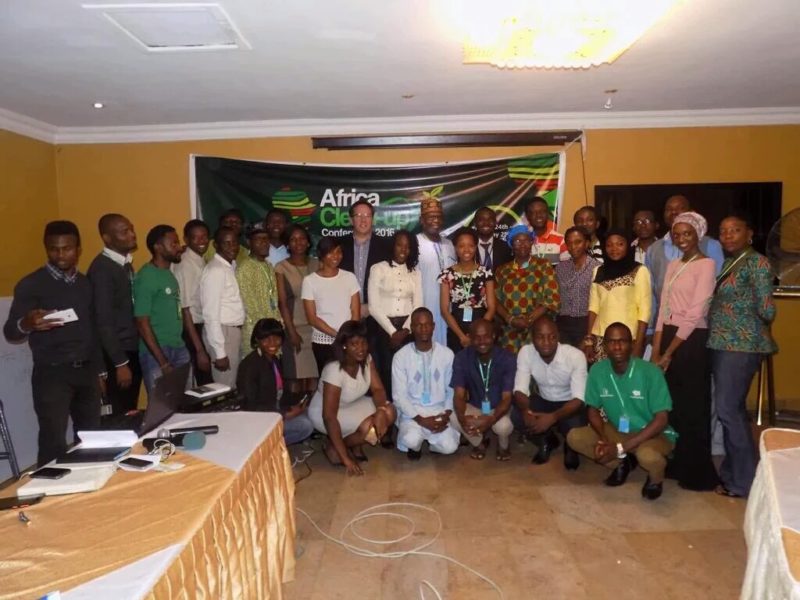
Stakeholders in the African environmental management sector will converge on Lomé in Togo from Monday, August 23 to Thursday, 26, 2018 for the Africa Clean Up Conference and Award 2018, ostensibly to explore a robust eco-business experience and devise a roadmap for a greener and cleaner Africa.
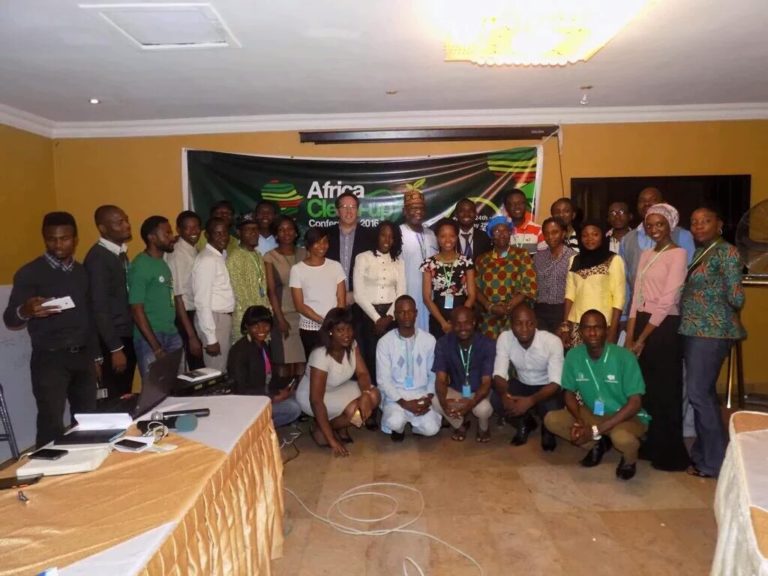
Cross section of participants at a previous Africa Clean-up Conference
The weeklong event has “The Business of Environmental Sustainability” as its theme.
About 100 delegates are expected to grace the event, organised in partnership with the JVE International. The knowledge-based conference, according to the organisers, will also feature an Award Night, Green Tour to a recycling unit in Togo, Green Exhibition/Fair and Networking. During the award night, individuals and organisations making a positive impact in the environmental and community development space will be recognised and celebrated.
According to Alex Akhigbe, the Chief Environmental Officer (CEO) of African Clean Up Initiative (ACI), convener of African Clean Up Conference and Award, the responsibility of addressing environmental issues lies first with “us as Africans; and creatively determining and exploring ways of success within our environmental space equally concerns us.”
His words: “Africa Clean Up Conference and Award creates a platform for Africans to congregate and discuss their peculiar environmental challenges and determine indigenous solutions that best tackle their issues. More so, it encourages and motivates for greater good individuals and organisations whose initiative and best sustainable practice is contributing to conserve Africa.
“We cannot over emphasise that the dearth of information among our citizens makes environmental best practices in African a mirage. Exploring the business aspect of environmental sustainability will bring renewed insights to addressing our challenges while gaining economic and social impacts.”
The ACI started the journey of addressing the African environmental experiences by Africans in 2016 in Nigeria. It was hosted by Ghana in 2017 in partnership with African Youth Organisation. Some of the conference speakers were Desmond Majekodumi, Ola Oresanya, Isaac Mbit Bryant, Simon Turner, and Yahaya Ahmed, among others.
The Debt Management Office (DMO) on Friday, July 20, 2018 said the Federal Government would issue another Green Bond to finance capital projects in the 2018 budget before end of the year.
Ms. Patience Oniha, DG, Debt Management Office
Ms Patience Oniha, DMO Director-General, stated this at the listing ceremony of the pioneer FGN N10.69 billion Green Bond at the FMDQ OTC Securities Exchange in Lagos.
The Green Bonds are fixed income, liquid financial instruments used to raise funds dedicated to climate mitigation, adaption and other environment-friendly projects.
They provide investors with an attractive investment proposition and an opportunity to support environmentally and socially sound projects.
Oniha, who was not specific when the second tranche would be floated, said it would be for this year’s borrowing.
She said the amount to be raised in the second tranche had not been determined by the government.
“It should be for the borrowing of this year, we can’t give you a figure. We have already asked the Federal Ministry of Environment to work towards it,” she said.
Oniha said the Federal Government was excited to midwife the green bond initiative being the first country in Africa to issue sovereign green bond.
“We are excited to midwife this initiative that has put Nigerians in the forefront of something extremely commendable.
“And we have seen same sort of trend in the international market when we approach the market and other African countries will follow suit,” she said.
Oniha said the funds from the N10.69 billion Green Bond and the subsequent ones would be for specified projects from the appropriation act like the Sukuk bond.
“The project will be very specific and would already have been listed in the budget. So, what is required is for them to be part of the budget and to be qualified for green bond financing,” she said.
Oniha said the Federal Government issued a N10.69 billion Green Bond aimed at combating the threat of climate change in line with the Paris Agreement on Climate Change on Sept. 21, 2016.
She stated that the issuance would encourage other categories of issuers including other tiers of government and corporate organisations.
According to her, green bonds provide an additional instrument in Nigeria’s bond market and an investment outlet for environmental conscious investors as well increase the variety of instruments and further deepens the market.
Ibrahim Jibril, Minister of State for Environment, said, “Nigeria takes pride in being the first African country to issue sovereign green bond and only the fourth nation in the world to do so.”
Jibril said the issuance reinforced Nigeria’s re-emergence as a major player in the international climate regime.
He added that it showed President Muhammadu Buhari’s strides in moving the nation towards being a low-carbon economy.
“The issuance of a green bond by Nigeria delivers on programme 47 of its Economic Recovery and Growth Plan (ERGP), in addition to meeting the expectation set out in Article 2 of the Paris Agreement,” Jibril said.
Mr Bola Onadele, the Managing Director, FMDQ OTC, said the exchange would remain committed to the transformation of the nation’s debt capital market.
Onadele said the organisation would continue to work with other stakeholders to deepen the debt market with introduction of new products.
“This year, we introduced sustainability and corporate responsibility goal and we take that seriously and that shows that as an organisation, FMDQ is addressing issues of sustainability,” he said.
“As a cross-cutting issue, environmental challenges are paramount to any sustainable development establishment, and therefore positive attitudinal change towards the environment particularly waste management becomes a driving force for any country’s socio-economic development.”
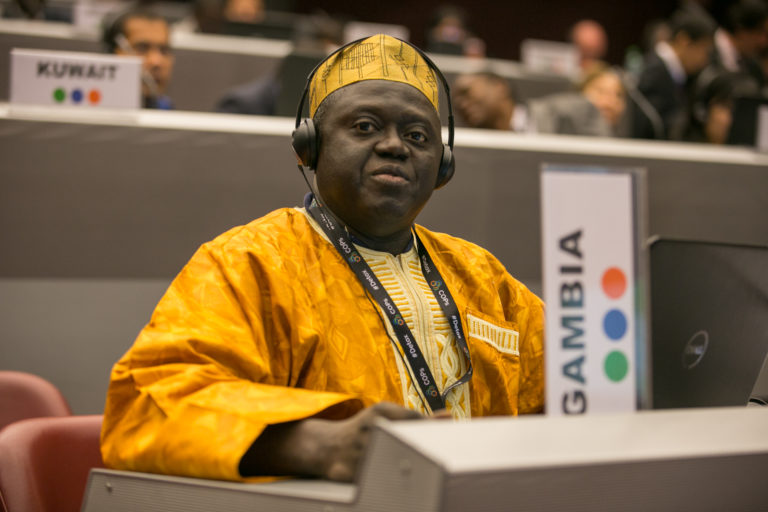
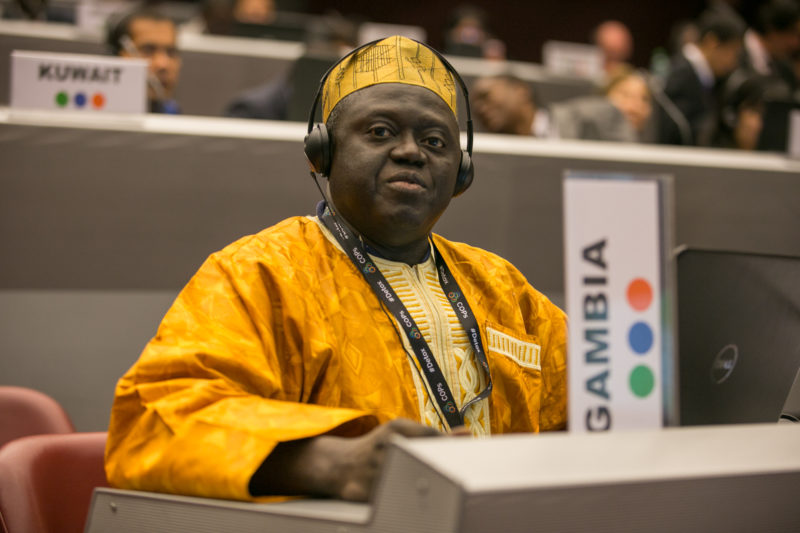
Momodou Jaama Suwareh
Momodou Jama Suwareh, the Executive Director of the National Environment Agency in The Gambia made these statements recently during an exclusive interview with EnviroNews in his Kanifing office.
This came against the backdrop of numerous reports that some communities are addicted to throwing their domestic waste into the run-off water during the rains, and this cocktail complex of waste are eventually deposited into the marine systems. A practice common with the women folk, Suwareh called on the general populace to desist from such behaviour as it not only affects human health and the ecosystem, but also threatens man’s existence.
A considerable percentage of Gambians entirely depend on the marine systems as their source of protein and other potential benefits, then, are we not poisoning our own source of livelihood? he questioned and called on the public to put away such ungodly attitude.
On an equal footing, the executive director extended the warning to motor maintenance garages locally called Fitter-Garage to immediately cease spilling used oil on the ground or into waterways. He disclosed that environmental inspectors would access and monitor such garages in an effort to curb the negative operation.
Environmental awareness, he said, is inadequate in many developing countries including The Gambia. Therefore, inhabitants must take ownership of their surrounding environment to prevent the prevalence of transmittable and other environmental related diseases that we can contact through poor waste management.
Dilating on, Suwareh revealed that the population is growing rapidly while many of the urban communities are also experiencing the negative effects of unplanned urbanisation particularly the impacts on sanitation and waste. This, he warned, would steadily but surely erode successes achieved, and could prevent the nation attaining environmental and health objectives of development blue prints.
Counting on, he posited that waste management in African countries including The Gambia is emerging as a key threat to health, environment, economy and quality of life of millions of Africans as the level of urbanisation, motorisation and economic activity increases. Negative attitudes towards the environment deteriorate the air quality, cause pollution, contamination, etc. that lead to adverse effects on the poor, the elderly and the children, he pointed out.
Suwareh noted that these unwarranted behaviours led to the establishment of the Anti-Littering Regulation that was put into law on June 14, 2007 with the objective of strengthening the irrefutable positive links between a clean environment and good health. The regulation would also serve as a deterrent for individuals, companies and communities not to abuse the process of waste management.
The Executive Director of the NEA suggested a mass mobilisation of the public to conduct cleansing exercises that is extremely necessary at the very commencement of the rainy season, to avoid creating conducive breeding place for mosquitos.
He further disclosed that certain waste types such as the empty glass bottles, metal cans, tyres etc. capable of holding rain water, serve as perfect breeding area for the larvae of mosquitoes and other vector-borne insects. To remove all such empty canisters capable of holding rainwater from compounds and other public facilities at this very start of the rainy season should be accorded the highest priority by the public, he pointed out.
In conclusion, he stressed that attitudinal change towards waste would have a direct positive result on the prevalence of malaria cases, being one of the killer diseases in the country.
“Without the necessary mass mobilisation of the public, a large portion of these waste volumes would remain uncontrolled thus posing lots to environment and health threats, as they may end up in our marine water ways,” he warned.
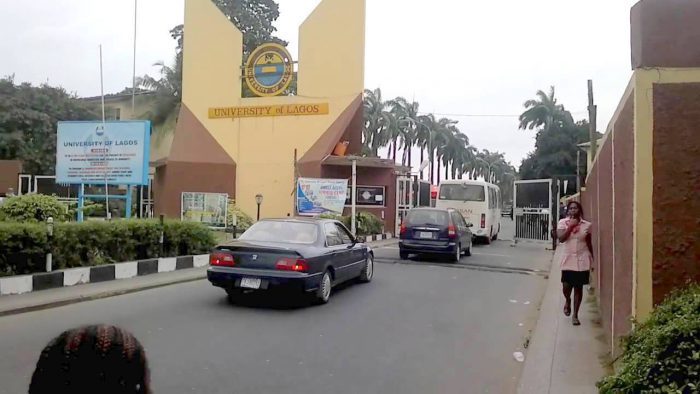
Experts on population and urbanisation will from Tuesday, July 24, 2018 converge on Lagos to proffer solutions to Africa’s challenges to urbanisation, at the 2018 International Conference on Africa Smart City Agenda.
University of Lagos, Akoka
The Chairman of the Local Organising Committee of the conference, Prof. Leke Oduwaye, made this known at a press conference on Friday, July 20 in Lagos.
He said that Prof. Banji Oyeyinka, a former Chief Scientific Advisor, the UN-Habitat in Nairobi, and German Consul, Lagos, Mr Herbert Igno, would lead in the discussions at the two-day conference.
Oduwaye said that the event scheduled to hold at the University of Lagos, was being organised by the Faculty of Environmental Sciences of the institution with the theme “Conceptualising, Creating and Co-Producing’’.
According to Oduwaye, Oyeyinka would speak on “African’s Smart City Agenda: Repositioning Africa through Technology and Urban Innovation”, while Igno would discuss “A Smart City for the People: What Do Cities Really Need and What Makes Them Smart?’’
The conference committee chairman said that Africa was the least urbanised region of the world at the moment, with only about 40 per cent of its people in urban settlements.
Oduwaye, however, said that Africa was the continent with the fastest rate of urbanisation and the last frontier of development.
According to him, in the next few decades, the population of the Africa is expected to grow to 2.4 billion, with most of the population increase expected to occur in the cities.
“As cities are increasing both in size and population, the pressure to address the challenges are becoming more daunting.
“These challenges include inefficiency and inadequacy, as manifested in urban sprawl, high incidence of informality, social inclusion, slum and poverty, lack of basic services and infrastructure, dysfunctional land and housing delivery, population and environmental degradation, among others.
“A major gaining prominence in the global urban development discourse is the application of smart city initiative, which aims at leveraging on Information and Communication Technology (ICT) solutions to enhance efficacy and productivity of cities.
“Normatively, a smart city is a city that balances investments in human and social capital, traditional (transport) and modern ICT infrastructure as well as effective management of natural resources through participatory action and engagement,’’ he said.
He noted that most researches on smart city concept largely focused on developed and emerging countries.
According to him, not much has been done to explore contributions of the built- environment application of the smart city concept in Africa although it is gaining prominence in the development agenda of many cities in Africa.
He said that Lagos, Abuja, Accra, Nairobi, Kigali, Cairo and Johannesburg were examples of such cities.
He gave the assurance that the conference would seek to unravel critical questions including if smart city agenda was part of the solutions or part of the problems of African urban development in the context of the current socio-economic realities.
“It will also seek to know, based on the challenges and opportunities, how African Smart City Agenda should be conceptualised, designed, created, financed, implemented and managed,’’ he said.
In his remarks, the Dean of the Faculty, Prof. Mike Adebamowo, hoped that the conference would rekindle interest of key stakeholders in partnering with the institution in research that would further provide solutions to environmental challenges.
Members of Miyetti-Allah Cattle Breeders Association of Nigeria (MACBAN) on Friday, July 20, 2018 agreed to stop grazing their animals in the premises of Plateau State University (PLASU), Bokkos.
Cattle grazing in the premises of Plateau State University, Bokkos(PLASU), Bokkos
The association gave the pledge during a meeting it held with Operation Safe Haven, Bokkos Command and the Management of Plateau State University.
Present at the meeting were the MACBAN Vice Chairman, Isa Idris, represented by Sale Yusuf Adam, Operation Safe Haven, Bokkos Command, represented by Lt. Paul Asoh and the Chief Security Officer of PLASU, Mr Istifanus Kurtong, who represented the Vice Chancellor, Prof. Yohanna Izam.
The trio agreed on zero tolerance for day and night cattle grazing on the premises of the university.
Idris, the MACBAN representative, pledged his members’ resolve to stick to the agreement reached at the meeting.
He said: “We will ensure that our members do not trespass into the premises of PLASU.”
The PLASU vice chancellor, who described the agreement as “landmark’’ to the institution, added that “the activities of herdsmen had been disturbing, as they usually break through the university fence to graze their cattle both during the day and night.
“The incessant trespass by the cattle breeders had always resulted to breach of peace in the institution.
“We agreed that henceforth, the herdsmen would stop any form of grazing within the university premises as there was no cattle route running through the university community to warrant such action.
“By this agreement, security agents are now at liberty to take any action they deem fit over any cattle apprehended grazing in the university community during the day or at night.”
The vice chancellor assured parents, guardians and stakeholders that the university authority would not leave anything to chance toward ensuring the safety of students and staff.
He announced that management had approved the location of a security outpost near the university for rapid response.