Home Blog Page 1846

Gap between consumers’ wish and companies’ act to respect biodiversity

0

New surveys of more than 5,000 consumers in five countries indicate that the majority (79 per cent) feel that “companies have a moral obligation” to have a positive impact on people and biodiversity in their sourcing of natural ingredients, but only 37 per cent feel “confident that companies pay serious attention” to these issues.

Rik Kutsch Lojenga
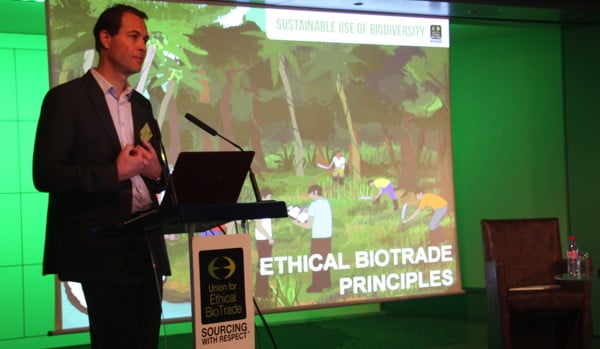
Rik Kutsch Lojenga, UEBT’s Executive Director

The non-profit Union for Ethical BioTrade (UEBT) published the 2018 edition of the Biodiversity Barometer on Wednesday, June 20, 2018. The report offers new insights as well as lessons from a decade of research on biodiversity awareness among over 60,000 consumers in sixteen countries.

The report was unveiled at the Beauty of Sourcing with Respect Conference, an annual event in Paris that brings together executives from global beauty brands, as well as company leaders from the natural pharmaceutical, specialty food, and personal care sectors, in addition to non-profit experts, policymakers and others.

One positive finding from Biodiversity Barometer is that awareness and understanding of biodiversity is rising each year.

Dr Cristiana Paşca Palmer, Executive Secretary of the UN Convention on Biological Diversity, said, “It is promising to see that consumers want action from business.   This trend shows the opportunity for businesses to embrace biodiversity at the core of their business models. The Biodiversity Barometer shows we are heading in the right direction to reach the global target of making people aware of the values of biodiversity and the steps they can take to conserve and use it sustainably. However, much more still needs to be done.”

New this year is the clear evidence that biodiversity awareness is becoming more mainstream, beyond the well-educated and higher income brackets: awareness among people in low income brackets grew 15 per cent points over the last 10 years. In addition, young consumers aged 16 to 24 who were able to define biodiversity correctly, grew 20 per cent points, compared to 10 per cent points growth in awareness across all those surveyed.

“Growing awareness, along with a clear disparity between what consumers want from brands, and how few brands they can actually name that are ‘walking the talk,’ shows an incredible opportunity for business to take concrete action to position their brands as leaders in sourcing with respect for biodiversity and people,” said Rik Kutsch Lojenga, UEBT’s Executive Director and a leading global expert on ethical sourcing.

The only brand that currently stands out among consumers on respect for people and biodiversity remains Natura Cosmetics in Brazil: 62 per cent of respondents mentioned Natura. Its sister brand, The Body Shop, was mentioned most often in the UK, but still with only 33 per cent recognition.   It must be noted that consumers might not be aware of the actions being taken to conserve and sustainably use biodiversity taken by other companies.

Respondents show a strong personal connection to biodiversity. Seventy-four per cent of those surveyed in the UEBT report agreed that it would “personally affect them” if biodiversity disappears. They find biodiversity conservation important for their personal well-being and that of future generations: more than 80 per cent of people in France, Germany and Brazil said that biodiversity is important to their quality of life.

The findings also show that people want to personally contribute to biodiversity conservation, although they don’t know how. Seventy-four per cent of respondents agree that buying products that respect biodiversity makes them “feel good.”

“This latest Biodiversity Barometer report is encouraging businesses to seize the opportunities offered by growing consumer awareness and contribute to a world in which people and biodiversity thrive,” said Dr Paşca Palmer.
Reconnecting to Mother Earth

0

Humans are rapidly losing a sense of being, of being human beings, of being just one of the beings among other beings on Planet Earth. Our inventiveness has radically changed our relationship with Nature and we give little thought to actions which severely disrupt the right of Mother Earth to maintain her cycles. This disruption of our intimate relations with nature comes at a price and the cost keeps mounting. The fact that something must be done to correct this has brought us together here.

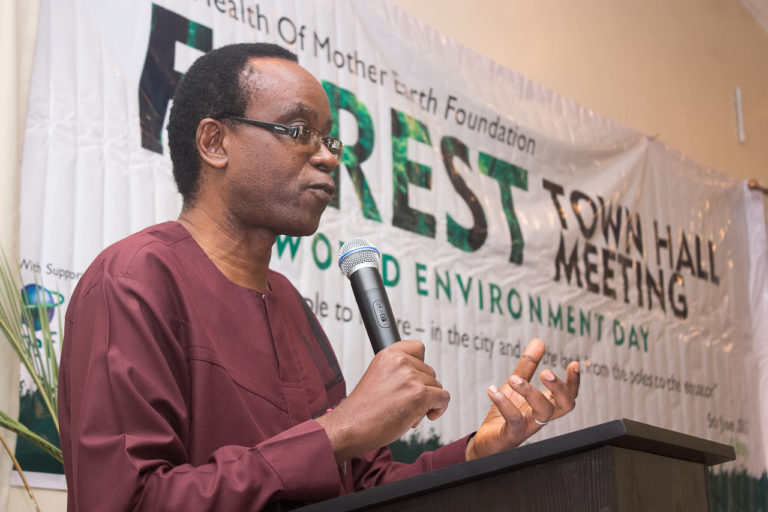
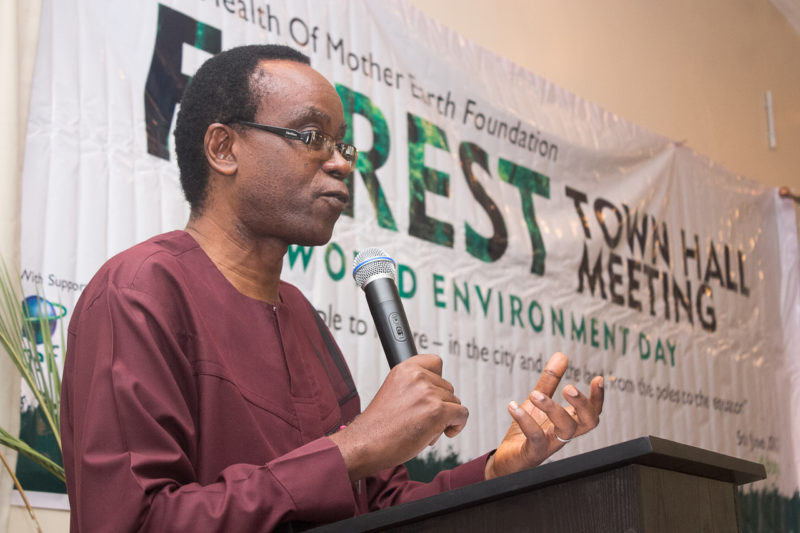
Nnimmo Bassey- Forest Town Hall
Nnimmo Bassey

This gathering presents us with an opportunity to remind ourselves of the brutal assault being unleashed on Earth defenders in parts of the world as they struggle to live in harmony with the Earth, defend their territories and resources and to live in dignity. It is hoped that in this gathering we will spare thoughts on the heroic struggles by brothers and sisters against the assault of extractive corporations bent on amputating the Earth through exploitative activities in mining, oil and gas. It is hoped that we will stand together to denounce corporations assaulting pollinators and soil organisms with agrotoxics and eroding biodiversity through genetic manipulations.

As we reflect on the assaults on the Nature and fashion ways to hold those that commit ecocide to account, we should also roundly condemn actions such as fracturing of the bones of the earth in search of shale gas and oil. We have already literally scrapped the bottom of the natural resource pot. It is time to pause and think. This is why we are here.

The maxim in today’s global political landscape appears to be that might is right. The rightness of that right may be contested, but the rise of unilateralism has rendered multilateralism almost cosmetic. The rise of prescriptive neo-liberalism couched in terms that suggest the respect of democratic ideals of liberty and fair competition has allowed an upsurge of military humanism in the world. The backdrop of this scenario has been appropriately captured as disaster capitalism – a situation where disasters are seen as opportunities to impose a pre-planned superstructure that inevitably denies powerless citizens of the world their rights. The whole idea is to hit the people so hard that they are pushed into a state of shock and while in that condition they are unable to react collectively or cogently to the harm being inflicted on them. Such disasters are increasingly man-made, although even natural disasters are equally exploited to dispossess the weak.

The path of current petroleum civilisation is strewn with blood and skeletons across the world. The recent situation in Nigeria is a glaring example. Many wars have been fought and nations destroyed over Natures gifts or resources. In 1999, as the first barrels of crude oil were shipped from Sudan, so did the war between government forces and those of the then Sudanese People’s Liberation Army escalate. While the bombs were still being dropped in Libya, oil was being exported. When Iraq was invaded and blown apart, the offices of the Petroleum Ministry were spared.

Everywhere there are conflicts and wars today we see the raw situation of war waged for profit and resource appropriation and control.[ii] If this scenario blossoms unchecked, what we experience today will end up being nothing more than a whimper.

There are also less openly explosive conflicts going on today in the world. The lack of climate action on the basis of justice and common but differentiated responsibilities show a tendency were more resilient nations care little about vulnerable ones, especially those set to go under the waves if sea levels continue to rise. We see the burden of climate action being placed on Nature rather than being tackled by checking human consumption appetite and polluting actions. Efforts are being made to label forests as carbon sinks and to displace forest dependent communities in order to secure the carbon stock in the trees or soils or rivers. Market environmentalism elevates ecosystem services as the new and monetized way to see Nature and our environment.

We cannot be silent over this posturing that permits business as usual and places the burden for this indulgence on the poor. We should denounce false climate solutions such as plans for seizing the planetary thermostat through geoengineering. We cannot close our eyes to extreme genetic engineering procedures (including gene editing) that are bound to have grave and irreversible intergenerational implications.

The commodification of Nature has done humans and other beings much harm. Our alienation from nature keeps us from seeing the intrinsic value of her gifts. The quest to appropriate, transform and accumulate resources has bred all manners of iniquitous social relations, oppressions and outright brigandage be they in the form of petty exploitation or outright neocolonialism and imperialism.

We are here on common grounds. We are firm ground. We care about Mother Earth and all beings, knowing that she is constantly fighting for our survival. Time is running out, and we shall not indulge in long talks, but spend time sharing on the way forward on the urgent matters impacting Mother Earth and our lives as individuals and collectives.

We cannot afford mindless conflicts and wars that we see in the world today. It is time to take difficult but essential actions including halting dependence on fossil fuels, stopping polluting activities and reducing consumption levels within planetary boundaries. Conflicts and harms are certain to intensify as the non-renewable re-sources run out and as habitable environment for the reproduction of renewable re-sources reduce.

Earth Trusteeship demands that we reconnect to our roots, to nature and remind ourselves that the Planet can do without humans and that our future can only be secured if we live in harmony with Mother Earth and in solidarity with one another.

This Earth Trusteeship gathering brings much hope. We may not agree on everything; we may not even have the same levels of intimacy with the Earth, but one thing is clear: we are gathered as children of the Earth. We are here on the common ground that we care about Mother Earth and all her children. We all realise that rapacious exploitation of the Planet cannot continue on the current trajectory except some clever guys can invent or have already invented and patented a Planet B. Together we can make a difference and get back on track aligned with Mother Earth.

By Nnimmo Bassey (Speaking outline at the Earth Trusteeship Gathering, The Hague, Netherlands, 22.06.2018)

Clean Games: Ogun residents sensitised to effective waste management

0

Residents of Sagamu in Ogun State have been, courtesy of the Clean Games, sensitised to proper and effective waste sorting, recycling and disposal.

Bolaji-Oyeleye
Ogun State Commissioner for Environment, Bolaji Oyeleye

The Clean Games Sagamu was organised by the Let’s do it Nigeria group in collaboration with Junior Chamber International (JCI) on Saturday, June 23, 2018.

The first Clean Games in Africa was held at Oja-Oba, Ekiti State, on May 5, by the group and the Sagamu Clean Games is the second edition of the concept of clean-up that started in Russia in 2014.

The Public Relations Manager of Let’s do it Nigeria, Mr Gafar Odubote, said the games was an opportunity to educate the residents and Nigerians on waste sorting, recycling and disposal.

“We adopted the Clean Games concept to bring solutions to waste management in a practical and fun way. It is one of the best ways to embark on waste management advocacy.

“The games would sensitise Nigerians on proper waste management and recycling, to sustain healthy environment nationwide.

“The Clean Games is a concept of cleaning the environment while educating the people on proper waste sorting, recycling and disposal,” he stated.

Odubote urged Nigerians to promote a sustainable environment culture as the game provided incentives to participants.

“The Sagamu Clean Games is simply a gamification of clean-up. The exercise took four hours while volunteers were grouped into teams. The competition involved collecting trash and sorting them accordingly.

“Points were allocated to the teams, based on waste collected. The teams get incentives and bonuses for getting their bags filled and also for sorting appropriately.’’

“Nigerians must have positive attitudes towards how to manage waste properly from home, encourage recycling while the government must implement enforceable regulations and infrastructures that will support the environment towards achieving a circular economy,’’ Odubote said.

On her part, Mrs Vivian Onije, the National Director, JCI Nigeria, said collaboration for a sustainable environment was most necessary.

“The Sagamu Clean Games is a product of collaboration between JCI Nigeria and the various environmental stakeholders in the country towards achieving the sustainable development goals (SDGs).

“The Clean Games Campaign has brought together various stakeholders in Nigeria to ensure our environment is clean and healthy through engagement and collaboration,” she said.

By Mercy Okhiade

Bauchi foundation embarks on tree planting to protect ecosystem

0

A non-governmental organisation (NGO) based in Bauchi State, the Natural Resources Conservation Foundation (NRCF), says it will embark on aggressive tree planting to protect ecosystem in the state.

Tree-Planter
Tree planting

Mr Ahmad Mai-Abba, the Chairman of the foundation, disclosed this on Saturday, June 23, 2018 while addressing newsmen in Bauchi, the state capital.

He said the foundation has resolved to plant the trees and embark on awareness campaign against indiscriminate dumping of refuse.

“The foundation has resolved to focus attention on two practical interventions in the areas of refuse collection, creation of drainage system among our communities and aggressive tree planting,” he said.

According to him, the recent destruction of properties in the state was the consequence of felling down trees and blockage of drainages.

“We resolve also to embark on massive awareness campaign on the negative activities of dumping of refuse in drainages and wanton felling of trees in forests,” he said.

Mai-Abba said the campaign would be conducted through active collaboration with private agencies and to be supplemented by the efforts of government.

He however flayed the attitude of some individuals towards disposal of waste and cutting of trees recklessly which has created artificial desertification.

He stressed that protection and conservation of natural resources was the responsibility of all, “hence the need for collective efforts towards safeguarding natural endowment from destruction’’.

On the recent windstorm and fire disasters recorded in the state, the chairman called on the state government to do everything possible to ensure the victims receive assistance.

By Mohammed Ahmed Kaigama

Nasarawa offers seven grazing reserves for ranching

0

The Nasarawa State Government has offered the seven grazing reserves in the state to the Federal Government for its proposed ranching programme.

tanko Al-Makura
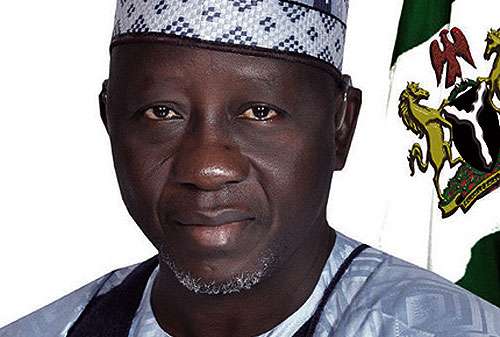
Governor of Nasarawa State, Umaru Tanko Al-makura

Alhaji Mohammed Abdullahi, the Secretary to the State Government announced the in a statement on Saturday, June 23, 2018 in Lafia, the state capital.

Abdullahi said the state government has keyed into the Federal Government ranching initiative aimed at finding sustainable solution to the recurrent farmers and herdsmen crises in the country.

“Governor Umaru Al-Makura has approved the utilisation of all the seven gazetted grazing reserves in the state, located at Awe, Keana, Doma, Assakio, Keana, Gitata and Kurudu for the purpose of the ranching programme in Nasarawa State.

“Consequently, the State Ministry of Agriculture, Ministry of Lands and Physical Planning, affected Local Government Councils and communities where these grazing reserves are located are not only requested to note this development, but also to accord all the necessary support and cooperation for the successful implementation of the programme in the state,” he said.

He said that Nasarawa State completely supported the Federal Government’s initiative and willing to provide all the  necessary support for the success of the ranching programme.

“We see this initiative as an important proactive step towards assuaging and finding a lasting solution to the age-old challenge of farmer-herder conflict,” Abdullahi added.

By Isaac Ukpoju

Beat Plastic Pollution: Why aviation sector is the focus – NES, FAAN

0

Against the backdrop of the theme of the 2018 World Environment Day (WED), the duo of the Nigerian Environmental Society (NES) and Federal Airports Authority of Nigeria (FAAN) has said that the aviation sector is the main area of note.

Aviation
The aviation sector is said to be the biggest user of single-use plastic

The theme of the 2018 WED is: “Beat Plastic Pollution”.

At an event held in Lagos on June 5 to commemorate the WED, Dr Eugene Itua, Chairman, NES Mainland Chapter, explained that the aviation sector is the focus of the Day because, in commercial air travel, it is the biggest user of “single-use plastic”.

He said: “Have you ever found yourself silently cursing while battling to find the slightest bit of space available on your tray after having torn all the plastic wrapping of off everything from your individual tooth pick to your single bread loaf, before you can eat your meal?

“What happens to all those plastics? These wastes are often collected in bags.

“But at destination, are they sorted, recovered, reused, recycled? In number of cases of collection at destination, all these are unlikely.”

According to him, in today’s economy, the high cost of fuel and the push for lower ticket prices drive airlines to purchase aircraft that are as light as possible.

“With their light weight and resistance to high temperatures and corrosive materials, plastic materials are a great choice to replace components historically made of metal alloys or rubber. In the next decades, aircraft with plastic wings and tails are foreseeable,” he added.

He pointed out however that humans, flying or not, see the natural environment deteriorating, which has given the reason why man should “beat plastic pollution” before it destroys man.

“This forms the basis for this year’s World Environment Day Celebration. For NES and FAAN, our focus is the aviation sector which appears to be the biggest in single-use plastics.”

GOCOP backs new Media Code for Election Coverage in Nigeria

0

The Guild of Corporate Online Publishers (GOCOP) has expressed optimism that the newly launched Nigerian Media Code of Election Coverage (Revised Edition 2018) will to a large extent guide operators and separate trained journalists from those who suddenly found themselves reporting simply because they have access to a laptop or phone and data.

GOCOP
Guild of Corporate Online Publishers (GOCOP)

Dotun Oladipo, President of GOCOP, made this declaration on Friday, June 22, 2018 at the public launch and presentation of the Code during the ongoing International Press Institute Congress holding at the Transcorp Hilton Hotel, Abuja.

Oladipo said: “The Guild of Corporate Online Publishers is elated at this recent development in the Nigerian media space with the launch today of the Nigerian Media Code of Election Coverage.

“We have been a part of this as individual publications and as an association since the journey to review the Code began. We are proud to associate with this effort spearheaded by the International Press Centre, headed by our own Lanre Arogundade, and those who have supported the effort through funding and capacity building.

“For us, the Code represents what we believe in as an association, especially as it relates to election coverage.

“In coming together, the idea behind the formation of GOCOP was to serve as a peer review gathering of Online Publishers who have worked in the print for several years, with some of us rising to become Managing Directors/Editors-in-Chief, Title Editors and a minimum of Line Editors. Most of us also belong to the prestigious Editors’ Club in Nigeria, the Nigeria Guild of Editors.”

Oladipo said further that GOCOP is concerned with the upholding of journalism ethics, especially online, where, according to him, “ethics has been thrown away,” adding: “We pledge our support to this cause as we go on this journey to entrench the code.”

Speaking, the Director of International Press Centre, Lanre Arogundade, said the public launch and presentation of the Code “represents a strong statement that good election reporting matters to journalists and media institutions in Nigeria”.

Arogundade disclosed that the Code has been endorsed by six umbrella media professional groups: Newspapers Proprietors Association of Nigeria (NPAN);  Broadcasting Organisation of Nigeria (BON); Nigerian Guild of Editors (NGE); Nigeria Union of Hours (NUJ); GOCOP; RATTAWU; 75 broadcast, print and online media; 15 media support groups; and two journalism training institutions – Nigeria Institute of Journalism and International Institute of Journalism.

Arogundade, therefore, enjoined all journalists and media organisations in Nigeria “to strive to read, digest, understand and implement the provisions of this Code”.

According to him, the ultimate goal is that through the credible reporting of the 2019 elections and the electoral processes before and after it, “we can all contribute to credible, free and fair and peaceful elections in the country”.

Arogundade thanked the European  Union for supporting the production and dissemination of the Code.

In his presentation, the Chairman of the Independent National Electoral Commission, Prof. Mahmood Yakubu, said from their statistics, youths and women would play greater roles in the 2019 elections.

However, Yakubu assured that strategic plan has been put in place to ensure hitch free elections, noting that part of the plan was the release of election timetable in January 2018, a year ahead of the general elections billed for February 2019.

Yakubu reiterated that there will be no electronic voting in 2019, saying: “I want to assure you that the will of election voters will continue to prevail.”

He said no fewer than 85 media organisations have so far been accredited by INEC, adding that the 2019 elections will be the most widely covered in the history of election in Nigeria.

Speaking, EU Deputy Ambassador to Nigeria and ECOWAS, Richard Young, assured that the EU would continue to support process that is fair and transparent, saying it is important that the code of conduct has been put in place.

Young commended all the media organisations that partnered with International Press Centre to come up with the revised edition of the Code, noting that it would contribute to free, fair and transparent elections in 2019.

Present at the occasion were the creme de la creme of Nigerian media and their counterparts from across the world attending the IPI conference.

They included the owner of Channels Television, John Momoh; and the Chairman of NPAN and Publisher of THISDAY Newspaper, Nduka Obaigbena.

Okomu Oil Palm to spend N80m on environmental, health initiatives

0

The management of Okomu Oil Palm Plc in Edo State says it is spending about N80 million on environmental and health safety initiatives for its staff and host communities in 2018.

Okomu Oil Company
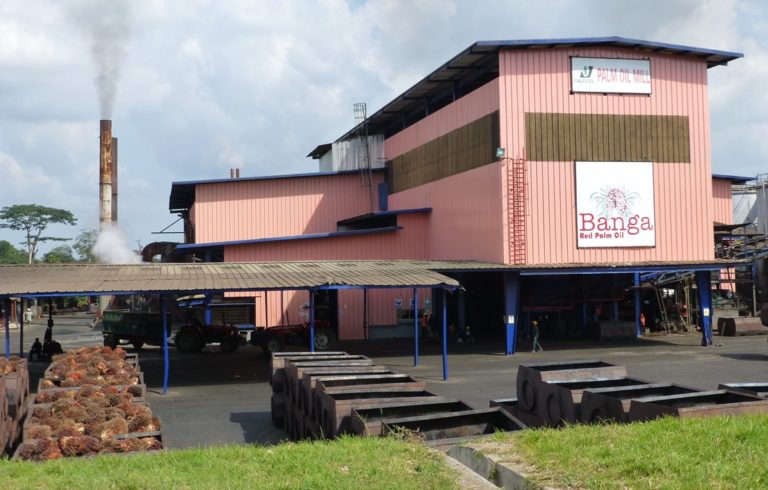
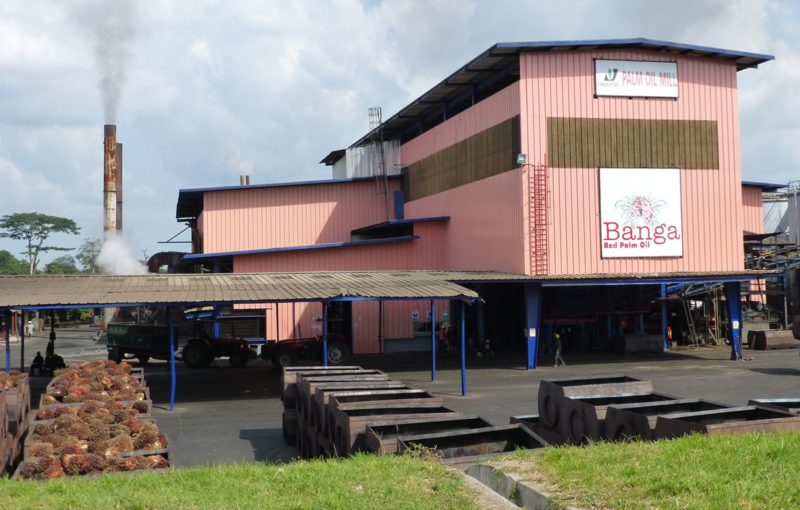
Okomu Oil Company Plc

This, the Managing Director of the company, Dr Graham Heifer, said is in line with international best practices.

Heifer spoke to the News Agency of Nigeria (NAN) on Friday on the side-lines of activities marking the company’s Health, Safety and Environment (HSE) Day.

NAN reports that the day was celebrated at the company’s corporate headquarters at Okomu in Udo, Ovia South West Local Government Area of Edo State.

Heifer said the company’s management, which had taken issues of HSE as a priority, was hopeful of getting the Round-table on Sustainable Palm Oil (RSPO) certification this year to meet global standards.

RSPO was established in 2004 with the objective of promoting the growth and use of sustainable oil palm products through credible global standards and engagement of stakeholders.

Heifer also said: “We will continue to focus our energy on environmental conservation, health, education and safety issues.

“This is to ensure that any negative impact on our staff, their families, communities, stakeholders and the surrounding biodiversity within our jurisdiction as result of our activities are mitigated and minimised.

“The company successfully completed all statutory environmental audits in 2017 without any state and federal sanctions and continues to pursue and maintain certifications by International Standards Organisation to ensure that stakeholders are guaranteed the highest standards possible.

“The company has designated more than 10 per cent of its total area as High Conservation Value (HCV) areas, a notable achievement in the area of conservation.

“In 2017, we spent N8.4 million on environmental impact assessments and audits.

“The company also spent N48 million on staff health, safety and welfare programmes, up from N35 million in 2016.

“This year, we hope to spend between N60 million and N80 million on HSE.”

The managing director further said that the company had invited independent auditors from internationally recognised NGOs who work closely with RSPO for independent assessment.

“The independent auditors have said we are good to go and all that is remaining is for us to book an appointment with an auditor from RSPO to do its order which we hope will take place in October.

“Once we are certified, we are then able to display the ISPO logo on our banner like the ISO certification.

“The certification will be pleasing to us as that will make Okomu Oil Plc the first Nigerian company to be so certified by RSPO,’’ he said.

Mr Benson Imasuen, the Edo State Chairman of the Agricultural and Allied Employees’ Union of Nigeria, commended the management of the company for its proactive measures, especially on HSE-related matters.

“It is wonderful to know what Okomu is doing with HSE to ensure safety of human beings and the environment.

“It’s one of the companies we know that is 100 per cent compliant with RSPO conditions.

“We as a union are confident that the company will get RSPO certification this year,’’ he said.

NAN reports that among those who attended the HSE Day were officials of the Labour, Employment and Environment Ministries as well as Okomu Zoological Park.

Dignitaries at the occasion also included the Iyase of Udo, Chief Patrick Igbinidu as well as leaders from the host communities of Ofunama, Inikorogha, Oke-Irhiue Odighe, Ekpan, Owan and Odiguetue.

NAN recalls that the company had on June 12 announced a N2.8 billion dividend after tax for shareholders.

By Kevin Okunzuwa

Beat Plastic Pollution: Group promotes educational tour to recycling firms

0

One of Nigeria’s leading environmental advocacy groups, #PickThatTrash, on Monday, June 18, 2018, used the public holiday as an occasion to lead a group of young people for an educational tour to two recycling plants in Abuja – Chanja Datti Recycling Limited and Environmental Expressions Limited.

Waste recycling
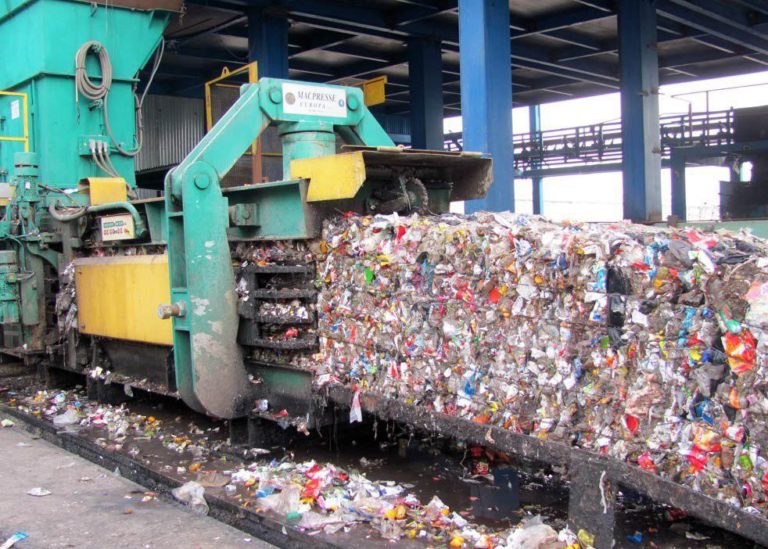
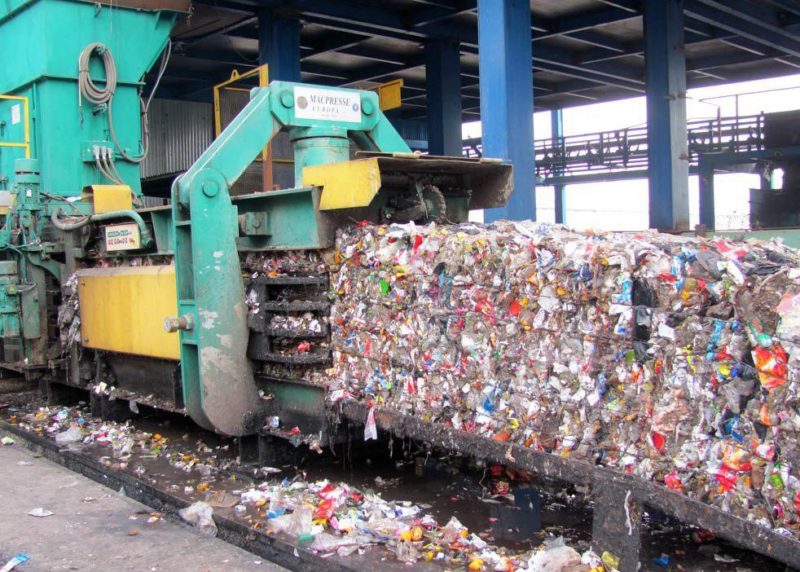
Industrial waste recycling process

The aim of the educational tour was to bring the average young person closer to the realities of waste management and recycling process in Nigeria.

Welcoming the #TrashHaters to the Chanja Datti Recycling plant at Durumi axis of Area 1, Abuja, the CEO, Funto Boroffice, emphasised the global need to embrace recycling as a lifestyle. Ms. Boroffice also shared how her recycling business has consistently empowered thousands of Nigerian women and youths, since inception in 2015.

Mr. Habib Ahmad, the Managing Director of Environmental Expressions Limited, took the group through the company’s entire process of recycling. From the collection process to sorting, shredding, drying, melting into pellets, blowing into new nylons, cutting, packaging, and the cycle continues with a zero-waste system.

Responding to the government’s contribution towards recycling, Mr. Ahmad said: “The Nigerian government must put her mouth where her heart is. They must also create better funding options for start-ups and businesses in the recycling business.”

According to ‘Seyifunmi Adebote, the #PickThatTrash lead team in Abuja: “Many young people in Nigeria see ‘Recycling’ as a theoretical concept and more like a foreign thing – that is not for Nigerians. The purpose of this tour is to properly educate more young people on the dynamics of recycling in Nigeria and furthermore to position them to explore possible ways of keying into the waste value chain in Nigeria.”

In recent time, #PickThatTrash has come into the limelight in Nigeria’s environment space because of her active social media interactions. Furthermore, the group has also led numerous community activities which involve hundreds of volunteers across Nigeria towards achieving a mind-set change of cleanliness and environmental sanity.

This year’s theme for World Environment Day, “Beat Plastic Pollution”, set the tone for the numerous conversations and activities around ways to beat plastic pollution across the world. While some African countries have been applauded for placing a ban on single-use plastic, Nigeria, on her part, is yet to pace up and work out modalities for the operationalisation of such policy which undoubtedly will have grave effects on her copious population.

By ‘Seyifunmi Adebote, Abuja

Oyo to dredge 64 rivers in Ibadan to prevent flooding

0

The Oyo State Government has concluded arrangements to dredge 64 streams and blocked drainage across the state as part of efforts to prevent flooding.

Eleyele Dam
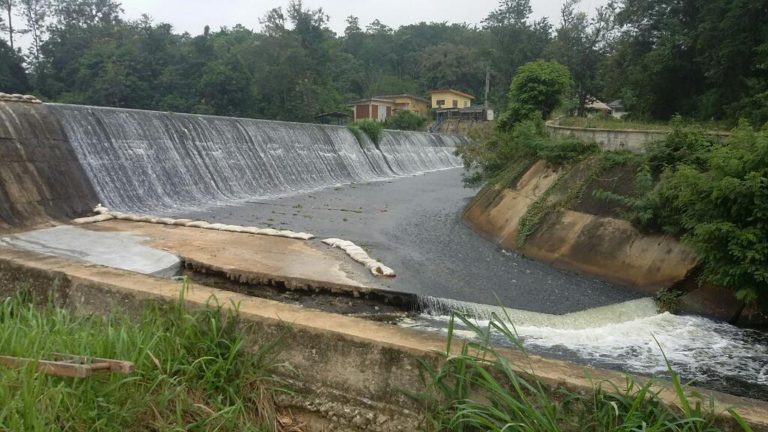
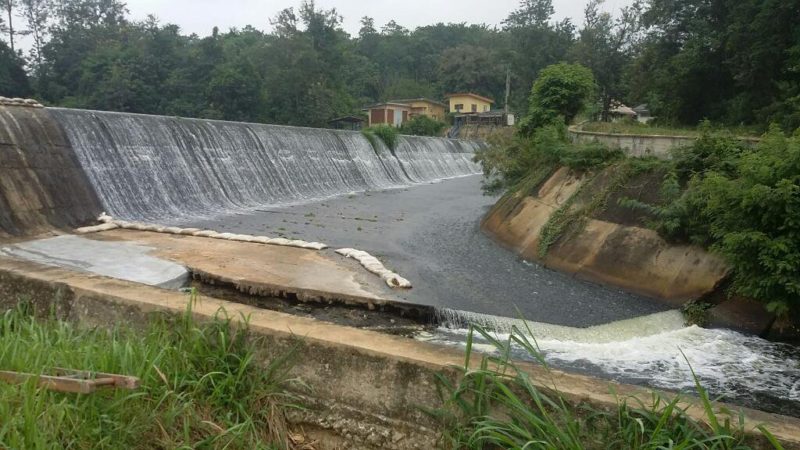
The Eleyele Dam is designed to mitigate flood in Ibadan

A statement signed by the State’s Commissioner for Environment and Water Resources, Chief Isaac Ishola, in Ibadan, the state capital, on Thursday, June 21, 2018 confirmed the government’s decision.

The News Agency of Nigeria (NAN) reports that the dredging is expected to be undertaken by the ministry in conjunction with the Ibadan Urban Flood Management Project (IUFMP).

Ishola stated that the Project Implementation Unit (PIU) safeguard team would be displaying Environmental and Social Management Plan (ESMP) for dredging of streams and clearing of blocked drains.

“The effort to be undertaken in line with the Safeguard requirement of IUFMP sub projects is to sensitise the general public on the social and environmental impact of the project,” he said.

He noted that the ESMP action would mitigate the negative impact of the project as stipulated by the guidelines of World Bank Projects.

The commissioner stated that there would be updates on Environment and Social Impact Assessment for Eleyele Dam rehabilitation to ensure the project matched best practices without any hazard to the society.

Ishola said that the 64 streams to be dredged were within the 11 Local Governments and their Local Council Development Areas (LCDAs) in Ibadan.

He assured that the dredging would begin immediately the disclosure and display of ESMP was completed.

He urged people to desist from dumping refuse into the rivers, streams and water channels.

The commissioner also warned that offenders would be treated in accordance with the provision of the environmental laws and regulations of the state.

Ishola said that government had taken steps to prevent flooding in the state, noting that citizens needed to complement government’s efforts by restraining from activities that could block waterways and drains.

He said that the government had continuously sensitised the public on environmental sanitation in addition to the expansion and dredging of some rivers in the state to ensure free flow of water.

By Akeem Abas