President, Nigerian Institute of Quantity Surveyors (NIQS), Mr Obafemi Onashile, has urged operators in construction industry to adopt the JCT 2011 form of contract as basis of addressing challenges in construction practices.
L-R: Dr Segun Faniran, Director, Forensic Planning & Delay Analysis, Turner & Townsend, United Arab Emirates; Mr Obafemi Onashile, President, Nigerian Institute of Quantity Surveyors (NIQS); Mr Peter Barnes, Director Blue Sky ADR Ltd., United Kingdom; and Mr Matthew Davies, Resource Person at the workshop of NIQS in Lagos
Onashile made the call in Lagos on Tuesday, July 24, 2018 at a two-day workshop organised by the institute with the theme: “Construction Contracts Best Practices’’.
He described the JCT 2011 as a form of contract used for construction purposes.
Onashile said that the workshop was an intensive training programme focussed on both building and engineering forms of contract used in the construction industry.
According to him, the Nigerian construction industry has been operating with the JCT 1963, which was obsolete, saying that there was need to upgrade to JCT 2011 of the international standard.
He said that for the past few decades, construction industry has not been developing due to obsolescence of the methods and procedures of operation in the industry.
“The JCT form of construction has been in existence since time immemorial. But Nigeria is still using the JCT 1963.
“In United Kingdom, it has been reversed severally; in 1998, 2005, 2011 and even in 2016.
“The progress has gone beyond where we are in Nigeria. The country is lagging.
“Nigeria must not be left behind. To benchmark our industry to the international standard, the construction industry must upgrade to the JCT 2011 of the world best practice,” Onashile said.
In his remarks, Mr Segun Ajanlekoko, President, Common Wealth Association of Surveying and Land Economy (CASLE), said that JCT 2011 was one of the reforms, which operators in the construction industry had been clamoring for.
Ajanlekoko said that the JCT 2011 was not limited to only quantity surveyors but should cut across other professions of the built environment sector, particularly the architects and engineers.
According to him, it is only when the concerned operators in the industry imbibed the approach that its effects will be felt.
He said that adoption of the technique would bring about remarkable development in construction industry.
“Quantity surveyors are becoming updated with the JCT 2011; and other players in the industry need to do the same because we cannot continue to operate with old days methods.
“Henceforth, NIQS professional examination will be based on JCT 2011 and anyone who passes it is assumed to have met the international standard of operation,” he said.
Also, Mr Peter Barnes, Director, Blue Sky ADR Ltd., United Kingdom, said that the three forms of JCT 2011 construction contracts could be adoptable and effective in Nigeria.
Barnes said that JCT 2011 construction contract could be in the form of lump sum contracts, measurement contracts and construction reimbursable contracts.
He said that application of any form of JCT 2011 was a way of ensuring ‘ease of doing business’ in the construction industry.
According to him, it creates room for application of world best practice and encourages foreign operators and investors into the Nigerian construction economy.
A multi-stakeholder partnership of conservationists from across West Africa is joining hands this week to coordinate actions in the fight to save aquatic wildlife, which are facing an increasing level of threats.
Aquatic bushmeat: The West African manatee. Manatees are large, fully aquatic, mostly herbivorous marine mammals sometimes known as sea cows. Illegal consumption is threatening their survival
The alliance, known as the Abidjan Aquatic Wildlife Partnership (AAWP), which was formed following concerns raised on this issue at the Abidjan Convention’s Twelfth Conference of the Parties (COP12) in March 2017, seeks to end the unsustainable use of endangered marine and other aquatic species across the coastal countries of West, Central and Southern Africa, which form part of the mandate of the Abidjan Convention.
To combat this growing threat, and officially launch the partnership, the Abidjan Convention – in collaboration with the USAID-funded West Africa Biodiversity and Climate Change (WA BiCC) and Swiss non-profit organisation, OceanCare – will hold a high-level workshop from July 23 to 25, 2018 in Abidjan, Côte d’Ivoire, to coordinate actions to achieve the goals of the partnership.
The workshop, according to Mr. Abou Bamba, Executive Secretary, Abidjan Convention, will catalyse discussions and identify actions on the trade, consumption and use of endangered marine and other aquatic wildlife. The AAWP’s action plan will be presented to the Abidjan Convention State Parties and will provide an opportunity to share best practices on eliminating the trade, consumption and use of endangered marine and other aquatic wildlife.
According to a new report, the illegal use and consumption of dolphins, manatees, hippopotamus, and sea turtles are on the rise, threatening the survival of these species as well as the health of their ecosystems. The report, which was prepared by USAID/WA BiCC, identified an increasing level of threats to these species in Benin, Cameroon, Nigeria and Togo – among other countries/parties connected to the Abidjan Convention.
The workshop coincides with the African Day of Seas and Oceans, an event included in the Africa 2050 Integrated Maritime Strategy (AIMS), which will be commemorated on Wednesday, July 25. The objective of AIMS is to effectively pursue the protection of oceans and seas including marine resources. It is anticipated that Member States will approve the Abidjan Aquatic Wildlife Partnership during the workshop.
To stem the consumption and use of endangered, threatened and protected marine and other aquatic wildlife in the convention area, the Abidjan Aquatic Wildlife Partnership aims to safeguard healthy populations of endangered, threatened or protected marine and other aquatic wildlife; identify and uproot the causes driving the trade, capture and consumption of these coastal, marine and other aquatic species; establish sustainable ocean stewardship principles and practices in coastal communities; empower local stakeholders and communities with the tools, information and capacity to address issues threatening coastal, marine and other aquatic species, including the detection of illegal wild fauna products at the national and regional exit and transit points, and bridge the gap between relevant inter-governmental forums and coordinate complimentary action between them.
The founding members of the partnership are USAID/West Africa Biodiversity and Climate Change (WA BiCC) programme, OceanCare, and Wild Migration.
A new GEF-financed project for coastal resilience will support Liberia’s goals to end poverty and ensure low-carbon, climate-resilient development.
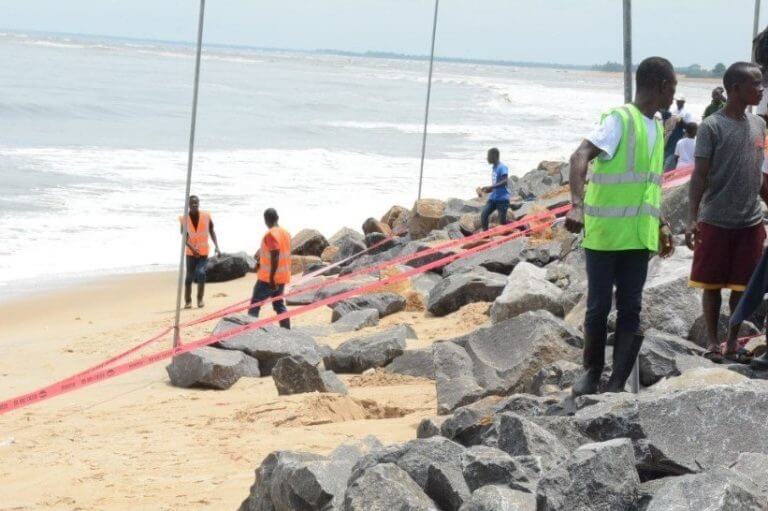
New Kru Town has a population of over 20,000 inhabitants. Holistic, sustainable, low-cost and effective interventions are imperative to dealing with coastal erosion here. Photo credit: UNDP
The President of Liberia, George Weah, launched a new project in New Kru Town, Liberia, in July 2018 that will help build the resilience of vulnerable communities against climate change while contributing to achieving sustainable development in the country.
The new project, financed by the Global Environment Facility Least Developed Countries Fund (GEF-LDCF) with a $2 million grant and supported by the United Nations Development Programme (UNDP), will protect the lives and livelihoods of thousands of people living along Montserrado county’s coastline, scaling up the successes of a recently closed UNDP-supported Coastal Defence Project financed by the GEF.
The project will promote the collective management of transboundary water systems, and implement a full range of policy, legal and institutional reforms and investments to contribute to the sustainable use of ecosystem services. More importantly, it will provide an important contribution to global efforts to reduce greenhouse gases, end hunger and poverty, and keep temperature rises below 2 degrees as outlined in the Paris Agreement and 2030 Agenda for Sustainable Development.
“We must do our best to succeed because our vision is for us to help our people out of poverty and that is our major concern in running of our government. When you are poor, you will live everywhere because you are looking for that aunty, uncle or family member that you think will help you achieve your dream; and by that, you will experience things. For me it is good to live everywhere, living everywhere gives me the sense of experience for development,” President Weah said at the launch of the project at the D. Tweh High School.
Located near the sea’s edge, the entire back fence of the D. Tweh school – along with several neighboring homes – have already fallen into the sea. Now the rising tides are threatening the auditorium and main building. According to President Weah, the government Liberia and partners will do everything in their powers to save the school. With an enrollment of over 1,000 students, the high school is an important public institution in a country with limited health and education infrastructure and resources.
The new project – along with other initiatives including a new project financed by the Green Climate Fund to advance climate change adaptation planning in Liberia – re-affirms UNDP’s commitment to supporting the Government Liberia’s Pro-Poor Agenda for Prosperity and Development (PAPD).
UNDP Liberia Country Director, Dr. Pa Lamin Beyai, said evidence available so far from the draft of the PAPD Agenda indicates that tackling environmental and climate change issues will form an integral part of the Government of Liberia’s development priorities, as well as their Nationally Determined Contributions to the Paris Agreement.
“UNDP stands ready to work with the government and other development partners in supporting these and other priority interventions,” Dr. Beyai said at the launch of the project.
“The problem is getting worse by the day, and is compounded by the global climate change, rising and stronger sea waves, increasing storms, sea-surges, and human-made destruction of existing beach fronts through illegal sand-mining, and unconventional fishing practices…All of these have significant negative impacts on the daily lives and livelihoods of the people living along the coast,” said Dr. Beyai.
New Kru Town has a population of over 20,000 inhabitants, and along with the high school, hosts the second Government referral health facility in Montserrado County – the Redemption Hospital.
Based on findings from a technical assessment conducted by the Coastal Project Management Team – formally known as the “Enhancing Resilience of Liberia Montserrado County Vulnerable Coastal Areas to Climate Change Risks II Project”– holistic, sustainable, low-cost and effective interventions are imperative to dealing with coastal erosion here.
Engineers are working to build protective seawalls and revetments to mitigate the situation. The project is also building drainages, constructing docking areas for the fishing communities, improving waste management and beach restoration, and working with local communities to ensure no one is left behind in the government’s efforts to ensure low-carbon climate-resilient development.
The Ministry of Lands, Mines and Energy, in collaboration with the Environmental Protection Agency (EPA), is responsible for the procurement of equipment, rocks, geo-fabric mats, and the services of temporary staff, while as a key implementation partner, UNDP is in charge of hiring the core project staff, including an international coastal engineer; who has completed baseline surveys and recommended appropriate project designs.
During the launch, the Minister of Lands, Mines and Energy, Gesler E. Murray, said the project will also construct an approximately 1200-metre revetment, also known as sea wall, to control the effect of sea erosion along the New Kru Town coastline. Minister Murray said Liberia’s coastal zones are highly vulnerable to the effects of climate change, adding “we must undertake necessary measures towards prevention and adaptation.”
To mainstream and accelerate the impacts of these projects, UNDP in close collaboration with the EPA will shortly undertake a comprehensive baseline study of the coast of Monrovia for a “Monrovia Metropolitan Climate Resilience Project” project proposal for the Green Climate Fund. The baseline study aims at tackling critical coastal erosion sites from King Gray in Paynesville to Hotel Africa in Virginia.
As urbanisation gathers pace globally, cities are becoming not only centres for commerce, industry and political power but also havens for increasingly diverse communities, requiring more inclusive planning to ensure no one is left behind. With more than one billion people living in slums and informal settlements, there is urgent need to align master plans with existing legislation, localise plans to ensure they respond to specific needs of affected communities, ensure financial viability of plans, and incorporate viable models of public-private-people partnerships.
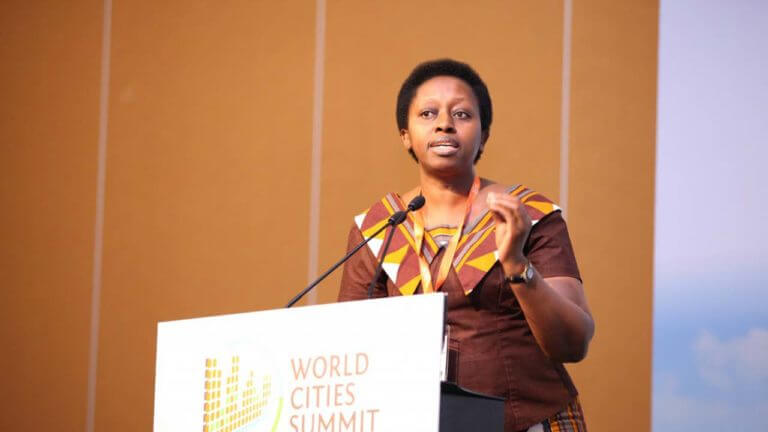
UN-Habitat Deputy Executive Director and Assistant Secretary-General, Dr. Aisa Kirabo Kacyira
The 2018 World Cities Summit was held from July 8 to 12 in Singapore on the theme “Liveable and Sustainable Cities: Embracing the Future through Innovation and Collaboration”. It brought together thought leaders and industry giants across urban, water, environment and transport sectors to explore ways of making cities more liveable and resilient through better governance and planning, technology and social innovations and collaboration with various stakeholders and other cities.
UN-Habitat Deputy Executive Director and Assistant Secretary-General, Dr. Aisa Kirabo Kacyira, noted the need for better disaggregated data “to plan more inclusive cities for migrants, women-headed households and others vulnerable and marginalised groups, and that we must ensure those plans are also implemented.”
“The wealth of knowledge exchanged in meetings such as the World Cities Summit or the World Urban Forum must be transferred to community level dialogues to advance inclusive and sustainable urbanisation,” said Dr. Kacyira, who is a former mayor of Kigali, Rwanda. She urged planners to break down the language of urbanisation, planning and design so that communities can hold leaders accountable within the context of Sustainable Development Goals and the 2030 Urban Agenda.
Highlighting the importance of inclusive planning, the CEO of the Housing Development Board of Singapore, Dr. Cheong Koon Hean, said HDB plans townships, not just housing, according to a hierarchy of spaces from town centres to precincts, with facilities provided according to this hierarchy.
“To promote inclusiveness even more, we mix people of all income levels, ethnicities and age groups within our housing blocks,” he said. The HDB ethnic integration policy ensures that ethnic enclaves do not develop within a neighbourhood and encourages communities to take ownership of its projects.
“In master planning, remember that you are planning for others, not yourself, and that people’s needs change according to cycles in their lives, so your plans must be flexible enough to accommodate such changes,” said Dr. Hean.
“We need to get the public and private sectors to work with entire communities to drive inclusiveness. It’s now a must, not a maybe. We can harness virtual reality (VR) to help everyone see for themselves how every change they make affects everyone and everything around them, and why certain changes can, and cannot, be made if everyone is to live in harmony. Technology is neither a shortcut to, nor a substitute for, trust. If you do not have inherent trust in a relationship, no amount of cutting-edge technology or innovation will help you achieve inclusiveness in a community,” he added.
Abhishek Lodha, Managing Director, Lodha Group, said that in developing Palava, a 25 square kilometre greenfield city near Mumbai, the master plan focused on reducing transportation time and costs by concentrating on job centres as the main nodes of the public transportation network; improving disposable income of the weakest members of our community; creating high-quality, low-cost housing across all districts to make sure that the weakest and poorest in society can also own their homes; and ensuring that the city is safe for all by having well-designed, well-lit and ever-vibrant streets.
Over 20,000 city movers participated in the World Cities’ Summit 2018, among them over 120 mayors and city leaders and 70 industry leaders. As the designated United Nations system wide focal point for sustainable urbanisation and human settlements development, UN-Habitat is a key Strategic Partner of the World Cities’ Summit 2018.
The New Delhi, India-based think tank, Centre for Science and Environment (CSE), in a new global study titled: “Clunkered: Combating Dumping of Used Vehicles – A roadmap for Africa and South Asia”, appears to have lifted the lid on the dark underbelly of a large-scale global trade in old and used vehicles from high income to low- and middle-income countries of Africa and South Asia.
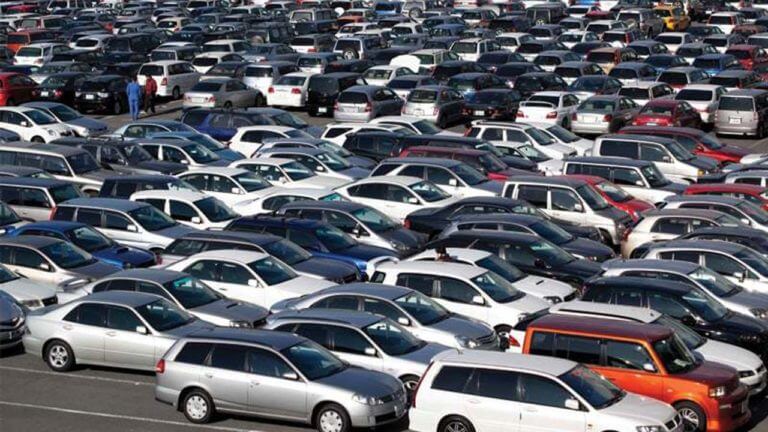
Imported used vehicles in Nigeria
The trade, says the organisation, is causing massive environmental dumping and toxic pollution.
Every year, out of the staggering global vehicle stock of two billion, more than 40 million vehicles approach end-of-life – become old and decrepit. But instead of being scrapped within domestic markets, many these are sold in low- and middle-income countries that do not have the capacity to manage their polluting emissions.
“Cheaper price, weak environmental regulations in poorer economies, lure of a rich variety of vehicle models and stronger emissions regulations in high income exporting countries are inciting this unregulated global trade in clunkers (as these old vehicles are called). In high income exporting countries it is more lucrative and cost-effective to export used vehicles than scrap them,” says Anumita Roychowdhury, Executive Director, Research and Advocacy, CSE.
“If this continues unchecked, without the exporting countries sharing the responsibility of addressing this problem, the poorer countries will not be able to meet their clean air and climate mitigation goals,” she adds.
CSE researchers point out that the “State of Global Air, 2018” (https://www.stateofglobalair.org
/sites/default/files/soga-2018-report.pdf) report has shown that North Africa has the highest concentration of population-weighted annual average particulate matter: Nigeria is in the lead. Many cities in Africa are violating the World Health Organisation (WHO) air quality guidelines by several times. South Asian cities are no better – they have some of the worst air pollution episodes. The burden of diseases triggered by air pollution like lung diseases, cancers, respiratory diseases, heart ailments and strokes are increasing rapidly. Vehicles are responsible for this exposure to toxic pollution.
Says Roychowdhury: “The global community which has, time and again, expressed its deep concern about the deteriorating air quality in the southern world, cannot look away from this problem of dumping anymore.”
Key findings of CSE’s global assessment
Africa is motorising on used vehicle import
Nearly the entire motorisation in Africa is taking place based on imported vehicles. Data on international trade in new and old vehicles shows that Africa imports vehicles from nearly 17 countries, with Japan, Germany, the US and South Korea dominating the trade. While most cars come from these countries, two-wheelers are predominantly from India and China. Cars and commercial vehicles have a higher share of the used vehicle imports. According to the Deloitte Africa Automotive Report, 2016, about 85 per cent of the vehicles in Ethiopia, 80 per cent in Kenya and 90 per cent in Nigeria are second-hand. While the vehicle ownership rate in Africa is lower than the world average, the growth rate has increased.
Countries with lower per capita GDP have higher average age of vehicles
Poorer the country, higher is the average age of vehicles due to the predominance of old vehicles on their roads. The average age of light-duty vehicles in the high income and high per capita gross domestic product (GDP) countries like UK, Japan, Germany and France, is less than eight years. But in countries of Africa and South Asia, with lower per capita GDP, the average age is 12-17 years or more. This is due to the high import dependence on old and used vehicles.
Weak environmental regulations in importing countries encourage dumping
Emissions regulations for vehicles and fuel quality in most vehicle-importing countries are very weak. Even though South and East African countries have adopted 50 ppm sulphur fuels, they have not yet opted for commensurate Euro-IV emissions standards for vehicles due to consumer pressure for cheaper used vehicles. The rest of Africa uses very high sulphur diesel (in the range of 1,000-10,000 ppm): this does not allow the use of advanced emissions control systems.
Stronger emissions regulations in high income countries speedup replacement, creating redundant used fleet for dumping
To combat pollution and climate change, high income countries have adopted expensive vehicle inspection, scrappage and end-of-life regulations, phase-out plans for diesel cars, and low emissions zone programmes to discourage old and polluting vehicles in cities. This has created a large pool of used vehicles in these countries, which are conveniently imported to poorer markets. Even though all used vehicles from high income countries are not old and still have some economic life remaining in them, there is no global mechanism for screening to ascertain the minimum useful economic life of vehicles that can be allowed to be traded.
What is needed for a future roadmap
Vehicle-importing countries, finds the CSE study, are enforcing age restrictions, higher taxes on imports of older vehicles, and linking import incentives with emissions levels and engine sizes. Egypt, Morocco, South Africa and Sudan in Africa, and Bhutan and Nepal in South Asia, have completely banned the import of used vehicles. But there are lessons from these initiatives that must shape the future roadmap, says Roychowdhury.
Must combine tighter age restrictions with fiscal measures, improved fuel quality and emissions standards to discourage dumping: Given the affordability levels, an outright ban on used vehicle import may not be immediately possible in many importing countries. Putting an age restriction along with higher taxes on older vehicles is needed to eliminate the dirty stream. Currently, age caps vary between 15 to three years. In Kenya, a combination of age restriction of eight years and incremental tax has increased the prices of imported vehicles and reduced the demand. But the age cap needs to be more stringent – not more than four-five years. If simultaneously, Euro-IV emissions standards (at the least) for vehicles are adopted across countries, they can take advantage of the improved technologies from exporting countries.
Fiscal measures need to be more effective and used with age cap: Though several countries have increased taxes on older vehicles, these are seen more as a revenue source than a deterrent for imports. Despite higher taxes, the cost of old and used vehicles remains comparatively cheap and lucrative. For instance, in Uganda, an environment levy favours import of less than five-year-old vehicles; taxes are higher on older vehicles. But this has not discouraged old and used vehicle imports. In South Asia, Sri Lanka has used import taxes more effectively discourage diesel cars and move the market towards cleaner options like gasoline and hybrids.
Importing countries have little capability to take steps like emissions-based taxation in the absence of harmonised global emissions regulations and authentic emissions records of vehicles: Mauritius had taken the lead to levy a CO2emissions-based rebate system for vehicle imports and fixed the age for import at four years. But the move could not be sustained as there was a technical difficulty in comparing international CO2emissions standards. In fact, the scheme ended up encouraging more used vehicle imports over new vehicles (even though the new vehicles got a higher tax rebate), as old vehicles came with certificates making dubious claims of low CO2 emissions that could not be verified! The scheme had to be replaced with more transparent engine size-based taxes in 2017- bigger engines attract higher taxes to reduce oil consumption and CO2 emissions.
Importing countries planning their own vehicle manufacturing and assembly industry are adopting tighter import measures: Nigeria has developed its own industrial policy to build vehicle manufacturing and assembly industry to improve energy security. It has raised import duties on vehicles substantially and is giving tax incentives to fully and semi-knocked down kits for vehicle assembly. As a result, over the last three years, car imports have reduced: the drop has been especially significant between 2015 and 2016. Nigeria has also banned two-stroke engines and is in the process of notifying 50 ppm sulphur fuel. Ethiopia is also framing its import policy and establishing its own assembly and manufacturing. In South Asia India, which is a vehicle producing country, does not allow import of used vehicles or any vehicle that does not meet its emissions standards.
Some countries are establishing explicit sustainability principles for vehicle import: Ethiopia’s import policy prioritises public transport vehicles over personal transport– therefore, taxes on cars are higher. Several countries have increased taxes on bigger engine capacity to discourage fuel guzzling engines and reduce CO2 emissions. Côte d’Ivoire has introduced a contributory fee for road safety and pollution and congestion.
Plug loopholes to stop the grey market: Most countries have porous borders leading to a grey market that undercuts efforts to control used vehicle imports. Often, rules related to transit vehicles become the loopholes that this grey market uses. For instance, Ghana is facing the problem of a grey market due to the special provision of the Economic Community of West African States (ECOWAS), which allows imported used vehicles to operate for 90 days after which they are either returned to the country of origin or have to pay a customs duty to stay on.
Vehicle market of South Asia more geographically confined, which is helping the region to take quicker action: The vehicle trade in South Asia is largely dominated by India and Japan. Quicker upward harmonisation of emissions regulations is possible in this region with vehicle-producing countries advancing their standards. Also, more strident steps are being taken by importing countries. Bhutan and Nepal have banned import of used vehicles and have imposed taxes according to the engine size; Nepal has adopted Euro-III emissions standards. Bangladesh has restricted age to five years and has adopted Euro-II emissions standards. Pakistan has gone for an age cap of three to five years. Sri Lanka has used stratified import taxes and an age cap of five years to successfully discourage old and polluting vehicles and diesel vehicles; it has also promoted hybrids, electric and gasoline vehicles, and banned two-stroke engines.
The risk of being dieselised: The WHO has branded diesel emissions as class 1 carcinogen for their strong links with lung cancer. As European countries phase out diesel cars, there are serious fears about their dumping in Africa which neither has clean diesel nor the capacity to monitor emissions from vehicles. Nigeria has been able to stop dieselisation because of its good practice of pricing diesel fuel higher than gasoline. Mauritius has also succeeded as its fuel price gap is very narrow and the tax on bigger engines is high — but other countries are vulnerable.
Need harmonised emissions regulations and in-use emissions management and compliance: Full benefits of newer vehicles from high income countries are possible only if improved emissions standards and fuel quality are adopted across Africa and South Asia. Three- to five-year-old vehicles from advanced markets can be much cleaner, but their emissions control systems are stripped off as they cannot work with high sulphur fuels in the importing regions. Countries like Uganda, Mauritius etc have introduced pre-export verification of conformity, standards for safety and performance characteristics of vehicles and inspection testing and roadworthiness. This strategy will have to be strengthened.
Vehicle exporting countries must share responsibility: High income vehicle exporting countries do not have a full proof formal mechanism to screen and filter vehicles that have nearly exhausted useful economic life, or vehicles that are damaged in accidents, or have been recalled for manufacturing defects. They need to ensure that their end-of-life and recycling policies effectively destroy all clunkers within the domestic market. This will also require multilateral and bilateral policies for oversight, guidance and monitoring of the global supply chain to establish accountability and responsibility of the exporting countries and companies.
Enable scrappage and end-of-life regulations in importing countries: As a substantial part of the life of vehicles produced and used in high income countries is spent later in poorer countries, contributing to the emissions load, a global mechanism is needed to reinvent the concept of “Extended Producer Responsibility”. This concept requires manufacturers to take responsibility of take-back, recycling and final disposal of their vehicles within the domestic economy, for the global supply chain. Vehicles in developing countries will require infrastructure for the final burial and recycling of material. Trade forums like the World Trade Organisation, regional trade blocks, multilateral forums like the UNFCCC, and country blocks for international cooperation including G8, G20, BASIC etc need to develop a common framework for disposal of used vehicles.
The Agenda for Action
Urgent action needed in vehicle-importing countries
Harmonise stringent age caps, minimum Euro-IV emissions and fuel standards, effective import tax measures, and emission-based import criteria across all vehicle importing regions.
Implement effective vehicle inspection, roadworthiness and safety tests for vehicles.
Implement end-of-life regulations, and infrastructure for scrappage.
Put in place transparent consumer information systems on imported vehicles to help consumers choose safe and low-emitting vehicles.
Leverage import policy to zero emissions, promote electric mobility and leapfrog.
Build public and consumer awareness about highly toxic and health damaging emissions from old and polluting vehicles – cheap cars come at very high health costs.
Even developing countries that produce vehicles (like India) and use them more intensely and longer need to adopt end-of-life regulations to scrap and recover precious material. In India, about 20 million vehicles have accumulated by 2015 that require scrapping.
Urgent action needed in vehicle-exporting countries
Enforce stringent measures to stop end-of-life, unsafe, damaged, and recalled vehicles from entering the market – the world needs a well-governed circular economy around vehicles to stop environmental dumping of what is technically a “hazardous waste”.
Stop diesel cars that are being phased out in Europe from entering markets of Africa and Asia.
Reinvent “Extended Producer Responsibility” for the global supply chain so that producers, dealers and recyclers are made responsible for final disposal and recycling.
Establish a multilateral framework for shared responsibilities and monitoring of used vehicle trade to stop environmental dumping of clunkers in low and middle-income countries.
The Media Rights Agenda (MRA) on Monday, July 23, 2018 inducted the National Environmental Standards and Regulations Enforcement Agency (NESREA) into its “Freedom of Information (FOI) Hall of Shame”, accusing it of undermining its own effectiveness by disregarding the FOI Act and possibly endangering the lives of Nigerians by its secrecy.
Dr. Lawrence Anukam, Director-General, National Environmental Standards and Regulations Agency (NESREA)
In a statement in Lagos, Mr. Ayode Longe, Programme Director at Media Rights Agenda (MRA), said the agency, which has among its duties the creation of public awareness and provision of environmental education on sustainable environmental management, the promotion of private sector compliance with environmental regulations other than in the oil and gas sector, and the publication of general scientific or other data resulting from the performance of its functions, has failed Nigerians in its core functions as well as in the implementation of a critically important piece of legislation aimed at promoting transparency, accountability and public participation in the important sector that it oversees.
He said: “There is no information available anywhere about any research, monitoring and enforcement of compliance by NESREA with any environmental regulation or laws while there is very little information available on its website or elsewhere about its activities, operations and businesses. We fail to see how this cloak of secrecy under which it operates, in breach of the express provisions of the Law, is in the interest of NESREA or helps it to advance its goals.”
Established by the National Environmental Standards and Regulations Enforcement Agency Act of 2007, NESREA has responsibility for the protection and development of the environment, biodiversity conservation and sustainable development of Nigeria’s natural resources in general as well as environmental technology, including coordinating and liaising with relevant stakeholders within and outside Nigeria on matters of enforcement of environmental standards, regulations, rules, laws, policies and guidelines.
According to Mr. Longe, although the agency says its operational strategy is to establish a robust environmental information management system, including a database and databank, it has failed to disclose the categories of information that the FOI Act requires it to publish proactively, including information about its businesses, activities and operations.
He noted that the agency has failed to proactively publish the lists of reports, documents, studies or publications prepared by independent contractors for the agency as well as files containing applications for contracts, permits, grants, licenses or agreements, which it is obliged to do under the FOI Act.
Besides, Mr Longe said, although the agency has a long list of accredited consultants whose certificates are ostensibly up to date as at July 2018, there is no information about the names, salaries, titles, and dates of employment of employees and officers of the agency as required by section 2(d) (vi) of the FOI Act.
He accused the agency of failing to disclose reports and details of organisations or individuals that are violating environmental laws or regulations, standards, rules, policies and guidelines, thereby creating a lack of public awareness on the issue, contrary to its mandate, and possibly endangering the lives of Nigerians as a result.
Longe said since the FOI Act was passed into Law and came into force in 2011, NESREA had not submitted any annual report to the Attorney-General of the Federation on its implementation of the Act, as required by section 29 (1) of the Law. He noted that, as at February 1 of this year, NESREA ought to have submitted a total of seven such reports to the Attorney-General of the Federation.
In addition, he said that there was no indication on the agency’s website or anywhere else that it has designated an appropriate officer to whom applications for information should be sent.
Section 2(3) (f) of the FOI Act requires every public institution to proactively publish the title and address of the appropriate officer of the institution to whom an application for information under the Act should be sent but provides that the failure of any public institution to publish any such information shall not prejudicially affect the public’s right of access to information in the custody of such public institution.
Longe accused NESREA of also violating Section 2 (3) (f) of the Act, adding that even the Office of the Attorney-General of the Federation, the oversight body for the implementation of the FOI Act, which maintains a database of such FOI Desk Officers of public institutions, has no record of compliance by the agency.
According to him, the institution is also in breach of section 2 (3) (d) (i) and (e) (iii) of the Act as it has consistently failed to proactively disclose any information relating to the receipt and expenditure of public or other funds as well as information containing applications for any contracts made by it or between it and other public institutions or private organizations.
Longe noted that the institution had apparently also not trained its officials on the public’s right of access to information or records held by it and for the effective implementation of the FOI Act, as required by Section 13 of the Act.
He said: “Media Rights Agenda calls on the Buhari Administration not to condone this sort of potentially pernicious disregard of our laws by public institutions. Heads of public institutions such as NESREA who do not appear to have an appreciation of the importance or seriousness of the offices they hold have no business holding public office.”
According to Longe, “The Government must move away from what appears to be a public policy of condoning the violation of our laws by the same public institutions that should be in the forefront of championing compliance with the Law, especially when they have regulatory functions and require other public and private bodies to obey the Law and report to them. If the regulatory bodies are themselves in breach of the Law, they rob themselves of the moral or legal authority to insist on compliance by other entities over which they superintend.”
Launched by MRA in July 2017, the “FOI Hall of Shame” highlights public officials and institutions that are undermining the effectiveness of the FOI Act through their actions, inactions, utterances, and decisions.
The Nigerian Conservation Foundation (NCF), in collaboration with MangroveXpo, will at the Lekki Conservation Centre in Lagos commemorate the International Day for the Conservation of the Mangrove Ecosystems by showcasing the beauty of nature and resources of Nigeria’s mangrove forest.
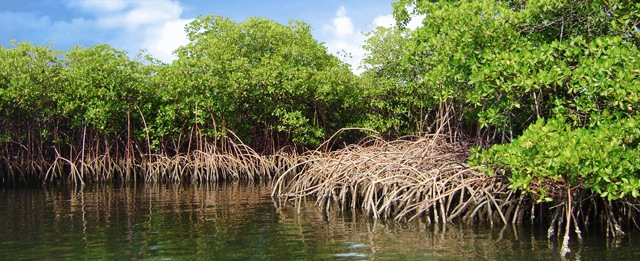
Mangroves
The International Day for the Conservation of the Mangrove Ecosystems will be globally observed on Thursday, July 26, 2018. NCF and MangroveXpo also intend to use the event to create awareness on the environmental challenges faced by mangrove ecosystems.
Mangrove forests, said Dr. Muhtari Aminu-Kano, Director General of the NCF, are ecosystems that grow along tropical coasts, where they thrive in saltwater and tidal conditions. He described the mangrove ecosystem as one of the important ecological habitat and biodiversity hotspots for aquatic species of great value for sustenance of the ecosystem. It protects some of the most vulnerable coastal communities from the devastating impacts of climate change.
“Nigeria has extensive mangrove forests in the coastal region of the Niger Delta. It is considered as one of the most ecologically sensitive regions in the world, the Niger Delta mangrove forest is situated within a deltaic depositional environment.”
The event, he disclosed, would feature speakers such as Obinna Chidoka, Chairman, House Committee on Environment and Habitat. A book titled “Man & Mangroves: An Environmental Awakening” will be previewed by Professor Frank Ugiomoh, a Professor of Art History and Theory, University of Port Harcourt.
Representatives of Chevron Nigeria Ltd, Shell Nigeria Ltd, ExxonMobil Nigeria Ltd, NLNG, Seplat Petroleum, and students will grace the occasion, which will also feature a photo exhibition session.
President Uhuru Kenyatta of Kenya has made an urgent call for developing and funding bankable infrastructure projects to drive Africa’s growth agenda.
President Uhuru Kenyatta of Kenya and Dr Akinwumi Adesina of the AfDB with two other dignitaries during the Africa50 meeting in Nairobi, Kenya
In his keynote address at the Africa50 General Shareholders Meeting held in Kenya’s capital, Nairobi, President Kenyatta said support for bankable projects in energy, transport, ICT, water and sanitation provide unprecedented opportunities for private sector participation.
Kenyatta announced Kenya would double its current shareholding investment in Africa50 to $100 million. “We must have the confidence to trust and invest in our own infrastructure. Let us grow our partnership and make Africa50 a success.”
According to statistics provided by the African Development Bank (AfDB), the continent’s infrastructure funding requirements stand at close to $170 billion a year, leaving a financing gap of $68 – 108 billion.
AfDB President and Chairman of Africa50, Akinwumi Adesina, said, “We need to act with speed and urgency. Our people expect nothing else.” He emphasized the importance of tackling factors that inhibit private sector infrastructure investments, including high costs of financing, weak regulations, lack of cost reflective tariffs, low profitability, and weak regulatory frameworks for public-private partnerships.
In response to Africa’s infrastructure finance deficit, the AfDB has launched the Africa Investment Forum (AIF) set to take place in South Africa in November 2018. The transaction-based forum is expected to be a gathering of global pension funds, sovereign wealth funds and institutional investors, and key private sector players.
Adesina commended President Kenyatta for the country’s bold commitment to and investments in infrastructure development over the last five years. Infrastructure accounts for 77% of the bank’s Kenya portfolio.
“Mr. President, you were one of the first African leaders to support the creation of Africa50, which I am honored to chair,” said Adesina. “The African Development Bank, of which I am President, helped create Africa50 because we believe new institutional models are needed to close Africa’s huge infrastructure financing gap. Africa50 will be a game changer on infrastructure financing.”
He urged countries that have not yet become shareholders of Africa50 to do so. Africa50 currently has a shareholding base of 25 African states.
Africa50 Chief Executive Officer, Alain Ebobissé, said his organisation was committed to ensuring the speedy execution of African infrastructure projects.
Three years after its founding, Africa50 is said to have become a key player in driving infrastructure investments, with commercial rates of return in Africa. It has mobilised over $850 million in infrastructure investments and expects to mobilise up to $3 billion through its private sector window. Africa50 has made major investments in several shareholder countries, including Egypt (400 MW solar power plants), Nigeria, Senegal and Kenya, among others.
Japan on Monday, July 23, 2018 posted a record high temperature of 41.1 degrees Celsius in the
city of Kumagaya, the highest temperature ever recorded in the country, according to the Meteorological Agency.
Children play in a fountain in a Nagoya park heat wave continued
Japan has been hit by a heatwave this month, with dozens of people reportedly dying of heatstroke, including three on Monday.
Most of the victims have been elderly.
According to the agency, the temperature rose above 40 degrees in the prefectures of Gifu, Saitama and Tokyo.
A 90-year-old man was among Monday’s victims, according to Kyodo News. He was found unconscious before dawn in the city of Chichibu, north of Tokyo, and pronounced dead at a local hospital.
On Sunday, temperatures had risen above 35 degrees Celsius in 237 monitoring points out of 927 areas, which the Meteorological Agency said was the largest number this year.
The Tokyo Fire Department said that 3,125 ambulances were dispatched in the capital on Sunday, the largest on a single-day basis since it started emergency medical operations in 1936.
Authorities have urged the public to take precautions, such as ensuring adequate hydration and avoiding unnecessary outings.
The agency has predicted the heatwave will continue to hit the country until the end of July.
It comes after about 220 people were killed when heavy rains in western Japan triggered floods and landslides earlier this month.
The sweltering weather has hampered recovery efforts in many of the disaster-stricken areas
An Associate Professor of Economic History with the Kaduna State University (KASU), Dr Terhemba Wuam, has said that Nigeria is too poor to meet its developmental challenges.
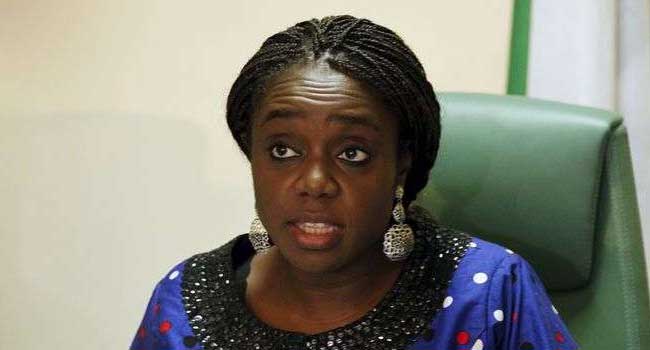
Minister of Finance, Kemi Adeosun
Wuam made the remarks on Monday, July 23, 2018 in Kaduna at the opening of a National Conference with the theme, “The Central Bank of Nigeria and the Nigerian Economy Since 1958”, organised by the university’s Department of History.
He noted that the country’s earnings were too low to meet people’s expectations in terms of growth and development and wondered why those entrusted with leadership still steal from public treasury in spite of the nation’s poverty.
According to him, in comparison to the rest of the world, Nigeria is poor like the rest of Africa and does not have the money to warrant the level of theft from the public treasury.
“For example, the GDP of the whole of Africa with 1.3 billion population is 2.2 trillion U.S. dollars, out of which Nigeria’s GDP with 191 population is 380 billion dollars, the largest economy in the continent.
“This is far below Brazil’s $2.14 trillion and India’s $2.85 trillion GDP.
“But because many Nigerians are ignorant of this, they think that Nigeria is very rich and that is why people steal.
“The reality is, we don’t really have the money, which is the more reason we should not embezzle the little we have.
“When public officials divert resources, schools barely run, hospitals become empty shells and our roads and other public infrastructure degrade and become dilapidated.”
Wuam, who is the Head of History Department at the university, explained that the conference was an opportunity to brainstorm on the fundamental role of CBN to the Nigerian economy.
He also said that the conference presents an opportunity for scholars, especially economic historians, social scientists and management scholars to deliberate on the role of money to the development of modern Nigeria.
Wuam added that the conference was first in the series of events to be held in the coming year under the auspices of “The Money and Development in Nigeria Programme.”
“The initiative was predicated on the important milestone of the CBN turning 60 in 2019.
“The programme offers us an opportunity to begin an exploratory intellectual journey on knowledge about money, investment, banking and how they propel growth in Nigeria, Africa and the developed world.
“We shall try to understand what money is and what it represents; who has it and who doesn’t; how nations acquire money and get rich.
“This is important because understanding money is important for national development,” he added
Also speaking, Dr Yasin Abubakar, Head of History Department, Usmanu Dan Fodio University, Sokoto, said that the conference would appraise the performance of the apex bank in the growth and development of the nation’s economy since 1958.
Abubakar, a core convener of the conference, added that the aim was to critically examine majors issues regarding CBN’s role in facilitating economic growth and regulating banking and monetary sectors of the country’s economy in the last 60 years.
According to him, the CBN Acts of 1958 mandates the apex bank to ensure monetary and price stability, issue legal tender currency, maintain external reserve, act as bankers’ bank and provide financial advice to the Federal Government.
Prof. Dan Chuku of Nnamdi Azikiwe University, Awka, in a keynote address said that for the Nigerian economy to experience geometric growth with a multiplier effect on the populace, the CBN should detach itself from partisanship and primordial sentiments.
Mrs Comfort Gaiya, assistant director at CBN thanked organisers of the conference, saying that it would enrich the knowledge of many that do not know much about the operations and role of CBN.