The Africa Oil & Power (AOP) has concluded arrangements to host Secretary Generals of the Organisation of the Petroleum Exporting Countries (OPEC), the Gas Exporting Countries Forum and the International Energy Forum at the 3rd Annual flagship conference.
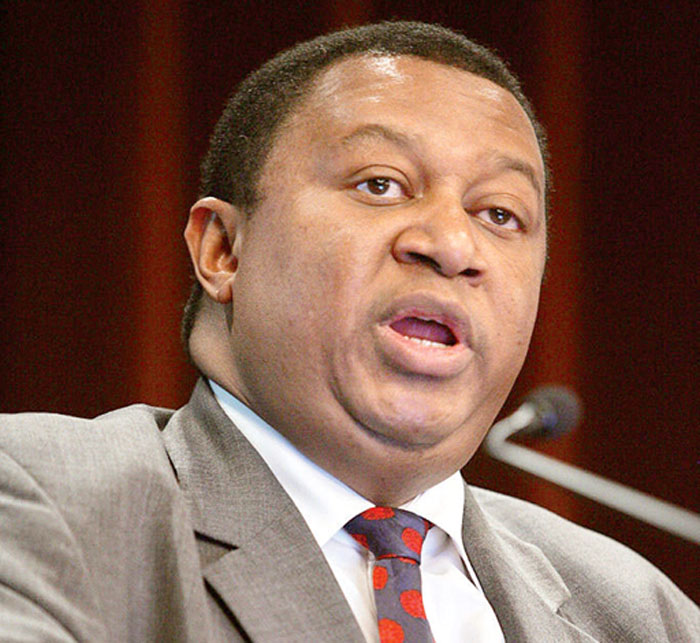
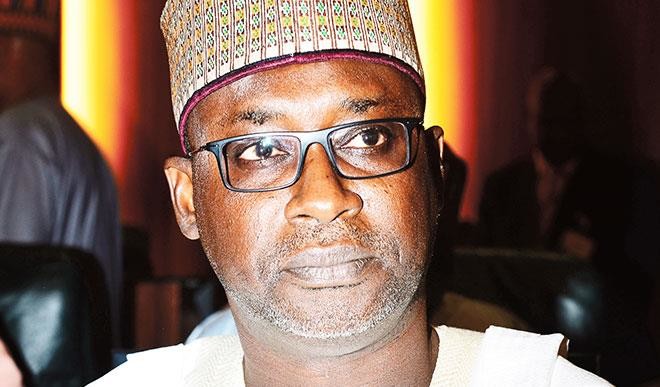
Secretary General of OPEC, Mohammad Sanusi Barkindo, will be honoured at the conference
The conference, scheduled to hold from September 5 to 7, 2018 in Cape Town, South Africa, will host top-level discussions as the energy coalitions across the globe will pivot to Africa amid a wealth of opportunities in the continent’s oil and energy sector.
According to a statement issued by the Chief Executive Officer of AZ Media Agency, Ms. Aziza Albou Traore, the AOP flagship conference will honour the Secretary General of OPEC, Mohammed Sanusi Barkindo, as “Africa Oil Man of the Year”.
“It will also unite Barkindo with the Secretary General of the Gas Exporting Countries Forum, Yury P. Sentyurin; Secretary General of the IEF, Dr. Sun Xiansheng; and the Secretary General of the APPO, Mahaman Laouan Gaya, on an elite panel discussion about Energy Coalitions – the theme of the conference,” she stated.
According to her, “the GECF and OPEC, in particular, have drawn new energy from Africa, with Equatorial Guinea set to host the Gas Exporting Countries Forum in Malabo in 2019 and several new African countries joining OPEC in the last two years,” Albou added.
Seventeen of Africa’s top ministers that will participate in on-stage panel discussions have been confirmed to attend the conference. “Two Ministers’ Insights panels will set the tone for panels on upstream development, the status of mega-projects in Africa, the gas economy, renewables in the energy mix, trading and finance,” Albou said.
The ministers that are billed to attend the conference include: Jeff Radebe, Minister of Energy of South Africa; Gabriel M. Obiang Lima, Minister of Mines and Hydrocarbons of Equatorial Guinea; Ezekiel Lol Gatkuoth, Minister of Petroleum of South Sudan; Pascal Houangni Ambourouet, Minister of Petroleum and Hydrocarbons of Gabon; Abdirashid Mohamed Ahmed, Minister of Petroleum and Mineral Resources, Somalia; Ernest Gbwaboubou, Minister of Mines, Industry and Technological Development of Cameroon; Foumakoye Gado, Minister of Petroleum, Niger; and Jean Marc Thystère Tchicaya, Minister of Hydrocarbons, Republic of the Congo.
Others are Charles Keter, Cabinet Secretary for Energy and Petroleum of Kenya; Mansour Elimane Kane, Minister of Petroleum and Energy, Senegal; Dona Jean-Claude Houssou, Minister of Energy, Water and Mines, Benin; Marc Dederiwe Abli-Bidamon, Minister of Mines and Energy, Togo; Dr. Dhieu Mathok Diing Wol, Minister of Energy and Dams, South Sudan; Serge Blaise Zoniaba, Minister of Energy, Republic of the Congo; and Fafa Sanyang, Minister of Energy and Petroleum, The Gambia.
Albou added that Africa’s premier platform for networking and deal-making in the energy sector would feature more than 70 of Africa’s leading decision makers as speakers.
These include Torbjörn Törnqvist, CEO, Gunvor Group; Dr. Benedict Okey Oramah, President and Chairman of the Board of Directors of Afreximbank; Dr. Oliver Quinn, Director, Africa and Global New Ventures of Ophir Energy; Andre Wepener, Head of the Power & Infrastructure Finance team at Investec Bank; and Robin Sutherland, General Manager New Ventures Africa of Tullow Oil.
Others are Tope Shonubi, Co‐founder and Director of Sahara Group; Steve Jenkins, Chairman of Savannah Petroleum; and Russell Hardy, Group CEO of Vitol.
The World Health Organisation (WHO) has raised the alarm that cases from the resurgent Ebola outbreak in the Democratic Republic of the Congo (DRC) are expected to rise in the coming days.
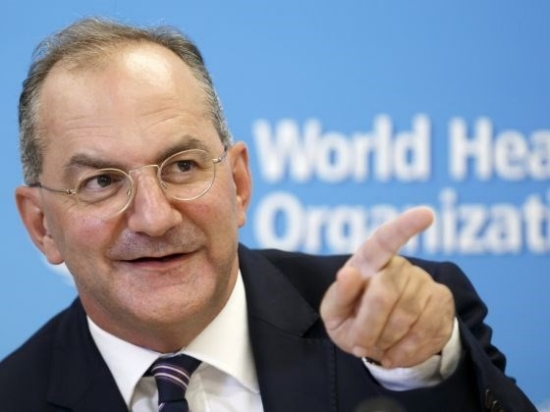
Peter Salama, WHO’s Deputy Director-General of Emergency Preparedness and Response
WHO’s Deputy Director General of Emergency Preparedness and Response, Dr Peter Salama, said in Geneva that there had been around 20 deaths because of the Ebola virus.
Salama also said protecting vulnerable people in eastern DRC from the latest Ebola Virus outbreak was going to be “very, very complex”, given the huge logistical challenges and ongoing conflict there.
The WHO emergency preparedness and response chief said: “We know for example that there have been around 20 deaths. We can’t at this stage confirm whether they are all confirmed or probable Ebola cases.
“We expect however that the overall case count will rise in coming days to weeks, based on the trajectory of epidemics at this stage in their development.”
Salama said that WHO was unaware of the public health emergency in North Kivu province when the UN agency a week ago declared the last Ebola episode over.
The outbreak on the western side of the country in June, infected dozens, and led to 33 deaths, but in spite of several cases appearing in a major city on the Congo River, it was fully contained after a massive international and national response.
The top WHO official said that there was “no evidence” to suggest a link between the two outbreaks, although it appeared “very likely” that they shared the same deadly Zaire strain.
“The death toll from the current Kivu episode is likely to rise,” the WHO official said, adding that the alert was raised on July 25 after a woman and many members of her immediate family died after exhibiting symptoms consistent with Ebola.
“That event appears to have been a woman who was admitted to hospital around Beni, and on discharge had recovered from the original complaint.
“After leaving however, she came down with a fever and other symptoms that were clinically consistent with Ebola, and later on, seven of her direct relatives also contracted the disease,” he added.
Salama explained how longstanding conflict in Eastern DRC – involving more than 100 armed groups in the Kivu area and elsewhere – created an additional level of difficulty in trying to contain the deadly disease.
In the first week of February 2018 alone around Beni, attacks displaced more than 2,200, in addition to 1,500 displaced at the end of January.
In the Djugu Territory to the south of North Kivu, inter-ethnic violence led nearly 30,000 to flee their homes to the provincial capital Bunia, at the beginning of 2018.
“It’s going to be a very, very complex operation,” he said, noting that the vast country is home to the UN’s largest peacekeeping operation, the UN Stabilisation Mission in the DRC.
One million of the province’s eight million inhabitants are displaced and getting access to some of those in danger of coming into contact with Ebola, will require an armed escort in some cases, the WHO official explained.
There is also the additional threat that those fleeing violence may also head into nearby Uganda, Tanzania and Burundi, taking the infection with them, Salama said, noting that additional surveillance measures are being implemented at crossing points.
“On the scale of difficulty, trying to extinguish a deadly outbreak pathogen in a war zone is at the top of the scale,” he added.
In the most recent Ebola outbreak, a key part of the emergency response involved tracing anyone who had come into contact with suspected carriers of the disease, he said.
WHO staff could travel hundreds of miles on a motorbike to do this vital work, but this is likely to be much more difficult in view of the high level of insecurity in the Kivus.
One immediate priority is to confirm whether the latest outbreak involves the Zaire strain, since this can be treated with the same vaccine that was employed in Equateur province.
“It’s good news and it’s very bad news. The bad news is that this strain of Ebola carries with it the highest case-fatality-rate of any of the strains of Ebola, anywhere above 50 per cent and higher, according to previous outbreaks.
“So, it’s the most-deadly variant of the Ebola virus strains that we have, that’s the bad news. The good news is that we do have – although it’s still an investigational product – a safe and effective vaccine, that we were able to deploy last time around,” Salama said.
Local and national authorities are making uneven progress towards achieving Sustainable Development Goal (SDG) 11 of making cities safe, inclusive, resilient and sustainable by 2030.
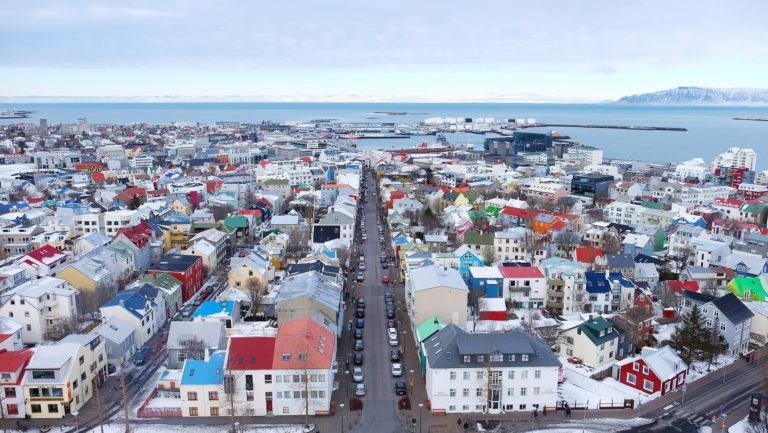
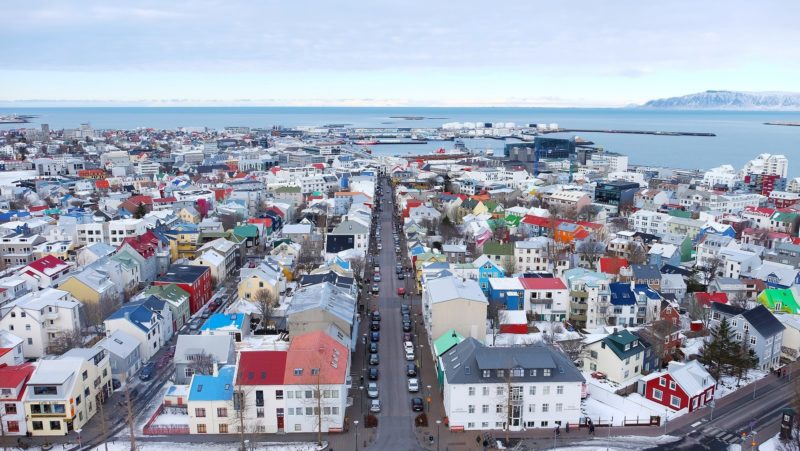
Reykjavik, Iceland is powered by 100% renewable electricity
That is the conclusion of a new report by the United Nations Human Settlements Programme (UN-Habitat) and partners tracking the progress made since the SDGs were adopted in 2015 and the challenges encountered. It coincided with the first review of SDG 11 at the High Level Political Forum – the main United Nations platform on sustainable development which reviews the 2030 Agenda for Sustainable Development including the SDGs.
UN Member States adopted Sustainable Development Goal 11 in 2015 – the first time that cities and urban development were given a standalone goal. Several other SDG goals are directly connected to urbanization including water and sanitation, affordable and sustainable energy, environment and sustainable consumption.
“Urbanisation is one of the most important issues when it comes to sustainable development. We must make sure we do it right if we are to achieve the SDGs and move towards a world where we see an end to poverty, the protection of our planet and everyone enjoying peace and prosperity,” said Ms Maimunah Mohd Sharif, Executive Director of UN-Habitat. “Cities are the spaces where all SDGs can be integrated to provide holistic solutions to the challenges of poverty, exclusion, climate change and risks.”
With the current rate of expansion, more than 700 cities will have populations of over 1 million by 2030. Without proper planning and regulation, this could lead to soaring levels of poverty, crime, pollution and sickness due to expanding slums, lack of clean water and sanitation, congested roads and few or no safe open spaces. Humanitarian crises, climate change-related disasters, conflict and migration are also closely related to cities.
However, cities and towns, where half the world’s population now live, can be power houses of economic growth and development. And that can mean an improved quality of life for everyone. No country ever reached middle income status without being urbanized and cities generate around 70 per cent of global GDP.
The Synthesis Report shows that the proportion of those in urban areas who live in slums is decreasing – which points to significant progress being made in providing decent housing and moving people out of informal settlement.
However, with the global population growth, the total number of people living in slums and informal settlements has increased from 807 to 883 million from 2000 to 2014. Housing is increasingly unaffordable for large swathes of the population with those in Africa particularly badly affected. Air pollution is on the rise and although the provision of public transport is rising, it is still inadequate. Cities are growing at a faster rate than their population – leading to higher costs for infrastructure, more traffic and more pollution.
SDG 11 is also linked to the empowerment of women and girls through access and safety in public spaces, use of basic infrastructure and participation in local governance and decision making.
“By ensuring cities are also planned for women, urbanization can be a true transformative force, that challenges inequality and creates an enabling environment, where everyone can realise their own potential,” said Ms Sharif, UN-Habitat Executive Director.
The report found significant challenges in data collection and analysis for many of the indicators, especially as most did not feature in the Millennium Development Goals and are being tracked for the first time. UN-Habitat is taking the lead in nine out of 15 indicators in SDG 11.
The Federal Government has directed River Basin Development Authorities to embark on routine dredging of rivers and water channels to boost agriculture.
Suleiman Adamu, African Water Facility (AWF) Chair and Nigeria’s Minister of Water Resources
Alhaji Sulieman Adamu, Minister of Water Resources, gave the directive on Thursday, August 2, 2018 in Wachakal, Yobe State, while launching the dredging of the Kumadugu-Yobe tributary.
He said the measure became necessary to meet the target of President Muhammadu Buhari administration’s self-sufficiency in food production.
Adamu said the availability of water would enhance massive agricultural production for food security, employment opportunities and economic recovery.
The minister also directed Lake Chad Basin and Hadejia/Jama’are River Basin to dredge water sources in their areas.
He assured Nigerians that government would find lasting solution to the menace of Typha grass on rivers which had hindered flow of water to the downstream.
Senate leader, Ahmad Lawan, said the failure to dredge the river in the last 25 years had grossly reduced water flow and agricultural production in the affected communities.
According to the lawmaker, the water flow has improved with the commencement of the dredging, adding that the surrounding communities have re-engaged in farming, fishing and livestock.
“Our people have massively gone back to farming, fishing and livestock.
“This administration believes in giving people means of livelihood, self-reliance and economic independence to liberate the people from clutches of poverty.
“In Yobe North, we have seen the change promised to us by the APC administration; it has been delivered to the people,” he said.
Emir of Bade, Alhaji Adamu Umar-Sulieman, said Yobe-Kumadugu River contributed 1.7 per cent of water to Lake Chad but added the volume reduced due to siltation.
The emir, therefore, urged the supervising ministry to ensure the prompt dredging of the river to improve water flow, food production and security.
Farmers in the southeast geopolitical zone have decried the late supply of fertiliser and other inputs, saying that it will affect their productivity in the current farming season.
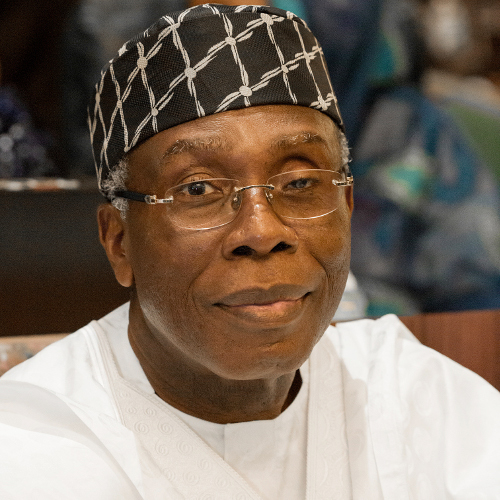
Minister of Agriculture and Rural Development, Chief Audu Ogbeh
Some of the farmers, who spoke in a national survey conducted by News Agency of Nigeria (NAN), bemoaned the late supply of fertiliser although crop growing in their neighbourhoods ought to commence around April.
In Enugu, Mr Christopher Nwame, the Director of Enugu State Agricultural Services, conceded that the Ministry of Agriculture had yet to supply farmers with fertiliser.
Nwame told NAN that farmers could, however, purchase the commodity at subsidised rates through agricultural schemes such as the Anchor Borrowers Programme (ABP), without having to wait for the government’s supplies.
However, Mr Uzoma Ucheobi, a yam farmer, said that he was not aware of any outlet that was selling fertiliser at subsidised rates to farmers in the state.
He said that he resorted to using organic fertiliser in his farm because the chemical fertiliser was very expensive and difficult to find.
Mrs Theresa Okeke, a farmer in Amaechi-Idodo community, said that the supply of fertiliser to farmers after the planting season was certainly counterproductive, as it would affect farm yields.
Mr Romanus Eze, the Secretary of the Enugu State chapter of All Farmers Association of Nigeria (AFAN), said that farmers were still waiting for the state government’s subsidised fertiliser.
He, however, noted that as the current planting season was almost coming to end, it might be difficult for the farmers to have access to the fertiliser.
In Abakaliki, Mr Sunday Ituma, the State Programme Coordinator of the Value Chain Development Programme of International Fund for Agricultural Development (IFAD-VCDP) in Ebonyi State, said that his organisation had begun the distribution of fertilisers and other farm inputs to farmers in the 2018 farming season.
“We want to meet the wants of farmers as to farm inputs because it is our cardinal objective to assist the rural poor in the state.
“The distribution will last for two weeks and at the end of the first week, other field officers will be considered if any of the shortlisted ones failed to collect their inputs.
“The benefiting farmers will only receive certified rice seeds, fertilisers (NPK and Urea) and cassava stems but they are expected to show evidence of purchasing rice seeds before they could have access to the fertilisers.
“The rice seeds cost N450 per kilogramme; the beneficiaries are expected to pay N11, 250 into a designated bank account and use the teller to access the fertilisers,” he said.
Ituma said that the cost of the fertilisers was N8,500 per bag, adding, however, that Gov. David Umahi approved the subsidised prices of N3,000 for the NPK brand and N3,500 for the Urea brand.
“Agro dealers are instructed to procure fertilisers from the Ebonyi fertiliser plant because of the good quality of its fertiliser brands,’’ he said.
Mr Ikechukwu Nwobo, the Commissioner for Agriculture and Natural Resources, said that the Ebonyi Government had also commenced the sale of fertiliser and other inputs to farmers at subsidised prices.
Mrs Anthonia Ibe, a rice dealer, called for more intervention by relevant stakeholders in inputs supplies so as to meet the ever-increasing wants of farmers.
“For instance, we still buy fertilisers at N8,000 for both the Urea and NPK brands but the intervention of agencies such as IFAD-VCDP has drastically reduced the prices,’’ she said.
However, the Anambra Government said that it had created four agricultural zones to enable farmers to have hitch-free access to fertiliser and other agricultural inputs.
Mr Jude Nwankwo, the Programme Manager, Agricultural Development Programme (ADP), told NAN in Awka that the zones were Otuocha, Onitsha, Aguata and Awka.
He said that the zones were created by the Ministry of Agriculture to facilitate the distribution of fertilisers and other inputs to farmers, adding that the creation had curbed the activities of middlemen in the sales and distribution the farm inputs.
“In Anambra, members of farmers’ cooperative groups get free improved rice seedlings and yellow cassava stems, while farmers buy fertilisers at a reduced rate of N5,000 for a bag of NPK fertiliser,’’ he said.
Chief Nnamdi Mekoh, the AFAN Chairman in Anambra, said that the price of a bag of NPK fertiliser in the state ranged between N7,500 and N9,000 in the open market.
Mekoh, however, said that he was not aware of any provision of subsidised fertiliser for farmers in the state, adding: “The only farm input that registered farmers in Anambra are getting is rice seedlings.’’
He said that the ABP and IFAD-VCDP offices had yet to inform farmers of the availability of subsidised fertiliser in the state, adding that only improved rice seedlings were given to registered farmers through these channels.
Also, Mr Donatus Orjika, the President, Youths for Agriculture Cooperative Society, Nnewi South Local Government Area, said that members of the group had yet to get fertiliser through government sources since the beginning of the 2018 farming season.
“All that we are hearing from the state-owned radio in the last one week is that farmers who are interested in buying fertiliser at subsidised rates should submit the list of their names, pending the time they will finally call us,’’ he said.
Orjika, who decried the delay in the supply of fertiliser to farmers in the area, urged relevant government agencies to be prompt in the provision of fertiliser to farmers, particularly in the Southern and Middle Belt regions of the country.
“This is because our planting season in the South and Middle Belt starts from April when we begin to have rains; any delay in the release fertiliser to farmers till July or August, when we are already carrying out our first harvest, would definitely be counterproductive,’’ he said.
Farmers in some states in the North East geopolitical zone also bemoaned the delay in the government’s supply of fertiliser and other farm inputs at subsidised rates, describing it as a major setback that would affect their productivity.
They said that although the farm inputs were available for sale in the open market, most farmers could not afford them because of their exorbitant prices.
In Adamawa, Alhaji Musa Magaji, a Yola-based farmer, said that a 50 kg. bag of Urea fertiliser cost between 7,500 and N8, 000, while the price of the NPK variant ranged between N6, 000 and N7, 000.
He, nonetheless, noted that most of the smallholder farmers in the area could not afford the commodity at those prices.
However, the Commissioner of Agriculture, Dr Waziri Ahmadu, said that the Adamawa Government had approved the supply of 15,000 tonnes of fertiliser to farmers, adding that fertiliser sales at the subsidised price of N6,000 per bag would commence by end of July.
Similarly, some farmers in Borno expressed concern over the increase in fertiliser prices due to the rising demand for the commodity.
NAN check showed that a bag of fertiliser cost between N7, 000 and N7, 800 in the market, depending on particular brands.
Malam Hassan Zabarmari, a rice farmer, grumbled that the high cost of the commodity would affect his productivity.
Zabarmari said that he would need more than 10 bags of fertiliser to nourish his five-hectare farm.
“We are not getting fertiliser from the government; we buy from the market at exorbitant costs,” he said.
Nevertheless, Malam Umar Abdullahi, the AFAN Chairman in Gombe State, said that the late distribution of fertiliser had negatively affected farmers in the state.
He said that late fertiliser supplies had almost become a norm, adding that development could affect farmers’ productivity and, in essence, food production in the state.
“It has always been a problem; late distribution of fertiliser is frustrating the cultivation plans of farmers in the state; it does not allow us to plan well, ahead of the planting season.
“Most farmers usually buy their fertiliser at exorbitant prices in the open market before the government launches fertiliser distribution in the state.
“This is because the farmers are tired of waiting for the government’s supply, which often comes very late.
“The distribution of fertiliser should be done as early as possible, even before the month of April, so as to avoid the rush for the commodity after the launch of its sales,” he said.
In the meantime, the Yobe Government said that it had procured 8,640 tonnes of fertiliser for distribution to farmers this cropping season.
Alhaji Mustapha Gajerima, the Commissioner of Agriculture, told NAN that government had awarded a N1.468 billion contract for the supply of NPK fertiliser.
“The contractor has started delivering the fertiliser and we will soon commence its distribution to farmers across the state,” he said.
He said that the brand of fertiliser which the government procured was suitable for crop growing in Yobe, considering the rainfall patterns in the state.
However, some farmers, who spoke to NAN, said that they were compelled to buy fertiliser at prices ranging between N7, 000 and N8,000 per 50kg. bag in the open market, as the government had yet to kick-start fertiliser sales.
All the same, the Jigawa Government has procured 5,000 tonnes of assorted fertilisers for sale to farmers at a subsidised rate of N5,500 per bag.
Alhaji Mohammad Lana, the General Manager of Jigawa Agricultural Supply Company (JASCO), who disclosed this to NAN, said that farmers could purchase the commodity in any of the retail outlets of JASCO in the 27 local government areas of the state.
Alhaji Adamu Maigoro, the RIFAN Chairman in Jigawa, told NAN that the state government had sold 6,000 bags of fertiliser to members of his association.
Meanwhile, Gov. Mohammed Abubakar of Bauchi State said that his administration had procured over 20,000 tonnes of fertiliser for sale to farmers this year.
Speaking at a ceremony marking the commencement of fertiliser sales, the governor said that the commodity would be sold to farmers at the rate of N5,500 per 50kg. bag.
The death and unsafe burial of a 65-year-old woman in Mangina in the Democratic
Republic of Congo (DRC) was the critical event that set alarm bells ringing in the latest Ebola outbreak in late July, the World Health Organisation (WHO) said on Friday, August 3, 2018.
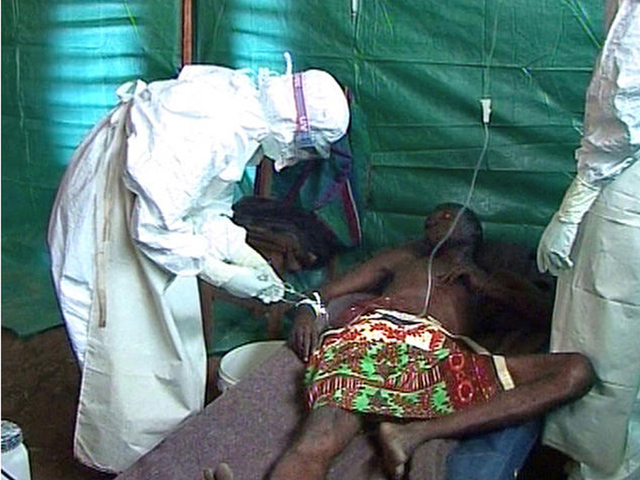
An Ebola patient receiving treatment
WHO’s emergency response chief Peter Salama said seven of the woman’s immediate family later also died from Ebola-like symptoms, and potential cases were now being traced in 10 localities.
Apart from Mangina in North Kivu province, there were now suspected cases in the local town of Beni and neighbouring Ituri province, Salama told a regular UN briefing in Geneva.
The WHO also warned that the Ebola outbreak in eastern DRC, is likely spread over tens of km and poses a high regional risk given its proximity to borders.
The health ministry said four people have tested positive for Ebola in and around Mangina, a town of about 60,000 people in North Kivu province, 100 km from the Ugandan border.
Another 20 people died from unidentified haemorrhagic fevers in the area, mostly in the second half of July.
On July 29, a previous outbreak on the other side of the Central African country was declared over after killing 33 people.
“It would appear that the risk, as we can surmise for DRC, is high. For the region it’s high given the proximity to borders, particularly Uganda,” said WHO’s emergency response chief, Peter Salama.
“We are talking about tens of kilometres, but I stress that this is very preliminary information at this stage.”
Ebola is believed to be transported long distances by bats and can find its way into bush meat sold at local markets and eaten. Once present in humans, it causes haemorrhagic fever, vomiting and diarrhoea and is spread through direct contact with body fluids.
Over 11,300 people died of an epidemic in West Africa from 2013 to 2016.
This is the vast, forested central African country’s 10th outbreak since 1976, when the virus was discovered near Congo’s Ebola river in the north.
That is more than twice as many epidemics as any other country.
The response to Congo’s previous outbreak was considered a success despite the 33 deaths, as the use of a vaccine made by Merck helped contain the virus.
The kind of Ebola in the latest outbreak has been confirmed as the Zaire strain that the Merck vaccine protects against, Congo’s health ministry said late on Thursday.
This should allow health officials to again use what has become the greatest weapon against Ebola epidemics to date.
Still, this outbreak poses new challenges. Eastern Congo is a tinderbox of conflicts over land and ethnicity stoked by decades of on-off war and this could hamper efforts to contain the virus.
About 1,000 civilians have been killed by armed groups and government soldiers around Beni since 2014, and the wider region of North Kivu holds over one million displaced people.
Officials in Mangina rushed on Thursday to educate people about the risks of spreading the virus in a town that one local nurse told Reuters had no ambulance service.
Agents were deployed to warn people about the need for strict hygiene and the local radio station passed on messages about how to act, a local journalist said by phone.
“There is a great panic among the local population following the appearance of the Ebola epidemic,” said a nurse by phone, who asked not to be named.
The hospital where she works has already seen three people die recently of haemorrhagic fever.
The hospital was awaiting help from the Red Cross to bury the bodies properly, she said.
Meanwhile, Uganda has set up screening at the land border it shares with Congo and at its Entebbe international airport.
“Ebola is highly infectious, so we have put in place measures,” Uganda’s Junior Health Minister, Sarah, Opendi told Reuters.
An international delegation including officials from the UN, the World Bank and the WHO is in Beni, 30 km from Mangina.
The Federal High Court in Awka, Anambra State, is under what looks like a critical gully erosion threat and at the verge of imminent collapse.
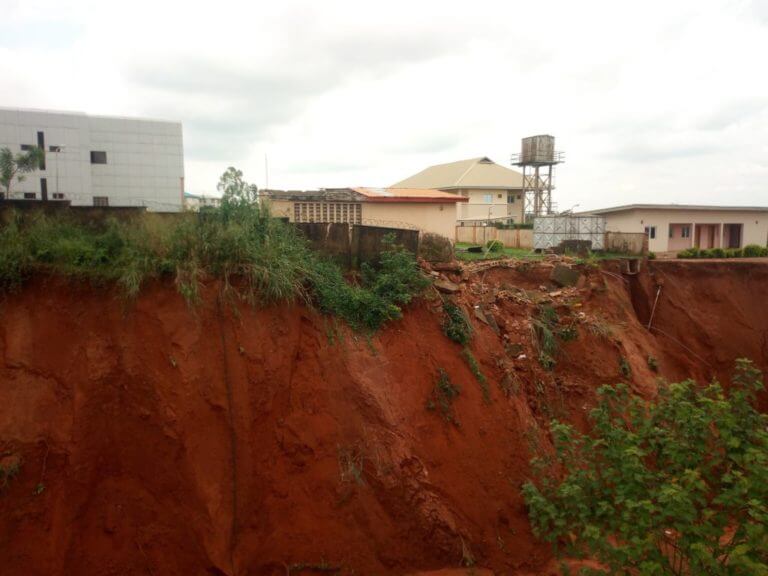
Federal High Court Complex, Awka under erosion threat. Photo credit: NAN/APC
A correspondent of News Agency of Nigeria (NAN) who visited the complex on Friday, August 3, 2018 reports that parts of the property had already caved into the gaping gully.
Some of the parts that have been lost to erosion include the perimeter fence, generator house, the original site for electricity and tarred road leading to Judges’ Quarters.
Other are the Boys Quarters for servants and house helps in the Judges’ Quarters, the water supply borehole and the part of the entrance to the Court complex.
Mrs Blessing Egbuche, a staff of the Federal High Court, told NAN that they no longer felt safe working under the prevailing circumstance.
Egbuche said no part of the complex is safe now as each rainfall reduces the integrity of the buildings which already had visible cracks due to underground vibrations.
She said electricity and water supplies were no longer available as they could no longer use the borehole and the transformer had been dismantled.
Egbuche said they had cried to the Anambra State Government and the Nigeria Erosion Watershed Management Project (NEWMAP) and had not received any assistance after they had visited severally.
“We no longer feel safe and happy working here, the staff, the lawyers and judges can no longer use the convenience because there is no water, so that has resulted in the messing up of the whole place.
“There is no light in the complex, maybe there is electricity supply, but our transformer has been disconnected because erosion was swallowing it up and we had to call EEDC to come and remove it.
“The borehole has collapsed, our 20,000-capacity water tank is there but we have emptied it to prevent it from going down into the gully soon,’’ she told NAN full of lamentation.
“Now, the staff members tell you that they want to ease themselves outside the gate and leave from there, you cannot monitor them again.
“The building is at the risk of collapse, we are not safe here anymore, we need urgent assistance to prevent this disaster,’’ she said.
Also, Mrs May Esealuka, Deputy Chief Registrar in the Court, lamented the possible loss of the multi-million-naira complex to gully erosion.
Esealuka told NAN that all efforts to get the Anambra Government and Ministry of Environment to intervene in the problem since it started were futile.
According to her, we have sent letters to Anambra Government in November last year and all the people and agencies that matter in Anambra, including NEWMAP came and saw things for themselves.
“What is happening here is sad, every moment my heart jumps that the worst will happen; there is no road to the Judges Quarters anymore.
“For the past six months, we did not have light, no water supply, we have moved our generators to a safer side because the generator house has collapsed.
“Since this thing started, nothing has been done to save it, NEWMAP at a time said I should call people at the top for release of funds, but am I supposed to talk, if not the people on ground.
“We have been writing letters and making calls that some of them no longer pick my calls, we are begging whoever is in charge to save us, the media should help us to shout so that they can help us,’’ she said.
NAN reports that it is not only the Federal High Court Complex that is at risk as the erosion is just few metres away from the Federal Secretariat still under construction.
Some structures in the abandoned Three Arms Zone along Ekwueme Square have also been swalowed by the menace.
Responding to the situation, Mr Emeka Achebe, Head of Communications in NEWMAP, said the World Bank Technical Team have visited the site and appreciated the enormity of Danger.
Achebe said a special intervention plan known as “Gully Rapid Action and Slope Stabilisation (GRASS), has been approved for the site.
According to him this will control damage and immediate threat to houses and other critical infrastructure, adding that remedial works will begin before the end of August.
“GRASS has been approved by the World Bank for Ekwueme Square and activities will commence before end of month,’’ he said.
President of the Nigerian Meterological Society (NMetS), Prof. Clement Akhoshile, has called for the development of shield outlets to conserve the water being released from the dams.
Effect of heatwave
Akosile made the call in an interview on how the nation could mitigate the heatwave ravaging European countries on Friday, August 3, 2018 in Lagos.
Heatwave occurs when the temperature rises above normal and the air becomes dry over a long period of time.
According to him, a shield outlet will ensure that water released from dams is channeled to areas that need water instead of the current way of causing flooding by releasing the water into the river.
“The water projects that we have must be better managed than the way they are being handled at present.
“The dams have to be properly maintained and secured so that they do not break.
“We must develop and have a proper outlet so that instead of wasting water being released from the dams it will go to areas that do not have enough water.
“It will prevent moving of excess water along the water courses causing flooding of communities and destruction of lives and properties,’’ he said.
Akoshile also advised the government to devise means of curtailing bush burning to protect the environment.
He added that the people’s lifestyle of making charcoal from firewood by cutting down woods must be stopped.
The NMet’s president said that the government should intensify its attempt to planting trees to checkmate desert encroachment.
He said that deliberate efforts should be made on continuous basis to preserve the forests.
Akoshile warned that the nation would suffer greatly if its vegetational cover was allowed to continually decrease at an alarming rate.
He said that at present the planting of trees did not correspond with the way trees were being felled and uprooted.
Heatwave has been causing havoc in some regions of the world recording temperatures above 48 degrees Celsius and affecting the environment in various negative ways.
The International Fund for Agricultural Development (IFAD)-Value Chain Development Programme (VCDP) Consultant, Dr Ken Ukaoha, has advised farmers to embrace scale of measurements.
Rice farming
Addressing farmers on Friday, August 3, 2018 in Makurdi, Benue State, on the importance of weighing or measuring their produce before sale, Ukaoha said that the programme was ready to assist farmers to procure weighing scales.
According to him, IFAD-VCDP assists farmers with funds to acquire weighing scales, adding that the programme gives farmers 70 per cent of the total cost of the scales while they provide 30 per cent.
He also encouraged farmers conduct market surveys in order to know the cost of the scales, before approaching IFAD-VCDP for assistance.
This, he said, would enable the programme to know exactly how much to make available to them.
Ukaoha encouraged farmers who had yet to acquire or procure the scales to take advantage of the opportunity.
He said that weighing or measuring their produce before selling them was of great advantage to them as well as the buyers.
“In some situations, the farmers cheat themselves when they fail to weigh or measure their produce before selling and in another situation, they cheat the buyers.”
Ukaoha, however, advised that after buying the scales, they should be taken to the Ministry of Trade and Investment for calibration before putting them to use.
A cross section of the farmers who spoke with the News Agency of Nigeria (NAN), expressed joy over the knowledge that they gained, especially the importance of weighing/measuring their produce before selling.
They, however, called for knowledge sharing to farmers at the grassroots.
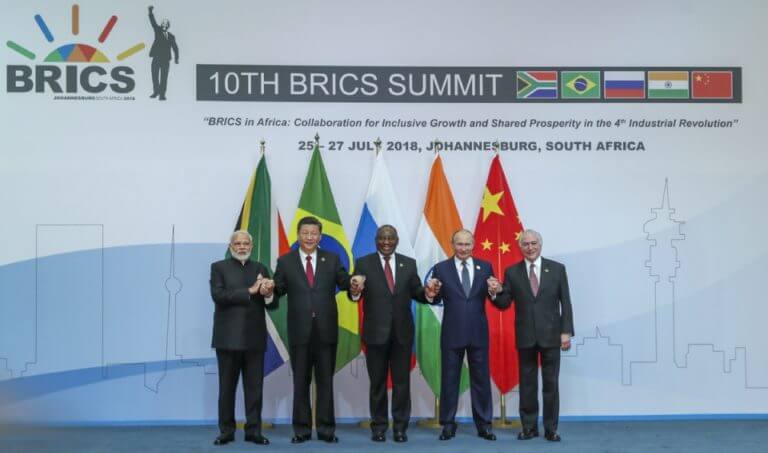
Following the 10th BRICS Summit themed, “BRICS in Africa: Collaboration for Inclusive Growth and Shared Prosperity in the 4th Industrial Revolution”, leaders of Brazil, the Russian Federation, India, China and South Africa (BRICS) issued a statement titled, “Johannesburg Declaration”, underlining their countries’ commitment to implementing the 2030 Agenda for Sustainable Development and the Paris Agreement on climate change.
Leaders of the BRICS nations of Brazil, the Russian Federation, India, China and South Africa at the 10th BRICS Summit in Johannesburg, South Africa
The 10th BRICS Summit convened in Johannesburg, South Africa, from July 25 to 27, 2018.
The Johannesburg Declaration is structured around four key themes: 1) strengthening multilateralism, reforming global governance and addressing common challenges; 2) strengthening and consolidating BRICS cooperation on international peace and security; 3) BRICS partnership for global economic recovery, reform of financial and economic global governance institutions, and the fourth industrial revolution; and 4) people-to-people cooperation.
The statement reaffirms BRICS’ support for multilateralism, underscoring the central role of the UN in this regard, as the “universal intergovernmental organisation entrusted with the responsibility for maintaining international peace and security, advancing sustainable development as well as ensuring the promotion, and protection of human rights and fundamental freedoms.”
The leaders reiterate their commitment to the purposes and principles enshrined in the UN Charter, as well as to strengthening multilateral institutions of global governance to ensure that they are able to comprehensively address global challenges.
The Johannesburg Declaration underlines BRICS’ commitment to fully implementing the 2030 Agenda and the SDGs, highlighting the importance of economic, social and environmental dimensions of “equitable, inclusive, open, all-round innovation-driven and sustainable development,” and reiterating the goal of eradicating poverty by 2030.
The statement pledges support for the High-level Political Forum on Sustainable Development (HLPF) for its role in coordinating and reviewing global implementation of the 2030 Agenda, and urges developed countries to fully honor their Official Development Assistance (ODA) commitments.
In the statement, the BRICS leaders “call upon all countries to fully implement the Paris Agreement,” in line with the principles of the UNFCCC including the principles of common but differentiated responsibilities and respective capabilities (CBDR-RC), and welcome progress towards finalising the Paris Agreement Work Programme (PAWP) at the 24th session of the Conference of the Parties (COP24) to the UNFCCC to be held in Katowice, Poland in December 2018. They urge developed countries to provide financial, technological and capacity-building support to developing countries to enhance their capability in mitigation and adaptation.
The BRICS declaration notes that the five countries will strengthen their energy cooperation, pointing to their transition to more environmentally sustainable energy systems that are, among other elements, “supportive of the global sustainable development agenda.” The BRICS leaders reiterate their undertaking to “strive toward universal energy access, energy security, energy affordability, reduced pollution and environmental conservation.”
The declaration reaffirms the need to diversify energy supply sources, including renewable and low carbon energy sources, and underlines the need for infrastructure investments, pointing specifically to BRICS support for sustainable infrastructure development in Africa, and committing to further expand green financing to promote sustainable development in BRICS countries.
Noting the outcome of the fourth BRICS Environment Ministers Meeting, held under the theme, “Strengthening Cooperation amongst BRICS on Circular Economy in the Context of the Sustainable Consumption and Production (SCP),” the declaration underscores the “enormous potential” of a circular economy approach to reduce waste, to forge more environmentally sustainable processes and to diversify economies while contributing to economic growth and job creation.
The leaders highlight the “vast potential” for cooperation and collaboration between BRICS countries to advance the Oceans Economy, including in the areas of: maritime transport; shipbuilding; offshore oil and exploration; aquaculture; port development; research and technology; conservation and sustainable use of marine resources; marine and coastal tourism; financial and insurance services; and coastal industrial zone development.
The Johannesburg Declaration also reaffirms the BRICS leaders’ aim to enhance cooperation and collaboration on biodiversity conservation, sustainable use, and equitable access and benefit sharing of biological resources.
By Dr Gillian Nelson, Thematic Expert for Climate Change and Sustainable Energy (IISD SDG Knowledge Hub)