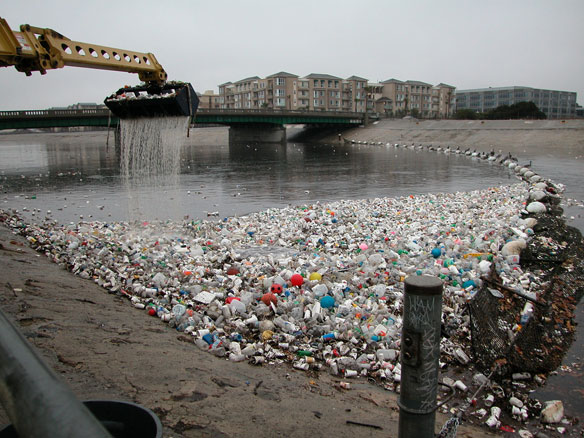
The Fraunhofer Society, a German research organisation, says some 330,000 tonnes of microplastics are entering the environment each year.
Plastic pollution
According to a study released on Tuesday, September 4, 2018, researchers said the largest contributor of microplastics – tiny pieces of plastic that do not break down for many years and damage the bodies and tissues that absorb them – is the tyre industry.
Microplastics are released into the environment from the wear and tear of tyres from machines including vehicles, planes, diggers, shovels and bikes.
Other major culprits when it comes to microplastics pollution are sewage treatment plants, aeroplanes and construction sites, the study says.
“We can assume that microplastics already exist in all areas of the environment,” said Leandra Hamann, one of the study’s co-authors.
The Office of the Senior Special Assistant to the President on Sustainable Development Goals (OSSAP-SDGs) says it is partnering with the United Nations Development Programme (UNDP) to mainstream SDGs in states and local governments policies for effective implementation.
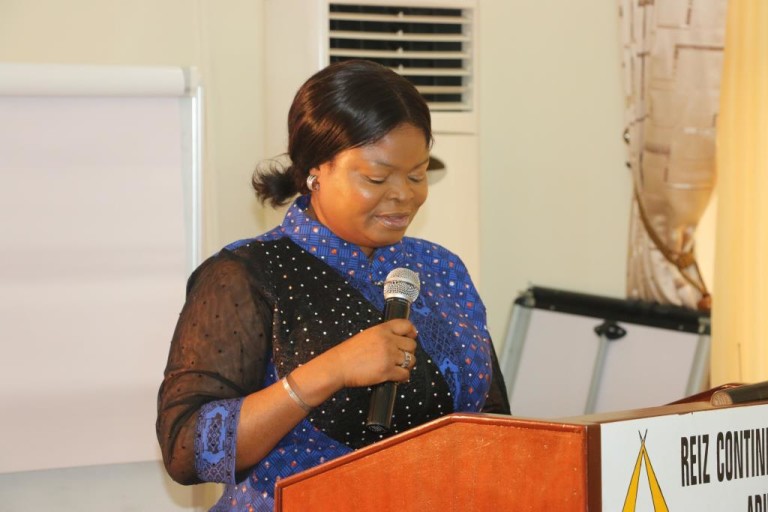
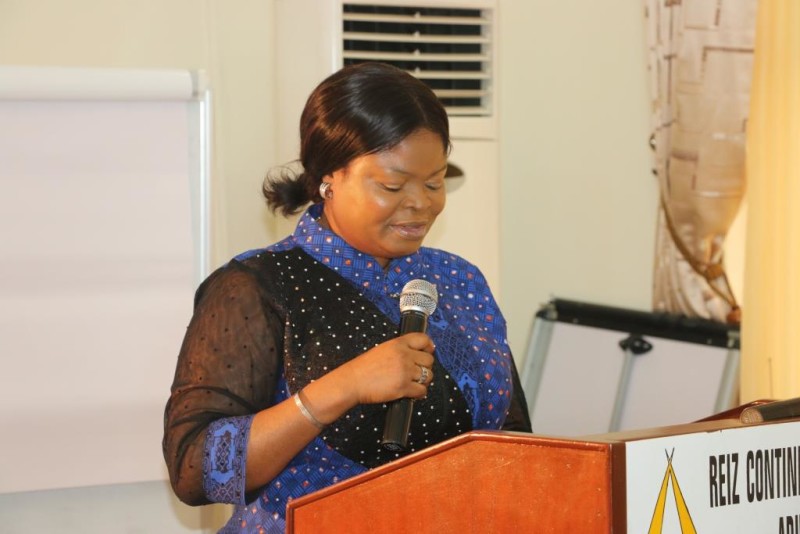
Senior Special Assistant to the President on Sustainable Development Goals (SDGs), Princess Adejoke Orelope-Adefulire
Mrs Adejoke Orelope-Adefulire, SSA to the President on SDGs, said on Tuesday, September 4, 2018 in Abuja that the mainstreaming was to fast-track the implementation of the SDGs at sub-national level.
She said that the SDGs were a universal call to action to end poverty, safeguard the planet and ensure that everyone enjoys prosperity and peace.
Orelope-Adefulire explained that the integration was essential because the states and LGAs were the closest tiers to the people and had adequate fiscal capacity to enable Nigeria achieve the 2030 target of “leaving no one behind.’’
“The 17 SDGs and 169 targets aim to tackle the root causes of poverty and unite us together to make positive change for both people and planet.
“Indeed, the SDGs work in the spirit of partnership and pragmatism to make the necessary choices to improve livelihood in a sustainable way.
“The SDGs cannot be achieved through stand-alone projects and programmes. They must be carefully mainstreamed into the Medium and Long-term plans of the State and Local governments, as implemented by the National Government’s Economic Recovery and Growth Plan (ERGP).
“It is our hope that any development plan at the sub-national level should be ‘SDGs-based’ Plan that consciously mainstreams the relevant SDG targets and indicators,’’ she said.
The SSA noted that most states had already put in place institutional structures to support the implementation of the SDGs within their jurisdictions and were currently implementing strategic programmes and initiatives.
She thanked UNDP for their support in facilitating the meeting, soliciting for more technical support at both national and sub-national levels to ensure meaningful progress in the implementation of the 2030 Agenda.
In his remarks the UNDP Country Director, Dr Samuel Bwalya, said that mainstreaming the SDGs would allow proper investment in priority areas as required by the states.
Bwalya explained that SDG was all about development and equity and most of the developmental projects were done at the state and local levels.
“We are now moving from federal to state and from state to local. The essence of today’s meeting is to dialogue with the state liaison office to see how SDGs can be achieved.
“SDG can be achieved only through strong political leadership, ownership and commitment on the parts of citizens and the government.
“UNDP is to assist in integrating all the states in the country including FCT in their SDG to deliver,’’ Bwalya said.
He urged the participants to reflect the objectives of SDGs in the administrative function and evaluate why the Millenium Development Goals (MDGs) failed, so that the gap could be bridged.
The News Agency of Nigeria (NAN) reports that the meeting was attended by the SDGs Liaison officers from the 36 states of the federation and the FCT.
The UN on Tuesday, September 4, 2018 called for better utilisation of Africa’s water-energy nexus to harness the continent’s resources towards sustainable development.
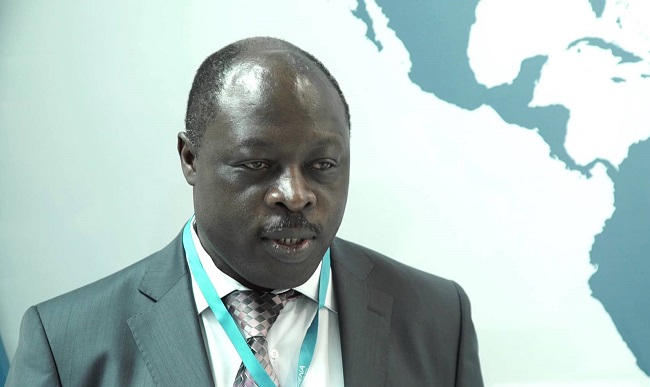
Linus Mofor, Senior Environmental Affairs Officer at the ECA
The UN Office for Sustainable Development (UNOSD), the UN Economic Commission for Africa (ECA), UN Environment, and the UN Department for Economic and Social Affairs (UN DESA) jointly made the call during a meeting in Ethiopia’s capital, Addis Ababa.
Experts and policymakers gathered at the meeting to discuss mainstreaming and implementing the water-energy for sustainable development in Africa.
Linus Mofor, Senior Environmental Affairs Officer at the ECA, said African countries are already experiencing catastrophic climate change and variability impacts in inter-related ways across many sectors – including water, energy and agriculture.
Mofor further stressed the need to set up integrated approaches in responding to the increasing energy and water demand to enhance livelihoods and sustain economic growth and address the additional pressures on natural resources due to urbanisation and population growth in a continent affected by the changing climate.
“That is why for us at the ECA the nexus work is of high importance, especially in view of how we support our member states with the implementation of their nationally determined contributions to climate change under the framework of the Paris Agreement,” said Mofor.
According to the UN, the 2030 Agenda for Sustainable Development recognises the centrality of energy and water resources to sustainable development, and the vital role that improved access to both water and energy play in advancing progress in other areas, including health, education and poverty eradication.
The UN further stressed that an integrated development of the energy and water policies is of paramount importance and not in isolation from each other.
According to figures from the UN, only 28 percent of the population in Sub Saharan Africa have access to electricity while many African countries are not on track to meet the global drinking water target.
Samba Thiam, Head of the UN Environment Liaison Office to the African Union (AU) Commission, also said that with the increasing demands for water and energy on the continent, it is important for experts to understand their interlinkages.
She als urged them to understand potential water-energy nexus options that can effectively contribute to meeting Africa’s water and energy demands.
“An integrated approach to the water-energy nexus can increase energy efficiency, decrease water pollution, reduce costs of energy and water delivery, increase access to services, and reduce greenhouse gas emissions,” said Thiam.
The three-day meeting, that attracted more than 100 participants from the African Region in Ethiopia’s capital Addis Ababa, discussed Africa’s water and energy targets and indicators, including cross-sectoral mainstreaming.
Participants also discussed the challenges related to the water-energy nexus and possible solutions, and other related issues as the continent seeks to achieve the Sustainable Development Goals (SDGs).
Organisers also expressed their hope to enhance knowledge management and best practices’ sharing on the water-energy nexus and inter-linkages with other SDGs; and strengthening advocacy and outreach in the areas of energy and water and their interlinkages during the next three days.
According to Jong Soo Yoon, Head of the United Nations Office for Sustainable Development (UNSOD), water was the key driver for sustainable development hence the need for such a workshop.
“At the end of the workshop we hope we would have contributed to developing the capacity of governmental institutions and relevant stakeholders in the African region to effectively manage the water-energy nexus and interlinkages with other SDGs for sustainable development to facilitate the implementation of the 2030 Agenda at national level,” he said.
“Integrated approach to water-energy can increase energy efficiency, decrease water pollution, reduce costs of energy and water delivery, increase access to services and reduce greenhouse gas emissions.”
Abraha Adugna, Ethiopia’s State Minister of Water, Irrigation and Electricity, also said during the gathering that water and energy were closely interlinked and interdependent hence water and energy problems should not be addressed in isolation or at the expense of each other.
“It is critical to better understand the water-energy nexus and the driving forces of the water and energy cycles for efficient and sustainable use of these resources,” he said.
He added that to manage both resources, planners and decision makers need to consider ways to maximise the supply of one while minimising the over use of the other.
Health authorities in Zambia on Tuesday, September 4, 2018 dismissed reports that the country has recorded its first Ebola case.
Zambian Minister of Health, Dr Chitalu Chilufya
Reports in some local media reported that the country recorded its first Ebola case on Monday following the admission of a 41-year-old patient at Levy Mwanawasa Hospital in Lusaka, the country’s capital.
But the Zambian Minister of Health, Dr Chitalu Chilufya, said the patient, who was quarantined at the hospital, has no Ebola but septicemia, a bacterium in the blood that often occurs with severe infections.
He said laboratory tests conducted on the patient have ruled out any Ebola virus, adding that there was no need for people to panic.
The Zambian minister told reporters during a press briefing that admission of the patient to the hospital was an indication of the country’s heightened surveillance system following the outbreak of the deadly disease in neighbouring Democratic Republic of Congo (DRC).
He said the government has increased surveillance measures in border areas with the DRC.
The minister said seven-member rapid surveillance teams have been set up in all districts bordering DRC.
“May I take this opportunity to inform the public that contrary to the news circulating in the social media there is no case of Ebola in Zambia,” he said.
“Everything is under control and there is no need to panic as government has taken all the necessary measures to ensure heightened prevention, preparedness and response activities against Ebola,” he added.
NAN reports that authorities in DRC said a new outbreak of the Ebola virus has killed 33 people in the east of the country.
Thirteen Ebola cases have been confirmed since the fresh outbreak was declared on August 1 in North Kivu province.
Containing an Ebola outbreak in a “war zone” in the Democratic Republic of Congo is among the most difficult challenges the World Health Organisation has faced, a top WHO official said.
In North Kivu, health workers will have to navigate their response among more than 100 armed groups, 20 of whom are “highly active,” WHO’s emergency response chief Peter Salama told reporters.
The outbreak in North Kivu in eastern DRC was declared a week after WHO and the Kinshasa government hailed the end of an earlier Ebola flareup in northwestern Equateur province, which killed 33 people.
As with the earlier outbreak, “vaccinations will be an integral part of the response,” the health ministry said Saturday.
The latest outbreak of the haemorrhagic virus is the 10th in the DRC since 1976, when it was discovered in the north of the country, then called Zaire, and named after a river nearby.
The World Health Organisation (WHO) has said that although Nigeria made considerable progress in the fight to end tuberculosis (TB), there are however some outstanding challenges that stakeholders need to address collectively to achieve the needed breakthrough.
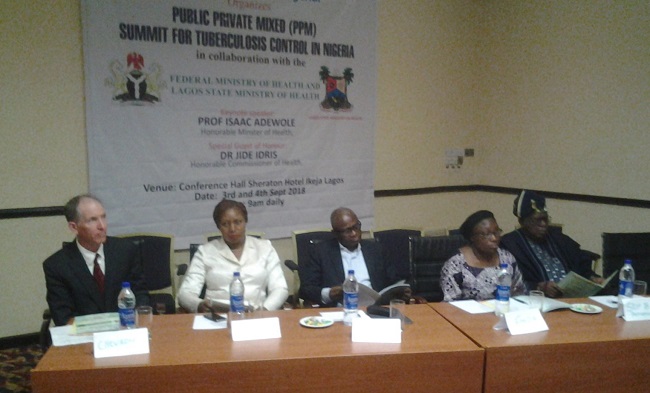
L-R: Mr. Richard Kennedy, Director, Star Deepwater Petroleum Limited, a Chevron company, representing the Agbamin Parties; Dr. Linda Ozor, Ag. Coordinator Non-communicable diseases cluster, representing the WHO Country Representative; Dr. Jide Idris, Commissioner of Health, Lagos State; Dr. Adebola Lawanson, National Coordinator NTBLCP; and Prof. Lovett Lawson, Board Chair, Stop TB Partnership Nigeria, at the Public Private Mix Summit for Tuberculosis Control in Nigeria, on Monday, September 3, 2018 in Lagos.
Dr Wondimagegnehu Alemu of the WHO made the submission on Monday, September 3, 2018 in Lagos at the Public Private Mix (PPM) Summit for Tuberculosis Control in Nigeria organised by the WHO Nigeria Country Office, Federal Ministry of Health, Lagos State Ministry of Health and Stop TB Partnership Nigeria.
Nigeria is said to have the second highest number of TB cases in Africa and ranks seventh amongst countries with the highest burden of TB globally. Some 600,000 people become infected with TB in Nigeria every year, and it is estimated that up to 60,000 of these new infections occur in children.
Dr Alemu emphasised that even though the federal and state governments with support of committed partners are working to bring TB under control, Nigeria should nonetheless address the following challenges:
Find the remaining 300,000 cases, which are still missed by the health sector. Of the total 400,000, only 100,000 were reported. In Lagos State, of the three reported cases, two are missed.
Expand quality TB diagnostic coverage nationwide. Both oprimisation of the existing gene Xpert diagnostic machine (390) and adding more.
Increase awareness of general public about TB so that they report to health facilities when they experience the cardinal sign of chronic cough.
Improve screening of chronically coughing cases at health facilities.
Increase involvement of private sector in TB control programme. Data shows that only 14% of private health institutions are collaborating with the national TB control programme, and only one in five (19%) TB cases are being managed at private health clinics.
He commended Health Minister, Prof Isaac Adewole, for increasing the case detection rate from 17% to 24%, representing a 41% increase.
“Hon Minister Sir, declaring 2017 as the year for accelerated TB case finding with clear strategy and actions at all levels has worked. We are very much encouraged with your commitment, and eager tp support your vision of reaching more Nigerians in 2018 and beyond.
Lagos State Commissioner for Health, Dr Jide Idris, said that the state has 926 TB treatment centres covering all 57 LGAs/LCDAs, 108 TB microscopy and 30 GeneXpert sites with at least one GeneXpert machine in each of the 20 LGAs.
His words: “With the support of our partners, we also havevarious case finding activities going on. These include house-to-house case search by community TB workers, tracing of contacts of diagnosed TB cases as well as mobile TB diagnosis using the Wellnes on Wheel truck. Our health workers regularly sensitise on TB during community outreaches, anti-natal and child immunisation clinics.”
According to him, most of the challenges of TB control have to do with funding. “There are huge resources in the private sector we wish to tap into to drive out TB from our country,” he said.
Board chair, Stop TB Partnership Nigeria, Prof Lovett Lawson, stated that even though daunting, the task of stopping TB is achievable.
“It is our collective responsibility; including the government, development partners, communities and the corporate sector in particular. It requires coordinated implementation of appropriate interventions,” said Prof Lawson.
With concern about climate change on the rise, many citizens are taking steps to reduce their carbon footprint and have a more positive impact on the environment. With over 180 million people, Nigeria’s carbon output exceeds that of other African countries such as Ghana and Kenya, in part due to emissions from homeowners. In fact, Nigeria has a huge housing deficit, making sustainable housing a low priority. Nonetheless, more builders are choosing to construct homes that use less energy and more solar power.
A green, self-sufficient home
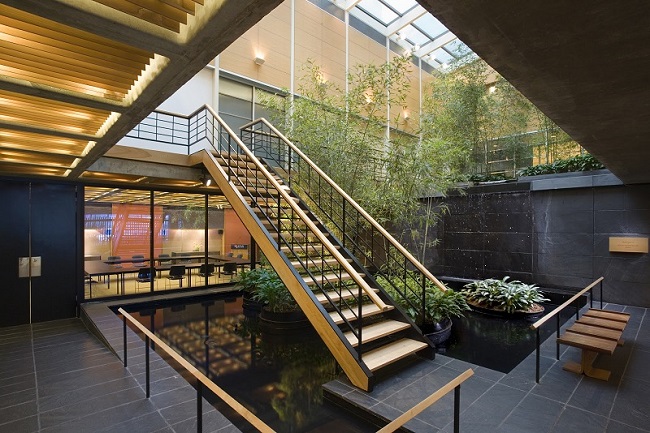
Designing a self-sufficient home can help local families to cut back on carbon emissions while also reducing their monthly bills. Not to mention, wooden homes are more ecological and economic alternative to homes made of concrete and brick. Here are some tips on how to create a sustainable living situation and the far-reaching benefits that it can have.
Go Off the Grid
Many Nigerian homes are powered by coal or gas, which can have a significant impact on the environment. Sustainable homes are not only a part of nature but also beneficial for the environment. Thus, they are made from non-petroleum materials that are biodegradable, recyclable, and ecological. Going off the grid and switching to an alternative energy source such as wind or solar will slash your carbon footprint and give you more control over your energy consumption. Solar is particularly easy to install, regardless of where you live, and the panels can last for up to 25 years with minimal maintenance.
Manage Water and Waste with Wood
Wood does not act as a thermal bridge but as a natural insulator, keeping the home warm in the winter and cool in the summer. Building with wood requested the use of less energy, smaller carbon footprint, and lower environmental impact than conventional methods. In fact, the materials used for finishing self-sustaining homes are made of pressed wood, tiles, natural stones, shale, etc. – all of which minimises construction and upkeep maintenance.
While some self-sufficient homes have access to a well, many must rely on rainwater for chores such as dishes and laundry. Rainwater is collected, funneled, and gravity-fed into a cistern, then channeled into a pump system for easy use. After washing, greywater can be reused and recycled two to three more times. Once removed, this water can be used to irrigate plants so that it doesn’t go to waste. It can also be channeled into the septic system for waste.
How Sustainable Living Impacts Society
Sustainable homes are not only more comfortable and more cost-effective but also benefit the community as a whole. Managing a self-sufficient home means less waste, which helps to keep the area around you clean and safe. Green materials tend to contain fewer dangerous chemicals that can harm occupants and the environment.
Adding green modifications to your home can also increase its property value. Installing features such as solar panels and a waste management system means that you can sell your home at a higher price if you ever decide to move. Not only that but going green can also help to raise the value of your neighbors’ properties as well.
Creating a self-sufficient home not only helps to make your life easier but also benefits the environment and the community as a whole. Producing your own energy and managing your own waste means a cleaner and greener world for our children. With some relatively simple changes to your living situation, you can do your part to reduce your carbon footprint.
Against the backdrop of severe and record heatwaves, bushfires, droughts and floods across the world, governments are convening a supplementary meeting in Bangkok, Thailand from Tuesday, September 4 to Sunday, September 9, 2018 to prepare the implementation guidelines of the Paris Climate Change Agreement. The guidelines are needed to make the Paris Agreement work fairly and transparently for all.
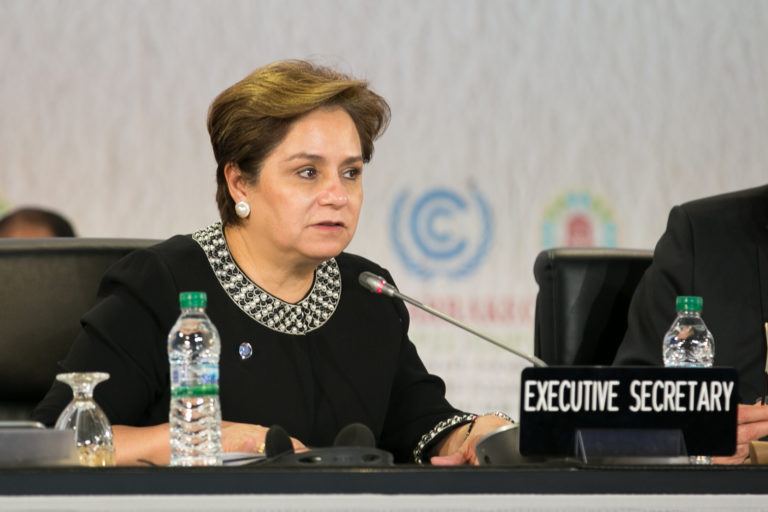
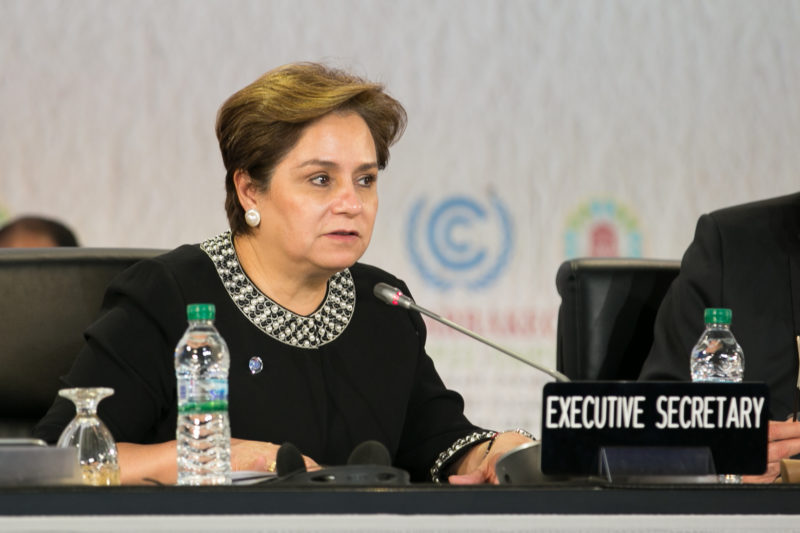
Patricia Espinosa, executive secretary of the UNFCCC
Following a two-year negotiation process, the implementation guidelines are set to be adopted at the annual climate conference, COP24, to be held in Katowice, Poland in December.
While the talks have made modest progress, the Bangkok meeting is the last opportunity before COP24 to accelerate negotiations.
“Building on progress made, countries now need to take a decisive step forward in preparing the ambitious and balanced outcome that we need in Katowice,” Patricia Espinosa, Executive Secretary of UN Climate Change, said at a press conference on Monday September 3, 2018.
Reaching success at COP24 will be challenging without the preparation of an official negotiating text on the implementation guidelines.
“It will be critical for negotiators in Bangkok to produce solid text-based output that can function as the basis for the concluding negotiations in Katowice and be turned into the final implementation guidelines of the Paris Agreement at COP24. The texts capturing progress to date are not yet refined enough for this purpose,” Ms. Espinosa said.
“With only six additional days for negotiations in Bangkok, UN Climate Change is carefully coordinating demands to fully support countries in their important task,” she added.
Highly technical in nature, the implementation guidelines are needed to monitor progress on climate action. Such action includes measures to deal with climate impacts such as droughts or floods and urgent support to enable developing countries to contribute to climate action.
They are also essential for determining whether emissions are being reduced at an ambitious rate to achieve the Paris Agreement’s goal of limiting the global temperature increase to well below 2°C, and as close to 1.5 °C as possible this century. Importantly, the guidelines are also needed to make the agreement’s institutions fully operational beyond COP24.
“Every year, the impacts of climate change are getting worse. This means that every year, the poorest and most vulnerable, who have contributed almost nothing to the problem, suffer more,” Ms. Espinosa underlined.
“Completing the operational aspects of the Paris Agreement and unlocking practical climate actions by putting in place the implementation guidelines represents a key opportunity for the multilateral process and society at large to address a global problem, while leaving nobody behind,” she stressed.
A host of upcoming events in the period before COP24 are a clear indication that not only many economic actors, but also civil society, cities and regions are looking to accelerate climate action. More and more of these actors are aligning their strategic visions with the goals of the Paris Agreement.
“Governments clearly lead the climate change process. But they alone can’t rise to the challenge and need the support of all these actors. This is slowly leading to a new, more inclusive multilateralism to deal with climate change, which is increasingly becoming evident,” said Ms. Espinosa.
The 2018 Climate Weeks in Africa, Asia and Latin America, the Global Climate Action Summit in San Francisco in mid-September and Climate Week in New York towards the end of September, to name a few, are all events that rally both governments and non-Party stakeholders around climate change.
“These events clearly demonstrate global momentum. They show that the world is ready to implement the Paris Agreement in the way world leaders envisaged in Paris in 2015,” Ms. Espinosa stated.
However, non-governmental organisations are less optimistic about the developed countries’ willingness to contribute to the mission, saying that they are “under no illusion” at another press conference in Bangkok that the UN negotiations can bring about such changes.
“The U.S. and other rich countries are constantly attempting to escape full accountability for their huge role on causing and exacerbating climate change,” said Lidy Nacpil, co-ordinator of the Asian Peoples Movement on Debt and Development (APMDD).
“With the expressed intention by the US to withdraw from the Paris Agreement, we do not want to sink into the abyss alone,” said Mithika Mwenda of the Pan-African Climate Justice Alliance (PACJA), referring to President Donald Trump’s announcement in 2017.
“Our hope is that like-minded groups will not evolve into a coalition of climate-deniers mobilised by the U.S. to rock the UNFCCC negotiations boat,” Mwenda added.
The European Union on Monday, September 3, 2018 announced new funding of €138 million funding for humanitarian assistance and development in Lake Chad Region.
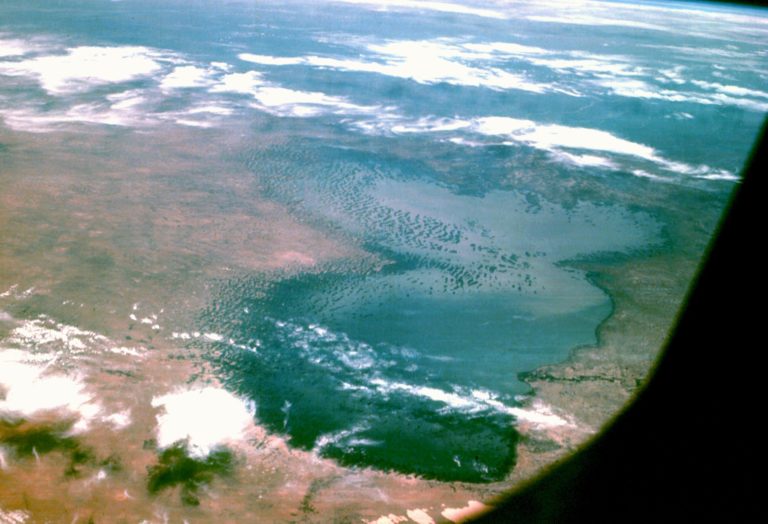
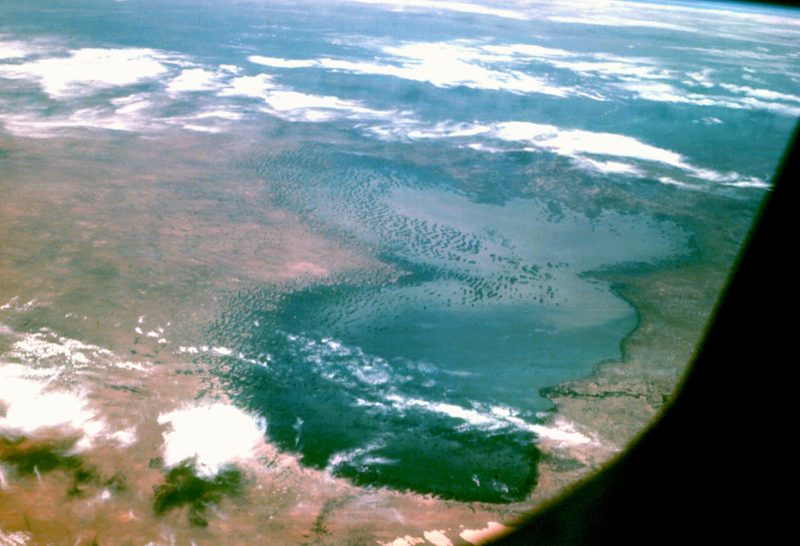
Lake Chad viewed from Apollo 7
According to a statement on Monday in Abuja, by the Press Officer to Delegation of the EU to Nigeria and ECOWAS, Mr Modestus Chukwulaka, Commissioner for Humanitarian Aid and Crisis Management Christos Stylianides made the announcement speaking at the High-Level Conference on the Lake Chad Region in Berlin.
This is part of an overall EU aid package for the region worth €232 million.
Stylianides said that the new funding would help vulnerable communities in the four countries of Nigeria, Niger, Chad and Cameroon caught up in the insurgency.
“The humanitarian crisis in the Lake Chad basin, affecting parts of Nigeria, Niger, Chad and Cameroon, continues to worsen due to prolonged violence, insecurity and environmental degradation.
“To help the most vulnerable communities, the Commission has today announced new funding of €138 million combining humanitarian and development assistance.
“This is part of an overall EU aid package for the region worth €232 million.
“The disastrous effects of armed conflict and violence in the Lake Chad basin have had a serious impact in an area already plagued by poverty and the extreme effects of climate change,” Stylianides said.
According to him, the EU is committed to continue to help the most vulnerable and that EU is stepping up its humanitarian and development assistance.
He said that the crucial thing was for all parties to the conflict to ensure full access throughout the region, so our aid can reach those in need.
The statement also quoted EU Commissioner for International Cooperation and Development, Neven Mimica, as saying that the EU is determined to move the region from conflict to peace.
“As the humanitarian situation remains pressing, we also need to help prepare the region to move from conflict to peace – and from fragility to resilience.
“Our new funding will invest in social services and tackle poverty, environmental degradation and the effects of climate change.
“We will also boost some of our existing programmes in North East Nigeria by strengthening girls’ education and reintegration efforts, as well as health and nutrition services,” Mimica said.
He said that the Monday’s package was part of the EU’s strategy to better link its humanitarian and development support, with Nigeria and Chad being both pilot countries in this effort.
He said that between 2014 and 2017, the EU provided close to 700 million euros in humanitarian aid and development assistance to the region.
Mimica described the humanitarian situation in the Lake Chad basin s extremely fragile.
“Over 2.4 million people have been forcibly displaced including 1.2 million children, while violence and insecurity have also had a negative impact on the lives and livelihoods of more than 17 million people.
“Around 3.6 million people are in need of emergency food assistance and 440, 000 severely malnourished children across the region need life-saving assistance. The resulting humanitarian crisis is among the largest in the world.
“EU development support in the region includes the creation of appropriate security conditions for the return and sustainable reintegration of internally displaced people and refugees,” he said.
UN humanitarian chief Mark Lowcock has expressed optimism that over $1 billion would be pledged or collected in fresh aid at a conference of donors to the drought-plagued region around Lake Chad.
A famine was averted in the region last year largely thanks to international aid, but millions of people in Nigeria, Niger, Chad and Cameroon were still in dire need of help, Lowcock told reporters on the sidelines of the Berlin conference.
He said: “The crisis is not over. There are still 10 million people who need lifesaving assistance.
“A quarter of the people we are trying to reach are displaced from their homes and the only means of staying alive they have is what is provided by humanitarian organisations.”
Lowcock said last year’s donor conference in Oslo, Norway had raised $672 million in funds for the region, and he expected to double that amount this year, which will allow more work to be done addressing underlying problems in the region.
Detailed pledges were not immediately available. Over 50 delegations are attending the conference.
Germany, a key destination for migrants fleeing Africa and non-permanent member of the UN Security Council from 2019, is co-hosting a two-day conference with Norway, Nigeria and the UN to drum up support for the region.
Chancellor Angela Merkel’s ruling coalition had vowed to help African nations improve conditions to keep people from embarking on treacherous journeys to try to reach Europe.
German Development Minister Gerd Mueller, just back from a visit to Chad, said 2.4 million people have already fled the region due to climate change and violence blamed on the Boko Haram insurgent movement and Islamic State.
“We need a joint European solution. And the international community must get far more engaged for the overall region to give these people a chance for survival and undercut a breeding ground for terrorism,” Mueller said in a statement.
He said it was vital that donors actually provided the funds they pledged, noting that only third of the needs identified by international organisations had been covered to date.
Achim Steiner, head of the UN Development Programme, warned that more people could flee the region unless the international community stepped in to provide long-term perspectives for people in the region.
“We should remember that we made a mistake eight years ago when the Syria crisis began, and many people were forced to flee,” he told Reuters in an interview.
He noted that UN agencies were forced in that case to close hospitals and schools and halve food rations due to a shortage of funds.
German Foreign Minister, Heiko Maas, said that he was concerned about the situation in the countries of the Lake Chad region.
“One of the biggest humanitarian dramas of our time,” is taking place in the area, Maas was quoted as saying by the newspapers belonging to Germany’s Funke Mediengruppe on Monday.
The region has “become a stomping group for groups like Boko Haram and Islamic State, which are also a threat to our security in Europe,” he said.
“We can’t just look away while the neighbours of our neighbours are being destabilised.”
Around 2.3 million people are displaced, and more than 10 million people are dependent on humanitarian aid in the region, according to the German Foreign Ministry.
As the last round of climate change negotiations start in Bangkok, Thailand, observers are calling for significant progress in the development of the rulebook to guide the implementation of the Paris Agreement.
Rudelmar Bueno de Faria, ACT Alliance’s General Secretary
The additional Bangkok session was reportedly scheduled following slow progress in negotiations in Bonn, Germany earlier in 2018. It is said to represent the last opportunity for countries to come together to develop the rules and processes to operationalise the Paris Agreement before COP24 in Katowice, Poland in December, when these guidelines are due to be finalised.
The rulebook, which elaborates the modalities, procedures and guidelines for the implementation of the Paris Agreement, is considered extremely important because it determines how and whether the agreement can be implemented in a manner that is ambitious and equitable or not.
Rudelmar Bueno de Faria, ACT Alliance General Secretary, said: “Major decisions on the implementation of the Paris agreement will be made at COP24 in Poland later this year, and this will depend on how much progress is made in the Bangkok negotiations. We want to see significant steps forward in all the negotiations to enable governments to make the necessary decisions when they meet at COP24.”
Martin Vogel, Chair of the ACT Alliance climate change group, sated: “The goals of the Paris Agreement to limit global warming by 1.5 degrees, to build global resilience to the impacts of climate change and to provide financial resources to support the efforts of developing countries to respond to climate change can only be achieved if the rulebook reflects the necessary transparency, accountability, and ambition and deliver climate justice that respects human rights and contributes to sustainable development.”
Chair of the Least Developed Countries (LDC) Group, Gebru Jember Endalew, said: “This additional Bangkok session will be critical to the delivery of a robust, balanced and comprehensive set of implementation guidelines for the Paris Agreement at COP24. Negotiators have one week in Bangkok before Katowice; time to develop these rules is running out and there remains a lot of work to be done. A last-minute rush in Katowice must be avoided so that the voices of poor and vulnerable countries are fully heard.”
In Bangkok, negotiators will be working from recently published “tools”, which present the various options that have been put forward by countries. According to Endalew, negotiators will need to narrow down these options to enable textual negotiations and finalisation of the Paris Agreement guidelines at COP24.
He said: “I hope all Parties to come to Bangkok ready to engage constructively on the tools, and to take part in meaningful discussion. The effectiveness of the Paris Agreement and the achievement of the 1.5°C goal and other global goals depends on the robustness of the guidelines and procedures that are developed to bring the Agreement to life.”
“In negotiating these outcomes, countries must not lose sight of the big picture. The past months have seen changing rainfall patterns in Africa and heatwaves across much of the Northern Hemisphere. Attribution science tells us these are the impacts of climate change and they will only continue to intensify if immediate action is not taken. The Paris Agreement guidelines developed this year must be guidelines that will put us on a pathway to limit warming to 1.5°C, build resilience and protect communities across the world. Recent research confirms that any more warming than this will have catastrophic flow on effects, and this is particularly true for LDCs.”
Of particular importance to the LDC Group is the issue of climate finance, for which little progress was made at the negotiations in Bonn in May 2018.
On climate finance, Endalew said: “Climate finance enables LDCs and other developing countries to avoid repeating a history of high-carbon development pathways, and to protect communities against the dire consequences of a climate crisis they did little to cause. Trillions of dollars need to be delivered to achieve the goals of the Paris Agreement. Deciding rules to ensure predictability of funds will also be key to developing countries planning effectively for climate action.”
On the 2018 Talanoa Dialogue, which continues in its preparatory phase, Endalew submitted: “The Talanoa Dialogue must build to a strong conclusion at COP24 that drives increased ambition and support, as well as enhanced national action and pledges, to put us on track to limiting warming to 1.5°C above pre-industrial levels. The LDCs know that the only way to achieve the 1.5°C temperature goal is through all countries taking on their fair share of the collective action required to bridge the gap in ambition. Those countries with greater capacity and responsibility need to step up.”
The LDC Group says it looks forward to working with other countries to develop a strong package of guidelines to implement the Paris Agreement.
As an official observer to the UNFCCC, ACT Alliance has reportedly sent a delegation of policy experts to engage with the Bangkok negotiations and to support the efforts of most vulnerable developing countries while holding government accountable to the decisions they made in Paris in 2015.
The UNICEF Representative in Namibia, Rachel Odede, has called for the speedy regulation of the 2015 Child Care and Protection Act in the country.
Anthony Kirsopp Lake, Executive Director of the United Nations Children’s Fund (UNICEF)
The representative said this in a statement on Monday following the mutilation and murder of a nine-year-old girl from Windhoek that occurred on Aug. 28.
“UNICEF is devastated by the heart-breaking story of the mutilation and murder of nine-year-old, Cheryl Ujaha from Windhoek’s Katutura township.
“We condemn this attack and extend our heartfelt condolence to Ujaha ‘s family,” she said.
Namibia’s Child Care and Protection Bill was passed in the National Assembly on March 4, 2015 and provides a legislative framework to give effect to some rights of children.
Odede said the recent brutal act reminds the nation that many of the children in Namibia continue to experience acts of violence in their communities.
“Across different social and economic strata of Namibia, all children should live in a protective environment, one that safeguards them from abuse and exploitation,” she said.
According to Odede, UNICEF remains fully committed to support the relevant organisations in Namibia, who provide the support to communities affected by violence against children, and to ensure that mechanisms are in place to address and avert such crimes.
Meanwhile the UN agency has welcomed the National Safe Schools Framework that will be launched this month.
The framework is aimed at setting guidelines for safer school environments and it identifies seven standards to help Namibian schools create favourable teaching and learning environments.