Home Blog Page 1781

Africa’s Environment Ministers call for action through innovative solutions

0

Guided by global environmental concern, ministers of environment and government representatives of African nations have committed to promote and invest in innovative solutions while implementing concrete actions to overcome environmental challenges facing the continent.
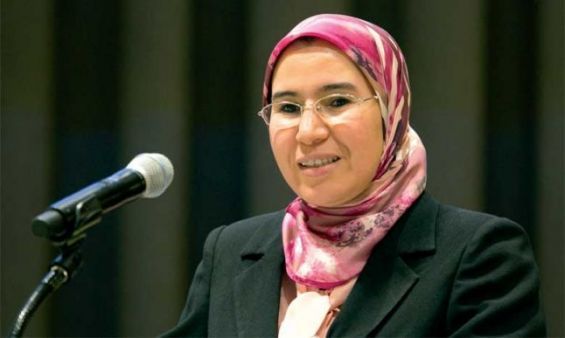
Dr. Nezha El Ouafi
Dr. Nezha El Ouafi, Morocco’s Minister of Environment and vice-president of AMCEN

In a ministerial declaration issued on Wednesday, September 19, 2018 at the closing of the African Ministerial Conference on the Environment (AMCEN), African governments agreed to enhance innovative environmental solutions and capacity building of human capital to achieve sustainable development in Africa.

Speaking on behalf of the President of Kenya, Uhuru Kenyatta, Mr. Keriako Tobiko, Kenya’s Cabinet Secretary for Environment, said:” It is important to note that environment is the foundation and the basis of the social and economic development of our countries.”

“I challenge you to come up with ways of enhancing the wealth from our rich biodiversity in forests, rangelands, wildlife and marine resources,” he added.

Under the theme “Turning environmental policies into action through environmental solutions”, the ministers came together from September 17 to 19 to mobilise political support and committed to integrate innovative solutions into their countries’ national development agendas.

“Africa needs to invest in innovative solutions to change its development pathway in a sustainable way. We need to deploy new and smart approaches to overcome the continent’s most pressing environmental challenges,” said Dr. Nezha El Ouafi, Morocco’s Minister of Environment and vice-president of AMCEN.

At the conference, ministers stressed the need to empower innovators, the private sector, micro-small and medium enterprises and civil society to use new approaches to address environmental challenges. They agreed to support Pan-African platforms on the environment to promote and share experiences and solutions across the continent.

“Public-private sector partnership will have to play a key role in embracing innovation and turning environmental policies into concrete actions to achieve the objectives of the AU Agenda 2063 and the 2030 Agenda for Sustainable Development,” Minister Ouafi added.

Committing to enhance their countries’ efforts to implement policies, legislation and programmes promoting innovative solutions, the ministers called on UN Environment Assembly and UN Environment programme to increase support to African countries as well as facilitating access to innovative partnerships.

“Africa stands on the right side of history to support the environment. We have the human resources, natural wealth, and leadership to innovate and transform our region,” said Joyce Msuya, Deputy Head of UN Environment.

Addressing the Conference, Dr. Tedros Adhanom Ghebreyesus, Director-General of the World Health Organisation (WHO), said, “Environment is central to human health; every year almost 12.6 million people die from hidden risks in the environment.”

He called on African governments to put human and environmental health at the centre of policy making in all sectors.

Other key decisions made at the conference included:

  • Biological Diversity: African Governments recognised the urgent need to combat land degradation and restore ecosystems in Africa. A Pan-African action agenda is being prepared to respond to land and ecosystems degradation challenges. The Ministers agreed to develop common positions on various priority issues and speak with one voice during the upcoming 2018 UN Biodiversity Conference which will be held in Egypt in November 2018. The priorities will inform the post-2020 biodiversity framework and the Convention on Biological Diversity.
  • Climate Change: The Ministers stressed that the outcomes of COP24 should reflect the spirit of the Paris agreement. The outcomes should balance between the Agreements elements related to action, support and transparency. Adaptation and finance should be core elements for effective operationalisation of the Agreement. They emphasised the importance of enhancing accessibility, predictability and sustainability of means of implementation, in particular finance. They agreed to work constructively to deliver the mandate of the Paris Agreement Work Programme.
  • Health and Environment: Recognising the nexus between environment and health, Ministers agreed to actively participate in the third Inter-Ministerial Conference on Health and Environment in Africa, Libreville, October 9 to 12, 2018. The theme is: “Health and environment strategic alliance: a catalysis for action on the Sustainable Development Goals in Africa.”
1.3b people at risk of tuberculosis – WHO

0

The World Health Organisation (WHO) says that a quarter of the world’s population has TB infection or some 1.3 billion people are at risk of developing TB during their lifetime.

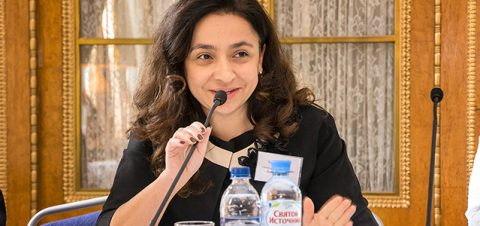
Dr Teresa Kasaeva
Dr Teresa Kasaeva, Director of the WHO’s Global TB Programme

According to WHO, countries are not doing enough to end tuberculosis (TB) by 2030 despite global efforts that averted about 54 million TB deaths since 2000.

WHO, at the release of the latest Global Tuberculosis Report, said TB is “the world’s deadliest infectious disease”, noting, however, that fewer people fell ill and died from tuberculosis in 2017.

Globally, an estimated 10 million people developed TB in 2017 while the number of new cases is falling by two per cent per year.

The deadly disease, which usually infects the lungs and is transmitted through the air, remains one of the top 10 causes of worldwide deaths, and is the leading cause of death from a single infectious agent, above HIV/AIDS.

The WHO report provided an overview of status of the epidemic and the challenges and opportunities countries face in responding to it.

Overall, TB deaths have decreased over the past year, and in 2017, there were 1.6 million deaths – including among 300,000 HIV-positive people.

Of the 10 million people who fell ill with TB in 2017, only 6.4 million were officially recorded by national reporting systems, leaving 3.6 million people undiagnosed, or detected but not reported.

According to WHO, 10 countries accounted for 80 per cent of this gap, with India, Indonesia and Nigeria topping the list.

Treatment coverage lags at 64 per cent and must increase to at least 90 per cent by 2025 to meet the TB targets.

To urgently improve detection, diagnosis and treatment rates, WHO, the Stop TB Partnership and the Global Fund launched the new initiative in 2018, Find. Treat. All. #EndTB.

The initiative set the target of providing quality care to 40 million people with TB from 2018 to 2022.

The WHO’s Report called for an unprecedented mobilisation of national and international commitments.

It urged political leaders gathering next week for the first-ever ‘United Nations High-level Meeting on TB’ to take decisive action, building on recent moves by the leaders of India, the Russian Federation, Rwanda, and South Africa.

“We have never seen such high-level political attention and understanding of what the world needs to do to end TB and drug-resistant TB.

“We must capitalise on this new momentum and act together to end this terrible disease,” said Dr Tedros Ghebreyesus, WHO Director-General.

While under-reporting and under-diagnosis are mentioned as major challenges in the fight against TB, the most urgent stumbling block is funding.

In 2018, investments in TB prevention and care in low- and middle-income countries fell $3.5 billion short, and without an increase, the funding gap would rise to over $6 billion by 2022.

Dr Teresa Kasaeva, Director of the WHO’s Global TB Programme, said: “It is unacceptable that millions lose their lives, and many more suffer daily from this preventable and curable disease.

“We need to join forces to root out this disease that has a devastating social and economic impact on those who are ‘left behind’, whose human rights and dignity are limited, and those who struggle to access care. The time for action is now,” he said.

By Prudence Arobani

73rd session of UN General Assembly opens in New York

0

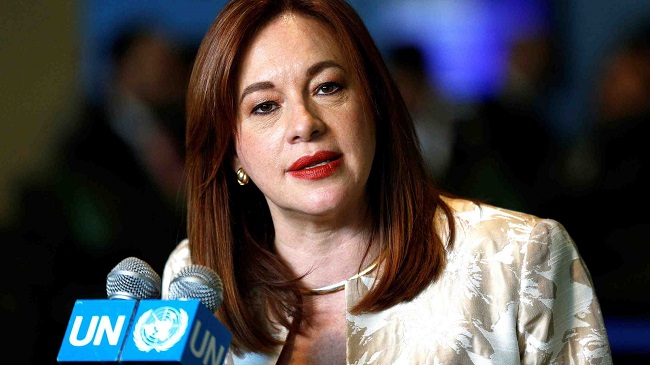
The 73rd session of the UN General Assembly opened on Wednesday, September 19, 2018 with its President, Ms María Fernanda Espinosa, pledging to use her tenure to bring the world body closer to the people.

María Fernanda Espinosa

Espinosa, in her inaugural keynote address to the 73rd session of the 193-member General Assembly, also pledged to use her tenure to strengthen the people’s sense of ownership and support for the UN.

According to her, the need for stronger global leadership in the service of multilateralism, to ensure more peaceful, equitable and sustainable societies, would underpin her work.

“Let us proceed together, building a world more equal and freer, more sustainable and respectful of nature, and more inclusive and supportive,” she said.

Espinosa, who was elected the President of the General Assembly in June, succeeded Miroslav Lajčák, the President of the 72nd session, whose one-year tenure ended on Monday.

She is only the fourth woman to hold that position in the history of the world body, and the first woman ever from Latin America and the Caribbean region.

The General Assembly President outlined seven priorities – identified in consultation with Member States – that would shape the year-long session.

They are: promoting gender equality; promoting and implementing the new global compacts on migration and refugees; advocating for decent work; protecting the environment; focusing on rights of persons with disabilities; supporting the UN reform process; and facilitating dialogue.

“I am also prepared to facilitate quick and effective responses of the General Assembly to emergency situations as they arise,” she added, noting that “unfortunately, they will arise.”

Espinosa also pledged that she would uphold good practices in her office, ensuring its geographical representation, gender parity, and total transparency in its administrative and financial management.

She also assured that she would observe, “with absolute responsibility”, the Code of Ethics for the President of the General Assembly and would abide strictly by the precepts of the United Nations Charter and the Assembly’s Rules of Procedure.

UN Secretary-General António Guterres also addressed the new General Assembly, congratulating Espinosa on assuming the office and noting the important issues that lie ahead.

“We need action for peacekeeping, gender parity, financing for the 2030 Agenda for Sustainable Development, empowerment for the world’s young people, urgent steps to end poverty and conflict, and much else,” he said.

Guterres called on world leaders to come to the high-level week beginning on Monday, “ready to be bold and ready to forge solutions for our global challenges.”

The Secretary-General also underscored the importance of international cooperation and for the Assembly to show the true value of working together.

“The Secretariat and I are committed to supporting you,” the UN chief said.

By Prudence Arobani

UNGA: Experts explore ways to close Africa’s adaptation gap

0

Experts will on Monday, September 24, 2018 in New York gather to consider the most effective measures to help close the adaptation gap in Africa, which observers estimate to be in the region of $7 billion.

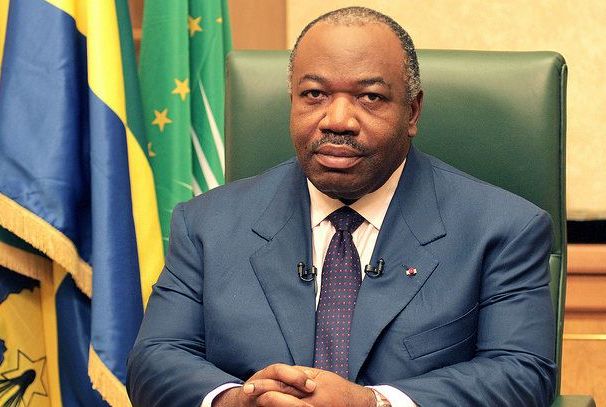
President Ali Bongo Ondimba
President Ali Bongo Ondimba of Gabon, chair of CAHOSCC and AAI Champion

The forum holds courtesy of the first Africa Adaptation Initiative (AAI) Partner Roundtable Meeting in the margins of the 73rd UN General Assembly (UNGA).

It is jointly hosted by the Gabonese Government, on behalf of the African Union’s Committee of Head of State on Climate Change (CAHOSCC) and the United Nations Development Programme (UNDP).

Over 40 leaders including Mrs Patricia Espinosa, UNFCCC Executive Secretary; Mr Eric Solheim, UNEP Administrator; Josefa Leonel Correia Sacko, African Union Commissioner; Pierre Guislain, Deputy President of the African development Bank (AfDB); countries and organisations, have confirmed to participate to the meeting.

Organisers believe it is an opportunity to consider the most effective measures to help close the Adaptation Gap on the continent, which experts estimate to be between $7 billion and $15 billion per year by 2020, increasing thereafter.

While all African countries are investing significant domestic resources in their own response to climate change, through their Nationally Determined Contributions (NDCs), there is still a significant gap that requires international support in terms of finance, technology development and transfer and capacity building, say the organisers.

Justifying the need to adaptation a pririty for Africa, they stress that countries daily have to face the negative impacts of climate change on agriculture, water, access to natural resources, even as millions are struggling to adapt to the harmful effects of coastal erosion, floods, desertification and the devastation of disasters caused by extreme weather events.

As the current chair of CAHOSCC and the AAI Champion, the President of Gabon, Ali Bongo Ondimba, is said to have firmly taken the lead in the drive to accelerate action on climate change adaptation in Africa, working with the UNDP to mobilise through this roundtable $5m to support the three years AAI work programme.

Bongo Ondimba said: “Africa, with its means, is deploying all its energy to fight the cancer of modern development that is climate change. This must therefore also lead our partners to mobilise their efforts relentlessly, in accordance with commitments that are continually repeated but still insufficiently implemented.

“I therefore invite all our partners to join the transformation train to boost Paris’ momentum and turn our words into deeds. For as I have said since Paris. The cost of inaction will be greater and heavier than that of action.”

Nigeria, others for UPS Foundation’s $2.6m environmental grants

0

Nigeria and Austria have been named new beneficiaries in 2018 to the UPS Foundation, which announced on Wednesday, September 19, 2018 that it will award nearly $2.7 million in grants to preeminent environmental organisations worldwide.

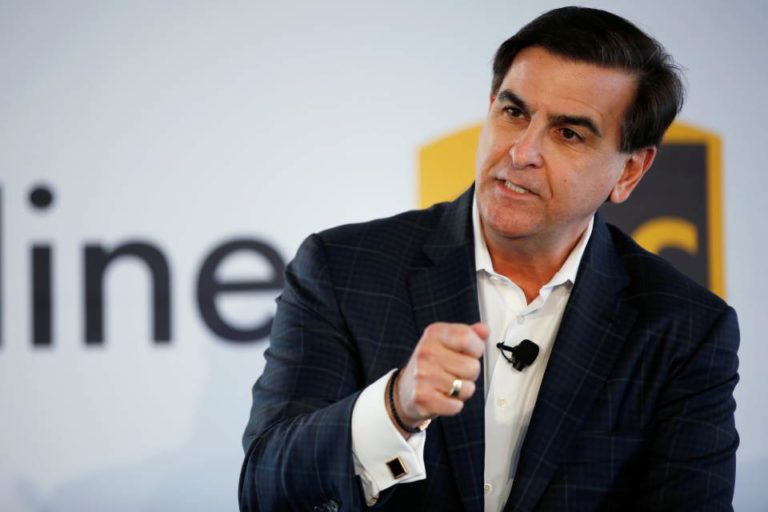
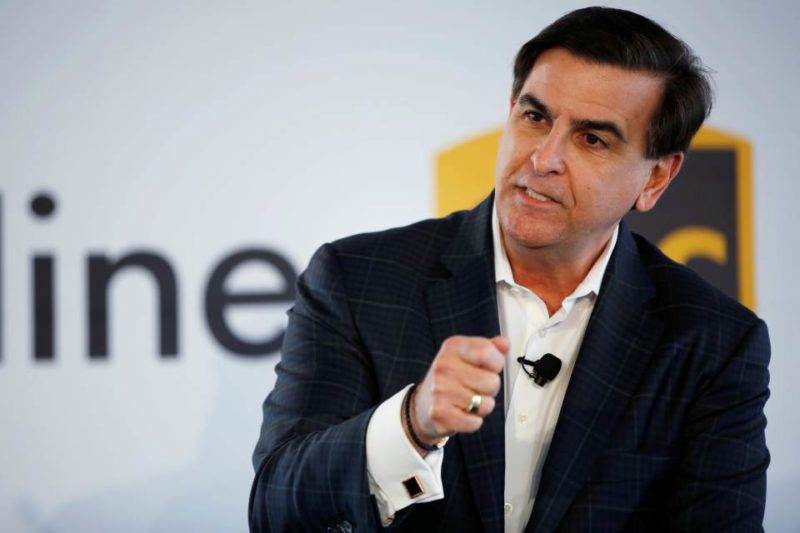
Eduardo Martinez
Eduardo Martinez, president of The UPS Foundation

The UPS Foundation, which leads global citizenship and philanthropy programmes for UPS, says the missions of these organisations align with the UPS environmental sustainability goals, which address creation of global standards and best practices as well as other issues such as renewable energy sources and reducing its absolute greenhouse gas (GHG) emissions from global ground operations.

This announcement comes after The UPS Foundation recently awarded $10 million in grants to 44 organisations that advance diversity and inclusion around the world.

The most significant grants will advance The UPS Foundation’s commitment to fund the planting of “15 Million Trees By 2020” in urban and rural areas around the globe. Last year, the programme funded the planting of more than 2.7 million trees, bringing the number of total trees planted to over 12.5 million – 84% to its goal.

Additionally, this past year two new countries – Austria and Nigeria – were added to the programme, with UPS disclosing that it has now planted trees in 56 countries around the world. Key partners include support for The Nature Conservancyand World Wildlife Fund’s Education for Nature Reforestation programmes.

Additional funding, says UPS, will go to The World Resources Institute (WRI) to provide continued programme support for the development of the Science Based Global Greenhouse Gas Standards and Targets. These protocols and targets, adds UPS, were used to help establish UPS’s 2020 and 2025 emissions, energy, fuel, and vehicle environmental goals. UPS notes that it will also provide support to WRI’s effort to scale the use of renewable natural gas production.

“UPS is committed to finding innovative solutions for today’s sustainability challenges,” said Eduardo Martinez, president of The UPS Foundation and chief diversity and inclusion officer at UPS. “Through our partner organisations, we’re able to have a real impact on pressing environmental issues that we face every day. This latest investment allows us to help transform markets and change lives.”

In addition to The Nature Conservancy, the WRI and the WWF, The UPS Foundation awarded environmental grants to eight other organisations, which are listed to include:

  • org, to support environmental education classroom projects submitted by public school teachers in rural communities in the U.S.
  • Earth Day Network, for the Trees for Communities project that will plant more than 500,000 trees in Mexico, India, Cameroon, Uganda and the Boreal Forest in Canada.
  • Earthwatch, to support global education and research workshops as part of UPS’s Climate Ambassadors Programme.
  • Keep America Beautiful, Inc., to fulfill local tree planting grants and beautification projects, advance community education and engage UPS employees through volunteerism.
  • National Arbor Day Foundation, for continued help with reforestation programs in Canada’s Boreal Forest.
  • National Park Foundation, to expand support for the reforestation of reclaimed mining land at the Flight 93 National Memorial in Shanksville, Penn.
  • Student Conservation Association (SCA), for assistance with its National Conservation Internship Program for college students interested in environmental stewardship careers.
  • World Business Council for Sustainable Development, to support public private partnerships to enhance environmental sustainability.

Recently, The UPS Foundation published its annual Social Impact Report. The report breaks out UPS’s philanthropic giving over the past year per The UPS Foundation’s four focus areas of Community Safety, Diversity & Inclusion, Environmental Sustainability and Volunteerism. It also highlights personalised stories of those impacted by grants, in-kind support, logistics expertise and volunteer hours from The UPS Foundation and UPS employees.

Google launches Street View cars to map air pollution

0

Google, in partnership with Aclima, has announced its new Street View global launch to map air pollution.

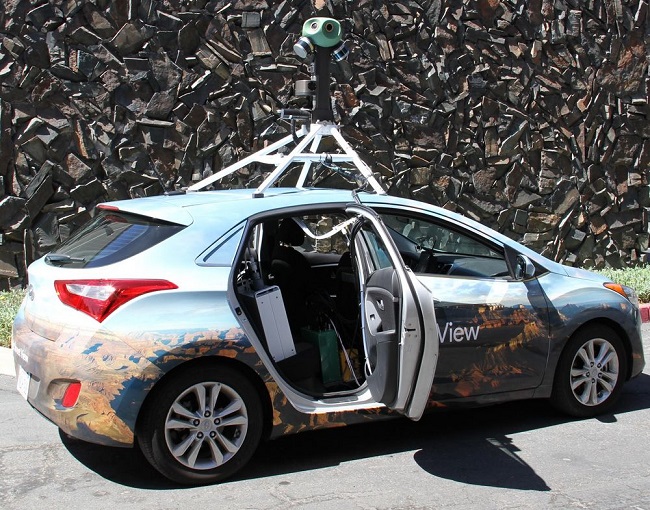
Google Maps Street View car

The global expansion will start with 50 cars in Houston, Mexico City and Sydney, Australia.

The Google Maps Street View cars will be equipped with Aclima’s sensor node which will generate snapshots of carbon dioxide, carbon monoxide and nitrogen dioxide, among others, which can be used by scientists to combine with other data to develop air quality models.

Aclima delivers hyperlocal air quality data and insights. The group has worked previously with Google on other pollution-related projects, located in California in the U.S.

Since 2015, they have driven over 100,000 miles collecting over one billion data points to map air quality in Los Angeles, San Francisco Bay Area, and Central Valley communities. Producing one of the largest data set of urban air pollution of its kind ever assembled.

Karin Tuxen-Bettman, Program Manager for Google Earth Outreach, said: “We’ve been working with Aclima to test the technology for years, and we’re excited that we are ready to take the next steps to begin this new phase: expanding to more places around the world with the Street View fleet. These measurements can provide cities with new neighbourhood-level insights to help cities accelerate efforts in their transition to smarter, healthier cities.”

Recently, air pollution has been reported as the biggest environmental health risk in Europe, according to an EU report.

Countries across the world have tried to implement measures to ensure the pollution is kept under strict limits set by the Paris Agreement.

Notably, Frankfurt has just received a court-ordered ban on diesel in an attempt to curb the city’s pollution levels.

Courtesy: Climate Action

Shell seeks peaceful resolution of mix-up over Belema flow station

0

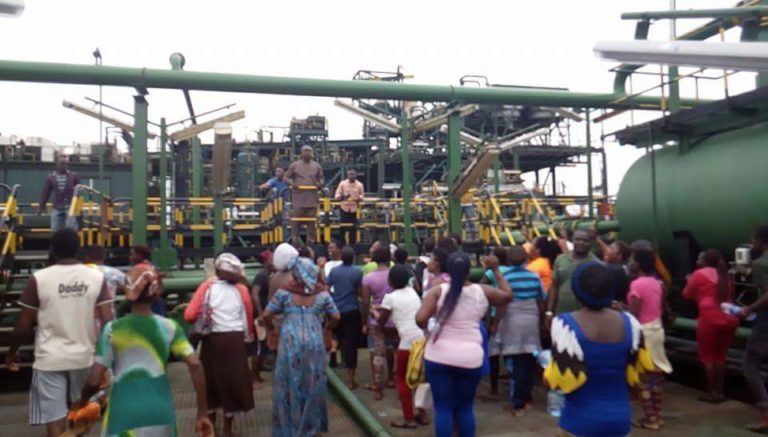
The Shell Petroleum Development Company of Nigeria (SPDC) has restated its commitment towards peaceful resolution of the disagreement that resulted in the shutdown of its Belama flow station by some people.

Shell Flow Station
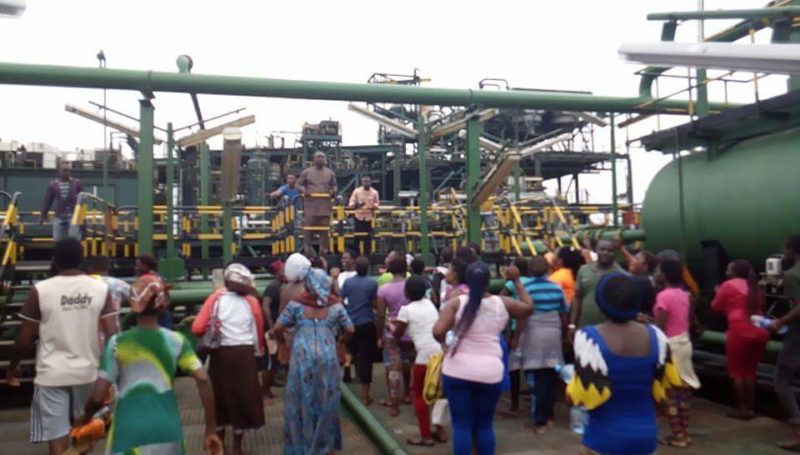
Protesters at the Belema Flow Station

SPDC said this in a statement by its Media Relations Manager, Bamidele Odugbesan, which was made available to newsmen in Port Harcourt, River State, on Tuesday, September 18, 2018.

Some residents of Belema and Offoin-Ama communities shut down the facility over alleged neglect of their interests by the company.

NAN reports that the local communities are also seeking Shell’s replacement with another firm in the management of the oil facility.

Meanwhile the Rivers Government has evolved a mediation process to explore the possibilities of resolving the disagreement.

SPDC in the statement said it was committed to peaceful and speedy resolution of the feud between it and members of its host communities.

“SPDC believes that all stakeholders in the matter should give the Rivers state government-initiated mediation process the chance to resolve the disagreement peacefully.

“Contrary to false claims in some quarters, the SPDC has not resumed operations in the said facility; it will only do so when it is safe,’’ it said.

Shell said that it was fully ready to implement some social investment programmes to benefit the people.

“This resolve is notwithstanding the fact that the company has not been allowed to operate the facilities since the illegal occupation,’’ the company said.

By Azubuike Okeh

UN, partners support Nigeria’s response to flooding

0

The UN has announced that it is supporting the Nigerian Government-led rapid assessment and response to the flooding disaster in the country, in collaboration with its humanitarian partners.

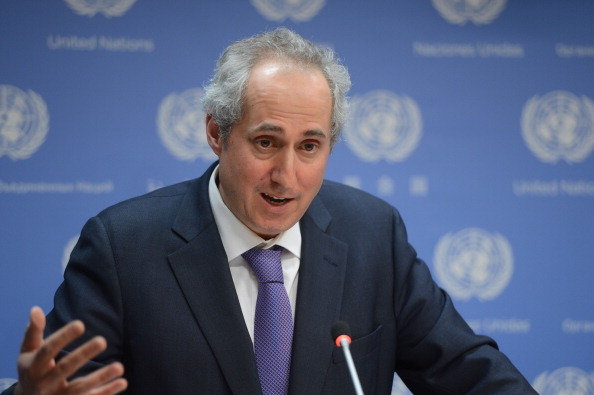
Stephane Dujarric
UN spokesperson, Stephane Dujarric

The UN spokesperson, Mr Stephane Dujarric, said this at a news conference at the UN headquarters in New York on Tuesday, September 18, 2018.

Dujarric said: “On Nigeria, over the past two weeks, floods caused by heavy rains have affected at least 12 states in Nigeria, with areas located along the Niger and Benue rivers at particular risk.

“Yesterday, the Government of Nigeria declared a national disaster in four states – Kogi, Niger, Anambra and Delta.

“The United Nations and humanitarian partners are supporting the Nigerian Government-led rapid assessment and response, including through coordination, information management and reporting.”

The Federal Government on Monday declared a national disaster over flooding that had affected the four states.

The declaration was made by the Director-General of the National Emergency Management Agency (NEMA) on behalf of President Muhammadu Buhari.

More than 100 people have died in floods in several Nigerian states following heavy rains that caused the Rivers Niger and Benue to overflow, NEMA said.

Eight other states: Taraba Adamawa, Kebbi, Edo, Rivers, Benue, Bayelsa and Kwara are being monitored, the agency said.

By Prudence Arobani

NEMA advises residents of flood-prone areas in Imo to relocate

0

The National Emergency Management Agency (NAN) has advised residents in seven flood-prone communities in Ohaji/Egbema and Oguta Local Government Areas of Imo State to quit their homes to prevent any calamity.

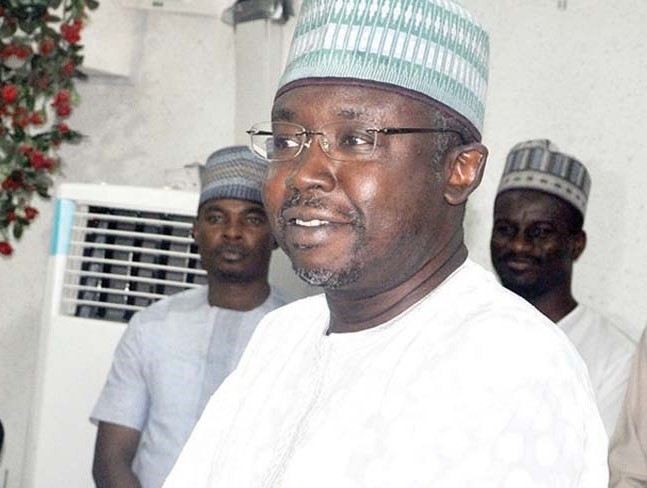
Mustapha Maihaja
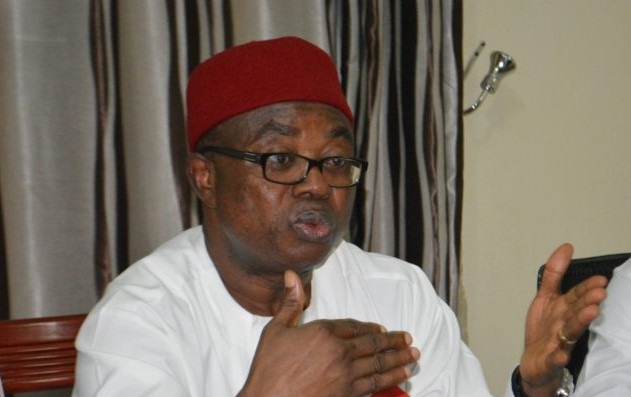
Mustapha Maihaja, Director General, NEMA

Mr Evans Ugoh, Head of Imo/Abia Operations Office of NEMA, gave the advice on Tuesday, September 18, 2018 when he led officials of the agency to assess river level in the flood-prone communities.

“Residents in the area must be ready to quit to avoid major casualties should there be any flooding,” he said.

Ugoh, who said Oguta Lake and Orashi River had risen above the normal level, noted farmlands in the seven communities had been submerged by the overflowing rivers in the area.

He expressed concern that the Orashi River and Oguta Lake had also risen above the 2012 level when floods ravaged many parts of the country.

“You must continue to monitor movement of sea constantly and report to us where necessary for immediate action,” he said.

Ugoh listed the communities under threat as Ossemotto, Oguta, Eziorsu, Orsuobodo, Opuowa, Mmahu and Etekwuru.

He advised the flood-prone communities to daily observe rivers in their areas.

“NEMA has already strategised with other disaster stakeholders on the development for immediate response in case of any emergency.

“Flood-prone communities must be alert and always monitor the movement of rivers in their areas and report same to the agency promptly for immediate action,” he said.

He said the Oguta Lake, a tributary of Orashi River, has strong connection with the River Niger and has in recent time posed serious dangers to residents of the river bank areas.

He gave assurance that the agency was taking serious measures to avoid recurrence of the 2012 flooding.

By Ikechukwu Iweajunwa

Lawmaker demands responses from decision makers to climate challenges

0

Chairman, House of Representatives Committee on Climate Change, Samuel Onuigbo, said on Tuesday, September 18, 2018 that adequate and appropriate actions were needed from stakeholders to tackle climate change challenges in the country.

Samuel Onuigbo
Samuel Onuigbo

Onuigbo, who represents Umuahia North/South Federal Constituency of Abia in the National Assembly, told the News Agency of Nigeria (NAN) in Abuja that deliberate efforts were also needed to ensure straight implementation of the responses.

“First, it is to ensure that adequate responses are put in or set aside for tackling climate change issues and that when these responses are put in or set aside, there must be a deliberate effort to ensure their straight implementation.

“Two, people should be taught, should be lectured on basic things they should do in trying to preserve the environment because some of the challenges we are having today such as flooding and others, are all functions of human activity.

“We must take action to save the environment; we must not linger carelessly; in all it is up to human beings – those who are occupying decision-making positions – to take action and preserve lives.”

The lawmaker stressed the need for neighboring countries to inform the Nigerian government before releasing water from their dams.

“In a situation where you are talking about coastal flooding or flooding arising from River Niger or as a result of activities by neighboring countries, we should go into serious agreement with such neighboring countries so that whenever they want to open their dams, they must put us on notice.

“And then finally, the Bill on climate change has been passed by the National Assembly.

“So, we expect the Presidency to work on it and ensure that the president assents to it because you need a law to back you up in taking a lot of actions.

“Without the law, some actions cannot be taken.

“That will be my advice to Mr President on how to tackle the challenges of climate change especially as they relate to flooding.”

By Abiemwense Moru