Home Blog Page 176

Importance of ‘mining’ facts, data in Nigeria’s oil and gas arena

0

As with all modern industries, the oil and gas sector globally is under pressure to embrace the critical convergence of information technology (IT) and operational technology (OT) systems to maximise efficiencies and productivities. This shift is equally important in Nigeria, where the oil and gas industry plays a pivotal role in the national economy.

Oil production is a major source of income and a substantial contributor to the GDP of many African countries, and Nigeria remains consistently in the top spot as Africa’s largest producer of crude oil. In addition, it possesses significant quantities of natural gas reserves. The country’s oil and gas sector is critical to the economy, contributing over 85% of export earnings and approximately 30% of budget revenue, but it has been performing below its potential in recent years due to a number of challenges.

Gary Chomse
Gary Chomse

Against this background, the newly operational Dangote Refinery in the Lekki Free Zone outside Lagos, which began production in January 2024, is a positive symbol of the hoped-for revival of the oil and gas arena in Nigeria. This newest addition to Nigeria’s oil and gas industry is Africa’s biggest oil refinery and also the largest single-train facility in the world (meaning a facility where all the major processing units for the crude oil entering the refinery are contained within a single integrated complex).

However, despite the positive symbolism of this beacon within the Nigerian oil and gas realm, the sector is still navigating through the complex regulatory landscape and fiscal reforms introduced by the Petroleum Industry Act of 2021. The Act’s intention is to restructure fiscal terms, institutional frameworks and regulatory policies, and thus attract investment and boost efficiency. 

Prior to the implementation of this Act, Nigeria’s oil and gas arena had seen years of under-investment in exploration and production which, together with persistent infrastructure issues and other challenges, had suppressed growth and innovation, as outlined by Nigerian credit rating agency Agusto & Co.

The implementation of effective technology infrastructure in the oil and gas field can help support strategic business and national objectives and assist in overcoming legacy infrastructure challenges.

Supporting key African markets in their digitalisation journeys

Over the past few years, Vertiv has participated in several focused events across Africa to showcase our products and solutions that are suitable for the broader industrial realm. The intention was to create greater awareness around the benefits that Vertiv can bring to these local sectors, following on from our proven success within the oil and gas field in other parts of the globe. 

We look forward to similarly engaging with industry representatives within Nigeria also, being Africa’s largest oil producer, as well as possessing substantial natural gas reserves. Nigeria’s natural gas reserves are, in fact, estimated to be one of the largest in Africa, as outlined by global research company, Mordor Intelligence, in its report entitled “Oil and Gas Industry in Nigeria Market Size & Share Analysis – Growth Trends & Forecasts (2025 – 2030)”.

Natural gas is considered a cleaner and more environmentally friendly source of energy compared to other fossil fuels, and investments in natural gas infrastructure would allow Nigeria to diversify its energy mix and meet both domestic and international demand for cleaner energy sources.

According to the Mordor Intelligence report, it appears that, considering the issues holistically and despite certain challenges, there is much to anticipate for the growth of Nigeria’s oil and gas industry over the next few years. One important key is enabling the true convergence of IT and OT systems, to be able to ‘mine’ facts and data as well as oil and gas, and thereby drive informed planning and decision making.

The Importance of Integrating IT and OT Systems 

In a challenging global economy, it is critical for oil and gas companies to digitalise their systems and processes, thereby allowing for the harnessing of data volumes from day-to-day operations. As outlined by global IT consulting company BirlaSoft, the IT-OT convergence within the oil and gas sector allows companies to harvest data within the OT layer and then “cross-contextualise it to build valuable insights and automated control and orchestration mechanisms”.

According to BirlaSoft: ‘IO/OT convergence in the oil and gas industry is a key step to harnessing the business benefits of big data. Operational technology generates a vast amount of data when IoT sensors are attached to various parts of critical machinery to record intended parameters. This data is usually in the form of time series. Analysing it with the right artificial intelligence (AI) and machine learning (ML) techniques can help organisations anticipate potential risks or if the operations as a whole are generating a strange footprint. In other words, IT-OT convergence is the bridge to seamless, proactive, and resilient oil and gas operations.’

By maximising a mix of more modern IT systems intertwined with legacy OT systems, and capturing important information, oil and gas companies can derive insight for enhancing operational efficiencies, increasing performance and improving decision-making. 

To enable such strategic aims around the necessary digitalisation to link IT and OT systems, Vertiv’s digital infrastructure solutions are designed to assist with power supplies and distribution, as well as thermal management solutions.

There is a well-known saying which notes that “knowledge is power”, and in any industry, information is vital for understanding that sector’s own outlook through the harnessing of facts, statistics and trends. With the oil and gas industry in Nigeria poised for robust growth that will be driven by strategic investments and technological advancements, the importance of being able to access information digitally is critical. 

The strategically placed implementation of robust yet high-performance data centres will work to form the backbone for this critical data and support the necessary IT-OT convergence of individual oil and gas companies, while at the same time also supporting the overall aims of the Petroleum Industry Act of 2021 at a national level.

By Gary Chomse, regional director, Central-Southern Africa at Vertiv

EU urged to avoid locking in weak ambition on climate targets

0

As EU ambassadors meet this week to decide their approach ahead of the UN General Assembly, following Macron’s delaying a decision on the group’s 2040 target, concerns have emerged over both weak ambition as well as no decision on the EU NDC ahead of this year’s UN General Assembly and the deadline for countries to submit climate targets.

EU Ambassadors
EU Ambassadors

Andreas Sieber, Associate Director of Policy and Campaigns at 350.org, said: “It’s embarrassing that the EU finds itself in this position. The worst thing would be to rush to a weak 2035 target that locks in low ambition and removes pressure to agree on a strong 2040 goal. The smarter path would be a statement of intent to have something to show at the UN General Assembly, followed by a robust 2040 target in October that can lift up the 2035 milestone. This is not only about Europe’s credibility but in its self-interest to stay competitive. The stakes are high as the world is living through record heat, deadly floods, and devastating wildfires.”

With the world watching ahead of COP30 in Brazil, the group believes that EU’s choices this week will signal whether Europe is prepared to play a leadership role in keeping 1.5°C alive – or whether it risks arriving in Belém with too little, too late.

A delegation of 12 European Union (EU) Ambassadors is set to visit Tanzania’s Kilimanjaro Region from September 17 to 19, 2025, in a mission aimed at deepening cooperation in agriculture and horticulture while marking five decades of EU-Tanzania partnership.

The three-day visit will bring together representatives from the EU and its Member States, Belgium, Denmark, Finland, France, Germany, Ireland, Italy, the Netherlands, Poland, Spain, and Sweden, who will engage with smallholder farmers, agri-business operators, institutions, and local innovators.

According to the EU Delegation to Tanzania, the trip will spotlight the tangible results of Team Europe-funded initiatives across the agricultural value chain, including climate-smart innovations, coffee production, organic pesticide development, post-harvest technologies, and sustainable forestry.

Building Nigeria’s $1trn steel economy

0

When President Bola Tinubu assumed office on May 29, 2023, he pledged to remodel Nigeria’s economy for growth and development.

He outlined eight priority areas to raise the nation’s Gross Domestic Product (GDP) to one $1 trillion by 2030.

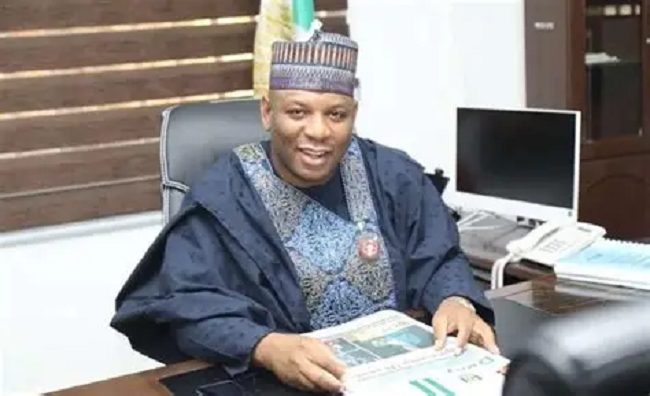
Shuaibu Abubakar Audu
Minister of Steel Development, Shuaibu Abubakar Audu

A common thread runs through these priorities, with each depending on a strong steel industry.

For key sectors such as construction, transport, energy, agriculture, manufacturing, defence, telecommunications and household goods, steel forms the backbone.

It is indispensable to modern life and central to Nigeria’s ambition of building a diversified economy less dependent on oil.

Recent statistics reflect the urgency of this goal.

The National Bureau of Statistics (NBS) revealed that the non-oil sector contributed 96.03 per cent to Nigeria’s GDP in the first quarter of 2025, a 0.05 per cent increase compared to the same period in 2024.

Analysts argue that a reliable local steel industry could provide the foundation for sustaining this growth.

They add that it would also reduce dependence on imported steel products, which drain over four billion dollars from Nigeria’s foreign exchange annually.

Although successive administrations have recognised the crucial role of steel, Nigeria has struggled to translate this recognition into reality.

A major turning point came in 1979, when President Shehu Shagari established the Ajaokuta Steel Company Ltd. (ASCL).

Conceived as an integrated complex of about 43 units, it was envisioned as the engine of Nigeria’s industrialisation.

More than four decades later, however, the project remains largely comatose in spite of huge investments.

Stakeholders say the company faces financial and operational challenges that threaten its survival.

At the first National Steel Summit in August, Prof. Linus Asuquo, Director-General of the National Metallurgical Development Centre (NMDC), listed Ajaokuta’s setbacks as “huge financial burdens, mismanagement, corruption and a disconnected value chain infrastructure”.

According to him, Nigeria has invested over $8 billion in the project, but mismanagement and policy failures have stalled progress.

The supply chain remains weak, with the National Iron Ore Mining Company (NIOMCO) in Itakpe, created to feed Ajaokuta, still non-operational.

In addition, inland rolling mills in Jos, Katsina, Oshogbo and Delta, intended to process billets from ASCL into finished products, have remained underperforming or dormant due to shortages and poor maintenance.

This situation is especially worrisome because, albeit abundant raw materials such as iron ore, limestone and coal, Nigeria imports more than 90 per cent of its steel needs.

The paradox of a resource-rich country still dependent on imports underscores the urgency of reform.

The Ministry of Steel Development, led by Minister Shuaibu Abubakar, explained that the absence of operational integrated steel plants had hampered Nigeria’s industrial development potential.

It was against this backdrop that the ministry convened the National Steel Summit from Aug. 13 to Aug. 14, 2025, to promote partnerships, knowledge exchange and inclusive dialogue for a sustainable roadmap.

The summit, themed “Rebuilding and Consolidating Nigeria’s Steel Industry: Collaborative Action for Sustainable Growth and Global Competitiveness”, drew policymakers, industry operators, financiers, academia and energy experts.

Deliberations, participants noted, were centred on revitalising the sector to drive industrial growth and enhance Nigeria’s global competitiveness.

In his presentation, “Unlocking the Full Potential of Nigeria’s Legacy Steel Assets: Pathways to Sustainable Revitalisation and Industrial Growth”, Asuquo made several recommendations.

He proposed a combination of modern mini-mill technologies, private sector concessions, phased revival, remanufacturing, and Environmental and Social Impact Assessments (ESIA).

He also called for industrial parks, free trade zones, increased funding for NIOMCO, stronger value-chain linkages, investment in human capital and effective policy reforms.

The summit communique outlined short-term steps such as restarting idle units at Ajaokuta using imported billets to stimulate the market, reinstating NIOMCO operations, and intensifying coking coal exploration.

In the medium term, it recommended revitalising Ajaokuta through public-private partnerships or Build–Operate–Transfer (BOT) models, modernising legacy plants with energy-efficient technologies, and strengthening energy and transport infrastructure.

The communique further proposed dedicated industrial corridors with secure rail, port and road access, as well as vocational training in metallurgy, welding and fabrication.

To drive demand, it suggested local content quotas for government infrastructure projects and expansion of industrial clusters across geopolitical zones.

These measures, stakeholders observed, would not only boost production but also encourage job creation and innovation in related industries.

Summit participants agreed that steel must be treated as a strategic national asset if Nigeria is to achieve its trillion-dollar economy target.

Tinubu, represented by Vice President Kashim Shettima, reiterated government’s ambition of producing 10 million tonnes of liquid steel by 2030 and generating over 500,000 jobs in the industry.

“This administration has laid a robust foundation for the revitalisation of Nigeria’s steel industry through strategic policy decisions, substantial investments, international collaborations and intensifies efforts to foster private sector participation in driving economic growth.”

According to him, the plans include a 10-year roadmap for the revival of the steel sector and a three-year plan for operationalising Ajaokuta Steel Plant, covering infrastructure, regulatory reforms and capacity building.

Tinubu outlined the steel agenda as a “national mission” requiring private sector investment, university innovation and the support of workers and the public.

While stakeholders welcomed the political will, they emphasised the need for policy consistency, institutional reforms, stable energy, logistics and sustainable financing to reposition the sector.

They noted that, with disciplined governance, unity of purpose and systematic implementation, Nigeria’s steel industry could finally fulfil its potential as the engine of the nation’s trillion-dollar economy.

By Martha Agas, News Agency of Nigeria (NAN)

Panama to host UN meeting on desertification, land degradation, drought

0

Representatives of 196 countries and the European Union will convene in Panama from December 1 to 5, 2025 to review their efforts against desertification, land degradation and drought as Parties to the only legally binding global treaty on the matter – one of the three Rio Conventions, alongside biodiversity and climate.

The 23rd session of the Committee for the Review of the Implementation of the Convention (CRIC 23) to the United Nations Convention to Combat Desertification (UNCCD) will bring together around 500 delegates from governments, civil society, and academia to assess progress in advancing the Convention’s objectives.

Yasmine Fouad
UNCCD Executive Secretary, Yasmine Fouad

A signatory to UNCCD since 1996, Panama has committed to achieve Land Degradation Neutrality by 2030, identified 31 critical hotspots, and is advancing reforestation and Dry Corridor adaptation programmes – underlining its role as regional host. In 2023, the country faced its driest year on record, when water shortages disrupted traffic through the Panama Canal and highlighted how local drought can trigger global consequences.  

UNCCD Executive Secretary, Yasmine Fouad, said: “Severe droughts and the loss of fertile land are already straining food and energy production, uprooting rural communities, and threatening the livelihoods of millions. Nowhere is this more evident than in Latin America and the Caribbean, a region that is experiencing severe land degradation, affecting at least 20 per cent of its total area. By hosting CRIC23, Panama is placing itself at the center of collective response – from its national Nature Pledge to the regional Dry Corridor Initiative – and helping to build the momentum for the urgent need for drought resilience and land restoration worldwide.” 

The CRIC will also place particular emphasis on gender. Women are among the hardest hit by land degradation, facing the daily consequences of degraded soils and drought, while remaining at the forefront of sustaining families and providing food. 

Recent UNCCD data show the urgency of taking action: the world is losing nearly 100 million hectares of healthy land annually and over 70 per cent of land area has experienced increased aridity in the past 30 years, undermining the planet’s capacity to sustain a growing population. The world needs $1 billion daily between now and 2030 to meet global land restoration targets and combat desertification and drought -a fraction of what is destined to perverse incentives and investments. 

CRIC23 will be held at the Panama Convention Centre, Panama City. Parties will review progress and provide recommendations towards achieving global targets to prevent and reverse land degradation and to build drought resilience by 2030. Additionally, CRIC23 will discuss post-2030 strategic framework and convene key stakeholders, from women and youth to Indigenous Peoples and local communities. 

The CRIC23 logo is inspired by the Dove flower (Peristeria elata), Panama’s national flower. At its center, the outline of a white dove in flight emerges-a universal symbol of peace and unity. Today, this delicate flower is increasingly threatened by desertification in its natural habitats, underscoring the urgent need to protect biodiversity and restore our soils.

The CRIC23 emblem further highlights Panama’s Nature Pledge, which unites the country’s commitments on land, climate, and biodiversity in a single vision. The logo also honours Panama’s natural and cultural heritage and reflects the nation’s resolve to build a future that is resilient, sustainable, and in harmony with nature.

100 nations participate as World Rivers Day celebrates 20 years

0

Spanning the globe, millions of people, and thousands of events, both physical and virtual, will mark World Rivers Day 2025 on Sunday, September 28, in what has become one of the largest environmental celebrations on the planet. This year marks the 20th anniversary of the event.

With many of the world’s rivers in a degraded state and facing increasing pressures associated with pollution, climate change, and industrial development, more than 100 countries will participate in this year’s activities.

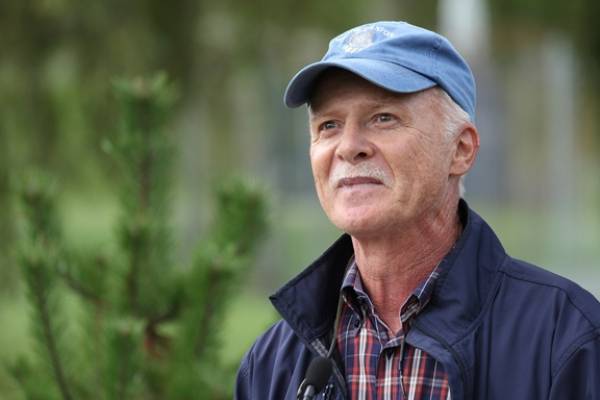
Mark Angelo
Mark Angelo, Founder and Chair of World Rivers Day

The event’s theme is “Waterways in our communities” with an emphasis on protecting rivers that remain in a healthy state, while also striving to restore those that have been damaged in past.

Many events will also profile several sub-themes, such as the significant impact that climate change is having on many rivers, or the all-important link between the state of our rivers and the state of our oceans.

“World Rivers Day is an opportunity for literally millions of people around the world to come together to commemorate the importance of healthy, vibrant waterways,” said Mark Angelo, founder and Chair of World Rivers Day.

Events this year will be both physical and virtual. Many physical events will focus on educational and public awareness activities, while others will include river cleanups, habitat restoration projects, streamside plantings, and community riverside celebrations. Activities of a digital nature may include photo contests, school projects, the launching of new campaigns, online essays and poems, the announcement of new research projects, live-stream panels, and virtual film initiatives.

This year marks the 20th annual World Rivers Day, which has its roots in the success of BC Rivers Day, which is celebrating its 45th anniversary in Canada’s westernmost province and which Angelo founded in conjunction with the Outdoor Recreation Council.

“World Rivers Day strives to increase public awareness of the importance of our waterways as well as the many threats confronting them,” said Angelo. 

“Rivers are integral to all life,” added Angelo, who has paddled more than 1,000 rivers in over 100 countries.

World Rivers Day events will take place across six continents in countries ranging from Canada to England, the United States to India, Australia to Bangladesh, Austria to Nigeria, and from Mexico to Caribbean nations such as Dominica.

“More than 100 countries and numerous international organisations will be contributing to World Rivers Day,” says Angelo. “It provides a great opportunity for people to get out and enjoy our waterways. At the same time, the event strives to create a greater awareness of the urgent need to better care for our rivers and streams.”

Through its first decade, World Rivers Day complemented the UN’s Water for Life Decade and continues to do so as part of the UN’s current International Decade for Action: Water for Sustainable Development.

Angelo, a recipient of the Order of Canada in recognition of his global river conservation efforts as well as the inaugural recipient of a United Nations Stewardship Award, initially founded BC Rivers Day in British Columbia back in 1980 in conjunction with the Outdoor Recreation Council of BC. He then successfully lobbied numerous organisations, as well as UN agencies, to recognise World Rivers Day in 2005.

Australian climate risk report demands urgent action amid 1.5°C emphasis

0

The Australian Labor Party (ALP) on Monday, September 15, 2025, released its first national climate risk assessment, warning that unchecked heating beyond 1.5°C will trigger “cascading, compounding, and concurrent” threats to people, ecosystems and the economy.

The report models warming of 1.5°C, 2°C and 3°C and confirms the country is already brushing the 1.5°C threshold. Every fraction of a degree beyond 1.5°C would mean greater damage to both Australian communities and to its Pacific neighbours on the frontline of rising sea levels and extreme weather.

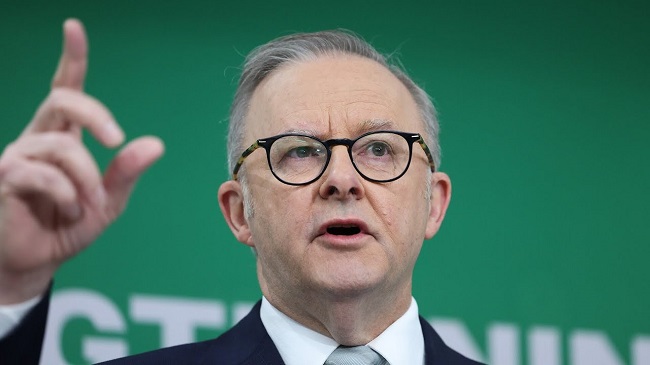
Anthony Albanese
Anthony Albanese, leader of the Australian Labor Party (ALP) and Prime Minister

Fenton Lutunatabua, 350.org Deputy Head of Regions, says: “Every tenth of a degree beyond 1.5°C means a loss of more life, more homes and more livelihoods. No one feels this more clearly than those of us in the Pacific. If Australia wants to avoid the worst of the climate crisis, the national climate risk assessment and national adaptation plans are just the first step.

“The solution to this crisis is unequivocally an end to fossil fuel production, and notably, Australia’s fossil fuel exports. If the Albanese government does not address this and do its utmost best to align with 1.5°C in their new climate plan, the risks outlined in this report are only the beginning – for all of us that call the Pacific home. We need to draw a line at what we are willing to lose to the dangers of fossil fuels.”

Climate Change and Energy Minister, Chris Bowen, who is leading Australia’s bid to co-host COP31 with Pacific nations, said the findings show that “every degree of warming we prevent now will help future generations avoid the worst impacts.”

But rhetoric will ring hollow unless it is matched by action. The Albanese Government must:

  1. Submit ambitious new Nationally Determined Contributions (NDCs) this year, in line with a credible pathway to keep 1.5°C alive.
  2. Stop approving new coal, oil and gas projects that betray science, Australian communities, and the Pacific peoples whose survival depends on a swift, just transition.
  3. Use COP30 in Baku to press for a global deal that locks in a rapid, just phase-out of fossil fuels and mobilises finance for most affected countries.

Jacynta Fa’amau, 350.org Pacific Campaigner, says: “People think that the climate crisis is only impacting islands in the Pacific, but the reality is that flooding and erosion will hit Australia’s coasts as well, and bushfires are already a stark reality. Pacific islanders have already heralded this warning for decades. I hope that this assessment is a wake-up call that not only are our islands at risk, but so are millions of Australians if the Albanese government fails to act.

“The approval of the North West Shelf gas extension this week is a dark shadow over this government’s climate promises. We are drawing the line against Australia’s climate hypocrisy and insist that the new climate plan announced this week will define Australia’s future as a climate leader and our ability to stay on track for the 1.5-degree limit.”

Pacific leaders and communities continue to “Draw the Line” at 1.5°C, with actions planned in Fiji, Australia and New Zealand on the 21st of September as part of the global Draw the Line mobilisation that will see over 400 actions take place around the world from September 19 to 21. Last week, Pacific Islands Forum leaders presented a bold plan to make the Pacific the world’s first 100% renewable region. echoing calls from the Pacific Climate Warriors and diaspora groups on the lawns of Australia’s Parliament earlier this year.

“If Australia wants to host COP31 alongside Pacific partners, it must prove its commitment now: end new fossil fuel approvals, ramp up clean energy and climate finance, and show the leadership that a 1.5°C future demands.”

African countries urged to seize economic opportunities through new climate plans

0

African governments are being encouraged to present their new national climate plans as opportunities to supercharge economies and boost living standards across the continent, as deadlines approach for all countries in the Paris Agreement to submit these plans.

“Strong new national climate plans are blueprints for stronger economies, more jobs and rising living standards, across all African nations. Strong plans open the door to new industries, large-scale investment, more affordable clean energy accessible to all, and more resilient infrastructure, as climate disasters hit African nations harder each year,” said UN Climate Change Executive Secretary, Simon Stiell.

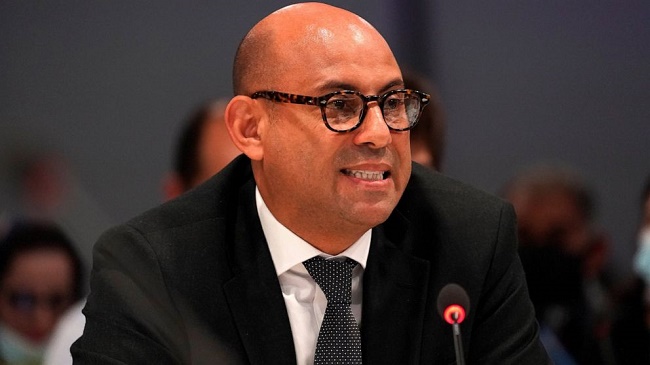
Simon Stiell
Simon Stiell, Executive Secretary of UN Climate Change

“Africa is not just on the frontlines of climate impacts; it is also at the forefront of solutions. Right across the continent, we are already seeing massive potential and innovations which cut planet-heating pollution and build more climate-resilient economies. Strong new national climate plans are the key to converting that potential into real-economy outcomes at scale, including the millions of new jobs they create,” Stiell added.

The United Nations is calling on all countries to submit their new plans, formally called Nationally Determined Contributions, or NDCs, as soon as possible ahead of key milestones, including the UN Secretary General’s September Climate Summit and November COP30 in Brazil. September will be an important milestone, but submissions will continue in the run-up to COP30, with each plan helping to limit global heating to 1.5 degrees Celsius and protect all peoples, while also unlocking jobs, growth, and economic benefits at home.

While particular responsibility rests with the largest economies, whose choices determine the global trajectory of emissions, it is essential that every nation puts forward its most ambitious plan, both to strengthen humanity’s collective response and to drive each nation’s own prosperity and security.

Examples from Across Africa

In South Africa, the NDC process is framed around a just transition that protects workers and communities while scaling renewables to strengthen energy security. International partnerships are signalling momentum, bringing together governments, public financiers, and private investors to support South Africa’s shift from coal to clean energy – growing from $8.5 to 11.6 billion.

Nigeria is advancing a whole-of-government and society approach, linking climate action to job creation, poverty reduction, and improved energy access. Over 85 million people still lack electricity, making decentralised renewables critical. Large-scale solar is expected to generate 33,905 direct green jobs by 2030, the micro-solar sector is already employing youth as “energy officers,” the Great Green Wall has restored more than 5 million hectares, and the country’s extensive mangroves provide carbon storage and flood protection.

With a population projected to surpass 400 million by 2050 and GDP already over $470 billion, Nigeria has unparalleled potential to be a powerful leader in Africa’s green transition. Its upcoming climate plan is being designed as a national investment strategy to generate millions of green jobs by 2035 and secure a strong share of the $2.2 trillion global clean energy market. The transformation is already underway: over 170 solar mini-grids are already operational, bringing reliable electricity to nearly 6 million people, while young entrepreneurs are driving innovation in recycling, clean transport, and sustainable agriculture.

Morocco has emerged as a regional leader in renewable energy, with the Ouarzazate solar complex among the largest in the world. It stands as a positive example of how national ambition can deliver clean power at scale.

Recent milestone UN climate events, including Climate Week in Ethiopia and the Adaptation Expo in Zambia, have showcased innovative and practical new climate solutions emerging right across African nations, helping them to be scaled up and replicated across the continent and globally.

Africa Leading the Way

Momentum for strong climate action by and for African nations is building following the Africa Climate Summit in Addis Ababa last week, where leaders called for climate action to be treated as a driver of development and investment; and the Nairobi Declaration agreed by African leaders at the Africa Climate Summit in Nairobi in September 2023, which highlighted the continent’s role as a driver of global solutions.

Countries are being urged to turn political signals into concrete plans that deliver for people and economies, echoing Simon Stiell’s message that delivery is the essential driver of climate justice and economic opportunity.

Through initiatives like the African Continental Free Trade Area, African nations can build resilient regional supply chains, export green goods and services, and foster shared prosperity across borders.

Climate finance remains central and a vital enabler of stronger climate actions by vulnerable and developing countries. Climate finance is not charity but an investment in shared prosperity, essential to convert climate ambitions into real-economy outcomes, strengthen global supply chains which all economies rely on, and ensure the vast benefits are spread much more widely across all nations in Africa and the developing world.

The COP29 UN Climate Conference in Azerbaijan last year reached a new global agreement to triple climate finance to $300 billion per year. This must be delivered in full, and a new Finance Roadmap expected at COP30 in Brazil this November will be key to scaling climate finance to $1.3 trillion annually by 2035.

By Rex Anighoro

How to sustain, harness River Benue’s resources, by stakeholders

0

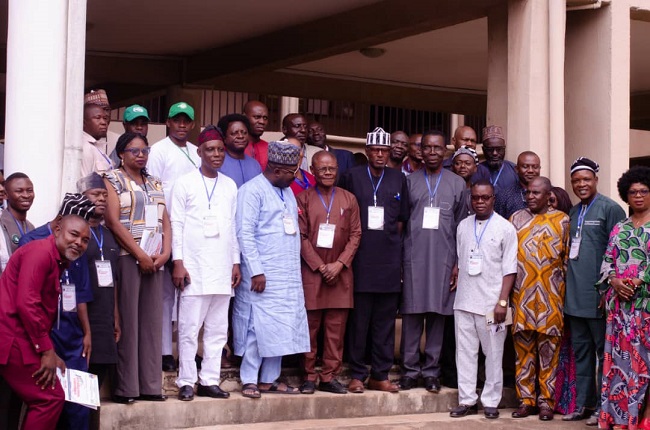
The Faculty of Environmental Sciences at Rev. Fr. Moses Orshio Adasu University Makurdi (MOAUM), Benue State, in collaboration with the Environment and Safety Management Institute and civil society partners, hosted the 1st International Conference on “River Benue and Sustainable Development in the 21st Century” from September 9–12, 2025. The event drew over 200 participants from academia, government, civil society, and development organisations.

In his welcome address, Professor Simon Terver Ubwa, Acting Vice-Chancellor, highlighted the global significance of rivers in sustaining civilisations, drawing parallels with the Nile, Indus, and Tigris-Euphrates. He stressed the urgent need to safeguard the River Benue amid threats from climate change, flooding, and unsustainable practices.

River Benue
Participants at the 1st International Conference on “River Benue and Sustainable Development in the 21st Century” in Makurdi, Benue State

Professor Daniel Serki Ortserga, Dean of the Faculty of Environmental Sciences, described the river as a “resource giant” with immense ecological and socioeconomic potential, while noting challenges such as farmer-herder conflicts, unsustainable fishing practices, and untapped tourism opportunities.

The conference featured lead papers from distinguished scholars. Professor Temi Emmanuel Ologunorisa of Olusegun Agagu University of Science and Technology discussed climate change, flood hydroclimatology, and policy-science integration for flood risk management. Professor Olarewaju Oluseyi Ifatimehin of Kogi State University addressed land degradation, climate resilience, and sustainable river basin development.

Additional insights came from key stakeholders.

Professor Member Genyi, Director of Gender Studies, MOAUM, emphasised proper management of the River Benue for its economic gains.

She noted, “The things we say about linking resources from River Benue and the extent of sustainability of the process of development is very important because we will not just be raising proposals in this hall, but that they will be taken out to be made into policy options, how it serves the environment, climate change, economic opportunities, etc.”

Terese Ninga, Managing Director of the Lower Benue Development Authority, highlighted that the river is undergoing changes detrimental to the wellbeing of its people, noting the importance of academic research in guiding sustainable solutions.

Dr. Kenneth Uchua, Director of the National Space Research and Development Agency (NARSDA), stated, “When very good decisions are taken on the premise of high verifiable results, they will be guaranteed for livelihood, sustainability of our environment, and improvement of wellbeing.”

Dr. Daniel Dam, Deputy Dean of the Faculty, described the River Benue as one of God’s natural gifts, emphasising the need to harness its resources for regional and national development, and to ensure food security.

Over 60 papers were presented in technical and plenary sessions, covering key themes:

  1. Climate Change and Water Resources – rainfall variability, water level changes, flood risk mapping, and community resilience.
  2. Ecosystems, Land Use, and Sustainability – erosion, contamination, fisheries, riparian vegetation, and renewable energy solutions.
  3. Socioeconomic Development and Livelihoods – farmer-herder conflicts, inland water transportation, fisheries-based livelihoods, and migration impacts.
  4. Health, Community, and Gender Dimensions – public health risks, WASH interventions, and inclusion of women, displaced persons, and vulnerable populations.
  5. Tourism, Culture, and Education – sustainable tourism potential, secondary education, youth-led climate action.
  6. Innovation and Technology – geospatial analysis, GIS and remote sensing applications, and AI in climate change mitigation.

A consistent message across all sessions was that the River Benue is not only an ecological resource but also a socioeconomic lifeline, requiring urgent policy action, technological innovation, and inclusive community engagement.

The conference received goodwill messages from partner civil society organisations (CSOs) including:

  1. Global Initiative for Food Security and Ecosystem Preservation (GIFSEP), delivered by Dr. David Michael Terungwa, Executive Director, called for safeguarding the river as a lifeline for over 20 million people and aligning interventions with the SDGs.
  2. Gender and Environmental Risk Reduction Initiative (GERI), delivered by Stephanie Temang, Acting Deputy Executive Director and Gender Desk Officer, emphasised gender-responsive approaches to environmental risk reduction.
  3. Climate and Sustainable Development Network (CSDevNet), delivered by Abuh Monday Stephen, National Network Coordinator, stressed the need for climate-smart agriculture, policy integration, and ecosystem-based management.
  4. Global Health Education Foundation (GLOHEF) reaffirmed its commitment to community-driven health and environmental initiatives and support for sustainable management of the River Benue.

The conference also featured a Tiv cultural dance performance, reflecting the deep connection between the river and local heritage.

The event concluded with a communiqué affirming the River Benue’s centrality to food security, biodiversity conservation, and socioeconomic resilience. Key resolutions included:

  1. Strengthening collaboration among academia, government, CSOs, and communities.
  2. Mainstreaming climate adaptation and disaster risk reduction into river basin management.
  3. Promoting sustainable livelihoods through eco-friendly practices and renewable energy.
  4. Enhancing community awareness and participation, particularly of women and youth.
  5. Developing policies to harness tourism, transport, and agricultural potentials of the river.

The deliberations and resolutions will feed into ongoing advocacy and policy dialogues aimed at repositioning the River Benue as a driver of sustainable development in Nigeria and beyond.

Global action ‘Draw the Line’ moves against genocide, injustice, fossil fuels, calls for rights, jobs, justice

0

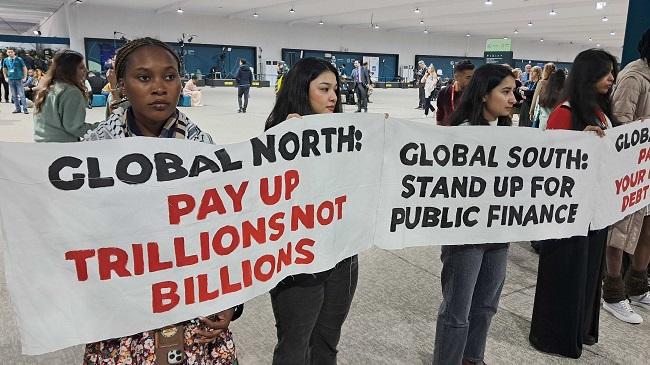
 In the lead-up to COP30 and as world leaders gather in New York for the General Assembly of the United Nations tens of thousands of people across the globe are taking to the streets in a wave of coordinated protests under the banner “Draw the Line” in 93 different countries around the world.

Communities are demanding urgent action from governments to end extracivism and stop fossil fuel expansion, deliver a fast, fair, funded and just transition away from fossil fuels, address the injustices and inequalities driven by the current neo-liberal and imperialistic economic systems and ensure a just transition to a world that protects life.

COP29
Draw the Line is a global action with widespread mobilisations

Workers, women, farmers, fishers, young people, Indigenous Peoples, migrants, refugees, pastoralists, people of color and LGBTI People are rising together to demand system change and reclaim the commons for a world that is in harmony with nature, centred on solutions by and for the people and not on false solutions.

This global moment comes at a critical time when the rich and the powerful countries and corporations continue their colonial and extractivist agenda, while world leaders fail to prevent and stop the genocide taking place in Palestine, Sudan, and Congo, and the governments across the world are veering towards authoritarianism, undoing decades of progress.

With every tenth of a degree of global heating, the consequences for people and ecosystems multiply, as seen in the devastating wildfires, typhoons, cloudbursts, floods, and extreme heatwaves already sweeping across continents this year. 

The Draw the Line mobilisations are a global call to action against inequality, destruction, and climate chaos and for rights, jobs, justice, and a safe planet. Across the world, people are demanding a feminist, fast, fair, funded, and forever phase-out of fossil fuels, investment in renewable energy,resilient food systems, real peoples led solutions funding for the future through climate finance from rich countries to the Global South, debt cancellation and taxing billionaires. At its heart, this movement is about justice, defending human rights, reclaiming democracy, restoring ecosystems, and building solidarity across peoples and nations.

Protests, artistic actions, vigils, and marches will take place in hundreds of cities around the world during this Global Week of Action in September, showing that people everywhere are united in demanding climate justice.

Draw the Line will be taking place alongside the Disrupt Complicity Weekend, September 18 to 21, called for by the Boycott, Divestment, and Sanctions movement (BDS) and stands in solidarity with their call to action.  

As COP30 approaches in Brazil, activists stress that leaders must make the most of this narrowing window of opportunity: the choices made in the next few years will define the future of generations to come.

Events will take place in over 100 countries, with large mobilisations expected in Belem, Berlin, Dhaka, Istanbul, Jakarta, Sao Paulo, Buenos Aires, Johannesburg, Istanbul, Suva, London, Manila, Melbourne, Mumbai, Nairobi, New Delhi, New York, Paris, Tokyo, and Wellington, among other cities, territories, and villages.

Lidy Nacpil, Coordinator, Asian Peoples’ Movement on Debt and Development (APMDD), said: “We are drawing the line against deceptive tactics led by rich nations and big corporations to perpetuate fossil fuel dominance and delay the equitable just transition to a fossil free and healthy planet. We demand a complete coal phase out in Asia by 2035 and a rapid and just energy transition out of fossil fuels and to 100% renewable energy before 2050. We demand the full delivery of climate finance obligations of the Global North to the Global South for urgent climate action including Just Transition! This is a crucial part of their reparations for historical and continuing harms to our people.”

Tasneem Essop, Executive Director, Climate Action Network International: “We are living through immensely challenging times right now: increasing injustices, human rights violations, wars, conflict and genocide, devastating climate impacts, rising cost of living and more. A global movement of movements is rising up to respond to the moment with the launch of the ‘Draw the Line’ Global Week of Action.

“Youth and women, workers and communities, young and old, across our ravaged planet are drawing the line against those fighting to keep us locked in a world of pollution, exploitation, wars and injustice. We are saying enough is enough and call for a Just Transition that puts people at the centre and serves the needs and interests of the masses of people who are suffering. As laid out by the UN Secretary General today, the energy transition is here and it is unstoppable, but it has to be just, fair, inclusive and fast. Our united actions across the globe in September will be our call for a just future.”

Rachitaa Gupta, Global Coordinator, Global Campaign to Demand Climate Justice (DCJ): “We are drawing the line against genocide, against fossil fuel expansion, and against false solutions that destroy our lands and extract from our communities. We refuse to let corporations profit off our lands, our resources, our food systems, and our bodies while our communities at the frontline continue to face the devastating impact of this crisis that we did not create. We demand an end to corporate capture and to the systems that turn war and extraction into profit.

“We call for a complete overhaul of the international financial architecture to dismantle debt traps, tax injustice, and neocolonial control. The Global North must pay up urgent climate finance in trillions, not as charity, but as reparations for centuries of plunder and pollution. This is not just a protest; it is a global movement for liberation. We demand a system change rooted in justice led by the peoples and communities. Our fight for climate justice is the fight for freedom, for dignity, and for life. And we are not backing down.”

Anne Jellema, Chief Executive, 350.org: “This mobilisation is about power, people power. The power to reject the lies of fossil fuel billionaires and remake our world for the many, not the few. We are drawing the line, because when governments fail to act, we rise. When polluters and profiteers try to divide us, we unite. We have the answers to this crisis, and we are calling on world leaders to listen, act, and follow the will of the people, not the whims of autocrats and billionaires. It’s our future, and it is for us to decide what it looks like.”

Tyrone Scott, Senior Movement Building & Activism Officer, War on Want: “In the UK, we’re joining movements worldwide and are drawing the line against inequality, climate breakdown, and the billionaires fuelling our global crises. On 20 September, thousands of us, backed by over 60 organisations, will march through the streets of London to demand justice.

“We’re part of a global movement rising together to say: enough is enough. From debt and poverty to fossil fuel tyranny, we are uniting across borders to resist more destruction and reclaim our future. This is a moment of reckoning. We are drawing the line for justice, for life, for the planet. Ordinary people didn’t cause this crisis; billionaires and corporations did. Now it’s time to make them pay to fix it.”

Omar Barghouti, co-founder of the BDS movement for Palestinian rights, recipient of the 2017 Gandhi Peace Award: “In the current, most depraved, induced starvation phase of the US-Israeli livestreamed genocide against 2.3 million Palestinians in the Gaza ghetto, Palestinian civil society stands united in calling on people of conscience and grassroots movements for racial, economic, social, climate and gender justice worldwide to help us build a critical mass of people power to end state, corporate and institutional complicity with Israel’s regime of settler-colonial apartheid and genocide, particularly through effective BDS actions and pressure. We are not begging for charity but calling for true solidarity, and that begins with doing no harm to our liberation struggle, at the very least, as a profound moral and legal obligation.”

Hari Krishna Nibanupudi, Global Climate Change Adviser, HelpAge International: “Twenty-nine COPs and a million broken promises. Another summit, another letdown. It’s time to radically reform how global climate negotiations are conducted—and take power out of the hands of the polluters who profit from delay.”

Brice Böhmer, Climate & Environment Lead, Transparency International: “Too many past COPs have been undermined by undue influence and a lack of integrity. COP30 offers a vital opportunity to change course. Transparency International calls for clear rules of engagement, a strong conflict of interest policy, and an accountability framework to ensure that climate decisions serve the public good, not private profit. This is our chance to put ethics at the centre of climate action.”

Sara Washburn, Ottawa-Gatineau Climate March Organiser, Fridays For Future Ottawa, Canada: “I’m here because I’m a parent, and I worry about the world my kids are inheriting. We’re drawing the line because we all deserve a future built on care, not chaos. I’m taking action now because I want my children – and all our children – to have a safe, just, and livable planet.”

Africa needs to leverage Loss and Damage Fund to enhance resilience of its cities

0

The issue of climate change and its associated impacts, especially on African cities, is a critical topic that demands urgent attention.   

Every day, Africa faces the consequences of something it did not cause. While 7 out of the 10 world most climate vulnerable countries are in the African region, Africa only emits about 4% of greenhouse gases, and in terms of historical contributions the content ranks even lower – according to World Meteorological Organisation’s State of the Global Climate report 2022.

Dr Muhammad Gambo
Dr Muhammad Gambo

Heatwaves, heavy rains, floods, tropical cyclones, and prolonged droughts, which are some of the effects of climate change, are having devastating impacts on communities and economies, with increasing numbers of people at risk across the continent. Africa’s rapidly expanding cities are hotspots of this vulnerability and impact.

According to the OECD report, Africa is one of the world’s least urbanized continents yet hosts the most rapidly urbanising region – the Sub-Saharan Africa (SSA). The region has an urban population of 500 million people, accounting for approximately 40% of the continent’s population, and an urban growth rate double that of the global average at 4.1% per year, compared to the global average of 2.1%. By 2050, it is estimated that over 60% of Africans will be living in urban areas.

This accelerated urban growth puts further pressure on existing challenges such as inadequate infrastructure, insufficient access to basic services, unemployment, and housing shortages. About 56% of urban population in Africa reside in informal settlements, compounded by insecure land tenure and constrained access to essential infrastructural services such as sanitation, water and energy, according to the African Cities Research Consortium and Brookings – 2024 reports.

A Climate Crisis

It’s widely acknowledged that climate change will affect Africa’s socio-economic development trajectory, threatening the continent’s attainment of the 2030 Sustainable Development Goals and the objectives of the Africa Union’s Agenda 2063.

In UN Secretary-General António Guterres’ own words, “Africa is on the frontlines of the climate crisis. The time for action is now. We must invest in sustainable solutions to protect our people and planet.”

But all is not lost. One of the recent global developments in climate policy has been the establishment of the Fund for Responding to Loss and Damage (FRLD), which aims to provide financial support to vulnerable countries affected by climate disasters.

The Fund, established during the COP27 negotiations, holds significant potential for African nations, especially in the context of urban development and the challenges faced by rapidly growing cities across the continent. It has the potential to serve as a powerful tool to address both the immediate impacts of climate disasters and the longer-term need for sustainable urban development in Africa, through the principle of “building back better”.

Firstly, the Fund could be channeled into immediate relief and rebuilding efforts, such as reconstructing homes, improving drainage systems to mitigate flooding, and ensuring access to clean water and sanitation. For example, funding could support the delivery of infrastructure that can withstand natural disasters, such as resilient affordable housing and other related climate resilient infrastructure for cities. Ensuring climate resilience and addressing key infrastructural shortages that exacerbate vulnerability is crucial in all activities the Fund will support.

Such projects would create more sustainable cities that are better equipped to handle the intensifying impacts of climate change while simultaneously offering economic opportunities through job creation.

Secondly, the Fund could be used to empower local communities, particularly marginalized populations in urban slums and informal settlements, who are often the hardest hit by climate disasters. Supporting these actors to adapt and develop is crucial for sustained resilience. Also, the informal economy – which forms a significant part of Africa’s urban economy – should not be left behind.

Finally, the Fund could be used to support capacity building initiatives such as training local leaders, strengthening disaster management systems, and creating meaningful climate partnerships.

Reimagining African cities

That said, the Fund for Responding to Loss and Damage has the potential to play a transformative role in the urban development of African cities, particularly in mitigating and adapting to the impacts of climate change.

Whether this potential is reached depends on the setup of the Fund and the criteria used to assess projects – and whether those are in line with African realities in terms of data and capacity availability. It also depends on careful planning and effective collaboration to ensure that the Fund benefits those who need it most.

This is a unique opportunity to not only address the consequences of climate change, but also to reimagine African cities as models of sustainability and inclusivity for the future.

By Dr Muhammad Gambo, Head of Policy, Research and Partnerships at Shelter Afrique Development Bank