Home Blog Page 1752

Environmental health officers call for joint sensitisation, participation on proper hygiene

0

The Environmental Health Officers Registration Council of Nigeria (EHORECON) has called on the public to join hands in the sensitisation and participation of all to ensure proper hygiene.
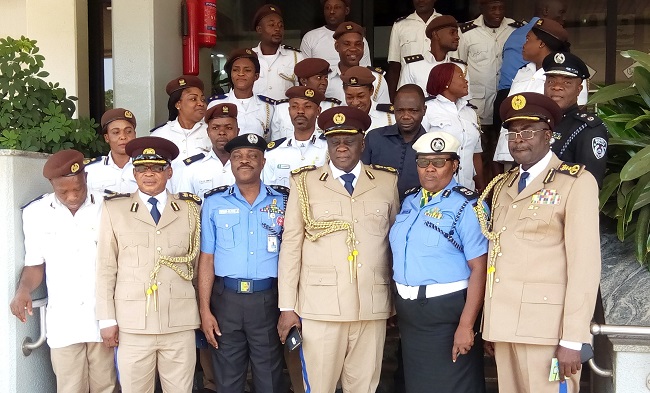
Health Officers
The environmental health officers with officers and men of the Nigerian Police

Dr Dominic Abonyi, the Registrar of the Council on Friday, November 16, 2018 in Abuja made the call during the inspection of some Ministries Departments and Agencies (MDAs) within the FCT to mark the 2018 World Toilet Day with the theme: “When Nature Calls”.

The officers in the course of the inspection visited Force Headquarters, Head of Service, Ministry of Environment, Jabi Motor Park, Utako market, Dei Dei community amongst others.

“Our prayer is for everybody to join hands in the enlightenment and sensitisation programme of the ministry to keep the Nigerian environment safe.

“We visited some important places – the office of the Head of the Civil Service of the Federation is number one office of the civil servants and I think that what we saw is not far from what we want it to be.

“This is the primary reason why we started from these places so that we can take a cue from their standards.

“We want all of you who joined this visit to also join us in saying what you have seen.’’
He said that in Nigeria there were places that have standards, adding that these standards should go around the entire country.

“What should be done is what President Muhammadu Buhari has done, declaring a state of emergency on sanitation.

“You will notice that when you are talking about water sanitation and hygiene, it has more than one ministry or agency that has the mandate.

“So, while you are talking about water and efforts being made to make sure that Nigeria has water in abundance and water that is portable, environment will be talking about safe environment because a single access of sewage from faecal matter that enters the water will rubbish efforts at water resources management.

“It is therefore everybody’s business.

“If we have good water and we go to toilet and don’t wash our hands, then it means that we are trying to poison ourselves, so another group will be seriously addressing hygiene education.

“You see, the Ministry of Health, Ministry of Environment and Ministry of Water Resources and indeed other public utilities must join hands because sanitation is not one man’s business. It is the business of everybody”.

Mr Leon Aliboh, the Permanent Secretary of the Ministry of Environment, corroborated Abonyi’s views.

“I believe you have seen for yourself how our toilet facilities are in most of the offices visited.

“I will leave it for you to judge; you are our judges in this case, and our officers will make the report, and where we noticed some challenges we communicate to those offices to effect the changes where necessary”.

When asked about sanctioning the offices with low standard toilets he said the officers went around today as teachers to sensitise the public.

“Well, you know as a teacher, when you are trying to teach, you are trying to sensitise people now, then later we will introduce sanctions but now we want to at least enlighten people, sensitise them that there’s need to keep our toilets very clean.

“After our reports we will be able to tell defaulters these are their setbacks and challenges to make sure they rectify them before we come again.”

NAN reports that only the senior civil servant toilets were clean while the junior servants’ toilets were a far cry from acceptable.

By Ebere Agozie
UN partners private sector to tackle northeast humanitarian crisis

0

The UN system in Nigeria has partnered leading Nigerian companies from the banking, energy, legal and consumer services sectors to support the Federal Government to tackle the humanitarian crisis in the northeast.

United-Nations-Day
Edward Kallon, UN Resident Coordinator and Humanitarian Coordinator in Nigeria. Photo credit:
Bada/TA/NAN

Head of Communications, United Nations Office for the Coordination of Humanitarian Affairs (UNOCHA), Mrs Samantha Newport, made the disclosure in a statement in Abuja on Friday, November 16, 2018.

Newport said the United Nations Nigeria Humanitarian Fund-Private Sector Initiative (NHF-PSI) was launched in Lagos on Thursday.

She said that the innovation marked the first time the private sector would be collaborating with the UN to assist the needy.

She also explained that the collaboration would be done through a country-based fund with pool resources to deliver humanitarian aid to people in need.

UNOCHA’s Head of Communications recalled that the crisis, triggered largely by the ongoing conflict in Borno, Adamawa and Yobe, had claimed the lives of 27,000 people in almost a decade.

Newport said that reports had revealed that more than seven million vulnerable women, men and children needed life-saving aid such as food, safe water and medicine.

The statement quoted Edward Kallon, UN Resident Coordinator and Humanitarian Coordinator in Nigeria, as commending the partnership, explaining that it was an investment in humanity.

“The Nigeria Humanitarian Fund-Private Sector Initiative presents a unique opportunity to create a blueprint for future private sector engagement in humanitarian action across the globe.

“Investing in the vulnerable people of north-east Nigeria is an investment in humanity that will last for generations. That is business for good.”

“The initiative aims to not only harness the financial resources of Nigeria’s dynamic private sector, but also the entrepreneurial and innovative expertise of Africa’s largest economy.

“In a move that will see the country’s private sector working alongside the United Nations and Member States, International and Nigerian non-profit organisations who are working on the frontlines of the response,” Newport quoted Kallon as saying.

The statement also quoted Mr Adewale Tinubu, the Group Chief Executive of Oando PLC, as saying that the Nigeria’s Humanitarian Fund-Private Sector Initiative would create hope and promote social justice for the disadvantaged citizens.

“I am proud to be a part of this unique opportunity for the private and public sectors to collectively offer solutions to a local humanitarian crisis,” Tinubu said.

Also, Mr Jim Ovia, the Managing Director, Zenith Bank, said: “Merging our money and our minds, helping our countrymen and building on progress made so far.”

According to the statement, that 14 companies and groups announced their support for the Nigeria NHF-PSI.

They promised to form a Steering Group that will collaborate efforts to raise awareness and resources for the overall interest of the under-privileged.

The Steering Group will be co-Chaired by Ovia, Tinubu, Kyari Bukar of Nigeria Economic Summit Group, Folake Ani-Mumuney, Group Head Marketing and Corporate Communications, First Bank of Nigeria Ltd.

Others include Olumide Akpata, Partner, Templars Law; Patrick Akinwuntan, Managing Director, Ecobank Nigeria; Herbert Wigwe, Group Managing Director, Access Bank Plc; and Yaw Nsarkoh, Executive Vice President for Nigeria and Ghana, Unilever Plc.

Others are Onyeche Tifase, the Managing Director, Siemens Nigeria; Dr Bryant (ABC) Orjiako, Seplat Petroleum Development Company Plc; and Georgios Polymenakos, Managing Director, Nigerian Bottling Company Ltd.

Kemi Okusanya, General Manager, Visa West Africa; Oscar Onyema, CEO, Nigerian Stock Exchange; and Samaila Zubairu, President, Africa Finance Corporation, will also be participating.

UNIDO to sign fresh $60m Nigeria country programme

0

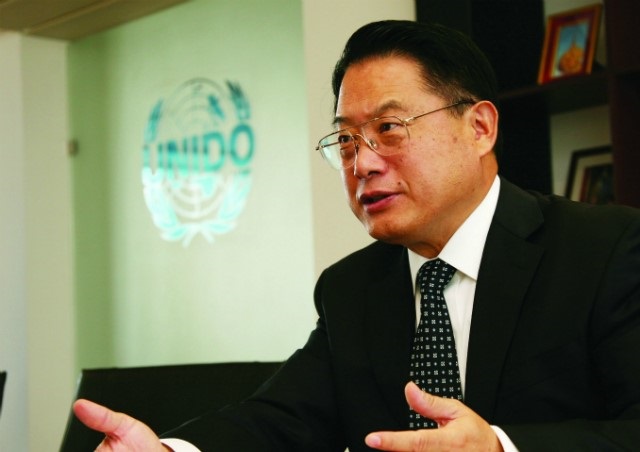
The Director General, United Nations Industrial Development Organisation (UNIDO), Li Yong, will visit Nigeria on a two-day official assignment from November 19 to 20, 2018. This is Yong’s second visit to Nigeria – Africa’s largest economy – since he assumed office as head of the UN organisation in 2013.

Li Yong
Director General of UNIDO, Li Yong

One of Yong’s major engagement in Nigeria will be the historic signing on November 19 of the $60 million UNIDO Nigeria new Country Programme (CP) for Inclusive and Sustainable Industrial Development (2018-2022) with the Federal Government.

The new CP, the second in the series of UNIDO’s support to the Government of Nigeria, is aimed at enhancing Nigeria’s drive towards Inclusive and Sustainable Industrial Development (ISID) and is aligned to the priorities of the Federal Government as outlined in the Nigeria Vision 20:2020 (NV 20:2020), Economic Recovery and Growth Plan (ERGP) and the Nigeria Industrial Revolution Plan (NIRP).

Designed to build on the cumulative achievements of past Country Service Frameworks and Country Programme implemented by UNIDO, the new CP comprises nine programmatic components. These are: industrial governance, research and statistics programme; Micro, Small and Medium Enterprises development programme; Special Economic Zones (SEZs), industrial parks and private sector development programme; innovation, science and technology management programme; agro-industry and agribusiness development programme; minerals and metals development programme; trade capacity building programme; renewable energy development programme; and environmental management programme.

The visit will also take place in the context of the 2018 Africa Industrialisation Day (AID) commemoration holding at the International Conference Centre, Abuja, on November 20.

This year, under the theme “Promoting Regional Value Chains in Africa: A Pathway for Accelerating Africa’s Structural Transformation, Industrialisation and Pharmaceutical Production”, AID 2018, according to UNIDO, offers an opportunity to identify innovative, solution-driven actions and policies to advance pharmaceutical production on the continent, in the context of the Africa Continental Free Trade Agreement (AfCFTA) and the Third Industrial Development Decade for Africa (IDDA III).

The AID, celebrated on November 20 of every year, presents a platform for UNIDO to enhance international cooperation and dialogue on the pan-African industrialisation agenda, and to raise awareness of the opportunities and challenges associated with this innovation drive, says UNIDO. Every year, it gathers African leaders, policy makers, representatives of the private sector, academia, international financial institutions (IFIs) and development partners to showcase the continued relevance of industry, including manufacturing production, as a powerful engine for sustainable development and poverty eradication.

During his two-day working visit to Nigeria, Yong, it was gathered, will also hold bilateral meetings with high level government officials and UNIDO’s bilateral partners  to expand and strengthening the organisation’s capacity for promoting Inclusive and Sustainable Industrial Development in Nigeria, Africa and globally.

India has made limited progress in addressing antibiotic resistance – Study

0

As the world observes the “World Antibiotic Awareness Week” from November 12 to 18, 2018 that is aimed at increasing global awareness of antibiotic resistance (AMR), the Centre for Science and Environment (CSE) in unveiling an assessment of India’s National Action Plan on Antimicrobial Resistance (2017-21). The assessment, says the group, finds limited progress on only a few critical activities to contain AMR from animal and environmental sources.

Chandra Bhushan
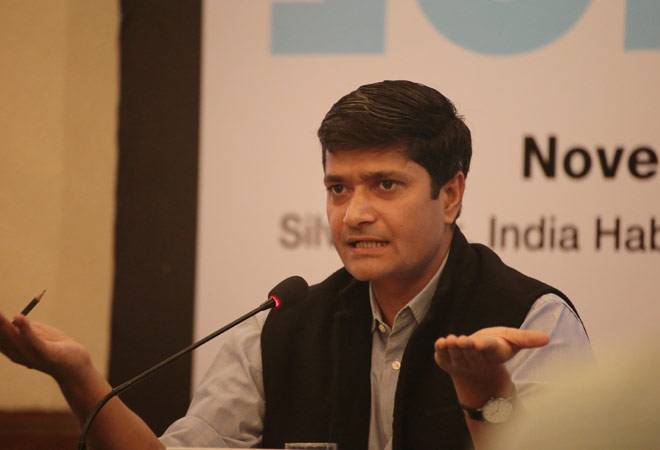
Chandra Bhushan, Deputy Director General, Centre for Science and Environment (CSE)

“Even after a year and a half after India’s National Action Plan on Antimicrobial Resistance (2017-21) came into being, there is at best limited progress on only a few critical activities to contain AMR from animal and environmental sources. Many of these were planned to be completed within a year. India is going to be heavily impacted by the AMR crisis and we cannot afford such delays,” says Chandra Bhushan, deputy director general, CSE.

The Indian action plan was released in April 2017 along with the “Delhi Declaration on Antimicrobial Resistance” endorsed by 12 stakeholder ministries.


AMR: A clear and present danger

Resistance to antibiotics is now recognised as a public health threat of an unprecedented scale. Antibiotics are increasingly becoming ineffective. Common infections and diseases, which were earlier treatable, are now becoming difficult to treat. Globally, it is expected to lead to a 3.8 per cent loss in GDP and 10 million deaths annually by 2050.

Besides antibiotic use in human health, overuse and misuse of antibiotics in producing food from animals such as chicken meat, eggs, milk and fish is a key cause behind rising AMR. India will be heavily impacted by it due to its huge burden of infectious diseases, large-scale food animal production using antibiotics, and inadequate healthcare systems, says the CSE.

CSE researchers also point out that poor management of waste – which can contain antibiotics, antibiotic-resistant bacteria or genes transferring resistance – from farms, pharmaceutical factories, healthcare settings and households adds to the emergence and spread of AMR.

Many countries – such as those in the European Union – are said to have already set up the necessary regulatory frameworks to address antibiotic misuse in animals.

“India still does not have laws and systems to control use of antibiotic growth promoters in animal feed, or those which would help track the sale and use of antibiotics in food animals. All we have so far is a Central government advisory, which cannot be enforced in states,” says Amit Khurana, programme director, food safety and toxins, CSE.

“What India also needs is a clear roadmap for two things – one, to phase out use in animals of antibiotics which are critically important for humans, and two, to stop antibiotic misuse for mass disease prevention,” adds Khurana.


Lagging on AMR control

CSE researchers acknowledge that the Food Safety and Standards Authority of India (FSSAI) has recently notified the much-required tolerance limits for antibiotic residues in food from animals such as meat, milk, egg and fish. On the other hand, the Indian Council of Agricultural Research (ICAR) has also initiated the Indian Network for Fisheries and Animal Antimicrobial Resistance (INFAAR) with 18 labs at ICAR institutes. However, a lot of planned activities on AMR surveillance have not yet been completed.

In March 2018, the Central Pollution Control Board (CPCB) prepared a set of draft standards for antibiotic discharge in pharmaceutical industry effluents. Says Khurana: “At present, it is being reviewed by the environment ministry and we expect stringent final standards to be set soon.”

“We have a lot of ground to cover towards strengthening laboratories, developing capacity, and finalising mechanisms and modalities for a nation-wide AMR surveillance in food, animals and environment,” says Rajeshwari Sinha, deputy programme manager, food safety and toxins, CSE.

Talking about the required action on environmental AMR, Sinha mentions: “The poultry farming guidelines of the CPCB need to be strengthened and made enforceable. Extended producer responsibility should be introduced to ensure appropriate drug take-back and drug disposal.”

The CSE assessment of the Action Plan points out that there is limited clarity on formal status, structure, roles, responsibilities and powers of a new authority – the National Authority for Containment of Antimicrobial Resistance (NACA) – which was planned as an overarching body for AMR containment activities and a stakeholder in implementing the Action Plan. It also highlights that Kerala is the only state so far which has released its own action plan, and that other states must actively come forward in order to ensure effective implementation of the plan on the ground.

The assessment has expressed its concerns over the limited focus in the budget on AMR. The Union budget of 2018-19 had no separate head for AMR under the Ministry of Health and Family Welfare. Instead, AMR was made part of a common pool allocated for different public health programmes.

“Sustained political will at the Centre and the states and adequate financing of the AMR Action Plan will be the key to address the AMR crisis in India. Centre must ensure that AMR activities are adequately funded. States should now come forward with their own plans like Kerala has done. Without their active participation, implementation of the Action Plan would be impossible,” says Bhushan.

INEC reaffirms commitment to deliver credible elections in 2019

0

Chairman of the Independent National Electoral Commission (INEC) in Nigeria, Prof Mahmood Yakubu, has reaffirmed the Commission’s commitment and determination to deliver credible elections in Nigeria in 2019, which will embody the concepts of inclusiveness, transparency and accountability, by also ensuring that established rules are fully, fairly and impartially enforced.

Realnews Maureen Chigbo
Realnews Publisher & Editor Ms Maureen Chigbo welcoming guests to the Lecture

“At the risk of stating the obvious, let me say that INEC is deeply committed to democratic elections in the belief that the outcome can contribute to political stability and consolidation of democracy, which will foster rapid economic progress,” the INEC boss said in Lagos on Thursday, November 15, 2018 while delivering the 6th Anniversary Lecture of Realnews Magazine, one of Nigeria’s pioneer online magazines.

Yakubu, who is also President, governing board of the ECOWAS Network of Electoral Commissions (ECONEC), explained that INEC “continues to think innovatively and to consolidate several tools” towards addressing emerging challenges related to the delivery of credible elections in Nigeria, whose registered voters are more than the populations of several African countries combined.

He, however, said that “INEC alone cannot do the job,” and therefore “counts on the goodwill and collaborative partnership of other stakeholders.”

The INEC boss gave a run-down of the Commission’s preparations for the 2019 polls, and also identified seven challenges that could impact smooth electoral process in Nigeria. According to him, these include the “do or die mentality of some members of the political class;” “vote-buying;” “lack of internal democracy within political parties;” and “incendiary speech” by political actors.

Others are “election security,” which he said, was “beyond the responsibilities and capabilities of INEC;” “impunity and lack of consequences for electoral offenders,” which he said could be addressed through the establishment of Electoral Offences Commission/Tribunal for easy disposal of election cases; and lastly, the ever increasing number of “litigation and conflicting Court Orders,” requiring the attention of the Commission.

Prof Yakubu lauded Realnews Publisher/Editor, Ms Maureen Chigbo, and her team for their excellent professional job.

In his goodwill message, Dr Mohamed Ibn Chambas, UN Special Representative and Head, UN Office for West Africa and the Sahel, charged Nigerian political actors and the media to bear in mind that “elections in Africa’s most populated country and largest economy have implications for the entire continent and beyond.”

He noted that while “accurate and dispassionate reporting of electoral events will help to educate the electorate and contribute towards informed choice from among competing candidates, biased reporting and deliberate falsehoods (fake news), on the other hand, could “contribute to distorting the choices of the voters and election-related violence, while “hate speech leads ultimately to hateful acts.”

Renowned Nigerian journalist and chairman of the Petroleum Trust Fund, Dr Haroun Adamu, who chaired the well-attended lecture themed: “Political Transitions and Africa’s Economic Development”, urged online publications to leverage the benefits of social media platforms to positively impact “the minds, hearts and ultimately the fingers of voters in achieving a desired outcome.”

In her welcome address, Ms Chigbo described credible election as a necessary step towards speedy socio-economic development with visionary leaders and appropriate policies.

The lecture was followed by a question and answer session and a Panel Discussion featuring Dr Charles Okeke, a professor of economics, College of Southern Nevada, Las Vegas, US; Prof Adebayo Olukoshi, Director, Africa and West Asia Regional Programme and Liaison Office to the African Union; and Engr Simbi Wabote, Executive Secretary, Nigerian Content Development and Monitoring Board, who was represented.

Seven new members – Prof Yakubu, Dr Adamu, Dr. Okeke, Prof Olukoshi, Engr Wabote, Mr Paul Ejime and Sir Elvis Emecheta – were later inducted into the Realnews Hall of Fame.

Previous inductees include Dr Chambas; Dr Oby Ezekwesili, Nigeria’s former Education Minister; Prof Charles Soludo, former Central Bank Governor; Prof. Maurice Iwu, former Chairman of Nigeria’s Electoral Commission, and Dr. Ngozi Anyaegbunam, President, Media World.

Ms Chigbo described the gesture as “our own modest way of honouring Lecturers and Speakers at our Anniversary Lectures for their contributions to knowledge and national development, and also for recognising Realnews Ambassadors”.

California Camp Fire death jumps to 63, missing 631

0

Investigators in California revealed on the night of Thursday, November 15, 2018 that another seven sets of human remains have been found in the northern part of the state’s Camp Fire, bringing the total number of people killed to 63.

California wildfires
Firefighters work to put out raging flames in California. Photo credit: Ventura County Fire Department

Butte County Sheriff, Kory Honea, said that of those found dead, 53 have been positively identified.

Three of the bodies were found in Paradise – a town of 27,000 that has been destroyed by the inferno. Another three were found in Magalia and one was discovered in Concow.

The number of people who remain unaccounted for in the Northern California area increased to 631, by more than 500 people, officials said. Some 52,000 people have been displaced.

The wildfire – which started on Nov. 8 – remains the deadliest in California state history, leaving more than 8,500 structures destroyed and 140,000 acres of land scorched. It was 40 percent contained as of Thursday night.

President Trump is scheduled to travel to the Golden State on Saturday to visit victims of fires in both the northern and southern ends of the state.

Trump is supposed to pay a visit to those who’ve been affected by the flames, White House Deputy Press Secretary Lindsay Walters said.

“We will keep you updated on details as they are available,” Walters said.

In Southern California, the Woolsey Fire has reportedly left three people dead. The wildfire has destroyed roughly 500 structures in Malibu and neighboring areas, as it’s burned more than 98,000 acres with a 62 percent containment.

Catholic doctors warn against release of GMO mosquitoes

0

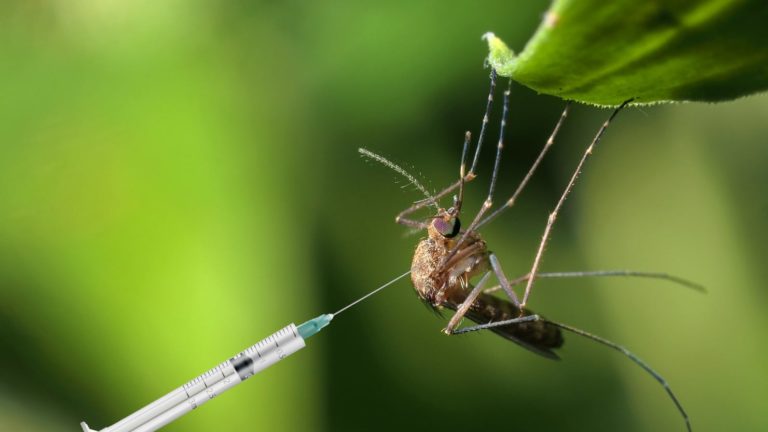
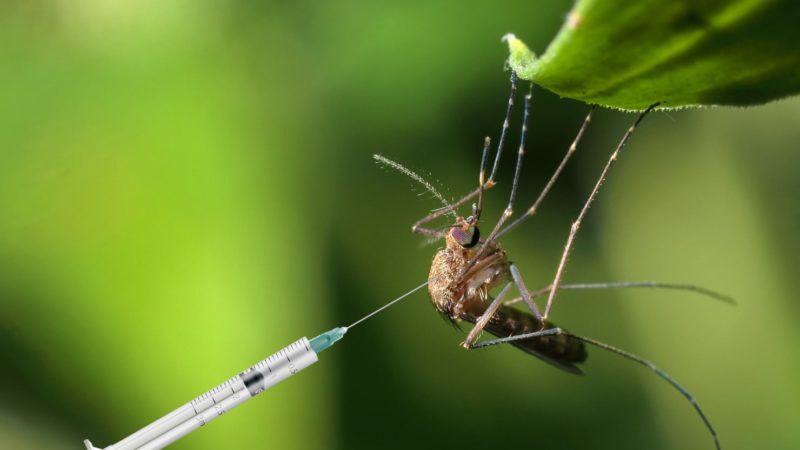
The Association of Catholic Medical Practitioners of Nigeria (ACMPN), Owerri Archdiocese, in a recent statement warns against the release of genetically modified mosquitoes and risk of infertility of people in West Africa

GM mosquitoes
The National Biosafety Agency of Burkina Faso is under pressure not to release sterile genetically modified male mosquitoes as planned

Malaria is a serious public health issue, affecting millions of people annually. Africa continues to carry a disproportionately high share of the global malaria burden. Fortunately, since 2000, the malaria death rates in Africa have decreased by 66% among all age groups, and by 71% among children. The declines in malaria incidence and deaths are attributable to extensive and effective use of insecticide treated bed-nets and more effective treatment regimen with Artemisinin-Combination Therapy (ACT). The search for solutions, particularly for vector control, nevertheless continues, due to resistance to the insecticide used in bed-nets.


GMO Mosquitoes Release Has No Health Benefit

The project was given a permit to make an open release of 10,000 genetically modified organisms (GMO) Anopheles gambiae mosquitoes: most likely in the village of Bana, west of Bobo Dioulasso. The GMO mosquitoes were exported from Imperial College in London to Burkina Faso in November 2016 and are currently in “contained use” facilities.

Target Malaria research consortium is an NGO funded by the Bill & Melinda Gates Foundation amongst others, plans to release Genetically Modified Organisms (GMO) “male-sterile” mosquitoes in Burkina Faso later this year in 2018. Target Malaria acknowledges that there are no benefits to the proposed GMO mosquito release. However, they have not explained what the risks are posed by this release.


Unproven Technology

Target Malaria’s ultimate aim is to make open releases of “gene drive” mosquitoes, with the aim of reducing the population of Anopheles gambiae mosquitoes, which can transmit the parasite that causes malaria. The hope is that reducing the mosquito population will reduce the risk of malaria transmission and hence disease incidence. “Gene drive” is a way of trying to spread genetically engineered traits through a whole population of plants or animals (in this case, mosquitoes).

In this project, the aim of the gene drive is to spread a genetic trait that biases the sex ratio of the mosquito population towards male mosquitoes, thus suppressing the mosquito population. However, the technology to do so does not yet exist and may not be successful. There have been many warnings, including from scientists working in the area of gene drive, that gene drive may be uncontrollable and could have unintended consequences, and civil society organisations have called for a moratorium on this technique.


Could GMO Mosquitoes Cause Human Infertility across Africa?

The GMO mosquitoes proposed for release this year are Anopheles gambiae mosquitoes, which have been genetically modified to be male-sterile by a construct that incorporates the Homing Endonuclease Gene (HEG). Target Malaria reports that these GMO mosquitoes have shown 100% infertility: stating that, to date, all eggs laid by females that have mated with these GMO male mosquitoes have been infertile.

However, there is no data to date on the possibility that the saliva of these GMO mosquitoes may or may not incorporate HEG, which could be transmitted on biting humans and cause infertility across Africa. Well founded distrust is mounting, given that the same international sponsors of this project also funded the development of anti-human chorionic gonadotropin (anti-HCG) called the infertility vaccine that was incorporated into tetanus vaccine (and others) administered to women of child-bearing age in Africa, Asia and Latin America to cause infertility without consent. There is fear across Africa that the target of this GMO mosquitoes release may not be malaria, but targets spread of infertility across Africa through bites of GMO mosquitoes.


Calls for ICC Prosecution

ACPMN calls for International Criminal Court (ICC) prosecution of Imperial College London, UK, Burkina Faso, Target Malaria and Bill & Melinda Gates Foundation. Under European Union (EU) law, Imperial College should provide a publicly available environmental risk assessment that meets European standards before exporting GMO insect eggs for open release to foreign countries. This legal requirement arises because GMO insect eggs are live genetically modified organisms (living modified organisms or LMOs) covered by the Cartagena Protocol on Biosafety (CPB) to the Convention on Biological Diversity, to which the UK and Burkina Faso are both Parties.

The relevant legal requirements for export are implemented in the UK through the European Regulation (EC) 1946/2003 on transboundary movement of genetically modified organisms. This Regulation requires that the environmental risk assessment (ERA) provided by the exporter meets the EU standards on risk assessment contained in EU Directive 2001/18/EC16.

Chinese Customs arrests 17 suspects for ivory smuggling

0

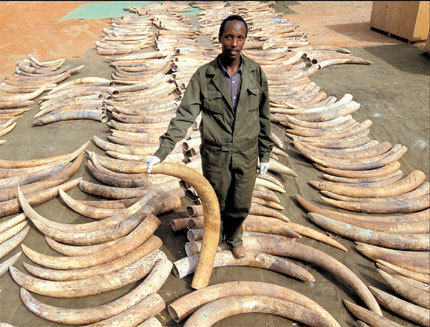
China has arrested 17 suspected smugglers and seized 10 pieces of African ivory weighing 323.7 kg in total in a joint operation, Shenzhen Customs said on Thursday, November 15, 2018.

Ivory trafficking
Ivory trafficking. Photo credit: girlegirlarmy.com

The suspects, including six Hong Kong residents, attempted to smuggle the ivory to the Chinese mainland via Hong Kong, according to the customs.

Shenzhen customs received a tip-off about the smuggling ring after cracking a similar case in the southern province of Guangdong in July 2017.

A joint task force led by the General Administration of Customs was later set up to facilitate further investigation.

The team launched two raids that led to the arrest of the suspects in June and July.

It is estimated that the gang has smuggled nearly a tonne of ivory, rhino horns and related products since November 2017.

The Chinese government suspended imports of ivory and all ivory products in 2015 and ended commercial processing and sales of ivory at the end of 2017.

South Africa rejects Monsanto’s GM drought-tolerant maize

0

The African Centre for Biodiversity (ACB) says it welcomes the decision of the South African biosafety authorities rejecting Monsanto’s application for the commercial release or its genetically modified (GM) drought tolerant triple stacked maize: MON 87460 x MON 89034 x NK 603.

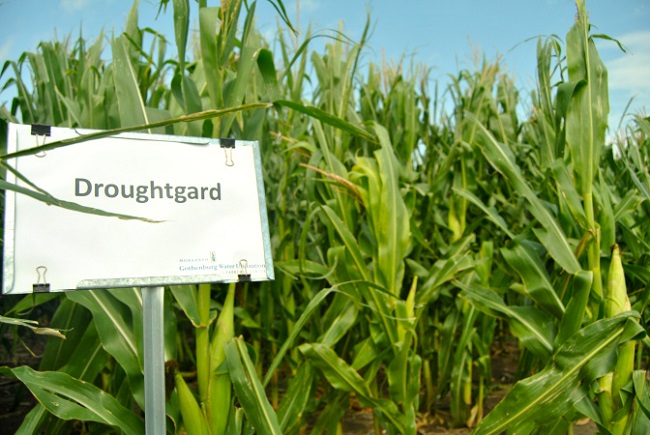
DroughtGard
Fields of Monsanto’s Droughtgard Corn are studied for drought-tolerance at the Water Utilisation Learning Centre in Gothenburg, Nebraska

At its meeting on October 2, 2018, the Executive Council: GMO Act, refused to authorise the GM maize for commercial growing as it found that the data provided by Monsanto was insufficient to demonstrate the claimed drought tolerant and insect resistant efficacy of the GM event.

In particular, the EC found that the drought-tolerant field trial data presented by Monsanto for trials conducted over a period of five years (2014-2018) in Hopetown, Orania, Lutzville and Malelane, were sorely wanting.

The EC found that the drought data provided by Monsanto, specifically the kernel count per row and the kernel count per ear data, showed no statistically significant difference between the GM event and conventional maize.

It further found that the yield benefits associated with the GM event were inconsistent and, in some trials, the GM maize had lower yields than that of conventional maize.

Finally, it found that the insect resistant data presented by Monsanto was insufficient as it was collected only from one trial site and then, too, only for a limited number of growing seasons.

The ACB has been rigorously interrogating Monsanto’s GM drought tolerant maize project, which is linked to the Water Efficient Maize for Africa (WEMA) project, for more than 10 years.

ACB’s Executive Director, Mariam Mayet, says: “We are elated with this decision, as we have consistently disputed the veracity of Monsanto’s claims of increased yield performance of MON87460 under water-limited and water-scarce conditions in South Africa.”

The ACB and more than 25,000 people from South Africa, the rest of the continent and around the world signed a petition, rejecting Monsanto’s application on the grounds that the application was not backed by peer-reviewed scientific data and evidence supporting Monsanto’s claim that MON87460 will confer drought tolerance; flawed experimental design to assess the efficacy of the trait; and that potential socio-economic risks posed by MON87460 to smallholder and resource poor farmers had not been considered.

MON 87460 stems from a Monsanto/Gates Foundation project, WEMA project. The project is being implemented in South Africa, Kenya, Uganda, Tanzania and Mozambique, and purports to offer the GM drought tolerant maize to smallholder farmers in Africa as a “Climate Smart” solution to abiotic stresses such as drought. Certain questionable claims have also been made by various scientists associated with the project that Bt maize varieties under the project is a solution to combat the fall army worm (FAW).

Mayet says that they “remain hopeful that we may be taking an important corner in South Africa as evidence emerges of the failure of GM technology. Studies are consistently showing resistance of the African maize stalkborer pest (Busseola fusca) to GM Bt insecticidal maize of single-gene and stacked-gene types.”

“The ACB calls on all African governments to implement holistic strategies, which are already showing efficacy in the field, to support small-holder farmers. These include various agro-ecological strategies such as the intercropping, the ‘push-pull’ system and integrated pest management strategies. These are being implemented in both the Americas and Africa and provide sustainable solutions to the FAW and will not further indebt farmers, compromise their health or that of their surrounding environment,” stresses Sabrina Masinjila, research and outreach officer with the ACB, based in Tanzania.

In a reaction, Nnimmo Bassey of the Health of Mother Earth Foundation (HOMEF), says: “The rejection of Monsanto’s stacked genetically engineered maize by the South African government is an example that the Nigerian government should learn from and emulate. Our government needs to be circumspect about varieties promoted by corporations and other entities whose drive is for profit, for control and the decimation of local varieties.

“By refusing to authorise the commercialisation because of insufficient evidence that it would be drought tolerant and insect resistant, the South African government illustrates in this case that it pays attention to the concerns consistently expressed by groups such as ACB and the general public. Our governments must not continue to expose our peoples to be hoodwinked and used for experimentations just because weak regulators see.”

North will experience severe, longer harmattan season, says NiMet

0

The Nigerian Meteorological Agency (NiMet) has announced that the severity of harmattan period would be higher and longer over the northern states due to its proximity to the Sahara Desert compared to the south in 2018/2019 dry season.

Sani Marshi
Director-General/Chief Executive Officer of NiMet, Prof. Sani Mashi

Director General of NiMet, Prof. Sani Mashi, who gave the warning in an interview with the News Agency of Nigeria (NAN), on Thursday, November 15, 2018, said that rainfall was expected to linger over the southern cities till December.

He explained that the surface pressure had been increasing over the northern Africa and strong surface north-easterly wind was gradually building up over the southern Chad and Niger Republic, which are the source regions of dust affecting Nigeria.

According to him, some cities in the northern parts of the country are already experiencing hazy conditions with continental wind dominating the region, while south westerly wind still prevails over the southern states and some central cities.

“During the Harmattan season, sunny and hazy conditions are expected over the northern states and central cities down to the inland cities of the southern parts with thick dust haze conditions which can impair horizontal visibility to less than 1000m (1km).

“The harmattan season is characterised by the prevalence of dry and dusty wind consisting of fine particulate matters emanating from the Sahara Desert blowing southward into the country.

“The severity of the dry season will be higher and longer over the North due to its proximity to the Sahara Desert compared to the south where rainfall is expected to last till December in some cities,” he said.

Mashi warned that the expected reduction in visibility in the coming weeks might disrupt flight operations through cancellation and delay of flights at some airports across the country.

He advised road users to be careful and avoid speeding, especially during early morning period when horizontal visibility would be impaired by fog, mist or dust haze.

According to him, these weather conditions can increase traffic congestion or even cause accidents.

“Day time temperatures are anticipated to increase across the country accompanied by decrease night time temperatures resulting in cold nights.

“Similarly, dryness is anticipated due to expected reduction in humidity and cloud cover.

“Surface winds are also expected to be stronger, especially over the northern parts of the country,” he said.

Mashi also disclosed that bush burning should be avoided as the dryness and strong wind could increase fire incidences and cause severe crop damage at harvesting period.

He explained that dust haze could lead to deterioration of air quality with adverse effects on human health as it could trigger asthma and bronchitis attacks as well as cause cold, cough, catarrh, and meningitis.

According to him, those suffering from these health conditions or allergic to dust are advised to take necessary precautions and take their medications to alleviate its effect on their health.

“The public are advised to take adequate water during the harmattan period to avoid dehydration and heatstroke,” he said.

Mashi said that cloudy to partly cloudy conditions with scattered thunderstorms were still expected to prevail over the coastal regions till mid-December with occasional dust haze condition.

The director general added that occasional early morning fog and mist were also expected over the southern cities.

By Sumaila Ogbaje