Home Blog Page 174

Journalists in Abuja capacitated on climate reporting at CFSF, ILO forum

0

Media practitioners in Nigeria have been tasked with producing in-depth investigative reports on climate change to elicit fact-based interventions by policy makers.

This charge was given to media participants from a host of news organisations in Abuja that were trained on climate change and just energy transition at a two-day journalism training on climate change and just energy transition organised by the Citizens Free Service Forum (CFSF) and the International Labour Organisation (ILO).

Journalism training
Participants at the CFSF and ILO journalism training on climate change and just energy transition, in Abuja

The event was facilitated by a team of experts in investigative journalism, trade union activism and the development field.

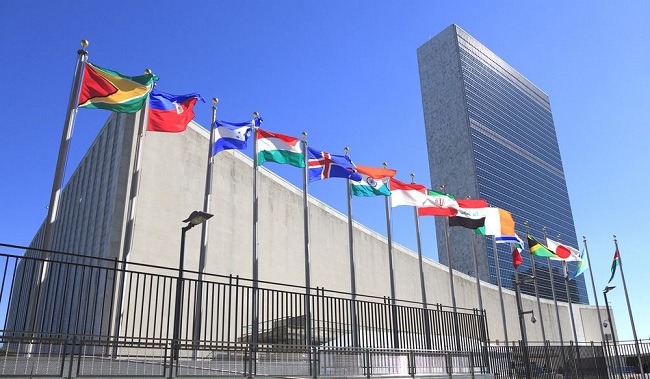
At the training which held at the United Nations Building in Abuja, Executive Director of CFSF, Comrade Sani Baba, said that the organisation conceived the training based on its belief that the media is key not only in informing the public as part of its watchdog role, but also in instigating robust discourse that would ultimately translate to policy responses and actions.

Represented by Mohammed Bomoi, the Deputy Director, Programmes of the CFSF, Sani Baba said that the indispensability of the media in addressing the environment and climate crisis informed the prioritisation of education and training in Article 6 of the United Nations Framework Convention on Climate Change (UNFCCC), which Nigeria has signed and ratified.

He explained that education and training are useful resources for governments, civil society and the media to encourage different stakeholders to work collaboratively in advancing climate change actions.

The trade unionist explained that Nigeria, like most African countries and countries of the Global South, carries the biggest burdens of the climate impacts, hence the subjects the trainees would dwell on would also serve to amplify the big as well as the less reported impacts of environmental degradation and climate change on workers.

The first presentation on The Science of Climate Change and the Evolution of the Struggle for Just Transition, was delivered by Comrade Echezona Asuzu, Coordinator, Nigeria Labour Congress (NLC) Climate Change, Green Jobs, and Just Transition Programme, who revealed that the earlier stages of the climate crisis to the industrial revolution in the late 1700s and mid 1800s when machines started replacing the work of man and man also needed to feed more mouths at the shortest time frame.

Asuzu stressed that the industrial revolution era began disastrous extractive processes that altered the balance of the ecosystem and nature with massive increase in greenhouse emissions like no other time before then. The dependence on fossil fuels and its impacts continued to spiral, leading to the clamor by the scientific community for global action to halt the increasing emissions to save the planet from extinction.

He explained that the agitations started yielding positive results with the initiation of the Kyoto Protocol, an international treaty under the United Nations Framework Convention on Climate Change (UNFCCC) adopted in 1997 which came into force from 2005. Under the protocol, countries pledged to reduce greenhouse gas emissions through a framework that included mechanisms like the Clean Development Mechanism (CDM) to help meet targets.

The Kyoto Protocol gave way for the Paris Agreement, a legally binding international treaty on climate change, adopted in 2015, which aims to limit global warming to well below 2 degrees Celsius, preferably to 1.5 degrees Celsius, above pre-industrial levels. The Paris Agreement also requires countries to set their own climate action plans, called Nationally Determined Contributions (NDCs), which become more ambitious over time in a five-year cycle.

Speaking on Contemporary Environmental Degradation and Climate Change Issues in Nigeria, Executive Director of the Renevlyn Development Initiative (RDI), Philip Jakpor, said that the most common imageries that come to the mind of journalists whenever climate change is mentioned include cyclones, hurricanes, forest fires, desertification and melting glaciers.

Jakpor pointed out that the focus of most of the reports in the indigenous media are usually climate impacts outside the country with little attention paid to Nigeria’s climate instigated developments.

The RDI director said that the unreported or under-reported climate issues in Nigeria include the drying Lake Chad which was 25,000 square kilometres in the 1960s and now well below 1,500 square kilometres, the Great Green Wall initiative which is supposed to build resilient ecosystems in 11 states of Nigeria but is neither here nor there in terms of implementation, and Ayetoro Community in Ondo State, which continues to cede land to the menacing Atlantic Ocean, among others.

He lamented that the issues he listed had implications such as loss of livelihoods, loss of lives, displacement, food security concerns and even corruption which he said could be dug up if the journalists follow their lead on the quantum funds that Nigerian states get from the Ecological Fund and budgetary allocation to address flooding etc.

He tied the climate crisis to the industrialisation models foisted on the world by the Global North which relies almost exclusively on fossil fuels extraction.

He also made two other presentations – Basics of Reporting Climate Issues in Nigeria, and The Art of Storytelling, both of which introduced the trainees to steps they must adopt to be able to investigate and write good climate and environment stories.

Taking a cue from his presentation, Elijah Iklaga made a presentation on Interpreting Global Politics for Climate Justice into National Realities, which dwelt extensively on implementing policies that address the uneven impacts of climate change by prioritising adaptation, mitigation, and funding for vulnerable communities and Global South nations.

Other interventions came from David Boys, Deputy General Secretary of Public Services International (PSI), who advised the trainees to publish well-researched reports that can be useful for policy makers to make laws rooted in facts. He also spoke on the importance of strong public institutions in checkmating the activities of corporations that have the financial muscle to compromise the system.

ILO representative, Stephen Agugua, in his vote of thanks, said that the training would greatly impact on the quality of climate and environment reports from the trainees.

Agugua also restated the commitment of the global body in working with the media to amplify the largely unreported impacts of climate change on frontline communities and the workspace which are largely neglected in news reports.

By Olalekan Anjolaiya
UNGA 2025: Nigeria urges global investors to tap into reformed oil sector 

0

Minister of State for Petroleum Resources (Oil), Sen. Heineken Lokpobiri, has called on global investors to seize emerging opportunities in Nigeria’s rapidly transforming oil sector.

Lokpobiri said this in his keynote remark at the United States–Nigeria Council’s session on oil sector collaboration, held on the sidelines of the ongoing United Nations General Assembly (UNGA) in New York.

Heineken Lokpobiri
Heineken Lokpobiri, Minister of State for Petroleum Resources (Oil)

According to a statement on Thursday, September 26, 2025, by his Special Adviser, Media and Communication, Nneamaka Okafor, the minister highlighted Nigeria’s renewed policy focus and market potential.

He cited strong reforms, enhanced production capacity and regional influence as key drivers of growth.

“At the heart of Nigeria’s renewed energy agenda is a clear and deliberate policy direction to open our oil sector to deeper, smarter, and more strategic partnerships.

“The time to invest is not just now – it is ripe,” Lokpobiri said.

According to him, for over 10 years, prior to the coming of President Bola Tinubu, Nigeria did not have any new investment in the oil sector.

“But with the reforms we have carried out, which have created an atmosphere that is globally competitive and attractive, we now have new investments running into billions of dollars.

“All inactive blocks during the period of no investments are in the basket now and up for grabs.

“We have longstanding relationship with U.S. and U.S. companies, beyond these relationships, there are new opportunities for new investors, both in the upstream sector and other sectors,” he said.

The Minister said that, under the leadership of Tinubu, Nigeria’s oil sector had witnessed significant progress, including increased production output and a more attractive investment climate.

“Thanks to bold reforms and globally competitive fiscals, Nigeria has significantly ramped up production and repositioned itself as a dependable energy hub across West Africa and the continent,” he said.

Lokpobiri attributed this transformation to the successful implementation of the Petroleum Industry Act (PIA), which he described as a robust, investor-friendly legal framework that is driving growth and restoring investors’ confidence.

He, however, reiterated Nigeria’s commitment to energy transition efforts, affirming that the country would continue to leverage its fossil fuel reserves to finance its energy mix, while adhering to international climate agreements.

“We are fully aligned with the Paris Agreement, and remain committed to cleaner, more sustainable exploration.

“Our doors are open, our laws are clear, and our environment is conducive – now is the time for U.S. and global investors to become part of Nigeria’s energy success story,” Lokpobiri said.

Finance commitments under Energy Compacts reach $1.6tr, with $284bn already mobilised

0

New commitments to boost renewable energy and increase access to electricity and clean cooking technologies by 2030 have brought the finance and investment pledged through the United Nations to $1.6 trillion, with $284 billion already mobilised, according to the fourth edition of the Energy Compacts Annual Progress Report released on Wednesday, September 25, 2025.

The report, which was launched at the EnergyNow SDG7 Action Forum on the margins of the UN General Assembly, shows expanding action under the Energy Compact voluntary commitments on both energy access and transition. Of the $284 billion mobilised or deployed since 2021 through the Compacts, the majority has been private sector investment in renewable power generation.

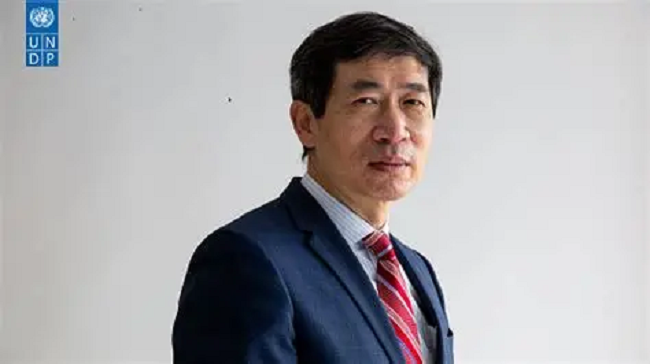
Haoliang Xu
Haoliang Xu, Acting Administrator of UNDP and Co-Chair of UN-Energy

The report cites figures from the 2025 Tracking SDG7 Report that over $4 trillion total investment is needed annually to reduce the ranks of 660 million people living without electricity and over 2 billion still cooking with polluting fuels, while setting the world on a climate action trajectory towards net-zero emissions by 2050 and averting ever-worsening climate impacts.

“The world is entering a decisive moment for energy,” noted the leadership of UN-Energy – Haoliang Xu, Acting Administrator of UNDP and Co-Chair of UN-Energy; Damilola Ogunbiyi, the Special Representative of the UN Secretary-General for Sustainable Energy for All and Co-Chair of UN-Energy; and Li Junhua, Under-Secretary-General of the UN Department of Economic and Social Affairs, which serves as the Secretariat for UN-Energy.

“Choices made today will determine not only whether we achieve our climate and development goals, but also how future generations experience prosperity, equity, and security,” the three UN-Energy leaders added. “The Energy Compacts are proving that transformation is possible (..), that solutions to advance the global energy transition are no longer abstract — they are investment-ready and being scaled, adapted, and delivered.”

Expanding results on energy transition and access

Progress on achieving affordable and clean energy for all – Sustainable Development Goal (SDG) 7 – has been moving forward, but not at the scale and pace needed to meet the deadline of the 2030 Agenda or the climate targets under the Paris Agreement. The Energy Compacts progress report outlines commitments from governments and the private sector, which include planned spending by countries for both domestic and international action to increase energy access, efficiency and renewables, as well as private sector investment slated in these areas.

Since the Energy Compacts were launched in 2021- in connection with the UN High-level Dialogue on Energy – 209 commitments have been registered and substantial results generated, according to the report.

By providing new and improved electricity connections, Energy Compact proponents have enhanced electricity access for 285 million people, a significant increase of 108 million people in the past year. Progress on enhancing clean cooking access by Energy Compact proponents remains slower, with 33 million people added since 2021, up from 23 million last year. The latest Tracking SDG7 Report showed that population growth in Sub-Saharan Africa continues to outpace access gains, leaving approximately 14 million additional people without clean cooking solutions every year.

Updated figures also show how Energy Compacts have had positive impacts on a wide range of SDG goals, such as improving electricity access at over 10,400 health facilities (SDG3), and by helping to deploy over 2.8 million electric vehicles and over 336,000 charging stations (SDG11).

The report includes guidance on how national governments, regions and cities, private companies, financial institutions, UN agencies and civil society organisations can submit their own Energy Compact commitments through an online process.

The report notes that, as countries roll out their updated national climate commitments under the Paris Agreement, incorporating energy targets through national Energy Compacts can serve as an important tool, citing Indonesia and Nepal as examples.

Case studies in the report highlight the diversity of Energy Compacts, ranging from a woman-led, solar-powered digital community centre in Guatemala to a Japanese business that enables customers to track the source of their electricity, as needed to work towards 24/7 carbon-free energy.

The report was prepared by UN-Energy, the coordination mechanism which includes nearly 30 UN and international organisations that work on energy issues, with data compiled and analysed by Sustainable Energy for All (SEforALL).

Nigeria, 100 others unveil NDCs climate plan at UN General Assembly

0

Leaders from Nigeria and 100 other countries have announced and reiterated new national climate action plans at a summit on the sidelines of the 80th UN General Assembly in New York.

The summit was convened by Secretary-General António Guterres alongside President Luiz Inácio Lula Da Silva of Brazil, host of the COP30 conference, which will be held in November 2025 in the Amazonian city of Belém.

Kashim Shettima
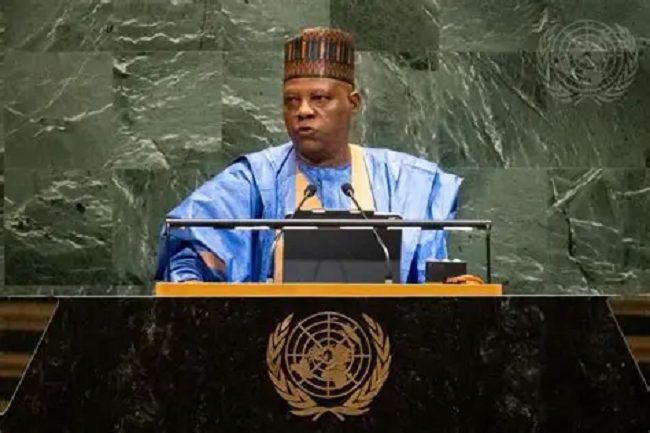
Vice President Kashim Shettima announced Nigeria’s new National Determined Contributions (NDCs) during the UN Climate Summit at the UN General Assembly 2025

At the climate meeting for Heads of State and Government, Vice President Kashim Shettima announced Nigeria’s new National Determined Contributions (NDCs) under the Paris Agreement.

In a strong show of momentum, major economies – including China, the world’s largest emitter, and Nigeria – unveiled economy-wide targets to slash emissions across all greenhouse gases and sectors, making pledges that signal a more unified push toward deep decarbonisation.

Meanwhile, other nations stepped forward with bold commitments: scaling up renewable energy, cracking down on methane, protecting vital forests, and accelerating the phase-out of fossil fuels.

Together, these announcements mark a turning point in global climate ambition, setting the stage for COP30 and a decade of decisive action.

At the outset of the summit, leading climate scientists Johan Rockström and Katharine Hayhoe provided a stark assessment of global efforts so far to honour the Paris Agreement, the landmark 2015 treaty that seeks to limit global temperature rise to 1.5 degrees Celsius above pre-industrial levels.

Ten years on, greenhouse gas emissions that cause global warming continue to rise, and annual global temperature change exceeded 1.5 degrees for the first time last year.

“This is a deep concern,” said Professor Rockström, chief scientist at Conservation International. “An even deeper concern is that warming appears to be accelerating, outpacing emissions.”

Yet it is still possible to meet the 1.5-degree goal, and the two experts highlighted solutions, including transitioning from fossil fuels to clean energy sources and transforming food systems to eliminate waste.

“We cannot prevent this catastrophe alone. But together, we can. By setting stronger targets, moving on faster timelines, and making deeper commitments,” said Professor Hayhoe, a winner of the 2019 UN Champions of the Earth Prize.

Under the Paris Agreement, governments are required to submit climate plans called Nationally Determined Contributions (NDCs) laying out bold action for the next decade.

The treaty has made a difference, the Secretary-General said, as projected global temperature rise dropped from four degrees to less than three over the past 10 years, if current plans are fully implemented.

“Now, we need new plans for 2035 that go much further, and much faster,” he said.

“Delivering dramatic emissions cuts aligned with 1.5 degrees; covering all emissions and sectors; and accelerating a just energy transition globally.”

He stressed that COP30 “must conclude with a credible global response plan to get us on track” and outlined five crucial areas for action: accelerating the transition to clean energy, drastically cutting methane gas emissions, forest conservation, cutting emissions from heavy industry, and ensuring climate justice for developing nations.

With just a few weeks until COP30, President Lula wondered “whether the world will arrive in Belém with its homework done.”

He said that “the energy transition opens the door to a productive and technological transformation comparable to the Industrial Revolution” and NDCs “are the road map that will guide each country through this change.”

For its part, Brazil has committed to reducing all greenhouse gas emissions between 59 per cent and 67 per cent, covering all sectors of the economy, he said, and continues efforts to end deforestation by 2030.

At the meeting, President Xi Jinping of China announced that, by 2035, the country would reduce economy-wide net greenhouse gas emissions by seven to 10 per cent from peak levels.

The country would also increase the share of non-fossil fuels in total energy consumption to over 30 per cent, expand wind and solar power capacity sixfold compared to 2020 levels, and make “new energy vehicles” the mainstream in new vehicle sales, he said in a video message.

Meanwhile, “the clean transition is moving on” in the European Union, where emissions are down nearly 40 per cent since 1990, said European Commission President Ursula von der Leyen.

European countries are also “doubling down on global partnerships” and will remain the world’s largest providers of climate finance, she said, while also mobilising up to 300 billion Euros to support the clean energy transition worldwide.

For Belize, the 1.5-degree goal “is not an aspiration” but “a threshold between hope and hardship, between flourishing communities and forced displacement, between shared prosperity and irreversible loss,” Prime Minister Johnny Briceño, said.

Its new NDC covers concrete actions, such as expanding renewable electricity generation to cover 80 per cent of domestic needs by 2035, restoring some 25,000 hectares of degraded forest, and planting a million trees over the next three years.

“But let me be clear, ambition can only succeed if matched by support for small climate vulnerable nations like Belize.

“This means scaled up, predictable finance; accessible technology and genuine partnerships,” he said, noting that “success depends on all of us acting with unprecedented urgency, solidarity and climate justice.”

By Cecilia Ologunagba

Ortom, NOA DG, Amuta, others to feature as panelists at GOCOP 2025 Conference

0

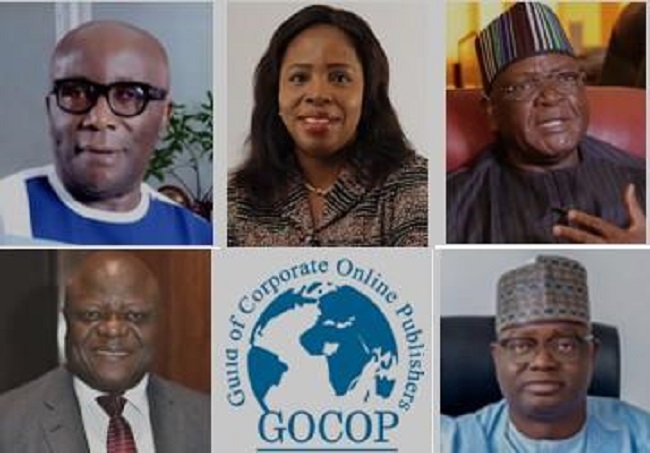
The Guild of Corporate Online Publishers (GOCOP) has announced that Chief Samuel Ortom, former Governor of Benue State, will serve as one of the panelists at the upcoming GOCOP 2025 Conference.

The conference theme is “Reconciling Campaign Promises with Governance Realities: Challenges and Prospects.”

Panelists
The panelists

A press statement by GOCOP publicity secretary, Ogbuefi Remmy Nweke, disclosed that the panel discussion will feature esteemed panelists, including Prof. Abiodun Adeniyi, Registrar, Base University, Abuja; Prof. Abigail Ogwezzy-Ndisika, 2025 Director, Institute of Continuing Education (UNILAG); Prof. Chidi Amuta, Journalist/CEO, Wilson & Weizmann Associates; and Alhaji Lanre Issa-Orilu, Director-General, National Orientation Agency.

The conference, he said, would take place on October 9, 2025, at 10:00 a.m. at the Radisson Blu Hotel, Ikeja, Lagos. 

He recalled that GOCOP had earlier announced that the keynote speaker will be Aminu Bello Masari, former Speaker of the House of Representatives and immediate past Governor of Katsina State.

Heirs Energies champions indigenous leadership, Africapitalism at African Energy Week 2025

0

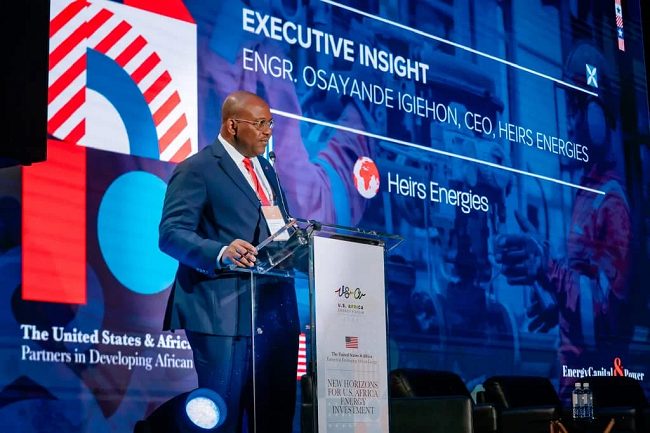
Indigenous-owned integrated energy company, Heirs Energies, is set to make an impact at the Africa Energy Week (AEW) 2025, taking place from September 29 to October 2, 2025, in Cape Town, South Africa.

Represented by CEO Osa Igiehon and Executive Director/CFO Sam Nwanze, Heirs Energies will join global policymakers, investors, and industry leaders to shape critical conversations around Africa’s energy future.

Osa Igiehon
Chief Executive Officer of Heirs Energies, Mr. Osa Igiehon

While spotlighting indigenous excellence, Igiehon will feature in two high-level sessions, listed to include:

  • Frontier Plays Within Africa’s Mature Basins (September 30, 2025): exploring how African independents can transform mature assets into engines of growth, drawing from Heirs Energies’ turnaround of OML 17 into a benchmark for African-led operational excellence.
  • Invest in the Republic of Congo Roundtable (October1, 2025): sharing insights from Nigeria’s experience to help frontier regions accelerate development through brownfield excellence, community engagement, and investor confidence.

“At Heirs Energies, we don’t just believe Africa’s mature and frontier assets hold promise, we have proven it. The OML 17 turnaround shows that with the right governance, innovation, and local execution, indigenous operators can unlock value where others saw decline. We’ve turned challenges into engines of growth, and that is the model we want to see replicated across Africa,” said Igiehon.

Nwanze, who will address asset divestments and financing, will on October 1 join the Navigating Asset Divestments in Africa’s Upstream Sector panel, discussing strategies for financing African independents and de-risking mature assets. He will spotlight Heirs Energies’ distinctive Africapitalism approach – combining financial discipline with purpose-driven impact.

“The divestment wave creates opportunities for African players to lead, but credibility is key. Success depends on structuring investable projects, building trust with partners, and embedding impact into every deal,” Nwanze noted.

Heirs Energies’ participation at AEW underscores the Africapitalism philosophy of Heirs Holdings Group Chairman Tony O. Elumelu, CFR, which positions the private sector at the heart of Africa’s transformation by creating both economic prosperity and social wealth.

From doubling production at OML 17 within 100 days, to ensuring every molecule of gas produced powers Nigerian homes and industries, Heirs Energies says it has shown what’s possible when African companies take the lead.

The company submitted: “Our story is one of resilience, innovation, and purpose – proving that indigenous operators can match and exceed global standards while creating lasting impact in our communities. As we look ahead, we remain committed to shaping Africa’s energy future with excellence, responsibility, and shared prosperity.

“Heirs Energies Limited is Africa’s leading indigenous-owned integrated energy company, committed to meeting Africa’s unique energy needs while aligning with global sustainability goals. With a strong focus on innovation, environmental responsibility, and community development, Heirs Energies leads in the evolving energy landscape and contributes to a more prosperous Africa.”

NUPRC approves TotalEnergies’ $510m deal with Shell, Agip

0

The Nigerian Upstream Petroleum Regulatory Commission (NUPRC) has approved $510 million Sales Purchase Agreement (SPA) by TotalEnergies Exploration and Production Nigeria Ltd.

This agreement allows the transfer of TotalEnergies’ entire 12.5 per cent contractor interest in Oil Mining Lease (OML) 118 to Shell Nigeria Exploration and Production Company (SNEPco), and Nigerian Agip Exploration Limited (NAE).

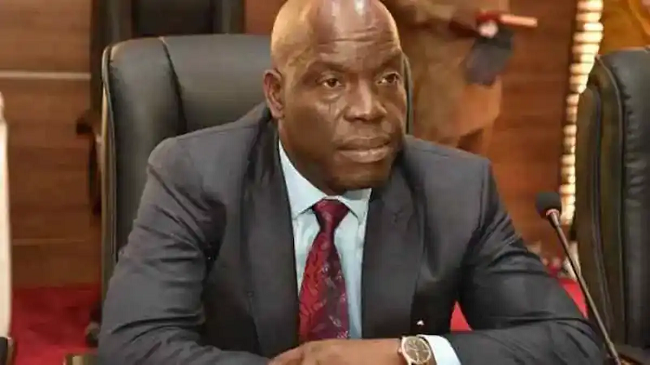
Gbenga Komolafe
Mr Gbenga Komolafe, Commission Chief Executive (CCE), Nigerian Upstream Petroleum Regulatory Commission (NUPRC)

The commission disclosed this on Thursday, September 26, 2025, in a statement by its Head of Media and Strategic Communications, Mr. Eniola Akinkuotu.

According to the agreement, TotalEnergies will transfer 10 per cent of its interest to SNEPco at a cost of $408 million, while NAE will pay $102 million for the remaining 2.5 per cent.

Akinkuotu said that pursuant to Section 95 of the Petroleum Industry Act (PIA 202), the commission carried out due diligence on SNEPco to ascertain their financial capacity and technical competence.

“SNEPco and NAE have demonstrated both technical and managerial competence to optimally contribute to the upstream operations (explore, develop and produce) in OML 118. They already maintain a participating interest in the asset.

“Based on the presentations and documents submitted, there is a clear evidence that they have access to funding to meet their financial obligations,” he said.

He said TotalEnergies, a committed operator in Nigeria’s vibrant upstream sector, also paid the statutory application fee for the deal.

The spokesman said that SNEPCO and NAE would bear the decommissioning and abandonment liabilities owed by TotalEnergies to the Federal Government of Nigeria, with respect to the divested interest.

He said the divestment was subject to a ministerial consent in line with Sections 95(1), (2), (7), (11) and 12 of the Petroleum Industry Act, 2021.

According to Akinkuotu, the commission expects SNEPco and NAE to pay five per cent and two per cent respectively of the transaction purse on the total value of 510 million dollars as premium on ministerial consent and processing fees.

The assignees are also to give an undertaking in favour of the commission that they will bear all the decommissioning and abandonment liabilities and the host community liabilities owed by TotalEnergies.

By Emmanuella Anokam

Climate change: 1.8bn people at risk of flood worldwide – Report

0

More than 1.8 billion people worldwide live in areas with a significant risk of flooding due to climate change and human interventions, according to the World Risk Report released on Wednesday, September 24, 2025.

In 2024, it said there were a total of 142 disasters caused by flooding, making that the second most common trigger of disasters after storms.

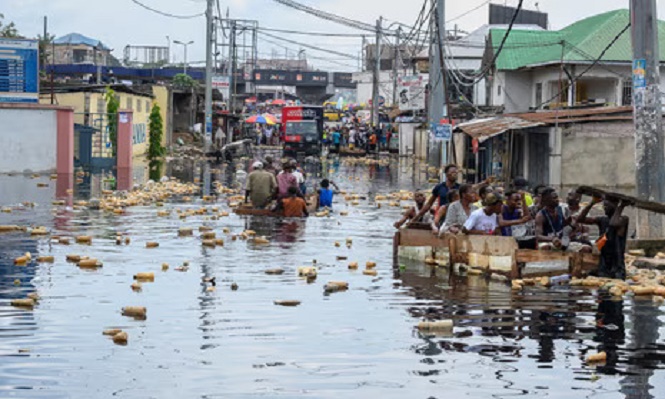
DRC Flood
Flooding in DR Congo

The Spanish region of Valencia was especially affected in October 2024, when more than 220 people lost their lives following heavy rainfall and flooding.

The consequences of natural disasters are exacerbated by climate change, urban expansion and environmental destruction.

This is according to the authors from the Institute for International Law of Peace and Armed Conflict (IFHV) at Ruhr University Bochum in Germany.

It is also the umbrella organisation Alliance Development Works, which comprised 11 development aid organisations.

Inequality a factor even in wealthy countries

“Global risk drivers include social inequality, structural vulnerability and weak healthcare systems,” the report states.

This applies even to wealthy countries, for example, when savings are made in key societal sectors.

Prevention can mitigate many consequences, the authors wrote.

The key is to have good preparedness before the rains with warning systems and shelters for people in neighbourhoods where training is organised, and provisions made to route the water.

By Olalekan Anjolaiya

Is wildlife trafficking treated as serious crime? – WJC report examines 

0

The Wildlife Justice Commission (WJC) on Thursday, September 25, 2025, published a new report examining whether wildlife trafficking is treated with the seriousness it deserves in national legal systems.

The report provides an assessment of how the UN Convention against Transnational Organised Crime (UNTOC) has been incorporated into domestic legislation, and how effectively it is being implemented to tackle wildlife trafficking. With transnational criminal groups increasingly controlling wildlife trafficking, the need for stronger action is clear.

Olivia Swaak-Goldman
Olivia Swaak-Goldman, Executive Director of the Wildlife Justice Commission

The report is titled: “Is wildlife trafficking being treated as serious crime? A review of criminal offences, penalties, and implementation of the United Nations Convention against Transnational Organised Crime.”

“This report reflects both the progress made and the challenges ahead in ensuring wildlife trafficking is treated as the serious transnational crime it is. Its findings are a call to action for sustained strategic enforcement, international cooperation, and investment in the tools and partnerships proven effective in disrupting organised crime,” said Olivia Swaak-Goldman, Executive Director of the WJC.

The UNTOC provides a legal framework for international cooperation to combat organised crime, including measures against money laundering and corruption, confiscation of criminal proceeds, mutual legal assistance, joint investigations, and the use of special investigative techniques such as controlled deliveries and undercover operations.

Its effectiveness in tackling wildlife crime and other environmental offences, however, depends on States incorporating its provisions into national law and enforcing them robustly.  

The report narrows knowledge gaps in how the Convention has been incorporated into national legislation and implemented in practice. It provides best practices, challenges and recommendations to inform multilateral policy discussions on preventing and combatting serious forms of wildlife trafficking.

Drawing on research from 19 countries most affected by the rhino horn trafficking supply chain, the report analyses the criminalisation and penalisation of wildlife offences in domestic legislation, and how key UNTOC provisions have been incorporated in domestic law and implemented in practice.

Through a selection of 10 rhino horn trafficking cases, the research also illustrates how enforcement and sentencing plays out in practice, providing lessons that extend beyond the rhino horn trade to the global fight against wildlife trafficking and other environmental crimes. 

UN Climate Summit: Countries moving but pledges fall short of keeping 1.5°C alive

0

Over 120 heads of state and ministers convened at the UN Climate Summit this week, where over 100 countries pledged to update their national climate commitments (NDCs) ahead of COP30 in Belém, Brazil. Among them were most major emitters, including China and the EU. So far, only 49 NDCs have been formally submitted, covering nearly a quarter of global emissions. 

Even with many NDCs still outstanding, announcements made on Wednesday, September 24, 2025, show the world is moving forward, yet still falling dangerously short, placing COP30 as the moment to confront the shortfall.

Climate Summit 2025
Taye Atskeselassie Amde, President of the Federal Democratic Republic of Ethiopia, addresses the Climate Summit 2025

Andreas Sieber, Policy and Campaigns, 350.org, said: “This UN Climate Summit made two things clear: despite geopolitical upheaval, most countries are still moving forward under the Paris Agreement. But the pledges fall far short of what’s needed to keep 1.5°C alive. COP30’s credibility will hinge on how it closes this gap in climate ambition.

“A cover decision in Belém is the most credible vehicle to do so, and the Brazilian presidency must now drive a process that delivers across the board: from phasing out fossil fuels to scaling up finance.”

Key Announcements included:

  • China: President Xi Jinping announced a new 2035 target to reduce emissions by 7–10% from their peak level.
  • European Union: Committed to submit its NDC ahead of COP30, with an indicative 2035 target of 66.25–72.5% below 1990 levels.
  • Pakistan: Pledged an unconditional 15% cut in projected GHG emissions; 
  • Palau: Announced a 44% emissions reduction by 2035 compared to 2015 levels.
  • Australia: Set a new goal to cut emissions by 62–70% by 2035 compared to 2005 levels.
  • Barbados: Called for a globally coordinated methane reduction agreement to “buy time” for rapid decarbonisation research; announced a national Resilience and Regeneration Fund, with citizens contributing 2.5% of GDP and the government 3.5%.
  • Republic of the Marshall Islands (RMI): Reaffirmed commitment to cut emissions by at least 58% by 2035 compared to 2010 levels.

The summit showed that the Paris process is still alive, but without a clear plan to phase out fossil fuels and finance a just transition, leaders risk betraying the millions already living with the escalating climate crisis.