Home Blog Page 157

‘Reckless, disruptive, indifferent’ – Reactions trail Trump’s UNGA climate denial speech

0

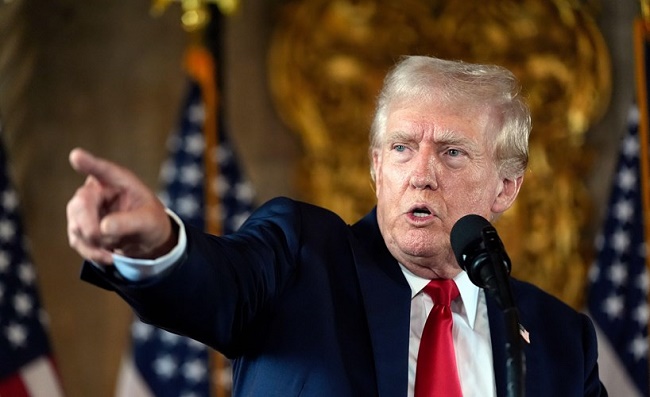
US President, Donald Trump, lambasted the United Nations and countries around the world during a nearly hour-long speech on Tuesday, September 23, 2025, at the UN General Assembly.

Trump admonished the UN over what he views as its ineffectiveness. He said some countries “are going to hell” over their immigration policies.

Donald Trump
US President Donald Trump addresses the 80th United Nations General Assembly

And he blasted climate change measures and what he called the “green energy scam”, claiming renewable energy sources like solar and wind are more expensive than fossil fuel energy.

On the contrary, renewables have driven down the cost of electricity in the US.

Trump touched on everything from Barack Obama’s carbon footprint to his own failed bid years ago to renovate the UN’s headquarters. He mocked wind energy, praised “clean, beautiful coal,” and suggested that environmentalists “want to kill all the cows.”

The president criticised Europe’s high energy prices and what he called an obsession with climate change and green energy. “We stand ready to provide any country with abundant, affordable energy supplies if you need them – and most of you do,” he said, offering US coal and fossil fuels as alternatives.

Responding to Donald Trump’s speech at the UN General Assembly, climate activists called the U.S. president’s push for fossil fuel expansion and climate denial a thinly veiled threat to global peace, progress, and survival.

Namrata Chowdhary, Head of Public Engagement at 350.org, said: “UN Secretary-General António Guterres gave us fair warning earlier today, that we have ‘entered an age of reckless disruption and relentless human suffering’. As he said, ‘The pillars of peace and progress are buckling under the weight of impunity, inequality, and indifference.’

“His warning was only emphasised by the erratic speech given by Donald Trump: Reckless. Disruptive. Indifferent. And mocking with impunity the relentless suffering around the world, in a speech hard to distinguish from reality TV of the worst kind.

“Fact-checkers will be kept busy unravelling the many loosely linked threads in that latest missive, but the choice ahead is clear. If we want to protect the planet, world leaders must commit to phasing out fossil fuels, and scale up investment in clean, renewable energy that delivers justice and resilience for all.”

Trump’s remarks, which appeared to downplay the urgency of climate action and pushed for expanded fossil fuel investment, come as the world continues to experience record-breaking heat, fires, and floods. At the upcoming UN Climate Summit, world leaders face a stark choice: stand with people and the planet, or with the fossil fuel industry. 

On Saturday, more than 600 actions across 87 countries called for world leaders to draw the line on fossil fuels, while in New York, over 25,000 people marched to demand a tax on extreme wealth.

JL Andrepont, US Senior Policy Analyst at 350.org, said: “Trump knows he’s lying, and most Americans know it too. This stream of lies is part of the same fossil-fueled billionaire agenda that got tens of thousands into the NYC streets this weekend, calling for climate justice. The leader of the world’s top polluting country is trying to tell the people – from our Pacific family members to the climate-and conflict-displaced peoples he’s deporting – that their lived reality is not real. But there are far more of us calling for human rights than there are of him and his cronies.

“We refuse to be pawns in Trump’s unjust quest to pad the pockets of billionaires like him. It’s time to draw the line and make billionaires in and out of government pay for the damage they’ve caused and fund the needs of the people.”

The group is calling on governments to commit to phasing out fossil fuels and scale up investment in clean, renewable energy that delivers justice and resilience for all.
Crop conservation, research vital in addressing food security challenges – IITA

0

The International Institute of Tropical Agriculture (IITA) says the conservation of crops at gene bank and research conduction are vital to addressing food security challenges in Africa and globally.

Dr Olaniyi Oyatomi, an Associate Scientist and Seedbank Manager at IITA’s Genetic Resource Centre, said this at a media training on Gene bank, Genetic Resources and Bioscience organised by IITA on Tuesday, September 23, 2025, in badan, Oyo State.

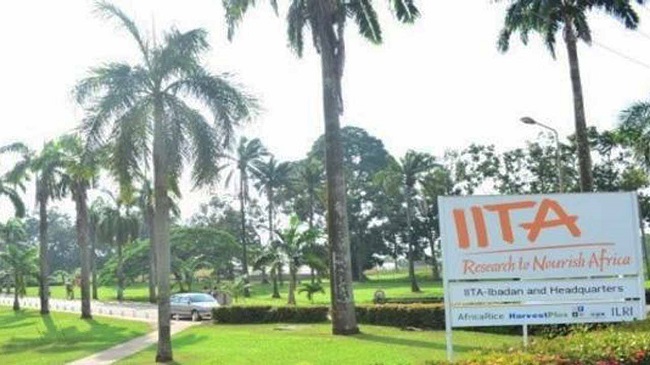
IITA
IITA, Ibadan

Oyatomi said crop conservation and research would help in regeneration and development of improved crop varieties that were pest and disease resistance and adaptable to changing climatic and environmental conditions.

According to him, without conservation of seeds at the gene bank and research there will be no improve seed to develop for future utilisation for breeders to breed improved varieties.

The scientist said the old seed planted by farmers was gradually degenerating and needed to be improved upon to be able to adapt to changing climatic conditions and pests and diseases resistance.

“At IITA gene bank, we have different crops like cowpea, yam, cassava ,plantain and banana collected from different Africa countries and the world, which we conserved and improved on its varieties.

“We have the largest collection of cowpea accessions which is around 16,000 in IITA gene bank.

“Gene bank plays a significant role in short, long term crops preservation, quality retention, prevent degeneration for present and future generations and continuous supply to breeders to use and ensure food security,” Oyatomi said.

He said the institute had enough materials and resources to get improved crop varieties, that were adaptable to different climatic conditions, noting that without crop improvement there could not be food security.

According to him, seed security is recipe for food security, if there are no secure seeds, pests and diseases as well as climate change would affect them and this will lead to food security challenges.

He said that seeds collection and preservation served as an opportunity for breeders to use for breeding new varieties that are high yielding which would be supply to farmer to plant to ensure food sufficiency.

Oyatomi said that the institute had been receiving a lot of request from breeders in Africa and different parts of the world and to use those improved crop varieties for breeding high yielding crops.

He called on government to invest in research, especially in breeding new crop varieties in order to overcome food security challenges in Africa and the world generally.

Also speaking, Dr Yemi Fajire, Laboratory Manager, Bioscience, IITA, said challenges facing agriculture could be mitigated through science innovations in order to  meet global food demands.

Fajire said that adoption of technology would make breeding easier and shorten the length of time to develop new varieties that were high yielding and crop improvement.

Journalists were later taken round for field and laboratory visits.

The training is to equip media professionals with the knowledge to report agricultural innovation accurately, especially in the area of crop improvement.

By Suleiman Shehu

Uncontrolled high blood pressure puts over a billion people at risk – WHO

0

The World Health Organisation (WHO) on Tuesday, September 23, 2025, released its second Global hypertension report, showing that 1.4 billion people lived with hypertension in 2024, yet just over one in five have it under control either through medication or addressing modifiable health risks.

The new report – released at an event co-hosted by WHO, Bloomberg Philanthropies, and Resolve to Save Lives during the 80th United Nations General Assembly – also reveals that only 28% of low-income countries report that all WHO-recommended hypertension medicines are generally available in pharmacies or primary care facilities.

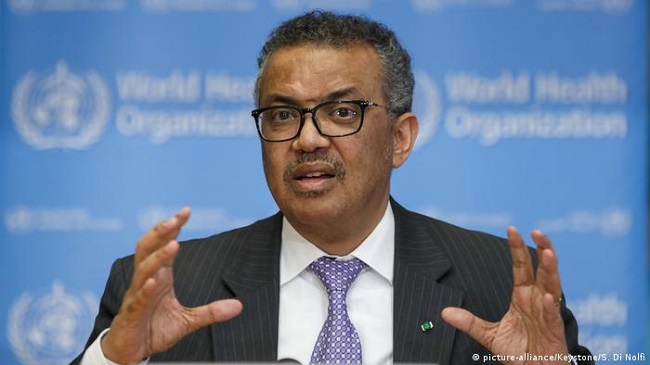
Tedros Ghebreyesus
Dr. Tedros Adhanom Ghebreyesus, Director-General, World Health Organisation (WHO)

Hypertension is a leading cause of heart attack, stroke, chronic kidney disease, and dementia. It is both preventable and treatable – but without urgent action, millions of people will continue to die prematurely, and countries will face mounting economic losses. From 2011 to 2025, cardiovascular diseases – including hypertension – are projected to cost low- and middle-income countries approximately $3.7 trillion, equivalent to around 2% of their combined GDP.

“Every hour, over 1,000 lives are lost to strokes and heart attacks from high blood pressure, and most of these deaths are preventable,” said Dr. Tedros Adhanom Ghebreyesus, WHO Director-General. “Countries have the tools to change this narrative. With political will, ongoing investment, and reforms to embed hypertension control in health services, we can save millions and ensure universal health coverage for all.”

“Uncontrolled high blood pressure claims more than 10 million lives every year, despite being both preventable and treatable. Countries that integrate hypertension care into universal health coverage and primary care are making real progress, but too many low- and middle-income countries are still left behind,” said Dr Kelly Henning, who leads the Bloomberg Philanthropies Public Health Programme. “Strong policies that raise awareness and expand access to treatment are critical to reducing cardiovascular disease and preventable deaths.”

Persistent barriers

Analysis of data from 195 countries and territories shows that 99 of them have national hypertension control rates below 20%. The majority of the affected people live in low- and middle-income countries, where health systems face resource constraints.

The report highlights major gaps in hypertension prevention, diagnosis, treatment, and long-term care. Key barriers include weak health promotion policies (on risk factors such as alcohol, tobacco use, physical inactivity, salt, and trans fats), limited access to validated blood pressure devices, lack of standardised treatment protocols and trained primary care teams, unreliable supply chains and costly medicines, inadequate financial protection for patients, and insufficient information systems to monitor trends.

Access to medicines: a cornerstone of progress

Blood pressure medication is one of the most cost-effective public health tools. Yet only 7 out of 25 (28%) of low-income countries report general availability of all WHO-recommended medicines, compared to 93% of high-income countries. The report explores the barriers and strategies for improving access to hypertension medication through better regulatory systems, pricing and reimbursement, procurement and supply chain management, and improved prescribing and dispensing of these medicines.

“Safe, effective, low-cost medicines to control blood pressure exist, but far too many people can’t get them,” said Dr Tom Frieden, President & CEO, Resolve to Save Lives. “Closing that gap will save lives – and save billions of dollars every year.”

Country-level progress

Despite barriers, progress is possible. Bangladesh, the Philippines, and South Korea have made significant progress by integrating hypertension care into universal health coverage (UHC), investing in primary care, and engaging communities:

  • Bangladesh increased hypertension control from 15% to 56% in some regions between 2019 and 2025 through embedding hypertension treatment services in its essential health service package and strengthening screening and follow-up care.
  • The Philippines has effectively incorporated the WHO’s HEARTS technical package into community-level services nationwide.
  • South Korea has integrated health reforms, including low costs for antihypertensive medications and limiting patient fees, which have resulted in a high rate of blood pressure control nationally: 59% in 2022.

WHO calls on all countries to embed hypertension control in UHC reforms. Implementing the measures recommended in the report could prevent millions of premature deaths and ease the massive social and economic toll of uncontrolled high blood pressure.

New analysis shows renewables at the heart of national climate targets

0

As governments prepare to meet at the UN Secretary-General’s Special High-Level Event on Climate Action, a new analysis conducted by 350.org and Zero Carbon Analytics shows that renewable energy is fast becoming the backbone of national climate strategies.

An analysis of the first 36 NDC 3.0 submissions (countries’ updated Nationally Determined Contributions under the Paris Agreement) finds that about 70% either set new renewable energy targets or already have ambitious expansion plans and a high percentage of clean energy domestically.

Renewable energy
Renewable energy

These pledges extend to 2035 and are the first since the Paris Agreement’s Global Stocktake, which called for stronger sectoral action. The report comes after hundreds of thousands of people filled streets around the world to Draw the Line on climate inaction over the weekend.

Andreas Sieber, 350.org Associate Director of Global Policy and Campaigns, says: “Renewables have moved from the sidelines to the centre stage of national climate plans. This shift sends a powerful message: governments now understand that scaling up clean power isn’t optional, it’s the fastest, cheapest way to cut emissions, boost economic growth, bolster energy security, protect citizens from worsening climate impacts, and address the cost-of-living crisis. With COP30 in Brazil just weeks away, world leaders must build on this momentum. It’s time to draw the line on climate inaction and deliver the renewable energy boost the world is ready for.”

The findings also show broad alignment with the COP28 commitment to triple global renewable energy capacity by 2030, signaling real momentum ahead of COP30 negotiations.

350.org says it will continue to track submissions as more countries submit their updated NDCs in the lead up to COP30. A detailed annex is available alongside the analysis.

Read the report here.

Fresh crisis rocks NUPENG as stakeholders call for resignation of President, General Secretary

0

The embattled President and General Secretary of Nigeria Union of Petroleum and Natural Gas Workers (NUPENG), Comrades Williams Akporeha and Afolabi Olawale, have taken fresh swipe from Petroleum Tanker Drivers (PTD) just as the Branch stakeholders called for the duo’s immediate resignation in order to give room for fresh air and stability in the union.

The latest call was contained in a statement signed by Comrade Preye Odede-Graham on Sunday, September 21, 2025, on behalf of PTD elders and stakeholders, Comrades (Alhaji) Tajudeen Abubakar (Kaduna Zone), Chief (Comrade.) Edafe Osas (Warri Zone), Comrade Joseph Dagogo-Jack (JP) (Port Harcourt Zone) and Comrade Kolade Fadahunsi-Ojelabi (Lagos Zone).

Williams Akporeha
President of Nigeria Union of Petroleum and Natural Gas Workers (NUPENG), Comrade Williams Akporeha

This latest onslaught came on the heels of ongoing industrial disputes between Dangote Refinery, NUPENG, the Depot and Petroleum Products Marketers Association of Nigeria (DAPPMAN), the Independent Petroleum Marketers Association of Nigeria (IPMAN), and other industry associations. 

PTD blamed the recent woes befalling NUPENG on the lacklustre attitude of the union’s President as well as intimidation, victimisation and harassment of the members of PTD by the General Secretary which is at variance with the extant rules of the union as well as human dignity.

PTD maintained that they no longer wanted to be used as attack dogs against the federal government especially President Bola Ahmed Tinubu and other players in the industrial ecosystem.

They lampooned leaders of NUPENG over their failure to hail the tenacity of Dangote Refinery for standing against all odds to defeat the process pressure and market disruption with the 650,000 bpd capacity alongside with the 4,000 CNG trucks tankers and 6,000 truck cargoes totalling 10,000 trucks costing N2 trillion to move the products to the consumers at no cost, with value added of over 40,000 jobs. 

They also begged President Tinubu to ensure high tariffs increase to discourage fuel importation and add increased crude supply to Dangote Refinery with licence for oil exploration. They further advised Mr. President to nationalise oil well so as to allow for proper dredging which majority licensed sites were desolate and moribund.

They begged law enforcement agencies, anti-graft agents, industry regulators, federal government, stakeholders in trade union, media, civil society, legal profession, etc, to support them to commence the re-engineering of NUPENG by showing Afolabi and Williams the exit doors from the union so that the petroleum industry could get the much-anticipated liberation. 

“On this note, we therefore appeal to all our members in PTD and others in various branches not to be despaired, let us join hands together and win the battle against these common enemies and stop them once and for all, these multidimensional nonsense and slavery in the union must be hurriedly put to stop. United, we stand against every economic saboteur and enemy of progress in Nigeria’s economic powerhouse,” the statement said.

Govt commends Renaissance Africa’s production increase, calls for more oil, gas investment

0

The President Bola Ahmed Tinubu administration has stated that its goal of attracting more funds and investments into the Nigerian oil and gas sector to grow the country’s industrialisation is at the centre of its decision to devote more executive attention to ongoing reforms in the energy sector.

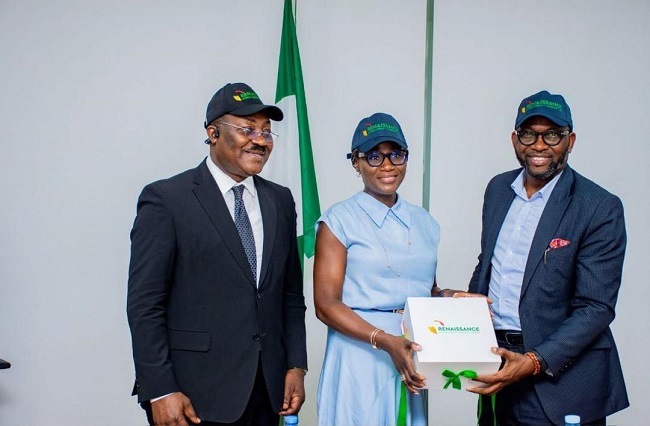
Special Adviser to the President on Energy, Mrs. Olu Verheijendisclosed this on Monday, September 22, 2025, in Abuja, when she received the Managing Director and Chief Executive Officer of The Renaissance Africa Energy Company Limited, Mr. Tony Attah.

Renaissance Africa Energy Company Limited
L-R: Renaissance Africa Energy Company Limited’s Chief Production Officer, Mr. Mesh Maichibi; Special Adviser to President Bola Ahmed Tinubu on Energy, Mrs Olu Verheijen; and Managing director and Chief Executive Officer of Renaissance Africa Energy Company Limited, Mr. Tony Attah, when the pair was received by the Special Adviser to the President on Energy in Abuja

“This is why we continue to work on investment-enabling reforms with a bid to achieving national targets. I congratulate Renaissance Africa Energy Company Limited because you have done a good job so far in increasing oil and gas production. Understandably, we continue to look forward to the opening of new wells and new drilling activities,” she said.

The Special Adviser commended Renaissance Africa’s over 40% oil production increase within 150 days of its completion of the landmark transaction in March 2025, when Renaissance Africa Energy Holdings Company Limited successfully acquired the shares of Shell Petroleum Company Limited in The Shell Petroleum Development Company Limited (SPDC). SPDC was then rebranded Renaissance Africa Energy Company Limited and retained its role as the operator of the joint venture.

Attah said, “On our part, we must also commend your office for the three Executive Orders that have brought revolutionary changes, especially to the oil and gas sector. Our company, Renaissance Africa’s success since came onboard is because we are riding on that enabling environment that the government of President Bola Ahmed Tinubu has provided. I particularly commended the Special Adviser on Energy and your team for your tenacity in following this required path.”

He said, “This enabling environment that you are creating has further emboldened us in our drive to achieve our vision to be Africa’s leading energy company enabling energy security and industrialization in a sustainable manner.

“We are glad too that we are seeing immediate results from our strategy to improve work processes and conditions which have, in turn, galvanised our employees, improved daily crude oil production by about 40%, and returned Renaissance Africa and the joint venture to a position where we are now fulfilling our contractual gas supply quantities to the NLNG Limited (Nigeria Liquefied Natural Gas) – for the first time in over five years.”

Nigeria’s NDC 3.0: From pledges to proof – what must happen in the next 12 months

0

Nigeria’s Third Nationally Determined Contribution (NDC 3.0) is the most consequential reset of our climate strategy since Paris. It replaces “percent-below-BAU” promises with economy-wide emissions cuts referenced to a real baseline, and it names the sectors where Nigeria can deliver fast, affordable abatement with real development gains.

It also puts a price tag on delivery and ties the plan to the country’s broader policy spine – net-zero by 2060, the Climate Change Act, methane commitments, and transparency reforms.

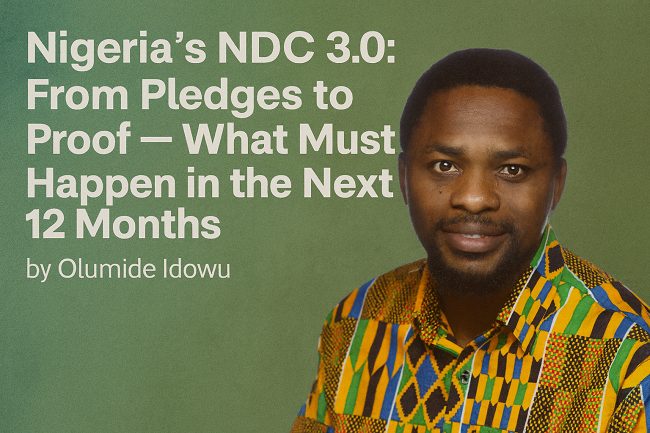
Olumide Idowu
Olumide Idowu

What’s new – and why it matters

Absolute targets, clear baseline. NDC 3.0 keeps 2018 as the reference year used in NDC 2.0 and moves to absolute reductions aligned with the Global Stocktake, rather than BAU percentages. This improves credibility, comparability, and accountability.

A defined 2035 waypoint. The NDC now sets an absolute reduction of 184.9 MtCO₂e in 2035 from 573.5 MtCO₂e in 2018 – a 32.2% cut – providing a concrete mid-term milestone on the path to net-zero 2060.

Sector realism. The plan concentrates mitigation where Nigeria’s levers are strongest:

  • Oil & gas methane: a 60% cut in leaks/venting and elimination of routine flaring by 2030, scaling to deeper cuts thereafter.
  • Transport: large gains from EV and CNG adoption (≈44.3 MtCO₂e potential).
  • Forests & land use (LULUCF): a 60% deforestation-rate reduction (≈304.8 MtCO₂e potential) plus re/afforestation. This is the single biggest wedge in the package.

Financing the shift. Government estimates US$337 billion (2026-2035) is needed across mitigation and adaptation, with US$195 billion for mitigation and US$141.5 billion for adaptation. That scale demands blended public–private finance, carbon markets, and strong project preparation.

Fairness and feasibility. Nigeria emits ~0.73% of global GHGs with per-capita emissions well below the world average, yet it is adopting absolute cuts and methane leadership – evidence of good-faith alignment with the Stocktake, despite pressing development needs.

The execution gap

Nigeria’s climate framework has matured: the Climate Change Act, a submitted BTR1, an LT-LEDS (2024), and ongoing adaptation planning (ADCOM, NAP) all point to better “plumbing” for delivery. But plans become progress only with discipline on four fronts: methane, clean cooking, forests, and power/transport.

A 12-month, results-first playbook

1) Methane first in oil & gas

  • Publish a national LDAR calendar (assets, inspection frequency, fixes) and a flaring-ban enforcement roadmap tied to penalties and, where appropriate, crediting under high-integrity carbon market rules.
  • Launch a Methane Transparency Portal with site-level disclosures, satellite corroboration, and citizen alerts.
    These steps hit the largest “quick-win” abatement at low cost while protecting revenues.

2) Make clean cooking Nigeria’s flagship social climate programme

  • Mandate modern cooking solutions (LPG, electric, advanced biomass) in public institutions – schools, clinics, security posts – and track monthly uptake.
  • Use results-based finance and PAYGo to de-risk last-mile distribution through women- and youth-led MSMEs; pair with social protection for affordability.
    The co-benefits – health, time savings, gender equity – are outsized and reduce pressure on forests.

3) Forests: cut loss, grow cover

  • Operationalise the 60% deforestation-reduction target via state-level forest compacts, community forestry, mangrove protection, and legal timber/charcoal traceability.
  • Scale re/afforestation and agroforestry aligned with the NDC’s quantified potentials.
    Forest measures account for the largest mitigation wedge and are inseparable from rural livelihoods.

4) Power and transport that people feel

  • Grid & DISCO loss reduction and a clear minigrid programme for public services (clinics, schools, water systems) convert climate targets into human-development gains.
  • Urban mobility: set passenger-kilometre targets for BRT/rail and a public-fleet conversion calendar (EV/CNG), unlocking the transport wedge identified in the NDC.

5) Finance at scale, with integrity

  • Publish an NDC Investment Plan mapping each measure to funding sources: sovereign green/sukuk, concessional lines, private capital, and Article 6 transactions – sequenced to the US$337 billion need.
  • Stand up a project-prep facility to take pipelines from concept to bankability; lock in high-integrity carbon market participation with community benefit-sharing.

6) Governance, MRV, and law

  • Single, public NDC MRV platform integrating energy, LULUCF, waste, and methane; quarterly dashboards feeding BTR2.
  • Use the Climate Change Act to set sector targets and compliance pathways; finalise Article 6 procedures and activate the national registry so private finance can flow with safeguards.

Why this approach is right for Nigeria

The NDC’s centre of gravity – methane, forests, clean cooking, efficient transport/power – aligns with Nigeria’s economic structure and social realities. The oil and gas sector remains pivotal, so controlling methane is both climate-smart and revenue-protective.

Clean cooking and electrification deliver immediate health and productivity benefits, particularly for women and girls. Forest governance and restoration underpin rural incomes and climate resilience, while modern mobility and reliable power make cities livable and competitive. In short, these are development multipliers, not trade-offs.

A coalition to deliver

NDC 3.0 was built with national institutions and regional partners and acknowledges the lived realities of vulnerable Nigerians. That spirit must carry into implementation: federal ministries and the NCCC setting standards; states delivering services; private operators investing; civil society monitoring; and communities co-designing benefits.

As an implementing civil-society partner, ICCDI-Africa will prioritise four contributions over the next year:

  1. Methane Community Observatories in host LGAs to surface leaks and flaring events, escalate grievances, and validate fixes – feeding the national portal.
  2. Clean-Cooking Acceleration Coalition with women/youth MSMEs, financiers, and state energy/environment ministries to drive demand, vendor training, and last-mile tracking.
  3. Young Lawyers for Climate Justice to draft model state climate bylaws, methane-disclosure standards, and Article 6 community-benefit MOUs; pursue litigation only when cooperative compliance fails.
  4. NDC Scorecards & Town-Halls (Lagos, Rivers, Kano, FCT) translating targets into local actions and publishing quarterly public dashboards tied to the MRV platform.

The takeaway

NDC 3.0 is a credible, more ambitious blueprint that aligns Nigeria with the Global Stocktake and our 2060 net-zero commitment. It identifies the biggest, cheapest wins and attaches a realistic price tag. The difference between another plan and a turning point will be what we do in the next 12 months: cut methane, scale clean cooking, protect and restore forests, fix power and transport bottlenecks, and publish what we achieve – quarter by quarter. That is how Nigeria moves from pledge to proof.

By Olumide Idowu, Executive Director, ICCDI Africa

All figures and policy references are from Nigeria’s NDC 3.0 transmission version and associated national submissions (BTR1, LT-LEDS, ADCOM/NAP in progress)

Biodiversity: NCF, Renaissance Africa enlighten 46 community forest rangers

0

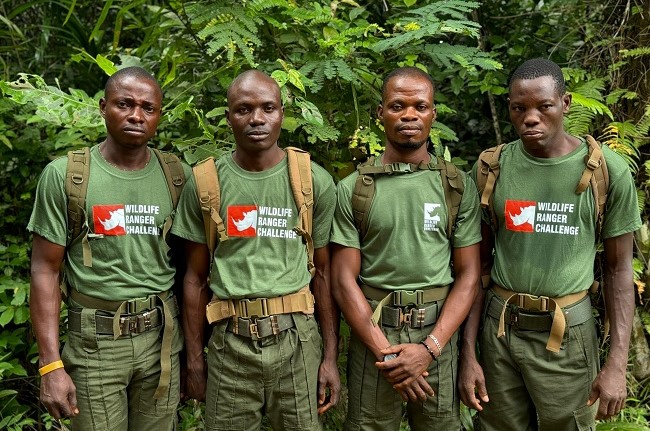
No fewer than 46 community forest rangers have been trained by the Nigerian Conservation Foundation (NCF) in partnership with Renaissance Africa Energy Company Ltd., with the aim of safeguarding the fragile Taylor Creek Forest.

This was made known by Mr. Adedamola Ogunsesan, Director of Technical Programmes, NCF, in a statement issued and signed by Mr. Olusomi Oduguwa, Media and Communications Manager, NCF.

Park rangers
Park rangers

He said that the partnership, which was in conjunction with the Bayelsa State Government, aimed at promoting sustainable livelihoods.

Ogunsesan noted that the Renaissance Africa Energy Company Ltd., formerly Shell Petroleum Development Company of Nigeria Limited, had deepened implementation of the Gbaran-Biodiversity Action Plan (BAP)

He said that the initiative spanned 23 forest-dependent communities across four clans, which are Okordia, Zarama, Biseni, and Tarakiri, within Yenagoa and Sagbama Local Government Areas, Bayelsa.

“It is designed as a long-term programme to conserve biodiversity, empower host communities, and reduce pressure on the environment through sustainable alternatives.

“So far, the project has engaged and trained 46 community forest rangers across 26 communities.

“This has equipped them with skills in patrols, forest governance, tree nursery establishment, and sustainable forest management.

“The rangers have also raised and nurtured over 16,500 indigenous tree seedlings, now successfully planted across Taylor Creek Forest communities, reinforcing ecological resilience and contributing to climate action,” he said.

The NCF director added that more than 150 beneficiaries had been empowered in small-scale enterprises, including aquaculture, beekeeping, animal rearing and cassava cultivation.

“Starter packs such as collapsible fishponds, fingerlings, goats, and improved cassava cuttings have been distributed, creating green jobs and reducing community dependence on unsustainable forest practices,” he said.

Ogunsesan also highlighted the significance of linking conservation with people-centered development.

“What makes this project unique is the balance between protecting biodiversity and improving local livelihoods.

“By restoring the forest and supporting households with alternative sources of income, we are demonstrating that conservation and community prosperity can go hand-in-hand,” he said.

The statement quoted the Bayelsa State Governor, Mr. Douye Diri, as emphasising that the project marked a new phase of community-driven environmental stewardship.

Diri, who was represented by the Commissioner for Environment, Mr. Ben Ololo, said, “This project represents a turning point in how we manage our natural resources in Bayelsa.

“Beyond planting trees, we are nurturing a culture of responsibility and resilience in our communities.

“By empowering rangers and supporting alternative livelihoods, we are safeguarding Taylor Creek Forest for our children and generations to come,” he said.

The Renaissance Africa Energy Company Ltd. reaffirmed its commitment to sustaining the programme, adding that the Biodiversity Action Plan was about people, livelihoods, and the shared future of Bayelsa communities.

By Olaitan Idris

Lagos engages Computer Village traders on relocation to Katangowa

0

The Lagos State Government on Monday, September 22, 2025, met with stakeholders of the Computer Village, Ikeja, on plans to relocate the market to Katangowa, Agbado-Oke Odo.

The Permanent Secretary, Office of Urban Development, Mr. Gbolahan Oki, said the meeting was in line with Gov. Babajide Sanwo-Olu’s directive that the process must be inclusive and transparent.

Computer Village
State officials addressing Computer Village traders

“This is the first time in 15 years that government is holding this kind of meeting directly with you in your market. It shows the governor’s commitment to openness,” Oki said.

He said that the state government was speeding up work on the new ICT and Business Park at Katangowa.

The facilities there, he said, would include hotels, banks, recreation centres, car parks, a fire station, police post and good access roads.

According to him, moving the market would benefit both government and traders.

He noted that Ikeja’s original plan as a residential area had been distorted by business expansion, while the Katangowa site would provide a more organised and conducive environment.

Oki appealed to traders to support the relocation plan and to stop trading on the streets, setbacks and drainages in Ikeja.

A presentation was also made by officials of the Urban Development Department to explain the ongoing efforts and benefits of the relocation.

The Iyaloja of Computer Village, Chief Abisola Azeez, thanked the governor for the initiative, saying the new site would enhance the market’s potential and provide better opportunities for traders and customers.

Other officials at the meeting include the General Manager, Lagos State Urban Renewal Agency, Mr. Oladimeji Animashaun, and the Coordinating Director, Lagos State Building Control Agency, Mrs. Florence Gbaye.

The Senior Special Assistant to the Governor on Urban Development, Mr. Segun Williams, and executive members of the market association were also present.

By Lydia Chigozie-Ngwakwe

Govt begins verification of disputed oil, gas fields, wells in Niger Delta

0

The Federal Government of Nigeria has begun verification of disputed and newly drilled crude oil and gas fields and wells in the Niger Delta region.

Addressing newsmen in Asaba, the Delta State capital, Dr Mohammed Shehu, the Chairman of the Revenue Mobilisation Allocation and Fiscal Commission (RMAFC), said the initiative is aimed at ensuring that every oil and gas producing state received their rightful share of resources.

Dr Mohammed Shehu
Dr Mohammed Shehu, the Chairman of the Revenue Mobilisation Allocation and Fiscal Commission (RMAFC)

He said that the exercise was in consonance with the provisions of the law, citing paragraphs 32(a) Part I of the Third Schedule of the 1999 Constitution of the Federal Republic of Nigeria, as amended.

Shehu noted that the exercise was also informed by the various petitions by governors of Anambra, Delta, Imo, Edo, Ondo and Rivers seeking to establish the rightful ownership and territorial boundaries of specific crude oil and gas assets.

According to Shehu, the assignment is to be carried out via Inter-Agnency Technical Committee (IATC) comprising the RMAFC, Representatives of Nigerian Upstream Petroleum Regulatory Commission (NUPRC), Office of the Surveyor General of the Federation(OSGOF) and the National Boundary Commission (NBC).

“We announce the inauguration of the IATC and reaffirm our unwavering commitment to accurately identify the locations of crude oil and gas fields and wells within the disputed areas and the newly drilled crude oil and gas wells.

“The 1999 Constitution as amended, empowers the RMAFC amongst other functions to monitor accruals into and disbursement of revenue from the federation account.

“This initiative is driven by former concerns expressed by the executive governors of some states such as Anambra -Imo, Anambra -Delta regarding the rightful ownership and territorial boundaries of specific crude oil and gas assets.

“Key among these is the Aneize oil field within OML 143; the Eyine and Ameshi fields. In Delta, we shall examine the identified locations and verify the coordinates of newly drilled oil and gas wells within the area spanning from 2017 to date,” he said.

The RMAFC boss said the verification exercise would be extended to Rivers, Akwa Ibom, Bayelsa, Ondo, Edo and Anambra states in response to their complaints.

He said that the verification exercise would rely on geospatial data provided by the Nigerian Upstream Petroleum Regulatory Commission which would be validated and plotted while the Surveyor-Generals of the affected states would observe the entire process.

According to him, the goal is to ensure a fair and transparent allocation of oil revenue grounded in accurate data while addressing long-standing disputes over the location and rightful ownership of these vital energy assets.

“We are tasked with the plotting the coordinates of newly drilled identified crude oil and gas fields and wells across recognised oil-rich regions.

“This decision reflects our unwavering commitment to support the commission in obtaining precise location data for these assets, ensuring that the 13 per cent derivation fund is equitably disbursed to the rightful boundary states among the oil- producing areas.”

Shehu noted that the exercise was a strategic and proactive measure by the Federal Government aimed at resolving long-standing disputes among the affected states.

“This initiative is essential to ensure that every oil and gas producing states receives its rightful share of the resources to reduce tension and safeguard the integrity of the federation account.

“By promoting transparency and fairness, we are laying the groundwork for a more stable and conducive environment for continued exploration and development across the region,” Shehu said.

By Ifeanyi Olannye