In line with its capacity building mandate, the Nigerian Content Development and Monitoring Board (NCDMB) is set to begin a comprehensive digitalisation training programme targeting 3,700 youths across the country.
The initiative, which is under the banner of the NCDMB Digitalisation Initiative (NDI), is designed to equip young Nigerians with the essential skills needed to thrive in the current and emerging waves of industrial revolution.
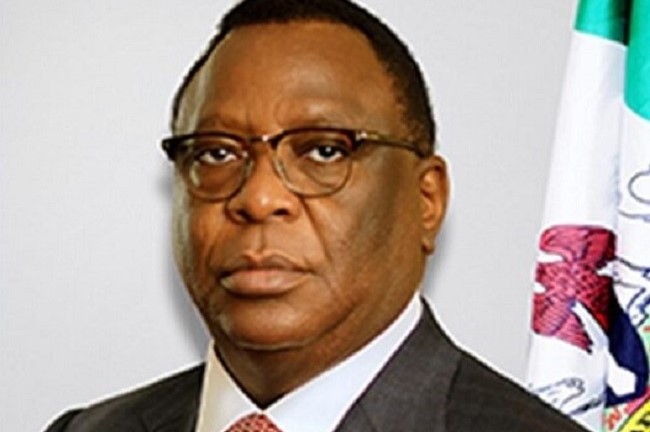
Felix Omatsola Ogbe, head of the NCDMB
Giving insight into the programme, the Executive Secretary NCDMB, Felix Omatsola Ogbe, observed that the oil and gas industry and its linkages sectors have adopted advanced technologies such as Artificial Intelligence (AI), Big Data, Cloud Computing, Cybersecurity, Industrial Internet of Things (IIoT), Robotics, Virtual and Augmented Reality, Drones, and Blockchain-based data exchange.
The shift towards digitisation enables the players to improve productivity, cost optimisation, and low carbon emission operations, he said. Other benefits of adopting digitisation include achieving remote operations, lean structure, smart and preventive facility management and business processes automation.
He reaffirmed the Board’s commitment to its mandate of preparing and empowering the Nigerian oil and gas industry supply chain to be relevant in the emerging oil and gas landscape.
Also commenting on the programme, the Director Corporate Services, NCDMB, Dr. Abdulmalik Halilu, emphasised that NCDMB remains committed to empowering Nigerians to take on critical roles within the oil and gas supply chain. He explained that the Digitalisation Initiative (NDI) specifically targets youth within the 35-year age bracket, with resources strategically directed toward high-impact areas that enhance digital expertise, generate rapid value, and drive sustainable growth.
According to details of the programme, the training will benefit youths across Nigeria’s 36 states and the Federal Capital Territory over the next three years. It will expose the candidates to digital tools as well design and development of market relevant solutions.
About 100 candidates will participate in the pilot phase, and beneficiaries will be selected through the NOGIC JQS portal, which is the Nigerian oil and gas industry’s repository for human and material capacities.
Candidates will go through a pre-selection test that will be conducted across the six geopolitical zones as follows: South West – Lagos (October 6), North Central – Minna (October 9), South East – Umuahia (September 30), South South – Warri (October 3), North East – Kaduna (October 6), and North West – Taraba (October 9). The exercises will mark the beginning of this transformative journey.
The Ministry of Waterfront Infrastructure Development (MWID) has carried out a monitoring and enforcement exercise across the Lekki axis to curb illegal reclamation and dredging along the shores of the Lagos Lagoon.
Commissioner for MWID, Mr. Dayo Alebiosu, disclosed this in a statement issued through the ministry’s Director of Public Affairs, Mrs. Morenikeji Akodu, on Sunday, September 28, 2025, in Lagos.
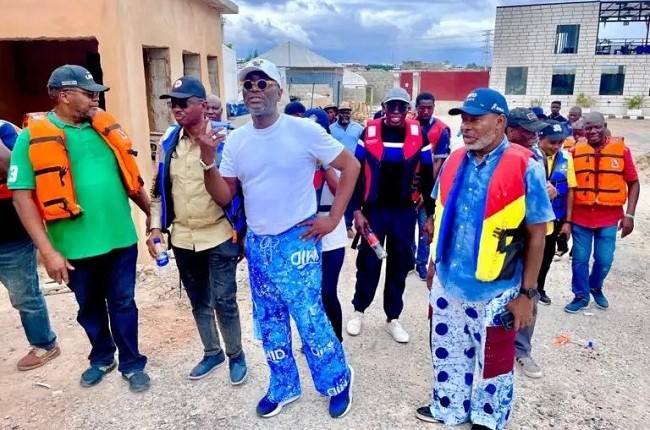
The Ministry of Waterfront Infrastructure Development (MWID), Mr Dayo Alebiosu, and other commissioners in Lagos during an exercise to monitor illegal dredging and reclamation in Lekki, Lagos on Sunday
Alebiosu said the monitoring and enforcement exercise was conducted in collaboration with the Ministry of Physical Planning and Urban Development, the Ministry of the Environment and Water Resources, and the Lands Bureau.
During the exercise, the Commissioner for Waterfront Infrastructure Development led the team to seal a building at Admiralty Way, Lekki Phase 1, for engaging in illegal reclamation works across the lagoon.
He said the property owner had also carried out an unauthorised extension of the building’s fence without approval from the relevant state agencies.
Alebiosu condemned the actions of the perpetrators, describing them as an act of “legendary audacity” carried out with blatant disregard for the law.
“This particular building has been sealed on several occasions by all the relevant ministries since last year, yet the owners have continued with construction and social activities without any regard.
“We are back today with the Ministry of Physical Planning and the Ministry of the Environment and Drainage Services,” he said.
He added that the state government would prosecute the offenders, a process which could lead to the forfeiture of the illegally reclaimed land, while the sand recovered would be diverted for other productive uses.
The Commissioner for Physical Planning, Dr Olumide Oluyinka, said his ministry had visited the property in 2024 when the owner presented a layout of 1,200 sqm, but had now expanded it illegally to about 8,000 sqm.
“The site is again sealed today. We will revoke all authorities they have on this land.
“The construction is not fully completed, yet people are still partying there, which puts lives at risk. That is why we are sealing off this place,” he said.
Oluyinka explained that the joint enforcement was aimed at stopping illegal reclamation and development across the area.
The Permanent Secretary, Office of Drainage Services, Mr. Mahmood Adegbite, said his office had stopped the illegal reclamation two months earlier.
He added that three water channels into the lagoon had been blocked by illegal operators, stressing that the state would not allow such activities to continue.
Similarly, the Permanent Secretary, Office of Environmental Services, Ministry of Environment, Mr. Mobolaji Gaji, said the ministry had earlier issued a stop-work order in the area.
Gaji explained that the illegal operations had blocked a primary channel that carries water into the lagoon, with potential negative impact on the ecosystem.
“We have sealed the place and are waiting for them to provide their papers. We must monitor every reclamation.
“There is too much illegal reclamation going on, and we intend to enforce the law,” he said.
Alebiosu said the enforcement team also visited the Lekki Foreshore, where several illegal dredging and reclamation sites were discovered and sealed for environmental infractions.
He noted that five suspects were apprehended, while others fled upon sighting government officials.
The commissioner lamented the scale of illegal sand-dealing operations across the lagoon, pointing out that such activities were being carried out without the required Environmental Impact Assessments (EIA) from the Ministry of Environment and Water Resources.
“We have no records of applications for reclamation works along this axis.
“These operations are illegal. Some of the dredging stretches as far as 7km into the lagoon, with no record of the sand extracted, which is then used for illegal reclamation works,” he said.
He also decried the proliferation of shanties along the lagoon, which he said often serve as hideouts for criminal elements, adding that one vessel fled the scene during the operation.
Alebiosu assured Lagos residents that the monitoring and enforcement exercise was an offshoot of the recently concluded Waterfront Summit.
He recalled that Gov. Babajide Sanwo-Olu had pledged at the summit to intensify the crackdown on illegal dredging and reclamation to protect lives and property in line with the administration’s T.H.E.M.E.S.+ Development Agenda.
He reiterated that the Lagos State Government would continue to protect its waterfronts and lagoons against abuse, warning that offenders would face the full weight of the law.
The team also visited the Ilubirin housing project to assess activities at the waterfront.
Other MDAs that joined the enforcement included the Executive Secretary, Lands Bureau, Mrs. Lolade Ajetumobi, and the General Manager, Lagos State Environmental Sanitation Corps (LAGESC), Retired Maj. Olaniyi Cole, among others.
The Call for Proposals to host a regional presence of the Green Climate Fund (GCF) has closed with 47 countries confirming their interest.
The significant response validates the Fund’s vision to be closer to the countries it serves and deliver more financial support at scale, strengthen national institutions, and build more partnerships for impact.
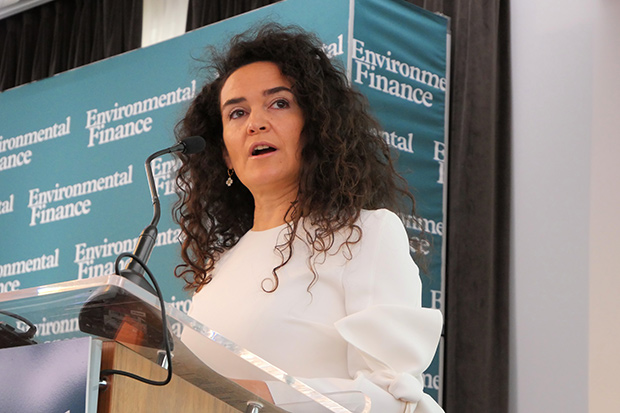
GCF Executive Director, Mafalda Duarte
The GCF’s Secretariat will now review all proposals against the Terms of Reference criteria approved by the Fund’s Board.
GCF Executive Director, Mafalda Duarte, said: “If climate action is local action – which it is – then GCF needs to be local too to ensure greatest impact. GCF needs to be not only a source of finance but as a partner working on the ground. Establishing regional presence is a historic step for the Fund, that will bring our world-class specialists closer to those who we serve.”
The Secretariat will briefly update the Board on regional presence at its forty-third meeting, scheduled from October 27 to 30, 2025. The detailed analysis of the proposals for host countries, along with the implementation plan, will be considered by the Board at its subsequent meeting.
Since 2013, the GCF has been solely headquartered in Songdo, Republic of Korea. The GCF Board strategically decided to establish a regional presence at its forty-first meeting (B.41) in February 2025. The Board adopted the terms of reference for selecting host countries/cities at its forty-second meeting (B.42) in July 2025. The Fund’s Secretariat launched a call for proposals to host GCF regional offices in the following month.
The Green Climate Fund (GCF) is the world’s largest multilateral climate fund dedicated to developing countries. Founded in 2010 and operational since 2015, GCF serves as the financial mechanism of the United Nations Framework Convention on Climate Change (UNFCCC). With a portfolio of $18 billion, GCF works through a network of over 150 entity partners to deliver 314 projects across more than 133 countries.
As Nigeria joins the global community to mark World Heart Day 2025 on Monday, September 29, the Corporate Accountability and Public Participation Africa (CAPPA) has called on the federal and state governments to urgently adopt robust healthy food policies to stem the rising tide of cardiovascular and other non-communicable diseases (NCDs) in the country.
In a statement issued on Sunday, September 28, CAPPA urged authorities at all levels to implement evidence-based measures, including mandatory salt reduction targets, an effective sugar-sweetened beverages (SSB) tax of at least N130 per litre, mandatory front-of-pack warning labels (FOPWL) on packaged and ultra-processed foods (UPF), restrictions on the advertising and marketing of junk foods, tobacco and smokeless nicotine products, especially to children, and an increase in tobacco taxes to at least 100 percent.
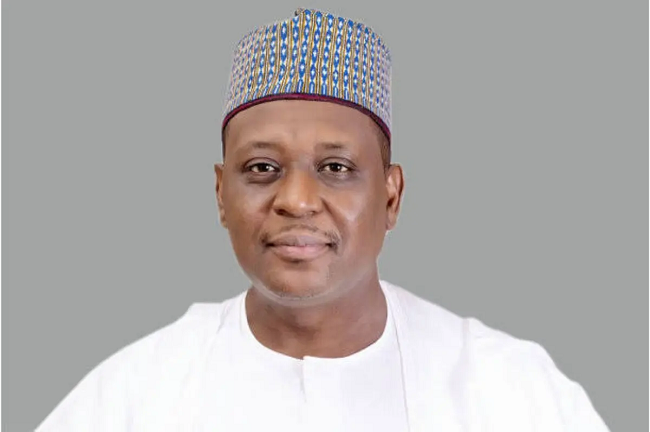
Muhammad Ali Pate, the Coordinating Minister of Health & Social Welfare
Akinbode Oluwafemi, CAPPA’s Executive Director, urged the government not to renege on its plan to earmark these taxes for strengthening the health sector.
“These measures are proven, cost-effective interventions that will save lives and protect families from the devastating health and financial burdens of heart disease and related illnesses,” Oluwafemi added.
The statement traced a firm connection between heart disease and unhealthy diets, adding that: “Excessive consumption of salt and sugar-sweetened beverages increases the risk of hypertension, diabetes, and obesity – key drivers of cardiovascular diseases. Similarly, tobacco use damages the heart and blood vessels, raising the risk of stroke and heart attacks.
“Nigeria is already paying the price. Cardiovascular diseases (CVDs) are among the leading causes of death in the country. The Nigerian Cardiac Society recently revealed that about one-third of Nigerian adults live with high blood pressure, with rates rising to 40 per cent in some regions. Alarmingly, one-third of hypertensive Nigerians are undiagnosed, and another third have uncontrolled blood pressure despite knowing their status.”
CAPPA cited limited healthcare infrastructure as worsening an already alarming crisis.
“As of 2021, only 13 centres in Nigeria were conducting heart surgery, with just 80 heart surgeons serving a population of over 200 million people. Heart surgery costs have also risen steeply – from about ₦3 million to ₦5.5 million on average in 2024 according to media reports – placing lifesaving care far beyond the reach of most families,” it added.
According to the World Health Organisation (WHO), cardiovascular diseases claim 17.9 million lives globally every year, with more than 75 per cent of these deaths occurring in low- and middle-income countries like Nigeria. Most of these deaths are preventable through policies that reduce harmful risk factors such as tobacco use, excessive salt and sugar consumption, physical inactivity, and alcohol abuse.
World Heart Day, observed annually, aims to increase awareness about CVDs, empower individuals to adopt healthier lifestyles, and encourage governments to create environments that support heart-healthy living. This includes expanding access to healthcare, adopting strong nutrition and tobacco control policies, promoting active transportation like walking and cycling, and reducing air pollution.
CAPPA emphasised that Nigeria cannot continue to rely solely on individual responsibility in the fight against CVDs and NCDs. It said strong government policies are needed to create healthier environments and ensure that healthier choices become the order of the day for Nigerians.
“By reducing salt in processed foods, introducing bold warning labels, increasing taxes on sugary drinks and tobacco, and restricting harmful marketing, Nigeria can significantly cut down the rising burden of heart disease,” the organisation stressed.
It noted further that such policies not only protect public health but also reduce long-term healthcare costs, improve productivity, and support economic growth.
CAPPA urged federal and state governments to act fast and decisively.
“We urge policymakers to put people before profits by adopting strong food and tobacco control measures. Protecting our hearts means protecting the country’s future,” the statement concluded.
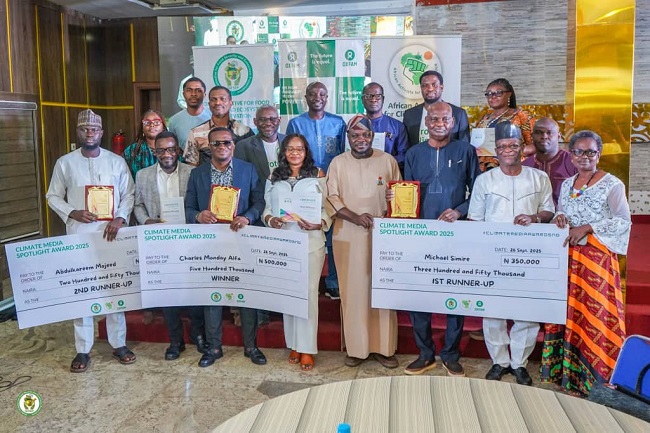
Editor-in-Chief of EnviroNews, Michael Simire, was one of the three journalists celebrated at the second edition of the Nigerian Climate Justice Media Award in Abuja on Friday, September 26, 2025.
The award ceremony was organised by the Global Initiative for Food Security and Ecosystem Preservation (GIFSIEP), Oxfam and the African Activists for Climate Justice (AACJ).
The second edition of the Nigerian Climate Justice Media Award in Abuja on Friday
Mr. Simire emerged the First Runner Up and went home with a N350,000 cash prize and a plaque.
Abdulkareem Mojeed of Premium Times emerged as Second Runner Up with a N250,000 cash prize and a plaque.
The Winner, Charles Monday of the Nigerian Television Authority (NTA), went home with a N500,000 cash prize and a plaque.
Before the winners emerged, the award organisers listed 10 nominees to include Nkoli Omodu of the African Independent Television (AIT), Anthony Momodu of Arise TV News, Amaechi Onyeama of the Authority Newspaper and Patrick Oluwaseun of Channels Television.
Others are Michael Simire of EnviroNews, Abigail Joshua of the News Agency of Nigeria (NAN), Charles Monday of the Nigerian Television Authority (NTA), Joy Onyekwere of Peoples FM and Abdulkareem Mojeed of Premium Times.
Each of the nominees went home with a N100,000 cash prize and a certificate.
Speaking at the event, the Executive Director of GIFSIEP, Michael David, said the award recognises the journalists’ reporting on climate issues and how it affects people.
In his welcome address, the Director of Oxfam Nigeria, John Makina, said climate change is one of the pressing issues of our time and requires all stakeholders to come together to address it.
Mr. Makina said misinformation about climate issues has taken centre stage in climate conversations.
He expressed worries that prominent figures with large followings who do not believe in climate change have continued to spread false information about climate change.
He emphasised the role of the media in disseminating information on the impact of climate change.
He called on journalists to ask the difficult questions about climate change to different stakeholders, particularly policymakers.
“Issues around climate change have consequences that affect the plant and its inhabitants. It is important that the media is involved in this matter,” he said.
“This will help educate the public about the science of climate change and how to address those issues.”
The Petroleum and Natural Gas Senior Staff Association of Nigeria (PENGASSAN) has directed its members nationwide to withdraw their services following the sack of over 800 Nigerian workers at the Dangote Refinery.
Mr. Lumumba Okugbawa, PENGASSAN’s General Secretary, announced this in a statement made available to newsmen in Abuja on Sunday, September 28, 2025.
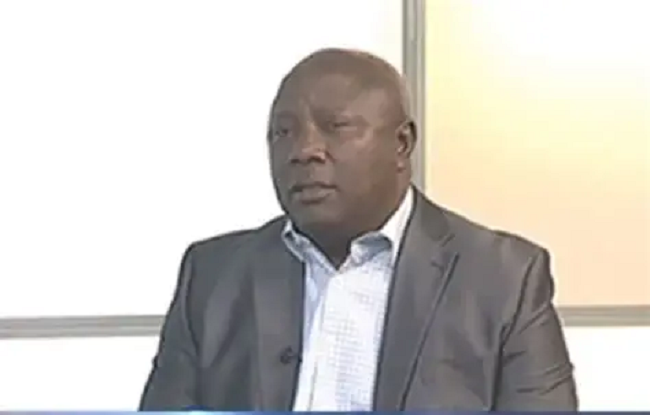
Mr. Lumumba Okugbawa, PENGASSAN’s General Secretary
He said the directive was issued after an emergency meeting of the union’s National Executive Council (NEC) held on Saturday in Abuja.
Okugbawa described the refinery’s action as a violation of Nigeria’s labour laws, the Constitution, and international conventions.
According to him, “the refinery has replaced Nigerians with over 2,000 foreign workers, subjecting our people to the worst type of working conditions in the oil and gas industry”.
He added that no man or company, no matter how highly placed, is above the law and cannot be called to order by our national institutions.
The union leader explained that NEC ordered all PENGASSAN members working across field locations to withdraw their services effective 06:00hrs on Sunday, Sept. 28, while those in offices, companies, institutions and agencies are to withdraw services from 00:01hrs on Monday, Sept. 29.
He further said that all processes involving gas and crude supply to Dangote Refinery had been suspended immediately.
Okugbawa also disclosed that the union had declared a 24-hour nationwide prayer.
“The prayer point should include a call to God Almighty to give courage to those in authority to rein in Dangote and his co-travelers on the need to obey the laws of our country,” he said.
He said that the union would not allow the sack of its members to go unchallenged.
“An injury to one is an injury to all. No man is bigger than our country,” Okugbawa said.
The Ekiti State Government on Saturday, September 27, 2025, commenced the dredging of waterways and rivers in Ado-Ekiti, to curb flooding, during the rainy season.
Chairman, Ekiti State Environmental Protection Agency (EKSEPA), Chief Bamitale Oguntoyinbo, had led board members of the agency to inspect ongoing dredging of rivers at various sites in Ado-Ekiti.
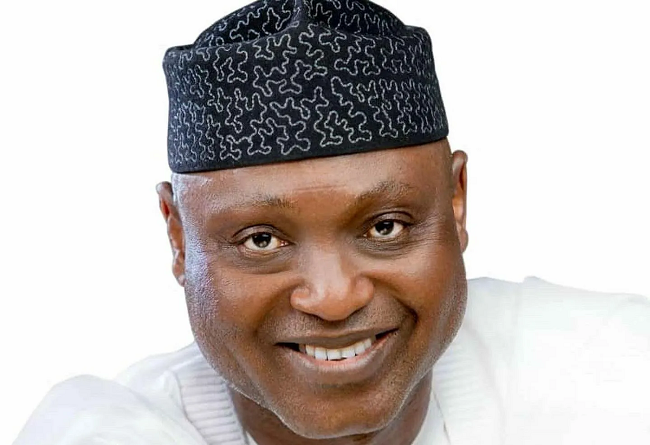
Governor Biodun Oyebanji of Ekiti State
Some of the visited flood prone areas included, Iso and Oshodi streets, both along Afao Road in Ado Ekiti, while the Elemi and Iremide rivers sites that had undergone dredging were also visited.
The board members also visited the ongoing dredging at Ureje river along Olujoda, Falana down to Moferere Street and a river at GRA third extension, along new Iyin Ekiti road in Ado-Ekiti.
Reacting, the Chairman of EKSEPA, Chief Oguntoyinbo, expressed satisfaction with the job done by the engineer handling the dredging of the rivers.
“I and the board members of EKSEPA are happy and encouraged with the level of work done by the engineer handling the dredging project.
“The Governor, Mr. Biodun Oyebanji, is very passionate about the safety of lives and properties of his people.
“He is making sure that flood does not affect residents of any community in Ado-Ekiti,” he said.
Chief Oguntoyinbo, advised residents of Ado-Ekiti to stop building houses and fences on waterways.
He urged the State Town Planning Management, to ensure that the standard of setting aside layout for waterways before building houses was uphold to curb flooding in any part of the state.
Similarly, the General Manager of EKSEPA, Mr. Olukayode Adunmo, said the rivers, before now, were dredged by three kilometres, noting that, currently, a total of 10 kilometres had further been dredged in all the rivers prone to flooding in Ado-Ekiti.
Adunmo said the purpose of the dredging was to curb destructive floods in any part of Ado-Ekiti metropolis.
“In the last two to three weeks, there has been heavy rainfall and I think residents living in the flood-prone areas have been lucky, because of Gov. Biodun Oyebanji’s prompt intervention.
“If not for his intervention, Ekiti would have been part of the states affected by flood disaster.
“But our amiable governor has been proactive to curb flooding by addressing the menace the way it should be tackled. This is why we are enjoying peace in Ekiti,” he said.
The general manager noted that the state government had embarked on flood control, since 2023 and would not relent in its efforts to keep residents living in flood prone areas safe.
To address its estimated $15 billion annual climate funding shortage, Nigeria needs robust institutional frameworks as well as resources to design, implement, and monitor its climate investments.
According to Mrs. Omotenioye Majekodunmi, Director General (DG) of the National Council on Climate Change (NCCC), this is because one of the inherent characteristics of climate finance is that it requires that society and the government have to work together to guarantee accountability and transparency in the use of the funds.
Attendees of the two-day workshop that NCCC and NIRSAL held in Abuja to assess Nigeria’s capacity needs and enhance institutional preparedness for climate funding
Speaking at a two-day workshop held in Abuja on Tuesday, September 23, 2025, and hosted by the NCCC in partnership with NIRSAL, the DG expressed her displeasure with the low amount of money flowing into Africa to tackle climate change issues. She was represented by Mrs. Bennie Ejiofor, one of her officers, who said that the continent was only able to secure less than 4% of the $1.3 trillion global climate finance flows.
“As the continent’s 4th largest economy, Nigeria must build the institutional muscle to capture a greater share,” she stated, explaining why her organisation organised the workshop to assess Nigeria’s capacity needs and improve institutional readiness for climate finance.
This is crucial because, as the DG elaborated, understanding these needs is more than just getting money; it’s about transforming Nigeria’s economy, creating green jobs, strengthening resilience, and ensuring a competitive, climate-resilient future for future generations.
The NCCC boss described the collaboration between her establishment and NIRSAL as a clear example of the innovative partnerships necessary across the finance value chain. This collaboration addresses three critical areas: institutional capacity, financial architecture, and project development.
In her remarks regarding the Green Climate Fund (GCF), Mrs. Majekodunmi intimated that the Development Bank of Nigeria’s accreditation and the Bank of Industry’s recent accreditation with the Adaptation Fund are all geared towards helping Nigeria attract more global funding.
The GCF, she added, has played a crucial role in supporting Nigeria’s climate initiatives across various sectors, particularly in contributing to the development of regional climate-resilient programmes and green financing initiatives, which are essential to ultimately achieve our Nationally Determined Contributions (NDC).
In the same vein, Abubakar Ahmed, manager of Climate Smart Agriculture at NIRSAL, emphasised the importance of strong institutional frameworks, technical competence, and coordinated action in attracting resources to implement Nigeria’s climate priorities, including NDCs.
He said that to effectively mitigate and adapt to the impacts of climate change, Nigeria must be positioned to mobilise, access, and deploy climate finance at a larger scale.
Ahmed went on to assert that the discussions and inputs from the capacity engagement are very crucial in determining how Nigeria positions itself to international climate finance mechanisms, not only as a recipient of funding but also as a nation prepared to allocate resources efficiently, openly, and with the greatest possible impact.
“We see this workshop as a platform to align stakeholders, share knowledge, and create pathways for stronger collaboration across MDAs and institutions,” he stated.
In his presentations, Agbo Chinonso, the technical lead and senior climate finance expert, stressed the significance of a common understanding of Nigeria’s climate finance needs, opportunities, and enhanced institutional capacity for climate finance access and management.
Among other shortcomings, he accented that financial institutions need capacity, climate risk pricing, and green financing tools. For better preparedness, he called for increased cooperation amongst important parties.
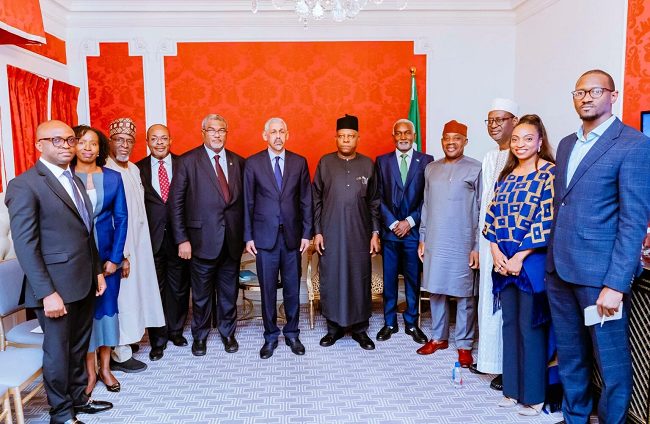
The Minister of Environment, Malam Balarabe Lawal, has solicited the support of the African Development Bank (AfDB) in funding the National Agency for the Great Green Wall (NAGGW).
The minister made the request during a bilateral meeting with AfDB’s President, Dr Sidi Ould Tah, on the sidelines of the 80th Session of the United Nations General Assembly (UNGA), in New York.
Dignitaries at the bilateral meeting with AfDB’s President, Dr Sidi Ould Tah
The meeting was at the instance of the Vice-President, Sen. Kashim Shettima.
The agency was established to address land degradation and desertification, boost food security and support communities to adapt to climate change in Sokoto, Kebbi, Kastina, Zamfara, Kano, Jigawa, Bauchi, Gombe, Yobe, Borno, and Adamawa states.
It serves as the Nigerian focal point for the actualisation of the vision of the African Union’s Great Green Wall of the Sahara and the Sahel project.
The mission of the NAGGW is to halt and reverse land degradation, prevent depletion of biological diversity, ensure that by 2025, ecosystems are resilient to climate change and continue to provide essential services that would contribute to human welfare and poverty eradication.
The minister said, “I want to appeal for the extension of your support to the Nigeria’s National Agency for Great Green Wall.
“The agency is responsible for fencing the Sahelian part of Africa to convert desertification.
“I also want to plead that you should look at what we have done so far in trying to address environmental degradation in the 11 frontline states in Nigeria.
“We have already submitted our proposal to the Ministry of Finance on the issue of clean cooking policy, which is also directly linked to the afforestation process.
“That, also, is important because it is trying to address two issues of deforestation and healt. When you go to the rural areas, most women cook with firewood, and that often expose them to health issues, and even affect the children.”
Also, the Minister of Housing and Urban Development of Nigeria, Alhaji Ahmed Dangiwa, has appealed to the AFDB boss to support the ministry in addressing housing deficit.
He added that the housing sub-sector needed a lot of funding, saying, “we want your intervention in terms of construction of housing development in Nigeria.
“Because there is a very high return in investment in Nigeria if you are investing in Agric, health and education.
“Housing is key sector to draw up a framework to ensure that you fund affordable housing to the population of the country.”
Responding, AfDB’s president assured that under his leadership, he would waste no effort in making the bank provide Nigeria with the support it deserves in terms of developing its human capital.
“My vision for the bank is not a lending institution, it a catalyst institution with which to mobilise resources, capital from all over the world to bring.
“I hope we can really bring capital to the continent to make transformation of our continent and bring value to agricultural sector.”
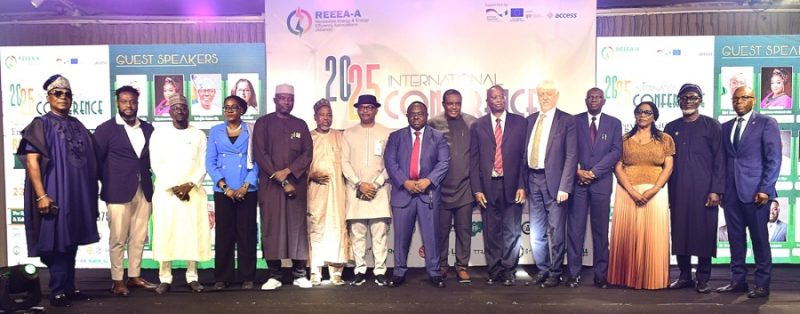
The Renewable Energy and Energy Efficiency Associations Alliance (REEEAA) on Friday, September 26, 2025, concluded its 4th International Conference at the Radisson Blu Anchorage Hotel, Lagos, under the theme “Energy Transition: From Rhetoric to Action in Nigeria.”
The two-day high-level gathering brought together policymakers, development partners, investors, industry leaders, and practitioners to transform Nigeria’s clean energy ambitions into measurable and coordinated outcomes.
Dignitaries at the REEEAA 4th International Conference in Lagos
In his welcome address, REEEAA President, Prof. Magnus Onuoha, reaffirmed the Alliance’s mandate as the unified voice of Nigeria’s clean energy sector. He recalled that REEEAA emerged under the Nigerian Energy Support Programme (NESP II) – a collaboration of the Federal Ministry of Power, European Union, German Government, and GIZ – to consolidate Nigeria’s fragmented renewable energy ecosystem into one coordinated platform.
“For over five years, REEEAA has spoken with one voice, engaging constructively for actionable and result-oriented outcomes. Our mission remains clear: to mainstream clean energy into Nigeria’s sustainable development agenda,” he said.
Prof. Onuoha commended President Bola Ahmed Tinubu for enacting the Electricity Act 2023, describing it as a decisive step toward energy democratization that empowers subnationals to drive renewable growth. He also acknowledged Lagos State’s leadership in subnational energy transition and lauded the Federal Ministry of Power, under Chief Adebayo Adelabu, for its active collaboration with the Alliance.
The President further recognised indigenous innovators advancing renewable energy without subsidies – dubbed the “G13” – and advocated for the integrity of data, sector insights, and knowledge sharing.
“This conference is not just a gathering – it is a platform for impact. Let us move together from rhetoric to action,” he urged.
Lagos State Reaffirms Subnational Leadership
Representing Governor Babajide Sanwo-Olu, Biodun Ogunleye, Lagos State Commissioner for Energy and Mineral Resources, opened the conference by reaffirming Lagos’s role as a trailblazer in Nigeria’s renewable energy transition.
He announced the planned conversion of 42,000 streetlights to solar power, renewable electrification of 32 general hospitals, and an additional 2,000 kilowatt-hours of capacity to strengthen public infrastructure.
“Energy transition is no longer an option – it is an urgent necessity. Lagos is demonstrating that subnational governments can lead by example through decisive policies and investments,” Ogunleye stated.
Federal & Institutional Commitments Elevated with $2 Billion Solar Mobilisation
Representing the Minister of Power, Chief Adebayo Adelabu, the Managing Director/CEO of the Rural Electrification Agency (REA), Mallam Abba Abubakar Aliyu, outlined the Federal Government’s renewed momentum toward decentralised power systems and private-sector-led energy growth.
He disclosed that the government has mobilised over $2 billion in public funding to de-risk solar investments and catalyse private-sector participation.
This includes:
$750 million from the World Bank’s Distributed Access through Renewable Energy Scale-up (DARES) programme;
$200 million from the African Development Bank;
$190 million from the Global Energy Alliance for People and Planet (GEAPP); and
$800 million currently under negotiation with multilateral lenders.
Aliyu explained that the Federal Government has absorbed nearly all non-operational risks through dollar-denominated grants and guarantees, urging commercial banks to move beyond micro-level financing and scale up support for larger projects.
Already, several banks – including Access Bank, FCMB, and Stanbic IBTC – have entered renewable partnerships such as FCMB’s ₦100 billion solar funding MoU.
He further noted that Nigeria imported 1,721 MW worth of solar PV panels between June 2024 and June 2025, ranking second only to South Africa in Africa’s renewable imports.
With 45 percent of Nigerians lacking reliable power, the country loses $25 billion annually to electricity shortages. Bridging this gap will require $23 billion in new investment, while executing the National Energy Transition Plan will demand $410 billion.
Close to ₦1.7 trillion was committed to energy-related projects in the 2025 federal budget, demonstrating the government’s readiness to act.
Gender-Responsive Clean Energy Development
The Minister of Women Affairs, Hajiya Imaan Sulaiman-Ibrahim, represented by Prince Xavier Eyamba, Chief Technical Adviser on Climate Change and Sustainable Development, reiterated the ministry’s resolve to ensure that Nigeria’s energy transition remains inclusive and socially equitable.
She announced the rollout of 4 million e-cookstoves, which will create 40,000 green jobs and reduce indoor air pollution, alongside 25,000 electric tricycles for women and youth across all six geopolitical zones.
“Women and children are disproportionately affected by energy poverty. Our clean cooking and e-mobility initiatives will lower emissions while empowering women economically and socially,” she said.
Capacity Building and Skills Development
The DG of NEMSA, Tukur Tahir Aliyu, advocated the upskilling of installers ad developers in the renewable energy space. He stated that only technical proficiency can enable the sustainability of local content development in the Nigerian clean energy space
Strategic Partnerships and Next Steps
The conference produced a series of tangible commitments and follow-up actions, including: • Finalising an MoU between REEEAA and NEMSA to strengthen technical standards, compliance, capacity building, and public awareness; • Collaboration with Access Bank to expand de-risking mechanisms for renewable energy investors and developers; • Launch of REEEAA’s bi-monthly journal “Clean Energy News”; • Continued cooperation with GIZ under the Nigerian Energy Support Program (NESP) to enhance advocacy and capacity development; • €35.6 million commitment from the German Government to strengthen Nigeria’s energy transition framework; • GIZ’s upcoming “Energy Transition Challenge Fund”, offering co-investment grants and technical support for clean energy businesses; • Nigeria–Germany ministerial dialogue scheduled for November 4, 2025, in Berlin, covering climate, investment, agriculture, and renewable cooperation.
Moving from Rhetoric to Action
In his closing remarks, Prof. Abubakar Sambo, Chairman of REEEAA’s Board of Trustees, represented by the Deputy Chairman, Dr. Sunny Akpoyibo, called for implementation discipline: “The momentum for energy transition is undeniable. What remains is the discipline to implement, monitor, and sustain these efforts.”
The conference concluded with a reaffirmation of the Alliance’s commitment: “The solutions are within our reach; what Nigeria needs now is collective will and strategic action to ensure measurable impact at scale.”