Home Blog Page 152

Dangote assures steady petrol, diesel supply

0

Dangote Petroleum Refinery has reaffirmed its commitment to ensuring steady and uninterrupted supply of Premium Motor Spirit (PMS) and Automotive Gas Oil (diesel) nationwide, with a daily production capacity exceeding the domestic demand.

Speaking on the development, Group Chief Branding and Communications Officer, Dangote Industries Limited, Anthony Chiejina, said the refinery’s operations are driven by the company’s dedication to supporting national energy stability and consumer confidence.

“Our refinery is currently loading over 45 million litres of PMS and 25 million litres of diesel daily which exceeds Nigeria’s demand,” Mr Chiejina said. “We are working collaboratively with regulatory agencies and distribution partners to guarantee efficient nationwide delivery. Dangote remains steadfast in its commitment to meeting the energy needs of Nigerians. This significant production capacity not only guarantees local supply but also enhances energy security and reduces dependence on imports.”

Dangote Petroleum trucks

He noted that improved local production of petroleum products has helped stabilise the exchange rate and strengthen the naira.

“We have reduced foreign exchange outflows and increased inflows, which in turn supports the naira and strengthens the economy,” he added.

He further explained that it would be unpatriotic for anyone to criticise the recently announced tariff, which, according to him, is a good start. He emphasised that the tariff is designed to protect domestic industries from unfair competition and safeguard local production.

“Dumping engenders poverty, discourages industrialisation, creates unemployment and leads to revenue loss for the government. Across the world, nations protect their local manufacturers and industries from the threat of dumping. Dumping destroyed our textile industry, which was once a major employer of labour and creator of wealth,” Chiejina said.

He noted that beyond the tariff, the government should strengthen its monitoring and enforcement mechanisms to prevent the dumping of substandard and toxic petroleum products by unscrupulous and rent-seeking individuals who prioritise profiteering at the expense of Nigerians, often undermining well-intentioned government policies for their selfish interests.

He added that the prevalence of dumping in past years discouraged investors from establishing industries in Nigeria, as imported products flooded the market at unsustainable prices, undermining local production. The new tariff policy, he noted, would benefit local refiners and encourage fresh investments in the downstream oil sector, thereby strengthening Nigeria’s industrial base and creating more jobs.

Chiejina commended the foresight of President Bola Ahmed Tinubu for approving the tariff policy aimed at strengthening and transforming Nigeria’s downstream oil and gas sector.

He noted that the decision reflects the administration’s commitment to creating a stable, business-friendly environment that supports local investment and enhances energy security.

“President Bola Ahmed Tinubu continues to embody courageous and visionary leadership, renewing the hope of Nigerians and restoring investor confidence in the nation’s economy. His administration’s bold and business-friendly reforms are reshaping the downstream oil and gas sector, unlocking new opportunities for industrial growth and national prosperity. The latest policy initiative stands as a testament to his foresight – one of the most transformative steps yet toward securing Nigeria’s energy future and empowering local industries to thrive,” Chiejina said.

He warned that failure to protect local industries could lead to large-scale dumping from countries in Asia and Europe with excess production capacity. Such practices, he said, would strangulate domestic refineries, cripple allied industries, and undermine the laudable policies of President Bola Tinubu’s administration aimed at promoting industrial growth and economic stability.

Chiejina urged rent-seekers to reconsider their business practices and align with the Federal Government’s vision for a self-sustaining energy sector, rather than promoting the dumping of petroleum products in Nigeria.

He emphasised the need for a collective sense of patriotism and responsibility among industry stakeholders, noting that national progress can only be achieved through shared commitment to policies that strengthen local industries and protect the economy.

Equipped with advanced technology and extensive infrastructure, the refinery is expected to significantly eliminate reliance on fuel imports, enhance supply chain stability, and alleviate pressure on foreign exchange reserves.

President of Dangote Industries Limited, Aliko Dangote, recently assured Nigerians that the prices of petrol will not be hiked during the ember months, despite recent global price increases.

“I want to assure Nigerians that the Dangote Refinery is fully committed to maintaining an uninterrupted supply of petrol throughout the festive period. Nigerians can look forward to a Christmas and New Year free of fuel anxiety,” he said.

Since commencing petrol production in September 2024, Dangote Petroleum Refinery has played a pivotal role in ensuring price stability, reducing the cost of petrol, aimed at stabilising the market and easing the burden on consumers. It has also eliminated the recurring fuel scarcity and long queues at filling stations that Nigeria often experienced, particularly during festive periods.

He noted that the average price of Premium Motor Spirit (PMS) in September 2024 was about N1,030 per litre, compared to an average of N841–N851 per litre in September 2025, following the implementation of the Dangote Refinery’s Direct Delivery Scheme.

Similarly, as of September 2024, the pump price of Automotive Gas Oil (AGO) ranged between N1,400 and N1,700 per litre, depending on the state, with prices reaching up to N1,700 in most northern states. By September 2025, however, the average price had dropped significantly to around N1,020 per litre, reflecting the refinery’s impact on stabilising the market and reducing logistics costs.

In comparison, petrol prices in neighbouring West African countries range between $1.20 and $2.00 per litre, while the average price in Nigeria remains around $0.60 per litre, a clear indication of the refinery’s profound impact on affordability and supply stability.
Seplat Energy’s production averages 135,636 boepd, up 185% year-on-year

0

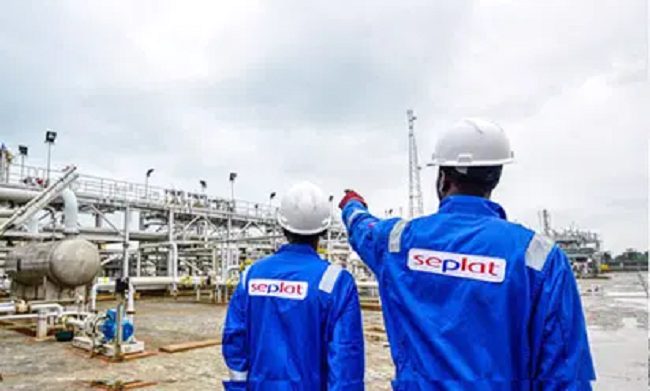
Seplat Energy Plc, a leading Nigerian independent energy company listed on both the Nigerian Exchange and the London Stock Exchange, has announced its unaudited results for the nine months ended September 30, 2025, recording a revenue of N3.356 trillion for the period from N1071 trillion reported same period last year. Its gross profit rose to N1.356 trillion from N531.5 billion Year-on-Year.

Dividend payout declared for the period was 7.5 US cents per share, consisting of 5.0 US cents per share base and 2.5 US cents per share special.

Cash generated from its operations for the period grew to N2.152 trillion from N633.8 billion Year-on-Year whilst operating profit rose to N1.096 trillion from N411.3 billion Year-on-Year.

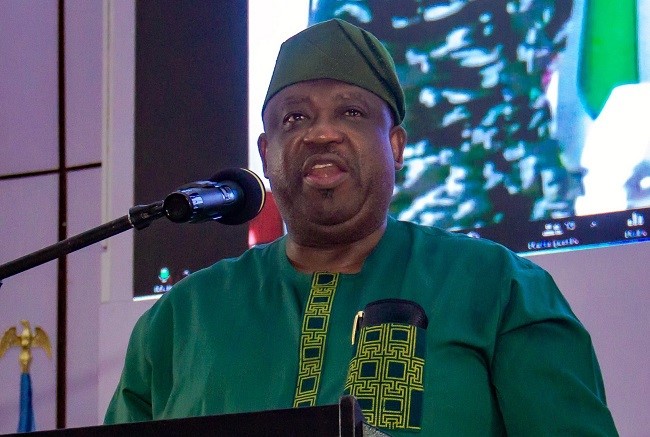
Roger Brown
Chief Executive Officer, Seplat Energy Plc, Roger Brown

Earnings before interest, taxes, depreciation, and amortization (EBITDA) hit N1.715 trillion for the 9M period, representing a rise from N573.4 billion recorded in 2024 9M.

The Company’s 9M 2025 production averaged 135,636 boepd up 185% from reported 9M 2024 (47,525 boepd); its first Liquefied Petroleum Gas (LPG) cargo was sold to the domestic market, improving domestic energy access and supporting clean cooking; and ANOH gas plant on track to deliver first gas in 4Q 2025.

Operational highlights

• 9M 2025 production averaged 135,636 boepd up 185% from reported 9M 2024 (47,525 boepd), and up 18% vs. pro-forma 9M 2024 production, while 3Q 2025 production averaged 137,888 boepd, a 1% improvement on 2Q 2025.

• 3Q 2025 production onshore of 56,219 boepd, was up 5% QoQ supported by production improvement in OML40.

• 3Q 2025 production offshore of 81,669 boepd was down 2.5% QoQ, continued strong performance of the idle well programme offset by planned downtime on EAP, due to the IGE replacement project and lower output from A/K.

• Offshore, the idle well restoration programme added c.33.4 kbopd gross production capacity from the first 33 wells restored to production.

• Carbon emissions intensity for onshore assets: 25.2 kg CO2/boe 21% lower than revised 9M 2024: 32.0 kg CO2/boe. End of routine flaring for onshore assets on track for end 2025 completion. Carbon emissions intensity for our offshore assets was 51.2 kgCO2/boe in 9M 2025. 

Financial highlights

• Unit production operating cost of $14.1/boe (9M 2024: $9.7/boe), within guidance of $14-$15/boe.

• Adjusted EBITDA of $1,112 million, up 190% on prior year (9M 2024: $383.0 million).

• Cash capital expenditure of $180.0 million (9M 2024: $102.4 million).

• Balance sheet remains strong, end-Sept cash at bank $579.8 million (9M 2024: $433.9 million), excluding $135.4 million restricted cash.

• Net Debt at end-Sept of $386 million down 43% on prior quarter (2Q 2025: $676 million). Pro-forma ND/EBITDA improves to 0.27x.

• Repaid and cancelled Westport junior facility and refinanced Westport senior reserve based loan (‘RBL’) facility at lower cost of debt.

• Repaid the outstanding $100 million on our RCF. At end September 2025, the $350 million RCF is undrawn and fully available.

Dividend

Outlined new dividend policy at the CMD. Strong YTD cash generation supports additional distribution. 3Q 2025 declared dividend of 7.5 US cents per share, +63% QoQ and +108% YoY, consisting of 5.0 US cents per share base and 2.5 US cents per share special. 

2025 Outlook

• 2025 guidance is updated as follows:

• Production guidance narrowed to the upper half at 130-140 kboepd (previously 120-140 kboepd).

• Capex guidance narrowed to $270-290 million (previously $260-320 million).

• Unit production operating cost guidance is unchanged at $14.0-15.0/boe.

Commenting on the results, Roger Brown, Chief Executive Officer, Seplat Energy Plc, said: At our Capital Market Day (CMD) in September, we set out our medium-term vision for the Company, targeting 200 kboepd working interest production and $1 billion in cumulative dividends in our roadmap to 2030.

“As we approach the first anniversary of the MPNU acquisition, we are clearly displaying our ability to operate a business at scale. We delivered a third consecutive quarter of production growth at the upper end of productionguidance, and we are pleased to be able to narrow production to 130-140 kboepd. Our financial performance year to date has been extremely robust, generating after tax cash flows in excess of $1 billion, enabling significant deleveraging to 0.27x ND/EBITDA, well below our target levels.

“In addition, while we anticipate some cash outflow in 4Q 2025, our strong cash generation year to date supports declaring a special dividend of 2.5 US cents/share, delivering a total dividend to shareholders this quarter of 7.5 US cents/share. This is aligned with the new dividend policy of returning an increasing share of free cash flow to shareholders, laid out at the CMD.

“We have continued the momentum into the final quarter of the year, making substantial progress in the past few days to ending routine flaring onshore, a commitment we have made for 4Q 2025, and we expect to complete the PIA conversion process for our onshore business imminently, which will further support the delivery of our ambitious 2030 roadmap laid out at the CMD.”

WHO urges cities to take strategic action for healthier, fairer urban futures

The World Health Organisation (WHO) has urged governments and city leaders to transform urban areas into engines of health, equity and sustainability as the world marks World Cities Day.

More than 4.4 billion people – over half the global population – now live in urban areas, a number expected to reach 70% by 2050. WHO warned that while cities offer opportunities for progress, they also concentrate major health risks, especially in slums and informal settlements, where 1.1 billion people face unsafe housing, poor sanitation, and growing exposure to climate threats such as floods and heat.

To address these challenges, WHO launched a new guide titled “Taking a Strategic Approach to Urban Health,” offering practical tools for governments to plan and act more coherently across sectors.

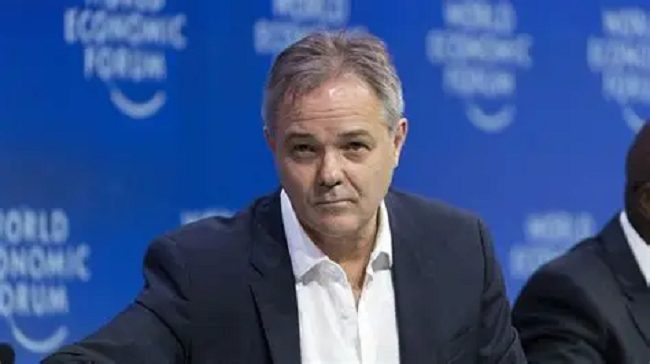
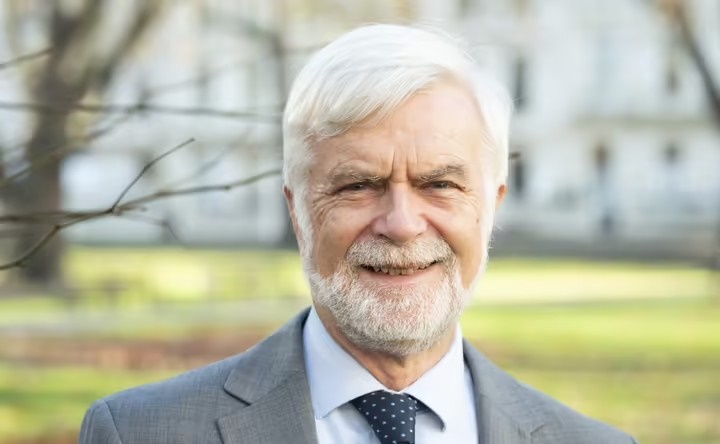
Dr Jeremy Farrar
Dr Jeremy Farrar, Assistant Director-General for Health Promotion and Disease Prevention and Care at the World Health Organisation

The framework emphasszes evidence-based policymaking to improve urban health, reduce inequalities, and promote sustainability.

“This is a moment for decision-makers at every level to act together,” said Jeremy Farrar, WHO Assistant Director-General for Health Promotion, Disease Prevention and Care.

“The guide provides a framework for leaders and communities to build fairer, healthier and more resilient futures.”

WHO highlighted stark urban health inequalities, citing a study of 363 cities in Latin America that found life expectancy gaps of up to 14 years for men and 8 years for women between the healthiest and least healthy cities.

Urban residents face multiple overlapping risks – from air pollution, which kills 7 million people annually, to unsafe transport, poor housing, and infectious disease outbreaks.

The organisation stressed that health is not the responsibility of one sector alone, calling for alignment between urban planning, climate action, transport, and digital transformation policies.

“Cities are key to advancing public health,” said Dr. Etienne Krug, WHO Director for Health Determinants, Prevention and Promotion.

“This guide offers governments a roadmap to act strategically, linking urban health with climate, transport, and migration issues.”

Alongside the guide, WHO also unveiled the first three modules of a new Urban Health E-learning Course, hosted by the WHO Academy, to build the capacity of urban policymakers and practitioners worldwide.

COP30: African stakeholders agree to seven-point call to action

0

As COP30 draws near and countries prepare their positions, a group of over 30 African stakeholders have issued a seven-point communiqué calling for urgent coordinated action that links climate ambition to development needs.

The communiqué, which was issued at the end of a workshop convened by the Society for Planet and Prosperity on Friday, October 31, 2025, to shape Africa’s negotiating position ahead of COP30 in Belém, Brazil, framed Nationally Determined Contributions (NDCs) as practical roadmaps for national development, stressing that, for NDCs to be effective, they must be ambitious, feasible, harmonised with national development plans, and backed by an inclusive process rooted in the continent’s social and economic realities.

SPP Pre-COP30 Webinar
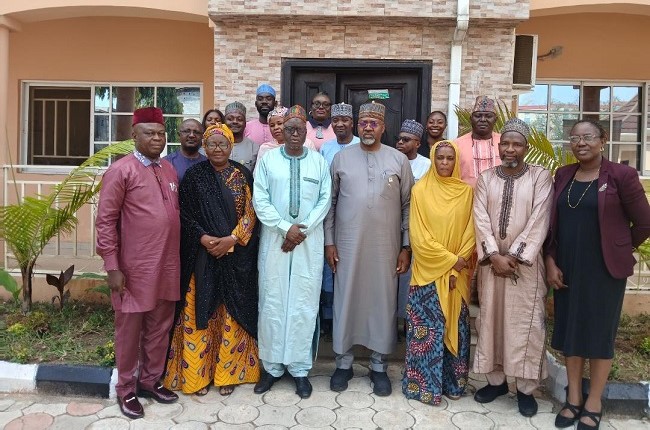
Participants at the SPP Pre-COP30 webinar in on Friday, October 31, 2025

The seven-point communiqué set out clear political and operational asks calling on African governments to treat the climate crisis as a developmental emergency that requires sustained effort from states, the private sector and communities; defending the spirit of multilateralism even as some countries seek to evade historical responsibility; using NDCs as a platform for cooperative engagement with developed partners under the Paris Agreement, African Union Agenda 2063 and the Sustainable Development Goals.

A central demand of the stakeholders is the importance of continued support from developed countries. They thus called on developed countries to continue providing the “requisite financial (grant and concession-based), technological, and technical support” that African states need to implement NDCs.

They further urged donor and finance institutions to prioritise bankable, community-led projects that scale local innovations into pipelines that will be attractive to investors.

Alongside finance and technology, the statement stressed the need for inclusive processes that integrate gender, youth and community voices at every stage of NDCs development and implementation.

The workshop also featured an expert panel session, with panelists x-raying challenges and proffering possible solutions as we prepare for the COP30 negotiations and its outcomes.

Mrs. Gbemisola Akosa, Executive Director, Centre for 21st Century Issues (C21st), provided the gender perspective. Acknowledging that about 85% of African countries have incorporated gender into their NDCs, she emphasised the need for gender-responsive climate actions, gender-disaggregated data, and gender budgeting in NDCs, while noting that current climate finance for gender and women’s issues remains insufficient.

“We need to ensure that, not only that we are putting gender equality in our policies, but also, that we are implementing it on the ground getting the desired result,” she said.

Discussing the challenges and progress of the Paris Agreement’s NDC cycle, Iskander Vernoit, Executive Director, IMAL Initiative for Climate and Development, highlighted the disappointment over finance commitment outcomes at COP29. He emphasised the need for increased ambition, the importance of the global stocktake and the role of finance in NDCs Implementation.

“As much as we don’t bear the responsibility for climate damages, and in a just world, we would not have to pay for them. We are being obliged as African countries to pay for these things because of a lack of justice at the international level, and because the historic polluters from Europe and so on are not fulfilling their climate finance obligations in a way that would ensure equity. But, even in the absence of that international climate finance, as African governments, we have obligations to protect our citizens, which cannot wait,” he said.

Iskander also described Morocco’s NDC development process, which involved a whole-of-government approach and integrated existing climate-related plans. He concluded by addressing the need for legal obligations on rich countries to provide climate finance and the potential for legal action if these obligations are not met.

Representing the youth constituency, Samuel Okorie, Advisory Board Member, Santiago Network, discussed the role of youth in Africa’s climate action and NDC 3.0 implementation, highlighting their potential to drive investment and innovation. He criticised the marginalisation of youth in decision-making processes and called for their strategic inclusion in policy development and implementation.

“There should be a long-term strategic partnership with youth initiatives, with youth businesses. It is that time we stop being afraid of partnering with youth businesses, but then we start embracing them, and also try to see how their models could fit into the climate action plans of Africa or of various countries,” he stated.

With COP30 on the horizon, there have been growing concerns over the slow pace of submission of NDCs – the Paris-Agreement tool through which countries set national mitigation and adaptation commitments.

These demands come against a worrying backdrop as e UNFCCC’s latest NDC synthesis report shows that, between January 1, 2024 and September 30, 2025 only 64 Parties submitted new or updated NDCs, of which 13 are African countries. This underlines a gap between ambition and readiness to implement.

In July, SPP’s Scoping Paper “On the Road to COP30 and Beyond” echoed this urgency, finding persistent gaps in governance frameworks, whole-of-society approach to NDCs development and implementation, access to finance, etc. The Paper therefore recommended that NDCs be reframed into implementable development plans.

The communiqué concluded with a call for African countries to speak with one voice and build alliances at COP30:

“Stand together with one voice, build alliances, and ensure that negotiations reflect current African priorities. In that vein, the Baku to Belém Roadmap; Article 6 and Carbon Markets; Global Goal on Adaptation; among others, must be priority areas of focus,” it stated.

African countries negotiate at COPs as a coordinated block through the African Group of Negotiators (AGN), combining technical preparation, ministerial coordination and coalition building with other developing country blocks. This unified position creates continent-wide asks on priority areas.

For negotiators and observers, the communiqué offers a concise advisory and negotiating checklist.

The webinar which was attended by several stakeholders from across Africa was hosted by Prof. Chukwumerije Okereke and moderated by Gboyega Olorunfemi, Team Lead, SPP and Nnaemeka Oruh, Senior Policy Analyst, SPP. Other speakers include: Gbemisola Titilope Akosa, Executive Director, Center for 21st Century Issues, Nigeria; Iskander Erzini Vernoit, Executive Director, IMAL Initiative for Climate and Development, Morrocco; and Samuel Okorie, Advisory Board Member, UNFCCC Santiago Network.

Read the full communique here: https://shorturl.at/VNKtC

By Ugochukwu Uzuegbu, Communication Officer, SPP

Biosafety agency reaffirms commitment to govt’s Renewed Hope Agenda on food security

The Director-General and Chief Executive Officer of the National Biosafety Management Agency (NBMA), Bello Bawa Bwari, has reaffirmed the agency’s strong commitment to advancing President Bola Ahmed Tinubu’s Renewed Hope Agenda through the promotion of safe and approved biotechnology innovations aimed at achieving food security and sovereignty in Nigeria.

Bello made this known during a courtesy visit by the Institute for Agricultural Research (IAR) team to the agency’s headquarters in Abuja on Thursday, October 30, 2025.

He emphasised that ensuring national food security and sovereignty is a central pillar of President Tinubu’s Renewed Hope Agenda, adding that the NBMA under his leadership is fully aligned with this vision.

Bello Bawa Bwari
NBMA and IAR officials during the IAR visit to Bello Bawa Bwari, the MBNA DG

“We are committed to championing and promoting scientifically approved, safe agricultural products across the country,” Bwari stated. “Our goal is to boost agricultural productivity, uplift farmers from poverty, and ensure that Nigeria attains genuine food security and sovereignty.”

While commending the IAR team for meeting global ethical and regulatory standards in biotechnology research, the DG urged them to remain steadfast in complying with biosafety guidelines.

 “NBMA is a regulatory agency for everyone and belongs to nobody,” Bwari reiterated. “We are open to all stakeholders, but we will only endorse biotech products that have been scientifically proven to be safe for humans, animals, and the environment.”

Responding, Professor Mohammed Ishiyaku, who led the IAR delegation, expressed appreciation to the DG for his visionary leadership and congratulated him on his appointment. He reaffirmed the institute’s commitment to developing improved crop varieties through cutting-edge research aimed at addressing agricultural challenges such as pests, diseases, and low yields.

Professor Ishiyaku added that these efforts would significantly contribute to the realisation of the Renewed Hope Agenda by enhancing agricultural productivity and securing Nigeria’s food future.

He further assured that the Institute would continue to operate in line with the National Biosafety Management Agency’s regulations to ensure the safe and responsible application of modern biotechnology in the country.

The National Biosafety Management Agency has so far approved the commercial release of three genetically modified crops in Nigeria. Bt Cotton, which is resistant to bollworm pests, was approved in 2016; PBR Cowpea (Pod Borer Resistant Cowpea) also known as GM beans, engineered to resist the Maruca vitrata (pod borer) pest, was approved in 2019; and TELA Maize, which combines insect resistance and drought tolerance, received approval in 2021.

All three crops were developed by Nigerian scientists from the Institute for Agricultural Research (IAR), Ahmadu Bello University, Zaria, underscoring Nigeria’s growing capacity in home-grown biotechnology innovations that support food security and economic growth.

TotalEnergies hosts contractors HSE forum to improve safety, operational excellence

0

On Tuesday, October 28, 2025, TotalEnergies hosted a Health, Safety, Security, Social and Environment (HSSSE) forum for 62 contractors at the TotalEnergies Village in Port Harcourt, Rivers State. Themed “The Role of Contractors in Regaining Operational Control and Embedding Safety Culture,” the event aimed to reinforce the company’s commitment to zero incidents and fatalities, introduce the SABI project, and provide a platform for collaboration, feedback, and shared learning.

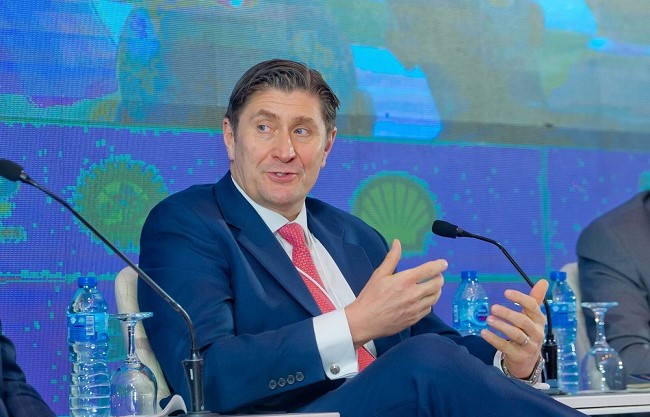
Welcoming participants, Country Chair and Managing Director, Mr. Matthieu Bouyer, emphasised the importance of collective responsibility in achieving safety goals. “The objective of this forum is to share key initiatives, identify improvement actions, and engage in meaningful dialogue around safety, operational risks, and culture. Our goal is simple: to ensure that every person working on our sites returns home safely at the end of each day or shift,” he said.

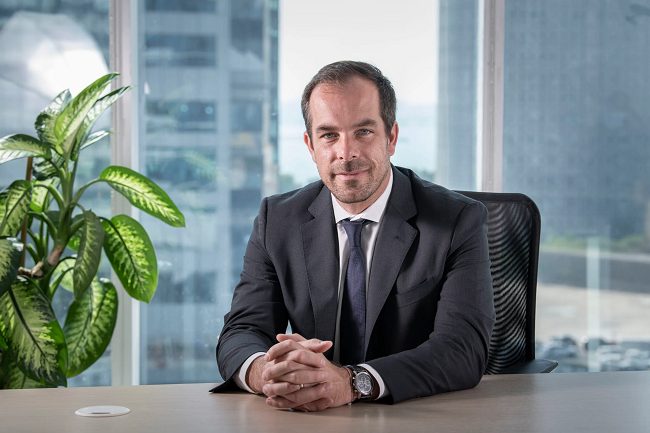
Matthieu Bouyer
Matthieu Bouyer, Country Chair and Managing Director, TotalEnergies

Mr. Bouyer reiterated that safety is a core value at TotalEnergies – one that must be upheld consistently across all operations. He noted that the forum’s theme aligns closely with the SABI project, which focuses on strengthening operational control and embedding a proactive safety culture across all sites and offices.

He highlighted the critical role contractors play in the success of Project SABI. “Contractors account for approximately 70% of our manhours and are often more exposed to operational risks. In many cases, serious incidents affect contractor personnel rather than TotalEnergies staff. If we are to sustain the benefits of this project, collaboration between our organizations at every level is essential,” he stated.

Addressing the contractor MDs in attendance, Mr. Bouyer called for leadership and accountability in driving safety performance. He outlined five key pillars of responsibility:

  1. Know and enforce safety rules – even when they exceed industry standards.
  2. Ensure personnel are trained, equipped, and empowered to work safely. Leadership cannot be delegated.
  3. Foster a culture of speaking up. Employees must feel safe to report unsafe acts or conditions without fear of reprimand.
  4. Learn from incidents. Organisations must investigate and act to prevent recurrence.
  5. Implement fair recognition and consequences. A just safety culture rewards safe behavior and addresses lapses constructively.

“SABI is not just a project – it’s a mindset shift,” Mr. Bouyer concluded. “It reflects our commitment to safe, robust operations. I urge you to support and implement SABI-related actions to help us build a workplace where safety is everyone’s responsibility.”

Highlights of the event included a syndicate session, a detailed presentation on the SABI project, award recognitions, and the validation of the Safe Driving Charter of Commitment.

WaterAid, PepsiCo Foundation wrap up transformative WASH project in Lagos

WaterAid Nigeria has officially closed out its three-year Water, Sanitation and Hygiene (WASH) Improvement Project, funded by the PepsiCo Foundation, with a call on beneficiary communities, schools, and government authorities to ensure the sustainability of the interventions across Lagos State.

The event, held as a closeout meeting with key stakeholders, brought together representatives from the Lagos State Government, Local Council Development Areas (LCDAs), education districts, community development committees (CDCs), and school management authorities.

The project, implemented across three LCDAs, provided sustainable access to clean water, improved sanitation, and hygiene education to thousands of residents and students in underserved communities.

WaterAid
Participants at the WaterAid, PepsiCo Foundation closeout meeting in Lagos

Speaking at the event, Dr. Adebayo Alao, Lagos State Lead of WaterAid, emphasised the organisation’s commitment to maintaining high standards in all water interventions.

“If you treat to quality, you treat to standard. Once facilities are not built to standard, they fail easily,” Dr. Alao said. “That is why WaterAid has resolved to stop rehabilitating old boreholes we have no history of. Instead, we build new ones that meet required quality standards.”

Dr. Alao explained that the decision was informed by experiences showing that many previously existing boreholes had unknown drilling depths, poor quality materials, or inadequate treatment systems, making maintenance difficult.

“Every community or school deserves facilities that meet the right standards. However, maintenance must be the responsibility of the beneficiaries,” he added. “That’s why we are involving state and local governments, school authorities, and community representatives – to ensure that everyone plays a role in sustaining what we have built.”

He further urged schools to appoint “hygiene champions” to promote proper sanitation practices among students, adding that children should be seen as change agents capable of influencing hygiene culture in society.

Mr. Godfrey Iloha, WaterAid Nigeria’s WASH Manager, outlined the project’s major achievements, highlighting that it had delivered on all four of its primary objectives.

“The PepsiCo-funded project provided access to safe water and sanitation, empowered women, promoted hygiene behavior change, and strengthened systems within the state,” Iloha said.

“We directly reached over 43,000 people through water and sanitation infrastructure, and more than 100,000 others through hygiene behavior campaigns.”

He noted that 35 female local area mechanics were trained to operate and maintain solar-powered water systems – empowering women economically and technically.

The project also supported the Lagos State Government in developing a Monitoring and Evaluation (M&E) framework, laying the groundwork for a state-level Management Information System (MIS) for WASH interventions.

“Sustainability is key. Communities must take ownership, protect facilities against vandalism, and continue to engage government for support,” he urged.

Community leaders from beneficiary LCDAs expressed gratitude for the project’s impact on schools and residents.

Prince Adeniran Ogunbanwo, CDC Chairman of Ikorodu North LCDA, lauded the transformation brought by the intervention.

“Before WaterAid came, there was nothing to write home about in those schools. Today, the facilities are functional and have brought relief to our communities,” he said.

“We have taken ownership of the projects. The council’s WASH department now monitors the facilities, and our female mechanics are on standby for maintenance.”

Similarly, Comrade Segun Fayemi, CDC Chairman of Ojodu LCDA, said the initiative improved collaboration between schools and communities.

“There’s now better synergy between the schools, administrators, and communities,” Fayemi noted. “The project has raised awareness about hygiene and even changed policies – for instance, principals no longer accept sanitary donations without verification from district authorities” Fayemi noted. 

Dr. Kudirat Olubukunola Adeyemi, Environmental Officer for Education District VI, said the interventions significantly enhanced the learning environment in beneficiary schools.

“The improved toilet and water facilities at Academia Junior Grammar School and Odundu Junior High School have increased punctuality and attendance. Students now have access to clean, functional conveniences, which has boosted concentration and learning outcomes,” she said.

Dr. Adeyemi, delivering a goodwill message on behalf of the Tutor-General/Permanent Secretary of District VI, Mrs. Yusuf Mojisola Christiana, also appealed for the continuation and expansion of the partnership.

“While this is a closeout event, we believe the PepsiCo–WaterAid collaboration should be renewed and extended to more schools,” she stated.

Grace Uwadiale, WaterAid’s WASH Officer, emphasised the importance of sustaining the facilities and structures built through the project.

“We’ve established local WASH structures such as community WASH committees and school Environmental Health Clubs. These systems are meant to ensure long-term maintenance and sustainability. We don’t want to take over government’s role. Our goal is to influence policy and encourage government to replicate and scale up these models across other communities and institutions,” she explained.

Dr. Alao also revealed that while PepsiCo Foundation’s support has ended, discussions are ongoing with DP World, another global donor, to continue advancing WaterAid’s large-scale water supply initiatives targeting up to 1 million people in the future.

Over the past three years, the WaterAid–PepsiCo partnership has shown that strategic collaboration, community ownership, and system strengthening can drive lasting improvements in public health and education.

As the project closes, stakeholders reaffirmed their commitment to sustaining its legacy – ensuring that every community continues to enjoy the benefits of safe water, improved sanitation, and hygiene for all.

By Ajibola Adedoye

Over 600 African faith leaders demand reparations from Gates Foundation

A continental call for justice is rising from Africa’s faith communities. Well over 600 faith leaders from across the continent have signed a renewed open letter to the Gates Foundation, demanding reparations for the ecological and social harm caused by industrial agriculture and urging a just transition toward agroecology.

The milestone marks a surge in support for the campaign, led by the Southern African Faith Communities’ Environment Institute (SAFCEI) and supported by networks such as the Alliance for Food Sovereignty in Africa (AFSA). The letter continues and strengthens the first direct appeal to the Gates Foundation in 2020, to end funding for the failing Green Revolution model in Africa, which seeks to change African seed laws and industrialise farming production.

Gates Foundation
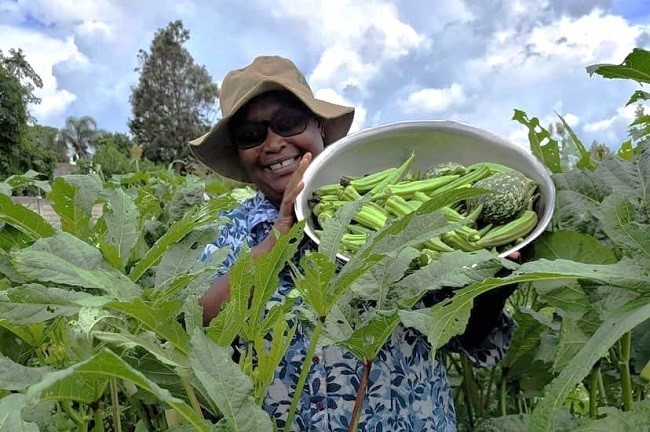
Doreen Badze, a traditional healer and agroecologist, leads the way in restoring Africa’s food sovereignty. From planting seeds to harvesting nutritious crops like spinach and okra, she demonstrates how women farmers are healing the land, empowering communities, and nurturing sustainable, ecologically sound food systems

The updated letter, officially launched at the “Advancing Gender Equity in Climate Leadership” evening event on Africa Day for Food and Nutrition Security (October 29, 2025), underscores a growing consensus among faith, traditional, and community leaders that Africa’s food future must be locally rooted, ecologically sound, and socially just. Their call comes amid mounting evidence that hunger has risen by over 30% in countries targeted by the Alliance for a Green Revolution in Africa (AGRA), despite more than US$1 billion invested.

“Instead of lifting farmers out of poverty, AGRA’s industrial agriculture model has deepened financial dependency, depleted soil fertility, and undermined the sovereignty and resilience of smallholder communities in Africa. Therefore, as we launch this letter, we call upon the Gates Foundation to pay reparations to the smallholder farmers in Africa who have been affected by the industrial agriculture that the Foundation supports,” said Gabriel Manyangadze, Food and Climate Justice Manager at SAFCEI.

“We have seen a rise in hunger, a decline in nutrient-rich local crops, and a rash of new policies that undermine farmers’ rights over their own seeds. It is time for the Gates Foundation to reconsider its approach, acknowledge the harm caused, and invest in restoring the resilience of Africa’s farmers and ecosystems,” adds Manyangadze, who continues to monitor and track their actions, and engage in a number of different spaces related to their funded efforts.

The movement’s growing momentum underscores the moral and ecological urgency of reimagining food systems in line with the principles of justice, sustainability, and shared prosperity.

Women’s leadership stands at the heart of this call for transformation. “Reparations matter now because decades of industrial agriculture-driven harm demand a restorative turn,” said Ulfat Masibo, Executive Director of the Africa Muslim Women Action Network in Kenya. “As faith communities, we have a duty to protect life, dignity, and the land. Funders and policymakers must invest in repair, uplift women’s leadership, and support local, resilient food systems that nurture rather than exploit creation.”

From rural Zimbabwe, traditional healer and agroecologist, Doreen Badze, shared a grounded perspective on what reparations mean for women farmers. She says, “Chemical farming has harmed our soils and communities. Returning to agroecological ways restores the earth, honours the Creator, and reconnects us to our ancestral wisdom. Reparations are not just about money – they are about healing our relationship with the land and each other.”

Faith leaders argue that the continued promotion of industrial farming models by the Gates Foundation, through programmes like AGRA, undermines the very goals of ending hunger and poverty. Independent research from Tufts University and other institutions has revealed that the Green Revolution in Africa has failed to deliver promised yield increases or improve rural livelihoods, while depleting natural resources and reducing biodiversity. Instead, agroecology – a holistic, locally-led approach to farming – has emerged as a proven pathway to food sovereignty, ecological restoration, and climate resilience.

Francesca de Gasparis, SAFCEI’s Executive Director, emphasised that faith communities are not only moral voices but active agents of change. “Across the continent, people of faith and institutions such as churches, mosques, temples, as well as traditional leaders are standing together to defend life and the integrity of the land, and the whole of creation.

This growing alliance of well over 600 faith leader signatories shows the strength in a united call for reparations and a radical shift toward agroecology, with supporting organisations and individuals we are near to 1000 signatories. Now is the time for funders, governments, and policymakers to listen and act.”

The campaign’s timing is strategic. With international funders reviewing climate and agricultural portfolios, ahead of major global summits, African voices are demanding a seat at the table. Development financing must no longer deepen dependency or ecological destruction but should instead nurture community-led, gender-just, and ecologically regenerative farming systems that protect both people and the planet.

SAFCEI is urging all faith-based and community organisations, as well as members of the public to sign the letter and stand in solidarity with African faith leaders and call for reparations and a just transition. The letter will remain open for additional signatures until the end of November 2025, when it will be formally delivered to the Gates Foundation.

IPCC agrees on scientific content of remaining methodology report in seventh assessment cycle 

0

The member governments of the Intergovernmental Panel on Climate Change (IPCC) agreed on the scientific content of the 2027 Methodology Report on Carbon Dioxide Removal Technologies, Carbon Capture Utilisation and Storage at the Panel’s 63rd Plenary session, which closed this evening in Lima, Peru.

This is one of two methodology reports of the seventh assessment cycle. Carbon Dioxide Removal refers to anthropogenic activities that remove CO2 from the atmosphere and store it durably in geological reservoirs or in products.

The decision opens the next important stage in the report production in which member governments, observer organisations, and IPCC Bureau members will nominate experts to serve as authors.

Jim Skea
Jim Skea, IPCC Chair

With this decision, the entire scientific content of all planned reports for the seventh assessment cycle has been agreed upon, clearing the way for their production.

The Panel also agreed on the 2026 workplan for the three Working Group contributions to the Seventh Assessment Report (AR7). The Panel invited the three Working Groups to continue their work by convening Lead Author meetings and other activities planned and budgeted for 2026. The work on the three Working Group contributions to the Seventh Assessment Report will kick off in Paris already in December this year with the first-ever joint Lead Author meeting.

“Panel’s decisions in Lima give strong impetus to our work on our methodology reports and ensure the continuity of IPCC scientific activities and operations related to the production of the three Working Group contributions to the Seventh Assessment Report,” said IPCC Chair, Jim Skea.

The three Working Group contributions assess the physical science basis of climate change; impacts, adaptation and vulnerability; and mitigation of climate change.

The Panel also approved IPCC’s overall budget for 2026.

Plateau, Chinese outfit sign N13.5bn contract to rehabilitate water treatment plants

The Plateau State Government has signed a N13.5 billion contract with the China Geo-Engineering Corporation (CGC) to rehabilitate the Laminga and Yakubu Gowon water treatment plants in the state.

Gov. Caleb Mutfwang signed the contract on behalf of the state government on Friday, October 31, 2025, in Jos, the state capital.

Mutfwang, represented by Mr. Samuel Jatau, the Secretary to the State Government (SSG), said the move indicated government’s effort towards the provision of potable water to residents of the greater Jos Master Plan.

Caleb Mutfwang
Governor Caleb Mutfwang of Plateau State

Mutfwang explained that the bidding for contract, which went through due and deligent process, was later awarded to CGC.

The governor, who explained that the rehabilitation of the treatment plants was time bound, said that the projects would be completed in December 2026.

He called on the contractor to execute the projects based on the stipulated guidelines, quality and standards.

Mutfwang assured the contractor of the availability of funds towards err the completion of the projects within the specified timeframe.

Earlier, Mr. Apollos Samchi, the Managing Director of the Jos Water Services Corporation (JWSC), commended the governor for paying the counterpart fund to the French Development Agency (AFD) for the execution of the projects.

Samchi said that the projects, inherited from the previous administration was stalled due to lack of counterpart funding.

“The Yakubu Gowon water treatment plant which provides 80 per cent of the water within Jos and environs has not been rehabilitated in the last 50 years.

“So, we commend our governor for releasing the counterpart funds for these critical projects.

“By the time these treatment plants are rehabilitated it will boost our capacity to ensure effective water circulation within Jos and environs,” he said.

The managing director further commended the governor for providing three water tankers to corporation and for rehabilitating 60 motorised boreholes and 300 wells in areas yet to be reticulated.

Responding, Mr. Ke You Cheng, the Team Lead of CGC, promised to deliver the projects within specification and record time.

By Blessing Odega