Home Blog Page 151

Fortune charms craze threatens vulture population in Kano

0

At the Kofar Mazugal abattoir in Kano, the morning air in September 2025 reeks of blood and smoke. Butchers hurry between carcasses, blades flash, and the cries of cows, goats, and camels pierce the din. For decades, this chaos drew hundreds of vultures circling and swooping on the remains.

Today, not one hovers over the slaughter slab. A mix of economic desperation, deep-rooted belief, and weak environmental enforcement is driving vultures toward extinction.

“The vultures would come around here in the morning and leave in the evening,” recalls Zubairu Lawal, a 64-year-old butcher who has worked here since his youth. “In the 1990s, they were in their hundreds. We butchers never killed them. They just came to feed on the remains of the animals. Now, I have not seen one for years.”
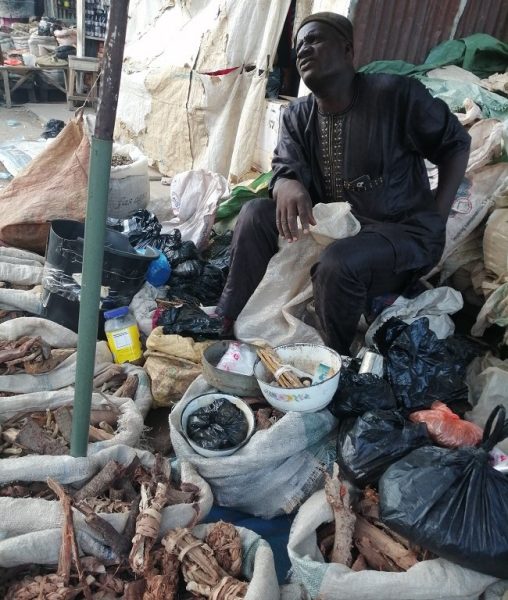
Traditional doctor
Traditional doctor, Naziru Usama, is attending to his customers. Photo credit: Francis Annagu | Dataphyte

Where hundreds of vultures once fed, only the cattle egret (belbela in Hausa), a smaller scavenger bird, now picks at scraps. “The younger generation confuses them with vultures,” Mr. Lawal says, shaking his head. “Vultures are gone. What we have now are cattle egrets.”

Once nature’s free waste managers, vultures are disappearing from Kano, northern Nigeria’s main cultural and trade centre, not from disease or habitat loss but from a growing trade in their body parts for fortune charms and traditional medicine.

In Rimi and Kurmi markets, two of Kano’s oldest trading centres known for their herbal and spiritual medicine stalls, vultures have become prized commodities. Their parts now fuel a shadow economy of hunters and healers who cater to clients seeking luck, power, or protection.

“Everything About a Vulture is Costly”

At Rimi Market, known for its clusters of herbal medicine stalls and animal part traders, healers and merchants sell powders, skins, bones, and charms used in traditional rituals. Within this bustling mix of commerce and spirituality, the vulture trade has found fertile ground and continues to thrive.

Under a roadside umbrella in Rimi Market, traditional healer Naziru Usama mixes herbs for a customer, then lowers his voice. “Everything about a vulture is costly,” he says. “The head alone costs N60,000.”

Mr. Usama, who has practised traditional medicine for decades, says vultures are now scarce in Kano, found only deep in forests between Kano and Bauchi, or farther away in Taraba and Cameroon.

“We get different kinds of orders,” he explains. “Some ask for the eyes, feet, or even the things vultures pick from the ground. Someone once offered N500,000 for two vultures.”

He smiles faintly. “Just last week, someone offered N750,000 for the one I have, but I declined.”

During a visit to Mr Usama’s stall, he led Dataphyte into a dimly lit room beside his shop, where a vulture stood confined in a rough wooden cage. Mr. Usama explained that the bird’s parts are used for charms and incense rituals.

“There’s a charm I make using the wings,” he said. “After burning them on coal, we use the smoke to bathe or sprinkle on a person. It brings good luck. We call it turaren wuta, a burning incense believed to carry supernatural powers.”

Mr. Usama’s account echoes what conservationists have warned for years: that belief in the mystical potency of vultures, especially for fortune charms known locally as tsaraka, is fast driving the species toward extinction.

When Dataphyte asked if herbs could be used instead, he replied, “It depends on the strength of the charm. You can find herbs, yes, but they’re not as effective. That’s why people insist on using the bird.”

He paused, glancing at the caged vulture. “In the last ten years, everyone wants quick luck,” he said quietly, then added, “That’s why the demand has grown.”

“When We Were Growing Up…”

Abubakar Umaru Manu, a 72-year-old community elder in Gwale, recalls a different time when Dataphyte visited his home.

“When we were growing up in the 1960s and 1970s, vultures roamed our communities,” he says. “Today, they’ve been hunted down by humans. The young people, those in their thirties, don’t know them; they have never seen one unless on television.” To him, this generational disappearance is a terrible loss. “If an entire generation grows up never seeing what was formerly common,” he says, “then we have lost part of ourselves.”

His reflection captures a disturbing truth in northern Nigeria’s biodiversity crisis, the slow, unnoticed extinction of species once integral to everyday life.

Back at the abattoir, his words ring true. Nearby, a group of younger butchers laugh as they work. When Dataphyte asked if any of them had ever seen a vulture alive, not one had.

Between Beliefs, Fortune, and Extinction

At Kurmi market, Dr Garba Gaye Sulaiman, a herb seller trained in both traditional medicine and public health, tries to bridge the worlds of science and tradition.

“We know vultures have always had a place in Hausa healing,” he explains. “People come looking for protection from poison, from business failure, from spiritual attack. They believe the bird’s strength comes from surviving on the dead without falling ill.”

His small shop smells of dried animal skins, bones, shells, and incense. Jars filled with powders and roots line the entrance. “For protection from hidden poison,” he says, “we use the head or eyes. Sometimes we dry the feathers and burn them. The patient inhales the smoke or bathes in it.”

But he admits to a moral struggle. “I know killing vultures is illegal. They are disappearing. I tell my colleagues to use substitutes. The power lies in the prayer and ritual, not just the animal. But still, some insist, they believe the real power is in the bird.”

He leans forward and sighs. “In the last decade, the demand for charms has surged,” he adds. “People feel helpless and seek power wherever they can find it.”

Dr Sulaiman believes education could offer hope. “We can keep our culture without destroying nature,” he says. “If we teach people that prayer and faith are what make the charm work, maybe the vultures will survive.”

But he adds wistfully, “As long as poverty and fear remain, people will keep looking for power no matter the cost.”

The Numbers Behind the Silence

In 2017 and 2018, NCF surveys found no vultures left in the wild in Kano, suggesting possible local extinction. Similarly, a 2025 Mongabay report documents how hooded vultures are vanishing from traditional urban food sources such as slaughterhouses and dumps, citing ethno-ornithological surveys in Kano and Ekiti where vultures appear to be driven out or extinct in many human-associated sites. Adding to this, local birdwatchers interviewed by Dataphyte said no vultures have been seen in the city for nearly a decade.

At the Audu Bako Zoo, the state’s main wildlife and recreational park, and one of the oldest and most popular zoos in Nigeria, birdwatchers familiar with the city’s wildlife recall their last sighting of vultures was around 2014 near Challawa industrial area, where they used to scavenge around open dumps. They noticed that by 2015 the birds were gone, now being replaced by swarms of perching birds. They link the decline to urban expansion, pollution, and growing trafficking in vulture parts.

Small populations could be seen only in protected areas such as Yankari Game Reserve in Bauchi and Gashaka Gumti National Park in Taraba, as well as tiny groups across the border in Cameroon.

Data from the National Conservation Foundation, BirdLife International, and the International Union for Conservation of Nature (IUCN) show that vulture populations in Nigeria and West Africa have declined by at least 80% in recent decades. The Hooded Vulture, once common, has recorded a 94% decline in Plateau State between 2017 and 2024. The White-backed and Rüppell’s vultures have each declined by over 90% across West Africa.

The Hooded Vulture is now classified as Critically Endangered by IUCN; its disappearance is most rapid in northern states where belief-based trade remains widespread.

Economy of Extinction

The economics are simple but devastating. A vulture head sells for N60,000. A whole bird can reach N750,000. The rarer the bird, the higher the price.

This illegal trade connects hunters, herbalists, and wealthy clients through secret networks. “The vultures used to be ignored by hunters,” says Mr. Usama. “Now, even the things they pick from the ground, what we locally call ‘shekan su’, are highly priced.”

He admits that some of his buyers are businessmen or politicians seeking good fortune or protection. “They don’t want to be seen,” he says. “They send others to collect for them.”

A Law Without Teeth

At the National Environmental Standards and Regulations Enforcement Agency (NESREA) office, Head of Conservation Monitoring, Gbenga Joshua Kolawole, says the agency has no record of arrests or seizures related to vultures in the past five years.

“There is no data on any case involving vultures,” he confirms. “The species is listed under Schedule II of the Endangered Species Act and Appendix II of CITES, which means hunting or selling it without a permit is illegal. The law provides for fines or imprisonment for offenders.”

Yet enforcement is virtually nonexistent. When asked to make comments about challenges in monitoring markets like Rimi or Kurmi, Kolawole replies, “According to our officers in Kano, there are no challenges in carrying out our duties.”

Although the vulture trade happens openly in some markets, traders have grown more cautious in recent years. Increased awareness campaigns and occasional enforcement actions have made many dealers more discreet, preferring to transact only with trusted buyers.

NESREA says it conducts sensitisation campaigns with NGOs and traditional leaders, but none of the traders interviewed could recall any such effort. “Nobody has ever come here to teach us about vultures or wildlife,” said one herb seller at Rimi market, who spoke to Dataphyte off the record.

Vanishing Scavengers, Rising Risks

“The Hausa believe the vulture’s power lies in its immunity,” says Mr. Lawal. “It feeds on dead animals but never dies. That’s why people think it can protect against poison.”

That belief endures even as the birds disappear. Without vultures, carcasses are left to rot in the open. “Now,” Mr Lawal adds, “flies are everywhere.”

Experts agree that the loss of vultures worsens waste management and public health around abattoirs. A Stanford University study shows that about 36% of scavenger populations are threatened or in decline globally.

The Director-General of the Nigerian Conservation Foundation (NCF), Dr Joseph Onoja, warned in an interview with Periscope International: “If we don’t take urgent action to preserve what remains and halt further decline, we risk driving vultures into extinction through human activities.”

By Francis Annagu

This story was produced as part of Dataphyte Foundation’s Biodiversity Media Initiative project, with support from Internews’ Earth Journalism Network


Sustaining the lead in Climate Governance Ranking 2025 a collective triumph for all Lagosians

0

As the Honourable Commissioner of Environment and Water Resources of Lagos State, it is with immense pride that I reflect on the performance of Lagos State in the 2nd Edition of the Subnational Climate Governance Performance Ranking (SCGPR 2.0) developed and released by the Society for Planet and Prosperity (SPP), under the leadership of Professor Chukwumerije Okereke, in collaboration with the Department of Climate Change (DCC), Federal Ministry of Environment, and other development partners – the report of which was launched in Abuja on October 14, 2025, by the Honourable Minister of Environment, Mr. Balarabe Abbas.

For two consecutive years now, Lagos has been rated Nigeria’s best-performing state in Climate Governance, this time scoring 315 out of 360. This achievement is not just about numbers; it reflects years of deliberate work, strong policies, and the collective effort of every stakeholder, our agencies, partners, and the people of Lagos in advancing climate action. It also shows how evidence-based benchmarking such as the SCGPR directly drives innovation, institutional reform, and service delivery.

Tokunbo Wahab
Lagos State Commissioner for the Environment and Water Resources, Tokunbo Wahab

By continuously aligning our priorities with the ranking indicators, we have been able to focus on high-impact sectors – protecting more than 3 million residents in flood-prone areas, supporting over 150,000 households with cleaner energy options, and strengthening livelihood resilience across our 57 Local Government Areas (LGAs) and associated Local Council Development Areas (LCDAs). Our goal remains to keep Lagos at the forefront of environmental sustainability and climate resilience, while ensuring that every policy we implement improves livelihoods, reduces vulnerability, and enhances the well-being of Lagosians.

Over the years, Lagos State has strengthened its institutional architecture by integrating climate and environmental functions across its respective Ministries, Departments, and Agencies – a policy direction which I am glad is recognised and valued in the ranking methodology. Lagos also has a dedicated Department of Climate Change and Environmental Planning where cross-sectoral actions spanning transport, energy, waste, and water are coordinated. This institutional synergy, reinforced by insights from the ranking framework, has improved efficiency in service delivery, reducing duplication of efforts and ensuring that climate benefits reach citizens faster and at lower cost.

Through this, we have developed the Lagos Climate Adaptation and Resilience Action Plan, which includes vulnerability mapping and sectoral coordination with project pipelines. We equally have the Lekki Low-Carbon Demonstration Zone (LLCDZ), developed in partnership with China and local investors – an ambitious innovation that seeks to reduce carbon emissions by establishing a low-carbon zone in the Lekki Free Trade Zone.

This project alone is projected to attract over ₦120 billion in green investments, create 5,000 direct and indirect jobs, and cut carbon emissions by an estimated 200,000 tonnes annually. These initiatives are not only mitigating greenhouse-gas emissions but also stimulating economic growth and creating inclusive opportunities for Lagosians.

As one of the first states to have a climate change policy and several action plans, Lagos State has updated its environmental standards and legal codes, including flood-control ordinances, waste regulations, and green-building standards. We have also concluded our Clean Cookstove and Carbon Offset Policy and launched the first subnational carbon exchange in Africa (the second globally after Canada). Through this platform, more than 100 small and medium-scale enterprises are expected to benefit from carbon credit trading by 2026, generating up to $15 million annually in new green income streams and enabling households to transition away from firewood and kerosene.

One of the criterion for the ranking project is climate finance and budgeting where Lagos also toped the chart.  Following insights from the ranking methodology, Lagos has continued to improve on its financial commitment to climate resilience, providing budget lines for urban greening, flood mitigation, and renewable energy. Through the Lagos State carbon exchange, we are targeting emissions reduction across the 20 Local Government Areas (LGAs) and 37 Local Council Development Areas (LCDAs) with ₦1 billion annual green allocations per LGA. These investments have already helped upgrade over 40 critical drainage systems, reducing flood-related losses that used to cost the state an estimated ₦45 billion yearly, while simultaneously improving water quality and public health outcomes.

In Lagos, we translate policies and plans into measurable outcomes. We are on course with the 8 MW first-of-its-kind Floating Solar PV Plant at Lagos State University; Rooftop Solar Programme targeting 10,000 homes; and Waste-to-Wealth Initiatives that have created over 12,000 green jobs in waste recycling and resource recovery. Collectively, these initiatives are providing cleaner electricity to educational and healthcare institutions serving more than 500,000 people, reducing dependence on diesel, and cutting annual emissions by over 50,000 tonnes of CO₂ equivalent. We are committed to effective communication that ensures the Lagos public takes ownership of climate progress. We also use social media, press briefings, and digital storytelling to convey our stories and inspire behavioural change.

Lagos State has a culture of excellence. While it is gratifying to top the ranking table, we see it as a renewed call to deepen innovation, broaden citizen and stakeholder engagement, and enhance our green-financing portfolios as we strengthen collaboration and expand our resilience footprint. The Ranking has reinforced an accountability loop that ensures climate commitments are not abstract promises but concrete actions that protect lives, reduce poverty, and enhance urban well-being.

Our leadership in SCGPR 2.0 confirms that sustained institutional commitment, credible funding, and visible accountability are the true pillars of climate progress. The Subnational Rating and Ranking has provided a transparent yardstick that keeps us accountable and has catalysed wider peer learning – inspiring at least ten other states to adopt similar climate planning frameworks and budget tracking systems. We thank the Honourable Minister for Environment, Hon. Balarabe Abbas Lawal, for owning this laudable initiative.

We dedicate this achievement to every Lagosian, to the visionary ambition of Governor Babajide Sanwo-Olu, and to all our partners in building a cleaner, safer, and more sustainable future. We will continue to lead by example – for Nigeria, for Africa, and for our planet. When Lagos leads, over 25 million people benefit – through better waste management, cleaner energy, safer housing, and new opportunities for green enterprise. Come SCGPR 3.0, I believe Lagos will lead again with Nigeria benefiting, and the planet winning.

By Barr Tokunbo Wahab, Commissioner of Environment and Water Resources, Lagos Sate

EU Commission invests almost €3bn in clean tech projects

0

The European Commission announced on Monday, November 3, 2025, to fund different innovative projects in Europe aimed at reducing climate-damaging emissions with a total of €2.9 billion ($3.3 billion).

The 61 selected initiatives span across 19 industrial sectors and 18 European countries.

“The focus is on energy-intensive industries, renewable energy and energy storage, net-zero mobility and buildings, cleantech manufacturing and industrial carbon management,” a press release said.

Ursula von der Leyen
Ursula von der Leyen, President of the European Commission

Most of the projects will be based in France, Spain, Belgium, Finland, and Norway. Two projects from Germany are also among the awarded initiatives.

The projects have the potential to save around 221 million tons of CO2-equivalent in their first 10 years of operation, the commission said, which represents the annual emission of almost 10 million cars.

The funding for the grants comes from revenues from the European Union’s emissions trading scheme (EU ETS), which aims to support the bloc’s transition to climate neutrality.

Experts want increased participation of women in Nigeria’s ocean economy

0

Stakeholders in the Nigerian Maritime and Energy Sectors, on Sunday, November 2, 2025, said that increased participation of women in the nation’s ocean economy is crucial to unlocking potentials of the blue economy.

They made this known in separate interviews in Lagos.

Mrs. Nneka Obianyor, Director of Reforms Coordination and Blue Economy, Nigerian Maritime Administration and Safety Agency (NIMASA), said that the ocean economy globally generates above $2.5 trillion annually.

Adegboyega Oyetola
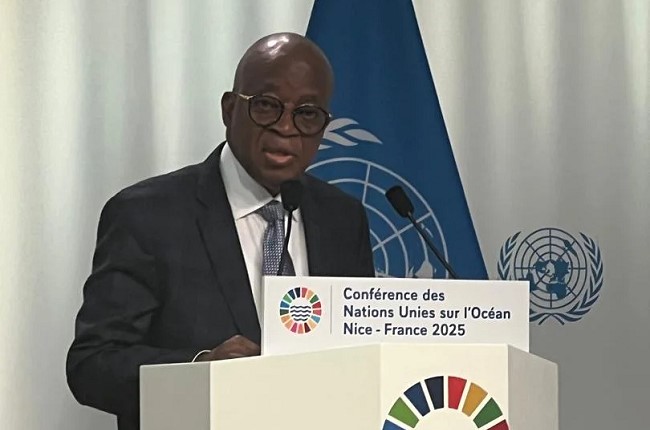
Minister of Marine and Blue Economy, Adgboyega Oyetola, addressing the United Nations Ocean Conference in Nice, France on June 10

According to her, the ocean economy serves as a key driver of trade, food security, and innovation, adding that Nigeria and Africa generally, should harness the potentials of its blue economy by unlocking the capabilities of women.

“The ocean economy is a key engine for growth in Africa; but to fully unlock its potential, we must unlock the talents of women.

“The maritime industry remains one of the world’s most male dominated sectors, with women representing less than two per cent of seafarers and about 10 per cent of leadership positions.

“In Nigeria and West Africa, women are making visible progress in logistics, administration, academia, and policymaking.

“We now see female ship captains, port managers, and maritime lawyers; Yet, women remain underrepresented in seafaring, port operations, and technical roles,” she said.

She outlined core principles for gender inclusion, such as: Leadership for gender equality, inclusive governance, access to resources, capacity building, workplace safety, education in ocean sciences, gendered marine conservation, and community advocacy.

Obianyor noted that a sustainable and inclusive ocean economy depends on integrating empowerment principles that can tackle systemic barriers against women.

Another maritime expert, Capt. Eddidong Akpanebe, identified cultural barriers and gender stereotypes as major obstacles to women’s participation, warning that Africa could not afford to underutilise half of its talent pool.

Citing the United Nations Women Empowerment Principles (WEPs), she said that the framework provides a corporate structure for gender equality across industries but needs to be tailored to suit Africa’s maritime realities.

Akpanebe proposed key actions to promote inclusivity including embedding gender considerations in blue economy policies, building female talent pipelines, unlocking capital for women-led ventures among others

In the same vein, Chairperson, Downstream, Women in Energy, Oil and Gas (WEOG), Mrs. Ruth Audu-Nungh, noted that both the ocean and energy sectors have for long been male-dominated.

She harped on the importance of mentorship and knowledge transfer for young women entering the field and urged then to remain resilient, build professional visions, and seek mentorship to excel in the blue economy.

By Aisha Cole

Young planner expresses displeasure with 2025 NITP conference

0

A young urban planner based in Abuja, Ezekiel Ufuoma Lucky, has frowned at the conduct of the 56th International Conference and Annual General Meeting (AGM) of the Nigerian Institute of Town Planners (NITP) that held in the federal capital city from October 27 to 30, 2025.

In an open letter titled “A Cry for Order: A Young Planner’s Displeasure with the Ongoing 2025 NITP Conference” and addressed to the National Executive Council of the NITP, Lucky picked holes in issues related to conference registration and organisation, venue and facilities, registration fees and value, and youth inclusion, among others.

Lucky, who stated that the letter is written in sincerity with no intention to undermine the institute’s efforts, described as “truly embarrassing” a situation whereby “an organisation advocating for smart cities and digital futures should rely on manual registration in 2025”.

Chime Ogbonna
President of the NITP, Dr Chime Ogbonna,

“In an era marked by digital transformation, it is remarkable that manual registration still prevails. Long queues, confused participants, and paper sign-ins create a scene that clashes with the professional image of organisers. One might expect at least a digital front desk system where attendees can check in efficiently using laptops or QR codes. Instead, we observe disorganisation, delays, and confusion, all of which are avoidable through basic digital planning,” he noted.

The town planner further described the venue as “equally disappointing due to its inadequacy”.

His words: “The main hall was severely too small for the number of attendees, with over 40% of participants forced to stand or sit outside, unable to follow the proceedings properly. For an event of this scale, such poor spatial planning undermines the core principles of our profession.

“The condition of the facilities was also quite disappointing. The amenities were in a dreadful state, with only one of four loos working, and even that was unhygienic. It is hard to reconcile this with a professional gathering supposedly focused on sustainable and inclusive environments.”

He flayed the increase in registration fees, saying that standard fee doubled from ₦50,000 last year to ₦100,000 this year for individual members, and student members’ fees rose from ₦20,000 to ₦50,000. Despite the higher costs, he lamented that the quality of organisation, materials, and overall experience for participants declined.

“Students, especially, felt disappointed. Their conference pack consisted only of a plain file bag and a journal, with no conference material, a disrespect to their enthusiasm and investment. It is unacceptable to suggest that most of their payment was used for ‘feeding’. Students attend conferences mainly to learn, network, and seek exposure, not just to eat.

“If the institute no longer wishes to engage student members meaningfully, it is better to suspend such membership categories than to invite them only to belittle their contribution and participation,” Lucky advised.

Decrying a perceived absence of youth inclusion, he wrote: “Maybe the most upsetting aspect of this conference is how young planners are completely shut out from panel sessions and key discussions.

“How can a professional organisation that frequently promotes ‘future sustainability’ and ‘participatory planning’ ignore the very group that represents the future?

“It’s frustrating to attend sessions on ‘digital futures’ and ‘smart planning’ where no young planner or young person has been invited to share insights or ideas. The same familiar faces keep rotating through these events each year without any genuine change, and this is said without any disrespect.

“The young planners are not asking for special privileges; inclusion is the straightforward way forward. They deserve the chance to have a seat at the table and a voice in shaping the future that will soon be ours to shoulder. If we are not involved in discussions about the future of planning now, then when will we be considered ready?”

Making a call for change, Lucky urged the NITP National Executive Council and Conference Planning Committee to henceforth:

  • Engage young planners in panel discussions and planning sessions. Let them contribute ideas and experiences.
  • Collaborate with the Young Planners Forum to co-design future conferences, especially on logistics, technology, and participant engagement.
  • Digitise registration and attendance systems, ensuring efficiency and transparency.
  • Improve venue standards and facilities, ensuring comfort and accessibility for all.
  • Eliminate segregation between professional and student members. If fees are collected, benefits should be proportionate and fair.
  • Establish clear communication and direction systems during conferences, from signposts to information desks, to avoid confusion and crowding.
  • Promote transparency in the use of conference funds, allowing members to know what their payments cover.

First BTR Synthesis Report shows countries implementing Paris Agreement with practical real-world actions – Stiell

0

A statement from UN Climate Change Executive Secretary Simon Stiell on the launch of the BTR Synthesis Report, released on Friday, October 31, 2025

This first Synthesis Report of Biennial Transparency Reports marks another milestone in the implementation of the Paris Agreement.

The submission of over 100 Biennial Transparency Reports is a clear sign that Parties are very actively starting to implement the Paris Agreement, with practical real-world actions, across economies and societies.

Simon Stiell
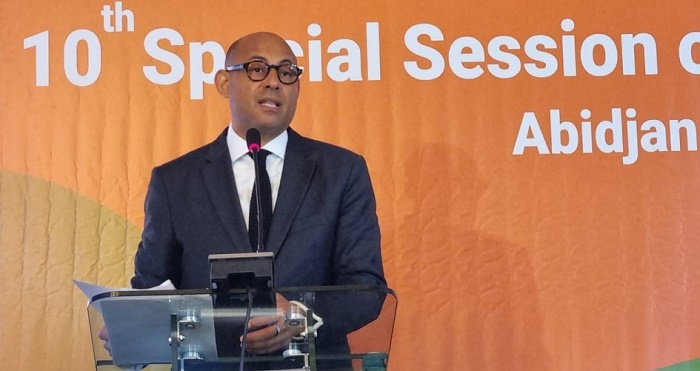
UN Climate Change Executive Secretary, Simon Stiell, speaking at the 10th African Ministerial Conference on the Environment (AMCEN) in Abidjan, Côte d’Ivoire, on September 5, 2024

Based on the first Biennial Transparency Reports from 109 countries, where data are available, this UN Climate Change synthesis report provides a valuable initial picture of countries’ varied progress on the basis of information and data reported up until 2022.

It shows that climate actions are being implemented in a systematic way, and driving real-world progress, but must be broadened and accelerated.

Across every region, countries are putting the Paris Agreement into action – through stronger policies, new institutions, and whole-of-society approaches that are driving change in the real economy.

From renewable energy to electric vehicles, from energy efficiency gains to reforestation and emission trading schemes, to growing attention on adaptation as part of climate change strategies, the evidence is clear: the transition is well under way, but must now speed up and scale up urgently.

The report shines a light on factors driving success, and factors that are holding back faster progress.

Several crucial enablers emerge clearly. More and higher quality finance needs to flow where it’s needed. Strong data and transparency systems are vital. And inclusive, just transitions are crucial to ensure far more people share in the vast human and economic benefits of stronger climate actions, in a fast-changing world.

Several barriers are equally clear, including capacity and data gaps, and a persistent shortfall in finance and technology support for developing nations.

Given this report reflects information and data reported up to 2022, substantial further progress can be expected to have been made on wide-ranging fronts. Our new reports on National Adaptation Plans and Nationally Determined Contributions in recent weeks point to many relevant areas of progress, particularly the increasing evidence of whole-of-economy, whole-of-society climate planning and policy-making, and improving implementation.

The findings from this first Synthesis Report suggest that future reports will show stronger progress – with countries strengthening their transparency systems, expanding the volume and reliability of data, and receiving more targeted capacity building support. These initial reports mark the beginning of a new era of enhanced transparency that will enable more informed decision-making and data-driven climate action.

Looking more immediately ahead, this report provides valuable insights ahead of COP30 in Belem, which will be the world’s moment to respond, and pick up the pace, in this new era of implementation.

COP30 must also send a clear global signal: that nations are unwavering in their commitment to climate cooperation under the Paris Agreement, with strong and concrete outcomes across all key issues.

And it must connect climate action to real lives everywhere, to help spread the vast benefits of climate action to far more people: stronger economies, more jobs, better health and more resilient communities, more affordable and secure clean energy, accessible to all, to name just a few.

This report – along with our recent reports on Nationally Determined Contributions and National Adaptation Plans – all point in the same direction: the Paris Agreement is working, driving climate actions across economies and societies.

But the pace of change does not yet meet the urgency of this moment, as climate disasters hit every nation harder each year, with colossal human and economic costs.

So, I ask you to see this report as both a marker of progress and a call to greater and faster action, at COP30 and every year thereafter.

Lagos residents lament air pollution, seek stricter law enforcement

0

As Lagos continues to battle environmental challenges associated with its rapid urbanisation, residents across the state have raised concerns over its worsening air quality, largely attributed to indiscriminate waste burning, vehicular emissions, and poor sanitation practices.

They disclosed this in separate interviews on Sunday, November 2, 2025, in Lagos.

From Ikorodu to Sasha, Oshodi to Alagbado among others, fumes from refuse fires, exhaust pipes and industrial discharges hang in the air, posing serious threats to public health and the environment.

Tokunbo Wahab
Lagos State Commissioner for the Environment and Water Resources, Tokunbo Wahab

Mrs. Itunu Dada, a civil servant and resident of Ikorodu, disclosed that air pollution in her community is largely caused by refuse burning.

“Instead of patronising the PSP operators, many residents prefer to burn their waste.

“When you go outside, you see fumes of smoke from effluents. This causes cough and chest irritation. Around the markets, refuse dumped on the road median emits offensive odours. It’s appalling,” she said.

Dada called on the Lagos State Government to shut down markets with poor sanitation and strengthen its waste evacuation efforts.

“Those evacuating waste from the drainage leave them for weeks before removing them. When it rains, the waste washes back into the drains. This is not good.

“There should be a task force to monitor illegal dumping and burning of refuse within the metropolis,” she said.

In Sasha, a suburb in the Alimosho Local Government Area, Mrs Stella Lawrence, a teacher, said air pollution has become an everyday reality for residents.

“The huge population of Lagos contributes to it. Many commercial vehicles are not roadworthy and emit thick fumes.

“Generator use also adds to the problem. The government should ban unfit vehicles and ensure the PSPs remove refuse regularly to discourage waste burning. Providing regular electricity supply will also help to reduce generator fumes,” she added.

Similarly, Miss Chioma Ndukwe, a communications expert and resident of Okota, said air pollution has become severe in densely populated areas such as Oshodi.

“When you walk through Oshodi Market, you can hardly breathe; emissions from industries, waste burning, traffic fumes and poor sanitation combine to create a choking environment,” she said.

Ndukwe urged the government to provide public toilets, conduct regular vehicle emission checks and regulate industrial discharges.

“We need to take air pollution seriously. Everyone deserves to breathe clean air in Lagos,” Ndukwe said.

In Lekki, Mr. Bruno Ajede, a businessman, acknowledged that while the area is relatively clean, pollution persists in crowded parts such as markets and Ajah.

“Car fumes are the main problem. Air pollution affects human health and can cause respiratory issues like asthma,” Ajede said.

Also, Mr Ajibola Ajayi, a marketer and resident of Alagbado, said the community suffers from huge vehicular pollution.

“Many vehicles here emit heavy smoke because there’s little or no regulation,” Ajayi said.

Reacting to the development, Mr. Friday Oku, President, Association of Waste Pickers of Lagos, said Nigeria’s continued dependence on fossil fuel is worsening both environmental and health hazards.

“There’s a lot of danger associated with fossil fuel use. It’s causing serious harm to the environment and to human health.

“That’s why we are working to promote renewable energy and find ways to mitigate air pollution in our society,” Oku said.

He, however, criticised what he described as inconsistent government policies that undermine emission reduction efforts, citing the recent ban on waste pickers using carts, known locally as “cart pushers,” as an example.

“When we are trying to cut emissions from fossil fuels, the government suddenly bans cart pushers without providing any sustainable alternative.

“How do you ban them and replace them with tricycles that cause even more pollution? It shows a lack of policy direction,” he said.

Oku added that while private and civil society groups are striving to reduce emissions through renewable energy and cleaner alternatives such as Compressed Natural Gas (CNG), government actions often contradict climate commitments.

“For us, we are against fossil fuel emissions from vehicles and markets. We must shift towards renewable energy and CNG. That’s the only way to reduce greenhouse gas emissions,” he emphasised.

He also stressed the need for behavioural change among Nigerians.

Health experts opine that prolonged exposure to polluted air increases the risk of respiratory infections, heart disease and lung cancer.

However, the Lagos State Government, through the Ministry of the Environment and Water Resources, has reiterated its commitment to tackling air pollution through its Blue and Green Economy Initiative and Air Quality Monitoring Network.

The state has also deployed mobile sensors in strategic locations to measure pollution levels and enforce compliance among industries and transport operators.

Residents and environmental advocates argue that until citizens stop burning waste and the government enforces environmental laws effectively, Lagos’ quest for clean air may remain elusive.

By Fabian Ekeruche

‘Journey Fund’ launched to raise billions for just transition from fossil fuels

0

On the main stage of the Global Citizen Festival: Amazonia, in Belém, just one week before COP30, a coalition of financial and independent partners announced a commitment to build a global just transition investment platform: The Journey Fund.

It will be an innovative fund pairing government fossil fuel phase-out commitment with private investment commitments to realise a just energy transition that builds regenerative, post-fossil economies while delivering social, environmental, and economic benefits across stakeholders. 

Incubated by Bridging Ventures and structurally supported by EBG Investment Solutions Ltd, among other financial institutions, the Journey Fund will blend catalytic and commercial capital to turn high-impact opportunities in communities working toward a just transition into scalable, investable assets.

Tzeporah Berman
Chair and Founder of the Fossil Fuel Non-Proliferation Treaty Initiative, Tzeporah Berman

The fund model helps political commitments become real investments in countries and sub-national jurisdictions participating in the Fossil Fuel Treaty Initiative by financing projects that replace fossil fuel dependence with sustainable and accessible alternatives. 

By aligning finance with political leadership, the fund demonstrates how cooperation can power communities, foster shared prosperity, and build regenerative, post-fossil economies that deliver both resilience and growth.

Duarte da Silva, Managing Partner at EBG Investment Solutions, stated: “The Journey Fund represents a clear investment opportunity in the emerging markets driving the energy transition. By aligning with countries that are taking concrete steps to phase out fossil fuels, the fund offers access to transition-aligned markets with high growth potential. It provides a structured, de-risked entry point for investors seeking measurable impact alongside stable, long-term returns – demonstrating that climate-aligned investment can be both responsible and financially sound.”

Tzeporah Berman, Chair of the Fossil Fuel Treaty Initiative: “The Fossil Fuel Treaty was born to fill a gap in international law — to complement the Paris Agreement by addressing what it left out: the need to stop expanding fossil fuels. Our partnership with the Journey Fund is to now fill the next gap: help our participating nations to turn their bold phase out political commitments into delivery. Together, they form two halves of the same solution: governments showing the courage to act, and investors backing that courage with capital. This is how we move from promises to progress – building regenerative, post-fossil economies that make hope real.”

Prof. Rajiv Joshi, author of the Initial whitepaper on the Fund, and Founder & CEO of Bridging Ventures incubating the initiative, said: “The Journey Fund helps countries stop investing in the old world and start investing in the new – phasing in regenerative solutions across energy, food, infrastructure and nature, while phasing out fossil dependence. The International Environment Agency signals a turning point: investment in clean alternatives is beginning to outpace fossil fuels, proving that when policy meets finance, transition happens. With the Fossil Fuel Treaty and diligent global partners, we are showing how public-private-people collaboration turns courage into delivery – real projects, reliable power, resilient food systems and decent jobs creating bioeconomies – where no one is left behind.”

The Journey Fund operates as a global fund-of-funds platform, collaborating with select regional investment managers focused on high-quality private market impact investing under unified standards for governance, impact measurement, and reporting. The coalition behind the Fund — including EBG Investment Solutions Ltd., Bridging Ventures, BONUS Investment Bank Colombia, and Fundación Avina – brings decades of impact and sustainability expertise to deliver attractive returns alongside strong social, environmental, and economic outcomes.

Working with local partners such as FDN, FENOGE, and CAF, the Fund secures de-risked, policy-backed pipelines, sovereign co-investment, and community credibility – ensuring successful implementation, long-term impact, and catalytic capital that multiplies public and private investment.

Enrique Cadena, Managing Director of Structured Finance at National Development Finance (FDN Colombia), said: “At FDN, our mission is to mobilize capital toward projects that drive sustainable growth and national development. The Journey Fund represents a new generation of blended-finance partnerships – one that aligns international investors with Colombia’s public policy priorities for a just and orderly energy transition. By contributing our structuring expertise and risk mitigation tools, we help translate ambition into bankable projects that can attract large-scale investment, strengthen local economies, and demonstrate how financial innovation can accelerate the path toward a resilient, low-carbon future.”

Camilo Baptiste Muñoz, Partner at BONUS Investment Bank Colombia, said: “At BONUS, we’ve worked hand in hand with the Colombian government for nearly three decades to finance the country’s infrastructure and development. Today, we’re seeing international partners stepping in with innovative financial mechanisms that channel funds into projects that are both impactful and profitable – from the Amazon to our urban centres. The Journey Fund embodies this new era of collaboration, where global capital and local expertise come together to accelerate Colombia’s just and sustainable transition.”

Pablo Vagliente, Director at Ikatu (Avina’s Foundation Business Unit), said: “As Impact Partners of The Journey Fund in Latin America, our mission is to ensure that the transition delivers real benefits for people and communities. Latin America holds both immense needs and vast potential for sustainable and accessible energy, same with its regenerative potential in the region. The Journey Fund offers a powerful model to turn that potential into action – translating political will into concrete projects that expand clean power, improve soil health, create local jobs, and strengthen community resilience.

The Fund targets emerging and frontier markets — initially Latin America and the Caribbean, Middle East and Africa, and Small Island Developing States (SIDS). The global platform and its regional sub-funds provide diversified exposure across geographies, currencies, and asset classes. A global portfolio manager works closely with regional managers on capital allocation and investments across energy and infrastructure assets, early stage and growth companies, and mature, buyout, and pre-IPO companies – all aligned with the fund’s purpose of advancing a just transition and long-term equitable wealth generation.

The Fund’s first pilot in Latin America will launch with an initial $10 million capital envelope and a $200 million fundraising campaign to support Colombian projects such as decentralised solar in Amazonian communities. BONUS Investment Bank Colombia, a regional fund manager engaged for Colombia, has already led project structuring for the fund’s first investable projects in Colombia that will bring solar power to 50,000 people in the Amazonian regions of Mitú and Puerto Leguízamo, cutting 38,000 tonnes of CO2 per year currently emitted from imported fossil fuels – the first step in a model that could scale to reach 650,000 people and strengthen local economies thanks to reliable access to clean energy.

Juan Camilo Cruz Rodriguez, Coordinator, Colombia 2050 Vision, National Planning Department at the Ministry of Mines and Energy in Colombia, said: “As a country historically dependent on fossil fuels, Colombia is demonstrating that the transition to a clean economy is both possible and necessary. Through the Journey Fund, we are proving that phasing out fossil fuels can go hand in hand with economic stability and opportunity.

By pairing bold public policies with strategic private investment, we are turning our commitment to the Fossil Fuel Treaty into concrete action – channeling capital where it can build new industries, create decent jobs, and deliver sustainable growth. This partnership marks a decisive step toward transforming our fossil legacy into a foundation for a regenerative and prosperous future.”

As world leaders gather at COP30, the Journey Fund stands as a concrete example of how climate ambition can be turned into action by bridging policy and finance to power a just fossil-free future.

Dylan Malloy, Managing Director at Bridging Ventures, added: “The Journey Fund meets the moment. Across the world, people yearn for faster climate action – but even more urgently, they’re calling for reliable, affordable access to opportunity. The Journey Fund takes a holistic approach to investing in opportunity – not just in assets, but in the energy systems, infrastructure, and economic models needed to build a better world for the 22nd century and beyond.

“It looks ahead to what the world will be like a hundred years from now for those born today, while improving the lives of current generations. It’s clearer than ever that the old models no longer work and have fueled deep inequality. The Journey Fund is designed to help the world transition toward inclusive, future-ready economies that create diversified, generational wealth and well-being.” 

Javier de Iruarrizaga, the Head of Strategy & Partnerships at Bridging Ventures, said: “Over the past year, we’ve worked to turn a bold concept into a working model – one that bridges political will and private capital to make the just transition investable. The Journey Fund shows that innovation in finance can send powerful signals: when vision, policy, and investment align, transformation follows. Through this process, we’ve developed an approach that streamlines access to bankable projects and scales impact – strengthening the transition on one side and offering impactful, de-risked investment opportunities on the other.”

Andrés Patiño, Business Development Lead at co-investment partner FENOGE (Fondo de Energías No Convencionales y Gestión Eficiente de la Energía), said: “The Journey Fund exemplifies the collaboration Colombia has been championing – where public instruments and private finance accelerate a just and inclusive energy transition. For a country historically reliant on fossil fuels, this partnership shows that investing in renewable energy and efficiency drives economic diversification, social inclusion, and long-term resilience. Through FENOGE, we’re proud to mobilise capital and support innovative projects, demonstrating that an equitable energy future is achievable.”

Ana María González-Forero, Advisor the the General Director APC Colombia, said: “At APC-Colombia, we believe that international cooperation and innovative finance must go hand in hand to secure a just and sustainable transition. The Journey Fund embodies this approach — aligning Colombia’s policy leadership with global partners and new forms of capital to turn ambition into tangible progress.

“Catalytic and first-loss capital play a crucial role in signaling where markets need to move, unlocking larger flows of private investment toward projects that deliver both climate impact and shared prosperity. Through this collaboration, Colombia is showing that cooperation and financial innovation can accelerate the transition for the benefit of all.”

Andrés Ceballos, Former Advisor to the General Director of APC-Colombia, said: “As a former government employee and now as a political consultant, I have seen the great promise of The Journey Fund. It is more than a financial vehicle; the Fund also aspires to reimagine development by prioritising communities and building capacity from the bottom up, all through patient and purposeful multistakeholder alliances. Without a doubt, the Journey Fund will set a new benchmark in how we finance development in the 21st century.”

Niger Delta: Group calls for sustainable solution to climate change

0

The Oilwatch International, a civil society organisation (CSO), has urged the Federal Government to adopt sustainable measures to address climate change manifestations in the Niger Delta region and the country.

The coordinator of the group, Mr. Kentebe Ebiaridor, made the call during the group’s Annual General Meeting, held in Port Harcourt, Rivers State, on Saturday, November 1, 2025.

Ebiaridor said that the theme of the meeting was “Advancing Climate Justice in Nigeria: From fossil fuels to fossil freedom”.

Kentebe Ebiaridor
Coordinator, Oil Watch International, Kentebe Ebiaridor

He said that decades of environmental degradation and health impact caused by oil exploration and production had necessitated the call for action to curb climate change impact on the citizens.

He listed the transition to renewable energy sources as part of the sustainable measures to address climate change manifestations in the region.

Ebiaridor further identified the enforcement of strict emission controls on industries, particularly in the oil and gas sector, to reduce air pollution and greenhouse gas emissions.

He also recommended the implementation of energy-efficient practices and technologies in buildings, industries, and transportation systems to reduce energy consumption.

He further encouraged the implementation of climate change adaptation and resilience plans by developing and implementing plans to help communities adapt to the impacts of climate change, such as sea-level rise, droughts, and floods.

Other measures, he said, included providing support to vulnerable communities to adapt to climate change impacts, including providing climate-resilient infrastructure, climate-smart agriculture, and climate-related disaster risk reduction.

Ebiaridor expressed dissatisfaction with the current state of the environment and the lack of transparency and accountability in the oil and gas sector.

He called on the government, multinational oil companies and manufacturing industries to end gas flaring by using the by-product for raw material.

The Coordinator, Oilwatch in Nigeria, Dr Emem Okon, called for climate mitigation finance to be targeted at community women in rural areas.

Okon emphasised the need for targeted funding and sustainable measures, pointing out that women were disproportionately affected by climate change, particularly in the area of flooding.

Okon, who is also the Executive Director, Kebetkatche Women Development and Resource Centre, said that women in the Niger Delta region were taking proactive steps to cope with the impacts of climate change, including health impacts, destruction of livelihoods, and loss of property.

She urged government to support community women with vocational skills and startup funds to cushion the effects of climate-related disasters.

“We are calling for implementable strategies to promote climate justice and sustainable development in the Niger Delta region,” she said.

Also, the Executive Director of another CSO, We the People, Mr. Ken Henshaw, called for the protection of the environment by legal means, saying it would be a key to achieving environmental justice.

Henshaw alleged that oil companies had been moving away after their operations in the Niger Delta without environmental remediation and accountability.

He warned that the oil companies “disinform and manipulate public opinion to avoid taking responsibility for their actions”.

Henshaw called for the reform of the Petroleum Industry Act to remove clauses suspected to be unfair to communities affected by oil spills.

He also advocated for the establishment of a global court to punish crimes against nature, known as ecocide, and for oil companies to be held liable for environmental damage caused by their operations.

He emphasised that the demand for environmental justice is a call to action to protect the environment and ensure that those responsible for environmental degradation were held accountable.

By Precious Akutamadu

Mixed reactions trail 15% import duty on petroleum products

0

Some energy experts have expressed concern over the Federal Government’s approval of a 15 per cent import duty on petrol and diesel, saying it may drive up fuel prices.

They expressed their concerns in separate interviews on Saturday, November 1, 2025, in Lagos.

On Oct. 29, President Bola Tinubu approved a 15 per cent import tariff on petrol and diesel, a policy expected to raise the landing cost of imported fuel.

Fuel subsidy removal
Fuel

The experts said that the move could ranslate into higher pump prices for consumers, with some estimating an increase of up to N150 per litre or more.

Dr Ayodele Oni, Partner and Chair of the Energy and Natural Resources Practice Group, Bloomfield Law Practice, said the policy, though aimed at protecting local refining, could worsen inflation and cost-of-living pressures.

“The imposition of a 15 per cent duty will increase the landing cost of imported fuel, and this additional cost will be passed on to consumers.

“In a deregulated economy like Nigeria’s, where prices are determined by market forces, there’s a strong possibility of price volatility,” Oni explained.

Oni noted that the government’s stated objectives for the policy include strengthening national energy security, supporting domestic refining capacity, and ensuring competitive market stability.

“By making imported fuel more expensive, local refineries will become more competitive.

“This should, in theory, encourage domestic production and reduce dependence on imported fuel,” he said.

However, he warned that without adequate infrastructure and operational refineries, the policy could backfire, resulting in fuel scarcity and black-market activities.

“If local refining capacity remains weak, this duty could disrupt supply, as over 60 per cent of Nigeria’s fuel is still imported.

“The government must back this policy with infrastructural support, refinery rehabilitation, and efficient logistics to prevent scarcity,” Oni added.

Oni also emphasised that the increased duty would raise operational costs for importers and marketers, affecting competition and liquidity within the downstream sector.

“This policy could push out smaller independent marketers who may be unable to meet the new cost requirements, leaving the market dominated by larger players,” he said.

As an alternative, Oni advised the government to incentivise local refining through tax holidays, duty-free importation of refining equipment, and infrastructure investment rather than imposing heavy tariffs on imports.

Meanwhile, Petroleum Products Retail Outlets Owners Association of Nigeria (PETROAN), however, lauded th decision, describing it as a step toward achieving energy security and sustainable local refining.

Its national president, Dr Billy Harry, commended President Bola Tinubu for approving the duty, saying it would encourage investment in domestic refining and stabilise the downstream sector.

“This policy will increase local refining capacity, boost the economy, create jobs, and strengthen the Naira

“While there may be short-term challenges such as price hikes and job losses in the import sector, the long-term benefits outweigh the disadvantages,” Harry said.

He urged the Nigerian Midstream and Downstream Petroleum Regulatory Authority (NMDPRA) to ensure that local refineries are properly regulated to prevent monopolistic tendencies.

“We must guard against a situation where a few refineries dominate the market. Monopoly could defeat the purpose of this policy,” he noted.

He also appealed to the Nigerian National Petroleum Company Ltd. (NNPC Ltd.) to guarantee adequate crude oil supply to local refineries to ensure consistent production and prevent scarcity.

A downstream operator who preferred anonymity raised questions about the current state of local refining and transparency in the sector.

“The government has supported local refineries through tax incentives and crude supply in naira, but the cost of locally refined products remains higher than imported fuel.

“Before imposing such tariffs, there should be full transparency about production levels, cost structures, and refinery efficiency,” the source said.

He cautioned that without clear data and accountability, the 15 per cent duty could worsen the situation by raising both local and imported fuel prices simultaneously.

“If imports become more expensive and local refineries can not meet demand, the outcome will be higher prices and scarcity,” he said.

He urged the government to critically assess the timing of the policy and ensure that refinery operations were capable of meeting national fuel demand before implementing the duty.

“Supporting local manufacturing isn’t bad, but it must be backed by transparency and realistic planning,” he added.

According to him, while the 15 per cent import duty aims to stimulate local refining and reduce dependence on imports, its success will depend on transparency, infrastructure, and effective regulation.

The former National Operations Controller of the Independent Petroleum Marketers Association of Nigeria (IPMAN), Mr. Mike Osatuyi, has commended President Bola Tinubu for approving a 15 per cent import duty on petrol and diesel.

In an interview in Lagos on Sunday, Osatuyi said that the policy would protect local refineries and attract new investments into the sector.

He noted that it would ensure the sustainability of both existing and upcoming private refineries, encourage modular refinery operators, and attract foreign investors.

Osatuyi added that the policy would discourage importation of cheaper refined products, improve competition among marketers, and ultimately benefit Nigerians.

“The Federal, State and Local Governments will also gain from increased revenue, job creation, foreign exchange savings, and the stabilisation of the naira,” Osatuyi noted.

According to him, the import duty demonstrates the Tinubu administration’s commitment to protecting domestic investment in the downstream petroleum sector.

He described the Dangote Refinery in Lekki, Lagos, as a “national asset and Nigeria’s energy security facility,” commending its role in reducing dependence on imported petroleum products.

Osatuyi criticised the prolonged non-performance of government-owned refineries like Port Harcourt, Warri, and Kaduna, saying that over ₦11 trillion had been spent between 2010 and 2023 on maintenance and rehabilitation without results.

“It is unpatriotic that attempts to privatize these refineries in 2007 were resisted, costing the nation over ₦264 billion annually in maintenance with zero output,” he said.

He emphasised that the 15 per cent import duty would not primarily serve as a revenue measure but as a protective policy to ensure local refineries remain viable against imported products.

Osatuyi highlighted the growth of Nigeria’s refining capacity, citing the Dangote Refinery’s current 650,000 barrels per day (bpd) capacity – making it the seventh largest in the world – and its planned expansion to 1.4 million bpd, which would make it the largest globally.

He also mentioned other upcoming projects such as the BUA Refinery in Akwa Ibom State with 200,000 bpd capacity and several modular refineries including OPAC, Duport, Niger Delta (Aradel Holdings), Edo, Waltersmith, Azikel, Ogbele, and Abia refineries, with a combined capacity of about 150,000 bpd.

“A responsible government must protect these massive private investments worth billions of dollars,” Osatuyi stated.

He further explained that fears of product scarcity were unfounded, as Dangote Refinery alone could meet national demand and still have excess for export.

The refinery, he said, has a storage capacity of over 4.6 billion litres, 200 loading gantries, and can produce 57 million litres of petrol, 25 million litres of diesel, and 20 million litres of jet fuel daily when fully operational.

Osatuyi urged local refiners to act responsibly and not exploit the import duty policy to make excessive profits.

Stressing that regulators such as the Nigerian Midstream and Downstream Petroleum Regulatory Authority (NMDPRA) must ensure fair pricing and market stability.

He called for vigilance to prevent abuse of the import duty protection, fuel scarcity, or black-market activities.

He noted that the Federal Government’s new centralised revenue collection system, effective January 2026, would ensure compliance.

The former IPMAN official also applauded the President’s directive allowing local refineries to purchase crude oil in Naira, describing it as a major step in stabilising operations and reducing pressure on foreign exchange.

“President Tinubu has again demonstrated courage and patriotism by prioritising national interest over political considerations.

“His decision to impose a 15 per cent import duty on petrol and diesel is a bold step to protect Nigeria’s economic sovereignty,” he said.

By Yunus Yusuf