Corporate Accountability and Public Participation Africa (CAPPA) has urged the Federal and Ondo State governments to take immediate action over the worsening environmental and humanitarian crisis in Abereke community of Ilaje Local Government Area of Ondo State, where recurring oil spills and ocean surges have destroyed livelihoods and submerged large parts of the area.
In a statement following a field visit to the community, CAPPA described the situation as “devastating and fast deteriorating,” warning that residents are facing severe environmental degradation and growing economic hardship.
“Abereke is in the throes of a preventable disaster,” said Martins Ogunlade, Associate Director at CAPPA. “What we saw is a community abandoned to the combined impacts of corporate irresponsibility and government inaction. This cannot continue.”
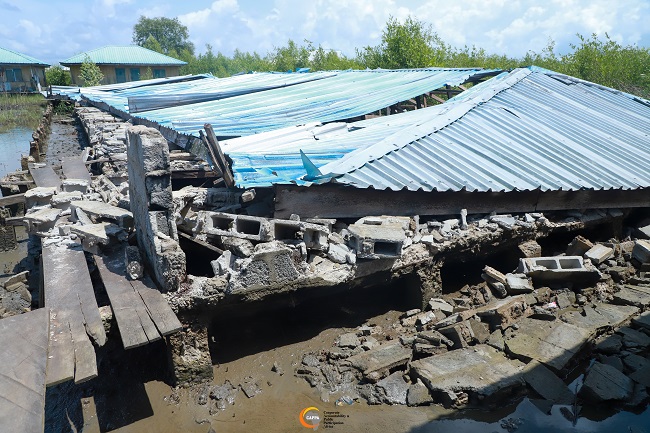
Abereke’s only school collapses after years of neglect
According to the statement, the latest oil spill affecting the area, allegedly linked to Guarantee Petroleum Company, an indigenous oil and gas operator, occurred last October, with the effects still devastating the community.
CAPPA’s assessment, the statement added, revealed widespread oil contamination of water bodies, leading to the destruction of aquatic life and fishing tools – including fishing nets, boats, engines – as well as the death of domestic animals. Fishing, the community’s main source of income, has been disrupted, leaving residents with little means of sustaining their families and pushing many households deeper into poverty.
The organisation also raised the alarm over worsening coastal erosion and tidal surges, which have submerged large portions of land and left the community without protection from further incursions.
“The economic base of Abereke is being rapidly eroded. Families are struggling to fish and their animals, including goats, sheep and pigs, are dying. Even access to clean water now comes at a cost. This is a clear case of environmental injustice,” Ogunlade added.
CAPPA further decried the collapse of critical infrastructure, including the community’s only primary school, which has been destroyed by tidal waves, cutting off access to education for children. The absence of healthcare facilities has also left residents vulnerable, with many forced to rely on local remedies.
The group noted that despite repeated appeals, with several letters and complaints made by the community to the Ondo State Government, Abereke has received little response from the authorities or oil companies operating in the area.
“Communities like Abereke continue to pay the price for extractive activities they do not benefit from. The silence and inaction of both government and corporations are unacceptable,” the statement added.
CAPPA called for urgent measures, including a comprehensive environmental impact assessment, immediate clean-up of polluted sites, and the construction of coastal protection infrastructure to prevent further erosion.
It also demanded compensation for affected residents and the restoration of livelihoods, alongside the rebuilding of critical infrastructure such as schools.
The organisation further noted that oil spillage remains a wider and persistent problem across the Ilaje area of Ondo State. Community members have repeatedly accused oil companies, including Agip, Shell, Chevron, and Guarantee Petroleum Company, of contributing to the profound ecological damage in the region.
“Like many other suffering communities in Ondo state, the people of Abereke are demanding justice, not charity,” Ogunlade stressed. “Government must act now to protect lives, restore dignity, and hold polluters accountable.”
CAPPA pledged to continue to amplify the voices of the community and others similarly affected, through its advocacy platforms.
Crude oil and condensate fell to an average of 1.51 million barrels per day (mbpd) in February 2026, even as the Nigerian National Petroleum Company Limited (NNPC Ltd) remitted N1.804 trillion to the Federation Account.
The NNPC’s February Monthly Report Summary released on Saturday, April 11, 2026, attributed the production dip to the Trans Forcados Pipeline outage due to integrity issues, startup challenges at Stardeep Agbami GTC 2 and 3 post-turnaround maintenance.
Others, according to the report, include delays at the Sterling Oguali flow station, and sludge management constraints at Enyie wells.
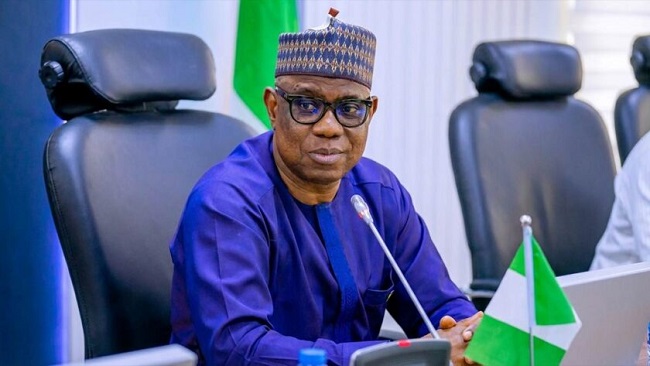
Bayp Ojulari, Group CEO of the NNPC
It said in spite these hurdles, financial indicators strengthened, with total revenue rising to N2.68 trillion from N2.57 trillion in January though Profit After Tax (PAT) declined to N136 billion, in February compared to N385 billion in January.
It emphasised ongoing stabilisation efforts, including improved asset reliability, faster evacuation resolutions, and progress on the AKK gas pipeline to deliver early gas to Abuja, positioning the sector for potential recovery.
The report highlighted improvements across key financial and operational indicators.
“Major highlights include total revenue rising to N2.68 trillion in February from N2.57 trillion in January.
“Statutory remittances surged to N1.804 trillion, up from N726 billion in the previous month, PAT stood at N136 billion, indicating improved profitability, and crude oil and condensate production averaged 1.51 million bpd in February.
“NNPC’s improved remittance performance follows recent policy changes aimed at strengthening revenue transparency in the oil and gas sector,” it said.
On the AKK gas pipeline, the company said it “progressed construction and installation works aimed at delivering early gas to Abuja”.
It highlighted the timely delivery of critical infrastructure as a key factor supporting production, and increased collaboration with operators and stakeholders has also contributed to production recovery across key assets.
In February 2026, President Bola Tinubu signed an Executive Order to overhaul revenue remittance practices.
The directive suspended the collection of management and frontier exploration fees by NNPC Ltd.
It also mandated the full remittance of oil and gas revenues to the Federation Account.
The Executive Order also establishes an inter-agency implementation committee chaired by the Minister of Finance and Coordinating Minister for the Economy to ensure seamless execution.
These measures are part of broader reforms to align revenue flows with constitutional provisions and improve accountability.
Managing Director of Renaissance Africa Energy Company Limited, Tony Attah, has predicted that many indigenous oil and gas operators in Nigeria will within the next decade consolidate strategically and form consortiums to take advantage of emerging opportunities.
He delivered a presentation at the Nigerian Content Academy Lecture on Thursday, April 9, 2026, entitled “Finding Funds for Effective and Efficient Local Content Initiatives – IPPG Perspective,” and projected that “five big Nigerian independent oil companies will emerge in the next 10 years in Nigeria. The future of this industry and business in the world is about collaboration.”
Managing Director of Renaissance Africa Energy Company Limited, Tony Attah
He lauded the significant growth in the operational and funding capacities of indigenous operating companies, resulting in their successful acquisition and operation of fields recently divested by some international operating companies (IOCs).
He observed that “when IOCs leave matured basins in other climes, international independents take over from them. But Nigerian independents take over in Nigeria. That transition is showing value today. More than 50 percent of Nigerian crude oil production is associated with independents. I see a future where more Nigerian independents would have to consolidate. Renaissance here, Seplat is here. The consolidation would have to be among the others to create the other three or five.”
He shared insight on the successful formation of Renaissance Energy by a consortium of four Nigerian, and one international companies, namely ND Western Limited; Aradel Energy Limited; Waltersmith Petroleum Development Company Limited; First Exploration and Petroleum Development Limited; and Petrolin Trading Limited. He attributed the success of the deal to enduring collaboration, tenacity and ambition among the founding companies.
Attah, a former Managing Director of Nigeria LNG Limited and Shell Nigeria Exploration and Production Company (SNEPCo), also outlined veritable funding mechanisms which players in the African energy sector could deploy to navigate global funding and operational challenges.
He dwelt exhaustively on Capital Markets/Stock Exchange Listing; Private Equity and Eurobond; Strategic Partnerships/Joint Venture Structures and International Oil Company (IOC) Carry Arrangements; Prepayment/Offtake Financing, and Bank Facility.
He underscored the need for “Bankability Criteria,” under which he listed proven reserves, financial covenant (minimum coverage ratio over the loan life), governance and transparency, stable production profile, hedging strategy (robust hedging to protect against downside price risk), operator track record, and proven Health Safety and Environment (HSE), uptime, and production execution track record.
He disclosed that industry players need an operational mindset anchored on a creedal mantra – ABC (Ambition, Belief (in that Ambition) and Courage) – as they set about exploring the different funding mechanisms available. He noted that “finding a solution to funding gaps is a big opportunity in itself,” while encouraging industry players to ensure that their organisations have structure, guarantee, and system.
He advised all indigenous players to guard against weak business models, excessive focus on projected profits, and weak balance sheets. “Without structure, governance and ambition, nobody will finance you,” he stated.
The Renaissance CEO expressed appreciation for the emergence of the African Energy Bank, established by the African Petroleum Producers’ Organisation (APPO) and the African Export-Import Bank (Afreximbank), with significant financial backing by the Nigerian Content Development and Monitoring Board (NCDMB), but called for more of similar initiatives, stating that the Bank is yet to attain the level of financial capability to meet the continent’s industry funding requirements.
“Accelerating Africa’s energy financing is a challenge,” he noted, pointing out that “equity financing is not everything,” and that the industry operator has to be clear about what he is also bringing into the business. His belief is that Africa needs to do business with Africa.
Attah declared that local content in Nigeria is “no longer a policy aspiration; it is a capital execution challenge,” while urging indigenous players to embrace the ABC creed and work toward achieving targets for growth and expansion, bearing in mind that “without adequate funding, newly acquired assets will under-invest.”
According to him, “You need the mindset of creating value; money will come,” as “capital follows value.”
In the Question-and-Answer segment, the former Director of the Nigerian Content Academy, Dr. Ama Ikuru, remarked that independents (indigenous upstream operators) have been remiss in fulfilling their obligations to their vendors, repeatedly failing to pay them when due. To that, Attah responded by advising independents against acts that would diminish their brand. He urged them to always fulfill contractual obligations.
“Your business will not grow if you keep owing,” he warned.
The former Vice Chairman of the Petroleum Technology Association of Nigeria (PETAN) and Executive Chairman of Radial Circle Group, Ranti Omole, inquired what Renaissance and other successful Independents could do to boost prospects of growth among service companies. The Guest Lecturer assured of rewarding business engagements.
Professor Babs Oyeniyi, who participated from Edinburgh, United Kingdom, wondered why Nigeria’s oil and gas industry appears stuck with old, retired industry employees, continually inviting them to provide critical services. Attah attributed the trend, which he described as worldwide, to shifting interests and attention as youths today are moving into areas of Artificial Intelligence/Robotics, and fewer and fewer technically competent hands in the country.
Earlier in her opening remarks, the General Manager, Nigerian Content Academy, NCDMB, Ms. Doris Opuwari, had noted that funding constraints have for so long constituted barriers to growth and expansion among indigenous players in the industry, expressing hope that the Guest Lecturer of the day, Attah, was eminently qualified to point the way forward.
In a goodwill message/closing remarks, the Director, Corporate Services, NCDMB, Dr. Abdulmalik Halilu, thanked Attah for a thoroughly researched and exhaustive work on the subject which he believed would be most beneficial to industry players. He also thanked the nearly 200 participants at the zoom event for their interest and sustained attention.
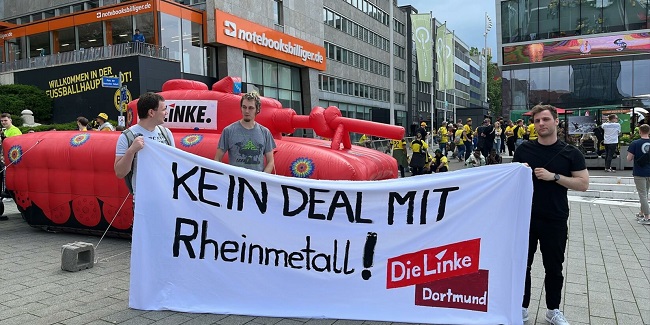
Tensions took a different form on Friday, April 10, 2026, as climate and anti-war activists staged a disruptive protest against defence manufacturer Rheinmetall.
The seven demonstrators glued themselves to the ground outside the company’s facility in the Gesundbrunnen district in Germany, prompting a police response.
It was reported that authorities later removed the activists, some of whom sustained minor injuries during the operation and were treated at the scene.
Rheinmetall protest
Chanting slogans against arms production and global conflict, the protesters accused Rheinmetall of profiting from war.
The company has seen rapid growth in recent years, particularly following Russia’s invasion of Ukraine, with demand for military equipment surging.
The demonstration followed another protest in March, when activists climbed onto the company’s rooftop, unfurled banners referencing Middle East conflicts, and caused property damage before being removed by police forces.
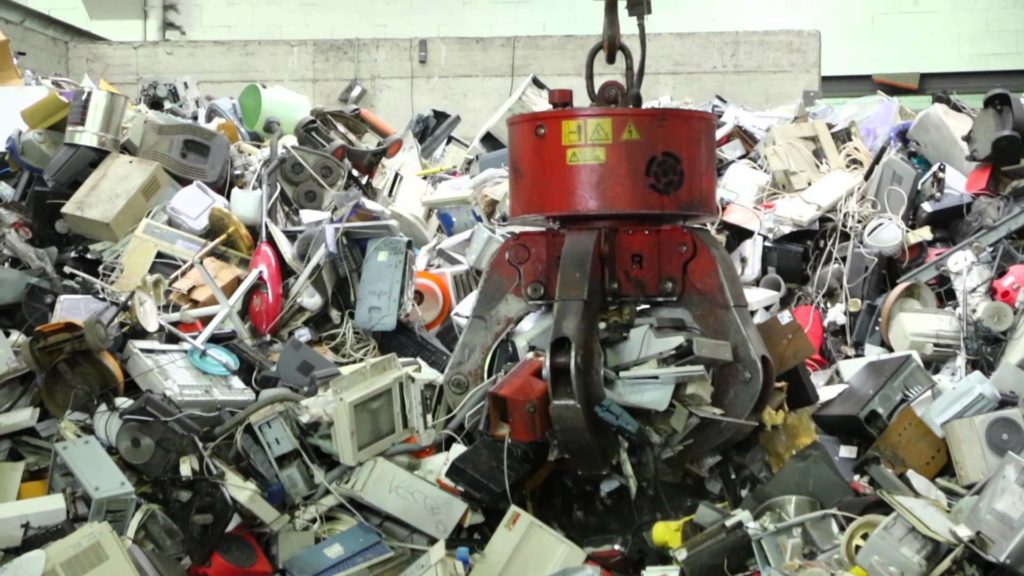
The Lagos Waste Management Authority (LAWMA) recycled 405.17 tonnes of electronic waste in Lagos State in 2025.
Managing Director of LAWMA, Dr Muyiwa Gbadegesin, disclosed this in an interview in Lagos.
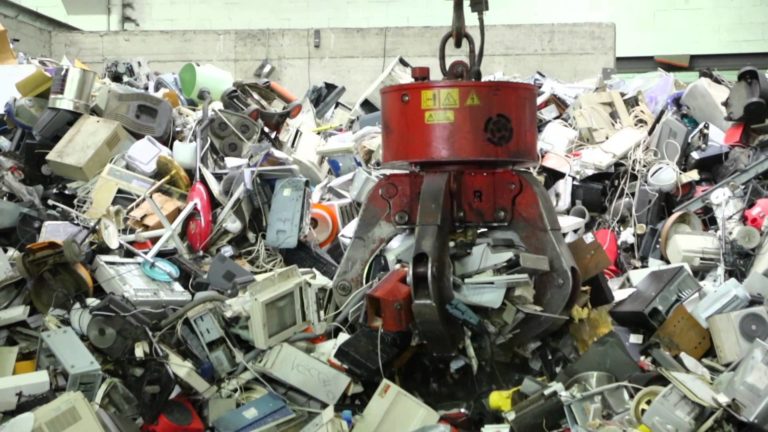
E-waste (electronic waste) refers to any discarded, broken, or obsolete electrical or electronic devices. It covers a wide range of powered items – from laptops, mobile phones, and batteries to household appliances such as refrigerators and televisions.
Waste of electrical and electronic equipment (WEEE) such as computers, TV-sets, fridges and cell phones is one the fastest growing waste streams in Africa and the EU
It is often classified as hazardous due to toxic components like lead or mercury, necessitating specialised recycling, and it is considered one of the fastest-growing waste streams globally.
Gbadegesin said the 2025 figure was higher when compared with 355.15 tonnes recycled in 2024.
He also disclosed that 305.63 tonnes of e-waste were collected in 2023, showing a steady increase in formal recycling.
Gbadegesin said the Lagos State Government had intensified advocacy and established structures to promote safe e-waste management across the state.
“The government is doing its best to promote safe handling of e-waste in Lagos State.
“The government recognised the importance of managing e-waste and set up an e-Waste Unit to coordinate its management in the state.
“The Lagos State Government has increased advocacy and awareness around safe handling of e-waste.
“It has also certified recycling companies and collection centres,” Gbadegesin said.
According to him, e-waste management in the state is handled through 17 certified recycling companies and approved collection centres.
He added that the agency directs e-waste to certified recyclers and approved collection centres to ensure safe handling and disposal.
Gbadegesin noted that its e-waste unit regulates the sector by formalising informal operators, enforcing compliance, and creating awareness on the hazardous nature of e-waste.
Some environmentalists and another government agency, however, spoke on how e-waste is handled and disposed in the state.
Speaking on the development, Dr Leslie Adogame, the Executive Director of Sustainable Research and Action for Environmental Development, called for urgent and holistic action to address the growing e-waste challenge.
Adogame described e-waste as highly hazardous, containing toxic substances such as arsenic, which pose serious health risks, especially to children and women.
He stressed the need for safe collection, transportation, recycling and disposal systems, noting that current efforts remain inadequate across the value chain.
According to him, awareness of e-waste dangers remains low and is largely limited to stakeholders within the sector.
“E-waste begins at the household level, so awareness must start from homes, not just within the informal recycling sector,” he said.
Adogame noted that public awareness of e-waste lags behind that of plastic waste, leading to poor disposal practices and increased environmental risks.
He also pointed to a gap in recycling capacity, noting that Lagos has limited registered recyclers relative to the volume of waste generated.
The SRADeV director emphasised the need to strengthen the Extended Producer Responsibility framework and expand its implementation nationwide.
He added that poor waste segregation results in mixed waste streams, making recycling inefficient and overwhelming existing facilities.
“There is a need for dedicated bins and structured sorting systems to support recyclers,” he said.
Adogame identified weak collection systems, inadequate infrastructure and low public awareness as major challenges affecting effective e-waste management.
He also highlighted underfunding of the environmental sector as a barrier to sustained advocacy and intervention efforts.
Similarly, Mrs. Adedayo Adebayo, Director in charge of e-waste at the Lagos State Environmental Protection Agency (LASEPA), said awareness creation from the point of collection is critical to effective e-waste management.
Adebayo noted that the state has about 30 registered collectors and a few recyclers being integrated into a structured value chain.
She said the agency works with Extended Producer Responsibility initiatives and other regulators to ensure proper handling of e-waste.
According to her, LASEPA monitors corporate organisations, assesses their waste streams and directs them to certified collectors.
She added that indiscriminate disposal is prohibited, while operators are registered and guided with standard procedures.
The director said the agency also conducts environmental monitoring, including water, air and soil sampling around operational sites.
She stressed that open burning of waste is banned due to the hazardous substances released into the environment.
Adebayo also disclosed that LASEPA collaborates with relevant ministries to organise informal operators into cooperatives and strengthen enforcement.
Also, the Executive Director, Renevlyn Development Initiative, Mr. Philip Jakpor, said awareness on proper e-waste disposal remains insufficient in Lagos.
Jakpor noted that many residents still store obsolete electronics at home or resort to burning them, exposing themselves to toxic pollution.
He identified poverty as a key driver, as many people rely on second-hand electronics without understanding associated health risks.
Jakpor called on government to intensify sensitisation campaigns and establish designated e-waste disposal sites.
“Poverty is a critical factor in the proliferation of e-waste in our environment.
“This is because some of the products such as televisions and old computers and phones are patronised by those who cannot afford the new products because of their exorbitant costs.
“Most do not know that they are exposing themselves to emissions from these products because they have reached their end of life stages,” Jakpor said.
The President, Association of Scrap and Wastepickers of Lagos, Mr. Friday Oku, said the current system of e-waste handling and disposal relied heavily on informal activities with limited formal support.
Oku noted that informal collectors often use unsafe methods such as burning and dismantling to extract valuable materials, causing environmental damage.
He urged authorities to formalise, train and equip waste pickers with protective gear and safe recycling tools.
Oku also recommended the establishment of collection hubs in major markets and stricter enforcement of Extended Producer Responsibility.
In the Dakibiu community – a slum area located near Jabi, one of the commercial nerve centres of the Federal Capital Territory (FCT) – 42-year-old Mrs. Adeola Balogun swats at the persistent buzzing in her bedroom.
“I have lived here all my life.
“But the mosquitoes are worse now, everywhere, all year round. Even with nets and repellents, it feels like they are winning,” Balogun said.
Malaria is a serious mosquito-borne infectious disease caused by the Plasmodium parasite, primarily transmitted through the bites of infected female Anopheles mosquitoes
In Addis Ababa, 28-year-old farmer Mr. Mulugeta Tesfaye, shared a different challenge.
“Our village never had malaria in the highlands. Now, every rainy season brings fever and hospital visits for my children.
“It is terrifying because we don’t have immunity here,’’ Testaye said.
More so, in Ouagadougou, Burkina Faso, school teacher, Madam Aissatou Traoré, sounded downcast.
“Dengue is spreading fast in our neighborhoods. Last year, half my class fell sick. People are scared and unsure how to protect themselves,” she said.
These stories reflect a continent-wide reality: mosquitoes are becoming year-round, widespread, and more dangerous, driven by climate change.
Across Africa, a familiar sound is becoming more persistent and more dangerous. The buzz of mosquitoes, once seasonal and predictable, is now a year-round reality in many communities.
From coastal cities like Lagos to highland settlements across East Africa, climate change is reshaping where mosquitoes live, how they behave, and how diseases spread.
This transformation, increasingly described by experts as “The Big Itch,” is no longer just an environmental concern but a growing public health crisis placing millions at risk of malaria, dengue, and other vector-borne diseases.
Experts say climate change is fundamentally altering mosquito ecology.
Rising temperatures, shifting rainfall patterns, and milder winters are enabling mosquitoes to expand beyond their traditional boundaries.
Research from the National Centre for Biotechnology Information and the Wellcome Trust indicates that mosquitoes are now emerging earlier in the year, surviving longer into colder seasons, and thriving in regions that were once unsuitable for their survival.
This shift is effectively dismantling natural environmental barriers and exposing new populations to diseases for which they have little or no immunity.
The biological impact of rising temperatures on mosquitoes is particularly alarming.
Studies indexed on PubMed Central indicate that higher temperatures accelerate mosquito development, increase their biting frequency, and shorten the incubation period of pathogens within them.
At approximately 28 degrees Celsius, an Anopheles mosquito can mature from egg to adult in about 10 days, while warmer conditions also speed up viral development, allowing mosquitoes to become infectious more quickly.
Experts say this “turbo-charged” effect significantly increases the intensity and frequency of disease transmission.
In addition to these biological changes, mosquitoes are expanding into new geographic frontiers.
According to Yale Climate Connections, mosquitoes are moving into the African highlands at approximately 6.5 metres per year, bringing malaria to communities that cooler temperatures have historically protected.
Warmer winters are also enabling mosquitoes to survive year-round, turning what was once a seasonal risk into a public health threat.
Urbanisation is further compounding the problem.
Reports from BBC News highlight the spread of Anopheles stephensi, an invasive mosquito species that thrives in densely populated urban environments.
This species breeds in water storage containers, drainage systems, and waste sites, and has shown resistance to many commonly used insecticides.
Its presence in cities such as Lagos and Kano represents a major shift in malaria transmission dynamics, moving the disease from rural settings into crowded urban centres where the potential for rapid spread is significantly higher.
Africa already carries nearly 95 per cent of the global malaria burden, and climate change is expected to worsen the situation.
Data from the Medicines for Malaria Venture shows that the continent recorded approximately 265 million malaria cases and 579,000 deaths in 2024 alone.
Projections indicate that climate change could lead to an additional 123 million cases and over 500,000 deaths by 2050, driven largely by extreme weather events, disruptions to healthcare systems, and persistent funding gaps.
Nigeria alone accounts for nearly one-third of global malaria deaths, underscoring the scale of the challenge.
Dengue fever is also emerging as a significant threat across the continent.
According to the Malaria Consortium and The Lancet, Africa has recorded approximately 200,000 suspected dengue cases over the past decade, with West Africa accounting for the majority of confirmed infections.
Climate change and rapid urbanisation are expected to extend transmission seasons by up to four months annually, increasing both the frequency and severity of outbreaks.
Human activities are further intensifying the crisis.
Research published on Science Direct shows that irrigation projects, dam construction, and deforestation are creating new breeding habitats for mosquitoes while also increasing local temperatures.
This phenomenon, sometimes described as the “paddies paradox,” illustrates how development efforts can inadvertently amplify public health risks when environmental considerations are not fully integrated into planning.
Experts warned that the intersection of climate change and mosquito behaviour in Nigeria and across Africa represents a “public health time-bomb” that requires immediate and coordinated action.
Dr Akinlolu Fawehinmi, Rector, Nigeria College of Natural Medicine Technology in Lagos under the Nigeria Natural Medicine Development Agency, said that rising temperatures were accelerating mosquito breeding and shortening their life cycles.
Fawehinmi noted that erratic weather patterns, including both flooding and drought, were creating ideal conditions for mosquito species such as Aedes, thereby increasing the risk of disease transmission.
Experts from the African Institute for Development Policy and the World Health Organisation warn that the rise of Anopheles stephensi poses a serious threat to urban malaria control efforts.
Mr. Odinaka Obeta, Executive Director of Block Malaria Africa, explained that the species thrived in artificial water containers, difficult to monitor, and exhibited resistance to commonly used insecticides, making it particularly dangerous in rapidly growing cities.
Obeta called for the development of climate-resilient health systems.
He stressed the need for vulnerability assessments to identify communities most at risk, as well as the integration of climate data into health planning.
Dr Bernard Onyango, a Kenyan demographer and policy researcher known for his work linking population dynamics, health, and environmental sustainability, said that climate and health systems must work together more effectively.
Onyango observed that meteorological services and health institutions often operated in isolation, resulting in fragmented data and missed opportunities for early warning and coordinated response.
Strategic Adviser on Malaria Elimination to the Minister of Health, Prof. Olugbenga Mokuolu, further highlighted the importance of community awareness and gender-sensitive approaches.
Mokuolu noted that there was a significant gap between general awareness of climate change and understanding its direct impact on health, particularly in relation to mosquito-borne diseases.
He said that women and girls were disproportionately affected during climate-related events such as floods, which could disrupt access to essential healthcare services, including maternal and reproductive care.
At the global level, researchers from the Pan-African Medical Journal point to a stark inequity.
Africa contributes only about four per cent of global carbon emissions; yet, it is home to seven of the 10 countries most vulnerable to climate change.
They argue that the worsening mosquito crisis reflects a broader issue of global responsibility, with high-emission countries playing a significant role in driving the environmental changes that are now impacting Africa’s public health landscape.
For millions of people across the continent, the consequences of this crisis are already being felt in increased illness, rising healthcare costs, and reduced productivity.
Communities are adapting as best as they can, but without stronger systems, better coordination, and sustained investment, these efforts may not be enough.
The “Big Itch” is no longer just about discomfort. It is a warning sign of a deeper and more complex crisis, where climate change is directly shaping the future of human health.
Stakeholders warn that without urgent and coordinated action, the spread of mosquito-borne diseases will continue to accelerate, placing even greater strain on already vulnerable populations and health systems across Africa.
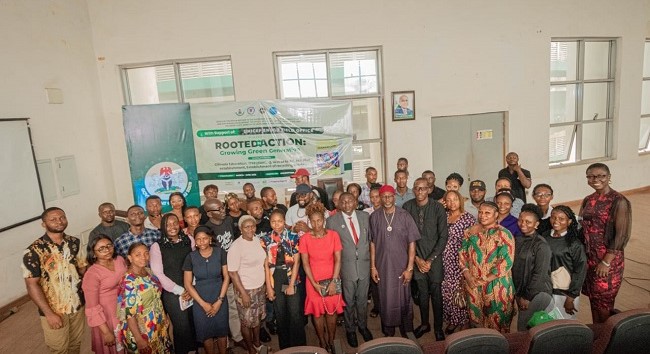
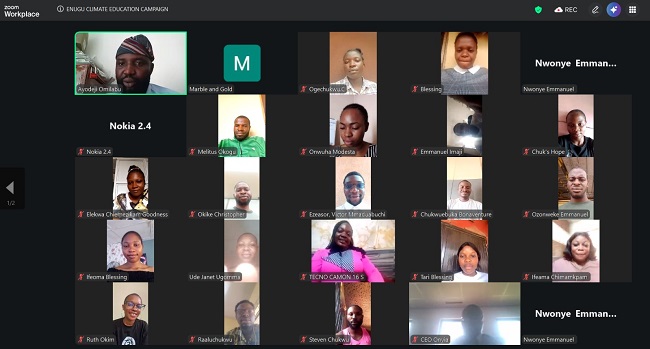
The Office of the Senior Adviser to the Governor of Enugu State on Climate Policy and Sustainable Development in collaboration with the Office of the First Lady of Enugu State, and the Enugu State Ministry of Environment and Climate Change, with support from the United Nations Children’s Education Fund (UNICEF) Enugu Field Office, has concluded a one week training for climate champions in Enugu State.
The immediate task of the trained Climate Champions is to implement the pilot phase of an intensive climate education campaign in selected secondary schools in the state. The sessions were hosted simultaneously at the Enugu State Secretariat and the ICT Centre of the University of Nigeria, Nsukka (UNN).
Participants at the in-person engagement
The programme, which combined four days of virtual sessions with a final day of in-person engagement, successfully equipped 40 Climate Champions between the ages of 18 and 25 including 20 teachers, with the knowledge and tools to deliver impactful climate education using the newly developed Climate Education Manual that was co-created through a collaborative process involving the Office of the Senior Adviser to the Enugu State Governor, alongside teachers and students across the State, ensuring that the training and knowledge reflects both global realities and local context.
The Climate Champions were trained to deliver lessons that are not only informative but also emotionally resonant, connecting rising temperatures and extreme weather patterns to everyday experiences within their respective communities.
In his keynote address, the Commissioner for Environment and Climate Change, Enugu State, Prof. Sam Ugwu, represented by the Permanent Secretary of the Ministry, Mr. Ozoemena Ezeh, emphasised the importance of early-stage climate education, which he said would help the younger generation mitigate climate change impacts and learn how to live a sustainable lifestyle.
“This is timely, as catching the young ones early will help them to understand the impacts of climate change and how to practice sustainability from a very young age,” he stated.
In his opening remark, the Senior Adviser to the Governor of Enugu State on Climate Policy and Sustainable Development, Professor Chukwumerije Okereke, congratulated the climate champions on being selected to carry out this important task and for completing the week-long training.
Virtual participants at the training session
He reminded them of the task ahead and the huge impact they are expected to make in the schools they will visit.
“Your job now is to take this deep knowledge that you have acquired into the classroom to instigate, to instill, and arouse curiosity among the students and the teachers that you will meet. To communicate with passion, clarity, and intent, so that they will not just get information and knowledge, but that they will become change agents themselves, people who carry the passion and the desire to communicate, but also to act on climate change.”
Prof. Okereke also appreciated the Governor of Enugu State, Barr. Peter Ndubuisi Mbah, for his disposition to support pro-climate change policies and the implementation of green transition projects, especially the massive investment in Green Smart Schools around Enugu State.
In his speech, the Youth Leader of the All Progressive Congress (APC), Enugu State, Basil Ojengwa, stated that training the youths to be advocates for climate action resonates with the green agenda of the current administration.
“Young people are at the heart of climate action. By equipping educators and advocates with the right tools, we are planting seeds of awareness that will grow into informed decisions, responsible behaviour, and sustainable communities,” he said.
Speaking on the importance of climate change teaching strategies, Mr. Arum Nnamdi, Director of the Department of Climate Change at Enugu State Ministry of Environment, encouraged participants to put into practice the knowledge they have acquired during the training, to ensure that the students become agents of change in their different homes and communities.
“You need to bring this knowledge down to the level of the students through storytelling, using natural and physical things the students can easily see and relate with,” he said.
The Ministry of Education represented by the Assistant Director, Strategic Communication, Centre for Experiential Learning and Innovation (CELI), Enugu State, Mr. Arum Sopuluchukwu Emmanuel, conveyed the unalloyed support of the Commissioner for Education, Prof. Ndubueze Mbah, reiterating the Commissioner’s commitment to advancing regenerative education in Enugu State through the Experiential Learning Pedagogy and the Smart Green Schools initiative as a transformative model aligned with the State’s climate agenda.
Participants described the training as transformative. Beyond knowledge acquisition, the majority of the participants displayed a renewed sense of purpose, an understanding that they are not just educators but catalysts for change.
Equipped with the Climate Education Manual, they are now set to move into secondary schools across Enugu State, where they will engage students through structured lessons, discussions, and climate-focused activities.
The initiative comes at a critical time when climate literacy remains low in many communities, despite the increasing visibility of climate-related challenges. By focusing on secondary schools, the programme aims to reach young minds at a formative stage, equipping them with the awareness and advocacy needed to navigate and respond to environmental challenges.
A hands-on workshop was also conducted by Dorsky Art World, a leading force in waste-to-art within Enugu State. The session provided participants with practical guidance on transforming plastic waste into compelling works of art, highlighting innovative approaches to sustainability through creative expression.
As these Climate Champions move into classrooms, the impact of the training is expected to transcend far beyond school walls, sparking conversations in homes, influencing community practices, and contributing to a broader culture of environmental responsibility within the state.
By Anieze Elochukwu and Ayodeji Omilabu (Office of the SA to the Governor on Climate Policy & SD)
The Socio-Economic Rights and Accountability Project (SERAP) has urged President Bola Tinubu to direct Dr. Bosun Tijani, Minister of Communications, Innovation and Digital Economy, and the Management of both the Nigerian Communications Satellite Ltd (NIGCOMSAT) and the Nigerian Nuclear Regulatory Authority (NNRA) to account for and explain the whereabouts of the alleged missing or diverted ₦2.9 billion of public funds from NIGCOMSAT and NNRA.
SERAP urged him “to direct Mr. Lateef Fagbemi, SAN, the Attorney General of the Federation and Minister of Justice and anti-corruption agencies to investigate the alleged missing or diverted funds, and any other diverted public funds from the two agencies documented in previous annual reports by the Auditor-General.”
Dr. Bosun Tijani, Minister of Communications, Innovation and Digital Economy
SERAP also urged him “to direct NIGCOMSAT to disclose the shareholders and beneficial owners of the company which collected ₦465 million in ‘unauthorised investment’ from the agency.”
SERAP said, “Anyone suspected to be responsible should face prosecution as appropriate, if there is sufficient admissible evidence, and any missing or diverted public funds should be fully recovered and remitted to the treasury.”
The grave allegations are documented in the latest annual report published by the Auditor-General on September 9, 2025.
In the letter dated April 11, 2026, and signed by SERAP deputy director, Kolawole Oluwadare, the organisation said: “These allegations, involving critical public institutions, represent a grave violation of the public trust and a fundamental breach of Nigeria’s anti-corruption laws and international obligations.”
SERAP said, “Accountability in NIGCOMSAT and NNRA is critical given their strategic roles in Nigeria’s digital economy and national safety systems. Mismanagement in these agencies not only wastes scarce public resources but also threatens national development, technological progress, and public safety.”
According to SERAP, “Ensuring accountability is therefore essential to protecting both Nigeria’s present and its future.”
The letter reads in part: “These grave allegations suggest a systemic pattern of financial mismanagement, opacity, and corruption within an agency entrusted with advancing Nigeria’s digital and communications infrastructure.
“The allegations also raise serious questions about compliance with basic financial regulations and procurement standards in an agency responsible for nuclear safety and public protection.”
“Any official or agency entrusted with public resources must be held to the highest standards of transparency and accountability. Nigerians have a right to know how their money is spent.
“We would be grateful if the recommended measures are taken within seven days of the receipt and/or publication of this letter. If we have not heard from you by then, SERAP shall consider appropriate legal actions to compel your government, NIGCOMSAT and NNRA to comply with our request in the public interest.
“These allegations, if left unaddressed, will continue to undermine public confidence in government institutions, weaken Nigeria’s anti-corruption framework, and deprive citizens of resources needed for development.
“The Nigerian Communications Satellite Ltd (NIGCOMSAT), Abuja failed to account for over ₦465 million [₦465,000,000.00], ‘being unauthorised investment in Gicell Wireless Ltd. NIGCOMSAT’ paid the ₦465 million for 200,000 ordinary shares in Gicell Wireless Ltd.
“Gicell Wireless ‘had an authorised share capital of One million ordinary shares of ₦1.00 each.’ The purported ‘strategic investment was made without the approvals of the Minister of Science and Technology and the Accountant-General of the Federation.’ NIGCOMSAT claimed that ‘the total capitalization of Gicell Wireless Ltd was US$500 million’, but without any documents and due process.
“There was also ‘no evidence that a competent Investment Analyst performed investment appraisal.’ Also, ‘the investment agreement revealed that the payment [consideration] was calculated based on a currency exchange rate of ₦130.00 to US$1.00’, but ‘the company is a wholly owned Nigerian company.’ The Auditor-General fears ‘the money (₦465 million) may have been diverted.’
“NIGCOMSAT also made ‘ineligible, irregular and wrong payments of over ₦3 million (₦3,122,690.00) to staff.’ The money was ‘spent on reimbursable expenses to staff’, but ‘without due process and any documents on what the payments were meant for.’ The Auditor-General fears ‘the money may have been diverted.’
“NIGCOMSAT made ‘irregular and wrong payment of rent of over ₦4.3 million (₦4,371,428.58) for Lagos regional office. A three-bedroom flat ‘situated at No Awolowo Road, Ikoyi, Lagos was leased to NIGCOMSAT as the Lessee and another consultant as the Lessor for the period of two years between 2016 to 2018 for ₦10,395.000.
“But ‘the payment was made to a wrong property agent.’ NIGCOMSAT ‘requested a refund of rent of ₦4,371,428.58 wrongly paid to a consultant,’ but ‘there was no evidence that the consultant refunded the money.’ The Auditor-General fears ‘the money may have been diverted.’
“NIGCOMSAT also ‘paid over ₦3.4 million (₦3,485,000.00) to its staff members between February and December 2020 for the installation of vertical curtains, media campaign, design of logo brand, production of business card for marketing staff, etc.’
“But ‘the payment was made without following due process and procurement procedures. The Auditor-General fears ‘the money may have been diverted.’ He wants the money recovered and remitted to the treasury.
“The Auditor-General noted that the above alleged diverted public funds by NIGCOMSAT covered the periods of January 2020 to December 2020.
“NIGCOMSAT reportedly failed to ‘remit over ₦507 million (₦507,980,087.33) of its internally generated revenue to the Consolidated Revenue Fund.’ The Auditor-General fears ‘the money may have been diverted.’ He wants ‘the money plus all accrued interests’ recovered and remitted to the treasury.
“NIGCOMSAT failed to account for ‘over ₦6 million (₦6,138,113.59) being payment for store items that were never supplied.’ The Auditor-General fears ‘the money may have been diverted.’ He wants the money recovered and remitted to the treasury.
“NIGCOMSAT also ‘irregularly transferred over ₦84 million (₦84,780,260.99) from REMITTA account to an account named Special Project account at different times during the year 2021,’ but ‘without any basis’.
“There was also ‘no evidence of how the transferred funds were spent or utilized, to validate the genuineness of the transferred funds.’ The Auditor-General fears ‘the money may have been diverted.’
“NIGCOMSAT failed to ‘recover debts totalling over ₦1.6 billion (₦1,686,453,686.00).’ Some of ‘the reported debts had been static for more than four years.’
“The Auditor-General wants ‘NIGCOMSAT to account for the money, provide the evidence of actions taken and the amount recovered out of the outstanding debts, and forward evidence of remittance.’
“NIGCOMSAT ‘failed to remit over ₦64 million (₦64,727,215.00) of statutory taxes deducted from payments made to various contractors and other beneficiaries as at December 31, 2020.’ The Auditor-General fears ‘the money may have been lost.’
“The Auditor-General noted that the above alleged diverted and lost public funds in NIGCOMSAT covered the periods of January 2021 to December 2021.
“The Nigerian Nuclear Regulatory Authority (NNRA), Abuja ‘paid over ₦4 million (₦4,350,400.00) for training of its officers in device optimisation and security, basic training for frontline officers between March and June 2021’, but ‘without any documents and evidence that the training actually took place.’
“The NNRA also ‘failed to provide any details such as the list of participants, attendance register, certificate of attendance, details of venue and programme completion reports.’ The Auditor-General fears ‘the money may have been diverted.’
“NNRA ‘paid over ₦16 million (₦16,736,675.00) for ICT equipment but without any approval. There ‘risks that the payments were for items not supplied.’ The Auditor-General fears ‘the money may have been lost.’
“NNRA also ‘paid over ₦33 million (₦33,480,898.00) for store items such as window blinds, solar inverters, branded mugs, purchase of diesel, etc’, but the items were never supplied. The Auditor-General fears ‘the money may have been diverted.’
“NNRA ‘paid over ₦15 million (₦15,026,098.00) for activities such as induction of SERVICOM desk officers, zonal sensitisation of NNRA staff, strategic revenue growth programme, coding of items, but without any documents.’ The Auditor-General fears ‘the money may have been diverted.’
“NNRA also ‘spent ₦1.5 million (₦1,500,000.00) as cash advance to a staff to purchase branded mugs for the agency, but without following the procurement procedures.’ The Auditor-General fears ‘the money may have been diverted.’
“The Auditor-General noted that the above alleged diverted and lost public funds in NNRA covered the periods of January 2021 to December 2021.
“NNRA also ‘paid over ₦9 million (₦9,097,125.00) to buy store items such as ribbons and films for the printing of ID cards, pumping machines, toner cartridges, etc, but without any documents. The ‘items were never supplied.’ The Auditor-General fears ‘the money may have been diverted.’
“NNRA ‘failed to retire over ₦6 million (₦6,501,163.43) of cash advances granted to six staff in 2022 for the purchase of various items, payment of electricity bills and servicing of meetings.’ The Auditor-General fears ‘the money may have been diverted.’
“NNRA ‘paid over ₦2 million (₦2,054,350.00) as course fees to two of its officers to participate in a programme on International Executive Development in Dubai but there was no evidence that the officers actually attended the training’. The Auditor-General fears ‘the money may have been lost.’”
“NNRA also ‘collected over ₦1.9 million (₦1,950,000.00) through Remita on behalf of the agency as penalty fees in 2022, but the amount was not recorded in the cashbook, resulting in the understatement of the agency’s revenue inflows for the 2022 financial year. There ‘were risks of loss of government revenue.’
“The Auditor-General wants NNRA ‘to account for the money and show evidence that the transactions have been recognised in the cashbook for the period under review or face sanctions relating to failure to collect and account for government revenue and gross misconduct.’
“The Auditor-General noted that the above alleged diverted and lost public funds in NNRA covered the periods of January 2022 to December 2022.”
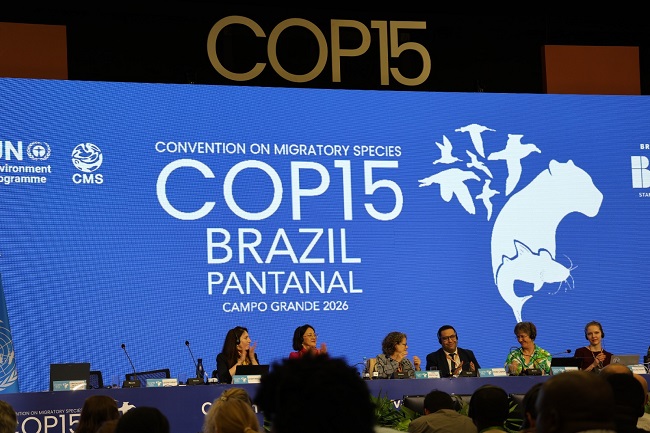
Following the historic adoption of the Samarkand Strategic Plan for Migratory Species 2024–2032, the 15th Conference of the Parties to the Convention on the Conservation of Migratory Species of Wild Animals (CMS COP15) in Campo Grande, Brazil, marked a decisive step forward by establishing a clear roadmap for the plan’s effective implementation.
While COP14 laid the political foundation, the outcomes in Brazil have turned global commitments into concrete mandates, defining critical points for monitoring, accountability and the transboundary cooperation necessary to safeguard the planet’s migratory corridors.
Delegates at a session during CMS COP15 in Brazil. Photo credit: Qiulin Liu
From March 23 to 29, 2026, CMS COP15 brought together governments, international organisations, scientists, conservation NGOs, Indigenous Peoples and local communities under the theme “Connecting Nature to Sustain Life”. With over 130 Parties taking part in the negotiations, the conference addressed the increasing pressures from habitat degradation, fragmentation, overexploitation and climate change on species that depend on interconnected ecosystems across countries and continents.
From planning to action
The adoption of a global roadmap to implement the Samarkand Strategic Plan was a major achievement, with Parties agreeing to integrate migratory species goals and targets into national biodiversity strategies and policies. To ensure accountability and measurable results, the CMS Secretariat was mandated to support implementation, monitoring and indicators, with progress to be reviewed at future COP meetings.
IUCN contributed actively throughout the meeting and called on Parties to strengthen the conservation of migratory species, protect ecological connectivity and align efforts with the Global Biodiversity Framework. Parties agreed to these priorities, including by enhancing cooperation between the CMS and the Convention on Biological Diversity.
Gabriel Quijandría, IUCN Regional Director for South America, said: “These decisions ensure that the protection of wildlife is not an isolated effort, but a central component of biodiversity strategies at both global and national levels.
“IUCN stands ready to continue working with Parties, the CMS Secretariat and partners to support implementation, science-based action and concrete conservation results on the ground.”
Vivek Menon, IUCN SSC Chair, said: “The successful implementation of the Samarkand Strategic Plan will depend on strong science, collaboration and expertise. The IUCN Species Survival Commission (IUCN SSC), through its global network of Specialist Groups, is committed to supporting Parties and the CMS with the best available knowledge, data and tools to guide conservation action.
“By bridging science, policy and practice, the SSC can help ensure that commitments made at CMS COP15 translate into effective results for migratory species across their entire range.”
Other key decisions and highlights
Other key outcomes include critical decisions on ecological connectivity, impact assessment for migratory species and transboundary conservation areas, reinforcing the importance of connected habitats and migration routes for biodiversity worldwide. In addition, a wide range of decisions address the major pressures affecting migratory species, with particularly strong outcomes on marine, freshwater and climate-related threats. Parties agreed to use science-based “Important Areas”, such as Key Biodiversity Areas, to guide marine spatial planning, protected areas and conservation action.
Supported by IUCN, the conference also addressed renewable energy as a cross-cutting issue at the heart of a nature-positive energy transition, emphasising that renewable energy infrastructure must be carefully planned to avoid disrupting migratory paths.
Outcomes for species conservation included the addition or upgrade of 40 species, subspecies and populations in CMS Appendices I and II, including the cheetah, striped hyena, giant otter, several shark species, freshwater fish and migratory birds. Finally, 15 new “Concerted Actions” were approved for species such as chimpanzees, dolphins, bats, sharks and seabirds, while 10 new or updated species-focused action plans were adopted.
A key highlight of the High-Level Segment was the adoption of the Pantanal Declaration, which calls for stronger international cooperation, increased financial support and urgent action to address climate change, habitat loss, pollution and infrastructure impacts. The declaration also highlights the importance of wetlands – including Brazil’s Pantanal – as critical habitats for migratory species.
The outcomes of CMS COP15 strongly reinforce IUCN’s ongoing work across the Union, including the implementation of IUCN World Conservation Congress Resolutions on recognising ecological corridors, promoting wildlife-friendly infrastructure and strengthening transboundary conservation.
Accelerating ecosystem and migratory species conservation
Beyond the plenary, IUCN showcased how technical expertise translates into policy and on-the-ground action through over 10 side events and high-level sessions, covering four areas to accelerate ecosystem and migratory species conservation.
First, the Union highlighted the importance of strengthening multilevel governance by addressing global threats such as deep-sea mining and habitat loss, positioning wetlands as critical ecosystems for international cooperation. Second, it stressed how to scale digital innovation through strategic partnerships, such as the Tech4Nature initiative in Brazil, to promote evidence-based decision-making.
IUCN also emphasised the need to advance high-quality conservation by integrating the IUCN Green List and private reserves into territorial planning to ensure ecological connectivity and wildlife-friendly infrastructure. Through its engagement in the joint CITES–CMS African Carnivores Initiative (ACI), IUCN also highlighted the importance of coordinated, landscape-level conservation, strengthened transboundary cooperation, and mobilising partnerships and sustainable financing to scale up conservation action for African carnivores across their range.
Finally, IUCN showcased how it is empowering subnational leadership, where cities and local governments serve as a vital bridge to integrate migratory species into national biodiversity strategies.
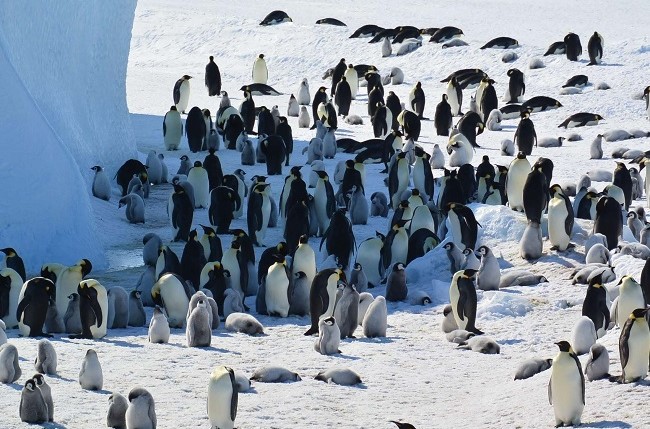
The emperor penguin and Antarctic fur seal are now both Endangered, according to The IUCN Red List of Threatened Species™.
Climate change in Antarctica is leading to changes in sea-ice that are projected to cause the emperor penguin population to halve by the 2080s, while reduced food availability has already driven a 50% reduction in the Antarctic fur seal population since 2000. The southern elephant seal is also now at risk of extinction, due to disease.
Dr Grethel Aguilar, IUCN Director General, said: “These important findings should spur us into action across all sectors and levels of society to decisively address climate change. The declines of the emperor penguin and Antarctic fur seal on the IUCN Red List are a wake-up call on the realities of climate change.
Emperor penguin chicks on Rothschild Island. The emperor penguin has moved from Near Threatened to Endangered on the IUCN Red List. Photo credit: Phillip Trathan
“As countries prepare to gather at the Antarctic Treaty Consultative Meeting in May, these assessments provide essential data to inform decisions regarding this majestic continent and its awe-inspiring wildlife. Antarctica’s role as our planet’s “frozen guardian” is irreplaceable – offering untold benefits to humans, stabilising the climate and providing refuge to unique wildlife.”
“Penguins are already among the most threatened birds on Earth. The emperor penguin’s move to Endangered is a stark warning: climate change is accelerating the extinction crisis before our eyes. Governments must act now to urgently decarbonise our economies,” said Martin Harper, CEO of BirdLife International, which coordinated the emperor penguin assessment as the authority for birds on the IUCN Red List.
The emperor penguin (Aptenodytes forsteri) has moved from Near Threatened to Endangered on the IUCN Red List, based on projections that its population will halve by the 2080s. Satellite images indicate a loss of around 10% of the population between 2009 and 2018 alone, equating to more than 20,000 adult penguins.
The primary driver is the early break-up and loss of sea-ice, which has reached record lows since 2016. Emperor penguins require fast ice – sea-ice that is “fastened” to the coastline, ocean floor or grounded icebergs – as habitat for their chicks and during their moulting season, when they are not waterproof. If the ice breaks up too early, the result can be deadly.
While it is challenging to convert observed tragedies – such as the collapse of a breeding colony into the sea before the chicks can swim – into population changes, population modelling considering a wide range of future climate scenarios shows that without abrupt and dramatic reductions in greenhouse gas emissions, emperor penguin populations will rapidly decline during this century.
Dr Philip Trathan, member of the IUCN SSC Penguin Specialist Group who worked on the emperor penguin Red List assessment, said: “After careful consideration of different possible threats, we concluded that human-induced climate change poses the most significant threat to emperor penguins. Early sea-ice break-up in spring is already affecting colonies around the Antarctic, and further changes in sea-ice will continue to affect their breeding, feeding and moulting habitat. Emperor penguins are a sentinel species that tell us about our changing world and how well we are controlling greenhouse gas emissions that lead to climate change.”
The Antarctic fur seal (Arctocephalus gazella) has moved from Least Concern to Endangered on the IUCN Red List, as its population has decreased by more than 50 per cent from an estimated 2,187,000 mature seals in 1999 to 944,000 in 2025. The ongoing decline is due to climate change, as rising ocean temperatures and shrinking sea-ice are pushing krill to greater ocean depths in search of colder water, reducing the availability of food for seals.
Krill shortages at South Georgia have reduced the survival of pups in their first year dramatically, leading to an ageing breeding population. Other threats, such as predation by killer whales and leopard seals and competition with recovering baleen whale populations targeting the same krill, are potentially also impacting this declining population.
The southern elephant seal (Mirounga leonina) has moved from Least Concern to Vulnerable on the IUCN Red List, following declines caused by Highly Pathogenic Avian Influenza (HPAI). There has been a significant increase in the prevalence of avian flu around the world since 2020, and it has spread to mammals. The disease has affected four of the five major subpopulations, killing more than 90 per cent of newborn pups in some colonies and seriously impacting adult females, which spend more time on the beaches than males.
There is growing concern that disease-related mortalities of marine mammals will increase with global warming – particularly in polar regions, where animals have not had much previous exposure to pathogens. Animals that live close together in colonies, such as southern elephant seals, are particularly hard-hit by diseases.
Dr Kit Kovacs, Co-Chair of the IUCN SSC Pinniped Specialist Group, said: “These assessments sound an alarm for all Antarctic seals, as we are concerned about how environmental changes are affecting all ice-dependent species. Monitoring of the effects of climate change in Antarctica is urgently needed. While logistically challenging and expensive to access this part of the world, the IUCN SSC Pinniped Specialist Group calls for the collection of more data on seals in the region by all of the Parties to the Treaty.”
The new assessments are available on the pre-publication page of the IUCN Red List. The new assessments will be published on the emperor penguin and seals’ species profiles as part of a broader Red List update later this year. The emperor penguin assessment was produced through the work of the IUCN SSC Penguin Specialist Group, in coordination with BirdLife International, the authority for birds on the IUCN Red List. The seal assessments were produced by the IUCN SSC Pinniped Specialist Group.
Dr Kathleen Flower, Vice President of Biodiversity Science at Conservation International, said: “These listings are not only sobering for two iconic animals; they reflect what is happening to penguins and seals globally. Their decline underscores how quickly ecosystems are being degraded and how the compounding impacts of warming accelerate food scarcity, emerging disease, and habitat loss.
“The result is rapidly increasing extinction risk for many species. The Red List is an essential tool, but it must be adequately resourced and strengthened with climate‑informed science to identify risks and help reduce climate‑driven extinctions.”