The Nigerian Content Academy Lecture Series organised by the Nigerian Content Development and Monitoring Board (NCDMB) got off to a thought-provoking start on Friday, October 10, 2025, with a panoramic overview of local content strategy and implementation in the Nigerian oil and gas industry and a word of caution to industry players to not trifle with the initiative.
In a presentation on the topic “Staying the Nigerian Content Course in the Midst of Delivery Challenges,” the pioneer Executive Secretary of the NCDMB, Dr. Ernest Nwapa, addressed several industry issues, dismissing the notion that the absence of final investment decisions (FIDs) in the country’s oil and gas sector over a period of time was caused by stringent implementation of local content policies by the NCDMB. According to him, “There are many government policies that are affecting FIDs.”
Pioneer Executive Secretary of the NCDMB, Dr. Ernest Nwapa
He admitted that the oil and gas industry stakeholders face “an increasingly complex environment shaped by global energy trends, shifting investment patterns and heightened expectations for local participation and value addition.”
On suggestions that the future of local content policies is under intense scrutiny, Dr. Nwapa, a one-time Group General Manager, Nigerian Content Division of the Nigerian National Petroleum Corporation (2005-2010), noted that such unfounded fears had always been advocated by some industry stakeholders averse to the idea of local content.
He drew attention to some unhealthy trends in the oil and gas industry, noting that “there are unintended ambiguities in the Presidential Directives” introduced in February 2024. Such ambiguities, he pointed out, need to be addressed by stakeholders. He regretted that the ambiguities in the Presidential Directives have created systemic problems, and that there has to be “institutional adjustment to re-enact the authority in the NCDMB directives.”
He decried what he described as “lack of respect for the authority of the NCDMB within some industry stakeholder groups,” arguing that “when the Board writes a letter and says this is what stands on Nigerian Content, nobody questions it.”
Continuing, he declared, “If you challenge a letter from the NCDMB, it wouldn’t stand.” He said it is wrong for any agency to put aside a letter from the Board and continue doing things in its own way.
Dr. Nwapa, a fellow of the Nigerian Society of Engineers (FNSE), pointed out that Nigerian Content has been a national aspiration with mixed results since the Nigerian economic development model was conceived.
According to him, statutes like the Petroleum Act, 1969, the Joint Venture (JV) agreements, the Petroleum Technology Development Fund (PTDF), and creation of NAPIMS, all had been conceived to achieve some measure of local content. There was also the Coastal and Inland Shipping (Cabotage) Act, 2003. But all these were incomparable to the Nigerian Oil and Gas Industry Content Development (NOGICD) Act, 2010.
In his words, “Our young engineers, our young technicians now have places to go to acquire practical skills” because a lot of projects are going on in the country. For specifics, he declared, “If you look at the number of Nigerians that worked in Egina at the Integration Yard [SHI-MCI Fabrication and Integration Yard, Tarkwa Bay, Lagos], it’s not something you can just underestimate. So we need to know there are serious consequences for failure of what we’ve started.”
Dr. Nwapa argued: “Things around high costs of local content…are things that we have to continue to work on to see how we can have them reduced.” He said argued further that if you don’t start practising local content and get your people involved, the costs gap will be wider and wider, “so it’s either you decide to bite the bullet right now and use activities within your local economy to drive the costs to competitive levels or you can forget about it and not do it at all.”
He advised that cost of projects needs to be evaluated on a project-by-project basis and handled strategically by the Board. He insisted that “NCDMB has “the power to do that, working with the industry players,” who would provide the information and matrices.
Dr. Nwapa also advised that the Nigerian Content Academy, a division of the NCDMB, should be “a place where we test theories, and we go outside to the field and have strong workshop discussions and analysis, and proffer practical recommendations,” which could be taken to the NCDMB Executive Secretary or right up to The Presidency.
When the moderator of the Lecture Series and Director of the Academy, Dr. Ama Ikuru, invited questions and comments from participants, Mr. Simeon Ogari, Nigerian Content Manager of SEPLAT Energy Limited, sought to know why there is Nigerian Oil and Gas Industry Content (NOGIC) Joint Qualification System (JQS) and a parallel JQS operated by NIPEX [Nigerian Petroleum Exchange].
Nwapa said the situation had been so for some time but that it has not disrupted industry activities, and that differences could be sorted out in time. Other participants who sought clarifications include Mr. Isoboye Amachree of Oando PLC, Mr. Kamselem Mohammed and Barr. Naboth Onyesoh, Director, Legal Services, of NCDMB.
The Nigerian Content Academy Lecture Series hold weekly and are intended to raise awareness of trends and issues in the oil and gas industry, and thus empower Nigerians to take full advantage of economic opportunities in that sector
TheYaku Mama Amazon Flotilla is launching a symbolic journey from the city of Coca in Ecuador to demand a new paradigm: placing the Amazon at the heart of the fight for climate justice and promoting an end to fossil fuel extraction and use.
Connecting the Andes to the Amazon, a coalition of 60 Indigenous and territorial organisations, alongside allies from around the world, will travel more than 3,000 kilometres towardCOP30,to be held in Belém, Brazil, in early November. This journey is not just an act of protest but a powerful demand: climate justice must become a reality, and fossil fuel extraction in the Amazon must end now.
he “Yaku Mama Amazon Flotilla” begins a journey that rewrites history
The flotilla participants previously gathered in Quito as a starting point. This choice was not merely symbolic but sought to confront history: it was from this city, in 1541, that Francisco de Orellana’s expedition departed, culminating in the “discovery” of the Amazon River. Today, the Yaku Mama Amazon Flotilla symbolically reverses that route of conquest into one of connection, honouring the resistance of Indigenous Peoples and the first continental uprising of 1992, with the goal of making the world finally listen to the voices of the territories.
“This journey is an act of resistance and empowerment that links the climate crisis to its colonial and extractivist roots, positioning the peoples who have contributed least to it as the most affected. It is an urgent call to COP30 to recognise that true climate justice is born from the land, flows with its rivers, and is sustained by those who protect it,”stated Lucía Ixchú, a Maya K’iche’ Indigenous woman from Guatemala and spokesperson for the flotilla.
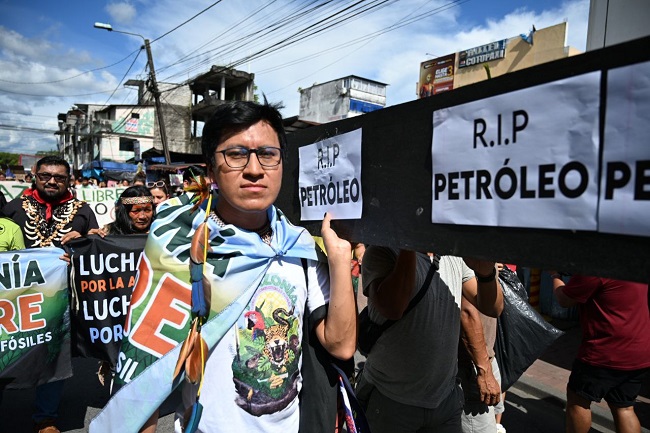
To begin the journey, the flotilla’s crew, together with ally organisations, will hold a symbolic funeral to bid farewell to the era of fossil fuels that has devastated the Amazon. This collective action denounces the false solutions that, in the name of the energy transition, continue to impose extractive projects and new sacrifice zones on Indigenous territories. In response, the Amazonian peoples reclaim their right to decide over their territories and to lead the way toward a just and living transition without creating new sacrifice zones through mining, oil spills, and monocultures.
The Yaku Mama Amazon Flotillademands a supposedly fair and binding energy transition.Indigenous Peoples urge governments and companies to ensure that any clean energy project respects Free, Prior, and Informed Consent (FPIC) and puts an end to fossil fuel developments that jeopardise their territories and ways of life.
At the same time, they call for the recognition and protection of intangible zones for Indigenous Peoples in Isolation and Initial Contact (PIACI), whose existence and well-being depend on territories free from exploitation. Protecting these forests not only guarantees the survival of these peoples but also preserves biodiversity, maintains global climate balance, and ensures the quality of life for all inhabitants of the planet.
The journey begins at a critical time for the Amazon. According to a report presented by the Monitoring of the Andean Amazon Project (MAAP) last year, 2024 marked a devastating record with the loss of 4.5 million hectares of primary forest due to deforestation and fires. This destruction is driven by the advance of extractivism; the same study reveals that deforestation from gold mining has increased by over 50% since 2018, with 36% of it occurring within protected areas and Indigenous territories.
The River That Flows: From History to Hope
“We are in Ecuador today for a very specific reason. Centuries ago, missions departed from Quito that claimed the ‘discovery’ of the Great Amazon River, bringing conquest to our territories,” affirmed Leo Cerda, a Kichwa Indigenous person from Napo, Ecuador.
“We too have come to Quito, that historic starting point, to reclaim this route. And on October 16th, from Francisco de Orellana – the city of Coca – we will embark on a new journey that honours the memory of struggle and resistance of the Amazonian Indigenous Peoples. We also dedicate this journey to the memory of October 12 as a symbol of the resilience of the Peoples of the Americas. We set out not to conquer, but to connect; so that the world, finally, will listen to the voices of the territory,”he added.
The flotilla is composed of a delegation of 50 people, including representatives of Indigenous peoples and civil society organisations from the Amazon, Mesoamerica, the Republic of Congo, and Indonesia. It will travel the Amazon River to denounce the “scars of extractivism” – such as illegal mining and deforestation – and, at the same time, highlight the strength of the living alternatives in their communities, such as productive enterprises, territorial monitoring, and ancestral science.
The Era of Fossil Fuels in the Amazon Must End
Fossil fuels not only harm the environment; they are a driver of social violence, according to observers.
Worldwide, especially in the Amazon, defending the territory has become a death sentence. According to the latest report from Global Witness, published in 2024, between 2012 and 2024 alone, at least 2,253 defenders have been murdered or have disappeared, 40% of whom were Indigenous.
Violence against the Amazon is manifested in the silent expansion of the oil and fossil gas industry. Between 2012 and 2020, the number of exploitation fields increased by 13%, and today, extraction is present in eight of the nine Amazonian countries. According to InfoAmazonia and Arayara, oil exploration overlaps with 441 ancestral territories and 61 natural protected areas, devouring the rainforest and directly threatening the lives and self-determination of Indigenous peoples. Across the Pan-Amazon, there are 933 oil and gas blocks, of which 472 are in Brazil, 71 in Ecuador, 59 in Peru, and 47 in Colombia, many located within protected areas or Indigenous territories.
The impact of this industry is devastating: between 2000 and 2023, Peru recorded 831 oil spills, and Ecuador, 1,584 between 2012 and 2022. In Brazil, the attempt to open a new oil frontier at the mouth of the Amazon – Petrobras’FZA-M-59 block – was rejected three times by IBAMA due to risks to biodiversity. Deforestation associated with oil infrastructure, such as roads and pipelines, fragments the forest and facilitates access to previously untouched areas. Furthermore, gas flaring and spills contaminate air, water, and soil, affecting the health of 1.2 million people living within five kilometres of active wells, according to Greenpeace.
Climate change, driven by the burning of fossil fuels which generates 75% of global greenhouse gas emissions (IPCC-AR5), is pushing the forest to its limit: extreme droughts, severe floods, and a growing vulnerability to fire threaten to push the Amazon toward a point of no return.
Demanding climate justice is also demanding justice for those who sustain the planet’s hope. COP30 cannot continue with sustainability rhetoric while extractive projects keep expanding. The Yaku Mama Amazon Flotilla demands a fair and binding energy transition that respects the rights of Indigenous Peoples and guarantees anAmazon free of oil, gas, and coal. Only then will it be possible to protect the life, dignity, and biodiversity that the Amazonian peoples have always cared for.
“For us, the Indigenous Peoples, the climate crisis is not a distant problem. It is the invasion of our lands, the contamination of our rivers, and a direct threat to the lives of our children. Defending the Amazon is not just a fight for nature; it is a fight for our own existence. There can be no climate justice without justice for the peoples who have cared for this land for millennia. At COP30, we demand that they listen to our voices and take real action by banning fossil fuel extraction once and for all,” indicated Kelly Guajajara, a young Guajajara Indigenous woman from Brazil and representative of Midia Indigena.
Indigenous Peoples as Part of The Climate Solution
The flotilla carries the argument that Indigenous Peoples are not only victims of the climate crisis but are also actors with living solutions. Their journey is a testament to how ancestral knowledge and local practices are vital for global climate governance.
“This flotilla is not just a protest; it is a living message navigating the veins of the Amazon. The river itself shows us its scars: the oil slicks, the wound of mining. But in every community, we visit, we also find resilience and solutions. We are not just coming to bring a problem to COP30; we are coming to present the answers that our peoples and the forest have cultivated for millennia,” stated Alexis Grefa, a young Kichwa Amazonian from Ecuador.
In contrast to this devastation, the Flotilla seeks to highlight Indigenous Peoples as the most effective climate solution. Science backs this up: according to the 2024 MAAP report, Indigenous Territories and Protected Areas cover nearly half of the Amazon (49.5%) and store 60% of all its carbon. Between 2013 and 2022, while the rest of the basin became a net source of emissions, these territories functioned as carbon sinks, absorbing 257 million metric tons.
Studies show that Indigenous Peoples manage or have rights to a quarter of the Earth’s land surface, which contains 37% of the intact natural lands and a third of the planet’s forest landscapes. Biodiversity also remains more stable in these territories than in similar ecosystems outside of them, even in conflict zones.
This scientific backing confirms that Indigenous Peoples not only protect their territory and ways of life but also play a critical role in the global climate balance, a central theme of COP30.
Calls to Action and Key Demands for COP30
The caravan demands that decision-makers at COP30 take concrete measures to:
Recognise and guarantee the territorial rights of Indigenous Peoples and local communities as the most effective climate strategy to protect forests, rivers, and biodiversity.
Ensure direct funding without intermediaries for those who care for life, strengthening the protection of critical ecosystems and resilience to the climate crisis. Although $1.7 billion was pledged at COP26, 76% of the Green Climate Fund’s funds remain in the hands of international intermediaries.
The energy transition cannot be repeated on the same wounded territories. Guaranteeing the full participation and decision-making power of Indigenous Peoples is essential to prevent the continued creation of new sacrifice zones in the name of progress.
Integrate the protection of land defenders into all climate policies.
“Just a few days ago in Ecuador, we bid farewell to Efraín Fuérez, Rosa Elena Paqui, y José Alberto Guamán a Kichwa Otavalo leaders and territory defenders, who was murdered during the national strike. Their memory joins our journey as a reminder that demanding climate justice is also demanding justice for those who, with their lives, sustain the hope of the planet,”affirmed Leo Cerda.
“The flotilla is not just a journey: it is a demand. We are not going to Belém to ask for a space; we are going to demand that climate policies be built from the territories, with justice for those of us who care for life,”their declaration underscores.
Our attention has been drawn to the context and content of the recently approved pardons by President Bola Ahmed Tinubu, extended to a mixture of convicted murderers, kidnappers, drug dealers, coup plotters, armed robbers and illegal miners totaling 175. While we hold no hard opinions about those pardoned by the President, we are, however, concerned about a recent statement by the Special Adviser on Information and Strategy to the President, Mr Bayo Onanuga, publicly announcing the justifications for the pardons and clemency.
In A Statehouse news release titled “Details of the Presidential Pardon and Clemency”, Mr. Onanuga had stated: “Illegal miners, white-collar convicts, remorseful drug offenders, foreigners, Major General Mamman Vatsa, Major Akubo, Professor Magaji Garba, capital offenders such as Maryam Sanda, Ken Saro Wiwa, and the other Ogoni Eight were among the 175 convicts and former convicts who received President Bola Ahmed Tinubu’s mercy on Thursday.”
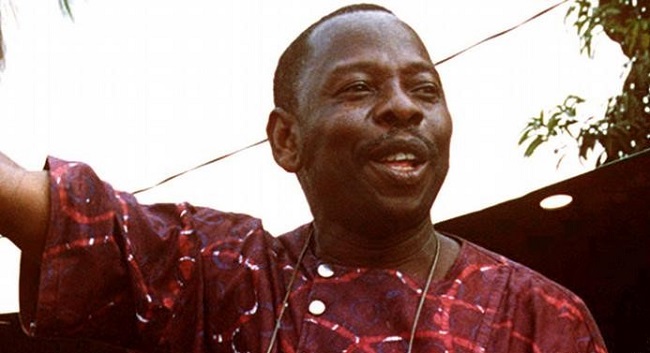
The late Ken Saro-Wiwa
Further in the statement, Mr. Onanuga also referred to four Ogoni leaders who were unfortunately murdered by a mob in 1995, and whose murder the Ogoni 9 were framed for, as “victims of the Ogoni 9”. This later reference paints a sordid and misleading picture that the Ogoni 9 were, in actual fact, murderers.
The statement by the Presidential Adviser is laced with insinuations and references that have no bearing on history, reality and globally acceptable facts about the occurrences that led to the execution of Ken Saro Wiwa and his fellow rights activists on November 10, 1995. For the avoidance of doubt, it is critical to reiterate the well-established facts.
In 1958, Ogoniland emerged as a focal area within Nigeria’s growing oil economy, contributing major revenues to the country’s economy. Unfortunately, the benefits from oil resources have not reached the Ogoni people in any significant measure. Rather, Ogoni communities have for decades borne the impacts of the industry’s adverse activities. In 1970, Ogoniland witnessed Nigeria’s first major oil spill arising from an error by Shell, a spill that continued for three whole weeks with devastating consequences for the livelihoods of the people.
Since then, oil spills and blowouts have occurred on a regular basis in Ogoniland. Estimates have it that in the 15-year period between 1976 and 1991, there were 2,976 recorded oil spills in Ogoniland. It was this level of neglect and ecological destruction that led to the adoption of the 1990 Ogoni Bill of Rights, a landmark document that demanded the right of the Ogoni people to protect their environment and ecology from further degradation.
Among others, the Bill describes the Ogoni case as a “genocide being committed in the dying years of the twentieth century by multi-national oil companies under the supervision of the Government of the Federal Republic of Nigeria”.
The Ogoni people, mobilised under the Movement for the Survival of Ogoni People (MOSOP), called the attention of the world to the poverty, neglect and environmental destruction which decades of oil exploitation had bequeathed on the Ogoni people. MOSOP demanded fairer benefits to the Ogoni people from oil wealth, as well as remediation and compensation for the ecological damage caused by the reckless activities of oil companies.
The Nigerian military government responded to the demands and non-violent protests of the people with vicious repression. A military operation was initiated in Ogoniland. The mass killings and widespread carnage that the military visited on the Ogonis remain largely undocumented. Thousands of Ogonis lost their lives, and many others went into forced exile around the world.
In May 1994, capitalising on the unfortunate killing of four prominent Ogoni leaders by a mob of yet-to-be-identified persons in Gokana local government area, Ken Saro-Wiwa, Saturday Dobee, Nordu Eawo, Daniel Gbooko, Paul Levera, Felix Nuate, Baribor Bera, and Barinem Kiobel were arrested. After a few months of predetermined trial by a special military tribunal, a sentence of death was pronounced on Ken Saro-Wiwa and eight others on October 31, 1995.
Ten days after, within the period the accused persons could appeal the judgement, the nine were immediately executed on November 10, 1995, against a backdrop of outrage, global condemnation and eventually, international sanctions on Nigeria. It is important to note that this was a trial in which forced witnesses recanted their testimonies, and the accused’s lawyers withdrew due to the tribunal’s predetermined, biased position.
What Ogonis and indeed the world have consistently demanded is an admission that the quasi-judicial process, which resulted in the conviction of the Ogoni 9, was a mockery of justice orchestrated by the military government with the active collaboration of Shell to quell community demands for resources and ecological justice. What we continue to demand is the complete exoneration of Ken Saro-Wiwa and his eight comrades.
The reference to Ken Saro-Wiwa and his comrades by the Presidency is insensitive and offensive to their memory and that of other victims of environmental injustice. It does little to bring closure to the families of those killed, and thousands of families who suffered indignity, abuse and losses on account of the reckless military expedition in Ogoni led by Major Paul Okuntimo and Dauda Musa Komo.
It is unacceptable that, despite overwhelming evidence of the miscarriage of justice against the Ogoni 9, which resulted in their hurried execution, the Nigerian state still considers them guilty and deserving of a pardon. In the said statement, no mention was made of the abuse of the judicial process nor of the fact that the constitutional right to appeal was not extended to the 9.
It is particularly interesting to note that, in reference to Sir Herbert Macaulay, whom the President considers having been unjustly treated by the colonialists, the statement had the following additional statement: “President Tinubu also corrected the historic injustice committed by British colonialists against Sir Herbert Macaulay, one of Nigeria’s foremost nationalists”. One wonders why the same clarification was not provided for the Ogoni 9.
We are equally concerned that the half-hearted pardon extended by the President may be a strategic ploy to resume the extraction of crude oil in Ogoniland, a move that has so far been condemned and resisted by all well-meaning Nigerians.
We call on President Bola Tinubu to immediately withdraw the “pardon” to Ken Saro-Wiwa and his colleagues and replace it with an unequivocal apology and condemnation of the faulty judicial process that resulted in their murder, followed by a gazette pronouncement quashing their murder conviction.
Ken Saro-Wiwa, Saturday Dobee, Nordu Eawo, Daniel Gbooko, Paul Levera, Felix Nuate, Baribor Bera, and Barinem Kiobel were exemplary leaders of the Ogoni nation who responded peacefully to the plight of their people and the destruction of their environment. Their commitment to right historical wrongs against their people and the environment should be recognised and commended.
By Health of Mother Earth Foundation, We the People, Corporate Accountability and Public Participation Africa, Environmental Rights Action, Kebetkache Women Dev. & Resource Centre, MiideeKor Environmental Development, Peoples Advancement Centre, Social Action, Ogoni People’s Assembly, Human and Environmental Development Agenda (HEDA), Oilwatch Africa, Rights Advocacy and Development Centre, Lekeh Development Foundation and Civil Rights Council
The article considers Morocco’s current social context and suggests a pathway forward to advance inclusive, locally driven development that achieves the life goals of the people
So much of world poverty today can be accounted for by the gap between vision, intention, and the codification of policies to support people’s own driven change and growth juxtaposed against unsatisfactory implementation, the lack of application, and a deepening stratification. The disappointment, very real, is made heavier because of how needless the lack of fulfillment really is.
In Morocco, in rural and urban places, opportunities abound. The national frameworks for shared sustainable growth are thoughtful and well-articulated. People cherish their origins in every part of the Kingdom, and they, like most everyone everywhere, just want to work and work so hard when the chance is at hand.
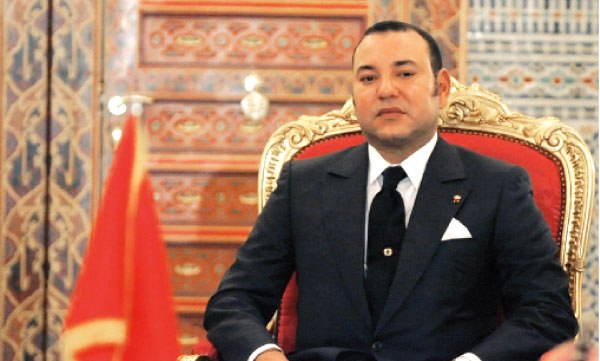
King Mohammed VI of Morocco
I never found reason to blame communities or groups of people for the poverty conditions. Society’s and historical circumstances combined with inconsistent application of established programs and budgets account for failures to bridge the “two speeds” of development that are found, as His Majesty King Mohammed IV recently described, which generations in the nation have yet to overcome.
Drawing from His Majesty’s vision, Morocco’s youth and rural communities and neighborhoods can determine and achieve the development projects that respond directly to their specific needs. At the same time, this can inspire countries of the world who face their own desperation and fragility.
Projects that create growth and endure, and that are experienced directly by the communities of people who need them most, must be determined by them. There is no more widely-identified lesson learned than this: people commit their energy and time to maintain development that they have identified, manage, and receive benefits from. How, though, is this achieved?
Across cultures and experiences, and certainly over decades in Morocco, communities’ own determination of local socioeconomic and environmental projects does not necessarily ensure that those initiatives resonate directly with their self-described interests. This is especially true when they, like most people in our world, have never been asked their vision prior to the fortunate circumstance of engaging in inclusive community dialogue to plan actions for their development.
How do they respond when they have not yet introspectively considered their hearts’ goals in life or built the confidence to voice and pursue them? How do they react when they feel, in their local setting, the social controls that come with tradition or the roles they are expected to play based on their age, gender, and demographic?
Morocco champions ministerial and national strategies for community-driven projects in agriculture, education, health, business development, and other essential areas. It needs to vastly invest in empowerment – personal and collective development-envisioning programmes – so that the local communities of the nation (beginning with women and youth) cultivate the clarity of project objectives, backed by determination, to understand and achieve their own project dreams. Open forums that don’t first build a sense of personal direction and self-analysis of individuality, social relationships, work outlook, and other key areas of life result into a disconnect between the projects that emerge and what people actually want.
Empowerment before project planning aligns people’s sincere will with defined project types and goals. These shared growth movements necessitate trained facilitators who build their skills through a learning-by-doing experience.
Youth are an incredibly promising demographic to perform this agency role. Clearly, they have immense desire. They seek a productive, acknowledged outlet to improve their society, and they are essential for locally driven processes that achieve employment and a better world. Young people are also pained. They are organising and calling out. In Morocco is seen the exasperation of youths’ innate calling being widely denied.
Where and how do we train our youth so that they may be the initiators of community action to define and pursue projects to meet their priority needs? The established youth centers in all parts of the nation generally represent enormous possibilities but are severely under-resourced and understaffed. These locations should be empowerment training grounds where young people not only pursue their own self and community development but also build their capacities as assistants of these processes, ones who create self and group exploration experiences.
All public universities in Morocco have established strategies to provide applied experiences for students involving community engagement, but here again, the resources to effectively achieve this necessity are absent. A significant proportion of public university students are from rural places. With their key skills in advancing locally-designed development and with support, they would fully embrace the opportunity to return to their countryside and create initiatives with other young people and with communities as a whole.
Vital to all of this is the training of teachers, professors, youth center directors and staff, civil association members, members of municipal councils, and administerial personnel who engage with local people in these techniques of inspiring and guiding individuals and groups toward empowerment. We cannot expect university students and participants at youth centers to know or even dedicate themselves in this way without guidance from the professionals responsible for these institutions.
With a determined focus and resources for personal and community action planning and self-belief-building workshops, we gain clarity about the most important projects that the people seek to implement. Even as empowerment workshops are completely central for sustainable development, they cannot replace the absolutely essential need for project fulfillment. The people’s initiatives must become real to generate jobs, food security, economic and environmental resiliency, water access and management, artisanal and agricultural cooperatives, family literacy, cultural heritage preservation, school infrastructure, and other priorities.
Of the multiple excellently formulated policies for sustainable development that have been codified since the ascendancy of His Majesty the King to the throne in 1999, the Roadmap of decentralization is certainly among the most creative and has the most potential toward forming a prosperous future. Even as it is embraced by law, its practical manifestation is commonly considered inadequate.
A primary reason for its delay in impacting people at the local level is that most communities have not experienced their own empowerment, and inclusive, participatory dialogue and planning for the future is not their typical modus operandi. When further decision-making authority is transferred to already socially stratified locations, decentralisation can actually entrench those imbalances even further where those who have privilege and capital gain even more influence. Decentralisation thus follows when communities collectively act, jointly design, and engage in the decision making to accomplish shared personal and group-related goals.
Morocco’s decentralisation is regionalisation, building the administrative capacity within its 12 regional capitals with the outcome of not enough strengthening of local cooperatives that are formed and managed by the people. The delegation component of decentralisation which harnesses the community dimension needs tangible strengthening. It’s difficult to imagine the highly centralised public administration effectively decentralising itself. The rate of this necessary decentralising process is not outpacing the ability for the people to help meet their own vital needs.
A ministry of decentralisation, not handed to the ruling party of the government but under direct accountability to His Majesty the King as the nation’s final arbiter, may be what is needed to ensure the deconcentration component of Morocco’s decentralisation. This intersectoral collaboration at all administrative tiers complies with the other elements of Morocco’s decentralisation Roadmap to ultimately fulfill the local people’s own development projects.
I imagine no one has greater frustration and disappointment than the King of Morocco, who has envisioned and established every principle guide needed for community-propelled opportunity. He also established the priority of mountainous regions and oases that cover 30 percent of the country, where economic, educational, and health difficulties are comparatively the greatest. But what indication have we that governments will actually overcome the systemic divide as the majority of youth and women in rural places bear the heaviest of poverty’s burden?
I have passed years of my life in the mountains of Morocco, dedicated to the people’s development. The most effective strategies for widespread development fulfillment can only come by the commitment of time to be impressed upon by their own derived pathway forward. Once empowered growth visions are built by the people, creating proposals and business plans is then a side-by-side affair, if the level of literacy skills is not currently existing locally to create the written plans that financial donors require. Infrastructural and community-action replication is faster-moving when the most distant villages in the furthest municipalities from provincial capitals are the first engaged (rather than working from closest to city centers outward, which is more typically the case).
But are public servants broadly enough so dedicated and do they have the means to travel as widely as critically required to co-create communities’ proposals to help secure the resources they need to launch their project dreams? I have seen amazingly stalwart and truly admirable public officials across agencies, and hope in my heart for their continued good rise. The opening of the catalyst and facilitator function in jurisdictions of the Kingdom is there for youth to assume, and they can know it and have the strengthened ability to fulfill it with applied learning programs of national importance.
In regard to cost, consider this as an example and frame of reference. There are 1,538 municipalities in Morocco, and 1,282 are rural. Having assisted rural communities in all 12 regions in their planning of the projects they want most of all, has revealed that water infrastructure for drinking and recycling for irrigation; capacity building with civil and cooperative groups in production activities, organisational management, and training of trainers for scale; mountain terracing for food production and stemming erosion; resilient fruit and forestry tree and medicine plant agriculture; product processing and other value-added activities such as carbon offset credits; school infrastructure; and historic preservation that enhances livelihoods are among the most common priority initiatives decided by the people.
An average cost to implement these projects enabled by trained youth and other facilitators of empowerment and community planning is approximately $3 million per rural municipality. In other words, $4 billion dedicated in this decentralised methodology could not only eradicate rural poverty and enable youth, women, and farming communities who have experienced the severest inequality in Morocco to achieve their best future where they are from, but it could also give new meaning of responsibility for time to come on what it means to be hosting the world for global sporting, cultural, and other humanity-unifying events.
Morocco can show all nations that the divide between aspiration and reality can be overcome and that the gap of sadness and the distressing loss of people’s potential can finally be no more.
By Dr. Yossef Ben-Meir, President of the High Atlas Foundation in Morocco
A landmark six-year programme to build a climate-resilient and low-emission dairy sector is now underway across East Africa. The Dairy Interventions for Mitigation and Adaptation (DaIMA) programme, led by the International Fund for Agricultural Development (IFAD) with $150 million in co-financing from the Green Climate Fund (GCF), represents a total investment of $358 million.
The project that was presented at the recently concluded 9th International Greenhouse Gas and Animal Agriculture (GGAA) conference in Nairobi will directly benefit 2.5 million rural people in Kenya, Rwanda, Tanzania and Uganda and indirectly reach an additional 15.4 million individuals along the dairy value chain.
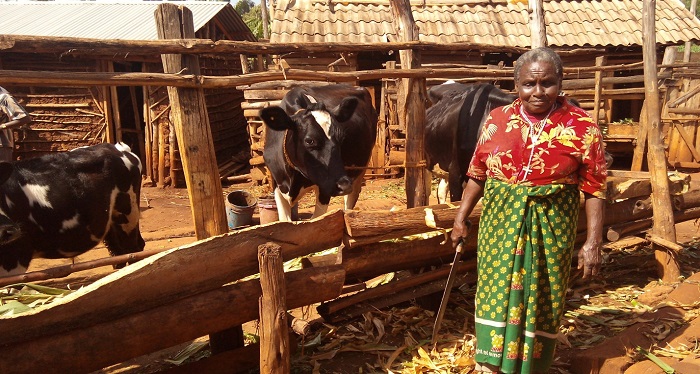
A farmer in the dairy sector
The dairy sector is central to food security and livelihoods in East Africa but faces mounting pressure from climate change, including heat stress and drought. The productivity and efficiency of East African Dairy systems can be strengthened which will reduce emissions and ensure more resilience of the production systems. This will be done through equipping smallholder farmers with climate information, improved breeding and veterinary services, better reproduction and feed management and innovative technologies to enhance productivity while cutting emissions.
The programme is already operational through four IFAD projects aligned with national priorities in the target countries. These programmes strengthen institutions and policy frameworks while introducing climate-responsive practices such as improved feed and fodder systems, manure management, and pasture restoration. It seeks to restore nearly 180,000 hectares of rangeland and support more than two million dairy cattle.
“DaIMA is about transforming the backbone of East Africa’s dairy sector,” said Sara Mbago, Regional Director, East and Southern Africa, IFAD. “By combining innovation, investment and policy reform, we are helping farmers adapt to a changing climate while reducing emissions and creating opportunities for growth.”
The programme is expected to boost milk production by 34 percent and reduce emissions by 2.1 million tonnes of CO₂ equivalent over 20 years. Its holistic approach strengthens veterinary and extension services, enhances breeding and feeding systems, restores degraded lands, and expands access to climate information. A dedicated Green Dairy Financing Facility will unlock climate finance for farmers, cooperatives and small and medium-sized enterprises, accelerating the shift to low-emission value chains.
DaIMA preparation brings together a powerful coalition of partners, including IFAD, GCF, International Livestock Research Institute (ILRI), the FAO Investment Centre, the Global Methane Hub, the Global Dairy Platform and USAID Food and Agriculture. It places strong emphasis on inclusion, ensuring women, youth and marginalised communities are at the centre of climate action and benefit equitably from the transformation.
As climate pressures intensify, DaIMA stands as a blueprint for sustainable agricultural transformation, linking innovation, finance and policy to build a low-emission, climate-smart dairy economy across East Africa.
ILRI will provide technical assistance to the four countries on Monitoring, Reporting and Verification of GHG emissions, as a regional center of excellence in this area with its Mazingira centre.
“DaIMA programme represents a major milestone for the dairy sector. By scaling up low-emission, climate-resilient solutions, DaIMA directly supports the implementation of the Paris Agreement, accelerating the sustainable transformation of the dairy sector in the region,” said Appolinaire Djikeng, the Director General of ILRI.
As the world marks World Food Day 2025 on Thursday, October 16, the Corporate Accountability and Public Participation Africa (CAPPA) urged governments at all levels to implement comprehensive food policies that protect Nigerians from the growing threat of ultra-processed foods (UPFs) and unhealthy beverages.
In a statement marking the day, the organisation warned that more Nigerians, particularly children, adolescents and young adults, are being aggressively targeted with unhealthy diets that are not only nutrient-poor and heavily processed but also deceptively packaged and marketed as healthy and convenient.
Sugar-sweetened beverages
“The result is a worrying nutrition transition away from traditional, wholesome diets toward unhealthy dietary patterns that fuel the country’s rising burden of noncommunicable diseases (NCDs) such as hypertension, diabetes, cardiovascular disease and kidney failure,” CAPPA said.
Observed annually on October 16, World Food Day commemorates the founding of the Food and Agriculture Organisation (FAO) of the United Nations in 1945. This year’s theme, “Hand in Hand for Better Foods and a Better Future”, underscores the need for cooperation and evidence-based policies to ensure that everyone has access to affordable, safe, and nutritious food. CAPPA argued that healthy food policies are critical to achieving this goal and creating a peaceful, sustainable, and food-secure future.
“Nigeria today confronts a stark and shameful reality: our country now ranks among the lowest globally in life expectancy, with average lifespans in the mid-50s,” said Akinbode Oluwafemi, CAPPA’s Executive Director. “This tragic statistic is a wake-up call that exposes systemic failures across our food, health, and social systems, and demands urgent policy and regulatory action.”
Oluwafemi expressed concern that corporations continue to expand their marketing web through digital and social media advertising, school sponsorships, celebrity endorsements, and cultural co-opting, all designed to make unhealthy products appear normal or aspirational. “Children and youth are especially vulnerable to these tactics,” he warned.
Citing CAPPA’s recent report, “Junk on Our Plates: Exposing Deceptive Marketing of Unhealthy Foods Across Seven States in Nigeria,” the statement noted how multinational and local food and beverage corporations employ aggressive, misleading, and culturally targeted marketing to normalise the consumption of ultra-processed, high-sugar, and high-sodium products across the country.
According to the report, the industry employs a range of deceptive practices that undermine consumers’ right to clear information for healthy food choices, including misleading nutrition claims, manipulative labelling, and promotions tied to social events, religious gatherings, and school activities. It further highlights how these tactics are concentrated in low-income communities where nutritious options are scarce, worsening existing inequalities.
“These strategies not only promote unhealthy products but also erode Nigeria’s traditional food culture,” Oluwafemi said. “We cannot address our declining life expectancy or the growing epidemic of NCDs without confronting this toxic marketing environment head-on.”
To stem the tide, CAPPA outlined several urgent policy interventions. These include Front of Pack Labelling (FOPL), an effective tax on sugar-sweetened beverages (SSBs), sodium reduction targets, restrictions on the marketing of unhealthy foods and drinks, especially to children, an increase in tobacco taxes, and restrictions on the marketing of smokeless tobacco, e-cigarettes, and nicotine products.
It said evidence shows that well-designed front-of-pack labelling helps consumers make healthier choices and encourages food manufacturers to reformulate products. “Mandatory FOPL should be adopted nationwide as a first step toward healthier purchasing decisions,” CAPPA said.
It advocated for effective taxes on sugar-sweetened beverages (SSBs), saying it is effective to reduce consumption, improve healthy dietary behaviours and generate public revenue that can be reinvested in health and nutrition programmes.
The statement added: “Excessive sodium in the food supply drives hypertension, heart disease and premature death. Nigeria must adopt mandatory sodium reduction targets for processed and pre-packaged foods to reduce salt intake and save lives.
“Furthermore, children and other vulnerable groups must be protected from unhealthy diets; hence, we are calling for a comprehensive ban on marketing of ultra-processed foods to children, including in virtual reality platforms.
“Tobacco and nicotine policies are central to improving life expectancy. Sustained increases in tobacco taxes remain the single most cost-effective measure to reduce tobacco use and prevent premature deaths. Equally, marketing of smokeless tobacco, e-cigarettes and other nicotine products, particularly on social media and platforms popular with youth, must be strictly restricted to prevent nicotine dependence among children and young people.”
CAPPA emphasised that these evidence-based measures will not only improve population health but also reduce healthcare costs, strengthen productivity, and contribute to a more equitable, peaceful, and food-secure Nigeria.
“As we mark World Food Day 2025, we must put people before profit,” Oluwafemi concluded. “By implementing healthy food policies and regulations, Nigeria can move decisively toward a future where every citizen, especially our children, can live longer, healthier, and more dignified lives.”
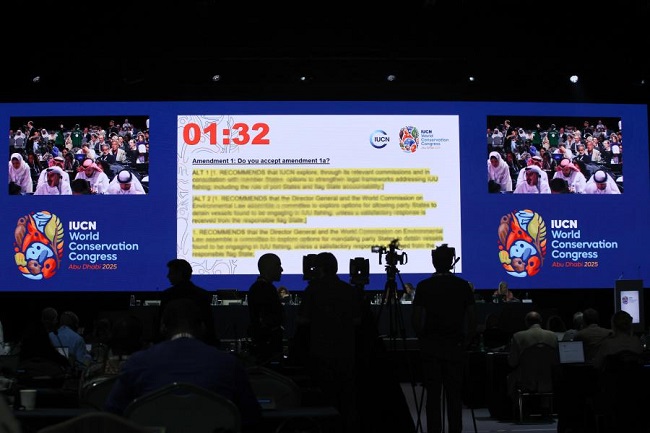
At the International Union for Conservation of Nature (IUCN) World Conservation Congress on Wednesday, October 15, 2025, members made history with the adoption of Motion 042 – the first motion across the entire global multilateral system to explicitly address fossil fuel production as a threat to nature.
The motion calls on governments and civil society to confront one of the root causes of the combined climate and biodiversity crises through supply-side measures. This, according to the Fossil Fuel Non-Proliferation Treaty Initiative, represents the strongest language ever adopted in a multilateral forum on the supply of oil, gas and coal.
IUCN Members vote on various amendments. at the Congress. Photo credit: Anastasia Rodopoulou
Motion 042 acknowledges the urgent gap in international governance of fossil fuel production and encourages states to explore a variety of instruments, including explicitly naming a potential Fossil Fuel Non-Proliferation Treaty, to phase out coal, oil, and gas, stop new extraction, and ensure a just transition for workers and communities. The motion also reaffirms the IUCN’s role in conservation by calling for the protection of ecosystems at the source of extraction, stopping new fossil fuel expansion, and promoting real conservation measures.
This development comes in the wake of the recent International Court of Justice (ICJ) advisory opinion, welcomed by IUCN Motion 141, which affirmed States’ obligations to prevent climate harm and protect the rights of present and future generations. Members also adopted IUCN Motion 038, calling for the promotion of the implementation of the goals agreed upon under the Paris Agreement, including transitioning away from fossil fuels in energy systems, in a just, orderly and equitable manner.
Ralph Regenvanu, Minister for Climate Change Adaptation, Energy, Environment, Meteorology, Geo-Hazards and Disaster Management of Vanuatu, says: “Today is a historic moment for global conservation. For the first time, the IUCN has recognised what science has been telling us for decades: we cannot protect nature while expanding fossil fuels. With this vote, the IUCN has agreed to engage on the need for a Fossil Fuel Treaty. This is the long-overdue leadership and courage the world needs.
“After the recent ICJ Advisory Opinion, governments know they have a legal obligation to prevent climate harm. The Pacific has long been calling for a just and equitable phase out of coal, oil, and gas because our survival depends on it. Now the conservation movement has joined us. This signals a new surge in momentum, and we will carry it forward to COP30 in Belem and beyond until the world delivers a fast, fair and funded transition away from fossil fuels.”
Fernanda Carvalho, Head of Policy for Climate and Energy of WWF International, says: “Today, IUCN members made history by passing motions that support the climate regime, reinforce synergies between climate and nature and address fossil fuels as a root cause of biodiversity loss. Climate change and biodiversity loss are the biggest threats the planet faces and we will only be able to reverse them with bold, integrated and innovative strategies such as a potential Fossil Fuel Non-Proliferation Treaty.”
Harjeet Singh, Strategic Advisor of the Fossil Fuel Non-Proliferation Treaty Initiative, says: “The IUCN has finally named a root cause of the climate and biodiversity crises: fossil fuels. By adopting motions that call for a serious analysis of the gaps in current international agreements, the IUCN has acknowledged what many governments still refuse to confront – there is no existing global plan to phase out coal, oil, and gas.
“That governance gap is exactly why the Fossil Fuel Treaty is what we need to provide a coherent international framework for an equitable phaseout and a just transition. Coming in the wake of the ICJ advisory opinion, this decision adds momentum to growing global demands for climate justice and puts pressure on governments to act ahead of COP30.”
Fany Kuiru Castro, General Coordinator of Coordinadora de la Organizaciones Indígenas de la Cuenca Amazónica (COICA), says: “For Indigenous Peoples, this vote is a recognition of our lived reality: you cannot protect nature while expanding fossil fuels. Oil and gas extraction has destroyed our territories and violated our rights for generations. By recognising fossil fuels as a threat to nature, IUCN is finally standing on the side of life. There is no conservation without Indigenous rights, and there is no climate justice without a full and fair phase-out of fossil fuels.”
The adoption of this series of motions on addressing fossil fuel supply and the need for a global just transition comes less than a month before the COP30 climate negotiations commence in Belém, Brazil, where governments will face increased pressure to deliver concrete commitments to phase out fossil fuels, align climate and biodiversity action, and secure finance for a global just transition. The momentum generated by Motion 042, Motion 038, and Motion 141 – together with the ICJ advisory opinion and growing political support for a Fossil Fuel Non-Proliferation Treaty – raises the bar for action at COP30 and beyond.
Motion 042 was supported by the Government of Vanuatu, and submitted to the IUCN by the World Wide Fund for Nature (WWF), together with co-sponsoring civil society and Indigenous Peoples’ organisations, including BirdLife International, Coordinadora de la Organisaciones Indígenas de la Cuenca Amazónica (COICA), and the Natural Resources Defense Council (NRDC).
Following the vote at the IUCN World Conservation Congress, members have rejected a moratorium on genetic engineering of wild species (Motion 133) andadopted the IUCN Policy on Synthetic Biology (Motion 087), a move observers see as a signal of support for a science-based, case-by-case approach to innovation in conservation.
In a statement, the Outreach Network for Gene Drive Research said: “As a coalition that champions the value of responsible research, we welcome the adoption of IUCN’s Policy on Synthetic Biology as a constructive, balanced and science-based approach towards the potential application of this emerging field for conservation.
“The escalating biodiversity crisis poses a grave threat to the future of all life on earth, with more than a million species at risk of extinction. Synthetic biology, including genetic engineering, offers new hope for solutions that can rise to the scale and urgency of the challenge.
“While this is not a blanket endorsement of synthetic biology, it provides an important framework for informed, responsible decision-making on a case-by-case basis according to scientific evidence and risk assessments. It recognises the importance of governments making decisions about the use of synthetic biology that factors in their unique national priorities and contexts.
“By adopting its Policy on Synthetic Biology, IUCN has also signaled the importance of ongoing research into synthetic biology for other applications, including the control of vector-borne diseases such as malaria and dengue. This allows for continued research into potentially transformative new tools for addressing some of the world’s most persistent and pernicious health challenges.
“The outcome at the World Conservation Congress reinforces IUCN’s role as a responsible policy leader and aligns with international practices already set out in other key fora and agreements, including the UN Convention on Biological Diversity (CBD) and the Cartagena Protocol.
“Moving forward, we look forward to the IUCN Council’s proposals to strengthen capacity-building efforts in the synthetic biology field. We also recognize the value of further collaboration with the UN’s Convention on Biological Diversity (CBD), particularly as it develops its ‘Thematic Action Plan to build capacity in synthetic biology.’ Such coordination will be critical to ensure inclusive, informed, and effective implementation of the IUCN decision across stakeholders, especially in low- and middle-income countries.”
World-leading scientists and experts have also been reacting to the news.
Yacine Djibo, Founder and Executive Director of Speak Up Africa, a Senegal-based NGO working to advance public health and sustainable development across Africa: “By adopting the IUCN’s Policy on Synthetic Biology and rejecting a moratorium, the World Conservation Congress has endorsed a context-specific, science-based approach to the use of genetic tools for public good. This is significant because it helps keep all potential options on the table for addressing Africa’s most pressing challenges, which include biodiversity loss as well as public health threats.
“Across Africa, malaria remains one of the biggest public health challenges, killing one child nearly every minute, and existing tools are not sufficient in the face of new challenges such as invasive mosquito species, insecticide resistance or climate change impacts. The potential to use genetic technologies to reduce the population of malaria-carrying mosquitoes is a promising area of research, offering hope to help reverse stalled progress and save lives.
“By supporting governments’ rights to consider the development and use of genetic tools, the IUCN resolution has kept the door open to new, cost-effective and scalable solutions for controlling malaria and other vector-borne diseases.”
Dr. Leena Tripathi, Director of Eastern Africa Hub and Leader of the Biotechnology Program, International Institute of Tropical Agriculture (IITA):“It’s a huge relief to see the World Conservation Congress adopt IUCN’s Policy on Synthetic Biology and reject a proposed moratorium on genetic engineering. As a scientist working on agricultural biotechnology, I followed the discussions with interest because the outcome had ramifications for research to address global food security as well as conservation.
“This decision upholds the value of scientific research and the significant potential that synthetic biology has for tackling some of the world’s most pressing challenges, including achieving the 70 per cent increase in food production needed to meet demand by 2050. It also provides governments with an evidence-based framework for navigating new applications of biotechnology to determine their suitability on a case-by-case basis.”
Susan Lieberman, Vice President for International Policy at the Wildlife Conservation Society (WCS) and a member of the IUCN Tortoise and Freshwater Turtle Specialist Group: “The Wildlife Conservation Society welcomes the decision to adopt the IUCN’s Policy on Synthetic Biology and reject a moratorium on genetic engineering of wild species in nature, which would have been inconsistent with the policy.
“Synthetic biology offers enormous potential to complement existing conservation tools at a time when current approaches are no longer sufficient to keep pace with the ongoing rate of biodiversity loss.
“The resolution at the World Conservation Congress accepts that synthetic biology applications should be considered on a case-by-case basis in line with international frameworks and agreements. It recognises the importance of taking informed decisions based on scientific evidence and rigorous risk assessments when weighing up how to address each conservation challenge.”
Oliver Ryder, Director of Conservation Genetics, San Diego Zoo Wildlife Alliance: “It’s a huge boost to the future of conservation to have the IUCN Policy on Synthetic Biology adopted. This motion provides a critically important decision-making framework to evaluate opportunities for synthetic biology to contribute to our shared conservation goals.
“Synthetic biology has evolved significantly and has already shown potential to help restore genetic diversity among endangered species. For example, our work to preserve living cells in our Frozen Zoo enabled the birth of the first cloned black-footed ferret in 2020, re-introducing previously lost genetic variation back into the population.
“With the IUCN’s backing, scientists can continue to explore and develop new genetic technologies to support conservation efforts and help halt the rapidly accelerating biodiversity crisis.”
David Will, Director of Impact and Innovation at Island Conservation: “It’s encouraging to see the World Conservation Congress adopt IUCN’s Policy on Synthetic Biology. The policy represents a science-based approach to a rapidly evolving and hugely promising field of research, developed by consensus after consultation with all relevant parties.
“Invasive species like mice and rats are a leading driver of biodiversity loss, contributing to 60 percent of known extinctions – most of which happen on islands. Removing these invasive species is a proven method for restoring biodiversity, allowing species to return home for the first time in hundreds of years and directly contributing to reduced extinction risk as defined by the IUCN Red List. With projections that the total number of alien species will increase by an estimated 36 per cent by 2050 compared to 2005, these fragile but vital ecosystems urgently need new tools to protect native species.
“By rejecting a moratorium on synthetic biology, IUCN has ensured research exploring promising new tools, such as gene drive technologies, can continue. The future potential addition of targeted, scalable approaches to the island conservation toolbox could help more island communities remove invasive rodents, offering hope for protecting native wildlife on islands where existing conservation approaches are not enough.”
Dr. Seth Appiah-Kubi, National Director of environmental NGO, A Rocha Ghana: “I applaud the adoption of the IUCN Policy on Synthetic Biology, which sets out a responsible path forward based on evaluating each application on a case-by-case basis, guided by science-based risk assessments, ethical standards, and respect for the rights of Indigenous Peoples and local communities.
“This policy empowers members with a toolkit to guide decisions and supports countries in making informed choices. This is especially important in low- and middle-income countries where biodiversity loss is accelerating.
“Existing conservation tools alone cannot reverse biodiversity loss. We need innovations to complement available tools and protect endangered species, increase genetic diversity and improve adaptability and resistance to pathogens.”
Town planning experts in Ogun have advocated for proper consultation before building to prevent unnecessary demolitions of houses in the state.
They affirmed that Ogun State is undergoing significant changes in urban planning under the current administration, commending Gov. Dapo Abiodun for ensuring a master plan.
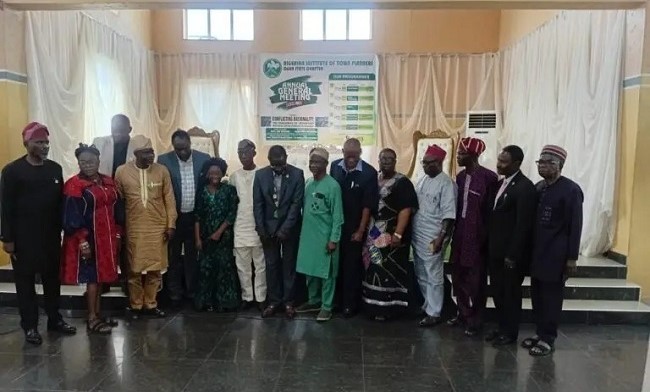
Mr. Sogbesan Adefala, the Chairman of the Nigeria Institute of Town Planners (NITP) in Ogun State, said this during the 2025 Annual General meeting held in Abeokuta on Wednesday, October 15.
Participants at the Ogun State NITP Annual General Meeting
This is coming as the Lagos State Government has denied involvement in the recent demolition of structures on the Sixth Avenue, FESTAC Town.
The Commissioner for Physical Planning and Urban Development, Dr Oluyinka Olumide, said this on Tuesday, October 14, in Alausa.
Olumide said that the state government had no hand in the demolitions and followed a clear process before bringing down any structure.
He said that such process included giving all necessary notices and engaging with people who may be affected.
The commissioner urged all agencies, including federal ones, to always consult and get clearance from the Ministry of Physical Planning and Urban Development before carrying out any demolition.
“We want to assure residents that the Lagos State Government is committed to fairness, due process and protection of property rights.
“Any demolition done without proper authorisation does not represent the position of this administration,” he said.
In Ogun State, Adefala said that the state government is reviewing urban laws and seeking input from relevant stakeholders, including town planners, to ensure that policies are informed by expertise and community needs for excellent development.
He emphasised that town planners are not just about demolishing houses, but rather about making settlements more livable.
Adefala urged residents to consult town planners before embarking on any development to avoid unnecessary demolitions.
“The key to avoiding demolitions is to do things right from the start. We have town planners who work with the government and consultants who can provide adequate advice,” he said.
Adefela also highlighted the importance of continuous professional development, noting that society benefits when professionals improve their skills and knowledge.
The Guest Lecturer, Prof. Leke Oduwaye, observed that Ogun State is developing rapidly, and without proper settlement planning, the state risks losing out.
Oduwaye, who spoke on the theme: “Conflicting Rationality: The Challenge of Urban and Physical Development in Nigeria”, noted that planning a settlement is cost-effective and enhances land value, making it top priority for investors.
He recommended that planners reconsider their approach to addressing social issues, acknowledging the significant gaps between theory, principle, and stakeholders’ perspectives.
Oduwaye, who is the Head of Department of the Urban and Regional Planning of the University of Lagos, stressed the need to review the overlapping roles of various professional groups/disciplines through legislation.
He observed that “corruption is the root of all urban physical development, and it must be corrected.”
“So, because once you draw a plan, the value of the land will go up, and the value is what developers want.
“Take for instance, when they’re coming to Nigeria, let’s say from Europe or from America, they want to see a plan before they even arrive, it’s an industrial area, and they want to relate it to the airport.
“They want to relate it to the highways; they want to relate it to the railway, to be able to move their products. That’s the way they’re thinking before they arrive.
“In 20 years, everywhere in Ogun state will be looking orderly and seamless because the master plan will track where you should put rail, foot rail, whether from the Iperu airport.
“For example, a new rail to link Olokola; before you know you will just see a developer from China that will build rail from Iperu to Olokala. That is the essence of masterplan,” he said.
The Nigerian Government says it is targeting a 47 per cent emission reduction by 2030.
Mr. Festus Keyamo, Minister of Aviation and Aerospace Development, said this at the 2025 edition of the Africa Climate Forum in Abuja on Tuesday, October 14.
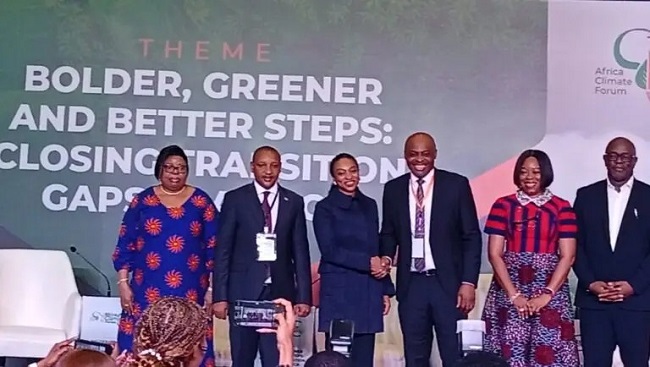
The 2025 ACF has as theme “Bolder, Greener, and Better Steps: Closing Transition Gaps in Africa,”.
Stakeholders at the 2025 3rd Africa Climate Forum in Abuja
Keyamo, represented by his Special Adviser on Foreign Direct Investments, Dr Obafemi Bajomo, said that the theme speaks directly to the urgency of Nigeria’s time.
According to him, the goal is clear: to meet and exceed Nigeria’s Nationally Determined Contributions (NDCs) under the Paris Agreement, targeting up to 47 per cent emission reduction by 2030 with international support.
“Through our Energy Transition Plan, Nigeria is charting a clear path to achieve net-zero emissions by 2060, expanding renewable energy access and reducing reliance on fossil fuels.
“We are scaling up climate-smart agriculture, advancing reforestation under the Great Green Wall Initiative, and investing in climate education and public awareness so that every citizen becomes a partner in progress.
“Africa stands at a crossroads. We are richly endowed. Rich in natural beauty, human capital, biodiversity, but also profoundly vulnerable to the disruptions of climate change.”
The minister assured that Nigeria was committed to sustainable transformation within the aviation sector.
Amb. Isaac Parashina, Kenyan High Commissioner and Ambassador to Nigeria, said that climate change was no longer merely an environmental issue.
“Africa does not lack vision. It lacks cohesion between aspiration, institutions and the resources necessary to sustain them.
“The question is no longer what Africa needs, but what Africa will decisively choose to do differently.
“Kenya now leads Africa in geothermal production, with over 90 per cent megawatts connected to the national grid and further projects underway.
“This success is grounded in policy continuity, investment certainty and a regulatory environment that encourages innovation,” Parashina said.
He revealed that Kenya’s campaign to plant 15 billion trees by 2023 sought not just environmental restoration but a cultural shift, a reimagining of civic duty where every tree planted is an investment in the future.
“Kenya believes that Africa’s climate transition must be collaborative. No country can address this challenge alone.
“Kenya and Nigeria for example, have enormous potential to cooperate in renewable energy, green technology, sustainable agriculture and carbon markets,” he added.
Similarly, Dr Muhammad Dingyard, Minister of Labour and Employment, said that the labour and employment sector played a crucial role to achieve Nigeria’s climate goals.
Dingyard, represented by Dr James Obadiah from the ministry, said that critical transition towards a greener economy, was vital for job creation in sustainable practices, renewable energy, and environmental conservation.
“Together, we can develop strategies that reflect our collective ambition to build a resilient and sustainable Africa. An Africa that thrives economically while preserving the environment for generations to come,” he said.
Earlier, Prof. George Nwangwu, Director-General (D-G), Global Centre for Law, Business and Economy, in an address of welcome said that climate change, was a borderless and relentless force.
Nwangwu said that climate change had thrust nations into complex web of negotiations, balancing rights, obligations, and commitments.
“ACF has emerged as a cornerstone of the global climate action movement. Since its inception in 2023, ACF has been a beacon of hope, innovation, and collaboration,” he said.
In a keynote address, Mrs. Omotenioye Majekodunmi, Director-General National Council on Climate Change (NCCC), said that the council had deepened collaboration with international partners to enhance Nigeria’s climate data verification framework.
Majekodunmi, represented by Mr. Michael Ivenso, Director, Energy Transportation and Infrastructure, NCCC, said that ACF had over the years sharpened African climate condition.