Home Blog Page 131

Why fortifying ultra-processed foods won’t solve Nigeria’s nutrition crisis

0

Food fortification is a well-established public health intervention designed to address widespread micronutrient deficiencies in populations. Over time, this strategy has proven remarkably effective in tackling several serious health conditions. One of the most notable examples is the addition of iodine to salt, which successfully helped combat goitre, a painful swelling of the thyroid gland caused by iodine deficiency. Likewise, fortifying milk with vitamin D was pivotal in conquering rickets, a disease that weakens the bones of children.

Typically, the implementation of fortification programmes follows one of two models. These models are either mandatory or voluntary in nature. Under a mandatory framework, governments legally require certain food categories to be fortified with specific nutrients to remedy major public health concerns. The addition of iodine to salt, or the fortification of flour with folic acid or vitamin A to prevent neural tube defects are common examples of this model.

Bukola Olukemi-Odele

By contrast, the voluntary model of fortification presents a different approach. In this case, food manufacturers may choose to fortify their products as a way to enhance brand value. This practice is commonly seen in consumer goods such as breakfast cereals, beverages, and bouillon cubes, which are often fortified with iron and B vitamins.

In recent years, fortification has extended into the realm of ultra-processed foods (UPFs), a development that has generated considerable debate. Proponents argue that since people, particularly in developed countries, obtain a significant portion of their daily calories from UPFs, fortifying these products can help ensure that populations still receive some essential vitamins and minerals they might otherwise miss by not consuming enough healthy, natural foods.

However, this logic collapses when applied to developing contexts like Nigeria, where traditional and indigenous diets still dominate food tables. In such settings, fortifying UPFs can actually make things worse by accelerating a trend known as a nutrition transition, in which people gradually replace their healthy local meals with prepackaged and unhealthy options. This shift increases the population’s vulnerability to diet-related non-communicable diseases (NCDs) such as diabetes, hypertension, heart disease, and obesity.

Furthermore, the idea of adding a few micronutrients to an otherwise unhealthy ultra processed product to make it nutritious creates what scholars describe as a health halo effect. Consumers, misled by labels proclaiming “fortified with vitamins” may assume such foods are beneficial and consume them in excess, even though they often contain high amounts of sugar, salt, and harmful fats. This misconception contributes to the growing rates of hypertension, cardiovascular disease, and other chronic conditions, ultimately aggravating existing nutrition and public health issues rather than solving them.

More critically, fortifying UPFs is a band-aid solution that fails to address the underlying structural drivers of poor diets, especially those shaped by corporate food systems. It allows industry actors to profit from a public health crisis instead of confronting its root causes, which includes the limited access to affordable, wholesome foods. While fortified UPFs may contain added vitamins, they often lack other beneficial components found in whole foods, such as fibre, antioxidants, and a diverse range of naturally occurring micronutrients.

Additionally, widespread fortification of multiple food products can lead to the over-consumption of certain nutrients, especially if a person also takes dietary supplements. The excessive intake of vitamins and minerals such as vitamin A can have adverse health effects, including teratogenic risks during pregnancy.

In summary, while food fortification remains a valuable public health tool, its application to UPFs presents a paradox. It may offer limited benefits in contexts of severe deficiency but simultaneously deepens unhealthy consumption patterns and facilitates corporate capture of nutrition policy.

In Nigeria, where indigenous diets rich in natural micronutrients are not only culturally central but remain the most widely consumed sources of nourishment, promoting the fortification of UPFs could inadvertently legitimise junk food as public good. Instead of fortifying the problem, public health efforts should focus on protecting and expanding access to affordable, whole, and minimally processed foods that truly sustain life.

By Bukola Olukemi-Odele, food scientist and Project Officer (Cardiovascular Health, Food Policy Programme) at Corporate Accountability and Public Participation Africa (CAPPA)
COP30: Outcry as Brazil grants oil drilling license in Amazon basin

0

Less than one month before the UN Climate Conference in Belém, the Brazilian government – host of COP30, the “Amazon COP” – has approved the drilling license for block FZA-M-59 in the Amazon River basin. Observers believe that the decision has the potential to undermine Brazil’s climate leadership and may create challenges for the country to deliver concrete results for the Amazon and the global climate at COP30.

Others feel that the decision ignores scientific warnings, international commitments and, above all, the voices of the peoples and communities who have lived in and protected the Amazon for centuries.

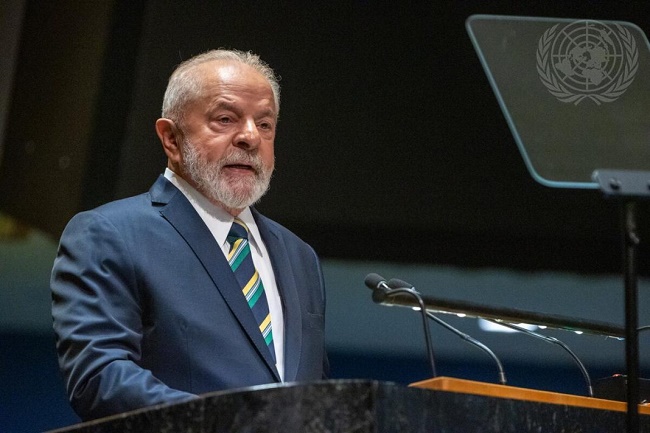
Lula da Silva
Lula da Silva, President of Brazil

“Authorising oil drilling in the Amazon not only threatens critical ecosystems but also repeats the same logic that has brought us to the brink of climate collapse,” submitted 350.org.

The group’s Latin America and Caribbean Director, Ilan Zugman, said: “Authorising new oil licences in the Amazon is not just a historic mistake – it’s doubling down on a model that has already failed. The history of oil in Brazil shows this clearly: huge profits for a few, and inequality, destruction, and violence for local populations.

“Brazil must take real climate leadership and break the cycle of extraction that has led us to the current climate crisis. We urgently need a just energy transition plan, based on renewables, that respects Indigenous, quilombola, and riverside peoples and guarantees them a leading role in decisions about climate and energy – including at COP30,”

350.org called on people, social movements, scientists, political leaders, and all sectors committed to climate justice to unite in reversing the decision and pressuring the Brazilian government – and governments worldwide.

“We must demand not only the cancellation of this and future oil exploration projects in the Amazon, but also the collective construction of an energy transition plan that: Respects Indigenous, quilombola, and riverside territories; Ensures these communities play a leading role in energy and climate decision-making; and, Prioritises clean, decentralised energy built for people’s well-being, not for the profit of a few.”

Indeed, civil society groups and social movements are taking the case to Brazilian courts, even as they called the license environmentally and socially disastrous. They denounced serious irregularities and technical flaws in the process, which could render it invalid.

They contended that the approval contradicts the global scientific consensus around climate change, and it also defies recent rulings from the Inter-American Court of Human Rights and the International Court of Justice, who both reaffirmed states’ legal duty to halt fossil fuel expansion and protect the climate.

Suely Araújo, Public Policy Coordinator at the Climate Observatory, said: “The issuance of the license for Block 59 is a double act of sabotage. On the one hand, the Brazilian government is acting against humanity by encouraging further fossil fuel expansion, defying science, and betting on further global warming. On the other, it is disrupting COP30 itself, whose most important deliverable must be the implementation of the determination to phase out fossil fuels. Lula has just buried his claim to be a climate leader at the bottom of the ocean at the mouth of the Amazon. The government will be duly prosecuted for this in the coming days.”

Dr. Carlos Nobre, Co-Chair, The Amazon Scientific Panel: “The Amazon is dangerously close to the point of no return, which will be irreversibly reached if global warming hits 2°C and deforestation surpasses 20%. Beyond eliminating all deforestation, degradation, and fires in the Amazon, it is urgent to reduce all fossil fuel emissions. There is no justification for any new oil exploration. On the contrary, rapidly phasing out existing fossil fuel operations is essential.”

Paulo Artaxo, Physicist and Professor, University of São Paulo; IPCC member, expert on climate crisis and the Amazon: “The worsening of the climate crisis, caused by the production and burning of fossil fuels, leaves no doubt that we must accelerate the energy transition to solar and wind power. Brazil has the opportunity to harness its vast potential for solar and wind generation and become a global powerhouse in sustainable energy. We must not waste this opportunity. Opening new oil fields will only deepen the climate crisis and clearly goes against the interests of the Brazilian people.”

Livia Duarte, Congresswoman from Pará State: “We need a global agreement to phase out fossil fuels. Until that happens, oil companies should not be opening new drilling sites for oil and gas. And this must begin with the Amazon, a critical area for biodiversity and the global climate. Corporate profit should never take precedence over life on the planet. Granting a license in Block FZA-M-59, in the Amazon River estuary basin, is a dangerous choice for Brazil.”

Ivan Valente, Congressman from São Paulo State: “It is imperative to establish priority exclusion zones to stop the expansion of fossil fuels, protecting ecosystems that are critical for life on Earth. Given its immense importance for the climate and biodiversity – both facing global crises – the Amazon must be one of these zones. Authorising drilling in Block FZA-M-59, in the estuarine basin of the Amazon, is a path that will prove irreversible and disastrous for both climate and biodiversity.”

Clara Junger, Campaign Coordinator for Brazil, Fossil Fuel Treaty Initiative: “It is unacceptable for the government to continue promoting oil and gas exploration in the Amazon basin, an area vital for climate and biodiversity protection. This decision undermines commitments to the energy transition and puts communities, ecosystems, and the planet at risk. Contrary to official claims, oil revenues contribute almost nothing to the transition – only 0.06%. We need a global agreement to end oil extraction in a fair, equitable, and sustainable way. Until then, the very least we must do is prevent further expansion.”

Group wants DR Congo to protect environmental defenders from harassment

0

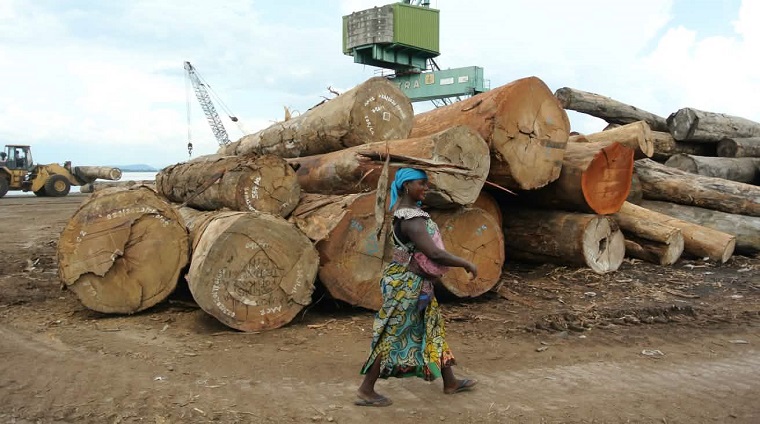
The Democratic Republic of Congo is regarded as one of the most biodiverse countries in the world. Yet illegal logging remains a grave threat. Many Congolese people are standing up to protect nature and defend human rights. But, in doing so, they face harassment and legal persecution.

The Congo Basin is home to the world’s second-largest rainforest, with 60 percent of it located in the Democratic Republic of Congo (DRC). This makes the country a global biodiversity hotspot. President Felix Tshisekedi has reportedly positioned the nation as a “solution country” in addressing the climate crisis and biodiversity loss, and international donors like the European Union are supporting this vision with millions of euros.

DR Congo
Logging – much of it illegal – is driving the destruction of the Congo Basin. Photo credit: Rettet den Regenwald / Mathias Rittgerott

Countless courageous women and men – particularly Indigenous peoples and local communities – are said to be working tirelessly to safeguard these forests for everyone.

However, the Congolese government appears to be falling short in its responsibilities, according to John Hayduska of Rainforest Rescue

According to him, forest and human rights activists face intimidation, harassment, persecution and imprisonment at the hands of companies, powerful individuals, and state authorities such as the military, police, prosecutors, and courts.

Hayduska said: “For example, in November, a court in Maniema Province sentenced environmental activist Yahya Mirambo Bin Lubangi to six months in prison and imposed a steep fine. Lubangi is part of SOCEARUCO, a local organisation fighting illegal logging, especially of rosewood.

“The government is failing to enforce forestry regulations meant to protect nature and Indigenous peoples’ rights. For instance, the moratorium on new logging concessions, which has been in place since 2002, has not curbed illegal activities or timber smuggling.

“The outcome: one of the highest rates of deforestation of any country in the world.”

Josué Aruna, Executive Director, Congo Basin Conservation Society, said: “We urge our government to stop the threats and arrests targeting environmental defenders by ensuring the protection of these unsung heroes.”

Rainforest Rescue is seeking endorsement to a petition urging the DRC Ministry of the Environment and Sustainable Development, and international donors of the Central African Forest Initiative to end the harassment and acknowledge environmental defenders as partners in protecting the climate and biodiversity.

Kaduna inaugurates smallholder farmers programme with AUDA-NEPAD support

The Kaduna State Government, in partnership with AUDA-NEPAD Nigeria, has inaugurated the distribution of agricultural inputs under the Smallholder Farmers Programme aimed at boosting food security and supporting rural livelihoods across the state.

The event, held in Kaduna, the state capital, marked a key milestone in the state’s agricultural transformation agenda, with over 345 farmers from the 23 local government areas set to benefit from improved seeds, fertilisers, agrochemicals, compost, and water tanks, among other inputs.

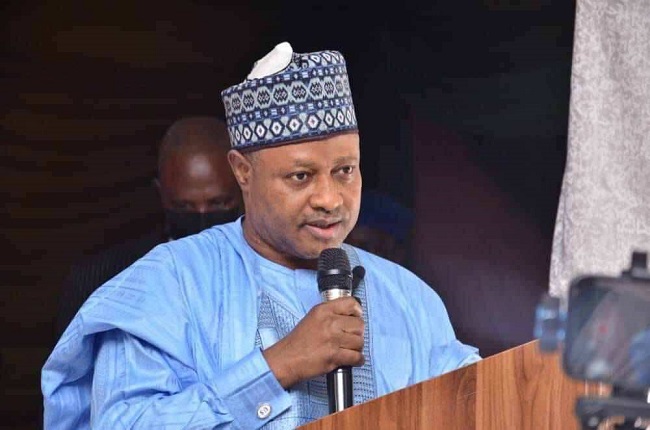
Uba Sani
Gov. Uba Sani of Kaduna State

In his remarks, Gov. Uba Sani said the initiative underscored the administration’s commitment to empowering smallholder farmers and strengthening the food supply chain.

Sani, who was represented at the event by his Chief of Staff, Sani Kila, said smallholder farmers were the backbone of the state’s agricultural system.

According to him, partnership with AUDA-NEPAD is not just a project but a people-centered investment into sustainable prosperity.

Sani added that Kaduna State remained the only state in Nigeria to meet the Malabo Declaration target and had earmarked over N10 billion for agriculture in the 2025 budget.

He urged the beneficiaries not to sell the inputs but to use them effectively to improve their productivity.

The Commissioner for Agriculture, Murtala Dabo, in his welcome address, described the programme as a transition from training to implementation.

He stated that all the beneficiaries had undergone intensive training in good agronomic practices and climate-smart farming.

“This programme promotes both food and income security through field crop production maize with cowpea, maize with soybean and backyard vegetable farming like tomatoes and sweet pepper,” Dabo said.

He commended the Governor for providing the counterpart funding needed to access AUDA-NEPAD’s grant and affirmed Kaduna State’s readiness to collaborate with development partners.

The National Coordinator of AUDA-NEPAD Nigeria, Jabiru Tsauri, described the programme as “a platform for transformation” and praised the Governor’s leadership for enabling the programme to reach all 23 LGAs of the state.

“These inputs are not just farming materials they are instruments of hope, productivity, and transformation.”

According to him, by investing in smallholder farmers, they are investing in people, prosperity, and Africa’s future.

He emphasised the alignment of the programme with both President Bola Tinubu’s national agricultural agenda and the African Union’s vision for a climate-resilient and inclusive agricultural future.

In his remarks, Suleman Yusuf, who spoke on behalf of all the beneficiaries from Soba LGA, expressed gratitude to the government and AUDA-NEPAD, pledging to make judicious use of the inputs received.

“This support gives us hope and a real chance to change our lives. We will not waste it,” Yusuf vowed.

The programme is expected to improve yields, reduce post-harvest losses, and promote sustainable agricultural growth across Kaduna State.

By Hussaina Yakubu

World Polio Day: Rotary celebrates 99.9% drop in global polio cases

0

The Rotary International District 9127 has announced global polio cases decrease by 99.9 per cent since 1988, marking a historic health milestone.

Dr Joy Nky Okoro, Governor of Rotary District 9127, made this known during a press briefing to commemorate World Polio Day 2025 on Monday, October 20, in Abuja.

This year’s World Polio Day theme is “Finishing the Job: Our Legacy for a Polio-Free World.’’

Joy Nky Okoro
Dr Joy Nky Okoro, Governor of Rotary District 9127

Okoro emphasised that Rotary International had led the global fight against polio for decades, remaining deeply committed to ending the disease permanently across all continents.

She noted that, as a founding partner of the Global Polio Eradication Initiative, Rotary had raised $2.6 billion, deployed volunteers and driven global awareness campaigns since the effort began.

She highlighted that Rotary’s 1.4 million members worldwide have dedicated countless volunteers’ hours to help deliver life-saving polio vaccines to children.

According to her, progress is clear; polio cases have dropped by 99.9 per cent since 1988, with wild poliovirus now remaining endemic in only two countries of Afghanistan and Pakistan.

“More than three billion children have been vaccinated, preventing an estimated 20 million cases of paralysis and significantly reducing the disease’s impact globally,” she said.

In Nigeria, she said that the country had successfully eliminated wild poliovirus, a major milestone achieved through years of coordinated national and international efforts.

“This progress shows what is possible when governments, organisations and communities unite toward a common goal,” Okoro noted.

She cautioned that, in spite eliminating wild poliovirus, vaccine-derived strains continued to pose threats in communities with low immunisation coverage and weak healthcare infrastructure.

Okoro said that Rotary District 9127 was hosting the 2025 national event, starting with a press conference and followed by various week-long impactful programmes.

“Activities will include outreach at Wuse Market, visits to the National Assembly, advocacy campaigns and mass immunisations across communities in the Federal Capital Territory,” she added.

She urged media organisations to amplify awareness, share progress stories and emphasise the urgent need for sustained financial support towards polio eradication efforts.

Appreciating all levels of government and partners, Okoro encouraged them to strengthen primary healthcare systems and prioritise routine immunisation for every child.

She further called on Nigerian families to ensure that all children were vaccinated, protecting their communities and helping secure a polio-free future for generations.

By Nefishetu Yakubu

Lagos council residents decry indiscriminate refuse dumping

Some residents of Igbogbo-Baiyeku Local Council Development Area (LCDA) in Ikorodu, Lagos State, have expressed concern over the increasing rate of indiscriminate dumping of refuse in the area.

Residents in the Offin and Oreta communities decried the several black waste bags and household refuse littering road junctions, drainage channels and uncompleted buildings.

They said that the council lacked strict enforcement and improved waste collection by government agencies.

Omoo’ba Hammed Olalekan Aroyewun
Igbogbo-Baiyeku LCDA chairman, Omoo’ba Hammed Olalekan Aroyewun

The residents noted that the refuse were an eyesore and posed health risks to them.

The residents appealed for more waste bins and regular sensitisation drives to encourage compliance with environmental laws.

Mrs. Aminat Kareem, a trader at Oreta road, lamented that the Lagos State Waste Management Authority (LAWMA) trucks hardly come to their area for regular collection.

“We hardly see LAWMA trucks come this way and when they come it’s at times when most people are not around.

“Many people have no choice but to dump their refuse by the roadside or into nearby drains, because they can’t keep them for long.

“It is not that we don’t want a clean environment but when refuse is not collected for days, it becomes frustrating,” she said.

Similarly, Mr. Seyi Adewale, a youth leader at Igbogbo-Baiyeku community, attributed the problem to poor monitoring and the failure of residents to embrace community sanitation.

“People dump refuse anywhere once it’s dark because they know no one will challenge them.

“We need local enforcement teams that can identify offenders and fine them, just like LAWMA is doing now.

“It will make people think twice before polluting our streets,” he said.

He urged the Igbogbo-Baiyeku LCDA chairman to strengthen collaboration with private waste operators and increase awareness campaigns on proper waste disposal.

Mrs. Dupe Ogunlola, an Environmental Officer in the council, acknowledged the challenges and said plans were underway to improve collection logistics and enforcement.

“We are aware that Offin and Oreta communities are underserved due to distance and road conditions,” she said.

According to Ogunlola, the council is working with LAWMA and private PSP operators to ensure that no community is left out.

“At the same time, residents must take responsibility for their surroundings,” she said.

Mr. Kayode Aina, an Environmental Health Advocate in Ikorodu, urged residents to form community sanitation committees to complement government’s efforts.

He also urged them to ensure timely disposal of refuse and report illegal dump sites to the authorities.

“Keeping the environment clean is not just LAWMA’s duty, it’s a shared responsibility.

“Once we make offenders accountable, things will change,” he said.

By Oluwaseun Nubi

Sector Ministers’ Meeting: African leaders at forefront of water, climate resilience

As droughts, floods, and water crises intensify across the continent, African ministers and leaders are mobilising ahead of the 2025 Sector Ministers’ Meeting (SMM), taking place on from October 22 to 23 in Madrid, Spain. The political convergence marks a decisive step in the continent’s collective effort to secure water security and strengthen climate resilience.

A continental mobilisation in the face of the hydro-climate emergency

Organised by the Government of Spain, UNICEF, and the Sanitation and Water for All (SWA) partnership, the meeting brings together representatives from over 60 countries under the theme “Breaking Silos: Uniting Political Leadership to Integrate Water, Sanitation and Climate Action.”

Sector Ministers’ Meeting
The 2025 Sector Ministers’ Meeting (SMM) holds on October 22–23 in Madrid

Figures from the WHO/UNICEF Joint Monitoring Programme highlight the magnitude of the challenge: nearly 400 million people in sub-Saharan Africa still lack access to safe drinking water, while over 700 million are without safely managed sanitation. These deficits are compounded by climate change, from droughts in the Horn of Africa to flooding across the Sahel.

Concrete political commitments to turn challenges into opportunities

The summit aims to deliver three key strategic outcomes. The High-Level Pact on Water Security and Resilience will enable African governments to turn their ambitions into measurable commitments, supported by a Mutual Accountability Mechanism ensuring transparent monitoring of progress.

The event also serves as a springboard toward COP30 in Brazil and the UN 2026 Water Conference, ensuring that African perspectives shape global water-climate policies.

Africa as a laboratory of hydro-climate innovation

The continent continues to demonstrate its capacity for innovation through ambitious initiatives, from Kenya’s investments in climate-resilient water infrastructure, to Ghana’s universal sanitation drive, and Ethiopia’s efforts to integrate water and climate planning.

SMM 2025 will amplify the exchange of experiences and accelerate progress toward Sustainable Development Goal 6 (SDG 6), ensuring availability and sustainable management of water and sanitation for all.

“African governments have proven that when political will meets partnership, results follow,” said Muyatwa Sitali, Acting Executive Director of SWA. “Africa’s leadership will be critical in achieving lasting change.”

Fiji becomes 26th country to eliminate trachoma 

0

In what looks like a landmark public health achievement, Fiji has been validated by the World Health Organisation (WHO) for eliminating trachoma as a public health problem. Trachoma, a neglected tropical disease (NTD) and the world’s leading infectious cause of blindness, no longer poses a public health threat in the country.

Trachoma is the first NTD to be eliminated in Fiji. Fiji is the 26th country to eliminate trachoma as a public health problem and the 58th country globally to eliminate at least one NTD.

“WHO congratulates Fiji and its network of global and local partners on reaching this milestone,” said Dr Tedros Adhanom Ghebreyesus, WHO Director-General. “Future generations of Fijians have been given a precious gift in being set free from the suffering that trachoma has inflicted on their ancestors.”

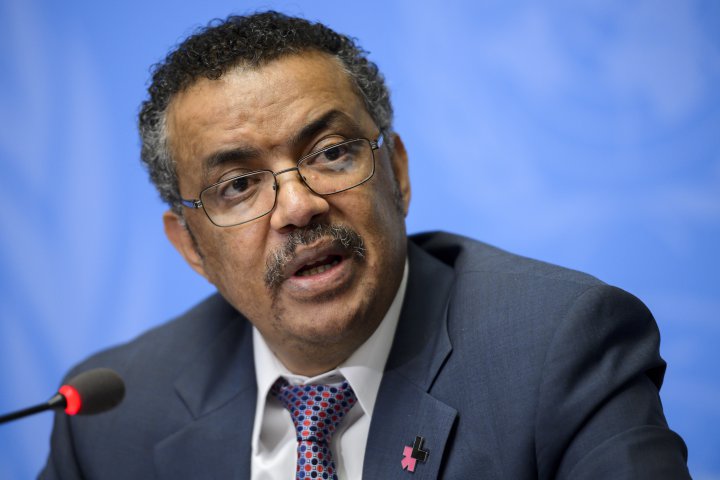
Dr Tedros Adhanom Ghebreyesus
Dr Tedros Adhanom Ghebreyesus, Director General of the World Health Organisation (WHO). Photo credit: FABRICE COFFRINI/AFP/Getty Images

Trachoma is caused by the bacterium Chlamydia trachomatis and spreads through personal contact, interactions with contaminated surfaces and on flies that have been in contact with eye or nose discharge of an infected person. Repeated infections can lead to scarring, in-turning of the eyelids, and ultimately blindness. Globally, the disease remains endemic in many vulnerable communities where access to clean water and sanitation is limited.

Fiji’s success story

“Fiji’s success in eliminating trachoma is a beacon of what’s possible when communities, governments, and partners unite behind a shared goal,” said Dr Saia Ma’u Piukala, WHO Regional Director for the Western Pacific. “This is a celebration of the power of Pacific leadership and the impact of sustained investment in health. WHO congratulates Fiji and is committed to supporting countries across the Region in advancing health for all so that no one is left behind.”

Trachoma was once a significant public health problem in Fiji, with medical reports from the 1930s and community-based surveys in the 1950s documenting widespread disease and risk of blindness. By the 1980s, the condition had declined markedly, with cataract and refractive error emerging as the main causes of vision loss.

Concern however was renewed in the 2000s, when rapid assessments suggested high levels of active trachoma in children, prompting the Ministry of Health and Medical Services to launch a comprehensive programme to better understand the situation and take necessary action.

Since 2012, Fiji has undertaken a series of robust, internationally supported surveys and studies, including population-based prevalence surveys and laboratory testing, to understand the local epidemiology of trachoma and distinguish it from other causes of eye disease. This sustained effort, integrated with school health, water and sanitation initiatives, and community awareness programmes, has confirmed that trachoma is no longer a public health problem in Fiji and that systems are in place to identify and manage future cases.

“Fiji’s elimination of trachoma is a defining moment for health equity in the Pacific,” said Dr Ratu Atonio Rabici Lalabalavu, Minister of Health and Medical Services of Fiji. “This achievement reflects years of coordinated action – across villages, health facilities and regional platforms – demonstrating unwavering commitment of our health-care workers, communities leading the change. As we celebrate this milestone, we call on our donors and partners in the Pacific and beyond to continue supporting accelerated action of neglected tropical diseases to address other diseases not only in Fiji, but across the Pacific.”

Contribution to global progress

Neglected tropical diseases (NTDs) are a diverse group of diseases and conditions associated with devastating health, social and economic consequences. They are mainly prevalent mostly among impoverished communities in tropical areas. WHO estimates that NTDs affect more than 1 billion people.

The targets included in the Road map for neglected tropical diseases 2021–2030 cover the prevention, control, elimination and eradication of 20 diseases and disease groups by 2030.

Since 2016, 13 Member States in the Western Pacific Region, which covers 38 countries and areas, have been validated by WHO for eliminating at least one NTD. Of these, six (Cambodia, China, the Lao People’s Democratic Republic, Papua New Guinea, Vanuatu and Viet Nam) have successfully eliminated trachoma as a public health problem. Trachoma elimination is part of broader progress on NTDs in Fiji and the rest of the Western Pacific Region.

WHO says it will continue to support countries in their efforts to eliminate trachoma and other NTDs, ensuring healthier lives for all, particularly the most disadvantaged.

Group urges policy reforms to strengthen global food security

The Global Initiative for Agricultural Reform (Global-Agric) has urged policymakers and stakeholders to implement bold reforms that will transform food systems and strengthen food security worldwide.

President and Founder of Global-Agric, Mr. Hakeem Musa, made the call in a statement on Sunday, October 19, 2025, to commemorate the 2025 World Food Day.

It was themed “Hand in Hand for Better Food and a Better Future”.

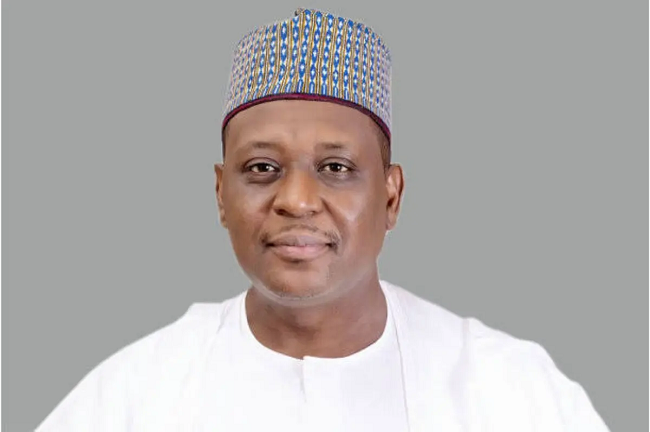
Muhammad Ali Pate
Muhammad Ali Pate, the Coordinating Minister of Health & Social Welfare

Musa said there was a need for renewed global action to guarantee equitable access to safe and nutritious food for all.

He reaffirmed the organisation’s commitment to promoting sustainable agriculture, ensuring food security, and driving inclusive development across the globe.

“Food is more than nourishment. It is a right, a measure of justice, and the cornerstone of human dignity.

“We are reminded that the fight against hunger is far from over. Millions still face food insecurity, even as we possess the knowledge and technology to change the story,” he said.

Musa called for increased investment in agricultural reforms, youth and women empowerment, and climate-smart innovations, describing them as crucial to building resilience and ensuring that no one is left behind.

“Agricultural transformation begins with bold policies, inclusive partnerships, and a collective resolve to make food systems work for everyone. The time to act is now,” he said.

Musa added that Global-Agric continues to advocate for collaboration among governments, development partners, private sector actors, and local communities to drive meaningful reforms and create lasting impact across the agricultural value chain.

“As the world reflects on this year’s theme, Global-Agric calls on all stakeholders to stand united in advancing reforms that guarantee a sustainable, fair, and food-secure future for all,” he said.

By Felicia Imohimi

IUCN World Conservation Congress concludes in Abu Dhabi with ambitious vision for nature conservation

0

The IUCN World Conservation Congress closed on Wednesday, October 15, 2025, in Abu Dhabi, United Arab Emirates, setting the vision for nature conservation for the next 20 years.

Held in the UAE for the first time, the Congress took place under the patronage of President of the United Arab Emirates, Sheikh Mohamed bin Zayed Al Nahyan.

IUCN
Newly elected and outgoing IUCN Council Members

The 2025 IUCN Congress brought together over 10,000 attendees, on-site and online, as was the first to ever host a World Summit of Indigenous Peoples and Nature. The IUCN Congress brought together decision-makers from government, civil society, Indigenous Peoples’ Organisations, academia, and business for more than 1000 events aimed at setting the conservation and sustainable development agenda for decades to come.

Members approved the 20-year Strategic Vision and a new programme for the next four-year period. Razan Khalifa Al Mubarak will serve a second term as the Union’s President alongside newly elected members of the IUCN Commissions and Council.

She said: “Ours is not an easy task, but it is an essential one: to bridge divides – between science and policy, between climate and biodiversity, between people and the planet itself. To remind the world that nature is not only a victim of our excesses, but a powerful ally in our survival… Let us leave Abu Dhabi with the confidence that what unites us is far greater than what divides us — our shared belief in the resilience of life itself.”

Speaking at the closing, IUCN Director General, Dr Grethel Aguilar, said: “This Congress has been a testament to the power of collaboration, teamwork and commitment… From Abu Dhabi, we send a clear and united message. We are one Union determined to turn the tide. Let us leave this Congress with renewed hope and determination – to stand for life, to act for nature, and to build a future where people and planet thrive together.”

With only five years left to achieve the 2030 targets set by the Global Biodiversity Framework, the Paris Agreement, and the Sustainable Development Goals, the Congress in Abu Dhabi urged the global community to raise its ambition and intensify collective efforts to scale up transformative, collaborative solutions that benefit both people and nature.

Participants particularly underscored the need to harness the current momentum to strengthen synergies among multilateral environmental agreements and to secure bold, coordinated action toward a net-zero, resilient, and nature-positive future at UNFCCC COP30 in Belém and beyond.

The first policy on synthetic biology in relation to nature conservation and motions to strengthen governance and inclusion were among the 148 Resolutions adopted by IUCN Members at the IUCN Members’ Assembly in Abu Dhabi.

The Members’ Assembly is the Union’s highest decision-making body and brings together IUCN Members to debate and establish environmental policy, to approve the IUCN Programme and to elect the IUCN Council and President. 

Several high-impact announcements and pledges were unveiled to bolster global conservation efforts. The Abu Dhabi Action Plan calls on the global community, under IUCN’s leadership, to accelerate urgent and practical action across five key areas: reaffirming nature as the foundation of well-being, strengthening multilateralism, ensuring justice and inclusion, advancing knowledge and innovation, and scaling up resources for nature and climate action. It sets a collective vision for transformative change – uniting governments, communities, and sectors to achieve a just, resilient, and nature-positive future for people and the planet.

IUCN welcomed over 100 new Members into its Union during the Congress – including six states Armenia, Tajikistan, Marshall Islands, Gabon, Tuvalu, and Zimbabwe. 

There were several global and Union-wide initiatives announced, including the selection of the Republic of Panamá to be the host country for the next IUCN World Protected and Conserved Areas Congress in September 2027 – the world’s premier global Forum  for setting the agenda for protected and conserved areas. 

The IUCN Congress 2025 has been certified compliant with the ISO 20121:2024 Standard, in recognition of its commitment to ensure that all aspects of Congress adhere to rigorous sustainability standards.

Major scientific announcements included the latest update of the IUCN Red List of Threatened Species™ which revealed growing threats to Arctic seals driven by climate change. Another assessment found nearly 100 additional wild bee species in Europe has been classified as threatened. IUCN also launched the 4th World Heritage Outlook report which revealed that climate change threatens 43% of natural World Heritage sites