Home Blog Page 128

Largest-ever presence of fossil fuel lobbyists at COP30 revealed 

0

new analysis by Kick Big Polluters Out shows a record-breaking presence of fossil fuel lobbyists at COP30, a 12% increase from last year’s climate talks in Baku.

The news comes as a new rapid attribution study conducted by Imperial College confirms climate change, caused by fossil fuels, made deadly typhoons Fung-Wong and Kalmaegi that devastated the Philippines and Vietnam more likely and more severe, highlighting the human cost of political inaction on fossil fuels.

UNFCCC COP30
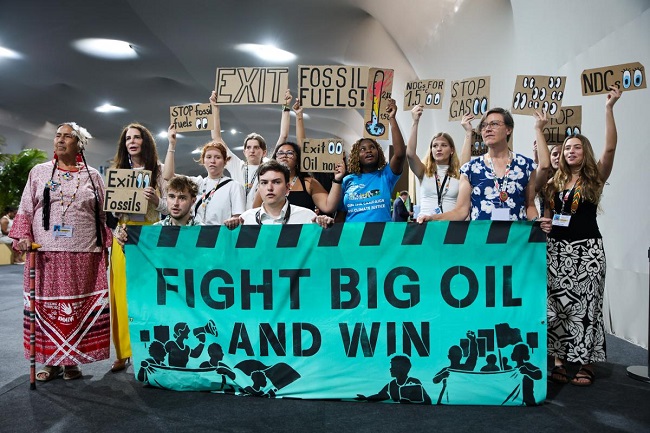
Anti-fossil fuel action at COP30

Norly Mercado, 350.org Asia Regional Director, said: “It’s no longer a coincidence that we’ve been battered by back-to-back typhoons right at the beginning of COP for two consecutive years now – it’s science. Typhoon Fung-Wong made landfall near my hometown, Isabela province. It was heartbreaking to see that just kilometers away, people are clinging onto their roofs for dear life or living in temporary shelters while floods wash away their homes. We have suffered incalculable losses due to greed and climate inaction.”

The 1,600 fossil fuel representatives at COP30 outnumber official delegates from the Philippines by nearly 50 to 1, and “fossil fuel lobbyists have received two thirds more passes to COP30 than all the delegates from the 10 most climate vulnerable nations combined”. The Philippines contributes less than 0.4% of global emissions yet faces some of the world’s most destructive climate impacts.

“We demand nothing less than an ambitious COP30 outcome that will ensure big polluters pay their climate debt –not just so we can rebuild our lives, but so we can build resilience and protect future generations from harm. We are outraged that the same climate wreckers and denialists who have profited from our misery have been invited to the negotiating table while we continue to wait for crumbs.” said Norly Mercado.

Typhoon Fung-Wong, known for its exceptional size, displaced over one million people and has so far recorded 27 deaths in the Philippines, with rescue operations still ongoing as floodwaters have yet to recede. Its impact continues to be felt in Taiwan, with thousands evacuated. The new study shows climate change increased Fung Wong’s maximum wind speed by 5%, eyewall rain by 10.5% and economic damage in the Philippines by 42%.

A week prior, Typhoon Kalmaegi killed more than 200 people in the Philippines while displacing thousands in Vietnam. Analysis of Typhoon Kalmaegi, the most powerful typhoon to make landfall in Vietnam in 2025, shows climate change increased its likelihood by 33%, increased maximum wind speed by 3%, eyewall rain by 8.6% and economic damage in Vietnam by 9%.

Civil society led by Indigenous leaders is uniting at COP30 to demand an end to climate-wrecking fossil fuels and a commitment to a just transition including finance and loss and damage. In July, the International Court of Justice ruled continued fossil fuel expansion and consumption could leave governments liable for reparations to citizens.

Amid the troubling news of the fossil fuel industry’s presence at COP30, we must continue demanding a clear roadmap for the rapid and equitable phase out of oil, gas and coal and climate finance in the form of grants so countries facing the worst climate impacts can rebuild from the devastating impacts they haven’t caused.

Despite the presence of climate wreckers whose interests include making profits for the wealthy minority while wreaking havoc on our planet, it is essential to safeguard the integrity and legitimacy of these negotiations in the name of the global majority.
Customs, WJC operation results in conviction of Nigerian wildlife trafficker

0

A wildlife trafficker illegally selling pangolin scales in Nigeria was on November 7, 2025, convicted, the Wildlife Justice Commission (WJC) has disclosed.

The conviction, disclosed the WJC, marks another significant outcome of its partnership with the Nigeria Customs Service (NCS) to combat wildlife trafficking.

The Federal High Court in Lagos convicted Steven Chinonso (also known as Chukwunonso Stephen Obunadike), and who was operating out of Jakande Market, on three charges – conspiracy, unlawful possession, and illegal sale of pangolin scales – following a series of joint operations that disrupted a key supplier in Nigeria’s illegal wildlife trade. 

Olivia Swaak-Goldman
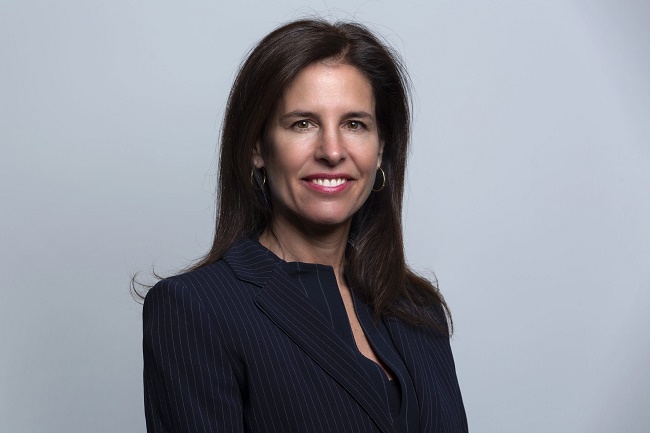
Olivia Swaak-Goldman, Executive Director of the Wildlife Justice Commission

The conviction stemmed from intelligence gathered by Wildlife Justice and shared with NCS. Acting on this intelligence, NCS officers seized 1,003.9 kilograms of pangolin scales during two controlled operations in March 2025 and arrested Chinonso on April 2, 2025. He was sentenced to one year’s imprisonment on each count, to run concurrently. 

“The Wildlife Justice Commission commends the Nigeria Customs Service for its decisive leadership and ongoing commitment to tackling transnational wildlife trafficking networks, setting a benchmark for effective enforcement in the region. The enforcement landscape in Nigeria has changed. Traffickers who once operated with impunity are now facing real consequences. This conviction sends a clear message that Nigeria is no longer a safe haven for wildlife crime,” said Olivia Swaak-Goldman, Executive Director of the Wildlife Justice Commission. 

“Importantly, Nigeria’s newly passed Endangered Species Conservation and Protection Bill will soon allow for stronger penalties – up to 10 years in prison and fines of N12 million (approximately $8,300) – thus strengthening the fight against trafficking,” Swaak-Goldman added. 

A model of intelligence-led enforcement 

Since the Wildlife Justice–NCS partnership began in July 2021, it has become a model for effective, intelligence-led enforcement, it was gathered. Together, Wildlife justice and NCS have:  

  • Conducted 18 successful operations; 
  • Arrested 42 wildlife traffickers; 
  • Seized over 25 tonnes of pangolin scales and 1 tonne of ivory; and 
  • Secured 13 convictions – including the first convictions of Vietnamese nationals in Nigeria on wildlife crime charges.  

The Steven Chinonso conviction marks the 13th conviction achieved under this partnership – and the 11th globally for Wildlife Justice-supported investigations in 2025, following the conviction of 10 traffickers in Madagascar earlier this year. 

NESt 2026: Stakeholders move to fast-track climate-smart, energy-resilient policies

0

Stakeholders have called for accelerated policies, investments, and innovations to build climate-smart, energy-resilient, and sustainably financed health systems in Nigeria, anchored on legislative accountability and strengthened institutional partnerships.

Dr Pavel Ursu, World Health Organisation (WHO) Representative to Nigeria, made the call on Monday, November 10, 2025, in Abuja during the Pre-Summit Legislative Roundtable on Climate, Environment, and Sustainable Health.

Represented by the Deputy Country Representative, Dr Alexander Chimbaru, Ursu emphasised the urgent need to strengthen Nigeria’s health system against growing climate threats that increasingly disrupted environmental balance and population well-being.

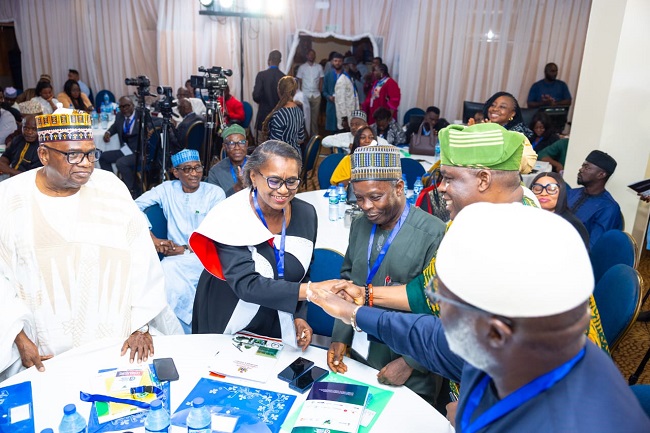
Pre-Summit Legislative Roundtable on Climate, Environment, and Sustainable Health
Dignitaries at the Pre-Summit Legislative Roundtable on Climate, Environment, and Sustainable Health, in Abuja

Ursu highlighted Nigeria’s vulnerability to climate change, noting that its impacts exacerbated existing health challenges, strain infrastructure, and increased the burden of diseases in rural and urban communities alike.

“Nigeria faces severe health, social, and economic consequences from climate change, including more frequent climate-related disasters and worsening health inequalities affecting already marginalised and vulnerable groups,” he said.

He added that investing in climate-resilient healthcare was both a moral and economic imperative, as the effects of climate change were disproportionately borne by those with limited access to resources.

Ursu stressed the need for sustainable financing mechanisms to support climate-smart health systems, calling for domestic resource mobilisation, global cooperation, and innovative solutions to bridge Nigeria’s healthcare funding gaps.

He further underscored the vital role of legislation in promoting sustainable health financing and ensuring accountability frameworks that strengthened climate resilience within Nigeria’s evolving health policy landscape.

The WHO Representative commended Nigeria’s commitment to addressing health and climate challenges through initiatives such as the National Health Act and the National Climate Change Policy.

He urged policymakers to prioritise climate-health resilience in development plans and budgets, ensuring that healthcare facilities were adequately equipped to protect citizens from climate-induced health risks.

Ursu reaffirmed WHO’s continued support for Nigeria through technical assistance, capacity building, and advocacy for sustainable health financing and equitable access to essential health services nationwide.

He reiterated the organisation’s commitment to collaborate with government and development partners to fast-track progress toward universal health coverage and climate-resilient health systems.

According to him, the roundtable provided a platform for stakeholders to discuss policy priorities, share innovations, and forge partnerships to address pressing climate, environmental, and sustainable health issues.

He called for urgent, collective action to protect the health and well-being of Nigerians while promoting environmental stewardship and sustainable national development.

In her welcome address, Ms. Rita Michael-Ojo, Executive Secretary of the Nigerian Environmental Summit Group (NESUG), said addressing those challenges required courage, clarity, and unified national commitment.

Michael-Ojo noted that the roundtable was co-convened by the WHO, the Federal Ministry of Health and Social Welfare, and NESUG to foster dialogue on environmental sustainability and energy resilience.

“Nigeria is at a crossroads, and its future depends on how effectively it responds to these interconnected challenges of energy insecurity, environmental degradation, and public health,” she said.

She warned that without clean energy, hospitals could not function effectively, and without a sustainable environment, economic growth and human development would remain critically undermined.

Michael-Ojo emphasised that accountable governance was vital to ensuring Nigeria’s policies endured, evolved, and translated into tangible benefits for citizens across every region of the country.

She revealed that Nigeria loosed more than100 billion dollars annually to the impacts of climate change, including flooding, deforestation, desertification, and air pollution.

According to her, more than 150 million Nigerians live below the poverty line, enduring energy insecurity, unsafe water, and widespread environmental decline that hinder national progress.

She added that those challenges also created opportunities for Nigeria to reimagine its sustainability approach and harnessed green innovation for inclusive economic transformation.

Michael-Ojo envisioned a Nigeria where every primary healthcare centre ran on renewable energy, communities thrive under green infrastructure, and youth become innovators driving environmental sustainability.

She said the vision guided the roundtable, which united legislators, policymakers, development partners, and innovators to align investment and legal frameworks for sustainable health systems.

Michael-Ojo announced that the Nigeria Environmental Summit (NESt 2026) would be held from March 25 to 26, 2026, bringing together global stakeholders to advance Nigeria’s green agenda.

She said the summit aimed to unlock Nigeria’s 20 billion euro green economy potential, positioning the country as a leader in Africa’s sustainable energy and environmental transition efforts.

She added that NESUG remained committed to strengthening environmental governance, institutionalising sustainability culture, and building a secure, energy-efficient, and health-resilient Nigeria for future generations.

COP30: Govts urged to strengthen partnerships with cities to close gap on global climate goals

0

Thousands of mayors and regional leaders from across the globe have issued a united call for national governments to strengthen partnerships with cities and regions to close the gap on global climate goals. The appeal came as a delegation of local representatives presented the joint outcome statement of the COP30 Local Leaders Forum, convened by Bloomberg Philanthropies in Rio de Janeiro, to UN Secretary-General António Guterres during COP30 World Leaders Summit in Belém.

Representing thousands of mayors and regional leaders worldwide, Anne Hidalgo, Mayor of Paris, C40 Cities’ Vice Chair and Global Ambassador for the Global Covenant of Mayors for Climate and Energy (GCoM); Katrin Jammeh, Mayor of Malmö and ICLEI’s president; and both Igor Normando, Mayor of Belém, and Helder Barbalho, Governor of Pará, host city and state of COP30, led the handover, symbolising the unity and determination of local governments in advancing global climate action.

Anne Hidalgo
Anne Hidalgo, Mayor of Paris

UN-Habitat’s Executive Director, Anacláudia Rossbach, and the President of the Regional Council of Nouakchott, Mauritania, Fatimatou Abdel Malick, also attended the meeting, reinforcing the shared commitment to empowering cities and regions as key actors in achieving global climate goals.

The delegation also presented the statement to Dan Ioschpe, COP30 High-Level Champion, in recognition of his crucial role in connecting national and local leadership at COP30. Also present at both meetings were Mark Watts, Executive Director of C40 Cities, and Andy Deacon, Co-Managing Director of GCoM, underscoring the strong support for cities and regions on the road to Belém and beyond.

Endorsed by more than 14,000 cities, towns, and regions, the document outlines a shared message from local leaders: achieving the Paris Agreement goals will only be possible through robust multi-level collaboration and improved access to finance for local climate action.

Michael R. Bloomberg, UN Special Envoy on Climate Ambition and Solutions and founder of Bloomberg Philanthropies, said: “Cities, states, and regions are proving that the steps we take to build a safer future also improve people’s lives today, in so many measurable ways. With this declaration, local leaders are sending a clear message to the heads of state gathering in Belem: Treat us as full partners in the fight against climate change, and we’ll help accelerate the progress needed to win it. The more nations heed that message, the faster the world can move in reducing emissions, building resiliency, and strengthening economies.”

Anne Hidalgo, Mayor of Paris, GCoM’s Global Ambassador and C40 Cities’ Vice Chair, said: “This moment is a turning point for our planet and our people. From Rio to Belém, local leaders are showing that hope is not a promise: it’s a plan. In every city, we are proving that climate action begins where people live, work, and dream. I want to thank Secretary-General António Guterres for his unwavering support for multilevel cooperation and for recognising the essential role of cities in this global effort. As we move toward COP30 and beyond, we must all work together – local, national, and international partners toward one shared goal: a just, resilient, and sustainable future for all.”

Local and regional authorities pledged to make life “more affordable and more resilient” by expanding renewable energy, accelerating energy efficiency, reducing emissions, and protecting ecosystems and water systems. They highlighted that local climate action already improves lives – from cleaner air and safer streets to greener, more inclusive jobs.

In their message to national governments, local leaders outlined strategic commitments designed to accelerate global progress during what they call “the decisive decade” for climate action.

1. Partnering to deliver national climate goals

Cities and regions committed to supporting countries in implementing their Nationally Determined Contributions (NDCs) and National Adaptation Plans (NAPs). The statement cites analysis suggesting that collaboration with subnational governments could significantly reduce the global emissions gap needed to achieve the Paris Agreement goals.

2. Mobilising climate finance for local projects

The Local Leaders Forum spotlighted the urgent need to unlock climate finance at the local level, citing a pipeline of over 2,500 bankable projects ready for investment in mitigation and adaptation. Local leaders face barriers accessing capital, and urged that part of the $1.3 trillion per year envisioned in the Baku-to-Belém Roadmap be directed to local governments – particularly in the Global South – to ensure a just, inclusive, and equitable transition.

3. Making COP a process of implementation and accountability

Finally, the statement calls for a more action-oriented COP process grounded in transparency, measurable outcomes, and shared responsibility. Local governments want future COPs to prioritise multi-level collaboration and integrate subnational achievements into the UN climate architecture. They also propose creating incentives for countries to exchange knowledge and best practices with cities and regions – turning pledges into sustained progress.

Mark Watts, Executive Director of C40 Cities, said: “As COP30 begins here in Belém, the handover of this statement to the UN Secretary-General sends a powerful message that cities are ready to act. The momentum that started in Rio shows that mayors and governors are already delivering the just, inclusive transition the world needs and are committing to taking action every year. But they cannot do it alone. If we truly want to meet the goals of the Paris Agreement, global leaders must now match local ambition with global investment, especially for cities in the Global South, where solutions are ready to scale.”

Andy Deacon, Co-Managing Director of the Global Covenant of Mayors for Climate & Energy (GCoM), said: “This handover marks a defining moment as COP30 opens in Belém. From Rio to this global stage, local leaders have come together to show what unity, determination, and practical action look like. The Global Covenant of Mayors is proud to stand alongside them – amplifying their progress, connecting them with partners, and turning their commitments into implementation. A global call to accelerate multilevel climate action, together.”

Addressing world leaders ahead of COP30, the statement concludes with a bold commitment: “To the world leaders gathering in Belém: you can count on us. Local leaders are ready to join you in a true global mutirão – working side by side to turn ambition into action and promises into progress.”

Nigeria partners UNEP on waste management reforms

0

The Federal Government says it is collaborating with the United Nations Environment Programme (UNEP) on waste management reforms in Nigeria.

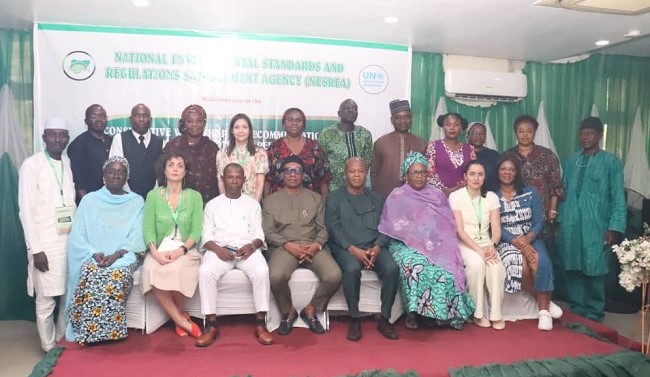
Prof. Innocent Barikor, the Director-General of the National Environmental Standards and Regulations Enforcement Agency (NESREA), stated this at a workshop on waste management reforms in Nigeria on Thursday, November 13, 2025, in Abuja.

Barikor said the event aimed to improve waste management and protect informal waste workers’ health and rights in Nigeria, Guinea-Bissau, and Sierra Leone.

NESREA
Participants at the NESREA-UNEP workshop on waste management reforms, in Abuja

“This pilot project is coming at a time when Nigeria is yearning to adopt the principles of circular economy and resource efficiency that can create a win-win scenario where environmental protection goes hand in hand with economic prosperity and improved social well-being.

“The waste management sector plays a vital role in safeguarding public health, ensuring environmental sustainability, and enhancing the quality of life in our communities.

“It has over the years remained one of the key environmental and developmental challenges in Nigeria,” he said.

Barikor said that, in spite of efforts to develop policies and plans, Nigeria continued to face significant challenges in managing waste, including inadequate infrastructure, insufficient funding, and lack of public awareness.

“Thus, effective waste management is crucial for protecting public health, preserving the environment, and promoting socio-economic development,” he said.

He said to address this, NESREA, in collaboration with UNEP under the Montevideo Programme V for the Development and Periodic Review of Environmental Law, is implementing the pilot project in Abuja.

Barikor said the objective of the project was to strengthen the waste management framework with the aim of promoting environmentally sound and safe management of waste in Nigeria, while ensuring better inclusion and protection of informal workers and structures.

He said that the project would also generate recommendations for necessary legislative and institutional reforms within the waste management sector.

Barikor said the task before stakeholders was to review the current state of waste management in the FCT, identify areas requiring legislative and institutional improvement, and explore best practices and innovative approaches among others.

“Our collective inputs as stakeholders will at the long run achieve sustainable waste management practices in Nigeria.

“Together, we will seek to improve waste management practices within the FCT and beyond,” he said.

In a Goodwill message, Mr. Ayodele Olawande, the Minister of Youth Development, who commended the initiative, said it is pertinent to safeguard Nigeria’s environment and the future.

The minister pledged the ministry’s full commitment to the project, saying it would create jobs for the youths in the country.

Olawande, who was represented by Leah Akintiresoye, his Senior Special Assistant for Youth Development, reiterated the ministry’s commitment to protecting the Nigerian youth.

Ms. Aphrodite Smagadi of UNEP commended NESREA for the partnership, saying that the project is a collective responsibility for all.

“This is a collective responsibility for all, each voice matters as well as perspectives,” she said.

She urged all stakeholders to ensure that the proposed framework reflected the realities on ground and shaped the waste management project.

By Doris Esa

Climate security cannot wait: Why COP30 must deliver for fragile states

0

In the places most affected by climate change, peace is not a luxury: it’s a prerequisite for survival.

This November, the world’s attention turns to Belém, Brazil, where COP30, the annual UN climate summit, convenes amid rising temperatures, widening inequalities, geopolitical tensions and growing calls for justice. Yet one issue risks being sidelined again: climate-related peace and security.

For millions across Africa, Latin America, and the Pacific, climate change is not just about rising seas or melting glaciers. It is about survival. It is about whether families can stay on their land or are forced to flee. It is about whether scarce water sparks cooperation or conflict. And it is about whether fragile states, already burdened by poverty and instability, can withstand shocks they did little to cause.

COP30
Campaigners at COP30

Nigeria shows this reality vividly: food insecurity, migration, and farmer-herder clashes are increasingly shaped by climate pressures and exploited by armed groups. These are not distant warnings. They are unfolding now. And yet, despite this urgency, climate security remains absent from formal COP negotiations.

Why the silence?

At COP29, references to conflict and fragile states’ specific vulnerabilities were quietly removed from finance discussions. This was no accident. They reflect a persistent reluctance to acknowledge the deep links between climate and conflict, and to act on them, as peace and security is said to be outside COP’s mandate and agenda while others say peace and security is too politically sensitive, risking derailing negotiations.

Many negotiators, especially from countries that do not face climate-related insecurity directly see climate security as abstract, distant, therefore far from being their priority. Even within the Global South, some governments from conflict-free countries fear that linking climate and conflict could redefine vulnerability and shift scarce climate finance away from them. The competition for narrative and finance between conflict-affected and conflict-free is today a great source of tension, especially at a time when global assistance is shrinking.

Brazil’s role as COP30 host adds another layer of complexity. Historically, Brazil has resisted linking climate change to peace and security, viewing such efforts as Western-driven and sovereignty-threatening.

The signs of regression from the Presidency are troubling at COP30. Brazil has not continued the Peace Days that helped institutionalise climate-security discussions at previous COPs. It has expressed opposition to adding new agenda items that could complicate negotiations, a description that could embed peace and security. Despite one high-level climate security event potentially planned, Brazil’s engagement remains inadequate. Expensive costs and visa delays further weaken local communities’ representative participation in COP30. These developments risk turning COP30 into a summit that excludes the very people it should protect.

Africa’s leadership, ignored

Yet climate security is not a niche concern, it is central to global stability. If left unaddressed, climate-driven fragility will continue to destabilise entire regions and derail development efforts. The stakes are too high for inaction and African decision-makers know as they are at the forefront of climate-security advocacy.

From national climate security in the Central Sahel to the elaboration of the soon-to-be released African Union’s Common African Position on Climate, Peace and Security, African initiatives show how climate action and peacebuilding can reinforce each other. These efforts emphasise how African states are not just vulnerable but are innovators, designing integrated solutions that the world should follow.

But their voices remain marginalised. Delegations from fragile states often lack the resources to shape negotiations. International actors dominate the agenda, offering top-down solutions that overlook local realities. This exclusion is not only unjust, but also counterproductive. Climate security cannot be addressed without the leadership of those who live its consequences daily. Africa and the Global South must be recognised not just as stakeholders, but as strategic partners. Their experience, innovation, and resilience must shape global climate policy.

What COP30 must deliver

COP30 is not a lost cause. There is still time to act and concrete steps that can be taken. First, climate security must be formally recognised in COP outcomes. This means acknowledging conflict-related vulnerabilities and ensuring they are reflected in climate finance frameworks. Second, conflict-affected regions must receive fair and accessible climate finance. This includes support for locally led, conflict-sensitive resilience efforts, and mechanisms that prioritize adaptation in fragile contexts. Third, the UNFCCC must establish institutional frameworks to coordinate climate-security efforts.

This could include a dedicated working group, technical support for fragile states, and integration of climate-security indicators into national plans. Fourth, host countries must be held accountable for inclusive, transparent, and rights-based climate governance. This means removing barriers to participation, protecting civil society space, and ensuring that COP is not used for greenwashing or peacewashing.

Finally, the climate-security agenda must be grounded in the lived experiences of those most affected. This means elevating local knowledge, supporting community-driven solutions, and ensuring that climate action promotes resilience, equity, and peace, not exclusion or militarisation.

This moment demands that we amplify those most affected by climate insecurity, and push global leaders to act. Climate peace is not a side issue. It is the foundation of sustainable development, justice, and global stability.

“If COP30 cannot protect the most vulnerable, what future is it negotiating?”

By Gabriel Lagrange, Climate Security Lead, Surge Africa

Nigeria declares readiness for 32.2% emission reduction by 2035 

0

The Director-General, National Council on Climate Change (NCCC), Mrs. Tenioye Majekodunmi, says Nigeria is ready for 32.2 per cent emission reduction by 2035.

Majekodunmi said this on Thursday, November 13, 2025, during a meeting on Climate Finance and Carbon Markets on the side of the 30th United Nations Climate Change Conference (COP30) of the Parties in Belem, Brazil.

According to her, the 32.2 per cent emission reduction will have an estimated annual Carbon market value of about $2.5 billion by 2030.

Tenioye Majekodunmi
NCCC D-G, Mrs. Tenioye Majekodunmi

“This reflects a strategic vision to leverage mark-based and non-market mechanisms to meet and exceed the country’s Nationally Determined Contribution (NDC) commitments.

“This ambitious target is underpinned by the potential for significant investments in low-carbon and clean energy projects, which will reduce emission and drive sustainable economic growth, create jobs, and provide new revenue streams for climate interventions.

“As Africa’s largest economy, Nigeria is poised to lead as Africa`s hub for high-integrity Carbon market investment, setting the benchmark for low-carbon, climate-resilient socio-economic development,” she said.

The NCCC director-general said the Carbon Market Activation Policy (CMAP) was designed to bolster carbon market activities in the countries.

According to her, the policy provides the guidelines and procedures that will foster Nigeria’s objective to reduce Greenhouse Gas (GHG) emissions while promoting sustainable development through the carbon market mechanism.

“This policy informs Nigeria’s efforts to provide a well-defined system that will coordinate progress in GHG emissions reduction, address fiscal-related issue (like taxes, subsidies among others and build investor’s confidence.

“Also, to establish a detained institutional arrangement that clearly defines the roles and responsibilities of key stakeholders and ensures the generation of high integrity and high-quality carbon credits, while also safeguarding market transparency.

“A key objective of this policy is to facilitate Nigeria`s participation in national, regional, continental, and international Carbon markets,” she said.

She said the policy would also enhance development of governance and regulatory mechanisms that would encourage international and local investors to develop emission reduction projects to support national climate mitigation goals while availing funds for sustainable development.

Speaking, Mrs. Tariye Gbadegesin, the Chief Executive Officer, Climate Investment Funds, said Nigeria had one of the best Carbon Market Framework policies in the world.

Gbadegesin maintained that the nation was indeed ready for the carbon market in the country.

According to her, Nigeria`s institutional framework provides clear roles and responsibilities for all the institutions that will be involved in the carbon market mechanism.

“This will ensure that there is no overlap or duplication of responsibilities. This robust institutional framework will govern the country’s participation in both Article 6 mechanisms under the Paris Agreement and Voluntary Carbon Market (VCM).

“The Nigeria’s institutional framework also provides other mechanisms such as the Carbon Offsetting and Reduction Scheme for International Aviation (CORSIA).

“The institutional framework will be backed by the regulatory framework that the government intends to develop,” she said.

By Gabriel Agbeja

Heirs Energies’ CFO, Samuel Nwanze, crowned Africa CFO of the Year

0

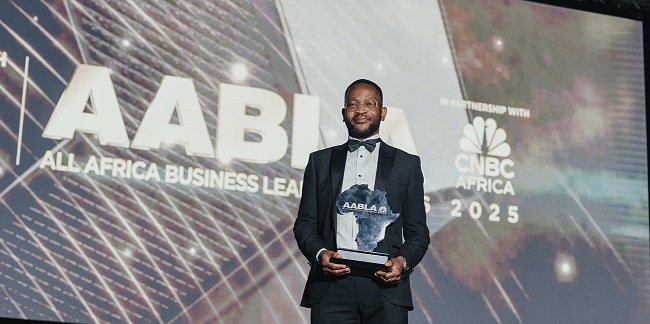
Executive Director & Chief Financial Officer (CFO) of Heirs Energies and Chief Investment Officer of Heirs Holdings Group, Samuel O. Nwanze, has been named Africa CFO of the Year at the prestigious All Africa Business Leaders Awards (AABLA) in partnership with CNBC Africa.

The remarkable accomplishment has been described as a testament to the Group Chairman, Tony O. Elumelu, and his philosophy of championing African excellence through Africapitalism. Under his leadership, the organisation has reportedly built an ecosystem that empowers leaders like Mr. Nwanze to thrive and redefine the African business landscape

The organisation added that Nwanze’s win is a direct reflection of the world-class talent and strategic ambition being built within the group.

Samuel Nwanze
Samuel Nwanze

It submitted: “His leadership in high-stakes finance and investment is a key driver of our success, making this award a point of pride for every one of us.

“Sam is not only a CFO in the traditional sense. He is an architect of growth, a dealmaker, and a strategic force. His journey with our group has been defined by landmark transactions and unwavering financial discipline that have reshaped our portfolio and the energy landscape in Africa.

“This award, judged by a panel of the continent’s most respected business leaders, validates what we have always known: Sam’s expertise is world-class. He is a sought-after voice at the African Union, the Milken Institute, and Oxford Saïd Business School, and his recent role as the first African on the board of the Global Impact Investing Network (GIIN) places him at the forefront of global finance.

“Samuel Nwanze is a cornerstone of our success. His vision and execution are directly linked to our growth, stability, and ambitious future.”

Tobacco control COP to address nicotine addiction, Ethiopia reports suspected viral haemorrhagic fever outbreak

0

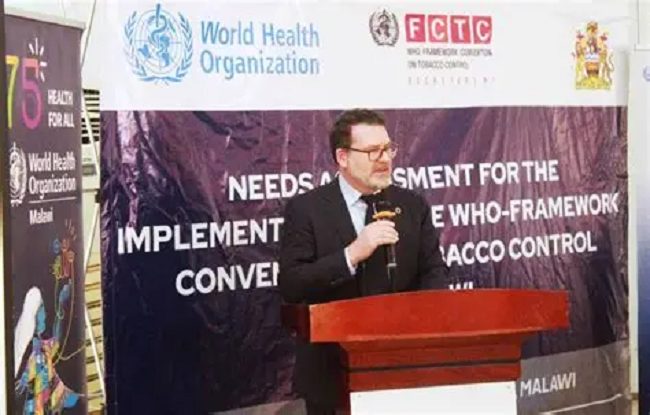
A rising wave of nicotine addiction, particularly among young people, and the growing threat of illicit tobacco trade will be addressed in the coming two weeks by over 1,400 delegates representing governments, international organisations and civil society.

These urgent concerns, as well as highlighting the importance of criminal and civil liability to comprehensive tobacco control, will be among the issues on the agenda of biennial meetings of governing bodies of two landmark international health treaties – the WHO Framework Convention on Tobacco Control (WHO FCTC) and the Protocol to Eliminate Illicit Trade in Tobacco Products.

The Conference of the Parties (COP) to the WHO FCTC will meet in Geneva from November 17 to 22, followed by the Meeting of the Parties (MOP) to the Protocol from November 24 to 26, 2025.

Andrew Black
Andrew Black, Acting Head of the Secretariat of the WHO FCTC

“The COP and the MOP provide a platform for Parties to review and strengthen the implementation of the WHO FCTC and the Protocol,” said Andrew Black, Acting Head of the Secretariat of the WHO FCTC. “These meetings will bring the world together to energise international cooperation and foster political will to address the global tobacco epidemic, which claims more than 7 million lives annually.”

The broad availability and marketing of e-cigarettes and other nicotine products and the actions governments can take, especially to protect children, will be the subject of a ministerial roundtable on the opening day of the meeting. Speakers will include the Deputy Prime Minister and Minister of Health and Social Affairs of Belgium, Mr. Frank Vandenbroucke, the Minister of Public Health of Uruguay, Dr Cristina Lustemberg and the Director-General for Health and Food Safety of the European Commission, Ms. Sandra Gallina among others.

Later in the week, the COP will consider measures to prevent and reduce tobacco consumption, nicotine addiction and exposure to tobacco smoke.

Also on the opening day, an event marking 20 years since the entry into force of the WHO FCTC, one of the most rapidly and widely embraced UN treaties, will bring together government and United Nations officials, civil society and youth advocates in a high-level strategic dialogue on the meeting’s theme – Uniting Generations for a Tobacco-free Future.

Delegates to the COP also will be on hand for the launch of the 2025 Global Progress Report on implementation of the WHO FCTC.

During the six-day meeting Parties to the WHO FCTC will also have the opportunity to share their experiences in implementing the treaty, and will also consider forward-looking tobacco control measures, as well as discuss an Expert Group report on liability. Other issues on the agenda include the environment and health, as the tobacco product supply chain and tobacco use result in extensive environmental damage.  For example, plastic cigarette filters are a leading single source of waste that leaching toxic chemicals into the environment and break down into microplastics.

Illicit trade of tobacco products

Following the COP, 71 Parties to the Protocol will meet from November 24 to 26, 2025.
Illicit trade fuels the tobacco epidemic and undermines tobacco control by increasing access to – often cheaper – tobacco products.  The availability of illicit tobacco poses a threat to public safety by weakening security and fostering corruption and organised crime.

Meanwhile, health authorities in Ethiopia are carrying out further investigations and ramping up response after suspected cases of viral haemorrhagic fever were reported in the country’s South Ethiopia Region. In support, the World Health Organisation (WHO) is deploying an initial team of responders and delivering medical supplies to assist in the ongoing efforts to determine the cause of infection and halt further transmission.

So far, eight suspected cases have been reported. Laboratory testing is ongoing at the Ethiopia Public Health Institute to determine the exact cause.

To support the national authorities, WHO is deploying a multi-disciplinary team of 11 technical officers with experience in responding to viral haemorrhagic fever outbreaks to help strengthen disease surveillance, investigation, laboratory testing, infection prevention and control, clinical care, outbreak response coordination and community engagement.

WHO is also providing essential supplies including personal protective equipment for health workers and infection-prevention supplies, as well as a rapidly deployable isolation tent to bolster clinical care and management capacity. Additional technical capacity is being mobilised to support the overall response.

WHO has also released $300,000 from its Contingency Fund for Emergencies to provide immediate support to the national authorities.

Viral haemorrhagic fevers refer to a group of epidemic prone diseases that are caused by several distinct families of viruses. They include Marburg and Ebola virus diseases, Crimean Congo haemorrhagic fever and Lassa fever.

Specific signs and symptoms vary by the type of viral haemorrhagic fever, but initial signs and symptoms often include marked fever, fatigue, dizziness, muscle aches, loss of strength and exhaustion. All cases of acute viral haemorrhagic fever syndrome whether single or in clusters, should be immediately notified without waiting for the causal agent to be identified.

Sahara Group seeks bold human capital strategies in Africa’s energy sector

0

Sahara Group, a leading energy and infrastructure conglomerate, has emphasised that deliberate and innovative human capital strategies are pivotal to positioning Africa’s energy sector for sustainable growth and competitiveness amid evolving global energy security challenges and emerging opportunities.

Speaking at the 2025 Nigerian Association of Petroleum Explorationists (NAPE) Annual International Conference & Exhibition, Emilomo Arorote, Group Head, Human Resources, at Sahara Group noted that energy professionals’ curiosity, competence, and courage to act, remain the most powerful lever for transformation in a transitioning world.

Sahara Group
L-R: Felix Oluyemi, Exploration Manager, Asharami Energy (A Sahara Group Upstream Company); Maureen Fashina, Treasury Accountant, Asharami Energy; Anna Aribatise, Reservoir Engineer, Asharami Energy; Emilomo Arorote, Group Head, Human Resources, Sahara Group; Adaora Emenike, HR Analyst, Sahara Group; and Francis Ejeke, Senior Geomodeller, Asharami Energy, at the 2025 NAPE in Lagos, Nigeria

Held under the theme “Revitalising the Nigerian Petroleum Exploration and Production Strategies for Energy Security and Sustainable Development,” this year’s NAPE Conference convened industry leaders, policymakers, and innovators to explore pathways toward achieving long-term energy security across Africa.

Highlighting the indispensable role of human ingenuity in shaping the industry’s future, she said, “Innovation in our industry has never been about systems alone, it always begins with people.” She said Sahara remained committed to driving transformative human capital development as a cornerstone for Africa’s energy sustainability.

“At Sahara, we have seen how curiosity transforms into capability when young professionals start asking the right questions. A remarkbale portion of our breakthroughs, including the landmark OKOS-04L well intervention in OML-148, were driven by young teams who dared to challenge convention and applied fresh thinking to complex problems.”

Arorote said the next frontier of the industry would depend not only on technology but also on the mindset of the people driving it.

“As we navigate the energy transition from gas-to-power integration to automation and data-driven operations, the future will belong to those who combine curiosity with patience and precision. The young professionals who will redefine Africa’s energy story are those who are willing to learn deeply, think differently, and act decisively,” she said.

Arorote said Africa’s energy sector needs to build sustainable systems to support mentorship and knowledge transfer to younger professionals to achieve robustnand globally competitive energy operations and impact. “Mentorship is a two-way bridge that allows both emerging and seasoned professionals to learn, adapt, and grow together, blending the wisdom of experience with the ingenuity of youth.”

According to Sahara Group, it’s participation at NAPE 2025 reinforces its long-standing commitment to investing in human capital, advancing digitalisation, and leveraging gas as a transition fuel for Africa’s sustainable growth.

Across its upstream, midstream, and downstream operations in Africa, Asia, Europe and the Middle East, Sahara Group says it continues to drive operational excellence and innovation while empowering young professionals to reimagine what’s possible in Africa’s energy landscape.