27.1 C
Lagos
Monday, February 9, 2026
Home Blog Page 11

NUPRC assures investors of transparent, competitive licensing round for 50 oil blocks

0

The Nigerian Upstream Petroleum Regulatory Commission (NUPRC) has assured prospective investors of a transparent, merit-based and competitive process for Nigeria’s 2025 Oil and Gas Licensing Round.

The commission said that only applicants with strong technical, financial credentials, professionalism and credible plans would proceed to the critical stage of the bidding process.

The commission Chief Executive, Mrs. Oritsemeyiwa Eyesan, gave the assurance on Wednesday, January 28, 2026, while speaking at a Pre-Bid Webinar organised by the commission.

Oritsemeyiwa Eyesan
Commission Chief Executive, Nigerian Upstream Petroleum Regulatory Commission (NUPRC), Mrs. Oritsemeyiwa Eyesan

NUPRC, on Dec. 1, 2025, inaugurated Nigeria’s 2025 Licensing Bid Round, offering 50 oil and gas blocks across frontier, onshore, shallow water, and deepwater terrains for potential investors.

The basins included Niger Delta basin, with 35 blocks, Benin (Frontier) with three blocks, Anambra (Frontier), with four blocks, Benue (Frontier), with four blocks and Chad (Frontier) with four blocks on offer.

Eyesan explained that the licensing process would follow five stages: Registration and pre-qualification, data acquisition, technical bid submission, evaluation, and a commercial bid conference, with only bidders that meet strong technical and financial criteria progressing.

She said the 2025 Licensing Round represented a deliberate effort by Nigeria to reposition its upstream petroleum sector for long-term investment, transparency, and value creation, amid increasing global competition for capital.

Eyesan said that energy security and supply resilience had become key global economic and geopolitical priorities, while investment capital was increasingly selective and disciplined.

“Our national priority is clear: to attract capital, grow reserves, and improve production in a responsible and sustainable manner.

“A structured and transparent licensing round is essential to achieving these objectives.

“The NUPRC is legally mandated to conduct licensing rounds in a periodic, open, transparent, and fully competitive manner and the entire 2025 process will be governed strictly by published rules,” she said.

She disclosed that 50 oil and gas blocks across Nigeria’s major basins are on offer in the 2025 Licensing Round, providing investors with access to high-potential assets within a stable, rules-based regulatory framework.

Eyesan further revealed that, with the approval of President Bola Tinubu, signature bonuses for the 2025 round have been set within a range designed to lower entry barriers and prioritise technical capability, credible work programmes, financial strength, and speed to production.

The CCE emphasised that the bid process would fully comply with the Petroleum Industry Act (PIA) and remain open to public and institutional scrutiny through the Nigeria Extractive Industries Transparency Initiative (NEITI) and other oversight agencies.

She added that all licensing materials have been available on the Commission’s bid portal since Dec. 1, 2025, supported by dedicated help channels to assist applicants.

According to Eyesan, the 2025 Licensing Round is not merely a bidding exercise, but a signal of a re-imagined upstream sector anchored in the rule of law, driven by data, and aligned with global investment realities.
Latin America accelerates urban climate action through city-led adaptation, biodiversity projects

0

During the International Economic Forum Latin America and the Caribbean 2026, the C40 Cities Climate Leadership Group and the Development Bank of Latin America and the Caribbean (CAF) announced a new strategic partnership to accelerate urban climate finance and project delivery across Latin American cities.

The collaboration was formalised through the signing of a Memorandum of Understanding (MoU) in the presence of more than 30 local authorities from Latin American cities attending the Forum, including the mayors of Bogotá and Quito, and the deputy mayor of Fortaleza.

Latin America and the Caribbean (CAF)
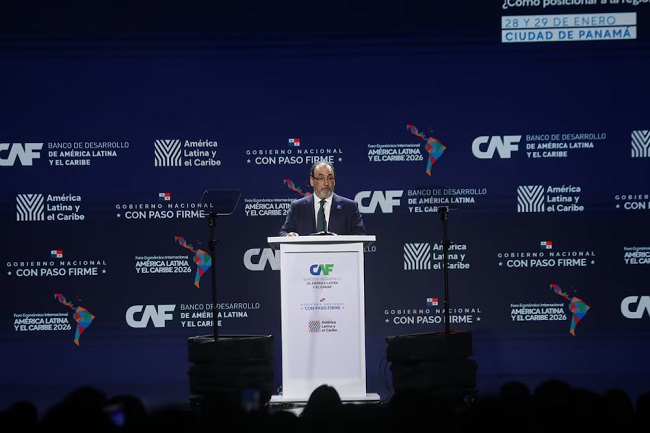
Sergio Díaz-Granados, executive president of CAF, during the inauguration of the Latin America and Caribbean International Economic Forum 2026

The MoU establishes a framework for cooperation focused on helping cities prepare, finance and implement high-impact urban climate projects over the next five years, with support from CAF. The partnership prioritises climate adaptation; promotion of biodiversity, clean and sustainable urban mobility; sustainable urban planning; and water and sanitation systems, while strengthening cities’ access to climate finance connecting them to investment opportunities.

Federico Gutiérrez, Mayor of the city of Medellín, Colombia, and C40 Vice-Chair for Latin America, said: “Medellín has shown that cities can drive transformative change. As climate risks intensify, from extreme heat to mounting water challenges, partnerships like this are critical to strengthening urban resilience across Latin America and ensuring that climate action delivers real social and economic benefits for our citizens. Cities are already stepping up to confront the climate crisis and protect our communities, but unlocking greater access to climate finance is essential to turn ambition into action and deliver solutions that change people’s lives.”

As climate impacts intensify across the region, the partnership places a strong emphasis on climate adaptation through nature-based solutions and promotion of biodiversity, the initiative aims to support cities to address extreme climate risks, such as extreme heat, flooding, sea-level rise, droughts etc., by implementing projects that promotes urban greening, water-sensitive urban design that help cool and promote resilient cities while improving quality of life. 

Julian Suárez Migliozzi, Manager of Sustainable Territorial Development, said: “This partnership with C40 Cities represents a concrete step in CAF’s commitment to become the bank of subnational governments and the green bank of Latin America and the Caribbean. Our cities are home to 80% of the region’s population and are on the frontlines of the climate crisis – they need financing solutions that match the urgency of this challenge.

“Through this collaboration, we will work side by side with mayors to transform climate action plans into bankable projects that attract investment and deliver tangible benefits: greener neighborhoods, cleaner air, water security, and sustainable mobility.”

The partnership will align with regional initiatives such as CAF’s BiodiverCities Network and the Adapting BiodiverCities (ABC) programme, to be implemented by CAF and the Adaptation Fund between 2026 and 2028, strengthening links between biodiversity, climate resilience and urban development.

Under the MoU, C40 Cities and CAF will collaborate on sustainable urban development, climate adaptation and climate finance, supporting cities at different stages of project preparation and connecting them to the C40 City Finance Programme and associated funding initiatives such as the C40 Cities Finance Facility (CFF) and the City Climate Finance Gap Fund.

Mark Watts, Executive Director of C40 Cities, said: “Climate impacts are a daily reality for millions of people in Latin American cities, from extreme heat to floods and water stress. This partnership with CAF will scale up investment for real, on-the-ground action, supporting adaptation, resilience and low-carbon development where it matters most. We know what needs to be done; the challenge now is financing and delivering it at speed. By working with cities to turn plans into bankable projects, we can unlock the finance needed to protect communities and accelerate climate action at scale.”

Key areas of cooperation include:

  • Climate adaptation and resilience, including the integration of climate considerations into municipal budgeting and capital investment through climate budgeting approaches;
  • Clean and sustainable transport, including knowledge exchange and financing support for the electrification of public transport and other zero-emission mobility solutions;
  • Urban nature-based solutions, supporting the development and financing of green and blue infrastructure through initiatives such as the C40 Urban Nature Accelerator;
  • Water security and sanitation, strengthening resilience in the water, sanitation and solid waste sectors through programmes such as Water Safe Cities, with a focus on addressing risks from floods, heat, droughts and landslides;
  • Urban planning and circular economy approaches, supporting integrated, sustainable and inclusive urban development.

Grid connection: Govt inaugurates committee on ALSCON

In a bid to bring the Aluminium Smelter Company of Nigeria (ALSCON) into full operation, the Federal Government has inaugurated an 11- member project delivery committee.

The Committee comprises three members from ALCON, two from the Niger Delta Power Holding Company (NDPHC), two members from the Transmission Company of Nigeria (TCN), and two members each from the Nigeria Electricity Regulatory Commission (NERC) and the Federal Ministry of Power.

In its terms of reference, the committee is expected to fast-track the connection of 132 kV transmission lines, ensure the completion of the Itu-Aba 132kV line, Itu-Calabar 132kV line, produce a status report and Single Line Diagram (SLD) of the 132k V Line, conduct joint commissioning of 132kV line, including funding requirements.

ALSCON
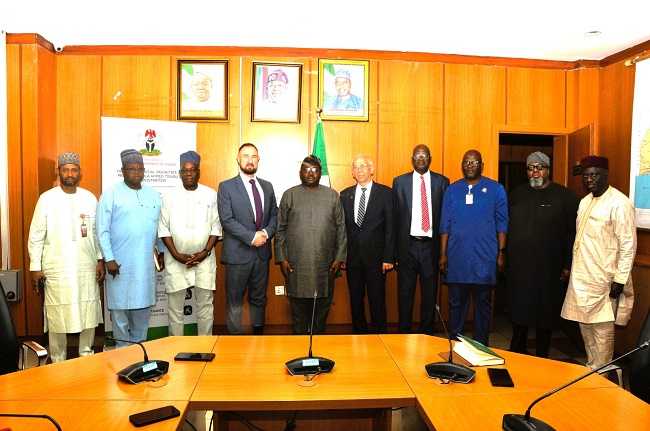
Minister of Power, Chief Adebayo Adelabu, inaugurating the ALSCON Committee in Abuja

In addition to the 132kV project, the committee is also saddled with the connection of 330kV transmission lines to ALSCON by coming up with the funding requirements to complete the project, produce status project report and SLD of the 330k V Line, and conduct a joint commissioning of the project.

Inaugurating the committee in his office, the Minister of Power, Chief Adebayo Adelabu, emphasised the importance of the project, which he said would contribute to the economic growth and development of the country. He said it was the desire of the Federal Government to see that ALSCON begins operation.

He charged all the agencies that are involved in revamping the company to work as a team “to ensure that it comes alive within a very short time”, while urging them to set up a practical working solution.

Adelabu said if ALSCON comes back, it would impact the economy of the country very positively.

“Power is a critical enabler for continuous operation in the plant and could lead to economic growth. It will increase local capacity and create jobs for our people. So, we need to accelerate its activities and avoid delays. We need a lot of collaboration and cooperation to achieve this desired result.”

The Minister recalled visiting the company in October last year, adding that ALSCON had reached out to the ministry on several occasions regarding the importance of reliable, stable, and uninterrupted power at the plant and the need for the plant to be connected to the national grid.

The representative of UC Rusal, the majority shareholder of ALSCON, Viacheslav Krylov, said the company was ready to work and collaborate with the Federal Government in addressing the challenges facing the power sector especially in the provision of electricity.

He revealed that ALSCON has an in built 540MW installed, gas-fired turbines for power generation, primarily for operations. He however added that the excesses would be transferred to the grid.

Krylov emphasised the importance of an alternative power supply for emergency basis in order to guarantee continuous operation in the plant when gas supply line is disrupted, thus the need for grid connection.

Africa capable of extraordinary achievements, including in manufacturing, high-tech – Algerian President

0

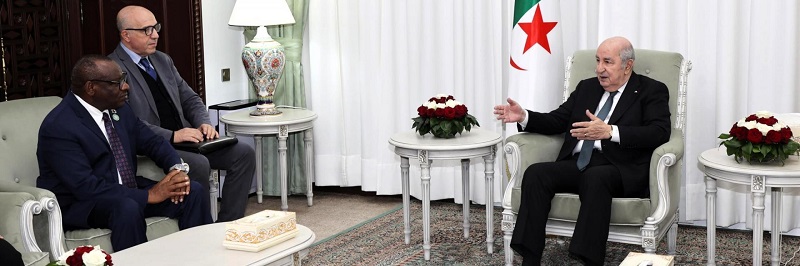
The Executive Secretary of the United Nations Economic Commission for Africa (UNECA), Claver Gatete, met on Monday, January 26, 2026, with Algerian President, Abdelmajid Tebboune, at the start of his working visit to the country, which aims to strengthen cooperation with Algeria and identify priorities for bilateral cooperation.

During their meeting, President Tebboune expressed his strong intention to strengthen cooperation with the ECA, with particular attention to strategic priorities including statistics, monitoring the implementation of public policies, digitalisation, governance and South-South cooperation.

Algeria
Executive Secretary of the United Nations Economic Commission for Africa (UNECA), Claver Gatete (left) with Algerian President, Abdelmajid Tebboune

Africa is capable of extraordinary achievements, including in manufacturing and high-tech, said President Tebboune, who stressed the importance of industrialisation to create jobs and reduce dependency with regard to imports. Mr. Tebboune also stressed that development must go beyond the macro-economic dimension and take into account aspects such as human development or the redistribution of wealth.

Gatete’s visit is part of a tour covering Algeria, Mauritania and Morocco, with the aim of meeting with government officials and gaining a deeper understanding and understanding of their development priorities, needs and areas of support, and explore opportunities to strengthen South-South cooperation.

This visit by the ECA Executive Secretary also coincides with a retreat of the ECA senior management team and preparations for the 2026 Conference of African Ministers of Finance, Planning and Economic Development (COM2026), scheduled from March 28 to April 3, 2026, under the theme: “Growth through Innovation: Harnessing Data and Cutting-Edge Technologies for Africa’s Economic Transformation”.

‘Trump can’t strong-arm world into fossil fuel addiction’ – Group decries US’ second exit from Paris Agreement

0

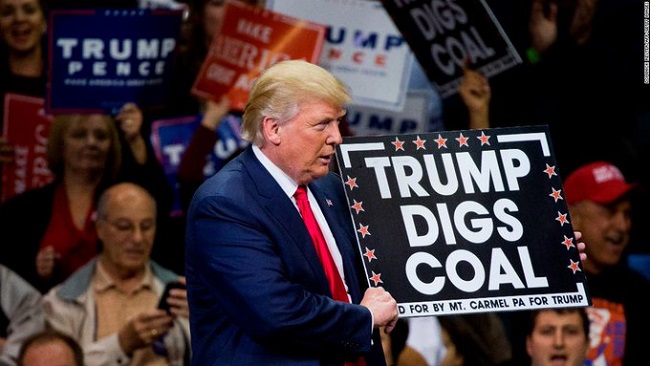
A year after US President, Donald Trump, signed an executive order withdrawing from the Paris Agreement, the United States officially exited the pact on Tuesday, January 27, 2026, making it the only country to have quit the global climate agreement twice.

Andreas Sieber, 350.org Head of Political Strategy, said: “By leaving the Paris Agreement, President Trump might believe he can strong-arm the world into more fossil fuel addiction. But he is unintentionally making the strongest case for renewables yet. Clean, affordable energy frees countries from imported fossil fuels and the geopolitical shocks that come with it.

Donald Trump
President Donald Trump of the US

“Under Trump, the US has made the risk of fossil fuel dependence unmistakably clear. More than two-thirds of global oil now sits within a US-dominated sphere of influence where threats, sanctions, and coercive power are openly deployed. Every escalation ripples straight through global markets and into household bills. This will make more countries want to opt out of this broken system – and choose the very path that Trump has abandoned.”

Anne Jellema, 350.org Executive Director, said: “After a year of deliberate obstruction, intimidation, and climate denial from the Trump administration, one thing is clear: the rest of the world is moving on – and moving faster. Last year, renewables generated more electricity than coal for the first time. The energy transition is unstoppable, despite efforts by the US administration to derail it.

“Not only are governments choosing to remain parties to the Paris Agreement – more than 80 countries have now backed a clear roadmap to move away from fossil fuels. Cross-border cooperation is growing, not shrinking.”

Fragile frontline revealed as healthcare workers demand urgent global action to end snakebite crisis

0

To mark World Neglected Tropical Diseases Day, a new report from the Strike Out Snakebite (SOS) initiative exposes a fragile frontline – as healthcare workers are battling broken systems that jeopardise both prevention and treatment of snakebite envenoming (SBE).  

Snakebite is one of the world’s deadliest yet most overlooked Neglected Tropical Diseases (NTDs), representing nearly half of the global burden of all NTDs and causing up to 138,000 deaths and 400,000 permanent disabilities every year. Despite this, snakebite receives only a fraction of the funding it desperately needs.  

Snakebite
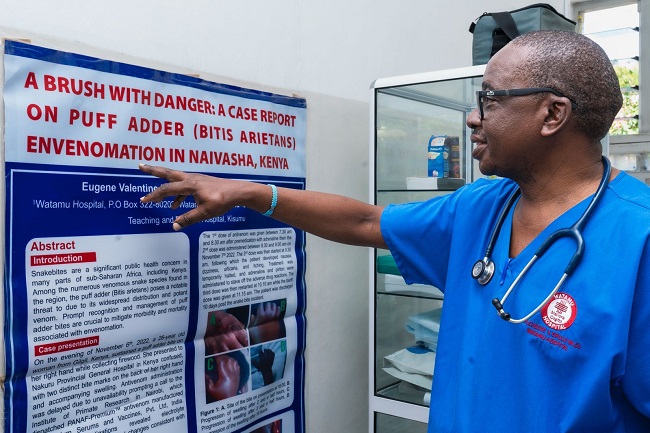
Dr. Eugene Erulu, Medical Doctor and Snakebite Specialist, Watamu Hospital, Watamu, Kenya, reviews a report highlighting the challenges of snakebite management

Snakebite envenoming is a crisis of inequality. It strikes hardest in rural communities – among children, agricultural workers, and families living far from health facilities. Victims often face long journeys to care, limited infrastructure, and costly and scarce antivenom supplies. These barriers turn a preventable and treatable condition into a life-threatening emergency. 

As part of a new survey of 904 healthcare workers across Brazil, Nigeria, India, and Indonesia, findings from Nigeria revealed:

  1. 98% report challenges administering antivenom – the only WHO1-listed essential medicine for SBE treatment.  
  2. 50% say their facilities lack full capacity to treat snakebite. 
  3. 39% face daily antivenom shortages. 
  4. 56% report poor infrastructure and inadequate equipment – raising the risk of limb loss, blindness and chronic neurological injury. 

Elhadj As Sy, Chancellor of the Liverpool School of Tropical Medicine and Co-Chair of the Global Snakebite Taskforce, said: “Too often, conversations on global health overlook those who shoulder the greatest burden: frontline healthcare workers. This report shines a light on the severe challenges they face in trying to save lives – and it is time to not just listen, but to mobilise. Many solutions exist, but we need political will and bold commitments from partners and investors to turn the tide on this preventable yet devastating Neglected Tropical Disease.  

“Snakebite must no longer be overlooked or underfunded by the international community. It is time for action – not sympathy, not statements, but action worthy of the scale of this crisis.”  

Antivenom is most effective when administered quickly – yet 82% of healthcare workers surveyed in Nigeria report life-threatening delays in seeking treatment, often due patient preference for traditional or alternative remedies (61%). Efficacy also depends on identifying the snake, but 42% report challenges administering antivenom due to uncertainty about the type of snake involved. The cost of delay is devastating: 43% reported avoidable delays ending in amputation or major surgery, potentially locking families into poverty and deepening inequality. 

Simple precautions – such as wearing protective clothing and sturdy footwear, sleeping under well‑tucked mosquito nets, carrying a torch at night, and avoiding likely snake habitats – can signficantly reduce the risk of a bite. If a bite does occur, safely taking a photograph of the snake can help with identification and confirm treatment options, but only if it can be done without putting anyone at further risk.  

To bring the report findings to life, a short film – Snakebite: from Science to Survival – has been released, featuring first-hand testimony from researchers, doctors, snake handlers, and survivors, underscoring the human toll and the urgency to act. 

Dr Eugene Erulu from Kenya, who is featured in the film, said: “A snakebite is a medical emergency, and anytime it happens it needs to be dealt with urgently and with the right treatment. However, we know 70-80% of patients first go to the traditional healers, where they receive inadequate care. If you delay, you lose the patient, but this has never really sunk into the community.

“We must continue to educate the public on the importance of seeking care, alongside investing in local health systems to ensure all facilities have access to antivenom.” 

Today, just two funders provide 65% of global investment into snakebite R&D, which is neither sustainable nor sufficient. Frontline healthcare workers in Nigeria are therefore calling for urgent investment from the international community – governments, global health leaders, multilateral agencies, philanthropists, and investors – to:

  1. Strengthen antivenom R&D (40%) and expand affordable, high‑quality manufacturing (43%); 
  2. Improve data and monitoring (31%) and protective equipment (29%); 
  3. Improve training programmes for healthcare professions (44%);  
  4. Increase access to safe, effective antivenom (32%); 
  5. Increase collaboration between governments, NGOs, and local health systems (31%) 
  6. Improve access to healthcare facilities (24%), improve healthcare system infrastructure (16%), and scale community education (48%). 

The solutions to end needless death and disability from snakebite already exist. By pooling resources to purchase antivenom and producing it in regional hubs, countries can stabilise prices and ensure a consistent supply of high-quality antivenom. Integrating snakebite prevention and treatment into national health plans will strengthen health systems and save lives.

Alongside this, investing in education, awareness programs, and preventative measures wantivenomer communities with the knowledge and tools they need to reduce risk and respond effectively when bites occur. 

Strike Out Snakebite was launched in 2025 to drive action across four fronts: R&D, antivenom access, public health, and advocacy – aligned with WHO’s goal to halve deaths and disabilities by 2030. Its Global Snakebite Taskforce unites experts, funders, and policymakers to keep this crisis on the global agenda. 

The moral imperative is clear: nobody should be dying from snakebite envenoming. This crisis is preventable, and targeted investment can catalyse significant impact. Now is the moment to act – and together, we can Strike Out Snakebite. 

Kaduna ACReSAL sensitises residents to gully erosion control project in two communities

Kaduna Agro-Climatic Resilience in Semi-Arid Landscapes (ACReSAL) on Wednesday, January 28, 2026, sensitised residents of Tudun Wada, Rigasa community, to the implementation of a gully erosion control project in the area.

Hadiza Halid, Project Coordinator ACReSAL, said the sensitisation was part of the activities under the Resettlement Action Plan (RAP) for the project.

Represented by Mr. Nuhu Satuk, Human Resource Officer, said the construction would affect some residents, including houses, farmlands and economic trees located around the gully site.

Gully erosion
Gully erosion

She said the Consultants had already conducted surveys to identify persons likely to be affected by the project.

“The sensitisation is mainly for those that will be affected by the construction. Government will compensate them for anything that will be affected during the construction,” he said.

Halid said the government would also require the cooperation of residents to ensure the successful execution of the project and improvement of the environment.

The District Head of Rigasa, Aminu Idris, described the project as a welcome development for the community.

Idris said the area had experienced serious erosion, leading to loss of farmlands, destruction of houses and loss of lives, particularly during the rainy season.

He expressed appreciation to the Agro-Climatic Resilience in Semi-Arid Landscapes (ACReSAL) project for intervening in the community.

Also speaking, a resident, Mrs. Asmau Sadiq, said the action plan would bring relief to residents affected by erosion in the area.

Sadiq said the community had lost access roads and houses to erosion over the years, adding that she was among those affected.

She expressed optimism that the new intervention would succeed, adding that previous efforts did not fully address the problem.

“We are hopeful that this intervention by the government will finally bring lasting relief and improve our lives.”

By Ezra Musa

Nigeria inaugurates committee on national biodiversity conservation

0

The Federal Government of Nigeria on Wednesday, January 28, 2026, inaugurated a revised National Biodiversity Strategy and Action Plan (NBSAP) to conserve and address biodiversity challenges in the country.

Malam Balarabe Lawal, Minister of Environment, said this at the inauguration of the revised NBSAP committee in Abuja.

“This inaugural meeting therefore provides an important opportunity to take stock of progress made so far in implementing the NBSAP, to clarify roles and expectations, and to agree on priority actions going forward.”

Balarabe Lawal
Malam Balarabe Lawal, Minister of Environment

Lawal, who was represented by Mrs. Halima Bawa-Bwari, the Director, Forestry Department in the Ministry, assured that government remained fully committed to provide the necessary policy support and leadership required for the successful implementation of the NBSAP.

“The revised NBSAP provides us a national roadmap for addressing these challenges in a coordinated, inclusive, and results-oriented manner, in line with national priorities.

“It is in recognition of this need that government has put in place structures and inclusive implementation mechanism being harnessed through the Committees being inaugurated.

“Let me reiterate that at this point that the Inter-Ministerial Committee on Biodiversity, the National Biodiversity Coordination Committee, and the National Biodiversity Technical Committee, each have distinct but complementary roles.”

Lawal urged the committee members to provide strategic direction, technical leadership, coordination, and accountability for NBSAP implementation.

“These committees are designed to ensure a whole-of-government and whole-of-society approach, promote coherence across sectors, mobilise resources, track progress, and support evidence-based decision-making at the highest levels.

“It also offers a platform to strengthen collaboration among Ministries, Departments and Agencies, as well as with non-state actors, recognising that biodiversity is a cross-cutting issue that touches all sectors of our economy and society.

“Together, they are expected to provide strategic direction, technical leadership, coordination, and accountability for NBSAP implementation,” the minister said.

Earlier, Bawa-Bwari said that biodiversity is the foundation of our livelihoods, food security, climate resilience, and cultural identity.

Bawa-Bwari, who was represented by Mr. Labaran Ahmed, Deputy Director, Forestry, said that the inauguration marked a significant milestone in Nigeria’s collective journey to safeguard, restore, and sustainably manage the rich biodiversity that defines our nation’s natural heritage.

“Please be reminded that the NBSAP is not merely a policy document, it is a national commitment to ensuring that our forests, wildlife, wetlands, and ecosystems continue to thrive for generations to come.

“The inauguration of these committees signals the transition from planning to action. It is a call to duty and an opportunity for us to translate strategies into tangible results.

“Forests are home to countless species, they regulate our climate, and they provide essential services to communities across the country. Yet, they are under increasing pressure from deforestation, unsustainable exploitation, and climate change,” she said.

Bawa-Bwari reiterated that these committees, being inaugurated, would reverse these trends and promote sustainable practices that balance conservation with development.

By Abigael Joshua

Ikorodu West Council seals shops over indiscriminate dumping of refuse

Ikorodu West Local Council Developmental Area (LCDA), Lagos State, has directed the council’s Environmental Department to seal shops for 20 days over indiscriminate dumping of refuse on roads.

The Chairman, Mr. Sulaimon Olanrewaju, on Wednesday, January 28, 2026, gave the directive to seal shops along the NBC Road Corridor, Ebute Police Post Junction, Ipakodo, Ikorodu.

The order came after Olarenwaju led efforts to clear trash illegally dumped on the road median by residents.

Sulaimon Olanrewaju
Chairman, Ikorodu West Local Council Developmental Area (LCDA) Mr. Sulaimon Olanrewaju

He said his administration is committed to safeguarding public health and upholding environmental standards, ensuring continued public awareness of the hazards and health implications of indiscriminate refuse dumping.

“I met with the shop owners daily for one week, passionately pleading for compliance to prevent disease outbreaks and environmental pollution.

“This decisive action follows a repeated, flagrant, and unacceptable defiance of environmental laws by some business operators despite my multiple interventions and personal appeals.

“This administration is fundamentally committed to the health and sustainable development of Ikorodu West.

“We will not plead endlessly, while public health is jeopardised,” Olarenwaju said.

According to him, the council has intensified efforts to address waste disposal challenges and ensure a cleaner environment.

The chairman urged residents and business owners to partner with the council to maintain proper waste disposal practices.

“Utilise the assigned Lagos State Waste Management Authority private sector partnership operators.

“Together, let us build a cleaner, healthier, and more prosperous Ikorodu West,” Olarenwaju said.

By Adepote Arowojobe

Group backs Adelabu on free meter, berates DISCOs

The Minister of Power, Adebayo Adelabu, has been commended for his decision to ensure free distribution of meters to Nigerian electricity consumers. 

In a statement on Tuesday, January 27, 2026, and signed by its officials, Fred Ojinika and Tunde Olaoye, the Nigerian Human Rights Community (NHRC), a coalition of 130 civil society and community-based groups across the country, said the decision of the Minister was in the best interest of Nigerians.

Adebayo Adelabu
Minister of Power, Mr Adebayo Adelabu

The Minister of Power, Adelabu had said that the meters were procured under the World Bank-funded Distribution Sector Recovery Programme and must be installed for consumers free. Even though the meters were expected to be free, DISCOs continue to extort between N200,000 to N350,000 from Nigerians as fees for meters.

Describing the statement as the “best new year gift” of the Minister, the coalition said the pronouncement of the Minister has received full support from the civil society, industrialists and all electricity users.

“The decision is in favour of energy consumers. Some of the DISCOs are notorious for incompetence, greed and economic rape of the people. The Minister has taken the right decision. It helps democracy and economic justice in Nigeria.”

The rights coalition said DISCOs often claim the meters are free but would ask for between N250,000 to N350,000 for the meter to be connected to their system.

The group said its offices across the country are inundated with complaints of exploitation and deliberate destruction of meters either through intentional power surges of physical damage in order to force electricity consumers to direct electricity billing.

“The Minister has set a good standard. We condemn the action of the DISCOs. It is a deliberate attempt to exploit Nigerians and destroy the industrial foundation of the country. We urge Nigerians to rise up and defend their rights,” the NHRC said.

The coalition said only few of the DISCOs mean well for Nigerians.

“‘Ikeja Electric and many of them are out for primitive accumulation of wealth. They are not partners in progress of Nigeria. Many of them are obstacles to the progress of Nigeria. At present, they are indirectly instigating the Nigerians masses against the Federal Government through arbitrary billing and imposition of cut-throat tariffs on Nigerians.

“This has forced many Nigerians to abandon electricity for either solar, lantern or even candles. Even those who use electricity are afraid to put on their fans, security lights and other relevant equipment in their homes.”

The NHRC said it is ready to mobilise Nigerians against DISCOs by occupying their offices through mass action to compel them to respect the dignity of Nigerians.

×