

The International Labour Organisation (ILO) has called for urgent action to address persistent gender inequality in the oil and gas industry, calling for inclusive leadership and equitable opportunities for women.
Mrs. Vanessa Phala-Moyo, Country Director of the ILO to Nigeria, made the call on Thursday, April 16, 2026, at the ongoing Third Edition of the Petroleum and Natural Gas Senior Staff Association of Nigeria (PENGASSAN) Women Convention in Abuja.
The theme of the convention was “The Dynamic Woman: Shaping Tomorrow; Influence, Impact and Legacy”.
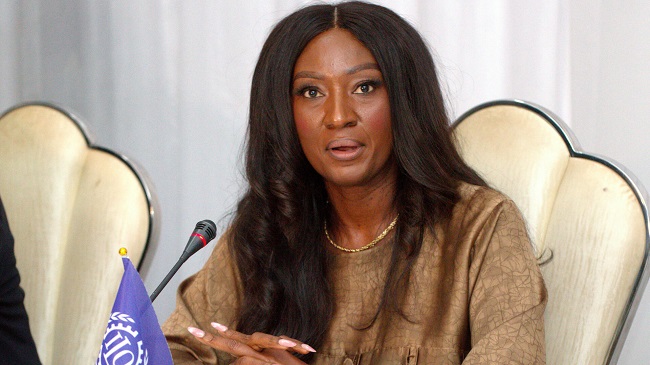
Phala-Moyo said women remained underrepresented and undervalued in key decision-making positions despite ongoing global conversations on gender equality.
She described gender equality in the oil and gas sector as “more illusion than reality,” noting women still face systemic barriers to leadership and technical roles across the industry.
“Gender equality in the oil and gas sector remains more of an illusion than reality, as women continue to face systemic barriers to leadership and technical roles.
“Women are still largely underrepresented in decision-making positions, and their contributions in the industry are often undervalued.
“Without deliberate and sustained action, the energy sector will continue to exclude women from opportunities that shape its future,” Phala-Moyo said.
According to her, women are largely underrepresented in decision-making roles, while their contributions remain undervalued.
She warned that lack of deliberate action would continue to exclude them from shaping the sector’s future.
“Structural barriers still limit women’s access to technical, leadership, and high-paying roles, identifying occupational segregation, restrictive norms, wage inequality, and weak labour law enforcement as key challenges.
“Women are often confined to administrative roles, while leadership and technical positions remain dominated by men, limiting their participation in critical decision-making processes.’’
Phala-Moyo said even when women secured roles in the sector, they faced unequal pay and slower career progression compared to their male counterparts.
According to her, the global energy transition presents both opportunities and risks. Women and young people could face disproportionate job losses if inclusion is not prioritised.
“The energy transition must not leave women behind. Inclusive leadership is essential for fairness, better policy outcomes, and building resilient institutions,” she said.
She called for stronger legislative frameworks, enforcement of anti-discrimination laws, and adoption of gender-responsive policies, while urging increased participation of women in Science, Technology, Engineering and Mathematics (STEM) fields.
Phala-Moyo also urged trade unions and industry players to adopt gender-responsive collective bargaining to tackle inequalities and ensure safer, more inclusive workplaces.
Also, Mrs Ada Mbanaso, National Chairperson of the PENGASSAN Women Commission, urged women to prioritise impact over titles and embrace leadership that drives meaningful, lasting change.
She encouraged women to use their influence to uplift others, promote mentorship, inclusion, and amplify their voices in shaping decisions across workplaces, communities, and nation in general.
By Joan Nwagwu