

Nigeria is facing a silent environmental emergency. With an estimated annual deforestation rate of approximately 5% (among the highest in the world), our forests are vanishing at a pace that threatens ecological stability, rural livelihoods, and national climate resilience.
Forests are more than timber assets. They regulate water cycles, sequester carbon, conserve biodiversity, provide food and medicinal resources, and sustain millions of Nigerians through fuelwood and non-timber forest products. Yet decades of unsustainable exploitation driven by agricultural expansion, logging, fuelwood dependence, infrastructure development, and weak governance, have severely degraded forest ecosystems in Nigeria.
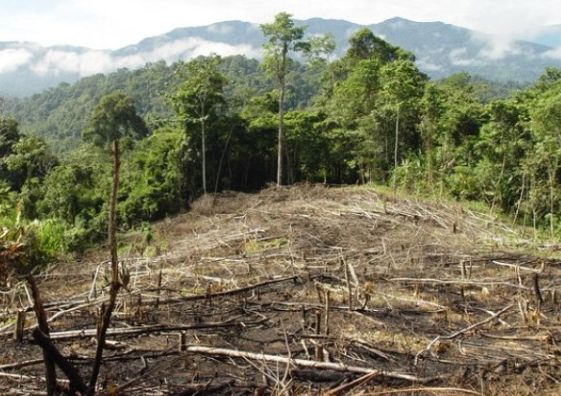
Evidence from Southwest Nigeria reveals a troubling pattern: forest governance systems remain largely revenue-driven, with insufficient emphasis on regeneration, ecosystem restoration, and community participation. Forest areas outside formal reserves, often termed “free areas”, operate under unclear tenure systems, limited legal recognition, and weak monitoring structures. This has fostered over-exploitation and accelerated forest degradation.
At the same time, poverty and energy insecurity continue to drive forest loss. Fuelwood remains the dominant domestic energy source for a large proportion of households. Agricultural expansion, particularly smallholder cultivation, accounts for the majority of forest conversion. Without viable alternatives, forest-dependent communities are locked into unsustainable extraction cycles.
The environmental consequences are severe: biodiversity loss, soil erosion, flooding, desertification in northern regions, declining water quality, and increased greenhouse gas emissions. forests in Nigeria are ecological infrastructure, basic and integral to achieving climate resilience, food security, and sustainable development goals.
At NEST, we believe that reversing forest loss requires systemic reform, not isolated interventions. Forest conservation must be anchored in governance reform, inclusive participation, energy transition, and economic incentives that align conservation with livelihood security.
The future of Nigeria’s forests depends on whether we can move from extraction to stewardship, from competition to collaboration, and from short-term revenue generation to long-term ecological sustainability.
Sidebar: Key Statistics on Forests in Nigeria
- Annual deforestation rate: ~5% (among the highest globally)
- Forest cover: Approximately 12% of total land area
- Primary forest loss: Over 50% lost in recent decades
- Fuelwood dependence: Meets about 80% of domestic energy needs
- Protected areas: 8 National Parks, 445 Forest Reserves
- Major driver of deforestation: Agricultural expansion (60% globally; dominant in Nigeria)
- Southwest Nigeria: 80% of forests located in “free areas” with weak governance structures
By Dr. Harrison U. Nkwocha, Programme Officer, Nigerian Environmental Study Action Team (NEST), Ibadan