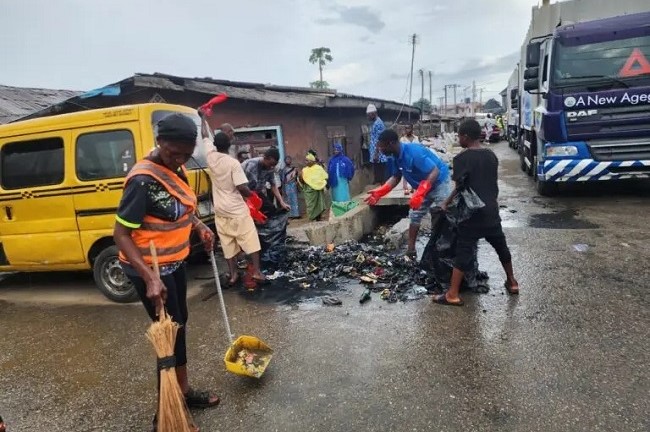
The Lagos Waste Management Authority (LAWMA) says strong inter-agency coordination, early planning, and widespread public participation were key to the success of the recent statewide environmental sanitation.
Managing Director of LAWMA, Muyiwa Gbadegesin, disclosed this in an interview on Monday, April 27, 2026, in Lagos.
Gbadegesin said seamless collaboration among its teams, Private Sector Participation (PSP) operators, local governments, and enforcement agencies ensured effective coverage across the state.
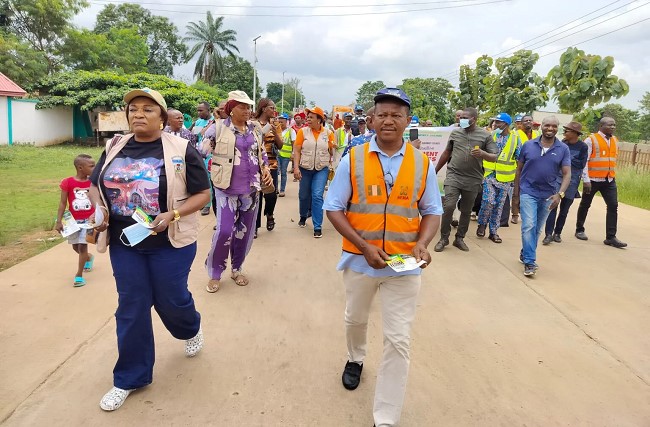
Environmental sanitation exercise in Agege, Lagos
He noted that advance operational planning, including the strategic deployment of trucks, equipment, and personnel, enabled a smooth and efficient exercise.
Gbadegesin added that disposal infrastructure, including landfill sites and Transfer Loading Stations (TLS), were optimised ahead of the exercise to guarantee seamless waste reception and turnaround during evacuation.
According to him, intensive sensitisation campaigns boosted public compliance, while the active involvement of Local Government Areas (LGAs), Local Council Development Areas, and community leaders ensured grassroots participation.
He said targeted interventions at blackspots, markets, highways, and inner communities contributed to visible environmental improvements, supported by real-time monitoring and field coordination.
Responding to claims of non-evacuation of waste in some areas, LAWMA boss described such reports as misleading and not reflective of the actual situation on ground.
He explained that waste evacuation is a structured process carried out in phases, given the large volume generated during the exercise.
“Evacuation is not instantaneous but follows a coordinated operational schedule,” he said.
He added that PSP operators commenced evacuation immediately after the exercise across all jurisdictions.
He said the prepared disposal chain, supported by optimised landfill sites and TLS, was ensuring systematic and regulated waste processing.
The authority emphasised that it prioritises safe and proper disposal at approved facilities over rushed or indiscriminate clearance.
Gbadegesin said field reports across LGAs confirmed that evacuation was ongoing, while continuous monitoring and intervention were being carried out to support PSP operations where necessary.
He reaffirmed LAWMA’s commitment to sustaining the gains of the sanitation exercise through continuous evacuation, enforcement, and public engagement.
The managing director urged residents to support ongoing efforts by adhering to proper waste disposal practices.
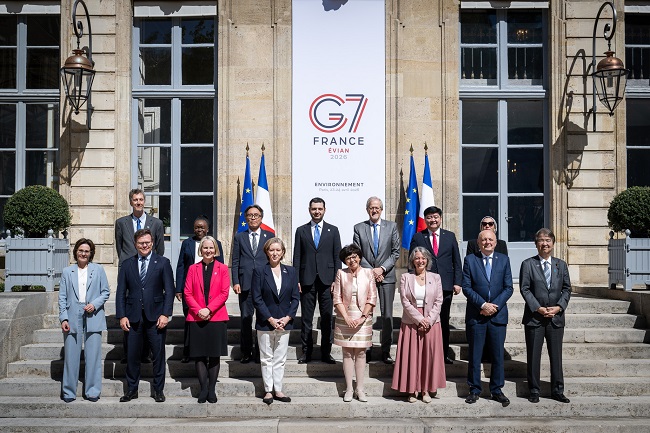
Ministers at the Group of Seven (G7) Environment Ministerial meeting, held in Paris from April 23 to 24, 2026, formally recognised desertification, land degradation and drought as systemic global challenges and security risk multipliers, committing to strengthen action on land restoration, drought resilience and sustainable land management.
These interlinked crises are already affecting ecosystems, livelihoods and food and water security, with growing implications for economic stability and peace, particularly in fragile and conflict-affected regions.
In their joint declaration, ministers stressed the strategic importance of addressing the land degradation–security nexus, highlighting how environmental pressures are intensifying competition over resources, contributing to displacement and heightening risks of instability.
Ministers at the Group of Seven (G7) Environment Ministerial meeting in France
In the past six decades, over 40 per cent of intrastate conflicts have been linked to disputes over natural resources, particularly land and water, underscoring the growing security implications of land degradation and drought.
Land degradation already affects a significant share of the world’s land – up to 40 per cent – and costs an estimated $900 billion annually, with cascading impacts across food systems, water availability, economies and livelihoods.
Welcoming the declaration, the Executive Secretary of the United Nations Convention to Combat Desertification (UNCCD), Yasmine Fouad, said this political recognition must now translate into action, highlighting the gap between commitments and implementation.
“Land degradation and drought are no longer marginal issues. They are already shaping the daily lives of millions of people, affecting what they can grow, what they can eat and whether they can remain on their land,” Fouad said. “Restoring land is therefore an investment in peace, resilience and long-term stability. What is needed now is to match political attention with the financing and partnerships required to deliver results.”
“We are not facing a knowledge gap. We are facing an implementation gap,” she added. “Countries have already identified their priorities and targets. The challenge now is real progress on the ground.”
This urgency is underscored by the scale of the challenge. An estimated 3.2 billion people already live in areas affected by land degradation, placing increasing pressure on food systems, livelihoods and social stability. Ministers highlighted that investment in land restoration and drought resilience remains insufficient and fragmented, calling for stronger alignment of public and private finance and greater coordination across international financial institutions.
In support of these commitments, the French Presidency announced initiatives such as the Nature & People Finance Alliance, aimed at scaling up public and private investment in nature and ecosystems.
These efforts are anchored in the declaration, which reaffirms the central role of the UNCCD in addressing desertification, land degradation and drought globally, and identifies the 17th session of the Conference of the Parties (COP17) to the UNCCD, to be held in Mongolia in August 2026, as a key opportunity to deliver concrete outcomes.
Looking ahead, Executive Secretary Fouad stressed that COP17 must now deliver tangible progress on land restoration and drought resilience.
“COP17 must be the moment where commitments on land restoration and drought resilience translate into visible progress, particularly in the most vulnerable regions,” she said.
“It is an opportunity to bring land to the center of global economic and security discussions and ensure it is treated as a strategic priority.”
BirdLife has secured agrant from the Nando and Elsa Peretti Foundation (NaEPF), to support conservation efforts in Eastern Africa over the next three years. The funds will help to restore two sites important for migratory birds, namely, Lake Elementaita in Kenya and Lake Ziway in Ethiopia, all located in the eastern part of the African-Eurasian Flyway (EAEF). In addition, the funds will support capacity building of BirdLife Partners and other project stakeholders in the two countries.
Stretching from the Arctic tundra to the southern tip of African continent, the African Eurasian Flyway is used by more than two billion migratory birds of more than 500 avian species. Further, the flyway includes numerous sites, which are vital for resting or stop over, feeding and breeding grounds for birds, and local communities’ livelihoods.
Flamingos flying over Lake Elementaita in Kenya. Photo credit: Aloise Garvey
Located in the Ethiopian Central Rift Valley region, and covering a surface area of over 440 square kilometres, Lake Ziway is home to more than 20,000 water birds including the emblematic Great White Pelican and the Lesser Flamingo. The lake forms part of the backbone of the local economy, supporting the livelihoods of about two million people. Over the years, pollution, agriculture, urban developments, and invasive plant species have degraded this wetland, threatening its ability to provide critical ecosystem services.
Lake Elementaita, in Kenya’s Great Rift Valley, covers 18 square kilometres, and a Key Biodiversity Area (KBA) as well as a UNESCO World Heritage Site. Further, the lake is a Ramsar Site or a wetland of international conservation importance, hosting major breeding colonies of the Great White Pelican and Lesser Flamingos in addition to being an important wintering ground for over 100 species of migratory birds. However, pollution, agriculture, infrastructure developments particularly powerlines, and climate change have negatively impacted the lake.
Through the project, two BirdLife Partners, Nature Kenya and the Ethiopian Wildlife and Natural History Society (EWNHS), will undertake various interventions at the site level, including raising awareness on the value of conserving flyways. Through the grant, BirdLife and its partners will reduce threats and support the sustainable management of these sites, build capacity of relevant conservation organizations and local communities for improved conditions of the sites for the benefit of nature and people.
Mengistu Wondafrash, Executive Director of the Ethiopian Wildlife and Natural History Society, said: “Not only is Lake Ziway the bloodline of the ecosystem of the Central Rift Valley of Ethiopia, supporting multitude uses, including irrigation, fishing, water supply and recreation, it is also one of the determining factors for the continuity of the lakes in the Ziway-Shalla Lake Basin system of the Central Rift Valley of Ethiopia, due to its great geochemical and hydrological significance to its immediate watershed and to all the nearby lakes.”
Paul Gacheru, Species and Sites Conservation Manager at Nature Kenya, said: “Lake Elementaita, an important migratory bird stop-over along the Rift Valley flyway in Kenya, face many threats, from power lines to road construction. This project is most welcome, as it will help us close a critical gap in our data collection for advocacy purposes. Having people on the ground gathering biodiversity data is invaluable.
“It is the foundation of everything we do. We rely on this evidence to guide our conservation actions and make the case for protecting places like Elementaita. This support from from Nando and Elsa Peretti Foundation gives us the opportunity to strengthen our fieldwork, and ultimately to amplify the voices of those who care most about this remarkable lake.”
Alex Ngari, Migratory Birds and Flyways Programme Manager, Africa at BirdLife International, said: “The pace of degradation of sites important for migratory birds in Eastern Africa is indeed worrying. Thanks to the funding from Nando and Elsa Peretti Foundation, BirdLife and the national Partners will work with stakeholders in Ethiopia and Kenya, applying our Flyways conservation model, to ensure that there is a secure future of the two sites for the benefit of migratory birds and local communities.”
Two UK-Nigeria projects are advancing new clean energy innovations designed to power homes, healthcare, schools, businesses and transport, while supporting wider access to affordable, reliable and sustainable energy across Nigeria.
Supported through the Zero Emissions (ZE‑Gen)’s Accelerator programme, the projects combine UK and Nigerian expertise to develop and demonstrate distributed renewable energy systems in real‑world conditions, with strong potential to scale beyond pilot phases and reach international markets.
Jonny Baxter, British Deputy High Commissioner in Lagos
They focus on practical, locally relevant innovations, including mobile solar generation, modular battery systems, energy storage, shared power infrastructure and e‑mobility solutions. These technologies are designed to support households, productive‑use businesses and essential services, while reducing dependence on fossil fuel generators.
The two projects have been awarded £2.4 million through the UK Government’s Transforming Energy Access (TEA) research and innovation platform, matched by a further £2.4 million from private investors. In addition to funding, the projects will receive tailored commercialisation and investment‑readiness support from Innovate UK and the Carbon Trust.
The projects address the widespread reliance on fossil fuel generators across emerging economies. It is estimated that 25 million highly polluting generators are currently in use, contributing to high carbon emissions, significant health risks and high operating costs that divert resources away from job creation, business growth, healthcare and education.
Funded by Innovate UK, the two projects are the final successful Phase 3 cohort of the ZE-Gen Accelerator programme, which started with 21 Phase 1 projects. The programme is supporting the development of new international markets, strengthening local supply chains and creating economic opportunities for companies in both the UK and Nigeria.
Mr. Jonny Baxter, British Deputy High Commissioner in Lagos, said: “These UK-Nigeria partnerships show how collaboration and innovation can deliver real solutions to challenges. By combining UK expertise with Nigerian ingenuity, these projects are helping to bring clean, reliable energy to communities and businesses, while opening new international markets for our companies.
“Through programmes like ZE‑Gen, we are supporting practical, scalable technologies that reduce emissions, strengthen energy security and create lasting economic opportunities for both our countries.”
Dr James Coombs OBrien, ZE-Gen lead at Innovate UK, said: “Commercialising innovation to make a positive impact on people’s lives is at the centre of everything that ZE-Gen does. We’re delighted to support UK and Nigerian innovators in developing these cutting-edge technologies and to work collaboratively to solve global challenges to benefit people and both the Nigerian and UK economies.”
Lily Beadle, ZE-Gen lead at the Carbon Trust, said: “Bringing investible innovation projects to life in real-world settings, showing they have the commercial potential to scale and have impact in a range of settings is at the heart of ZE-Gen. These latest projects are part of creating a ZE-Gen eco-system of change to ensure positive impact on supply chains, communities and local markets.”
Despite being home to two thirds of the world’s population, emerging economies only account for 15% of global clean energy investment – with homes and businesses facing frequent blackouts that can last for weeks at a time, negatively impacting daily lives and business income.
To date, ZE-Gen has catalysed £50.5 million in support, including from the IKEA Foundation and the UK Government’s Ayrton Fund, and has supported more than 40 localised renewable energy projects across Nigeria, the Philippines, Cote d’Ivoire, Fiji, South Africa, Malawi and Uganda.
The new ZE-Gen Accelerator projects are summarised below:
Mobile Solar Generators with Mesh‑Grid Capability (MobACE‑γ)
Led by Sleekabyte Technologies, working with Nigerian partners Citibim, this project is demonstrating mobile solar power systems in Nigeria designed for markets, small businesses, schools and clinics that operate without reliable grid electricity. The system combines solar generation with rentable, swappable battery units, providing flexible clean power that can move with economic activity in urban and peri‑urban locations.
Phase 3 will pilot clustered deployments across Nigerian communities, allowing multiple units to connect and share power safely. By validating both the technology and the underlying business model, the project aims to offer a practical, affordable alternative to petrol and diesel generators for informal and semi‑formal enterprises.
Dr Oladimeji Olawale, CEO at Sleekabyte Technologies UK Limited, said: “What makes ZE-Gen Phase 3 especially exciting is that it brings together four critical enablers of inclusive growth in Africa and other emerging economies: energy access, business growth, digital inclusion, and investment access. We see energy access as the essential precursor to a more intelligent, data-driven clean energy ecosystem that helps businesses grow through viable, easy-to-finance adoption models and technology-enabled investment tracking and optimisation.
“ZE-Gen’s support is making it possible for us to move this vision into advanced deployment by integrating 5G and 5G LAN, advanced metering, GPS, and SCADA systems to enable peer-to-peer, clustered energy deployment and energy sharing. This creates strong commercial potential in Nigeria through more scalable clean energy access for businesses, and in the UK through innovation leadership, digital energy expertise, and exportable solutions for emerging markets.”
Dr Abdul-Quayyum Gbadamosi, CEO at Citibim Nigeria Limited, said: “ZE-Gen Phase 3 is especially exciting because it responds to a critical reality for many businesses in Nigeria: energy costs can consume over 60% of profitability, trapping enterprises in stagnation, informality, and energy poverty. What makes this innovation distinctive is that it does not focus on technology alone; it is designed around the operational constraints and financial realities of those businesses, combining clean energy innovation with embedded de-risked financing.
“ZE-Gen’s support is making it possible to advance this first-of-its-kind solution towards stronger technical validation, commercial readiness, and scalable deployment. Alongside grant funding, ZE-Gen is providing the projects with tailored commercialisation support to accelerate their route to market including coaching, one-to-one support and events along with strategic advice to enable investment readiness, market engagement, and product development.
Solar Battery Hub: Scaling Last‑Mile Energy Access
Lead: Centre for Energy Equality (CEE, Warrington, UK) Partners: PAM Africa (Nigeria), Moonlight Energy (London, UK), Tree Associates (Norfolk, UK), Standard Microfinance Bank (Nigeria)
Led by the Centre for Energy Equality (CEE), in partnership with PAM Africa, Moonlight Energy, Tree Associates and Standard Microfinance Bank, this project will deploy Africa’s largest grid‑integrated battery‑swap hub in Kano, northern Nigeria. The hub combines large‑scale solar generation with shared battery storage and e‑mobility, delivering clean, reliable power for local businesses and transport services.
Building on earlier ZE‑Gen‑supported R&D pilots, Phase 3 will demonstrate how this Kano‑based hub can operate at commercial scale – reducing reliance on fossil fuel generators, supporting productive‑use businesses and strengthening local energy systems. The project will also test new ownership and financing models, creating a blueprint that can be replicated across Nigeria and other emerging markets.
Gemma Sutherland, Director of Global Impact, Centre for Energy Equality, said:“We’re thrilled to be taking the Solar Battery Hub into the final phase of the ZE-Gen Accelerator. Over the course of the programme, we’ve taken a nascent idea, piloted it, and are now demonstrating it at scale.
“With ZE-Gen’s support, we’re launching the first grid-integrated battery swap hub in sub-Saharan Africa, giving businesses and transport providers access to clean, reliable power without the need for diesel generators.
“This venture is about extending reliable, affordable energy to the last mile, reaching underserved communities that are currently locked out of consistent power. That sits at the heart of our mission at the Centre for Energy Equality.”
The conflict in the Middle East has triggered a major shock to global energy markets, with the effective closure of the Strait of Hormuz triggering the largest supply disruption in the history of oil markets and significantly impacting supplies of natural gas and a range of energy-related commodities.
As concerns over supply security have grown, prices have risen across several parts of the energy system, increasing pressure on household budgets, public finances and economic activity more broadly. In response, many governments have announced emergency measures to protect consumers from higher energy costs.
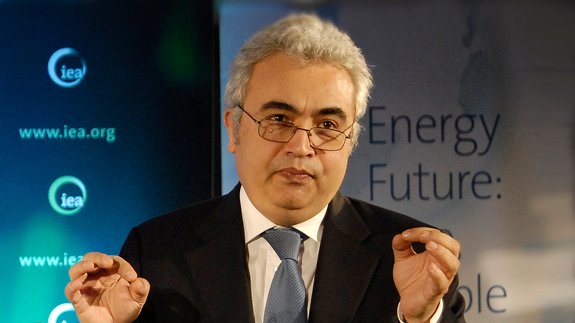
Fatih Birol, Executive Director of the International Energy Agency (IEA)
So far, governments have supported consumers in two ways: through direct price relief, such as fuel price caps or tax cuts, and through demand-side measures aimed at reducing energy use. Designing these measures well is critical, and international experience offers useful lessons.
While easy to deploy, untargeted energy bill support primarily benefits higher-income households and puts pressure on public finances
When prices rise sharply, governments often first turn to broad-based price support measures that can provide immediate relief to consumers. This is already happening, with several countries in Asia and Europe temporarily capping fuel prices or reducing energy taxes.
However, while untargeted support measures can be implemented relatively quickly, they present two major challenges. First, universally lowering the price of fuel when supply is tight sends the wrong market signal, weakening incentives to reduce energy use and improve efficiency in the context of the current supply-demand gap. Second, much of the financial support does not reach those who need it most: low-income households struggling to pay their energy bills.
Because higher-income households tend to spend more on energy in absolute terms, broad-based price reductions often deliver greater financial gains to higher-income groups. For example, a recent study in the Netherlands estimates that around 70% of the total value of a broadly applied reduction in fuel excise duty ends up benefiting middle-high and higher-income groups.
This is particularly important because lower-income households are also the most exposed to energy price shocks. At the height of the 2022 energy crisis, low-income households in advanced economies spent around one-quarter of their income on energy – up 4 percentage points from 2021. By contrast, median-income households spent around 10% of their income on energy, with an increase of less than 2 percentage points.
Untargeted support also comes at a high fiscal cost. Governments spent around USD 940 billion in direct grants, vouchers and tax reductions in response to the 2022 energy crisis, yet only 25% of this support was targeted. With public finances still under strain following the Covid-19 pandemic and the 2022 energy crisis, many governments now have less fiscal space to sustain broad-based measures. This constraint has already been acknowledged in several European countries. In response to the current crisis, the OECD has recently warned against relying on broad-based support measures over the longer term.
Targeted support measures are a tried-and-tested policy solution
A more effective approach is to introduce support measures that directly target those most vulnerable to price shocks. This ensures that public money is used more efficiently and reaches the households most affected by the crisis. A key issue is that governments may find it difficult to quickly and efficiently identify those most in need of support.
Fortunately, governments do not always need to start from scratch, and there are ways to improve targeting quickly. Many countries already have policy instruments in place to support low-income households and other vulnerable groups, such as social assistance programmes, unemployment benefits, pension schemes and income-based grants. A quick way to deliver direct support is to ramp up programmes that already target these groups, or to use existing databases to identify households likely to be under financial strain.
Governments can also work with municipalities or community organisations that hold relevant information. Targeting can then be refined further by combining this with other household characteristics, such as home energy efficiency or energy consumption data. For countries that might not yet have public administration infrastructure in place to effectively target those in need, strengthening these programmes is an important first step.
Countries have successfully done this before. In 2022 and 2023, the Netherlands introduced an energy allowance for low-income households, providing direct cash transfer of around EUR 1 300 per year. Municipalities were tasked with identifying and paying eligible households, pulling from existing data and infrastructure to ensure support reached those most in need.
Since 2018, France has provided direct cash vouchers to low-income households to help cover energy bills, using its national tax registry to identify beneficiaries. In Indonesia in 2022, the government shifted from initial broad-based fuel subsidies to targeted transfers to lower-income groups as pressure on state budgets increased.
A key prerequisite is having the systems in place to target and deliver support to vulnerable households effectively. In Nigeria, for example, financial assistance was provided to 12 million low-income households in 2023 through direct digital transfers to beneficiaries’ bank accounts and mobile wallets. Similarly in Brazil, a national registry covering more than 40% of the population has been used to automatically enrol low-income households in several social programmes, including a social tariff scheme which now provides fully subsidised electricity for up to 80 kWh.
In response to the current crisis, several countries have announced targeted measures aimed at supporting those most in need while limiting fiscal. The United Kingdom, for example, has allocated GBP 53 million to support vulnerable heating oil customers, among the hardest hit by rising oil prices. Local councils can determine eligibility and how the support is distributed. In a similar fashion, Pakistan has introduced a relief package targeted at transport operators, such as motorcycle and rickshaw owners who rely on fuel for their daily income, using its existing Benazir Income Support Programme to identify potential recipients and disburse payments directly through digital wallets. Despite these positive examples, however, so far just 25% of government price support measures announced globally in response to the current crisis have been targeted.
There is no exact way of identifying precisely who needs support and who does not. Although some support may still go to households that need it less, leakage is significantly lower than under untargeted schemes. And while some eligible households may still be missed, this can be reduced by allowing households to apply and be reassessed.
On the demand side, well-designed campaigns can help consumers reduce their exposure to high energy prices
In response to the current crisis in the Middle East, many governments have also launched campaigns encouraging consumers to save fuel. For example, Australia announced its “Every Little Bit Helps” campaign, while Singapore’s campaign calls on households and businesses to “Save Energy Together“. But not all campaigns are created equal – effective campaigns need to be carefully designed to ensure they reach the right audiences with messages they can act on.
Evidence shows that tailoring to specific groups, rather than using a one‑size‑fits‑all approach, tends to deliver stronger and more durable results. During the 2022 energy crisis, information campaigns evolved from broad energy efficiency advice to more focused, action-oriented guidance linked to concrete behavioural changes and available supports. Drawing on international experience, several practical lessons emerge for policymakers seeking to protect vulnerable consumers and maximise impact.
Build on existing systems and programmes: Governments that responded most quickly and effectively during the 2022 crisis built their information campaigns on established programmes, partnerships and delivery frameworks. These existing structures provide trusted delivery channels that can be adapted rapidly in emergency situations, making them especially valuable during an energy crisis.
Work with trusted intermediaries. Community organisations, local authorities and energy retailers can significantly expand the reach and credibility of national campaigns. They can translate national messaging into locally relevant actions and help connect households to financial and technical support. In the Netherlands, for example, a programme supporting municipalities to deploy household energy coaches and fixers reduced both energy costs and medical expenses, with the greatest impact observed among households experiencing energy poverty.
Understand and segment the audience. Effective targeting requires a clear understanding of households’ needs and circumstances. Audience segmentation helps shape the narrative, identify the appropriate communication channels and tailor messages accordingly. During the 2022 crisis, Ireland adapted its campaign from “Reduce your use” to “Stay warm and well” in response to consumer feedback, with a stronger emphasis on vulnerable households. The campaign was associated with a 12% reduction in residential electricity use.
Define clear messaging that connects well with the audience. Campaign messages should be simple, relevant and closely aligned with the desired behaviour. Some of the most successful campaigns also encourage people to participate and share their experience. In 2022, for example, India introduced electric buses in Delhi, made them free for three days and launched a campaign encouraging people to take selfies on board and share them online. In the first few days, over 100 000 people used the new buses.
Highlight both existing and new support measures. Information campaigns are most effective when they promote both immediate consumer support and longer-term measures such as grants, subsidies and retrofit programmes. Combining behavioural guidance with clear information on available support can help households take action and invest in lasting improvements. For example, Denmark paired its energy awareness campaign with information on grants and longer term support, helping to strengthen uptake.
To build long-term resilience, governments should focus on energy bills, not just prices
Targeted, short-term support can help shield consumers from acute price shocks. But to make consumers more resilient to future price swings and bring down energy bills permanently, governments need to invest in targeted energy efficiency policies.
First, governments can promote affordable access to more efficient vehicles and ensure adequate public transport. Increasing the uptake of second-hand EVs, hybrids and other efficient vehicles – including not only cars but also two-wheelers, buses and trucks – alongside charging infrastructure can help reduce households’ exposure to oil price volatility. Some policies already target lower-income households, such as Germany’s income-based EV scheme, Slovenia’s second-hand EV grant and India’s electric two- and three-wheeler subsidy.
Second, where possible, governments can accelerate the deployment of modern cooking solutions and expand electricity access to improve efficiency, affordability and fuel diversity. In Indonesia, for example, the government is advancing this shift by supporting the adoption of modern cooking equipment and the diversification of their cooking fuel mix – including greater use of electricity – through pilot projects and appliance distribution to households.
Third, governments can improve the efficiency of homes and accelerate the uptake of heat pumps, which are the most energy efficient form of home heating. In Canada, the Oil to Heat Pump Affordability Program provides upfront grants to low- and median-income households to help them make this switch. Governments can also strengthen or introduce minimum energy performance standards for household appliances such as air conditioners or refrigerators. These are among the longest-standing energy efficiency policy instruments and often the most cost-effective ways to improve product efficiency and lower household energy costs.
The IEA has long described energy efficiency as the world’s “first fuel”. The current crisis underlines that it is also often the most effective way to strengthen long-term consumer resilience, especially for vulnerable households.
By Lucas Boehlé (Energy Analyst), Emma Mooney (Energy Analyst) and Jérôme Bilodeau (Senior Programme Manager – Energy Efficiency)
Governance experts have called for stronger board-level leadership to drive the effective implementation of Environmental, Social and Governance (ESG) practices in Nigeria.
They noted that while awareness of ESG principles had improved across organisations, the country continued to face an execution gap that was limiting measurable impact.
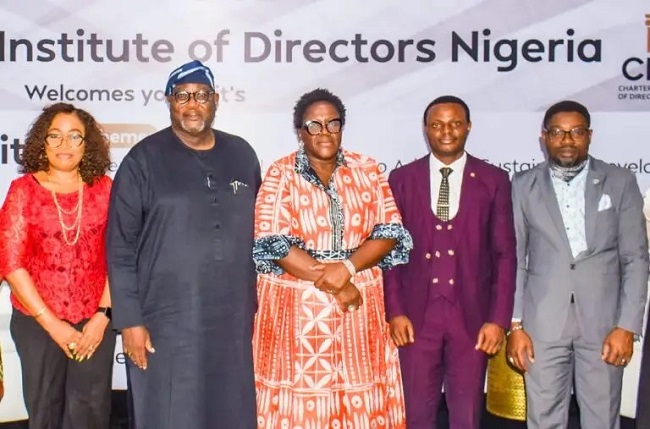
They made the call on Sunday, April 26, 2026, in Lagos via a communique from the Chartered Institute of Directors Nigeria (CIoD) corporate governance and sustainability forum.
Some delegates at the Chartered Institute of Directors Nigeria (CIoD) corporate governance and sustainability forum
Dr Oluwasoromidayo George, Director, Corporate Affairs and Sustainability, Coca-Cola HBC, said that while ESG was widely acknowledged in Nigeria, it remained inconsistently embedded across organisations.
George noted that although reporting standards were improving, the impact of ESG initiatives was still shallow, as sustainability efforts were often driven by Corporate Social Responsibility (CSR) units rather than corporate boards.
“We do not have an awareness gap; we have an execution gap. ESG must move from the margins into the core of business strategy.
“The cost of inaction on ESG is rising, as capital increasingly flows toward ESG-aligned businesses, while regulators and global partners demand stricter compliance,” she said.
George added that climate and social risks had become critical business risks, stressing that corporate reputation now directly influences valuation.
According to her, ESG is no longer optional; it is a determinant of survival and growth.
She urged company directors to embed ESG into corporate strategy, link it to risk management and long-term value creation, and demand measurable key performance indicators.
George said what the board prioritises, management executes, adding that organisations should begin by taking concrete ESG decisions at their next board meetings.
Mr. Sanmi Olowosile, Managing Director, Construct Green Consult LLC, described ESG as a core business strategy that places people at the centre of sustainability efforts.
Olowosile said prioritising human capital would enable organisations to unlock value, profitability and long-term prosperity.
He emphasised that board leadership was critical to achieving ESG outcomes, urging directors to define clear ESG ambitions, demand accountability through measurable targets, and integrate ESG risks into corporate risk registers.
He also called for linking executive compensation to ESG performance metrics to ensure commitment at the highest levels.
In his remarks, Mr. Adetunji Oyebanji, President, CIoD, said ESG had evolved from a peripheral concern to a fundamental necessity for modern enterprises.
Oyebanji noted that sustainability considerations were reshaping the global economic landscape and had become integral to strategic decision-making, risk management and long-term stakeholder value.
He stated that in spite of growing awareness, ESG in Nigeria was still often treated as a compliance requirement rather than a driver of innovation and resilience.
“We must be candid about the current state of play. There are still significant gaps between policy intent and institutional practice,” he said.
Oyebanji noted that Nigeria’s operating environment was characterised by evolving regulations, climate risks and increasing social inclusion demands, with stakeholders expecting alignment with global sustainability standards.
He stressed that strengthening ESG leadership at the board level was essential to bridging the gap between policy and execution.
The CIoD president urged directors and senior executives to treat ESG as a core fiduciary responsibility necessary for ensuring corporate sustainability and long-term success.
Students of Yaba College of Technology (YABATECH), Lagos, have developed an electric tricycle and an AI-powered food delivery platform to tackle transport, energy and logistics challenges.
The projects were unveiled during an institutional innovation showcase, where students presented solutions addressing Nigeria’s mobility constraints, rising fuel costs and inefficiencies in urban delivery systems.
The Deputy Registrar, Centre for Communication Information and Public Relations, Mr. Adekunle Adams, disclosed this in a statement on Sunday, April 26, 2026.
Students of the Yaba College of Technology (YABATECH) who developed an electric tricycle
Adams said the initiatives reflected the institution’s commitment to practical learning, adding that students were encouraged to create solutions with real-world impact.
He said Higher National Diploma Mechanical Engineering students, led by Chukwuma Chisom, developed the electric tricycle, which emerged the overall best innovation.
According to him, the project demonstrated technical ingenuity and teamwork, earning commendation from evaluators for its relevance to Nigeria’s transport and energy needs.
He said the team converted a petrol-powered TVS tricycle into a fully electric vehicle to reduce fuel dependence, cut transport costs and promote eco-friendly mobility.
Adams noted that the innovation could support the transition to cleaner energy while offering a cheaper alternative for commercial transport operators.
He explained that the students replaced the combustion engine with a 72-volt, 4-kilowatt brushless direct current motor, smart controller and lithium battery system.
The electric tricycle’s engine
He added that the configuration improves energy efficiency, reduced noise pollution and lowered maintenance requirements compared with conventional petrol-powered tricycles.
Adams said the prototype delivered about 45 kilometres per charge, while a proposed commercial model was projected to cover nearly 200 kilometres daily.
He said the extended range model was designed for commercial viability, particularly for intra-city transport and last-mile connectivity services.
He noted that another highlight was an AI-powered food delivery ecosystem by student innovator Uba Mathew, aimed at improving meal recommendations and logistics.
According to him, the platform leverages artificial intelligence to personalise user experience, streamline vendor operations and optimise delivery routes.
He said the system could benefit small food vendors by increasing visibility, improving order management and enhancing customer satisfaction.
According to him, the platform integrates customer reviews, predictive demand systems and rider performance evaluation to enhance accountability and service quality.
Adams added that the innovation addressed inefficiencies in existing delivery services, particularly delays, poor coordination and lack of performance tracking.
Meanwhile, YABATECH Rector, Dr Ibraheem Abdul, urged youths to embrace creativity and technology, stressing that innovation is vital to economic growth.
Abdul emphasised the importance of skills development, urging students to align their ideas with national priorities and global technological trends.
He reiterated the institution’s support for innovation-driven education, noting that such initiatives position graduates for entrepreneurship and employment opportunities.
The United Nations Economic Commission for Africa (ECA) has urged African countries to harness science, technology and innovation to drive economic growth and sustainable development.
Claver Gatete, United Nations Under-Secretary-General and Executive Secretary of ECA, in a statement, made the call at the Eighth African Science, Technology and Innovation Forum in Addis Ababa.
Gatete said that rapid technological changes and global economic shifts required urgent and coordinated action from African countries.
UN Secretary-General and Executive Secretary of the Economic Commission for Africa (ECA), Mr. Claver Gatete
He noted that slower global growth, rising debt vulnerabilities and climate shocks were reshaping development prospects across the continent.
According to him, advances in artificial intelligence, biotechnology and digital systems are redefining productivity and competitiveness globally.
Gatete said Africa risked missing out on emerging opportunities if it failed to act decisively.
“It means that the margin for delay has disappeared and the cost of inaction is rising,” he said.
He said that internet penetration in Africa stood at about 36 per cent in 2025, highlighting persistent digital divides.
The ECA boss also said that the continent accounted for only 0.6 per cent of global patent applications, in spite its large population.
He described the figures as indicators of untapped potential and gaps that required urgent attention.
Gatete stressed that science, technology and innovation must be aligned with Africa’s economic transformation agenda.
He said innovation should translate into value addition, job creation and improved productivity across sectors.
He also called for increased investment in digital public infrastructure, including digital identity systems and data platforms.
Gatete emphasised the need to build skills in science, engineering and emerging technologies, especially among youths and women.
He further emphasised the importance of regional integration in scaling innovation across African markets.
According to him, initiatives such as the African Continental Free Trade Area provides opportunities to expand digital solutions and value chains.
Gatete said reliable and sustainable energy remained critical to supporting Africa’s digital transformation.
He added that without adequate energy supply, digital infrastructure and emerging technologies would face significant constraints.
The ECA executive secretary called for stronger coordination across sectors, countries and institutions to maximise impact.
He said Africa must position itself not just as a consumer of technology, but as a contributor to global innovation.
Gatete reaffirmed ECA’s commitment to supporting member states through policy research, technical assistance and partnerships.
In a related development, the ECA has called for an integrated approach to address Africa’s interconnected climate, food, energy and water challenges.
The Deputy Executive Secretary for Programme Support at ECA, Mama Keita, in a statement, said this at a high-level dialogue in Addis Ababa.
Keita said climate shocks, rising debt pressures and tightening financial conditions were increasingly constraining growth across the continent.
She noted that Africa faced a financing gap of about $1.3 trillion annually to meet the Sustainable Development Goals (SDGs).
According to her, climate shocks are already reducing Gross Domestic Product (GDP) by up to five per cent annually in vulnerable African economies.
She also warned that disruptions in global supply chains were affecting energy and fertiliser flows, with implications for food prices and economic stability.
Keita stressed that Africa could no longer address development challenges in isolation, describing fragmented approaches as inefficient and counterproductive.
“We must move away from disjointed responses where sectors operate in silos and investments fail to reinforce each other,” she said.
She called for a Climate–Water–Energy–Food nexus approach to manage interconnections and build resilience across sectors.
The ECA official said integrated solutions would help maximise synergies, reduce trade-offs and accelerate progress toward development goals.
Keita said that while some progress had been made, integrated approaches remained limited across the continent.
She said the dialogue provided a platform to share experiences and identify scalable solutions for implementation.
Keita outlined three priorities, including policy coherence, innovative financing and investment in data and science.p
She said stronger coordination across sectors would reduce inefficiencies and improve development outcomes.
She also called for increased use of blended finance, green bonds and improved domestic resource mobilisation to fund development.
According to her, addressing illicit financial flows estimated at 88 billion dollars annually will be critical to boosting available resources.
Keita emphasised the need for robust data systems and capable institutions to support effective planning and delivery.
She said Africa’s future would depend on how well countries managed the links between sectors rather than individual sectors.
“The nexus is not an option; it is a necessity,” she said.
Keita reaffirmed ECA’s commitment to supporting African countries through policy research, technical assistance and stakeholder engagement.
The National Emergency Management Agency (NEMA) says it will embark on massive sensitisation in some council areas in Anambra, Ebonyi and Enugu states on the 2026 Flood Prediction.
The Information Officer of NEMA Enugu Operations Office, Mr. Ezeani Nnanyelugo, disclosed this on Saturday, April 25, in Enugu, the state capital.
Nnanyelugo said that the agency, its partners and stakeholders would carry out robust sensitisation in the states.
National Emergency Management Agency (NEMA) sensitisation exercise
The sensitisation followed the 2026 Nigerian Meteorological Agency (NiMet) Seasonal Climate Prediction and the Nigeria Hydrological Services Agency (NIHSA) Annual Flood Outlook released on Feb.10 and April 15, respectively.
Nnanyelugo said that the two agencies in their predictions noted that there would be high rainfall and high risk of flood in the three states under the NEMA Enugu Operations.
According to him, there are fliers on flood risk reduction activities and actions in both English and Igbo indigenous language to distribute to flood prone communities identified in the prediction.
He said, “We have started and would sustain public enlightenment on the prediction through television, radio and online news platforms.
“Recently, the NEMA South-East Zonal Director and Information Officer shared information on NTA on NEMA preparedness plan.
“NEMA is also partnering with NiMet and NIHSA officials to ensure that their predictions are discussed among stakeholders in various meetings, trainings and workshops for the purpose of reducing flood risk in the states.”
He also said that the agency would be conducting flood sensitisation programmes including drills/simulation exercises with other stakeholders in major flood prone council areas within the states.
He said that NEMA had started downscaling of flood early warnings to identified hotspot council areas and would soon commence direct writing to the authorities of councils and communities involved.
Nnanyelugo said, “We have started sharing weekly alerts forecast from NiMet/NIHSA to all relevant stakeholders via WhatsApp forum/meetings notwithstanding numerous stakeholders meetings. The public is advised to stay informed.
“The Director-General of NEMA, Mrs. Zubaida Umar, has reaffirmed the agency’s commitment to strengthening partnerships with international humanitarian organisations – KSRElief, UNOCHA, World Food Programme (WFP) and International Office for Migration (IOM).
“These partnerships are meant to enhance service delivery and support vulnerable populations across Nigeria.
“We will partner with various state SEMAs and community leaders soon to identify higher grounds and update on existing Internally Displaced People (IDP) camps condition as well as updating the equipment holdings of stakeholders.”
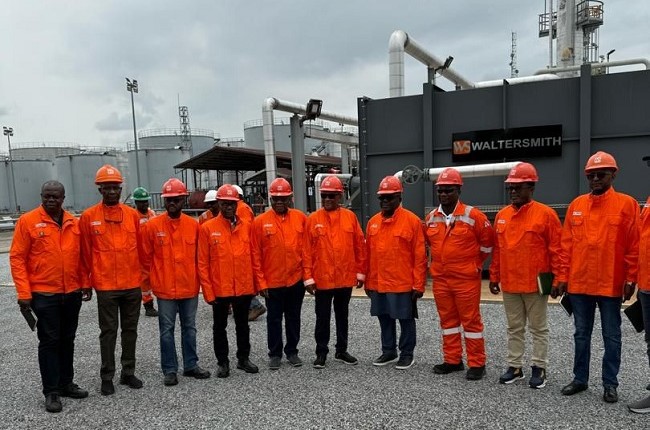
The Executive Secretary NCDMB, Felix Omatsola Ogbe, on Thursday, April 23, 2026, joined the Authority Chief Executive (ACE) of the Nigerian Midstream and Downstream Petroleum Regulatory Authority (NMDPRA), Mr. Saidu Mohammed, to visit the Waltersmith modular refinery at Ohaji-Egbema, Imo State.
The visit was to inspect the newly completed expansion of the firm’s refining capacity, from 5,000 barrels per day (bpd) to 10,000 bpd.
NCDMB invested equity in the Waltersmith Refining and Petrochemical Company Limited’s modular refinery in 2018 and helped catalyze the investment, leading to the commissioning of the first phase of the plant in November 2020.
Visit to the Waltersmith modular refinery at Ohaji-Egbema by NCDMB and NMDPRA officials
NCDMB also participated in the expansion, which is now completed and operational, producing AGO (diesel), Household kerosine (HHK), HFO (Heavy Fuel Oil) and Naphtha.
The refinery has to date supplied over 1.1 billion litres of refined products to local and regional markets, helping to strengthen Nigeria’s and West Africa’s energy security and contributing immensely to the national economy. The refinery supplies most of its products to the South-East and South-South parts of the country, while the HFO gets to West African sub-region.
The Director, Legal, NCDMB, Dr Naboth Onyesoh, represented the Executive Secretary and conveyed the Board’s delight at the success of Waltersmith modular refinery. He described the firm as a model in local content implementation, especially in direct and in-direct job creation, capital retention, industrialization, import substitution and value addition to crude oil and gas resources.
Mr. Abdulrazak Isa, Chairman of Waltersmith Petroman, said the visit was organised to showcase the completed facility to NMDPRA’s new leadership and its partner, NCDMB, and unveil its next developmental phase.
He said the company had grown from owning one oil field at inception three decades ago, to expanding to several fields, including owning stakes in Renaissance Africa Energy Ltd, which acquired the entire assets of Shell Petroleum Development Company of Nigeria (SPDC) in March 2025.
He further announced the firm’s plan to commence two further phases of expansion, which will include the construction of 30,000 barrels per day condensate refinery and an industry park, which will accommodate other gas based firms. He said the firm will develop a gas line that will deliver 100 million standard cubic feet of gas per day, and provide an embedded captive power, to attract industries to co-locate in the industrial park.
Plans are afoot to conclude the partnership agreement for the condensate refinery by the 4th quarter of 2026 he said, adding that feedstock for the integrated expansions will come from the Ibigwe and Assa fields, as well as from nearby fields.
The Chairman underlined the company’s determination to invest in the petrochemical sector, leveraging on its access to gas and Naphtha, noting that the petrochemical industry is a key enabler of the economy.
He sought approvals from the NMDRA for the various stages of the upcoming developments.
The Authority Chief Executive expressed his delight at the success of the facility and promised the agency’s support to the company’s expansion plans.
He said the midstream sector of the petroleum industry holds the key to the nation’s economic development, adding that the establishment of such projects is the dream of every administration.
He described Waltersmith as an octopus in the midstream sector and challenged the company to hasten the development of the condensate refinery. Mohammed also commended NCDMB for partnering with Waltersmith to develop the project, which had become a run-away success.