Home Blog Page 1942

Lagos Land Use Charge Law: The angst of a disappointed public

0

“If a law is unjust, the [citizenry] is not only right to disobey it, they are obligated to do so.” (Thomas Jefferson, US 3rd President 1801-1809).
Akinwunmi-Ambode
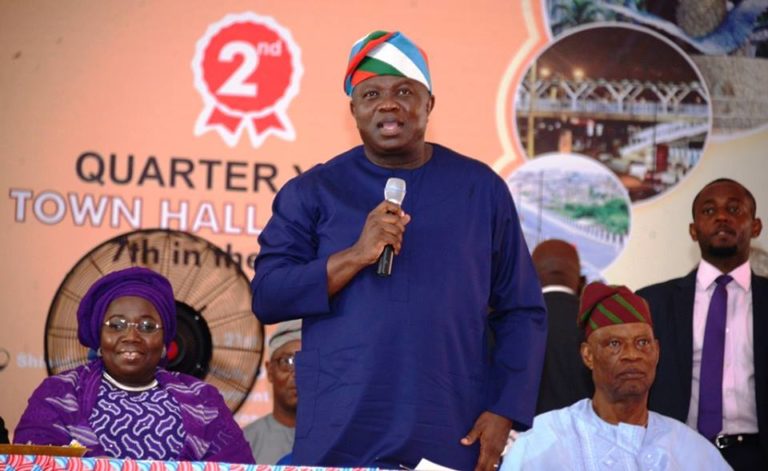
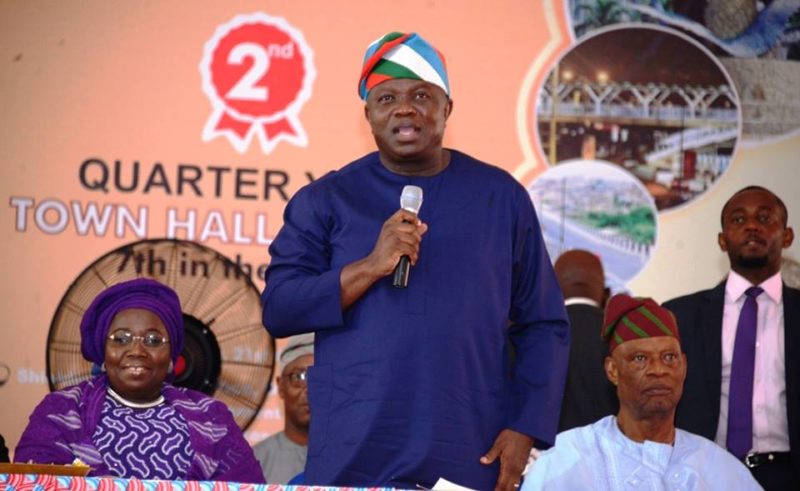
Governor Akinwunmi Ambode of Lagos State

Thomas Jefferson, the 3rd President of the United States was a savant, political thinker,  and a prolific writer on the subject of democracy. He was the proponent of many democratic ideas which endure in the practice of democracy in the United States over two hundred years ago till date. He, it was that was credited with the concept called “consent of the governed.” In his analytical mind, Jefferson strongly believed that the existence of any government is dependent on the wish of the people. That is, if the people want the government to exist, it would. It is people that would create their own government and collectively concord or consent to follow laws their government makes.

However, Jefferson cautioned that government must not abuse the authority given it to intimidate or oppress the governed. Therefore, he argued that if the government makes laws that are fair and protective of the citizenry, the people would easily obey the law. Conversely, the people are at liberty to petition the government to change laws or acts they considered unfair or unjust. His brilliant idea was incorporated into the American Constitution including other fundamental human rights and freedom granted to all American citizens under the First Amendment of the supreme statute book, which guarantees the rights of the people to freedom of speech, religion, press, assembly and to petition the government. Wherever democracy is practiced in other countries of the world, Jefferson’s idea has become a lodestar.

The above narrative is the genesis of the opening quote.

From this point, I will expatiate more on the title of the article. Readers should be informed from the onset that the write-up is not to pillory the Governor Ambode-led administration in Lagos State concerning the controversial Land Use Charge Law 2018, which the governor signed into law on February 8, 2018. Unfortunately, the governor, given the benefit of doubt, might be oblivious to the consequences and the hubbub the legislation would instantly generate among the stakeholders who frowned at some provisions of the new law. Many of the vexing issues raised by the antagonists of the law had been brought to the attention of the LASG for further review and from recent newspapers report, the Lagos State House of Assembly has constituted an ad-hoc Committee to jump-start the review process. The public is waiting and watching.

What we want to argue here is that the LASG is inadvertently making other mistakes of governance using wrongful approach, even when it says the umpteen time of being an inclusive and pro-people government, but in tokenism. We shall prove the case as this piece progresses.

Secondly, the government’s misconception about urban administration, planning, and management of a complex megacity such as Lagos, further contributes to the unpardonable mistakes being committed repeatedly by the LASG albeit, it has good intentions. Until there is a re-think of approach and paradigm shift to urban administration in Lagos State, the government’s ad-hoc responses to the multi-dimensional problems plaguing the megacity might not be the panacea.


Clarification of Lagos megacity status

First and foremost, the government and the citizenry perception of Lagos megacity status lacks clarity in the mindset of the government and the governed. A city becomes a megacity when it attains a threshold population figure of 10 million and above. It is not a “status symbol” appellation for a city that has arrived in the true sense of our local parlance the way Lagos megacity is being portrayed. When one hears the encomium and praise-singing that “ Eko ti di megacity, Eko ti di megacity (Lagos has become a megacity) at every political event and Town Hall meeting held regularly in Lagos State, such vainglory amuses trained mind in the planning profession. The megacity status of Lagos should not be construed as a joyous milestone achievement. The more the population, the mega the management problems such humongous population spike of over 20 million will thrust on the lap of the government. The problems become daunting for a city like Lagos where urban planning policy or practice is a symbolic effort. The tasks ahead call for critical thinking how effectively the LASG would deal with the challenges using the right solutions aimed at improving the resident’s quality of life. Put succinctly, the megacity jargon applicable to Lagos is least praise-worthy. Lagosians and government officials should be less sycophantic about the appellation of a Lagos megacity, but consider it as a clarion call for a proactive policy approach to planning the future of the giant city.

Let us examine the backlash arising from a faulty democratic approach to lawmaking.


Land Use Charge Law debacle

Ab initio, the process leading to the passing of the Land Use Charge (LUC) law by the Lagos House of Assembly was very defective, undemocratic and to say the least it lacks inclusive dialogue with the rainbow coalition of relevant stakeholders such as the Organised Private Sector (OPS), Nigerian Employers Consultative Assembly (NECA), Resident Associations across the megacity and ridiculously without any input from professional body such as the Nigerian Institution of Estate Surveyors and Valuers.

This fact came to the fore during the stormy dialogue Governor Ambode had with the aforementioned entities. The government took a mis-step. What the LASG should have done initially was what the government eventually did belatedly. At the forum, while raising some cogent issues, a couple of speakers did not mince words about their displeasure concerning the absurdities contained in the law. It begs to repeat the Thomas Jefferson’s axiom that “the more a subject (such as the content of a law) is understood, the more briefly it may be explained.” Additionally, what all agree is probably right, but what no two people agree on is most probably wrong.

No responsible citizenry would oppose to paying their taxes, but when people are taken for granted as if their opinion does not matter, the flurry of condemnation and public angst against the LUC law was justified. Once a law is considered unjust, the citizens are at liberty to disobey it. If not, impunity reigns supreme. Dissent is an acceptable complaint if the citizens feel that what the government is doing to them seems practically and morally wrong. Surely, the Lagos State electorate did not vote for elective despotism. The basis of government should be the opinion of the people willy-nilly.

Political rivalry and consequent effects on Lagos megacity management is another identifiable foible of governance in the state.


War of supremacy between the Federal Government and Lagos State

Back in time, the unnecessary political rivalry between the Federal Government and LASG led to a lost opportunity, which could have engendered better management of the Lagos Megacity Region. I crave the indulgence of readers to digress a little purposely to give a narrative of what transpired some years ago during the tenure of former Governor of Lagos State, Babatunde Raji Fashola (2007-2015). In our clime, most politicians and government officials seem to be short-sighted without due consideration to the adverse effects of their political decision(s) while in office and how posterity would judge them after they vacate the office. More often than not, they leave a myriad of problems for the incoming administration to contend with.


Botched Lagos Megacity Development Authority(LMDA)

During the second tenure of former President Olusegun Obasanjo in 2005 under a People’s Democratic Party-controlled federal government, the idea of the Re-development of the Lagos Megacity Region was agreed upon between the then Governors of Lagos and Ogun States, Asiwaju Ahmed Tinubu and Gbenga Daniel respectively. To that effect, a 21-member Committee was set up in 2005 under the Chairmanship of Professor Akin L. Mabogunje, a world-renowned pundit on development matters, consultant to the World Bank and 2017 Nobel Laureate prize for Geography, the Prim Vautrin-Lud.

The Committee was to identify areas of common concerns within the Lagos Metropolitan area which extends northwards beyond the boundaries of Lagos into some towns(Ado-Odo/Ota, Ifo, Obafemi, Owode, and Sagamu) in Ogun State. Such issues of concern triggered by rapid urbanisation include security, sprawl, land use planning, waste management, transportation, water supply, urban renewal, and provision of infrastructure. The Committee was to proffer solutions to the identified problems, recommend the appropriate institutional and legal framework on how the two states and the Federal Government can collaborate to manage the effects of growth in the Lagos Megacity Region, propose management and organisational framework including funding arrangement.

By the time President Olusegun Obasanjo left office in April 2007, the Federal Government considered and approved the Committee’s recommendation to set up Lagos Megacity Development Authority (LMDA) legalise by an Act of the National Assembly, to manage the entire megacity region under the chairmanship of Professor Mabogunje. In readiness to take off, the office of the LMDA was located at Oyikan Abayomi Drive in Ikoyi area of the megacity. It started skeletal operation when Babatunde Raji Fashola was the Governor of Lagos State. Regrettably, the LMDA was short-lived due to the war of supremacy over which governmental entity Federal Government or Lagos State should head the Authority.

The issue of how to fund the office was also contentious. The LASG vehemently opposed tripartite funding arrangement but preferred a lump sum grant from the Federal Government to single-handedly operate the office. The then Lagos State Commissioner for Physical Planning and Urban Development, a professional urban planner, was the enfant terrible with myopic vision and bias,  who adamantly insisted that the Federal Government should hand over the entire LMDA office to the Lagos State government to manage. Strangely enough, he was not overruled by his then principal for trying to scuttle a brilliant idea which the government and people of Lagos State would have been the ultimate beneficiaries in the long term.

In the course of muscle-flexing and political grandstanding between the Federal Government and Lagos State, an Act of the National Assembly to legally formalise LMDA was stalemated. All operations at the Authority were grounded, the professional officers seconded from Lagos and Ogun States were recalled and the office was abruptly closed down. Thus, Lagos State lost the oppourtunity to have a purpose-specific Authority capable of addressing the daunting urban problems plaguing the entire megacity region.

Megacities all over the world, by their sheer physical size, high population, and complex planning challenges, are managed by Metropolitan Council or Metropolitan Authority made of elected officials from most or the entire jurisdiction in a Metropolitan area. Such classic examples are New York-New Jersey Metropolitan Planning Authority, Greater Tokyo Metro Government, Mumbai Metropolitan Development Authority, Greater London Planning Authority to mention a few. Similar Authority is being canvassed for Lagos Megacity administration, planning, and management. The office should be autonomous and complemented with very dynamic multi-disciplinary professionals and a generous budget for programme/project implementation.

The Governor’s office should concentrate on governance and policy matters and stop dabbling into project execution. Issues of megacity planning are better left for those with the acumen and competence to do the work. If Governor Ambode administration has any vision for Lagos State, the opinion of experts should be sought, civic engagement must be part of the process of consultation before the vision comes to fruition.

We want to also counsel that, rather than government engaging in grand public pronouncements about how to make Lagos megacity an Eldorado with everything in the superlative degree, the government must pay attention to what the denizens do, what they want or prefer and those things they can easily achieve. Cities are about people and to survive as sustainable settlements, they need to focus on helping residents to achieve material and spiritual rewards. Lagos megacity can thrive better as a “city for all” when it attracts newcomers hoping to find better conditions for themselves and their families and when the megacity provides a better quality of life for those already living there.

Governor Ambode must try to maintain his sobriquet as an AKOREDE (he who brings fortune) and avoid being sucked into the vortex of public controversy due to the passage of a law or policy low on benevolence and high on malevolence.

By Yacoob Abiodun (Urban Planner; Planning Advocate, Parkview Estate, Ikoyi, Lagos)
Scientists underline need to protect half the planet to stop extinction crisis

0

Almost one million people are calling on governments around the world to protect half the earth to stop the extinction crisis threatening humanity, Avaaz said on Friday, March 23, 2018, as a landmark scientific study warned that biodiversity loss is accelerating at a dangerous rate.

IPBES
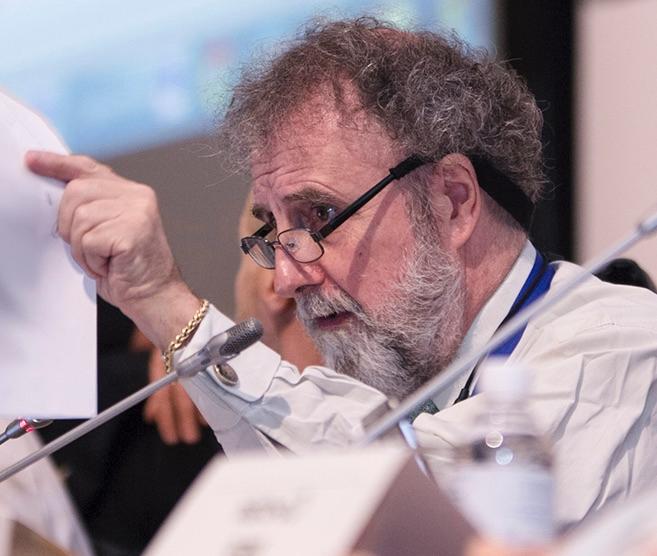
Sir Robert Watson, Chair of IPBES

A devastating new assessment by the Intergovernmental science-policy Platform on Biodiversity and Ecosystem Services (IPBES), shows that all over the world, biodiversity is collapsing, and this crisis now threatens human wellbeing. Four reports were produced by 550 scientists from 100 countries who have taken three years to document the status of biodiversity for Africa, the Americas, Asia-Pacific and Europe and Central Asia. These are the most important biodiversity reports in a decade.

Nearly one million people, from every country on Earth, have joined an Avaaz petition calling on governments to tackle the biodiversity crisis by supporting a plan, championed by prominent biodiversity scientists, to protect half the planet from human exploitation, enabling our Earth’s ecosystem to stabilise, regenerate and recover.

Alice Jay, Campaign Director for Avaaz, said: “Humans have been taking a chainsaw to the tree of life. The extinction crisis has officially joined the climate crisis as a major threat to our future. Top scientists, backed by a million people, are now calling for half the earth to be protected so we can survive, thrive and live in harmony with nature.”

Top scientists and conservationists say that protecting half the Earth is critical to saving 80-90% of all species. Studies show that between 39-44% of the planet is mostly wild. The aim is to protect these areas and restore and protect others. The target is to reach 50% protection of land and sea by 2050, focusing on key ‘biozones’ of high biodiversity value. The protection would include indigenous land, productive buffer zones, corridors, and private conservancies.

Avaaz is campaigning for governments to adopt the ambitious protection target at the Convention of Biological Diversity meeting in Beijing in 2020 – a meeting being billed as the Paris Summit for biodiversity. Opinion polls have shown that most people support the idea of protecting 50% of the planet.

The full Avaaz petition to world leaders reads: “We global citizens are deeply concerned by scientists warning that ecosystems critical to sustaining life on Earth could collapse in our lifetimes. We call on you to meet existing targets to protect biodiversity, forge a new agreement so that at least 50% of our lands and oceans are protected and restored, and ensure our planet is completely sustainably managed. This must take into consideration the needs of human development and have the active support of indigenous peoples. This long-term goal for nature can restore harmony with our home.”

The IPBES reports key findings are:

  • By 2100, climate change could result in the loss of more than half of African bird and mammal species.
  • In Asia unless there is action up to 90% of corals will suffer severe degradation by 2050.
  • Biodiversity continues to decline in every region of the world.
  • The alarming trend endangers economies, livelihoods, food security and the quality of life of people everywhere.
  • Unless action is taken to protect biodiversity, commitments made at the Paris Climate Agreement to limit global warming to 1.5°C above pre-industrial levels will not be achieved.
  • Man-made climate change is a key driver of mass biodiversity loss as well as habitat stress; overexploitation and unsustainable use of natural resources; air, land and water pollution; and increasing numbers and impact of invasive alien species.
  • Biodiversity issues need to be a much higher priority in policy-making and development planning at every level.
  • Biodiversity is ‘the heart not only of our survival, but of our cultures, identities and enjoyment of life’.
  • For Asia and the Pacific, the IPBES experts point to the success of countries that achieved rapid economic growth in gradually restoring and expanding protected areas – especially forests, but they emphasize that this alone will not be sufficient to reduce biodiversity loss caused by the negative impacts of monoculture.
  • In the EU only 7% of marine species and 9% of marine habitat types show a ‘favourable conservation status’, and 27% of species assessments and 66% of habitat types assessments show an ‘unfavourable conservation status’.
  • In Asia, marine protected areas in the region increased by almost 14% and terrestrial protected area increased by 0.3%. Forest cover increased by 22.9% in North East Asia.
  • Indigenous and local knowledge can be an invaluable asset as they have created a diversity of polyculture and agroforestry systems, which have increased biodiversity and shaped landscapes.

The IPBES is an independent intergovernmental scientific body that guides governments on sustainable development and strengthen the science-policy interface for biodiversity and ecosystem services.

Avaaz is a 46-million-person global campaign network that works to ensure that the views and values of the world’s people shape global decision-making.

African Climate Talks promotes Africa’s contribution to Talanoa Dialogue

0

Delegates attending the African Climate Talks II (ACT!-II) in Addis Ababa, Ethiopia want Africa to change how it does business to reap the benefits of the Paris Agreement.

Lumumba Di-Aping
Lumumba Di-Aping

Attending the two-day talks dubbed “Market policy versus market mechanisms in the implementation of the Paris Agreement” that begun on Thursday, March 22, 2018, speakers called for an urgent shift in how the continent will forge ahead to escape the consequences of climate change.

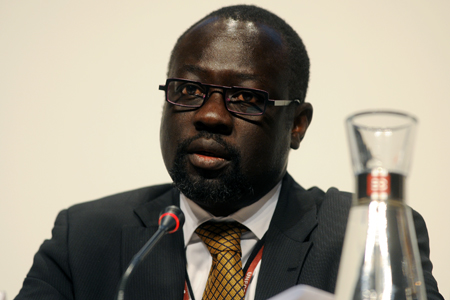
Ambassador Lumumba Di-Aping, Sudanese diplomat and former chair of the G77, called for strengthening of the current regime, noting that the current Paris Agreement is fundamentally flawed and inadequate.

“The agreement will be the main basis for multilateral cooperation during the first period of commitments (2020-2030). The African Continent in this new architecture is tragically weaker than even before,” Di-Aping said.

He urged Africa to reinvent itself consistently through science.“We must think“out of the box” to build the framework for a more effective effort from 2025 onwards – one consistent with Africa’s survival and prosperity,” he said.

Dr James Murombedzi, the Officer in Charge of the Africa Climate Centre Policy (ACPC), noted that the continent needs to invest in strong evidence based African narrative.

“This narrative should have a science, research and policy interface. We also should invest in informed societies that participate in the shaping of policies and strengthen capacities of countries,” Murombedzi said.

Prof ZehurinWoldu, Acting Vice President for Research and Technology Transfer, Addis Ababa University, Ethiopia, urged participants to devise ways and means of tackling climate change disruptions

“The temperatures are rising and Africa is suffering. Let us unite to save our continent. Let us develop sustainable ways of dealing with climate change,” Woldu said.

Di-Aping noted that Africa must move beyond the old dichotomy of “mitigation and adaptation.”

“We must look at each sector – agriculture, industry etc – and focus on integrating climate considerations into wider industrial and development planning in an integrated way. The climate regime must focus not just on “emissions reductions” but on the real solutions needed to achieve them,” Di-Aping said.

He urged for negotiations which provide a space where those with problems, with solutions and with money, can meet as part of a structured process.

“We need to make the UNFCCC more relevant to the real world.  The Africa Renewable Energy Initiative is to be commended as an important step in the energy sector – we need matching initiatives in each other sector,” he said.

He called for technology and infrastructure marshal planwhich can implement solutions in practice to meet Africa’s development goals.

“Let us think about the financial sector and financial instruments and engineering. If we need a major plan to address 1.50C, the question arises how to fund it. Clearly the $10 billion in the GCF will not be enough; and developed countries have no intention of delivering $100 billion in practice,” Di-Aping said.

He called for apermanent negotiating forum supported by government missionsto enable more systematic discussion of solutions and how to implement them in practice.

“Meeting for a few weeks a year is simply not realistic if the objective is to stabilize the Earth’s climate and maintain the conditions needed for the continuation of civilisation,” Di-Aping said.

He called on African leaders to recognize that the continent faces an existential crisis that it cannot alone solve.

“Our survival is at stake. We must convince or find ways to pressure or coerce — other countries into doing their fair share,” he said.

He noted that Africa needsstronger science from an African perspective and Climate Institutions.

“We need an African Climate Science Working Group – an African IPCC led by and for Africans. We do not have an AU Commissioner for Climate Change. It is notable that there is no permanent secretariat supporting the African Group, and that we shamefully remain reliant on foreign donors for much of the support to our technical experts,” Di-Aping said.

He also urged Africa to find ways to exert greater pressure on all countries to achieve 1.50C and 20C goals.

“Our trade policies and foreign direct investments (FDI) cost structuresreflect the need for financing mitigation and adaptation in each sector. Can we make access to resources, including fossil fuels,conditional upon climate action and climate funding? he posed.

Prof Laban Ogallo of the University of Nairobi called for trans-boundary efforts to make sure that one country’s wrongs or rights do not affect neighbours.

“Many African countries share rivers, mountains, lakes, coastal lines among many resources. We need to work together so that we can achieve common goals across the continent,” Ogallo said.

Dr Adeniyi Asiyanbi of the University of Sheffield, United Kingdom, said REDD+ is replete with severe rights abuses, safeguards notwithstanding.

“REDD+ is alive but certainly not dead. Communities participating in the scheme are disillusioned due to unmet expectations. However, carbon forestry logic will persist and will reflect emerging political trends. Governments and international institutions will also seek new alliances under this scheme,” Asiyanbi said.

Prof.Godwell Nhamu of the University of South Africa urged African negotiators to vigorously negotiate for all they want.

“Half a loaf is better than nothing” is a myth. Half a loaf remains half a loaf. Let us negotiate for a full loaf. If our negotiators can’t ask for what we want, they should give way for those who are willing to get what they ask for in the UNFCCC process,” Nhamu said.

He noted that agriculture is the backbone of African economies and countries should give it the prominence it deserves.

“There is minimal reference of agriculture on African NDCs. Rwanda mentions it 23 times while South Africa mentions it twice. If we forsake agriculture, then we have missed the point,” he said.

Prof David Lessole of the University of Botswana called for specific and urgent interventions to address effects of climate change.

“We run a workshop on $20,000 and end it at a talking point. If the $20,000 was given to a group of women to construct a sand dam, they could break the cycle of poverty,” Lessole said.

He added, “Seems in Africa, we do not have the mouth to eat the climate money. We use our mouths to talk too much when others are eating.”

Prof Cush Ngonzo of Health College of Kenge, DR Congo insisted on a research-based approach in addressing climate change shocks.

“Africa does not lack the capacity to deliver on its promises. We should talk about capabilities of implementing the same. The continent has a strong reservoir of research brains which we need to nurture and use in solving our problems,” Ngonzo said.

Prof Seth Osafo called on developed countries tomeet their pledges in climate change commitments.

“We need to quickly finish drafting the Paris Agreement rule book so that we implement the pact. African countries however, need to pursue policies that can be implemented as some of them are hard to implement,” Osafo said.

Dr Yitebitu Moges, national REDD+ coordinator, Ministry of Environment, Forest and Climate Change in Ethiopia, said the country’s green growth path cuts across its seven economic sectors.

“We aim to achieve a 64 per cent reduction in national green house emissions by 2030. Agriculture and forestry contribute close to 85 per cent of the baseline emissions,” Moges said.

Courtesy: PAMACC News Agency

World Meteorological Day: Last three years were hottest on record – WMO

0

The World Meteorological Organisation (WMO) has confirmed that 2017 was one of the three warmest years on record and the warmest not influenced by an El Niño event.

Petteri Taalas
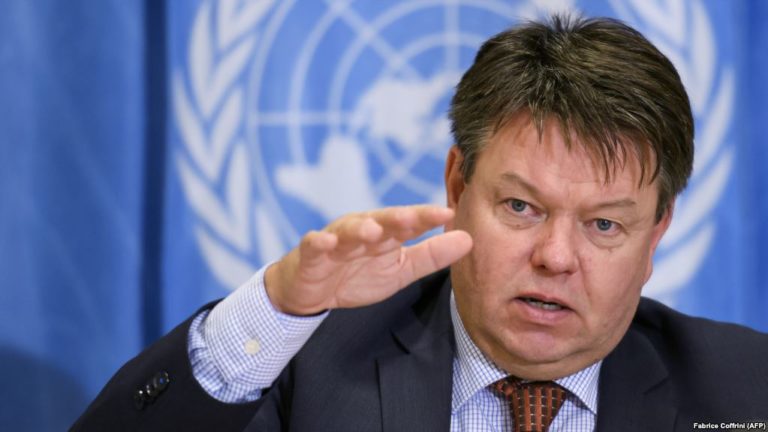
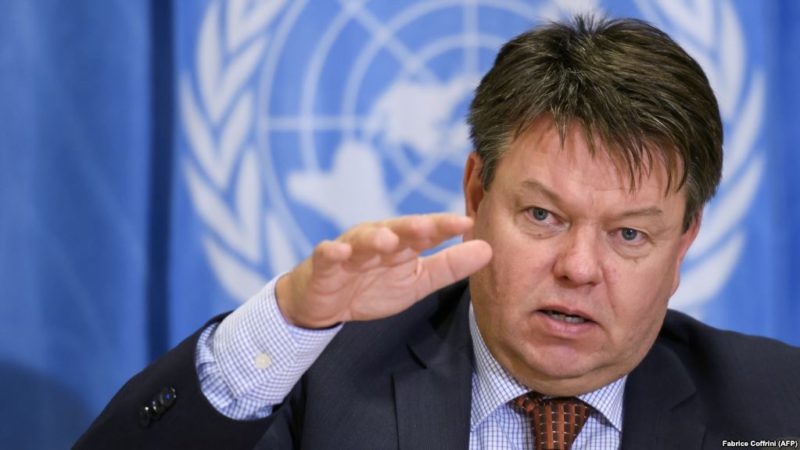
WMO Secretary-General Petteri Taalas

In addition, the very active North Atlantic hurricane season, major monsoon floods in the Indian subcontinent, and continuing severe drought in parts of east Africa contributed to 2017 being the most expensive year on record for severe weather and climate events.

The high impact of extreme weather on economic development, food security, health and migration was highlighted in the WMO Statement on the State of the Global Climate in 2017. Compiled by the World Meteorological Organisation with input from national meteorological services and United Nations partners, the report provides detailed information to support the international agenda on disaster risk reduction, sustainable development and climate change.

The Statement, now in its 25th year, was published for World Meteorological Day on March 23 also examined other long-term indicators of climate change such as increasing carbon dioxide concentrations, sea level rise, shrinking sea ice, ocean heat and ocean acidification.

Global mean temperatures in 2017 were about 1.1 °C above pre-industrial temperatures. The five-year average 2013-2017 global temperature is the highest five-year average on record. The world’s nine warmest years have all occurred since 2005, and the five warmest since 2010.

“The start of 2018 has continued where 2017 left off – with extreme weather claiming lives and destroying livelihoods. The Arctic experienced unusually high temperatures, whilst densely populated areas in the northern hemisphere were gripped by bitter cold and damaging winter storms. Australia and Argentina suffered extreme heatwaves, whilst drought continued in Kenya and Somalia, and the South African city of Cape Town struggled with acute water shortages,” said WMO Secretary-General, Petteri Taalas.

“Since the inaugural Statement on the State of the Global Climate, in 1993, scientific understanding of our complex climate system has progressed rapidly. This includes our ability to document the occurrence of extreme weather and climate events, the degree to which they can be attributed to human influences, and the correlation of climate change with epidemics and vector-borne diseases,” said Mr Taalas.

“In the past quarter of a century, atmospheric concentrations of carbon dioxide have risen from 360 parts per million to more than 400 ppm. They will remain above that level for generations to come, committing our planet to a warmer future, with more weather, climate and water extremes,” said Mr Taalas.

Direct measurements of atmospheric CO2 over the past 800,000 years showed natural variations between 180 and 280 ppm. “This demonstrates that today’s CO2 concentration of 400 ppm exceeds the natural variability seen over hundreds of thousands of years, “ said the Statement.


Socio-economic impacts

2017 was a particularly severe year for disasters with high economic impacts. Munich Re assessed total disaster losses from weather and climate-related events in 2017 at $320 billion, the largest annual total on record (after adjustment for inflation).

Fuelled by warm sea surface temperatures, the North Atlantic hurricane season was the costliest ever for the United States and eradicated decades of developments gains in small islands in the Caribbean such as Dominica. The National Centers for Environmental Information estimated total U.S. losses from Hurricanes Harvey, Irma and Maria at $265 billion. The World Bank estimates Dominica’s total damages and losses from the hurricane at $1.3 billion or 224% of its Gross Domestic Product (GDP).

Climate impacts hit vulnerable nations especially hard, as evidenced in a recent study by the International Monetary Fund, which warned that a 1 °C increase in temperature would cut significantly economic growth rates in many low-income countries.

The overall risk of heat-related illness or death has climbed steadily since 1980, with around 30% of the world’s population now living in climatic conditions that deliver potentially deadly temperatures at least 20 days a year, according to information from the World Health Organisation quoted in the Statement. It also included a section on the relationship between climate and the Zika epidemic in the Americas in 2014-2016.

In 2016, weather-related disasters displaced 23.5 million people. Consistent with previous years, the majority of these internal displacements were associated with floods or storms and occurred in the Asia-Pacific region.

Massive internal displacement in the context of drought and food insecurity continues across Somalia. From November 2016 to December 2017, 892 000 drought-related displacements were recorded by the United Nations High Commissioner for Refugees (UNHCR). In the Horn of Africa, the failure of the 2016 rainy season was followed by a harsh January-February 2017 dry season, and a poor March-to-May rainy season. In Somalia, as of June 2017, more than half of the cropland was affected by drought, and herds had reduced by 40-60% since December 2016 due to increased mortality and distress sales, according to the Food and Agriculture Organisation and World Food Programme.

Floods affected the agricultural sector, especially in Asian countries. Heavy rains in May 2017 triggered severe flooding and landslides in south-western areas of Sri Lanka. The negative impact of floods on crop production further aggravated the food security conditions in the country already stricken by drought, according to FAO and WFP.


The oceans

Global sea surface temperatures in 2017 were somewhat below the levels of 2015 and 2016, but still ranked as the third warmest on record. Ocean heat content, a measure of the heat in the oceans through their upper layers down to 2 000 meters, reached new record highs in 2017.

The Statement said that the magnitude of almost all of individual components of sea level rise has increased in recent years, in particular melting of the polar ice sheets, mostly in Greenland and to a lesser extent Antarctica.

For the second successive year, above-average sea surface temperatures off the east coast of Australia resulted in significant coral bleaching in the Great Barrier Reef.

The Climate Statement contained a special section on ocean acidification from the Intergovernmental Oceanographic Commission of UNESCO. Over the past 10 years, various studies have confirmed that ocean acidification is directly influencing the health or coral reefs, the success, quality and taste of aquaculture raised fish and seafood, and the survival and calcification of several key organisms. These alterations have cascading effects within the food web, which are expected to result in increasing impacts on coastal economies.


Cryosphere

Sea ice extent was well below the 1981-2010 average throughout 2017 in both the Arctic and Antarctic. The winter maximum of Arctic sea ice was the lowest winter maximum in the satellite record. The summer minimum was the 8th lowest on record, but a slow freeze-up saw sea ice extent once again near record lows for December.

Antarctic sea ice extent was at or near record low levels throughout the year

The Greenland ice sheet mass balance change from September to December 2017 was close to average. Despite the gain in overall ice mass this year, it is only a small departure from the trend over the past two decades, with the Greenland ice sheet having lost approximately 3,600 billion tons of ice mass since 2002.

Northern Hemisphere snow cover extent was near or slightly above the 1981-2010 average for most of the year.

World Meteorological Day: 2017 was warmest year without El Nino – NiMet

0

The Director-General, Nigerian Meteorological Agency (NiMet), Prof. Sani Mashi, has described 2017 as the warmest year without El Nino and one of the three warmest years on record.

Sani Marshi
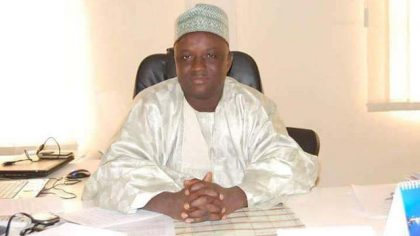
Director-General/Chief Executive Officer of NiMet, Prof. Sani Mashi

He made this known when briefing newsmen to commemorate the 2018 World Meteorological Day with the theme “Weather Ready, Climate Smart’’ on Friday, March 23, 2018 in Abuja.

He said the long-term climate change as a result of greenhouse gas emissions had committed the earth planet to warmer future, with more extreme weather and water shocks.

He added that global leaders had raised concerns about extreme weather, biodiversity loss and ecosystem collapse, major natural disasters, man-made environmental disasters, failure of climate-change mitigation and adaptation in Global Risk Report.

According to him, extreme weather events are seen as single most prominent risk.

He noted that “against the foregoing, NiMet embarked on regular weather and climate predictions to help the public to mitigate the effects of extreme weather events through Early Warning Systems (EWSs).

“The Seasonal Rainfall Prediction (SRP) constitutes decision support tool for Nigerians as it provides critical information to enhance informed decisions.

“It is mainly for planning purposes as it gives insight to expected rainfall distribution and provides necessary advisories to respective sectors.

“These sectors include agriculture and food security, water resources management, environment and disaster risk reduction, health, hydro-power generation and distribution.

“SRP gives comprehensive information on the onset and cessation of rains, duration or length of growing season and amount of rains annually; including the day and night temperature for assessing comfort level.”

Mashi said 30 per cent of agricultural yields could be achieved if relevant meteorological information was utilised.

He explained that the World Bank Report had shown that for every dollar invested in early warnings services on weather, about seven dollars could be saved from cost of disaster management.

According to him, studies have shown that in spite of increasing number of disasters, with innovative advancement in such EWS facilities, the number of casualties can be significantly reduced by 10 per cent.

He said: “NiMet has reliably established that available meteorological data in Nigeria show evidence of increasing air temperatures since 1920s, in addition to recurring droughts since 1960s.

“There are clear indications that other climate variables especially rainfall (both magnitude and distribution), atmospheric circulation patterns are changing, while extreme weather events and incidences of climate-related disasters are increasing.

“The projections of the IPCC Working Group-I predict that warming trend in this part of the world will become one and half (1½) times more than global trend.”

By Sumaila Ogbaje

Cholera, Lassa fever kill 14 in Bauchi

0

The Bauchi State Commissioner for Health, Zuwaira Hassan, on Friday, March 23, 2018 confirmed that 14 people died in the state following outbreak of cholera and Lassa fever.

Zuwaira Hassan
Bauchi State Commissioner for Health, Zuwaira Hassan

Hassan made this known while briefing newsmen at Abubakar Tafawa Balewa Teaching Hospital (ATBU- TH) Bauchi during her visit to the cholera quarantine ward.

According to her, nine people died as a result of cholera outbreak, while Lassa fever claimed five lives.

She said: “Since the outbreak of these epidemics, we have had a total of 324 cases of cholera and recorded nine deaths.

“Right now, the cholera isolation centre is active and we have about 26 patients on admission who are being treated.”

On Lassa fever, Hassan said there were 44 suspected cases, nine confirmed cases, while five persons had been confirmed dead so far.

She stressed the need for proper hygiene and urged residents to avoid open defecation, saying faeces in open places could pass and mix with drinking water which was dangerous to health.

She said community volunteers were out on sensitisation to educate the people on hygiene and environmental sanitation, while the state Ministry of Health chlorinated water and decontaminated the environment.

According to the commissioner, five local governments affected by the cholera outbreak are Bauchi, Toro, Darazo, Tafawa Balewa and Ganjuwa.

She urged the people to come to treatment centres as soon as they started having symptoms of cholera as the treatment was free.

She commended Federal Government for quick intervention to support Bauchi State Government in tackling the outbreak.

By Ayinde Olaide

China to help Cameroon promote sustainable development

0

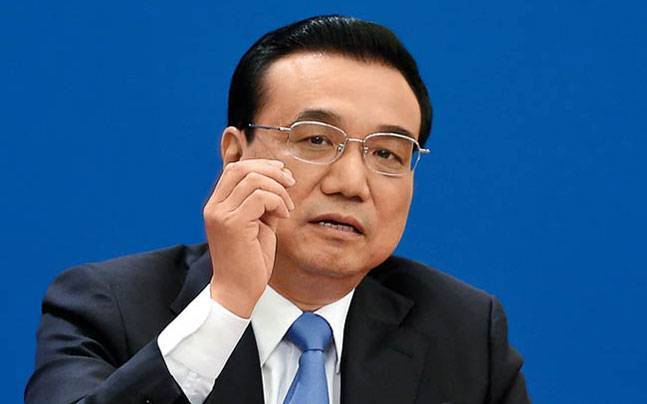
Chinese Premier, Li Keqiang, on Friday, March 23, 2018 met with Cameroonian President, Paul Biya, and assured that China would help the Western African country’s sustainable economic development.

Li Keqiang
China’s Premier, Li Keqiang

During their meeting at the Great Hall of the People, Li said both China and Cameroon are developing countries that shared common interests in development.

China has provided Cameroon with assistance within its capability and never attached any political conditions, Li said.

The premier encouraged Chinese enterprises to invest in Cameroon and called for innovative cooperation in areas of infrastructure and construction of industrial parks.

Li called on both countries to safeguard liberalisation, trade and investment, abide by market principles and business rules and oppose protectionism.

Li also hailed the long-term friendship between the two countries, saying that China is ready to boost political mutual trust and beneficial cooperation in the hope of forging ahead bilateral ties.

Echoing Li’s remarks, Biya said Cameroon appreciated China’s great support and assistance in areas of economy, social development and culture.

Cameroon would continue to advance friendship and cooperation with China so as to lift bilateral relationship to a new height, he said.

Biya is paying a state visit to China from March 29 to 31 at the invitation of Chinese President Xi Jinping who talked with him on Thursday.

The two presidents witnessed the signing of agreements on economic and technological cooperation, human resources development, infrastructural construction and industrial cooperation.

Why peatlands should be protected, by Solheim

0

The Executive Director of the United Nations Environment Programme (UN Environment), Erik Solheim, has described peatlands as the one of the most unique and interesting ecosystems on the planet.

Global Peatlands Initiative
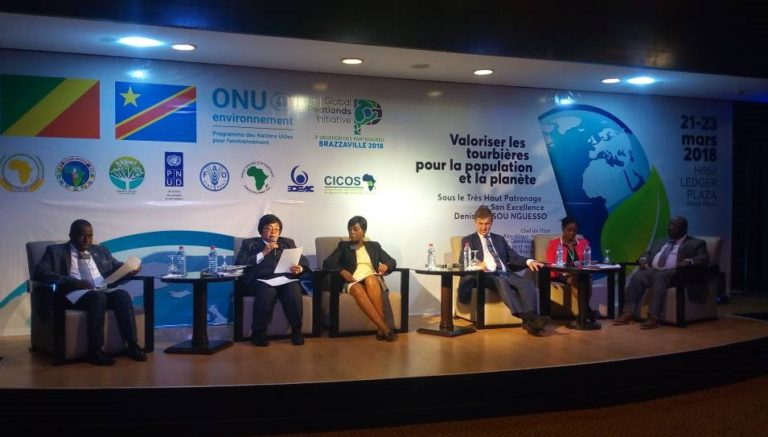
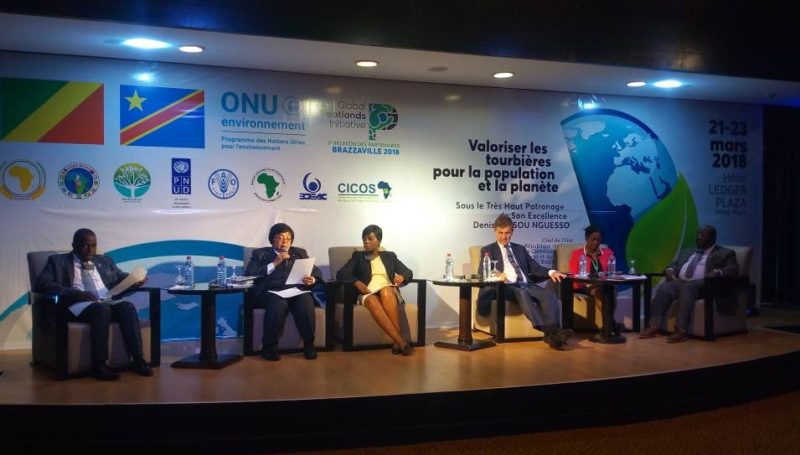
A panel discussion session during the Third Meeting of the Partners of the Global Peatlands Initiative holding in Brazzaville, Republic of Congo

Solheim made the submission on Wednesday, March 21, 2018 in Brazzaville, Republic of Congo, during the Third Meeting of the Partners of the Global Peatlands Initiative (GPI).

Peatland is land consisting largely of peat, which is a heterogeneous mixture of more or less decomposed plant (humus) material that has accumulated in a water-saturated environment and in the absence of oxygen.

The peatland is home to a number of species like the gorilla and, via eco-tourism, it is a source of income for people living there, Solheim stated, even as he justified why protecting peatland is key for the two Congos (Republic of Congo and Democratic Republic of Congo).

Besides fishery, the UN Environment boss stressed that peatlands are also a main source of water for local communities, who he advised to refrain from destroying the peatlands because of telling consequences.

“Destroying peatlands is a source of health hazard to the people, as such a step easiliy leads to fires and smoke, which are destructive to property and human health. Don’t destroy the peatland because it will come back hurting the local population through fires as it has done in South East Asia,” he said, adding that the peatland is also the greates stock of carbon on earth.

Indeed, the peatlands in the Cuvette Centrale (or Central Basin), a region of forests and wetlands in the Democratic Republic of the Congo that extends into the Republic of the Congo,  are estimated to hold about 30 billion tonnes of carbon – equivalent to more than 15 years of carbon dioxide emissions from the United States.

Global Peatlands Initiative
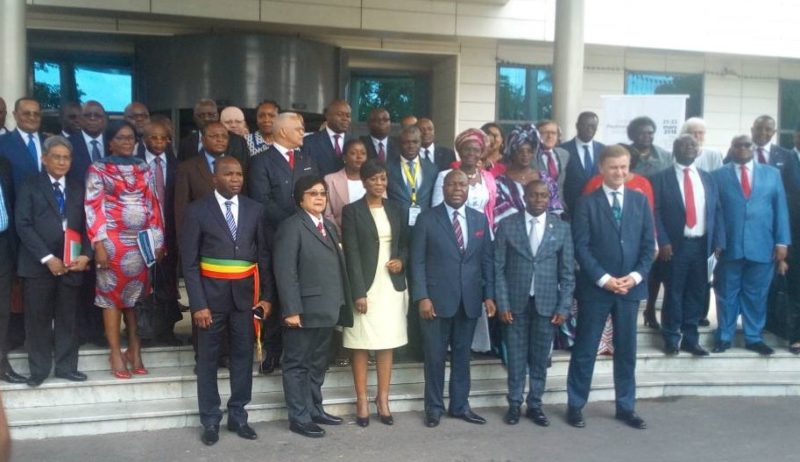
A group photograph by participants

Scientists say that the Democratic Republic of the Congo and the Republic of Congo are the second and third most important countries in the tropics in terms of peatland area and carbon stocks after Indonesia.

The near-pristine peatlands of the Congos are said to be globally signicant and are an important source of ecological stability for the entire region and home to unique animals and plants. The Congo Basin has been inhabited for more than 50,000 years and is today home 75 million people who need it for shelter, food and fresh water.

The Global Peatlands Initiative is an effort by leading experts and institutions to save peatlands as the world’s largest terrestrial organic carbon stock and to prevent it being emitted into the atmosphere. The current greenhouse gas emissions from drained or burned peatlands are estimated to amount up to five percent of the global carbon budget – in the range of two billion tonnes CO2 per year.

Partners to the Initiative are working together within their respective areas of expertise to improve the conservation, restoration and sustainable management of peatlands. In this way the Initiative will contribute to several  Sustainable Development Goals, including by reducing greenhouse gas emissions, maintaining ecosystem services and securing lives and livelihoods through improved adaptive capacity.

One of the first outputs of the Global Peatlands Initiative will be an assessment, which will focus on the status of peatlands and their importance in the global carbon cycle. It will also examine the importance of peatlands for national economies.

Global Peatlands Initiative Partners include: Democratic Republic of Congo, Republic of Congo, Republic of Indonesia, and Peru, who are the countries represented.

The international organisations are: UN Environment, Food and Agricultural Organisation of the UN, International Fund for Agricultural Development, UN Convention on Biological Diversity, RAMSAR Convention, UN Environment World Conservation Monitoring Centre, GRID-Arendal, Greifswald Mire Centre, Wetlands International, World Resources Institute, Wildlife Conservation Society, European Commission – DG Joint Research Centre Land Resources Unit, Global Green Growth Institute, International Peatland Society, International Union for Conservation of Nature, Centre for International Forestry Research, and Global Environment Centre.

The meeting comes to a close on Friday, March 23.

Nigeria-Morocco gas pipeline not in our interest, say activists

0

The Nigeria-Morocco gas pipeline has been tagged “The Wonder of Africa” but civil society groups in Africa and around the world see it as “The Wounding of Africa”. No fewer than 40 groups have jointly issued a statement, calling for the project to be called off in the interest of the peoples and the planet. Excerpt:

Trans-Saharan Pipeline
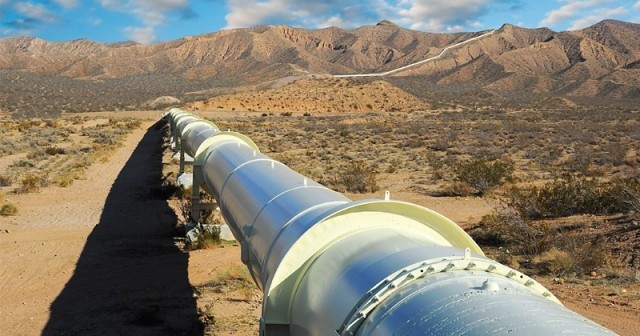
The new pipeline will take gas all the way from Escravos in Nigeria to Morocco

In December 2016, an announcement was made of a nearly 5,000 km Nigeria-Morocco offshore gas pipeline which at today’s prices will cost an estimated $20 billion. In reality, the actual costs will likely be much higher. This pipeline would be a continuation of the existing 678 km long West African Gas pipeline (WAGP) that has been in service since 2010. It aims to serve 12 countries on the African continent and some 300 million potential consumers, with a possible extension to the Europe.

We, the undersigned organisations, are concerned about this project for several reasons, including:

  1. While the acceleration of global warming exceeds all expectations and greenhouse gas emissions have set a new record in 2016, the construction of this pipeline can only go in the direction of an increase of extraction and consumption of fossil resources, the main causes of global warming.
  2. Contrary to what is often asserted, gas is not clean energy.  The methane in it is more volatile than CO2, and much more powerful in global warming potential. Moreover, the concentration of methane in the atmosphere has accelerated dangerously since 2007.
  3. The extraction, transportation and use of fossil fuels has considerable environmental implications: the disturbing effects of seismic studies on marine fauna, the use and release of various chemical substances and wastes, the risks of leaks, fires and explosions related to corrosion and navigation are additional risks to that of methane emissions. This will destroy livelihoods of millions of our people depending on fisheries in our regional waters.
  4. The section already constructed (WAGP) was done without consulting the populations who rejected the environmental impact study.
  5. It is a top-down project that does not consider the needs of the populations and the environment. They are not consulted and will not be the first beneficiaries of this pipeline. While Nigeria is Africa’s largest exporter of gas and oil, less than half of the population has access to electricity. In Benin, Togo, already served by the WAGP, barely a third of the population have access to electricity.
  6. The proposed pipeline is a project for the multinational corporations. Nigerians do not benefit from Oil exploitation in Nigeria.
  7. The energy produced will be used primarily to fuel agribusiness projects and export-oriented industrial clusters at the expense of small farmers and artisans and the satisfaction of the needs of the people.
  8. This project will be a financial sinkhole. It is likely that the forecast cost of $20 billion will be probably doubled and will lead to an exponential increase of the debt burden of our countries.

We the undersigned believe that the proposed Nigeria-Morocco gas pipeline is bad for the region, our peoples and the Planet. We say NO to the project,

Because we choose the climate in place of fossil energy,

Because we choose the health of our planet against the appetites of multinationals,

Because we refuse to pay for projects that will not bring us anything,

We say no to the Nigeria-Morocco pipeline.

Signed

  1. ATTAC Morocco
  2. Health of Mother Earth Foundation (HOMEF), Nigeria
  3. Peoples Advancement Centre, Nigeria
  4. Justica Ambiental, Mozambique
  5. Centre for Children’s Health Education, Orientation and Protection (CEE-HOPE), Nigeria.
  6. Centre for Environment, Human Rights and Development (CEHRD), Nigeria.
  7. Les Amis de la Terre Togo (ADT-Togo), Togo
  8. Jeun Chretien en Action Pour le Development (JCAD), Togo
  9. Centre for Social Studies and Development- We the People, Nigeria
  10. Oilwatch Ghana, Ghana
  11. Environmental Justice North Africa (EJNA)
  12. Green Concern for Development (GREENCODE), Nigeria
  13. Social Action, Nigeria
  14. Rainforest Resource and Development Centre (RRDC), Nigeria
  15. Lokiaka Community Development Centre, Nigeria
  16. Green Alliance of Nigeria (GAN)
  17. Struggle to Economize Future Environment (SEFE), Cameroon
  18. 350.org, Africa
  19. Gastivists, International
  20. Youth Climate Coalition, UK
  21. Platform London, UK
  22. Observatori del Deute en la Globalització (ODG), Catalunya
  23. CoalSwarm, USA
  24. Millieudefensie/Friends of the Earth Netherlands
  25. Amigos de la Tierra (FoE Spain)
  26. Oil Change International, International
  27. Corporate Europe Observatory, Belgium
  28. Association Pierre Domachal, France
  29. Ecologistas en Acción (Spain)
  30. ATTAC (France)
  31. Climáximo  (Portugal)
  32. Friends of the Earth (USA)
  33. Food & Water Europe
  34. Friends of the Earth Europe
  35. Non au Gazoduc Fos Dunkerque, France
  36. Leave it in the Ground Initiative (LINGO)
  37. Kebetkache Women Development and Resource Centre, Nigeria
  38. Egi Human Rights and Environmental Initiative, Nigeria
  39. Ikarama Women Association, Nigeria
  40. Oilwatch International

World Water Day: Lagosians insist water mustn’t be privatised

0

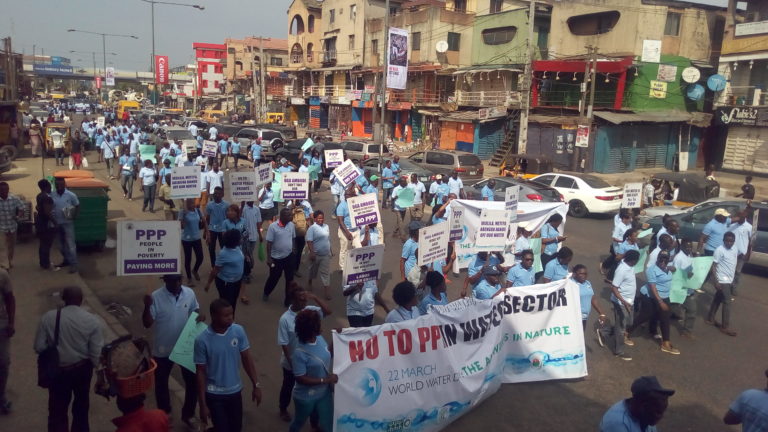
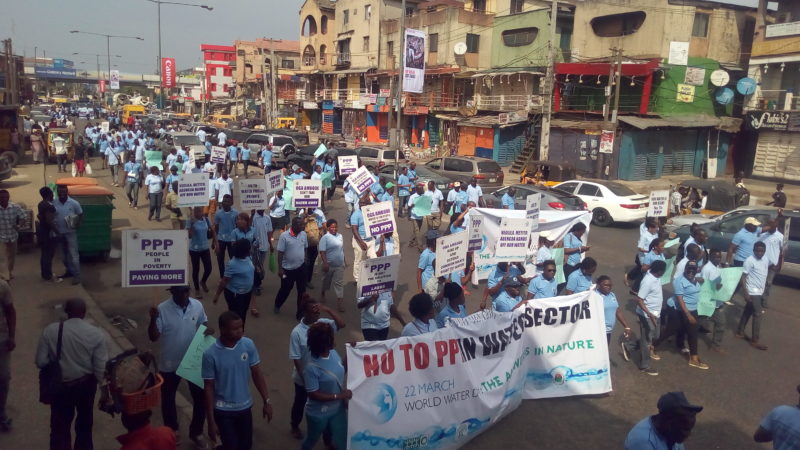
In commemoration of the World Water Day (WWD), Lagosians on Thursday, March 22, 2018 trooped out in their thousands to protest the proposed privatisation of the state’s water infrastructure by the Governor Akinwunmi Ambode government.

Water rally
A view of the protesters

World Water Day is an annual observance on March 22 by people and organisations worldwide, including all United Nations member states, to highlight the importance of freshwater. It is also used to advocate for the sustainable management of freshwater resources.

The theme for 2018 WWD is “Nature for Water” – exploring nature-based solutions to the water challenges we face in the 21st century.

Led by Environmental Rights Action/Friends of the Earth Nigeria (ERA/FoEN), Amalgamated Union of Public Corporations, Civil Service Technical and Recreational Employees (AUPCTRE), Joint Action Front (JAF), Africa Women Water Sanitation and Hygiene Network (AWASHNET), Committee for Defence of Human Rights (CDHR), Labour, Health and Human Right Development Centre (LHAHRDEV), Child Health Organisation (CHO), Climate Aid, Centre for Dignity, and Friends of the Environment, the peaceful protesters in sky blue T-shirts carried placards and sang solidarity songs.

The placards had inscriptions like “PPP is Picking Pocket of the Poor”, “Veolia, Metito, Abengoa Hands Off Our Water”, “PPP Will Lead To Job Losses”, “Oga Ambode Don’t Take Our Water Away”, and “Our Water Is Our Right, No to PPP”.

Leading activists, Achike Chude of JAF, Ayodele Akele of LHAHRDEV, Veronica Nwanya of AWASHNET, Vickie Onyekuru and others, were at the vanguard of the protest.

Chude lamented Lagos government’s plan to sell a God-given asset like water.

“We say no to privatisation. Water must be free. Government must put money into water infrastructure, so that people can have water,” he said.

For Kunle ‘Wiseman’ Ajayi, the general secretary of United Action for Democracy (UAD), if the problem is not stopped, it will stop humanity.

His words: “They want to tax everything from air, talking, laughing and even crying. That is why we must say no to privatisation of water in Lagos.”

Different Nigerian languages were used to address the crowd at Ikeja Roundabout, from where the march to Alausa started. While Angela Akunne spoke in Igbo, Onyekuru spoke in Hausa. Pidgin English and Yoruba were also used.

Akunne said “if we must pay for water in Lagos, we will be limited in the use of the commodity. Government must give us water because God has given us water free.”

At Alausa, the gate to Government House was locked, denying the protesters entry.

Speaking to Gabriel Olawale, a Department of State Services (DSS) official attached to Lagos Government House, Muali Subair, the vice president of AUPCTRE, said: “Ambode’s first assignment is to give Lagosians water because water is life.”

Chude maintained that not everything should be taxed. “We are saying capital no to water privatisation.”

It was Abdulkareem Olasheu, the Senior Special Adviser (SSA) to the Governor on Community Mobilisation, who came out to address the protesters, as the governor was reportedly out of the country.

The governor’s aide first apologised to the crowd for locking them out of “their house”, explaining that “not all protesters are organised as you are”, hence the gate should be locked. He even agreed to let the protesters in, if the promise to maintain their peaceful disposition.

He signed and received the letter entitled “World Water Day 2018: No To Privatisation In Water Sector, We Insist” on behalf of the governor and promised to relay other messages passed to him.

The last part of the letter to Ambode reads: “Your Excellency, we believe the solution to the current water crisis in Lagos is not to commodify water. We have proposed solutions in the document – Lagos Water Crisis: Alternative Roadmap for Water Sector, copies of which have been sent to relevant agencies and the office of Your Excellency.

“We are ready to work with your government. Accept the assurances of our highest regards.”

By Innocent Onwuji