Sixteen leading banks from four continents, convened by the UN Environment Finance Initiative (UNEP FI), on Thursday, April 26, 2018 published a jointly developed methodology to increase banks’ understanding of how climate change and climate action could impact their business.
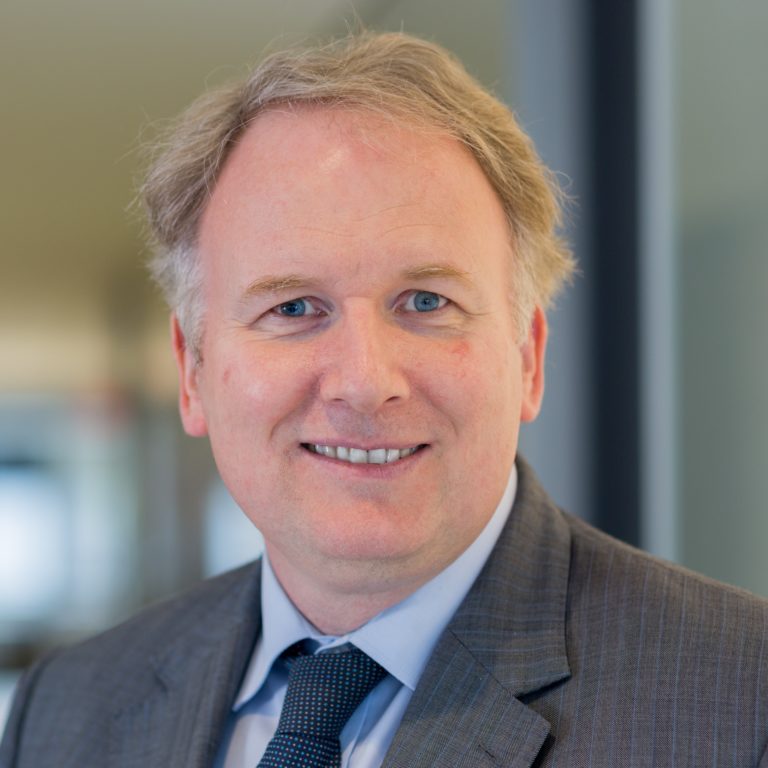
Christian Thimann, UNEP FI Co-Chair
The understanding is said to be fundamental to enable banks to be more transparent about their exposure to climate-related risks and opportunities in line with the TCFD. It will also inform banks’ strategies to contribute to and benefit from the low-carbon economic transition and help them engage and support their customers to that effect. This, the proponents say, is key because the climate-related risks and opportunities that banks face arise primarily from their services to clients.
The methodology and supporting materials are the first output of a unique and collaborative process over the past 10 months. It has brought together various functions from within the banks including credit risk, stress testing, sustainability and business development with leading scientists and risk and investment management experts.
The banks that are leading this work and that are currently piloting the methodology are ANZ, Barclays, BBVA, BNP Paribas, Bradesco, Citi, DNB, Itaú Unibanco, National Australia Bank, Rabobank, Royal Bank of Canada, Santander, Société Générale, Standard Chartered, TD Bank Group and UBS. They were guided by the consultancies Oliver Wyman, Mercer, Acclimatise and supported by scientists from the International Institute for Applied Systems Analysis (IIASA) and the Potsdam Institute for Climate Impact Research (PIK).
“Many of the environmental challenges that the world faces today, especially climate change, can be traced back to one fundamental root cause: short-termism. Financial markets can become a catalyst for action on sustainability, but for that they need to become more long-term oriented,” said Erik Solheim, Head of UN Environment. “The beauty of the TCFD framework is that it encourages organisations to consider and disclose long-term impacts. This change in perspective is what we need to achieve sustainable development. That’s why as UN Environment we are excited to be working with such committed leaders in the finance industry.”
The methodology provides the first publicly available guidance designed specifically for banks to carry out forward-looking, climate-related risk and opportunity assessments as envisioned by the TCFD. More specifically, the methodology helps banks to apply the state-of-the-art global climate change scenarios that are available today – such as those developed and offered by PIK, IIASA, and the International Energy Agency (IEA) – to evaluate the risks and opportunities that the low-carbon economic transition may present to their lending portfolios.
“When we published our recommendations less than a year ago, we were deliberate in viewing banks and other financial institutions not only as consumers of climate-related disclosures, but also as preparers and issuers of such disclosures. We did so to emphasise the key role that financial institutions will have to play both in safeguarding financial stability and financing economic decarbonisation,” said Christian Thimann, UNEP FI Co-Chair, TCFD Vice-Chair, and Senior Executive at AXA. “That is easy to understand. The hard part is finding effective yet practical ways for financial institutions to take such action, to carry out the required assessments, and to meaningfully disclose. I am thankful for the contribution that this group is today making to that effect.”
The methodology is designed to:
Build upon existing risk assessment expertise, procedures, and models already used by banks;
Enable informed assessments of how risk exposures – and new potential opportunities – might develop in the future, under various climate mitigation scenarios;
Allow institutions to examine risk and opportunities across a range of geographies and sectors, and
Provide longer-term insights that go far beyond the usual stress-testing horizon of 2-3 years.
The progress made through the publication of this framework is foundational. “Through this highly collaborative effort of scientists, risk practitioners and sustainability experts, we have set forth an innovative methodology that will serve to underpin enhanced climate-risk aware decision making and resource allocation,” said John Colas, Oliver Wyman Partner and Vice Chairman, Financial Services Americas. “We expect that this methodology will be further strengthened, as practices evolve and new and more granular data emerges from industry practitioners, corporates, policy makers, and climate scientists.”
Additional work is still needed across sectors and areas of expertise to develop best practices. Most publicly available scenarios are not intended for financial risk assessment. Together the scientific community and financial institutions could improve the granularity of the models and advance the financial risk variables generated. There will also be value in banks and borrowers engaging so that enhanced borrower-level information becomes available. Like the development of macroeconomic stress testing at financial institutions, forward-looking climate assessments and disclosures will continue to improve over time.
The Nigeria Centre for Disease Control (NCDC) will host the Regional Disease Surveillance Systems Enhancement (REDISSE) project which would strengthen disease preparedness and response architecture in ECOWAS sub-region.
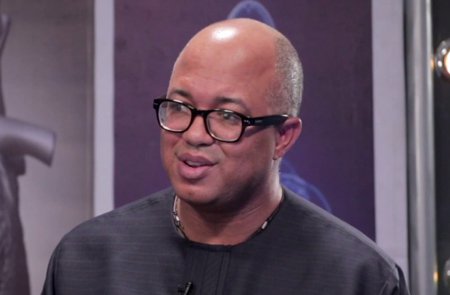
Dr Chikwe Ihekweazu, Chief Executive Officer, NCDC
Dr Chikwe Ihekweazu, the Chief Executive Officer, NCDC, made this known in a statement issued on Thursday, April 26, 2018 in Abuja.
Ihekweazu said the project was a World Bank credit-financed that would focus on strengthening the disease preparedness and response architecture in member countries, including Nigeria.
He said the country’s REDISSE project would be jointly inaugurated by the Minister of Health, Prof. Isaac Adewole, and Minister of Agriculture and Rural Development, Chief Audu Ogbeh, on April 27.
He added that the National Steering and Technical Committees, which include members from government agencies, academia and civil society, would also be inaugurated.
“Within the One-Health framework, activities within the project will be implemented jointly by the Federal Ministry of Health and the Federal Ministry of Agriculture and Rural Development.
“With the funding provided through the project, Nigeria will have increased access to flexible and easily deployable resources.
“This will support the development of a robust public health emergency preparedness and response system, a main priority for NCDC. The World Bank credit facility also aims at minimising the economic consequences of disease outbreaks,’’ he said.
He however noted that ECOWAS experienced outbreaks of other diseases such as Cerebrospinal Meningitis, Lassa fever, Yellow fever, Cholera and Monkey pox since the Ebola outbreak in 2014.
Ihekweazu said the World Bank set up REDISSE project to cover all countries in the ECOWAS sub-region in response to the gaps identified during the 2014‒2015 West Africa Ebola crisis.
An investigation into Grace Mugabe, the former First Lady of Zimbabwe, was announced last month, after evidence of her connections to the illegal wildlife trade was uncovered by Australian photo-journalist, Adrian Steirn. If arrested and charged, this could change the landscape of the enforcement for wildlife crime across Africa.
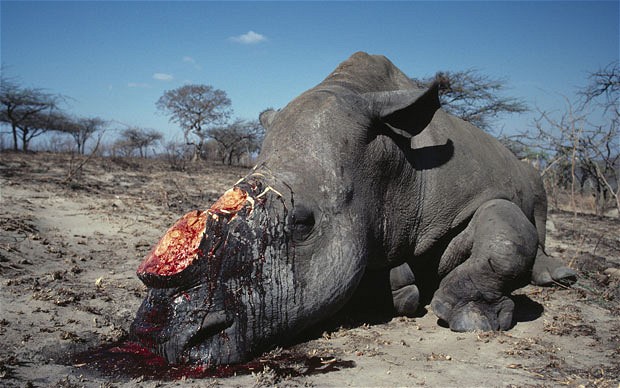
A poached rhino. Photo: www.telegraph.co.uk/ALAMY
But observers wonder if a prosecution will be possible.
Zimbabwe is home to both black and white rhinos and has the fourth-largest national population of Critically Endangered black rhino. Unfortunately, in 2017, 36 rhinos were killed by poachers in the country.
The new President of Zimbabwe, Emmerson Mnangagwa, sanctioned an urgent investigation into the former First Lady’s activities, following evidence of systemic smuggling of ivory, rhino horn, diamonds and gold.
For four months, Adrian Steirn posed as a potential customer for illegal wildlife products, finding a number of links between Grace Mugabe, poachers on the ground and those working to send illegal items out of the country. In conversations with ivory and rhino horn dealers, Steirn came to understand that goods marked as the First Lady’s were able to pass through customs without being searched.
The poachers that had offered Steirn ivory were arrested and found in possession of six large elephant tusks. But any evidence connecting these crimes to the former First Lady is crucially important if a prosecution is to be successful and Zimbabwe’s political landscape could mean that this is difficult to secure.
In 2008 and 2009, 39 suspects were arrested in Zimbabwe for various rhino-related crimes, but only five were successfully prosecuted and convicted. Of these five, just two received substantial sentences befitting their crimes, whilst the other three got away with paltry fines. This was due to a combination of factors including: poor investigation of the cases; inadequate preparation and presentation in courts by the prosecution; likely cases of corruption; and a general lack of appreciation by court officials of the severity of the rhino poaching crisis. However, in 2010, poacher Tichaona Mutyairi, was sentenced to 17 years in jail, a punishment that better matched the scale of his crimes.
While this was a positive step towards better enforcement of wildlife crimes, it does not mean that all future poaching crime investigations will be straightforward. Corruption is widespread and poaching is often just one aspect of illegal activity by much larger networks of major organised crime syndicates. While the new Zimbabwe government may have stated a “no nonsense approach” to wildlife trafficking, in 2009 President Mnangagwa himself was accused of having links to rhino poachers.
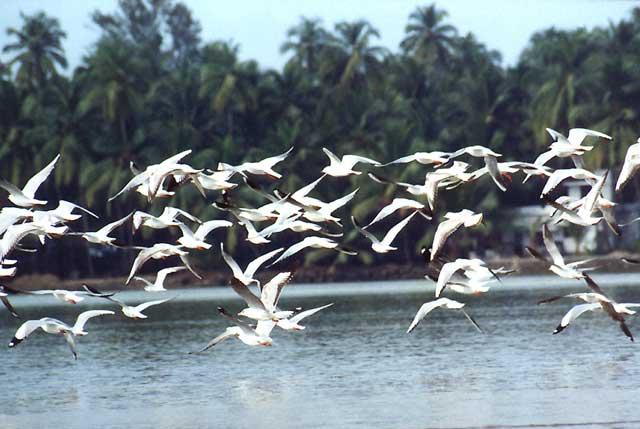
“Unifying our Voices for Bird Conservation” is the theme of World Migratory Bird Day 2018. This year, the campaign will have a new global dimension, bringing together the world’s main migration corridors, also called flyways, for celebrations all across the world – and for the first time, with two peak campaign days in the year.
Migratory birds
As birds migrate during different seasons throughout the year, World Migratory Bird Day will be observed on both the second Saturdays of May and October (May 12, 2018 and October 13, 2018), making it possible for individuals and organisations to organise educational activities and awareness-raising events in their countries at the time of migration.
The African-Eurasian Flyway, the Americas Flyway and the East-Asian Australasian Flyway link breeding, stop-over and wintering sites of billions of migratory birds which roam across the planet. Migratory birds such as the Arctic Tern travel more than 70,000 km from Iceland to Antarctica and back every year. Habitat loss, illegal hunting, collision with and electrocution by power lines as well as pollution and poisoning put their survival at risk.
Migratory birds cross international borders during their migrations and require quality habitats and a network of suitable sites to support their annual journeys. International cooperation across the entire migratory range is therefore essential. International treaties such as the UN Convention on the Conservation of Migratory Species of Wild Animals (CMS), the Agreement on the Conservation of African-Eurasian Waterbirds (AEWA) and the Migratory Bird Treaty Act (MBTA), one of the oldest wildlife protection laws, are indispensable for coordinated conservation actions among countries.
Environment for the Americas (EFTA), CMS and AEWA recently entered a partnership to unify their respective campaigns, IMBD and WMBD, and are working together to organise a new World Migratory Bird Day. This year, they are uniting for the first time to emphasise the importance of migratory birds globally and are calling for a better protection of the birds and their habitats.
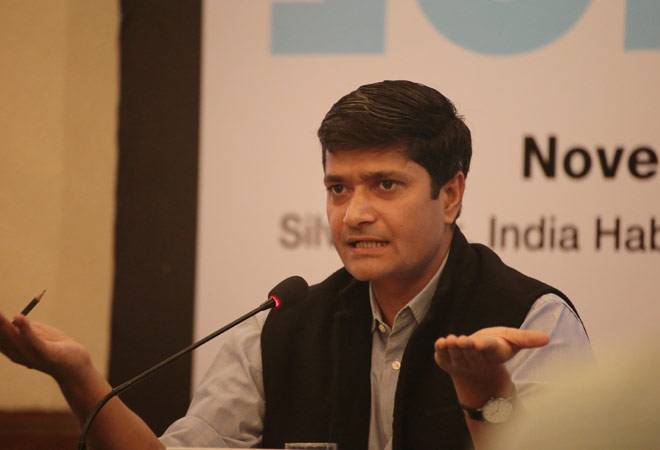
Pollution monitoring and control has always been a challenge in India, and one of the key loopholes has been a weak and lax monitoring and compliance enforcement mechanism. In 2017, Centre for Science and Environment (CSE) had published a set of broad guidelines for installing and operating continuous emission monitoring systems (CEMS) in India. This year, CSE has followed it up by releasing its Inspection Manual for CEMS and CEQMS (continuous effluent quality monitoring systems) implementation in India.
Chandra Bhushan, Deputy Director General, Centre for Science and Environment (CSE)
The Manual, the first publication of its kind in India, was released at a training programme on industrial pollution management organised by CSE in Kokata on Thursday, April 26, 2018 for state pollution control board (SPCB) officers. The event was conducted jointly with the West Bengal Pollution Control Board (WBPCB) and the Swedish Environmental Protection Agency (SEPA).
Said Sanjeev K. Kanchan, programme manager, Environmental Governance-Industry, CSE: “This handbook is a tool for SPCBs to facilitate inspection of CEMS and CEQMS installations in India. Industries can use this handbook for self-assessment of installation, and for better use of equipment and investments in it. The handbook is also a capacity building tool which gives broad information of CEMS and CEQMS systems, their functions, operational maintenance and data reporting practices.”
Why the manual?
Even though India has tightened its norms with time, pollution has kept growing in leaps and bounds because of lack of monitoring and compliance enforcement. According to CSE researchers, industries fake compliance by under-reporting their pollution levels, while the existing regime fails to ensure credible pollution monitoring and accurate data reporting. Since SPCBs rarely get a chance for on-site inspection, no one checks the ground reality of pollution control by the plants.
In 2014, the Central Pollution Control Board (CPCB) had initiated real-time monitoring of pollution from 17 categories of highly polluting industries and pollution control facilities like waste incinerators, bio-medical incinerators, common effluent treatment plants etc. It also mandated the installation of CEMS for monitoring stack emissions and CEQMS for monitoring effluent quality. Installation of CEQMS was also mandated for industries that were disposing effluents into the river Ganga and its tributaries.
Guidelines for installation of these technologies were published by the CPCB as well as CSE, but in the absence of effective inspection and monitoring, they did not serve any purpose. CSE’s Inspection Manual is expected to bridge that gap.
Said Kanchan: “In India, the rapid and high rate of industrialisation and the resultant pollution means we need a sophisticated pollution monitoring, control and reporting regime – for this a well-developed continuous monitoring and reporting system and a time-bound action plan are essential. We strongly believe that a real-time monitoring system if implemented properly can catapult environmental compliance enforcement into the 21st century. We hope the handbook will help us in this.”
For the uninitiated, CEMS and CEQMS are important tools for pollution monitoring, control and reporting. The systems ensure data accuracy, higher monitoring frequency, minimal manual intervention, firm regulatory monitoring and better transparency to strengthen the pollution control regime. Whereas continuous monitoring of ambient air quality is now a common system, continuous emission monitoring of stationary sources has been made mandatory in many industrialised and developing countries like the US, EU, China and Brazil.
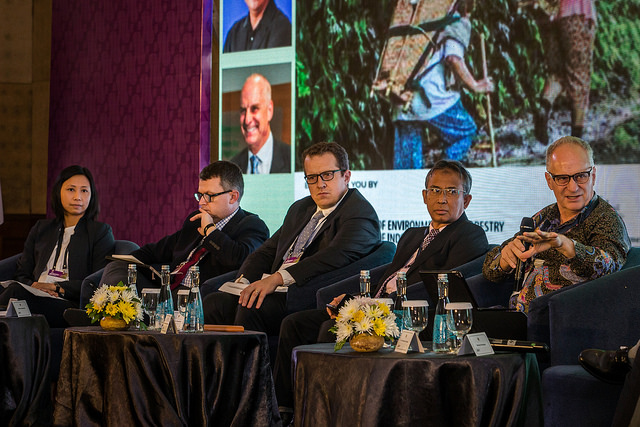
Forests play a critical role in meeting climate goals and sustainable development targets. The main focus of the 3rd Asia-Pacific Rainforest Summit (APRS 2018) was to analyse practical ways in which forest policies and actions can contribute to each country’s Nationally Determined Contributions (NDCs) under the Paris Agreement.
High level panel on Forests in NDCs: Professor Andrew Campbell (R) of the Australian Centre for International Agricultural Research speaks during High Level Panel “Forest in NDCs” during the 3rd Asia-Pacific Rainforest Summit in Yogyakarta on April 23, 2018 in Indonesia. Photo credit: Ulet Ifansasti/CIFOR
“I believe that in the region we can nail it,” expressed Indonesia’s Minister of Environment and Forestry, Siti Nurbaya, during the opening of the event. “What we need to do is to identify the most significant roles of forests in the NDCs and do our best to undertake the necessary measures.”
More than 1,200 participants from over 40 countries across Asia-Pacific attended the summit this week in Yogyakarta, Indonesia. This event was co-hosted by the Indonesian Minister for Environment and Energy, Siti Nurbaya, and the Australian Minister for Environment and Energy, Josh Frydenberg.
Under the theme “Protecting forests and people, supporting economic growth”, the key regional event focused on conservation, livelihoods and investment.
One of the central topics discussed was how to operationalise REDD+ in the region. Panellists agreed that it is necessary to include private sector, financial institutions and other stakeholders at the very beginning of the process, during the policy-making stage.
“Ministries of forestry and environment are the heart and soul of REDD+ programs, but we need to talk to the private sector and other ministries,” remarked Danae Maniatis, from the United Nations Development Programme. It is also essential to make forests more attractive for investment, by boosting transparency and the rule of law and defining land ownership. In addition, agriculture and forestry companies need incentives, so they can balance productivity with ecological protection.
Connecting forest finance
Many participants and delegates showed interest in the session discussing the role of finance, investment and trade in forest conservation and restoration. One of the conclusions of the panels was that funds are available, but it is hard to connect them to desirable investment opportunities. It is also challenging for projects to receive the funds. Currently, several approaches to innovative finance tools are being tried, including ecosystem bonds and forest bonds.
The lessons learned so far from these experiences are that conservation needs to be a fundamental part of market values – particularly related to sustainable commodities – and that climate finance should focus on projects that might require high investments but will have a large impact on reducing greenhouse gas emissions.
Another key point was that, in order to get all stakeholders on board, government should set a standard for everyone to act according to sustainable development policies. “It is more important to change behaviours; we need to have a new type of behaviour for all stakeholders,” said Laksmi Dhewanti, from Indonesia’s Ministry of Environment and Forestry. “We don’t have any other choice but to be ambitious,” she added.
Jack Hurd, from The Nature Conservancy, expressed the need for a change of paradigm. “Public and private sector, community groups and others are embracing forests but that goes against current economic models. The question is, ‘how do we make forests part of economic strategies?'”
Community forests and mangroves are powerful tools
Countries in the region are increasingly recognising the importance community forests have in avoiding deforestation. At the summit, delegates discussed policy and implementation solutions to support social forestry and community forestry. Panellists highlighted the shift in this field, which has expanded from focusing only on the community to including broader issues, such as linking these initiatives to finance institutions and markets.
At the ground level, some examples showed that social forestry and community forestry could also be the answer to land tenure issues. The event called for innovative approaches to community forestry that follow inclusive business models, to ensure equity and the fair sharing of profits. Panellists also reminded participants of the need to consider the possible social and conservation impacts of community forestry projects.
Mangroves and “blue carbon” were highlighted at the event as a potential tool to be included in Indonesia’s Nationally Determined Contributions. Experts pointed out that mangroves could also serve as a financial incentive to prevent deforestation under the mechanism of payments for ecosystem services. In both cases, “blue carbon” will need to be incorporated into coastal spatial planning systems and local communities’ economic viability mechanisms.
In addition to public sessions, the Asia-Pacific Rainforest Summit was an opportunity for ministerial and bilateral meetings, to advance regional cooperation on specific areas where one country’s expertise could be useful to others. The event also served as a platform for people working in the environment and forestry sectors, who were able to meet, exchange ideas and explore potential opportunities for collaboration.
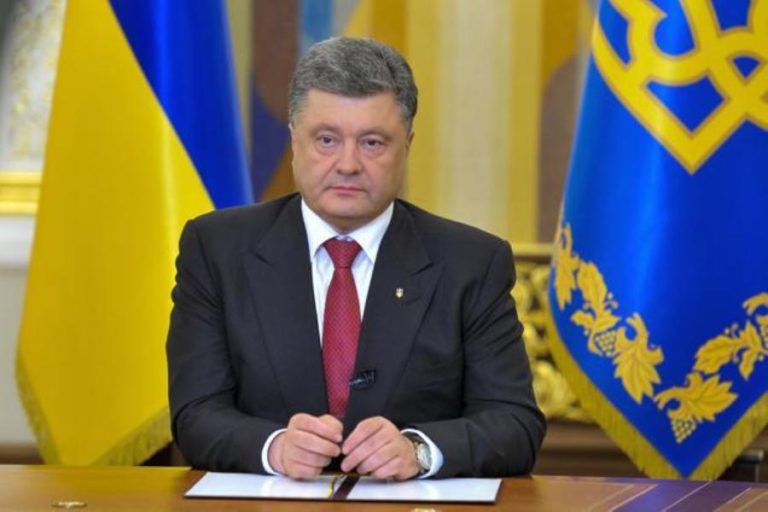
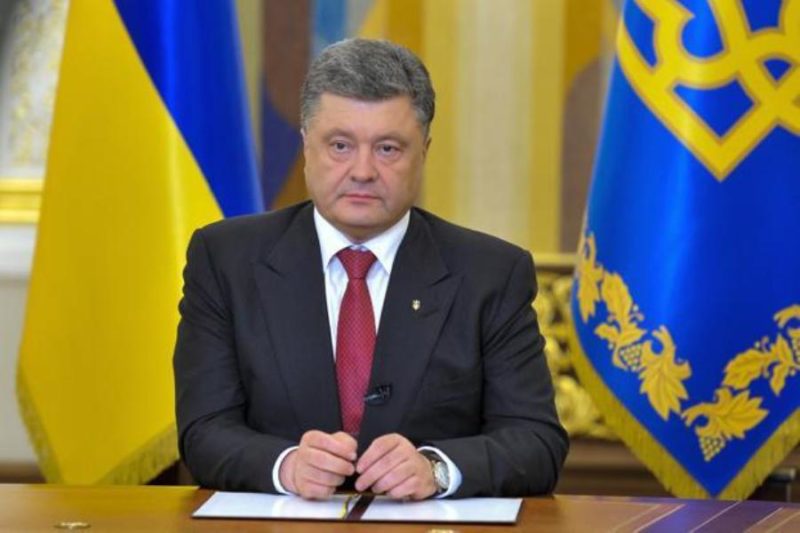
Ukrainian President Petro Poroshenko said on Thursday, April 26, 2018 that his country would strengthen its Radioactive Waste Management.
Ukrainian President, Petro Poroshenko
“We will continue to improve Ukrainian legislation on radioactive waste management,’’ Poroshenko said during the commemorative event to mark the 32nd anniversary of the Chernobyl nuclear accident.
“Our experts are working on this issue with the professionals from the Netherlands, France, Germany, Spain and Sweden,’’ he said.
Poroshenko said the efficient nuclear waste management would help revive the area near the destroyed Chernobyl nuclear power plant (NPP) and boost Ukraine’s energy security.
“This year, a solid radioactive waste management complex and a liquid radioactive waste processing plant will be put into operation in Ukraine.’’
He added that the new protective cover on the destroyed Chernobyl nuclear reactor No.4 would also be inaugurated by the end of 2018.
Currently, Ukraine is implementing several projects in the Chernobyl area aimed at improving the system of radioactive waste management.
The construction is underway for the central spent fuel storage facility, which will stockpile spent nuclear fuel from three Ukrainian nuclear power plants.
Another project is the establishment of the interim spent fuel storage facility, which would store the fuel decommissioned from the Chernobyl NPP’s units No.1, 2 and 3.
The Chernobyl disaster, one of the worst nuclear accidents in human history, happened on April 26, 1986, when a series of explosions ripped through the plant, which is located 110 kilometres north of the Ukrainian capital Kiev.
The blasts resulted in the demolition of the No.4 reactor and the spread of radiation across Ukraine, Belarus, Russia and other European countries.
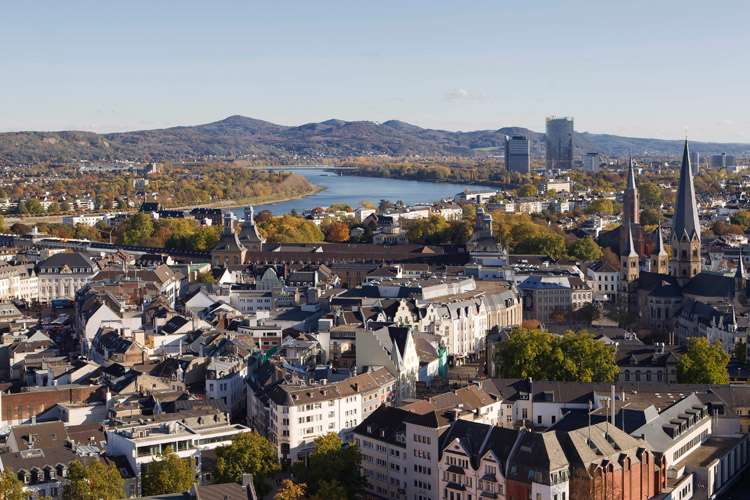
In an effort to step up immediate climate action, experts from around the world will meet in Bonn, Germany from May 1 to 2, 2018 to discuss the policy options, technological innovations, and best practices on circular economies to achieve emission reductions and generate sustainable development benefits.
Bonn in Germany hosts the Technical Expert Meetings on Mitigation
The gathering will take place as part of the so-called Technical Expert Meetings on Mitigation during the 2018 UN Climate Change Talks in Bonn, which aims to identify activities that have a high potential for emission reductions in order to boost climate action before 2020.
Importantly, the expert meeting will align its discussion with the format of the year-long Talanoa Dialogue, an important international conversation around ambition now and in the future.
Specifically, the dialogue will check progress, reaffirm the goals of the Paris Agreement and aim to find solutions how countries can increase their ambition now and in the next round of their national climate action plans, officially termed “Nationally Determined Contributions”.
As per tradition in the Pacific region, a “Talanoa” invites participants to find solutions for the common good through story-telling. The Talanoa Dialogue will invite participants to share climate ambition-related stories around three questions:
Where are we?
Where do we want to go?
How do we get there?
The Technical Expert Meeting will also structure its discussions around these questions to ensure that expert voices can easily be fed into the Talanoa Dialogue. This will be important for the dialogue’s political phase at the UN Climate Change Conference (COP24) at the end of the year in Poland, where high-level officials from around the world will take forward all input received during the year.
Led and organised by the UNFCCC secretariat, the United Nations Industrial Development Organisation, and the World Business Council for Sustainable Development, participants will discuss currently available policies and technological solutions as well as innovative approaches on waste-to-energy and supply chain re-design solutions. These are regarded as integral elements to achieving a circular economy with key economic, environmental and employment benefits.
The circular economy is becoming an established way of creating value, and ultimately prosperity. It works by extending a product’s lifespan through improved design and servicing, and relocating waste from the end of the supply chain to the beginning – in effect, using resources more efficiently by using them over and over, not only once.
A number of experts representing the public and private sector as well as the civil society from Africa, Asia, Europe, Latin America and the Pacific, will share their hands-on experiences. Their experiences will help to identify ways forward, as well as necessary actions to be taken by Parties, non-Party stakeholders such as cities or businesses and organisations to replicate and upscale innovative approaches. These discussions will also help identify best practices on waste to energy and supply chain re-design.
The expert meeting is part of the technical examination processon mitigation (TEP-M) that was initiated in 2014 with the aim of exploring high-potential mitigation policies, practices and technologies with significant sustainable development co-benefits that could increase the mitigation ambition of pre-2020 climate action. The meeting will have provisions for virtual participation.
Following a series of trials over the years, Nigeria now seems to be getting things right and consequently recording remarkable triumphs in the area of climate change and sustainable development diplomacy.
Environment Minister of State, Ibrahim Usman Jibril
Ranging from a report submission, the decoration of a financial facility, to the selection of a team of local experts, the accomplishments seem to be emerging in torrents, and the accolades have caught the attention of the authorities.
A source close to the Federal Ministry of Environment disclosed that the minister, Ibrahim Usman Jibril, is positively inclined to the idea of showcasing the nation’s successes in climate change activities. It is not clear precisely how this will be done.
Among others, five activities were isolated as being worthy of note.
Firstly, Nigeria a week ago submitted its First Biennial Update Report (BUR1) under the United Nations Framework Convention on Climate Change (UNFCCC)
“The unwavering decision of the Federal Government of Nigeria to fully comply with commitments to the UNFCCC informed the submission of the country’s First Biennial Update Report (BUR1),” says Jibril.
What has actually been a source of delight to the nation is the fact that the UNFCCC reportedly acclaimed the country’s BUR1 as being “highly qualitative”.
Similarly, Nigeria on Tuesday, March 20 received the 2018 Green Bonds Award under the category of “New Countries Taking Green Bonds Global” at the Annual Green Bonds Conference in London, UK. This followed Nigeria’s issuance of a N150 billion Green Bond to the public.
Nigeria becomes the first nation in Africa to take this step and only the fourth in the world. Nigeria also got a three-star rating in the monthly assessment of 20 countries (including the EU) with high emission levels.
Jibril states: “This further reinforces Nigeria’s re-emergence as a major player in the international climate regime and President Muhammadu Buhari’s strides in moving Nigeria to a low carbon economy.
“Nigeria take pride in being the first African country to issue a Sovereign Green Bond and the forth in the world. The award marks a unique and historic day in the efforts of Nigeria in tackling climate change.”
Also, the Intergovernmental Panel on Climate Change (IPCC) disclosed on Friday, April 6, 2018 that it included seven Nigerians amongst the 721 experts from 90 countries invited to participate in the Sixth Assessment Report (AR6) as authors and editors.
The Nigerians include:
Hyacinth Nnamchi of the University of Nigeria, Nsukka (Working Group I – Chapter 2: Changing state of the climate system) as Lead Author
Ms Ibidun Adelekan of the University of Ibadan, Ibadan (Working Group II – Chapter 9: Africa) as Coordinating Lead Author
Ayansina Ayanlade of the Obafemi Awolowo University, Ile-Ife (Working Group II – Chapter 9: Africa) as Lead Author
Chukwumerije Okereke of the University of Reading, UK (Working Group III – Chapter 1: Introduction and Framing) as Coordinating Lead Author
Ms Chioma Daisy Onyige of the University of Port Harcourt, Port Harcourt (Working Group III – Chapter 5: Demand, services and social aspects of mitigation) as Lead Author
Ogheneruona Diemuodeke of the University of Port Harcourt, Port Harcourt (Working Group III – Chapter 10: Transport) as Lead Author
Sanusi Mohamed Ohiare of the Rural Electrification Agency (Working Group III – Chapter 15: Investment and finance) as Lead Author
Prof Nasiru Idris of the Nasarawa State University, Keffi said: “The implication for Nigeria is that our input from the Nationally Determined Contributions (NDCs) and some outcome of the results of our scientific researchers on how climate change has impacted on the country will be part of the scientific evidence in the AR6.”
Prof Daniel Gwary of the University of Maiduguri, submits: “This is a good development for Nigeria since the IPCC has maintained the number of Nigerian participants with a slight increase as a sign of appreciating contributions from our scientists and experts. It is also good for Nigeria because this team from Nigeria is a new crop of experts helping to increase our expertise in the IPCC process and global climate change discuss.”
Nigeria is also believed to have gotten approval of its Green Climate Fund (GCF) project – The Acumen Fund ($26 million).
Lastly, the nation will play host to the Green Climate Fund (GCF) / African Development Bank (AfDB) Africa Region Private Sector Meeting.
Some 30 countries have jointly pledged $4.1 billion to the Global Environment Facility (GEF) to better protect the future of the planet and human well-being. With the health of the global environment worsening, the GEF has received strong support for its new four-year investment cycle (known as GEF-7), to help safeguard the world’s forests, land, water, climate, and oceans, build green cities, protect threatened wildlife, and tackle new environmental threats like marine plastic pollution.
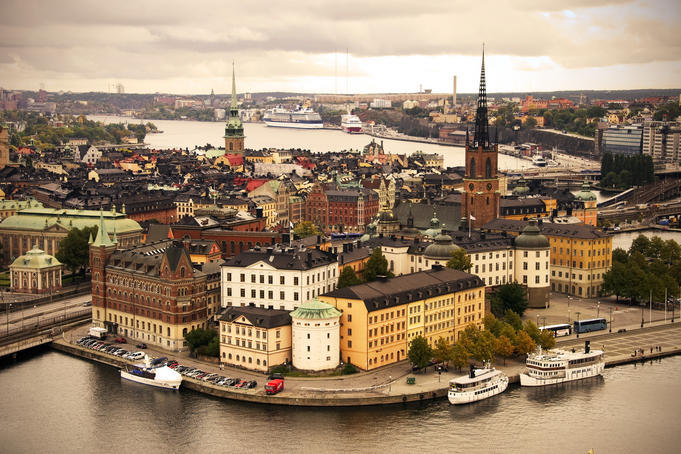
Stockholm, Sweden, hosted the fourth meeting of the GEF-7 replenishment
“We are pleased with the outcome of the negotiations; It is entirely in line with government priorities,” said Isabella Lovin, Deputy Prime Minister and Climate Minister of Sweden, who hosted the donors meeting on Wednesday, April 25, 2018. “Also, the Fund’s working methods have been further strengthened, giving it more of a strategic climate focus and increased resources, including for biodiversity, chemicals and waste.”
“A clear majority of donors have stepped up their support for the GEF, signalling the urgency of the global environmental agenda, and trust in the GEF to help tackle the problem and achieve even greater results,” said Naoko Ishii, GEF CEO and Chairperson. “We need to forge the partnerships that will help transform the food, urban and energy systems in an integrated way. GEF-7 is designed to do just that,” she said.
With an emphasis on addressing the drivers of environmental degradation, gender equality, and stronger collaboration with the private sector, the GEF is now poised to deliver even greater results for the environment, and better value for money: The new strategy doubles the target for greenhouse gas emissions mitigated from GEF projects compared to the last funding cycle, and increases by almost 50% the targets for the protection of biodiversity and valuable ecosystems.
“Over the last 25 years the GEF has been an essential mechanism for addressing environmental challenges at a multilateral level and has made a great difference,” said Axel van Trotsenburg, World Bank Vice President, Development Finance, and co-Chair of the replenishment meeting. “Today, the international community again gave GEF a strong vote of confidence through the endorsement of a $4.1 billion financial support package for the next four years. With this renewed mandate, GEF will be able to continue its important role as an impact investor in environmental programs around the globe.”
The new funding will support countries to meet their obligations under various multilateral environmental agreements, including the recently adopted Minamata Convention on Mercury, the three Rio Conventions on Biodiversity, Climate, and Land Degradation, and the Stockholm Convention. Also, strong emphasis is given to financing for Least Developed Countries and Small Island Developing States.
“Cote d’Ivoire is pleased to return as a donor in GEF-7. The first major conference of the GEF took place in Abidjan in December 1992 under the leadership of H.E. Mr. Alassane Ouattara, then Prime Minister of Côte d’Ivoire. Now, as President of the Republic, he has been instrumental in the return of Cote d’Ivoire as a donor in GEF-7,” said Adama Koné, Minister of Economy & Finance for Côte d’Ivoire. “Cote d’Ivoire welcomes and strongly supports GEF-7 Impact programs and strategies aimed at addressing the concerns of the beneficiary countries while maximizing the global environmental benefits.”
In recent years, the world agreed on the Global Goals of Agenda 2030, and the Paris Agreement, elevating the ambition and action needed to put the world on a sustainable path. GEF-7 is the first replenishment of the GEF after these landmark agreements and another sign that the world is responding.
“The Global Environment Facility’s new focus on transforming food systems, sustainable forest management, and cities is not only good for the planet and human well-being, but an enormous business opportunity,” said Paul Polman, CEO of Unilever. This is an exciting moment for the GEF, which is tackling complex problems by inviting stronger collaboration with the private sector. Business can help innovate, finance and scale solutions for environmental sustainability, which in turn can open up better and more inclusive growth opportunities.”
GEF-7 comes at a critical time for the world, and will help ensure that the hopes and aspirations of millions of people are met without stretching Earth to a breaking point.
“Countries have given a central role to the Global Environment Facility in helping to transform our economies and to safeguard the global commons – the land, seas and atmosphere we share, and the ecosystems they host,” said Nicholas Stern, Chair of the Grantham Research Institute on Climate Change and the Environment at the London School of Economics. “Protecting and nurturing our global commons and ecosystems is fundamental to sustainable growth and poverty reduction. No other kind of growth can last. This is the growth story of the 21st century. The next 15 years will decide the future of the world for the rest of the century and beyond. The cost of inaction is immense. Congratulations to the entire GEF partnership for adopting this ambitious new agenda.”
The GEF-7 replenishment will be formally concluded at the upcoming GEF Assembly that will take place from June 27-28 in Da Nang, Vietnam.
The fourth meeting of the GEF-7 replenishment was held in Stockholm, Sweden, on April 25, 2018.
Akinwumi Adesina, President, African Development Bank, says: “The African Development Bank’s partnership with the GEF has been a highlight of our environmental actions in Africa. GEF7 offers new exciting opportunities to expand our partnership into new areas that support Africa’s transformation. The links between GEF and the Bank’s High 5, climate change, and green growth agenda, as well as the Sustainable Development Goals are very strong. A robust GEF7 replenishment is necessary to address Africa’s increasing environmental threats. We look forward to a stronger partnership with the GEF in Africa and we thank all donor participants for a successful GEF7 replenishment.”
Inger Andersen, Director General, International Union for Conservation of Nature: “We’re in the midst of a global biodiversity crisis that has plunged the planet into a 6th mass extinction. But there is hope because, done right and done now, conservation works. The GEF, armed with the strong support from its donor countries, is essential in helping organisations like IUCN tackle the major threats to our natural world.”
Monique Barbut, Executive Secretary, UN Convention to Combat Desertification: “Investing in sustainable land management is the most straightforward path to building climate change resilience and conserving biodiversity. But equally important is the vital role that healthy and productive land can play in securing the lives and livelihoods of the world’s poorest and most vulnerable communities. Investments in land must be transformative, innovative and generate added value. We count on the increasing recognition by the GEF family of the crucial importance of investing more in the Land Degradation Focal Area.”
Ligia Castro, Corporate Director, Environment and Climate Change Department, Development Bank of Latin America (CAF): “In CAF we are a development bank committed to improving the quality of life of all Latin Americans and our actions promote sustainable development and the integration of the region. The lines of action of CAF as well as the GEF-7 programming in focal areas and impact programmes bring to us a fertile field to strengthen our collaborative efforts and achieve the catalytic change of the inclusive development of low-carbon economies, giving priority to conservation and the efficient use of the natural capital of the region.”
Suma Chakrabarti, President, European Bank for Reconstruction and Development: “The EBRD is delighted for its long cooperation with the GEF, which has grown steadily over the past fifteen years. The EBRD’s mandate to promote green, market-based economies and its track record in mobilising private capital are firmly aligned with the GEF’s mission. Now, in its seventh replenishment, we look forward to delivering even more innovative projects together and catalysing greater private sector involvement to address the systemic drivers of environmental degradation in our region.”
Mr. Chen Liang, Director General, Foreign Economic Cooperation Office of the Ministry of Environmental Protection of China: “The seventh phase of the GEF (GEF-7) will be critical for fulfilment of the GEF 2020 Strategy. FECO, as a long-term partner and accredited Project Agency of the GEF, hopes to see substantial replenishment for the GEF-7, during which FECO has high expectations to join hands with the GEF to work towards realisation of MEAs targets on climate change, biodiversity, chemical and waste etc. and contribute to the achievement of Sustainable Development Goals.”
Patricia Espinosa, Executive Secretary, UN Climate Change: “The impacts of extreme weather are already being felt throughout the world and we must work together at all levels to significantly increase our commitment to addressing climate change. The GEF plays an important role in financing and driving action that will make a real and lasting difference.”
Christiana Figueres, Convener, Mission 2020: “GEF’s new ambitious strategy is a huge boost to environmental protection efforts and is far from business as usual. If we are to achieve the Global Goals for sustainable development and deliver on the ambition of the Paris Agreement, we must reach a climate turning point in 2020. With its new integrated approach and focus on transforming urban, energy and land-use systems, the GEF is set to yield much higher results including a doubling of greenhouse gas emissions mitigated in its projects and programs. This is very good news for the environment and takes us one step closer to a climate-safe world.”
Kristalina Georgieva, Chief Executive Officer, World Bank: “The World Bank has been part of the GEF from the very beginning, and we are proud of our contribution to tackling the planet’s most pressing environmental challenges. We are a strong and committed partner on driving the expansion of clean energy around the world, promoting the conservation and sustainable use of biodiversity, and helping to build resilience among communities through sustainable management of their natural resources. This 7th replenishment will help us scale up the GEF’s innovations even more in our investment projects, and create more space for the private sector to play a role.”
Gilbert F. Houngbo, President, International Fund for Agricultural Development: “The partnership between IFAD and GEF has led to qualitative improvements in more than 40 project investments. Last year, more than 31,000 farmers were able to take adaptation measures on their lands to protect against climate change impacts. Our combined development approach means that we can address environmental issues and ensure access to natural resources such as soil, water, biodiversity and energy to achieve multiple benefits. We look forward to continuing our collaboration with GEF to support rural communities deal with environmental degradation and climate vulnerabilities in the decades to come.”
Prof. Pavel Kabat, Director General and Chief Executive Officer, and Prof. Nebojsa Nakicenovic, Deputy Director General and Deputy Chief Executive Officer, International Institute for Applied Systems Analysis: “Safeguarding the global commons, from clean air to healthy forests, is key to underpin a prosperous and safe future for all humanity. This requires systemic thinking in environment-related policies and investments that recognise the interconnectedness of the world’s natural, social, and economic systems. GEF is one of the pioneers in using high-quality science to adopt integrated approaches to sustainable development such as a joint GEF-UNIDO-IIASA project on interlinked solutions for energy, food, water and urbanisation. The healthy replenishment of the GEF’s trust fund is a strong endorsement for such a transformative and systemic approach.”
Rosa Lemos de Sá, Chief Executive Officer, Brazilian Biodiversity Fund (Funbio): “GEF’s continuous support has been of utmost importance to the conservation of biodiversity in Brazil. To be able to participate in the replenishment process gave us a new perspective of the enormous negotiation effort necessary to reach a balance where all partners agree. Now, at the end of this process, we are confident of the continuity of the extensive collaboration of the GEF with Brazil and its future. Funbio is honoured to be a GEF Agency.”
LI Yong, Director General, United Nations Industrial Development Organisation: “As the global community continues its pursuit of the Sustainable Development Goals (SDGs), joint efforts such as those undertaken by the GEF partnership are essential to the achievement of the SDGs. In our pursuit of inclusive and sustainable industrial development, UNIDO fully supports the GEF’s strategic priorities for GEF-7 and looks forward to furthering its strategic alliance with the GEF, as well as other agencies of the extended GEF partnership.”
Amy Luers, Executive Director, Future Earth: “Today virtually all sustainability issues must be considered in a global context. As a result, the Global Environment Facility is needed more than ever. The Future Earth community will continue to support the GEF’s mission by providing the science needed to enable a systems approach to protecting the global commons. We look forward to deeper collaborations in the future.”
Jennifer Morris, President, Conservation International: “Humanity faces a critical moment for ensuring sustainable growth in an age of resource depletion and climate change. The renewed funding for the Global Environment Facility is a welcome sign that the international community continues to prioritise this work. Conservation International is proud to partner with the Global Environment Facility to deliver planet-sized impact in protecting the nature humanity needs to thrive.”
Takehiko Nakao, President, Asian Development Bank: “The global environment is facing mounting pressures from climate change, pollution, unsustainable consumption and poor land management practices. Increasingly, this will have a huge impact on regional economies and human well-being. Working together ADB and the GEF can play a key role in helping countries to scale up investments to support resilient and sustainable development.”
Ngozi Okonjo-Iweala, Co-chair, Global Commission on the Economy and Climate, and former Finance Minister, Nigeria: “Financing the transition to a low-carbon economy is fundamental to securing a more sustainable, prosperous future. The strong support for the GEF’s new replenishment and strategy will help deliver this transformation and avoid the potentially enormous human and economic costs of congested cities, degraded agricultural and forest lands, and a changing climate. Crucially, some of the world’s poorest and most vulnerable people are set to benefit from more GEF investment in the least developed countries.”
Cristiana Paşca Palmer, Executive Secretary, Convention on Biological Diversity (CBD): “The successful conclusion of the GEF-7 replenishment will contribute to the financial basis needed for addressing the tasks under the global Strategic Plan for Biodiversity 2010-2020 in its remaining years, and the first two years of implementation of the global framework that succeeds it. The biodiversity programming directions for the next GEF cycle are in line with the need for the transformational change required to achieve the objectives of the Convention on Biological Diversity and its Protocols. I look forward to working with the GEF Partnership in the transition to the post-2020 global biodiversity framework.”
Rolph Payet, Executive Secretary, Basel, Rotterdam and Stockholm Conventions: “GEF-7 marks an important step in our common journey to ensure sound management of chemicals and wastes worldwide and comes at a critical juncture for the Stockholm Convention since over ten new chemicals have been added in past decade. This and the time-bound milestones for some legacy POPs, such as the 2025 deadline for PCBs, call for a renewed commitment of donor support for the implementation of the Stockholm Convention. There is hence an urgent need to scale-up efforts through multifocal area projects, innovative financing, and the strategic use of opportunities afforded by the GEF’s new Integrated Programmes.”
Mohale Rakgate, Group Executive: Project Preparation Division, Development Bank of Southern Africa: “The DBSA commits to an even more dynamic partnership with the GEF and the Government of South Africa and look forward to working together towards achievement of GEF-7 targets, exploring innovative technical and financial models, blending its resources to implement infrastructure and integrated cities projects that will lead to an increased developmental impact with evident global environment benefits. GEF-7 resources will play an important role in the Bank’s efforts to fully mainstream climate change and overall environment management in its core business and meeting financing targets in this regard and reporting thereof.”
Carter Roberts, President and Chief Executive Officer, World Wildlife Fund – US: “The success of global sustainability initiatives depend on building lasting partnerships with businesses, governments, and other organizations around the world. The Global Environment Facility has long been one of our movement’s most essential and irreplaceable partners. For example, the GEF’s anchor funding enabled WWF and others to secure permanent financing for protected areas in the Brazilian Amazon and Bhutan. GEF funding typically leverages 10X funding from other institutions and fuels many of the most innovative breakthroughs in the world of conservation. The new pledges announced today for the GEF ensure that it will continue to be an essential partner for years to come.”
Johan Rockström, Executive Director, Stockholm Resilience Centre: “The work of the Global Environment Facility is critically important for the future of humanity. The resilience of Earth’s life support system is under threat. Nations have now committed to enhancing this resilience and this is welcome news.”
Dr. Guido Schmidt-Traub, Executive Director, Sustainable Development Solutions Network: “The Sustainable Development Solutions Network congratulates the GEF on its successful replenishment meeting. The world is facing multiple environmental crises, including climate change, biodiversity loss, land degradation, and unsustainable food systems. The Paris Climate Agreement and the Sustainable Development Goals can only be met if these integrated challenges are addressed at scale. The GEF-7 will make an important contribution towards meeting countries’ financing needs, and we hope that governments and business will leverage these resources over the years to come.”
Janis Searles Jones, Chief Executive Officer, Ocean Conservancy: “Ocean Conservancy has had the pleasure of working with GEF on reducing marine debris and we are pleased to see their continued commitment to protecting our ocean and supporting the blue economy with this latest plan to tackle ocean plastic. Marine debris has been a focus of our organisation for more than 30 years, and we know that we’ll need all hands on deck to take on this critical challenge to ocean health.”
Rossana Silva-Repetto, Executive Secretary, Minamata Convention on Mercury: “Mercury is a global issue with devastating effects on the environment and human health. The Minamata Convention Secretariat appreciates GEF backing of cooperative cross-cutting activities among implementing agencies in support of work on mercury. I am excited that the multi-region GEF GOLD PROJECT will tackle the use of mercury in artisanal mining in nine countries. I also look forward to working with GEF and the GEF entities on innovative ways to address other major emission sources. Together, we will Make Mercury History!”
Dr. Andrew Steer, President & Chief Executive Officer, World Resources Institute: “The funds pledged today to the GEF will have huge impact in protecting the global environment – and in turn in securing the prosperity of future generations. The GEF has designed a superb new strategy for allocating funds for maximum impact, and we look forward to an exciting new period of action. All 183 member countries should feel proud to be part of humanity’s boldest effort to protect the global commons.”
Achim Steiner, Administrator, United Nations Development Programme: “The Global Environment Facility (GEF) has invested more than $17 billion in grants over the past 25 years which has empowered and strengthened the resilience of vulnerable communities, transformed markets, and built the capacity of over 180 countries to safeguard their natural capital as the foundation of sustainable development. As we collectively work towards implementing Agenda 2030, UNDP stands committed to the countries we serve, the GEF, the GEF partnership and our shared goal to scale up innovative finance and leverage new investments to meet the urgency of the global environment and development challenges we face.”
Pavan Sukhdev, President, World Wide Fund for Nature International: “The stakes couldn’t be higher. If the loss of nature isn’t reversed, crucial biospheric systems will be seriously damaged and put much of life on Earth at risk. Food sustainability, adequate nutrition, and good health all depend on stable, safe and productive land and ocean ecosystems. However, today’s agri-food systems are depleting the very same resources on which their existence depends. Therefore, I am delighted that GEF’s strategy will support the necessary transformations of agri-food systems for the benefit of people and the planet.”
Ambassador Peter Thomson, United Nations Secretary-General’s Special Envoy for the Ocean: “The time is upon us for humankind to take concerted action to ensure the wellbeing of the Ocean. We are called upon to reverse the cycle of decline in which the Ocean is currently caught, or condemn our children and grandchildren to the consequences of our inaction. The commitment of new financing for GEFs work in the marine environment is therefore timely and vital. I join with others in commending GEF’s support for meaningful implementation of SDG14, the Ocean goal.”
Nigel Topping, Chief Executive Officer, We Mean Business: “Our civilisation faces no more important task in the 21st century than that of rebalancing the relationship between ecosystems and economies. The work of GEF is central to that task and the We Mean Business coalition is delighted to see GEF receive a new powerful mandate. I look forward to seeing GEF help public and private sectors collaborate to establish economies that grow with the flow of nature rather than by depleting the finite stocks of our one beautiful planet.”
Mark Watts, Executive Director, C40 Cities: “The GEF has been a steadfast supporter of cities and has served as a vital resource for helping cities in delivering bold and urgent climate action. The evidence is clear that action taken in years to 2020 will determine if the worst effects of climate change can be prevented, and cities will be crucial. The mayors of the world’s great cities will be pleased to know that they can rely on the Global Environment Facility as a vital partner in leading these efforts.”
Dominic Waughray, Head of International Institutional Agenda, World Economic Forum: “Addressing climate change, protecting the health of our ocean and biodiversity, stemming materials pollution and ensuring food and resource security are wicked, interconnected global environmental risks for our 21st century economy and society. Addressing them effectively – and with the necessary urgency – requires unprecedented cooperation. To this end, the Global Environment Facility’s innovative strategy for its 7th funding replenishment offers a keystone investment agenda for public-private cooperation to help secure our global commons in line with the SDGs. As the international organisation for public-private cooperation, the World Economic Forum stands ready to help the GEF advance this vital international agenda.”