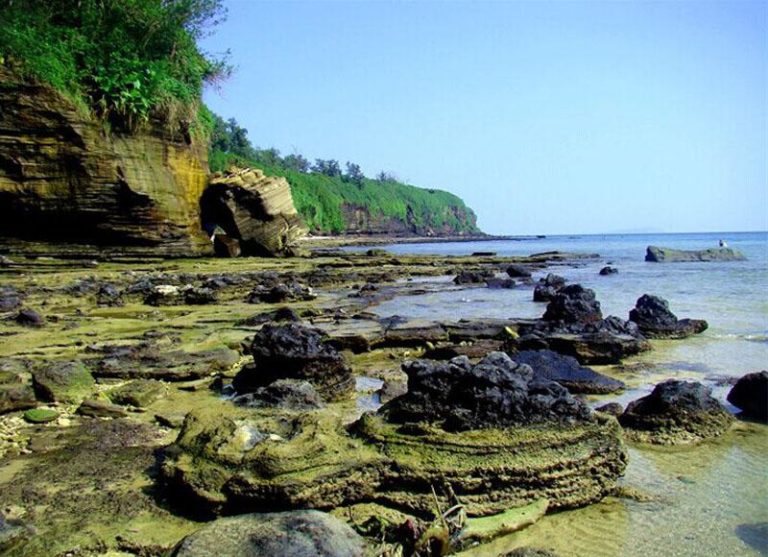
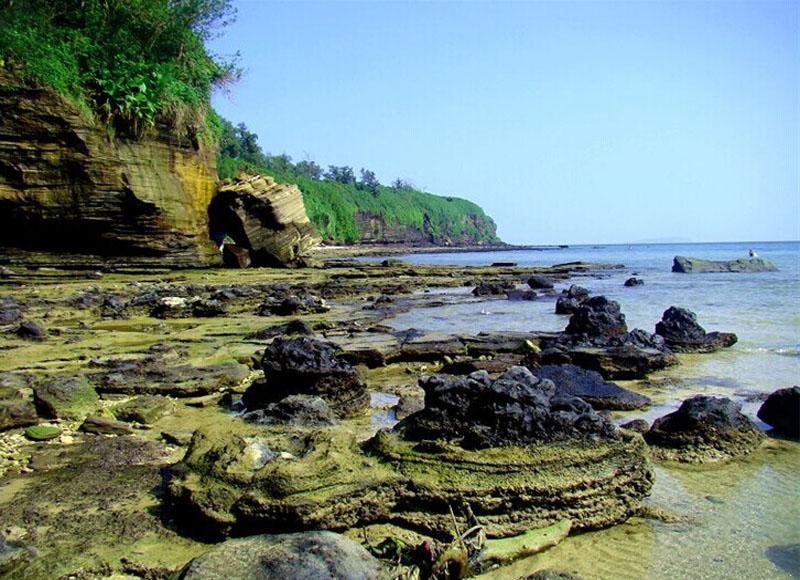
Non-degradable plastic products and disposable food containers, as well as fossil-fueled vehicles will be prohibited on Weizhou Island off south China’s Guangxi Zhuang Autonomous Region, local media reported on Tuesday, June 12, 2018.
Weizhou Island
According to an ecological and environmental protection regulation passed by the regional legislature, the sale and use of plastic bags and plastic sheets used for agricultural purposes will be banned.
“Except for vehicles already registered by individuals and departments, as well as vehicles that serve the public, like firetrucks, no other new fossil-fueled vehicles will be allowed on the island,’’ it noted.
The ban, which aims to promote new energy vehicles and protect the island’s ecosystem, will take effect on July 1.
Weizhou Island in the Beibu Gulf is the largest and youngest volcanic island in China.
A national geological park was established on the island in 2004.
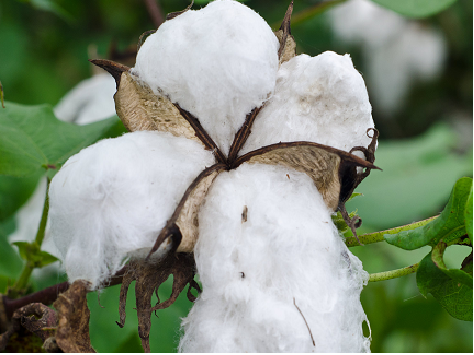
Some Indian farmers are openly sowing an unapproved variety of Genetically Modified (GM) cotton seeds developed by Monsanto, risking arrest.
The GM Bt Cotton is said to have failed in Burkina Faso, with farmers making claims from Monsanto
They sow as the government sits on the side-lines for fear of antagonising a big voting bloc ahead of an election in 2018.
India approved the first GM cotton seed trait in 2002 and an upgraded variety in 2006, helping transform the country into the world’s top producer and second-largest exporter of the fibre.
But newer traits are not available after Monsanto in 2016 withdrew an application seeking approval for the latest variety due to a royalty dispute with the government.
The herbicide-tolerant variety, lab-altered to help farmers save costs on weed management, has, however, seeped into the country’s farms since then. Authorities say they are still investigating how that happened.
“I will only use these seeds or nothing at all,” said Rambhau Shinde, a farmer who has been cultivating cotton for nearly four decades in the western state of Maharashtra.
The federal environment ministry said last year that planting the seeds violated the Environment Protection Act, and farmers who did so were risking potential jail terms.
But many farmers are desperate to boost their incomes after poor yields over the past few years and are willing to ignore the warnings.
A government official in New Delhi, who deals with matters related to GM crops, said it was difficult to keep farmers away from something that they saw benefit in.
“If you don’t allow them to plant legally, illegal planting will happen,’’ the official said, requesting anonymity, adding that Monsanto had yet to reapply for an approval to sell its latest variety of GM cotton in India.
A Monsanto Indian spokesman said the company was confident that the government would prosecute those involved in the illegal trade of the unapproved seeds.
Except for GM cotton, India has not approved any other transgenic crop on concerns over their safety, and large foreign companies have been increasingly unhappy at what they say is the infringement of their intellectual property by widespread planting of unapproved seeds.
Farmers say they prefer Monsanto’s herbicide-tolerant Roundup Ready Flex (RRF) strain of cotton seeds as they can cut input costs by as much as 10,000 rupees ($150) an acre compared with other varieties.
Cotton growers are also getting support from farmers’ unions, who are already at loggerheads with Prime Minister Narendra Modi’s government amid a fall in prices of many agricultural commodities.
Without new varieties of seeds, they fear being outplayed by other major cotton producers and exporters such as the United States, Brazil and Australia, said Anil Ghanwat, the president of a farmers’ organisation in Maharashtra.
“The government is asking us to carry a sword to fight the enemy with AK-56 rifles,” said Ghanwat, who has urged farmers to sow the unapproved GM seed. “We will protect them if government authorities try to destroy the crop or harass them with legal cases.’’
In 2017, just before cotton harvesting, authorities found plantations of unapproved seeds in key producing states such as Maharashtra and Gujarat in the west and Andhra Pradesh and Telangana in the south.
In February, authorities in Telangana told two local companies that cotton seeds they sold to farmers may have contained traces of Monsanto’s RRF strain, though the companies denied that.
This year various states have formed inspection teams to curb the sale of such seeds, though farmers have built a parallel network to distribute them without getting caught, said M.S. Gholap, director at Maharashtra’s agriculture department.
The seeds were being produced secretly, mainly in Gujarat and Telangana, and then smuggled to other states, Gholap said.
Maharashtra has seized unapproved seeds worth 178,000 dollars in the past two months, enough to cultivate 10,000 hectares, said Gholap.
Farmers are paying as much as a 30 per cent premium for the unapproved seeds in Maharashtra and Gujarat compared with seeds of older strains.
The proliferation of unapproved seeds could force the government to grant approval to the new seed technology, as happened in 2002 when New Delhi legalised planting of the Bt Cotton GM strain, said C D Mayee, head of South Asia Biotechnology Centre, a New Delhi-based non-profit organisation.
The strong demand for the illegal seeds has alarmed some federal government officials.
“Once farmers realise laws are toothless, then they could cultivate GM soybean, corn and other crops, it would have serious impact on our biodiversity India farmers sow unapproved Monsanto cotton seeds, risking arrest,” said one anonymous official.
Abuja, Lagos and Calabar have been selected as the pilot cities for the urban transport mobility project, an initiative of the World Bank.
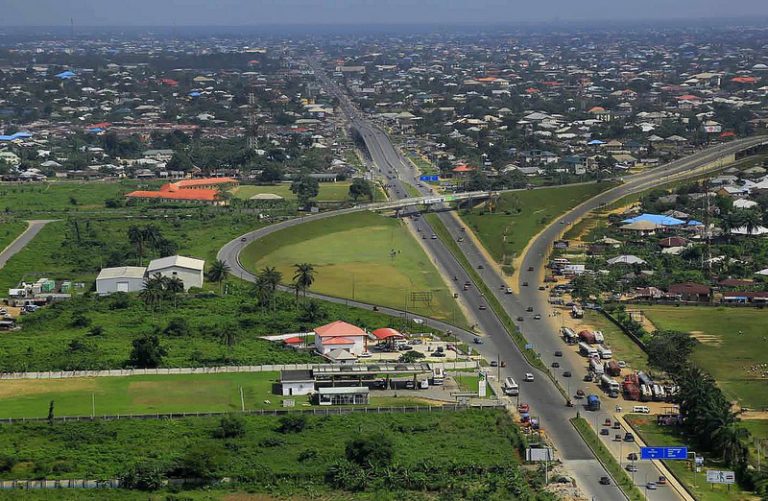
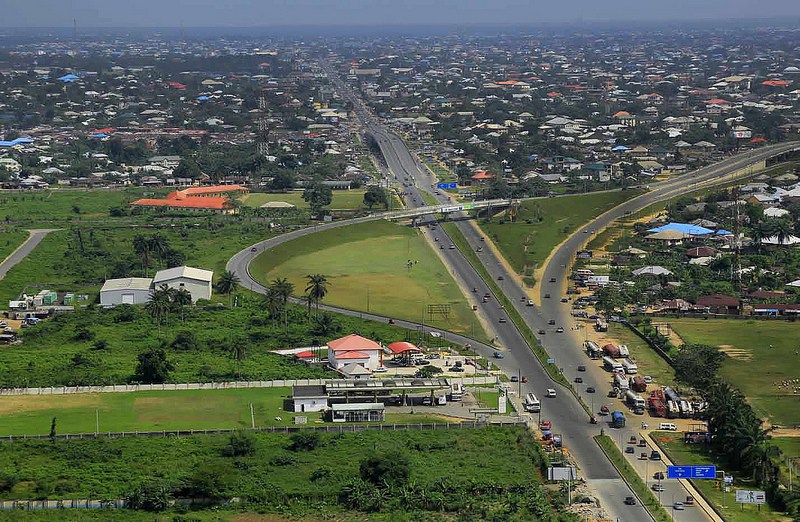
Calabar, in Cross River State, eastern Nigeria, is one of the three cities selected to pilot the urban transport mobility project in Nigeria
Minister of Transportation, Rotimi Amaechi, who made the disclosure on Monday, June 11, 2018 in Abuja, said that the ministry would partner with the World Bank and other relevant stakeholders on how to effectively integrate urban transport mobility in the three pioneer cities in Nigeria.
Amaechi spoke at the Urban Transport and Mobility Stakeholders Forum, sponsored by World Bank under the Africa Transport Policy Programme (SSATP).
Amaechi, who was represented by Dr Anthonia Ekpa, Director, Road Transport and Mass Transit Administration, said that the programme was funded by World Bank under one of its transport policy programme.
He said that Nigeria is a member of SSATP, which comprises 41 countries that will carry out an integrated study on urban transport and mobility.
“This forum of stakeholders on Urban Transport and Mobility is focusing on sustainable mobility and accessibility policy in cities of Nigeria.
According to him, the purpose of the programme is to bring together major stakeholders in Nigeria to discuss the imperatives of having our cities modernised and in compliance with the best practices.
“We want to see how transportation in the cities can be effective and how it can be implemented to improve the transport system.
“The forum is organised to hear from stakeholders their perceptive.
“On the issue of mobility and we are not just talking about cars only, but how can we bring cars and people to integrate effectively, which is a global meeting.”
Mr Zemedkun Tessema, Senior Transport Specialist, SSATP Africa Transport Policy Programme, said that it was assisting countries policy in transport mobility.
He said that the programme was not to replace what government was doing but to complement their efforts through institutional building and sustainable financing.
Tessema, however, said that it was focusing on policies to create an advance transport mobility system in African looking at both primary and secondary cities.
At a Vatican conference at the week-end, Pope Francis has urged oil executives and energy leaders to rapidly transition to clean fuels in order to avert climate disaster.
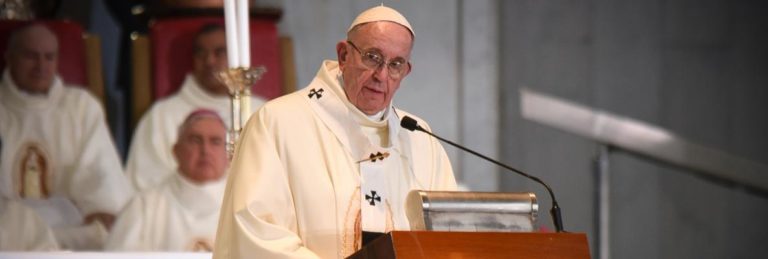
Pope Francis
The head of the Catholic Church said rising greenhouse gas levels were “disturbing and a cause for real concern”.
Aside from the alarming amount of atmospheric greenhouse gases, Pope Francis said, “Even more worrying is the continued search for new fossil fuel reserves, whereas the Paris Agreement clearly urged keeping most fossil fuels underground.”
Around 80% of fossil fuel reserves would need to be kept in the ground for the international community to reach its goal of staying below a maximum two degrees Celsius global average temperature rise, the central objective of the historic Paris Climate Change Agreement.
In a similar message to the 2015 Laudato Si’ (Praised Be) letter to Catholics on climate change, Pope Francis called on energy leaders in to show care for “our common home”.
The Laudato Si’ encyclical, published just months ahead of the Paris UN Climate Change Conference in France at which the Paris Agreement was inked, is credited with providing key momentum for the successful clinching of the agreement, as it convinced millions of Catholics world-wide of the urgency to act.
UN Climate Chief, Patricia Espinosa, praised the efforts of Pope Francis in a tweet on Sunday, June 10, 2018. “Thank you @Pontifex Francis for providing strong spiritual guidance on the need to take decisive #ClimateAction by quickly and decisively transitioning to #CleanEnergy,” she wrote.
Vatican Seeks Dialogue with the Oil Industry and investors
The conference, which was held on Saturday, June 9 at the Pontifical Academy of Sciences, brought oil executives together with investors and Vatican experts who back the scientific evidence that climate change is caused by human activity.
Advocating for a faster transition to clean energy, Pope Francis said, “We need to talk together – industry, investors, researchers and consumers – about transition and the search for alternatives. Civilisation requires energy, but energy use must not destroy civilisation!”
The Catholic leader said that the effects of climate change are not evenly distributed. In fact, it is the poor who suffer most from the consequences of climate change such as agricultural sector disruptions, water insecurity and exposure to extreme weather events.
Many of the world’s poor are being forced to migrate from their homes to less welcoming places because of climate change. A world bank report projects that without concrete climate and development action, over 143 million people could be forced to move within their own countries to escape the impacts of climate change.
Further, the report states that internal climate migration will likely rise through 2050 and then accelerate unless there are significant cuts in greenhouse gas emissions and robust development action.
Pope Francis said that the transition to accessible and clean energy is a “duty that we owe towards millions of our brothers and sisters around the world, poorer countries and generations yet to come.”
“Hence the need to devise a long-term global strategy able to provide energy security and, by laying down precise commitments to meet the problem of climate change, to encourage economic stability, public health, the protection of the environment and integral human development,” he added.
The pope acknowledged that the demand for energy cannot be satisfied at the cost of the environment.
“Our desire to ensure energy for all must not lead to the undesired effect of a spiral of extreme climate changes due to a catastrophic rise in global temperatures, harsher environments and increased levels of poverty,” he said.
The oil and gas industry has come under growing pressure from investors and activists to play a bigger role in reducing greenhouse gas emissions to meet goals set out in the Paris Agreement.
Neil Thorns, director of advocacy at Catholic aid agency CAFOD, welcomed the Pope “preaching to the not-yet-converted”.
“Francis reminds us in his encyclical that ‘Business is a noble vocation’, but also asks why anyone would want to be remembered for failing to act when the world’s poorest people are being pushed deeper into poverty by climate change. It’s a question fossil fuel executives would do well to ask themselves,” he said.
“If energy companies are serious about caring for our common home, they need to take the Pope’s advice and hurry up with shifting their priorities – and therefore their money – from fossil fuels to renewables.”
Among the 50 participants were Darren Woods, CEO of ExxonMobil; Claudio Descalzi, head of Italy’s ENI; Bob Dudley of BP; Eldar Saetre, CEO of Norwegian oil firm Equinor (formerly called Statoil); Vicki Hollub of Occidental Petroleum; and investors including Larry Fink of BlackRock.
The Adamawa State Ministry of Health has confirmed 19 new cases of cholera in Mubi North and Mubi South Local Government areas.
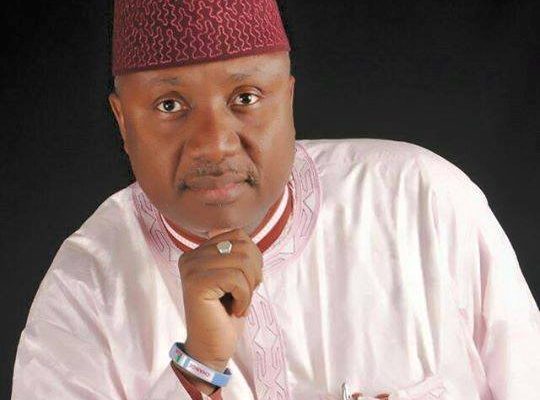
Governor Bindo Umaru Jibrilla of Adamawa State
A statement on Monday, June 11, 2018 by the Information Officer of the ministry, Mr Mohammed Abubakar, said that 16 of the new cases were recorded in Mubi South while three were reported in Mubi South.
Abubakar said that, so far, a total of 1,227 cases were recorded within the past one month with 20 deaths while 19 patients were still on admission at the treatment centre in Mubi General Hospital as at Sunday, June 10.
He said Hong local government has five cases without death, Maiha local government has three cases without death, Mubi North has 526 cases with 11 deaths, while Mubi South has 693 cases with nine deaths.
The Pacific Northwest is the home to the states of Oregon, Washington, and Idaho. Washington State has its largest city, Seattle, in the very heart of the King County. The city of Seattle is bordered by a body of salt water (Puget Sound) to the west and a freshwater lake (Lake Washington) to the east. It’s interesting to know that both Puget Sound and Lake Washington were carved by glaciers.
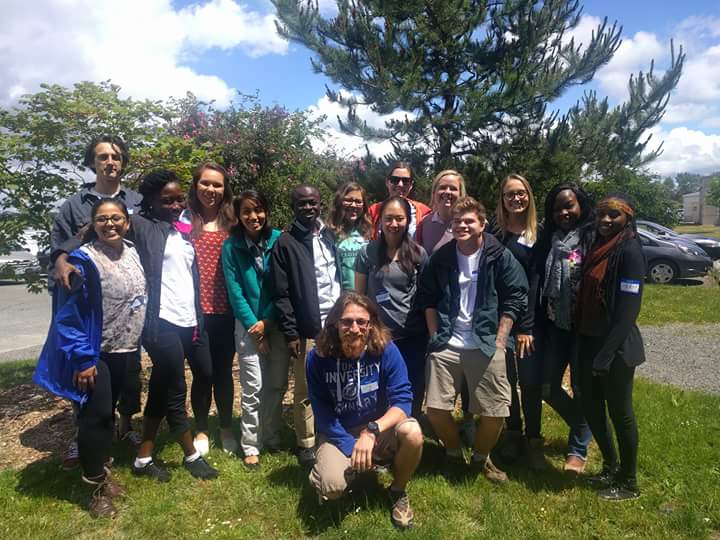
EarthCorps International Exchange Fellows
EarthCorps is a non-profit organisation, located in Magnuson Park, Seattle, Washington. It was established by a nature-loving Peace Corps volunteer, named Dwight Wilson. Wilson saw the need to urgently take action in restoring Seattle’s large urban forests from destruction by invasive weeds and, in 1993, he and some other friends took action in an experimental programme named Cascadia Quest. The corps programme was born when this effort grew into a year-round intensive service for futuristic young leaders.
More so, 25 years later, I am happy to say that EarthCorps is pushing boundaries by innovating ecological practice, evolving how people learn leadership, and engaging diverse communities in hands-on environmental restoration activities. Indeed, this foot is achieved with the effort of hardworking volunteers (International and AmeriCorps), staffs and sponsors!
It’s on record that EarthCorps opens an application window every year, around August, for environmentalists and environmental workers in all parts of the world who have proved to have some field working experience to be a part of a global community of people helping to restore the health of our environment, in Seattle, Washington.
Yours sincerely, Surajdeen Alabede, from Nigeria, is one of the international volunteer corps members selected to participate in this year’s exercise. Both the International and United States’ (AmeriCorps) volunteers will be on the field to exchange perspectives, learn through service and to remove invasive weed and plant native trees.
The International Corps Members are expected to return home after a six-month (June to December) field-based service-learning programme to implement projects and share what they have learned with their organisations and communities.
It has been an inspiring experience meeting with other participants from countries like Kenya, Cameroon, Georgia, Philippines, Brazil, Indian and the United States. We all left our various countries to the United States with a common goal of changing the world by restoring the health of our damaged environment.
The first week of the programme has been productive, learning about the organisation’s culture, leadership philosophy, ecological restoration, cross-cultural communication, cultural adaptation, safety techniques, tool use and Pacific Northwest history and ecology.
Lindsey, an EarthCorps worker, did justice to the ecological restoration topic. And it’s amazing to know that the English Ivy and Himalayan Blackberry have been the most aggressive invasive species of plant found in this region and they have done lots of damages to our environment. It takes a huge effort removing them and installing native plants like the conifers and maples.
Native plants installed help to enhance the aesthetic value of the city, attract native birds and butterfly species, that is, a good function is created by putting the right ecological structure in place.
The safety class covers the need to be safety conscious all the time. Paula, the safety instructor, made it known that Personal Protective Equipment (PPE) should not be toyed with and proper ergonomics must be maintained at all times when going to the field for restoration exercise.
I would love to close this week’s episode of my writing with one of the beautiful lines of the organisation’s leadership philosophy that reads, “Everyone can grow to be an effective leader.” Truly, effective leaders are not born, but rather made, through the way they handle things and deal with people around them.
Till next week when I come your way again, always keep eyes on this space!
By Alabede Surajdeen (Environmental International Exchange Fellow at EarthCorps, Seattle, Washington, USA; alabedekayode@gmail.com, @BabsSuraj)
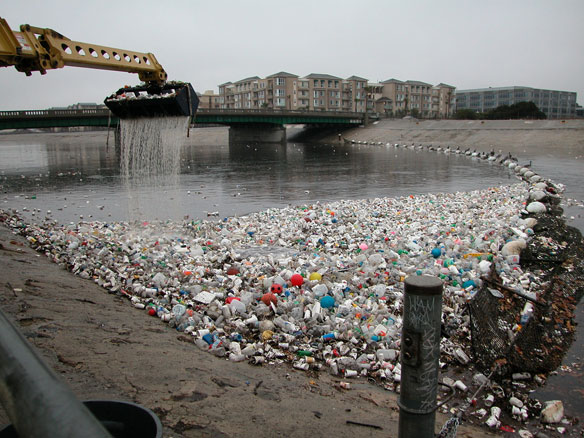
Permit me to say that environmental pollution, especially plastic pollution, has become a huge threat to the living environment, and the human health is not an exception. Evidence has shown that one-third of the plastic packaging that did not end in the landfill can circle the Earth as many as four times in a single year.
Plastic pollution
Plastic pollution has been noted to cause mortality of about one million seabirds and 100,000 marine mammals every year. Considering the impact of pollution on the environment, it becomes imperative that we take concise actions in addressing it.
Indiscriminate disposal of plastic waste affects the health of the environment in no small measure. Most used plastics litter the streets of most cities especially in developing countries where a waste management structure is often not in place. This litter of plastics pollute the natural environment, as well as reduces the aesthetics of our cities. In addition, plastic pollution is a major cause of ocean pollution.
Evidence has shown that about 13 million tons of plastic wastes leak into our oceans. This causes a huge threat to biodiversity as it severely threatens marine wildlife. It saddens the heart to see how the marine ecosystem is being upset by the poor man-environment interaction.
Beyond the deleterious effect on the environment, plastic pollution affects human health in no little way. Various research works have studied the impact of plastics on public health with overwhelming shreds of evidence. Plastics are often made of different kinds of chemicals and in various quantities. Many of these chemicals are of various concerns to the health of humans. When the plastics degrade in the environment, they often find their way to the food web and waterways where they can inadvertently enter our system (body), resulting in various health challenges.
From the above, it is evident that plastic pollution is a serious concern both to the health of the environment and humans. It becomes necessary to have concerted measures to address this growing scourge. To address the effect of plastic pollution, we must be ready to walk the talk by changing our attitude towards plastic waste disposal.
Proper waste handling awareness and sensitisation programmes should be staged with the aim of changing people’s behaviour. The government should improve plastic waste collection and processing systems so as to improve citizens’ participation in the problem-solving process.
The good news is that many plastic wastes can be recycled. This means that we can reduce the number of plastic wastes that end up in our environment. Recycling of plastics also opens a viable window of business opportunity. In addition to this, government at all levels can also promulgate strict laws on plastic usage and waste disposal.
In conclusion, it is the responsibility of all to break-up with disposable plastics if it can’t be re-used. Let us beat plastic pollution by preserving public and environmental health. It is high time we said “NO” to plastic pollution!
By Alabede Surajdeen Kayode (Environmental International Exchange Fellow at EarthCorps, Seattle, Washington, USA)
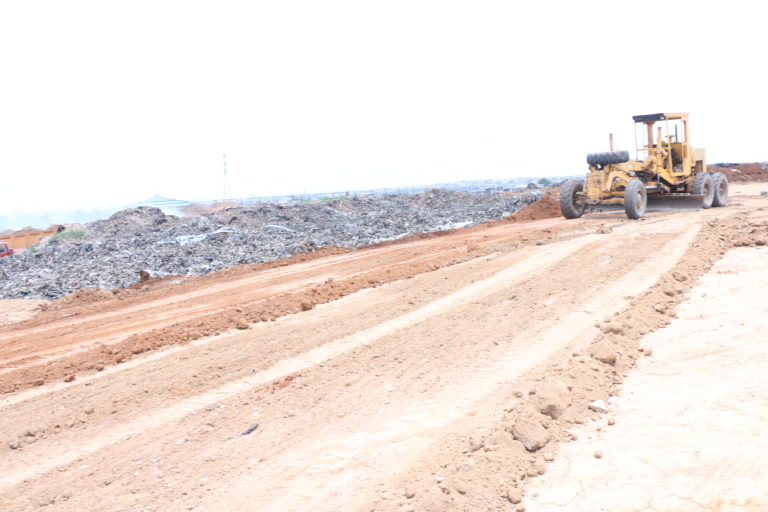
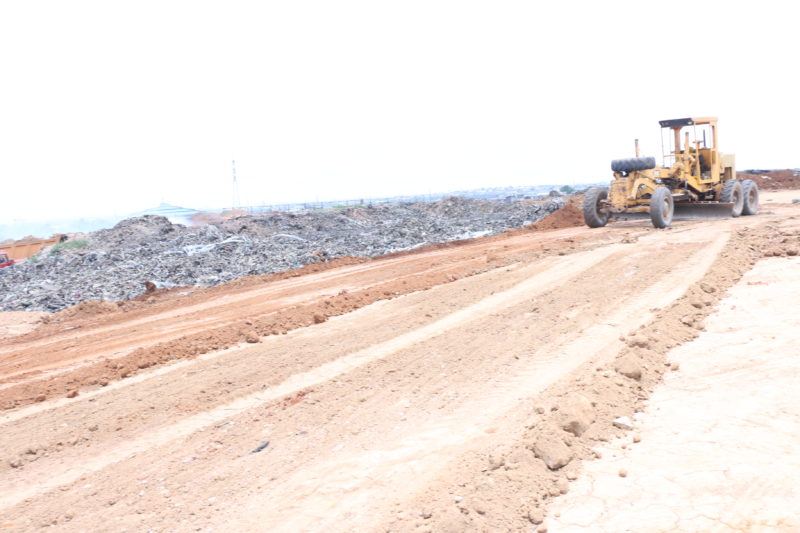
A pollution expert, Dr Tunde Odesanya, has raised an alarm over the danger inherent in the capping of the Olusosun landfill as contemplated by the Lagos State Government.
Capping at the Olusosun dumpsite in Lagos
Odesanya, the Ag. Dean, College of Pure and Applied Sciences, Caleb University, Imota, Lagos, gave the insight in an interview with the News Agency of Nigeria (NAN) on Sunday, June 10, 2018.
According to him, capping the site is not the best solution for preventing a potential gas explosion in the area.
He said the landfill generates a lot of methane gas which is dangerous and must be trapped before capping the area.
“Capping this Olusosun, in my own opinion, is not the best thing to do, because realistically when you have a landfill, a lot of methane gas is generated.
“That methane gas we are now packing them and putting them under some lead because they (LASG) are sealing off the place.
“Methane is what we use for our cooking, so they can actually explode and you have them nearly capped now; overtime they must explode.
“They are planning to do a recreational centre there and I think that is the worst thing they can do. One day, that thing must revolt.
“We can see what is happening right now in Hawaii, in the U.S.
“The volcano had been docile for a long time, suddenly, it just erupted. Now it’s driving people out of their environment.
“Olusosun had tried to do that before, but it’s going to do that in a way we don’t expect it.
“So we think that Lagos State Government should not just cap Olusosun.
“The ideal thing is to, first of all, degas that area and ensure that no gases are sealed under.’’
Odesanya told NAN that the College’s Centre for Pollution Research had worked with the previous administration in assessing land, water and air pollution in Lagos state.
He said that the aim of the research centre was to be able to determine the level of pollution across the nation, using Lagos State as the first point of call.
“We have mapped out Lagos State into five different zones and our intention is to make sure we can predict the pollution level of these zones, depending on various parameters,” he said.
Odesanya, however, said that the centre was limited by funding, as the present administration had not continued the collaboration.
“Unfortunately, the present Lagos State Government has not continued the collaboration and pollution study is very expensive.
“So, funding has been inhering research activities of the centre.’’
The United Nations Children’s Fund (UNICEF) on Monday, June 11, 2018 expressed concern over the low attention and investment in the sanitation sector in Nigeria.
Ms Mainga Banda, a UNICEF Water Sanitation and Hygiene (WASH) Specialist, spoke at the opening of a Media Dialogue on WASH in Awka, Anambra State.
It was organised by UNICEF in collaboration with the Federal Ministry of Information.
Banda said that access to WASH in the country was critical as its absence affects health, nutrition and education.
She said that Nigeria was among the top three countries practicing open defecation, stressing the need for increased investment to reverse this trend.
Banda said it was saddening to note that 75.8 per cent of people practicing open defecation was in the rural areas.
She called for sustainable ways to close the gaps toward ensuring that everyone has access to improved sanitation and hygiene.
The specialist observed that much impact has not been seen in the 15 years of intervention, as many people were still practicing open defecation.
Banda urged the stakeholders to do more to scale up interventions in hygiene promotion.
She said that UNICEF was working with WASH committees, especially in the rural areas to scale up access to WASH through the use of Community Led Total Sanitation (CLTS).
The WASH specialist said that with availability of toilets, behaviour change would occur and people would also understand the importance of scaling up hygiene promotion practices.
“It is important for Nigeria to invest in WASH, if the country would meet the Sustainable Development Goals before 2030.
“Access to WASH has a great impact on health, education and nutrition; we must do more to better our lives,” Banda said.
She said there was need for promotion of safely managed excreta, adding it involves the need to ensure that toilets were covered at all times with fly proof items.
Contributing, Mr Olumide Osanyinpeju, the Head, Child Rights Information Bureau, Federal Ministry of Information, urged the media to advocate improved access to water and sanitation, especially in the rural areas.
Osanyinpeju said that concerted efforts were needed by all to support the provision of safe drinking water for all Nigerians, noting that access to water and sanitation means inclusive development for all.
He commended UNICEF and EU for being at the fore-front in ensuring that every Nigerian has access to potable water and sanitation.
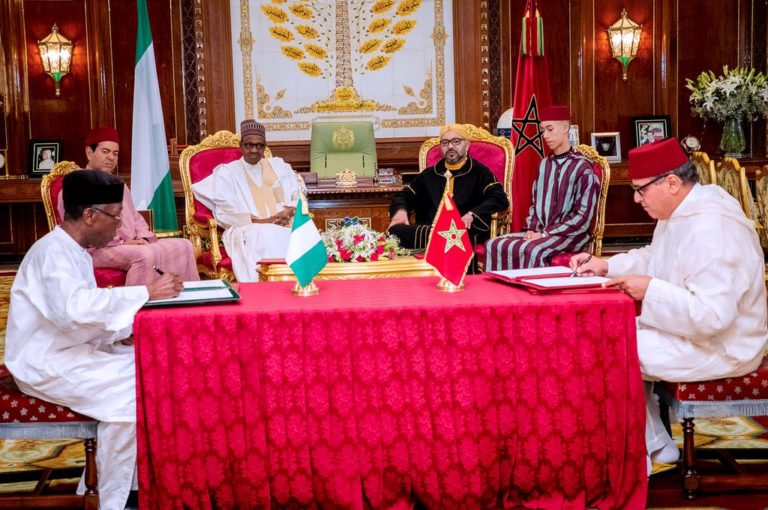
Nigeria and the Kingdom of Morocco on Monday, June 11, 2018 signed three agreements, which included a regional gas pipeline that will see Nigeria providing gas to countries in the West African sub-region that extend to Morocco and Europe.
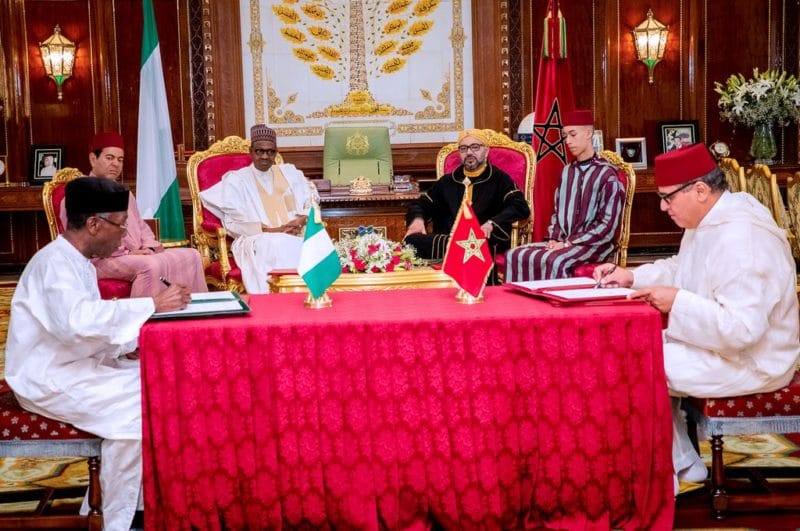
Nigerian and Moroccan officials signing the agreements
This information is contained in a statement by Malam Garba Shehu, the Senior Special Assistant to the President on Media and Publicity, in Abuja on Monday, June 11, 2018.
The presidential aide revealed that the signing of the agreements was witnessed by President Muhammadu Buhari and the King of Morocco, His Majesty King Mohammed VI.
He said that the agreements was a result of a meeting between the two African leaders focused on strengthening economic relations in gas resource development, global investments and agricultural training and management.
Shehu explained that feasibility study of the agreement on the pipeline would be concluded by July 2018, while construction of the pipeline would be phased based on needs of countries over the next 25 years.
He added that the gas resource development agreement was signed by the Group General Manager, Nigerian National Petroleum Corporation, Mr Farouq Garba, and Mrs Amina Benkhadra, Director General of the National Office of Hydrocarbon and Mines.
The 5,660 km long Nigeria-Morocco Gas Pipeline (NMGP) will reduce gas flaring in Nigeria, encourage diversification of energy resources and cut down poverty through the creation of more job opportunities.
The NMGP will further encourage utilisation of gas in the sub-region for cooking, and discourage desertification.
Shehu also said that the two countries signed a Memorandum of Understanding for the development of a chemical plant in Nigeria for producing ammonia and its derivatives.
The agreement was signed by the Chief Executive Officer of Nigeria Sovereign Wealth Authority, Mr Uche Orji and the Chief Executive Officer of the Office of the Management of Phosphate in Morocco, Mr Mostafa Terrab.
Similarly, Minister of Agriculture and Rural Development, Chief Audu Ogbeh and his Moroccan counterpart, Mr Aziz Akhannouch, signed a cooperation agreement on vocational training and technical supervision of agricultural workers.
The agreement is expected to enhance local skills on better management of agricultural outfits in Nigeria.
The statement maintained that President Buhari, who was received by a large crowd from the airport to the Rabat Royal Palace, assured King of Morocco of Nigeria’s full commitment to the actualisation of all the agreements.