

The World Wildlife Fund urged leaders at the COP30 climate summit on Friday, November 7, 2025, to deliver a “Belém Package for Africa” that mobilizes at least $1 trillion annually in climate finance to keep the 1.5-degree Celsius warming limit achievable.
The call comes as the world marks 10 years since the Paris Agreement, with climate impacts intensifying while global action lags.
“Africa is bringing solutions to the table – now COP30 must respond with fair finance and concrete implementation,” said Durrel Halleson, head of policy and partnerships for WWF Africa.
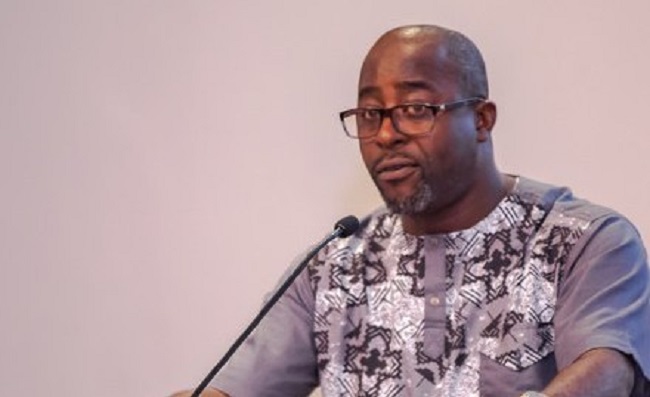
Africa faces severe climate shocks but offers powerful solutions including globally significant forests, vast renewable energy potential, climate-smart food systems and community-led resilience traditions, WWF said.
The organisation outlined four key demands:
WWF called for science-aligned, economy-wide national climate plans backed by predictable financing and transition strategies.
The organisation urged full operationalisation of the Baku-Belém roadmap to mobilise $1.3 trillion annually, including doubling adaptation finance and properly resourcing the Loss and Damage Fund.
The group emphasised scaling up decentralised renewable energy systems and building resilient power grids to achieve universal access to electricity and clean cooking by 2030.
The transition must safeguard biodiversity and uphold the rights of communities affected by energy and critical minerals projects.
WWF called for practical indicators to track progress under the Global Goal on Adaptation, acceleration of National Adaptation Plans and integration of ecosystem-based approaches into national strategies.
The Congo Basin stores vast carbon, regulates rainfall and supports millions of livelihoods, but remains underfunded, WWF said.
The organisation called for formal recognition and dedicated financing, including high-integrity forest finance and equitable benefit-sharing with Indigenous Peoples and Local Communities.
“Protecting the Congo Basin is non-negotiable if the world is serious about limiting warming to 1.5 degrees Celsius,” said Laurent Some, WWF regional director for the Congo Basin.
WWF emphasised protecting Indigenous and local community rights, ensuring direct access to climate finance, securing land tenure and supporting community-led solutions.
Carbon markets must be transparent, equitable and deliver real benefits for people and nature, the organization said.
“Belém must be the moment we replace incrementalism with implementation,” Halleson said.
“With clear finance, stronger NDCs and nature-positive action, COP30 can deliver a resilient, just and sustainable future – for Africa and for all.”
WWF works in nearly 100 countries to protect and restore nature, accelerate climate action and build a more resilient, equitable future.