

Famine has taken hold in conflict-hit areas of Sudan that have been cut off from aid or under siege, according to a UN-backed food security analysis released on Tuesday, November 4, 2025.
Famine conditions have been confirmed in Darfur’s El Fasher and Kadugli, where “people have endured months without reliable access to food or medical care,” the Food and Agriculture Organisation (FAO), World Food Programme (WFP) and UNICEF said in a joint statement.
The agencies estimated 21.2 million people in Sudan – 45% of the population – are facing high levels of acute food insecurity, representing a slight improvement.
About 3.4 million people are no longer facing crisis levels of hunger.
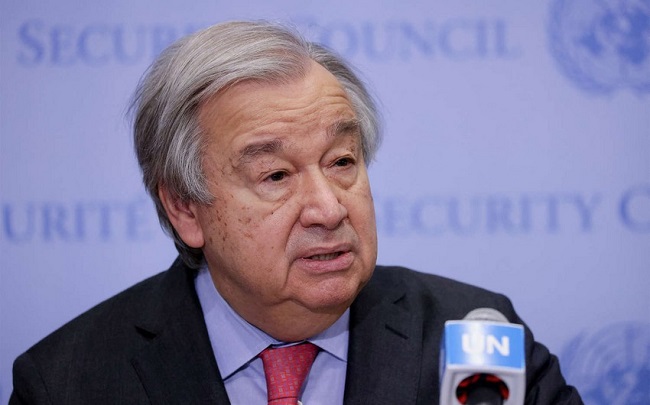
UN Secretary-General, António Guterres, called for an immediate ceasefire Tuesday as images of apparent mass killings in El Fasher continue to circulate online.
He appealed to the Sudanese Armed Forces and rebel Rapid Support Forces “to come to the negotiating table to bring an end to this nightmare of violence.”
Heavy fighting erupted in April 2023 between the rival armies, creating a massive humanitarian disaster.
Last week saw the fall of government-held El Fasher after more than 500 days of siege by rebels.
Hundreds of civilians – including humanitarian workers – are believed to have been killed.
The improvements follow gradual stabilisation since May in Khartoum, Al Jazirah and Sennar states, where conflict has eased and families are returning.
“But these gains are limited,” the UN agencies said. “The wider crisis has shattered the economy and vital services, and much of the infrastructure people rely on has been damaged or destroyed.”
Favourable crop conditions are expected to improve crisis-level hunger to 19.3 million through January. However, “these fragile improvements are highly localised,” the agencies warned, as many returning families have lost everything.
Active conflict persists in western regions, notably North and South Darfur and West and South Kordofan. Hunger is expected to worsen starting in February as food stocks run out.
The IPC’s Famine Review Committee found famine conditions in El Fasher and Kadugli, which have been largely cut off due to conflict.
Conditions in Dilling, South Kordofan, “are likely similar to Kadugli, but cannot be classified due to insufficient reliable data.”
The committee projects famine risk in 20 additional areas across Greater Darfur and Greater Kordofan, including rural localities, displacement camps and locations in East Darfur and South Kordofan.
Global acute malnutrition rates range from 38% to 75% in El Fasher and reach nearly 30% in Kadugli.
Outbreaks of cholera, malaria and measles continue to rise where health, water and sanitation systems have collapsed.