

The National President Association of Waste Managers of Nigeria (AWAMN), Dr Olugbenga Adebola, has described sustainable infrastructure as critical to achieving efficient and reliable waste management systems in Nigeria.
Adebola said this at Infra360 sessions at the West Africa Infrastructure Expo at the Landmark Event Centre on Wednesday, April 8, 2026, in Lagos.
He spoke on the topic: “Sustainable Infrastructural Development- The Impacts on Integrated Waste Management Systems.”
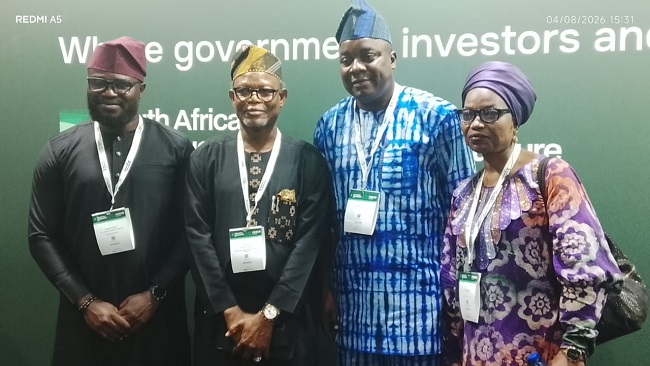
He said waste management must function as an integrated system, where collection, transportation, recycling, and treatment processes operate seamlessly to deliver optimal results.
He noted that inefficiencies at disposal sites often disrupt operations, causing delays in waste collection and reducing overall service effectiveness.
The expert said with proper infrastructure, waste collection systems could achieve faster turnaround times and improved service delivery.
Adebola said waste should be viewed as a resource rather than mere refuse.
He described waste as a material in the wrong place or in the wrong hands, noting that it holds economic value when properly managed.
Adebola emphasised the importance of household waste bins, describing them as essential infrastructure for promoting source segregation at the point of generation.
He said source segregation enhanced recycling efficiency and reduces contamination in the waste management process.
He highlighted the role of recycling facilities, composting plants, and waste-to-energy systems in reducing landfill volumes and promoting a circular economy.
He added that improved waste traceability ensured accountability and increases recycling potential, thereby reducing environmental pollution.
According to him, effective waste management plays a critical role in protecting public health and preventing disease outbreaks.
He warned that poor waste handling could lead to blocked drainage, stagnant water, and the spread of vector-borne diseases.
He also cautioned against open burning of waste, saying that it releases toxic substances harmful to human health.
Adebola called for increased investment in infrastructure, including waste collection vehicles, transfer loading stations, and sanitary landfill facilities.
He stressed the need for strong regulatory frameworks, policy consistency, and enforcement to ensure sustainable waste management practices.
He also underscored the importance of political will in driving reforms and achieving long-term environmental sustainability.
He added that sustainable infrastructure was essential for building a resilient, efficient, and environmentally responsible waste management system.
By Fabian Ekeruche