

Debate has intensified over the future of the Sugar-Sweetened Beverage (SSB) tax. It has raised a question as to whether Nigeria should prioritise public health over economic benefits or vice-versa.
Introduced in 2022, the N10-per-litre SSB tax was framed as a dual-purpose tool, to generate revenue while reducing the burden of non-communicable diseases (NCDs).
Three years later, stakeholders remain deeply divided over whether the levy should be increased, maintained or suspended.
The debate deepened when the Federal Government recently hinted about temporarily suspending the tax.
In the Bwari Area Council of the FCT, diabetes patients are bearing the brunt of rising treatment costs and circulation of fake medicines.
Mrs. Esther Ibrahim, a petty trader living with Type 2 Diabetes, says a vial of insulin now costs between ₦18,000 and ₦21,000, up from ₦2,500.
“How can an ordinary trader like me cope?” she asks.
Another diabetes patient, Mr. John Aliyu, has been forced by economic hardship to reduce his dosage and rely on herbal alternatives.
Both patients appeal for drug subsidies, action on counterfeit medicines, and better public awareness.
Manufacturers are delighted with the idea of suspending SSB tax, citing rising production costs and fears of job losses.
However, public health experts are pushing back, arguing that Nigeria cannot not afford to weaken a tool designed to curb obesity and diabetes.
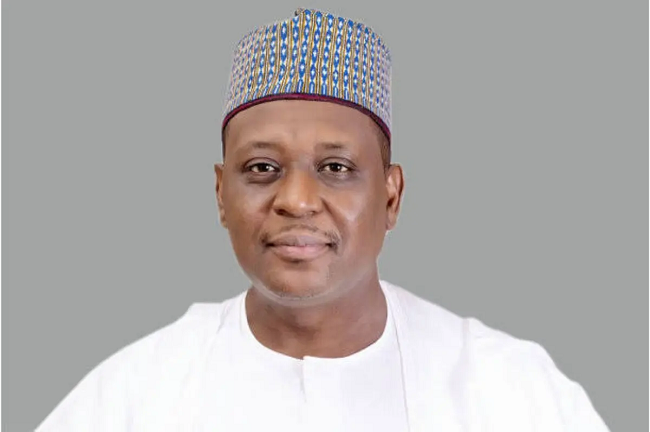
At a Senate public hearing, Coordinating Minister of Health and Social Welfare, Prof. Muhammad Pate, argued for raising the tax to at least 20 per cent of retail price, with 40 per cent of proceeds ring-fenced for NCD prevention.
“Failing to act will saddle Nigeria with an overwhelming disease burden in the next decade,” he warned.
The Ministry of Finance and the Federal Inland Revenue Service seek balancing economic realities with health goals, noting inflationary pressures facing the beverage industry.
The Manufacturers Association of Nigeria (MAN) warns that a higher tax will damage an already strained sector.
Mr. Adeyemi Folorunsho, a director representing MAN, notes that revenue in the non-alcoholic beverage sector dropped by 17–23 per cent in 2023 and 2024 due to inflation, forex shortages, and rising input costs.
Folorunsho also says sugar consumption fell by 16 per cent in 2023 and domestic sugar production dropped by 35 per cent, putting thousands of jobs across farming, transport, and retail at risk.
“Nigeria has one of the lowest per-capita sugar consumption levels globally. A punitive tax is not the solution,” he argues.
The Nigeria Employers Consultative Association believes that further taxation can discourage investment.
However, health experts strongly believe that removing or weakening the tax will reverse gains made in curbing harmful dietary patterns.
Dr Abayomi Sarumi of the Corporate Accountability and Public Participation Africa is convinced that the current N10 tax is too low to influence consumer behaviour because producers have largely absorbed the cost.
“SSB tax is not just another levy. It is meant to save lives,” Sarumi said.
He is of the opinion that raising the tax to N30 per litre can generate more than ₦700 billion annually while averting ₦3.5 trillion in future NCD-related treatment costs.
Clinical nutritionist, Mrs. Mercy Okoh, advises that the tax should be accompanied by nutrition education, school-based awareness, and affordable alternatives.
It is noteworthy that while adults drive the NCD burden, young people are the highest consumers of sugary drinks.
Some youths welcome the tax, while others worry about its affordability.
A 19-year-old student in Kubwa, Abuja, says he will not hesitate to reduce consumption if sugary drinks become more expensive.
“I take soft drinks almost every day. If they become more expensive, I will cut down.”
However, another student argues that taxing the drinks more won’t stop people from consuming them “but we need healthier and cheaper options”.
Countries that implemented strong SSB taxes, including Mexico, South Africa, and the United Kingdom, experienced declines in consumption and widespread product reformulation as well as generated new revenue for health programmes.
Analysts say Nigeria can achieve the same gains if revenues are transparently managed.
Consumer rights groups say Nigerians deserve clear accounting for SSB tax revenue.
Ms. Omei Bongos-Ikwue, a public health communications expert, suggests that revenues from the tax should be “logically and equitably” channelled into prevention, disease surveillance and access to essential care.
Dr Garba Alawode, a health economist and Co-convener of the UHC2023 Forum, says Nigeria faces tightening fiscal space, declining donor funding, and insufficient investment in health.
”Out-of-pocket spending accounts for more than 70 per cent of total health expenditure, and few Nigerians have health insurance.
“With GAVI preparing to withdraw support, Nigeria needs sustainable domestic funding.
“Earmarking SSB revenues offers a realistic pathway,” Alawode says.
For a retired Chief Medical Officer, Dr Godswill Iboma, the tax is failing on both health and revenue fronts.
He argues that the tax punishes a single product category while ignoring other drivers of NCDs – high salt intake, refined carbs, sedentary lifestyles, genetics, etc.
He recommends a tiered, sugar-content-based tax, stronger alignment of industrial and health policies, and transparent annual reporting on SSB tax utilisation.
The Senate has pledged to weigh all submissions carefully before presenting a harmonised draft bill as the debate draws emotions across health and manufacturing sectors, and finance and consumer groups.
Analysts are convinced that the decision will shape both public health and livelihoods, urging policymakers to carefully weigh submissions on both sides.
By Abujah Racheal, News Agency of Nigeria (NAN)