Home Blog Page 96

Overhauling Nigeria’s emergency response mechanism

The Christmas Eve fire outbreak at a 25-storey building on Lagos Island has once again thrust Nigeria’s emergency response system into the public spotlight.

It has also renewed concerns over the country’s preparedness for large-scale disasters.

According to the Lagos State Emergency Management Agency (LASEMA), the inferno at the Great Nigeria Insurance building claimed three lives and left at least 12 others injured, while goods worth millions of naira were destroyed.
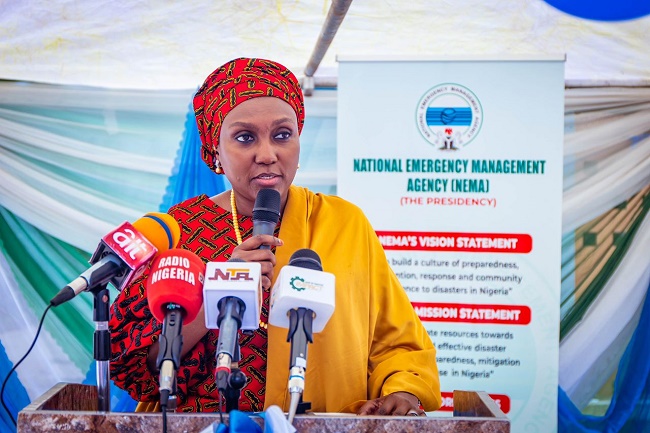
Zubaida Umar
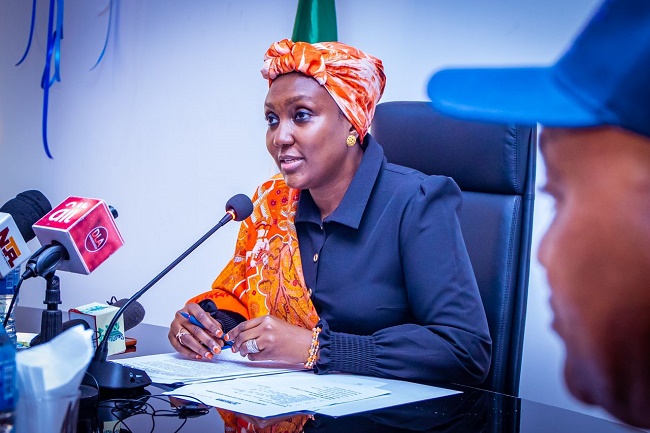
Director-General of NEMA, Zubaida Umar

Disturbingly, the bodies of the deceased were only recovered from the rubble four days after the incident; an outcome that has fuelled public criticism.

This is not an isolated case.

Previous fire incidents, including the blaze that displaced traders at the Tejuosho Market in Yaba, Lagos, were similarly met with complaints from victims over delayed and poorly coordinated responses.

Beyond fire outbreaks, other emergency situations have also exposed systemic weaknesses.

On Dec. 29, a tragic road crash involving British-Nigerian boxer Anthony Joshua at the Sagamu end of the Lagos–Ibadan Expressway claimed the lives of two of his friends.

Although dissimilar in nature, the handling of the aftermath attracted widespread criticism, especially over the timeliness and efficiency of emergency services.

Against this backdrop, experts describe Nigeria’s emergency response landscape in 2025 as one of mixed fortunes.

On the one hand, it has been marked by catastrophic failures; on the other, by the gradual emergence of technology-driven solutions.

Albeit the existence of a formal institutional framework under the National Emergency Management Agency (NEMA), analysts argue that the system remains dangerously reactive rather than proactive.

Dr Adeleke Pitan, an emergency response expert, notes that the current approach often waits for disasters to occur before mobilising resources, instead of using predictive data to pre-position assets in high-risk locations.

He emphasised that the first 60 minutes following a traumatic incident; the so-called ‘Golden Hour’, is critical to survival.

However, in Nigeria, this window is frequently lost to traffic congestion, weak communication systems and the absence of decentralised response units.

The devastating floods in Mokwa, Niger State, in May 2025 underscore this challenge.

The disaster left 159 people dead and nearly 100 others missing.

NEMA said it had issued early warnings ahead of the flooding, working in collaboration with the Nigerian Meteorological Agency (NiMet) and the Nigeria Hydrological Services Agency (NIHSA).

“In collaboration with NiMet and NIHSA, NEMA’s early warning systems involved disseminating seasonal climate predictions and real-time flood alerts via radio, television, social media and town criers,” the agency said.

Nevertheless, analysts such as Richard Davies argue that early warnings alone are insufficient when local emergency infrastructure lacks the capacity to respond.

Citing a joint assessment by the International Organisation for Migration (IOM), NEMA and partners, Davies said 3,018 individuals across 503 households were directly affected by the Mokwa floods.

“Of these, 1,590 people were displaced, while 1,428 remained in damaged or flooded homes. At least 265 houses were destroyed and a further 20 were severely damaged,” he said.

Beyond weak local capacity, limited resources remain a major constraint for emergency responders.

A recent publication by Emergency Response Africa (ERA) revealed that, as of early 2025, Lagos State reportedly had only one functional heavy-duty crane dedicated to major rescue operations.

“Many critical tools such as cranes, earthmovers and fire trucks have exceeded their operational lifespan,” the report stated.

“As of 2024, the state reportedly had just one functional crane for major rescue operations, which is grossly inadequate for a megacity of over 20 million people.

“Compounding the problem, spare parts for these ageing machines are increasingly difficult to source, as some models are no longer in production.

“This forces LASEMA to depend on private contractors for critical equipment; an option that is both costly and unreliable,” ERA added.

The healthcare technology firm also identified low public awareness, shortages of skilled emergency personnel and fragmented coordination among response agencies as persistent challenges.

Experts argue that effective emergency management must begin long before disasters occur, through strict regulatory enforcement.

They stress that agencies such as state ministries of physical planning must be fully integrated into the emergency response chain to prevent avoidable incidents.

They cite the Ojodu-Berger building collapse of April 2025, which left one person dead and 13 others trapped.

Investigations later revealed that the structure had undergone unauthorised modifications.

More broadly, analysts observe that disaster management in Nigeria is frequently hampered by weak coordination among federal, state and local institutions.

To address this, they advocate the creation of a unified digital dashboard to enable real-time inter-agency coordination, alongside the full implementation of a functional national ‘112’ emergency helpline.

Public–private partnerships are also gaining attention.

For instance, collaborations with firms such as ERA deploy GPS-enabled routing systems to dispatch the nearest available ambulance, helping to bypass referral delays that often prove fatal.

NEMA’s Director-General, Mrs. Zubaida Umar, has consistently called for a fundamental shift in thinking; from reaction to prediction.

“Emergency management can no longer be reactive; it must be predictive, preventive and participatory.

“Our citizens should not encounter us only when disaster strikes. They should see us every day, building safer communities, raising awareness and ensuring preparedness,” she said.

Experts say this shift must be backed by investment in physical mitigation measures such as dams, embankments and improved drainage systems, rather than allocating the bulk of resources to post-disaster relief.

Similarly, long-term recovery efforts should move beyond the distribution of relief materials to rebuilding climate-resilient housing and restoring farmlands after floods.

As part of a broader overhaul, analysts also argue that Nigeria must abandon the practice of waiting for emergency fund approvals after disasters occur.

Instead, they recommend the establishment of dedicated, pre-approved state-level emergency funds that can be accessed immediately once a disaster is declared.

This, they say, would require states to halt the diversion of ecological funds and ensure that every local government area maintains a trained Community-Based First Responder network.

Finally, experts call for a comprehensive review of the National Disaster Response Plan to reflect modern emergency response strategies and clearly define the roles and call-out procedures of all stakeholders.

By Kayode Adebiyi, News Agency of Nigeria (NAN)

Waste cooking oil can power Nigeria’s energy transition – Expert

A Don, Dr Esther Babatunde, says waste cooking oil generated by restaurants and households across Nigeria can be converted into high-quality biodiesel capable of powering generators, trucks and industrial equipment.

Babatunde, a Senior Lecturer in the Department of Chemical Engineering, University of Ilorin, disclosed this in an interview on Tuesday, January 13, 2026, in Lagos.

While speaking on her research findings on renewable energy and waste valorisation, she said that biodiesel obtained from waste cooking oil could reduce energy costs, pollution and fuel imports.

waste cooking oil
waste cooking oil

Waste valorisation is defined as the process of reusing, recycling, composting, or converting waste into useful products, such as chemicals and fuels, by transforming discarded materials into raw materials or energy sources.

Babatunde, who is also a Postdoctoral Research Fellow at the University of Johannesburg, South Africa, noted that Nigeria’s hospitality sector produced large volumes of waste cooking oil annually.

She noted that much of these waste cooking oils are improperly disposed of, despite its potential as a renewable fuel feedstock.

“What many people regard as useless waste is actually a valuable resource.

“Used cooking oil can be converted into biodiesel that can power generators, trucks and industrial equipment, while also reducing environmental pollution.

“Nigeria produces over 100,000 tonnes of waste cooking oil every year from hotels, bukas and fast-food outlets, especially in urban centres like Abuja, Lagos and Port Harcourt.

“This is not sludge; it is a feedstock goldmine for renewable diesel.

“At a time when we export crude oil but still depend on imported fuels due to weak refining capacity, biodiesel from waste oil offers a local, sustainable and affordable alternative,” she said.

The postdoctoral researcher explained that biodiesel was produced from waste cooking oil through a chemical process known as transesterification, which involves combining the oil with methanol in the presence of a catalyst.

“In our laboratory at the University of Ilorin, we replicated industrial-scale experiments using waste oil collected from campus cafeterias.

“Under optimal conditions of 60 degrees Celsius, a 12:1 methanol-to-oil ratio and just three per cent catalyst loading, we achieved a biodiesel yield of 97.6 per cent that met ASTM standards.

“This is not rocket science. It is chemical engineering adapted to Nigerian realities, using locally sourced materials, including catalysts derived from waste and natural resources.

“Unlike biodiesel produced from edible oils such as palm or soybean, waste cooking oil avoids the food-versus-fuel debate and significantly lowers production costs,” she said.

On environmental benefits, Babatunde said biodiesel burns cleaner than petroleum and diesel, and could significantly improve air quality in Nigerian cities.

According to her, biodiesel reduces particulate matter emissions by about 50 per cent and cuts greenhouse gas emissions by up to 78 per cent over its lifecycle.

She explained that this could be transformative in cities choked by fumes from generators, diesel buses, etc.

“Repeated frying raises the acid value of cooking oil, but with proper pre-treatment, this degraded oil actually becomes ideal for biodiesel production.

“Diverting waste cooking oil from drains and landfills also prevents water pollution and methane emissions, aligning with the United Nations Sustainable Development Goal 7 on clean and affordable energy,” Babatunde said.

She disclosed that pilot biodiesel projects are already yielding positive results in parts of the country.

“A small plant in Ogun State processes about 5,000 litres of waste oil daily.

“It now powers local vehicle fleets and has reduced diesel imports in that area by roughly 20 per cent,” she said.

According to her, biodiesel from waste cooking oil could be produced at about 52 cents per litre, nearly half the cost of imported diesel.

Babatunde said: “This makes it a lifeline for small-scale farmers, transporters and off-grid communities.

“With cooperatives collecting waste oil from street vendors, especially in places like Kano and Enugu, local fuel production can drive both economic growth and energy security.

“Jobs will emerge across the value chain – collectors, technicians, processors and marketers – while communities gain access to affordable, locally produced fuel,” she added.

Babatunde, however, identified weak policy implementation, poor waste collection systems and low public awareness as major obstacles.

“Nigeria’s 2007 Biofuel Policy targeted a 10 per cent blending rate by 2015, but inconsistent enforcement and inadequate infrastructure have stalled progress.

“Many restaurateurs still see waste cooking oil as worthless and dump it indiscriminately. With the right incentives, such as tax breaks and subsidised small-scale processors, this attitude can change,” she added.

She urged government to integrate waste cooking oil utilisation into the National Energy Master Plan and called on universities to lead training and extension programmes.

“These challenges are not barriers; they are opportunities. With research support, policy backing and community engagement, biodiesel from waste oil can become a key player in Nigeria’s alternative energy mix,” Babatunde said.

She concluded that although biodiesel was not a cure-all, it represented a realistic step toward a cleaner and more resilient energy future for Nigeria.

“Climate change, declining global oil demand and rising energy costs demand pragmatic solutions. With a blend of chemistry and community effort, we can turn today’s waste into tomorrow’s fuel,” she said.

By Fabian Ekeruche

Tinubu positions Nigeria as climate, green energy hub at ADSW 2026

0

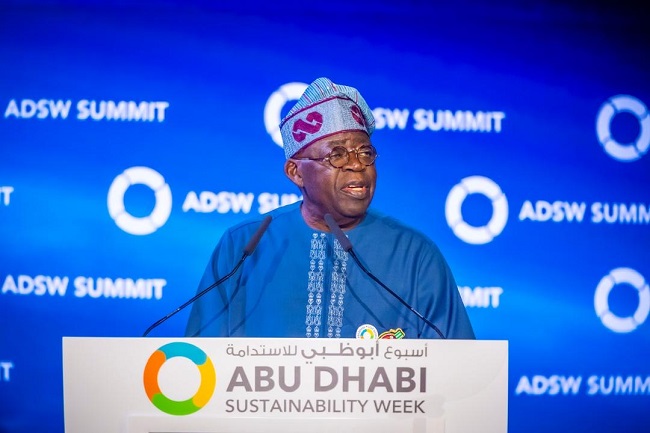
President Bola Tinubu on Tuesday, January 13, 2026, positioned Nigeria as a prime destination for climate and green energy investment, unveiling sweeping reforms at the 2026 Abu Dhabi Sustainability Week (ADSW).

Tinubu spoke during a high-level session of the summit in Abu Dhabi, attended by global leaders, investors, policymakers and development partners.

He thanked the organisers and the United Arab Emirates for convening the global platform, describing ADSW as critical to shaping the future of sustainable development.

President Bola Tinubu
President Bola Tinubu at 2025 ADSW Summit

He said, “The theme of this year’s summit underscores the urgency and integration required to drive sustainable transitions across finance, technology, energy and human capital.”

Tinubu said climate action must now be integrated with economic growth, health, food security and energy governance across nations.

He added, “At this defining moment in history, Nigeria stands with the global community, aligning climate action with energy access, economic growth, job creation and social inclusion.”

Tinubu stressed that sustainability requires all systems to move together, including policy, finance, infrastructure, nature and human capital.

He said, “Climate action must succeed and grow. Developing countries require equitable climate finance, accessible technologies and robust capacity building.”

The president said Nigeria had taken concrete regulatory steps to strengthen climate governance and investor confidence.

He said the government adopted the National Carbon Market Activation Policy and launched a National Carbon Registry to improve emissions reporting and verification.

Tinubu said Nigeria was modernising its energy architecture to translate climate ambition into measurable impact.

He added, “The Electricity Act of 2023 now provides for decentralised and inclusive energy delivery.”

He said the reforms were expanding access to sustainable power for rural communities, off-grid health facilities, schools, markets and underserved populations.

Tinubu said the country was deploying advanced technologies to improve efficiency and accelerate clean energy delivery nationwide.

The president added, “The adoption of artificial intelligence to optimise efficiency is no longer a future concept.”

He said Nigeria was actively seeking partnerships that promote technology transfer, innovation and knowledge exchange.

The president said climate and green industrialisation investments were central to Nigeria’s development strategy.

He disclosed that Nigeria had launched a climate and green industrialisation investment framework to unlock up to 30 billion dollars annually in climate finance.

Tinubu said Nigeria was deepening access to green finance through multiple investment platforms.

“Our climate investment platform targets 500 million dollars for climate-resilient infrastructure,” the president added.

He said Nigeria’s national climate platform aimed to support two billion dollars in capital investments, stating that Nigeria’s green bond programme demonstrated strong global investor confidence.

According to him, Nigeria’s sovereign green bond had attracted significant oversubscription from international investors.

The president said Nigeria’s Energy Transition Plan integrates climate mitigation, industrial growth and social development into one framework.

He said the plan targeted net-zero emissions while delivering universal energy access and economic expansion.

Tinubu said pilot electric mobility projects and national energy efficiency programmes were already underway.

He said, “Nation-building requires hard work, sacrifice and focused leadership.”

Tinubu said Nigeria’s reforms signalled readiness to work with global partners to drive sustainable development outcomes.

“As your partner, Nigeria is open for investment, collaboration and shared prosperity,” he said.

By Muhyideen Jimoh

NiMet inaugurates AI team to advance weather forecasts

0

The Nigerian Meteorological Agency (NiMet) has inaugurated an Artificial Intelligent (AI) research and integration team to advance weather forecasting innovation.

NiMet’s Director-General, Prof. Charles Anosike, in a statement in Abuja on Tuesday, January 13, 2026, said the move was part of the Agency’s drive to strengthen innovation, digital transformation, and service delivery in meteorological and climate services.

According to him, the inauguration underscores NiMet’s commitment to complement decades of physics-based forecasting with emerging AI-driven approaches.

Prof. Charles Anosike
NiMet Director-General, Prof. Charles Anosike

This, he said, was in line with the Federal Government’s digital transformation agenda and the ongoing modernisation of meteorological services in Nigeria.

“The newly constituted technical team is tasked with identifying opportunities, standards, and best practices for the application of artificial intelligence in meteorology, and with driving the integration of AI-based tools into NiMet’s operational forecasting systems.

“The initiative is expected to enhance the speed, accuracy, and accessibility of weather predictions through hybrid AI–traditional forecasting models,” NiMet’s D-G said.

According to him, building internal AI capacity is critical to sustaining NiMet’s leadership in technological innovation among government agencies.

He said that emerging technologies were responsibly deployed to support aviation safety, agriculture, disaster risk reduction, and national development.

”Members of the AI Research and Integration Team were drawn from across the Agency’s units, reflecting a multidisciplinary approach to innovation.

“The inauguration marks another milestone in NiMet’s ongoing efforts to leverage digital technologies and research-driven solutions to deliver world-class meteorological services in Nigeria,” he said.

By Gabriel Agbeja

Fashola writes foreword to new book on Renewable Energy Law in Nigeria

Former Minister of Power, Works and Housing and Former Governor of Lagos State, Babatunde Raji Fashola (SAN), has authored the foreword to a new book titled “Renewable Energy: Law and Policy in Nigeria – A Crosscutting Perspective”, written by legal scholar, Dr. Bitrus Joseph Bulama.

In the foreword dated May 1, 2025, Fashola describes the 12-chapter book as a timely and seminal contribution to the study of Nigeria’s renewable energy legal and policy framework. He notes that although international efforts to promote renewable energy date back to the Montreal Protocol of 1987, the sector only began to gain traction in Nigeria about a decade later.

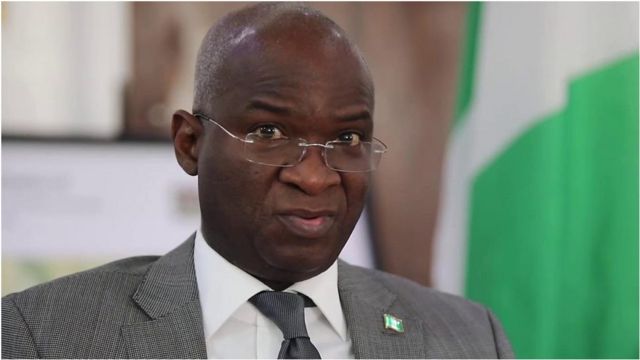
Babatunde Fashola
Babatunde Fashola, former Minister of Works and Housing

He traces the evolution of Nigeria’s power sector, referencing the coming into force of the 1999 Constitution and the enactment of the Electric Power Sector Reform Act in 2005, which ended the government’s monopoly and initiated deregulation. Reflecting on his assumption of office in November 2015 under President Muhammadu Buhari, Fashola explains that the Ministry of Power was in transition following the privatization of electricity generation and distribution networks in 2013 by the Goodluck Jonathan administration.

According to him, the Ministry relinquished generation and distribution assets to private owners, along with over 5,000 staff, leaving it with fewer than 1,000 personnel and a mandate focused largely on policy formulation. From that point, the Ministry and its leadership shifted from being power providers to policy enablers.

Fashola recalls that policies and programmes became the primary instruments available to improve energy supply. He cites the presentation of what he describes as Nigeria’s first published Energy Mix Document, committing the country to 30 per cent renewable energy within a projected 30-gigawatt capacity by 2030. This was followed by the Renewable Energy and Energy Efficiency Policy in 2015, the Mini-Grid Regulations in 2016, and the Building Energy Efficiency Code in 2017. He explains that this background informed his decision to accept Dr. Bulama’s invitation to write the foreword to the book.

According to Fashola, the book offers a comprehensive account of Nigeria’s renewable energy sector, beginning with a historical overview dating back to 1896, when the first power station was built in Lagos with an installed capacity of 60 kilowatts. He highlights Chapter Four for its detailed examination of the legal, policy, and institutional frameworks governing the renewable energy sector in Nigeria.

Fashola identifies Chapter Five as the core of the book, noting its discussion of challenges confronting renewable energy development in the country. Drawing from his experience supervising the sector, he states that he shares many of the author’s views on these challenges, some of which were addressed through the Power Sector Recovery Programme developed during his tenure.

The foreword also references the establishment of public institutions such as the Rural Electrification Agency, Nigerian Bulk Electricity Trading Plc, the Transmission Company of Nigeria, the Energy Commission of Nigeria, and the National Council on Climate Change as evidence of government political will. Fashola further mentions a contemporaneous budgetary appropriation for solar panel installation at the Presidency in 2025 as another demonstration of the government’s commitment to renewable energy leadership.

In his assessment, Fashola suggests that extensive but undocumented investments in renewable energy by households and businesses may mean that renewables already contribute more than 30 per cent of Nigeria’s national energy consumption. He notes that the book addresses the role of law in promoting investment in renewable energy in Chapter Six, and examines the relationship between law, development, and access to electricity in Chapter Seven.

Commending Dr. Bulama’s scholarly approach, Fashola states that the author successfully presents complex industry concepts in clear and accessible language. He describes the book as a practical resource for policymakers, legal professionals, energy practitioners, researchers, opinion leaders, and environmental advocates interested in the interaction between law, policy, and energy in Nigeria.

The over 900-page book is published by Bar and Bench Publishers, Abuja. It is positioned as a comprehensive reference for academics, researchers, policymakers, legal practitioners, regulatory agencies, energy developers, investors, students, and others seeking to navigate Nigeria’s renewable energy regulatory landscape. Fashola concludes by recommending the book to readers seeking to understand the emerging field of renewable energy law in Nigeria. It will be presented to the public on February 11, 2026.

Dr. Bulama is a highly accomplished legal practitioner, researcher, author, and policy analyst with a distinguished career spanning over two decades. He holds a Ph.D. in Law with a strong bias for Energy and Natural Resources Law.

His master’s degree is in Petroleum Law and policy from the prestigious Centre for Energy, Petroleum and Mineral Law and Policy, University of Dundee, UK; while his first degree in law is from the University of Jos, Nigeria. He was called to the Nigerian Bar in 2003 after successfully completing the Nigerian Law School with a Second Class, Upper Division.

He is currently an Assistant Professor of Law at the American University Nigeria, Yola. A dedicated advocate for environmental and climate justice, he is the convener, Initiative for Climate Action and Advocacy, a not-for-profit organization that advocates for environmental and climate justice.

Dr. B. J. Bulama is a highly accomplished individual with a strong background in law, energy, and environmental advocacy. His expertise and experience make him a valuable asset in his field.

By Ogunsakin Mustapha, Gavel International

Makoko demolitions: Groups condemn Lagos over deaths, forced evictions, youth leader’s arrest

0

The Centre for Children’s Health Education, Orientation and Protection (CEE-HOPE) Nigeria, Health of Mother Earth Foundation (HOMEF), and Corporate Accountability and Public Participation Africa (CAPPA) have condemned the Lagos State Government’s ongoing demolition of homes at the Makoko waterfront community which has reportedly resulted in the death of two babies and an adult, mass displacements, and the arrest of a community leader advocating for restraint and due process.

In a statement on Tuesday, January 13, 2026, they described the incidents as an unfortunate pattern of disregard for the constitutional rights to life and wellbeing of marginalised residents eking out a living despite years of neglect by the state government.

Makoko
Clockwise from top left: Mr. Oluwatobi Aide, a deceased baby, another deceased baby, and the late Mrs. Albertine Ojadikluno

They further highlighted the arrest of Mr. Oluwatobi Aide (also known as Woli), a youth leader in the community. Mr. Aide was reportedly picked up by security agents on Monday, January 12, 2026, and is being detained at the Area F Police Station, Ikeja, after earlier being taken to the Rapid Response Squad (RRS) office in Alausa.

The statement noted that, according to eyewitness accounts, Mr. Aide approached officials of the demolition squad to appeal for at least a few hours, to allow affected residents retrieve their belongings after it became clear that the demolitions had extended beyond the originally communicated corridor and perimeter to power lines.

Rather than engage with the community’s concerns, security agents reportedly arrested him. Since his arrest, Mr. Aide, who was tear-gassed during the demolitions and hospitalised last week, has experienced a further deterioration in his health while in detention.

Condemning the demolitions and arrest, Nnimmo Bassey, Director of HOMEF, said: “We view these latest attacks on vulnerable populations and the urban poor as the most violent manifestations of Lagos State Government’s contempt for those it views as human scrap to be cleared for elite profit and at the pleasure of land speculators and the rich.

“The thuggish arrest of community members and forced displacement of families who have always known Makoko as home, underscores the helplessness of the struggling people in the country. We see this assault as comparable to what Nigerians are suffering at the hands of bandits in some parts of the nation. This state campaign of land-grabbing and displacement is repugnant and must be halted.”

According to the groups, since January 5, 2026, armed thugs, security personnel and demolition teams with bulldozers have descended repeatedly on Makoko, a historic fishing community on the Lagos Lagoon with a population estimated at over 100,000 residents. Homes were set on fire with little or no notice, in some cases while residents were still in their homes. Tear gas was deployed against women, children, and elderly persons, leaving many injured and hospitalised and with three persons – including two babies – reported dead so far. Among the dead are 70-year-old Ms. Albertine Ojadikluno, and five-day-old Epiphany Kpenassou Adingban.

They noted: “Over 3,000 houses have reportedly been destroyed so far, displacing more than 10,000 people. Five schools, two clinics, and several places of worship have also been demolished. Many displaced residents – including children – are now sleeping in boats, canoes, churches, school buildings, or in the open, exposed to the elements and serious health risks.”

“These actions starkly contradict earlier assurances by officials of the Lagos State Ministry of Urban Development that the exercise was limited to structures within 50 metres of power lines – a claim later shifted to 100 metres, despite legal standards generally stipulating a 30–50 metre corridor,” said Akinbode Oluwafemi, Executive Director at CAPPA.

“Demolitions have since extended to areas such as Oko-Baba, which are not under power lines at all, reinforcing fears that the true objective is the wholesale clearance of the thriving Makoko community.”

Betty Abah, Executive director of CEE HOPE, lamented that Makoko’s experience is not isolated.

“Over the past year, the Lagos State Government has carried out similar demolition exercises in communities including Oko-Baba, Ayetoro (parts of Makoko), Otumara, Baba-Ijora, Oworonshoki, and Precious Seeds, displacing tens of thousands of low-income residents, particularly women and children. In several cases, demolitions were carried out without prior notice, consultation, or provision of alternative accommodation, and in defiance of pending court cases or injunctions.

“Earlier evictions in Badia East, Otodo-Gbame, Maroko, Monkey Village, Ilaje-Bariga, and Ifelodun reveal a long-standing pattern of forced evictions that have shattered livelihoods, uprooted families, and left women and children exposed to heightened risks of violence, hunger, and poverty,” Abah added.

The groups described the state’s actions as unconstitutional.

“These actions constitute grave violations of Section 44 of the Nigerian Constitution, Nigeria’s obligations under the African Charter on Human and Peoples’ Rights, and international standards prohibiting forced evictions without due process, consultation, adequate notice, compensation, and resettlement.

“We therefore demand the following immediate actions:

“An immediate halt to all demolition activities in Makoko and other affected Lagos communities.

“The unconditional release of Mr. Oluwatobi Aide and any other community members arrested in connection with peaceful advocacy or inquiries related to the demolitions.

“An independent and transparent investigation into the reported deaths, use of force, and human rights abuses, with those found responsible brought to justice.

“Adequate compensation, restitution, and resettlement for all affected residents, including restoration of destroyed schools, clinics, and livelihoods.

“Respect for court processes, community consultation, and due process in all urban development initiatives.”

They warned that urban development “cannot be pursued through violence, fear, and dispossession. Clearing communities without humane alternatives only deepens Lagos’s housing crisis, estimated at a deficit of over four million housing units, and undermines social stability.

“CEE-HOPE, HOMEF, and CAPPA stand in solidarity with the people of Makoko and all communities facing unlawful evictions across Lagos State. We call on the Lagos State Government to abandon coercive approaches and adopt rights-based, inclusive, and environmentally sustainable urban development that prioritises human dignity, housing security, and livelihoods over land speculation and private profit.”

Oxfam urges global action to hold polluters accountable for climate damage

0

Oxfam has renewed calls for global action, urging citizens around the world to sign petitions demanding that wealthy polluters pay for climate-related damage as communities continue to reel from worsening climate impacts.

The appeal follows a series of devastating climate crises that have disrupted lives and livelihoods in Malawi, which, like many other developing nations, is grappling with droughts, floods, and erratic weather patterns that threaten food security and economic stability.

Through its petitions, Oxfam is calling on governments and world leaders to impose taxes on large corporations and fossil fuel companies, introduce wealth taxes on super-rich individuals, close tax loopholes that allow major polluters to evade responsibility, and ensure that collected funds reach communities hardest hit by extreme weather events such as floods and wildfires.

Jan Oldfield
Jan Oldfield, Interim CEO, Oxfam GB

“We’re urging people to stand together for a fair, sustainable future where communities thrive,” said Zara Sarvarian, Oxfam’s strategic media manager, speaking on Jan. 10, 2026.

She said signing the petition allows individuals to contribute to a collective push for climate justice and long-term sustainability.

Oxfam says the climate crisis is deepening poverty and inequality in developing countries, with vulnerable communities bearing the heaviest burden despite contributing least to global emissions.

The organisation is calling on citizens worldwide to add their voices to growing demands for accountability from those most responsible for climate change.

The petition forms part of Oxfam’s broader “Make Rich Polluters Pay” campaign, which seeks to hold corporations and governments accountable for their role in driving the climate crisis.

The campaign was launched in 2023 and underwent a major relaunch in June 2025.

In November last year, Oxfam delivered a petition bearing more than one million signatures to Brazil’s minister of the environment and climate change during the COP30 climate summit, underscoring rising global pressure for climate justice.

By Martha Nakhate Phonera, AfricaBrief

WHO urges govts to unlock health taxes on sugary drinks, alcohol to save lives

0

Sugary drinks and alcoholic beverages are getting cheaper, due to consistently low tax rates in most countries, fueling obesity, diabetes, heart disease, cancers and injuries, especially in children and young adults.

In two new global reports released on Tuesday, January 13, 2026, the World Health Organisation (WHO) is calling on governments to significantly strengthen taxes on sugary drinks and alcoholic beverages. The reports warn that weak tax systems are allowing harmful products to remain cheap while health systems face mounting financial pressure from preventable noncommunicable diseases and injuries.

Sugar-sweetened beverages

“Health taxes are one of the strongest tools we have for promoting health and preventing disease,” said Dr Tedros Adhanom Ghebreyesus, WHO Director-General. “By increasing taxes on products like tobacco, sugary drinks, and alcohol, governments can reduce harmful consumption and unlock funds for vital health services.”

The combined global market for sugary drinks and alcoholic beverages generates billions of dollars in profit, fueling widespread consumption and corporate profit. Yet governments capture only a relatively small share of this value through health-motivated taxes, leaving societies to bear the long-term health and economic costs.

The reports show that at least 116 countries tax sugary drinks, many of which are sodas. But many other high-sugar products, such as 100% fruit juices, sweetened milk drinks, and ready-to-drink coffees and teas, escape taxation. While 97% of countries tax energy drinks, this figure has not changed since the last global report in 2023.

A separate WHO report shows that at least 167 countries levy taxes on alcoholic beverages, while 12 ban alcohol entirely. Despite this, alcohol has become more affordable or remained unchanged in price in most countries since 2022, as taxes fail to keep pace with inflation and income growth. Wine remains untaxed in at least 25 countries, mostly in Europe, despite clear health risks.

“More affordable alcohol drives violence, injuries and disease,” highlighted Dr Etienne Krug, Director of WHO’s Department of Health Determinants, Promotion and Prevention. “While industry profits, the public often carries the health consequences and society the economic costs.”

WHO found that across regions:

  • tax shares on alcohol remain low with global excise share medians of 14% for beer and 22.5% for spirits;
  • sugary drink taxes are weak and poorly targeted with the median tax accounting for only about 2% of the price of a common sugary soda and often applying only to a subset of beverages, missing large parts of the market; and
  • few countries adjust taxes for inflation, allowing health-harming products to become steadily more affordable.

These trends in tax persist despite a 2022 Gallup Poll finding that the majority of people surveyed supported higher taxes on alcohol and sugary beverages. WHO is calling on countries to raise and redesign taxes as part of its new 3 by 35 initiative, which aims to increase the real prices of three products, tobacco, alcohol and sugary drinks by 2035, making them less affordable over time to help protect people’s health.

CAPPA slams students’ arrests, tells Edo to fight kidnappers instead

0

Corporate Accountability and Public Participation Africa (CAPPA) has condemned the imprisonment of 52 students of Ambrose Alli University (AAU), Ekpoma, in Edo State, who were arrested in connection with a protest against rising kidnappings in the area, and has demanded their immediate and unconditional release.

In a statement issued on Tuesday, January 13, 2026, the organisation described the “remand of the students at the Ubiaja Correctional Centre on charges of malicious damage and robbery” as absurd, unjust, and morally bankrupt, accusing the Edo State government and operatives of the Nigeria Police Force of turning state violence on victims while kidnappers continue to operate freely.

Monday Okpebholo
Gov. Monday Okpebholo of Edo State

According to eyewitness accounts and media reports, security forces carried out a midnight raid on student hostels in the early hours of Sunday, at about 3 a.m. Armed officers forced their way into rooms, dragged students from their beds, and arrested them in a sweeping operation that threw the campus into fear. Some of those detained were reportedly unconnected to the protest and were taken away in their sleepwear.

The protest itself, which took place on Saturday, January 10, 2026, was a desperate cry against the wave of abductions plaguing Ekpoma, the headquarters of Esan West Local Government Area. Students, alongside community members, had marched to demand basic security after repeated abductions near hostels and along school routes. Just a day after the protest, another kidnapping was caught on CCTV, reinforcing claims that the area had become very unsafe.

CAPPA said the state’s response exposed a warped sense of judgment.

“Instead of hunting kidnappers who operate openly and violently, the government is punishing innocent victims who simply asked for protection,” the statement said.

The organisation said the arrests reflect a deeper failure of governance in Edo State and across Nigeria, where insecurity grows while governments criminalise those who speak out.

CAPPA warned that students now live under siege.

“Journeys to school are becoming more and more dangerous. Hostels have become targets. Learning is collapsing under fear and trauma. Yet leaders hide behind privilege while ordinary people pay the price,” the statement noted.

According to Zikora Ibeh, Assistant Executive Director of CAPPA, peaceful protest remains a constitutionally guaranteed right in Nigeria and a basic tool for holding power to account.

“These students are victims twice over. First by kidnappers and organised gangs, then by the state,” Ibeh said. “Young people now risk abduction on their way to school and violence where they live. This situation damages learning and scars mental health. Female students face even higher risks, including sexual violence. The cost is long-term and devastating,” she added.

CAPPA said the crackdown fits a national pattern in which protests against government failure are increasingly criminalised, and security forces are deployed to crush legitimate grievances.

“In a country awash with wealth and huge resources, public security has collapsed into an economy of violence, complete with scouts, criminal gangs, informants, negotiators, and ransom brokers who calculate deadlines on human life, all because governments have lost any real sense of responsibility toward the people,” the organisation said.

“Families are losing their savings, selling their futures, and living with constant pain just to survive. Fear now controls how people move, where they go to school, and how they work. Because the government has failed to protect them, many communities have been forced into self-defence, setting up local patrols and informal security arrangements that often expose them to further danger and retaliation. In some cases, communities have had no choice but to submit to the rule of violent groups who govern through extortion and fear.”

CAPPA expressed solidarity with the detained students and all Nigerians living under insecurity. It called on the Edo State Government and security agencies to drop all charges and release the 52 students immediately.

The organisation also demanded an independent investigation into the arrests and accountability for abuses recorded during the raid. It urged the Edo State Government to stop criminalising protest and start governing by investing in real security oversight, engaging students and communities honestly, and addressing root causes such as poverty, unemployment, and social neglect.

“Jailing frightened students will not stop kidnappings,” CAPPA said. “Only political will and genuine commitment to public safety will.”

Strengthening Nigeria-EU cooperation: CCCD, IDDRI, FMITI to host Ukama Platform workshop

0

The Centre for Climate Change and Development (CCCD), Alex Ekwueme Federal University, Ebonyi, Nigeria, and the Institut du développement durable et des relations internationale (IDDRI), Paris, France, in collaboration with the Federal Ministry of Industry, Trade and Investment (FMITI) are set to host a high-level policy workshop under the Ukama Platform.

The workshop, entitled “Trade, Investment and Green Industrialisation in Nigeria: Strengthening Relationships with the EU”, will hold on Thursday, January 15, 2026, in Abuja.

The workshop comes at a critical moment as Nigeria seeks to diversify its economy away from oil dependence while aligning industrial growth with climate and sustainability objectives in line with changing global transition in international trade and industry.

AU-EU trade and Investment Summit-Nigeria Map

The Nigerian Climate Change Act 2021 and National Renewable Energy Action Plan provide an important foundation for green industrialisation in the country. Yet, persistent gaps remain in policy coordination, financing frameworks, trade facilitation, and implementation. At the same time, it is believed that evolving Nigeria–EU engagements on sustainable trade, green energy, and investment, alongside continental opportunities under the African Continental Free Trade Area (AfCFTA) present a huge and timely opportunity to strengthen cooperation and unlock green industrial value chains.

The workshop will have the Co-Chairs of the Ukama Platform and Director of CCCD, Professor Chukwumerije Okereke, and Dr Sebastien Treyer, Executive Director of IDDRI, alongside other critical stakeholders including representatives from the Federal Ministry of Industry, Trade and Investment, private sector players, representatives of the diplomatic corps, senior policymakers, development finance institutions, and research organisations, among others.

The workshop is designed to commence with the presentation of the policy brief to set the analytical context for the workshop discussions with three technical sessions structured to help guide discussions and frame implementable outcomes.

Technical session (i), which will be on “Policy Landscape”, will examine existing trade, climate, and industrial policy frameworks, identify gaps, and clarify institutional needs. Technical Session (ii) on “Financing for Green Industrialisation in Nigeria” will explore strategies to mobilise public and private capital for green investments. Technical Session (iii) will examine “Trade Facilitation, Regional Integration, and Green Industrial Value Chains”, drawing insights from participants with a focus on enabling trade and investment in green industrial sectors.

Overall, the workshop will produce a concise policy brief with actionable recommendations aimed at strengthening Nigeria-European Union cooperation, and establishing a sustained dialogue path to advance green industrialisation, investment, and inclusive economic growth across Africa.

The Ukama Platform is the Africa-Europe platform for sustainable development thinkers with the aim of building informal dialogue process between a diversity of African and European experts.

By Gboyega Olorunfemi (Senior Research Associate, CCCD) and Elisabeth Hege (Senior Research Fellow, IDDRI), coordinators of Ukama Platform