Home Blog Page 95

CAPPA slams students’ arrests, tells Edo to fight kidnappers instead

0

Corporate Accountability and Public Participation Africa (CAPPA) has condemned the imprisonment of 52 students of Ambrose Alli University (AAU), Ekpoma, in Edo State, who were arrested in connection with a protest against rising kidnappings in the area, and has demanded their immediate and unconditional release.

In a statement issued on Tuesday, January 13, 2026, the organisation described the “remand of the students at the Ubiaja Correctional Centre on charges of malicious damage and robbery” as absurd, unjust, and morally bankrupt, accusing the Edo State government and operatives of the Nigeria Police Force of turning state violence on victims while kidnappers continue to operate freely.
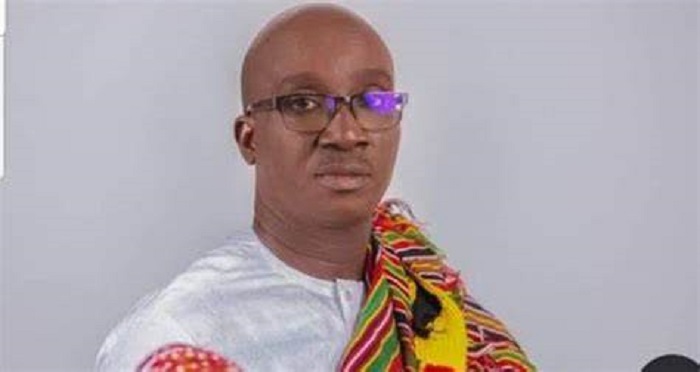
Monday Okpebholo
Gov. Monday Okpebholo of Edo State

According to eyewitness accounts and media reports, security forces carried out a midnight raid on student hostels in the early hours of Sunday, at about 3 a.m. Armed officers forced their way into rooms, dragged students from their beds, and arrested them in a sweeping operation that threw the campus into fear. Some of those detained were reportedly unconnected to the protest and were taken away in their sleepwear.

The protest itself, which took place on Saturday, January 10, 2026, was a desperate cry against the wave of abductions plaguing Ekpoma, the headquarters of Esan West Local Government Area. Students, alongside community members, had marched to demand basic security after repeated abductions near hostels and along school routes. Just a day after the protest, another kidnapping was caught on CCTV, reinforcing claims that the area had become very unsafe.

CAPPA said the state’s response exposed a warped sense of judgment.

“Instead of hunting kidnappers who operate openly and violently, the government is punishing innocent victims who simply asked for protection,” the statement said.

The organisation said the arrests reflect a deeper failure of governance in Edo State and across Nigeria, where insecurity grows while governments criminalise those who speak out.

CAPPA warned that students now live under siege.

“Journeys to school are becoming more and more dangerous. Hostels have become targets. Learning is collapsing under fear and trauma. Yet leaders hide behind privilege while ordinary people pay the price,” the statement noted.

According to Zikora Ibeh, Assistant Executive Director of CAPPA, peaceful protest remains a constitutionally guaranteed right in Nigeria and a basic tool for holding power to account.

“These students are victims twice over. First by kidnappers and organised gangs, then by the state,” Ibeh said. “Young people now risk abduction on their way to school and violence where they live. This situation damages learning and scars mental health. Female students face even higher risks, including sexual violence. The cost is long-term and devastating,” she added.

CAPPA said the crackdown fits a national pattern in which protests against government failure are increasingly criminalised, and security forces are deployed to crush legitimate grievances.

“In a country awash with wealth and huge resources, public security has collapsed into an economy of violence, complete with scouts, criminal gangs, informants, negotiators, and ransom brokers who calculate deadlines on human life, all because governments have lost any real sense of responsibility toward the people,” the organisation said.

“Families are losing their savings, selling their futures, and living with constant pain just to survive. Fear now controls how people move, where they go to school, and how they work. Because the government has failed to protect them, many communities have been forced into self-defence, setting up local patrols and informal security arrangements that often expose them to further danger and retaliation. In some cases, communities have had no choice but to submit to the rule of violent groups who govern through extortion and fear.”

CAPPA expressed solidarity with the detained students and all Nigerians living under insecurity. It called on the Edo State Government and security agencies to drop all charges and release the 52 students immediately.

The organisation also demanded an independent investigation into the arrests and accountability for abuses recorded during the raid. It urged the Edo State Government to stop criminalising protest and start governing by investing in real security oversight, engaging students and communities honestly, and addressing root causes such as poverty, unemployment, and social neglect.

“Jailing frightened students will not stop kidnappings,” CAPPA said. “Only political will and genuine commitment to public safety will.”


Strengthening Nigeria-EU cooperation: CCCD, IDDRI, FMITI to host Ukama Platform workshop

0

The Centre for Climate Change and Development (CCCD), Alex Ekwueme Federal University, Ebonyi, Nigeria, and the Institut du développement durable et des relations internationale (IDDRI), Paris, France, in collaboration with the Federal Ministry of Industry, Trade and Investment (FMITI) are set to host a high-level policy workshop under the Ukama Platform.

The workshop, entitled “Trade, Investment and Green Industrialisation in Nigeria: Strengthening Relationships with the EU”, will hold on Thursday, January 15, 2026, in Abuja.

The workshop comes at a critical moment as Nigeria seeks to diversify its economy away from oil dependence while aligning industrial growth with climate and sustainability objectives in line with changing global transition in international trade and industry.

AU-EU trade and Investment Summit-Nigeria Map

The Nigerian Climate Change Act 2021 and National Renewable Energy Action Plan provide an important foundation for green industrialisation in the country. Yet, persistent gaps remain in policy coordination, financing frameworks, trade facilitation, and implementation. At the same time, it is believed that evolving Nigeria–EU engagements on sustainable trade, green energy, and investment, alongside continental opportunities under the African Continental Free Trade Area (AfCFTA) present a huge and timely opportunity to strengthen cooperation and unlock green industrial value chains.

The workshop will have the Co-Chairs of the Ukama Platform and Director of CCCD, Professor Chukwumerije Okereke, and Dr Sebastien Treyer, Executive Director of IDDRI, alongside other critical stakeholders including representatives from the Federal Ministry of Industry, Trade and Investment, private sector players, representatives of the diplomatic corps, senior policymakers, development finance institutions, and research organisations, among others.

The workshop is designed to commence with the presentation of the policy brief to set the analytical context for the workshop discussions with three technical sessions structured to help guide discussions and frame implementable outcomes.

Technical session (i), which will be on “Policy Landscape”, will examine existing trade, climate, and industrial policy frameworks, identify gaps, and clarify institutional needs. Technical Session (ii) on “Financing for Green Industrialisation in Nigeria” will explore strategies to mobilise public and private capital for green investments. Technical Session (iii) will examine “Trade Facilitation, Regional Integration, and Green Industrial Value Chains”, drawing insights from participants with a focus on enabling trade and investment in green industrial sectors.

Overall, the workshop will produce a concise policy brief with actionable recommendations aimed at strengthening Nigeria-European Union cooperation, and establishing a sustained dialogue path to advance green industrialisation, investment, and inclusive economic growth across Africa.

The Ukama Platform is the Africa-Europe platform for sustainable development thinkers with the aim of building informal dialogue process between a diversity of African and European experts.

By Gboyega Olorunfemi (Senior Research Associate, CCCD) and Elisabeth Hege (Senior Research Fellow, IDDRI), coordinators of Ukama Platform

Study reveals electric vehicles could catch on in Africa sooner than expected

A new study led by researchers at ETH Zurich and the Paul Scherrer Institute PSI in collaboration with African partners shows that electric vehicles could be economically competitive in many African countries before 2040 – just as long as charging infrastructure is developed and geared specifically towards solar powered off-grid systems.

The number of vehicles in Africa is expected to double between now and 2050 – faster than on any other continent. The question is not whether mobility will increase, but how. A new study led by researchers at ETH Zurich and the Paul Scherrer Institute PSI, in collaboration with African partners from Makerere University (Uganda), University of Port Harcourt (Nigeria) and Stellenbosch University (South Africa), shows that electric vehicles, combined with solar-powered off-grid charging systems, could be economically competitive in many African countries well before 2040.

Electric vehicle
Electric vehicle taxi in Accra, Ghana. Photo credit: Tobias Schmidt / ETH Zurich

“Many models have assumed that combustion engine vehicles will continue to dominate in Africa through mid-century,” says lead author Bessie Noll, a senior researcher in the Energy and Technology Policy Group at ETH Zurich, headed up by Professor Tobias Schmidt. “Our findings show that, under certain conditions, e-mobility is feasible sooner than many people think.”

The study was published in Nature Energy.

Solar power the difference-maker

A key aspect of the study is vehicle charging. In many regions of Africa, the electrical grid is unreliable or non-existent. The researchers therefore analysed 52 African countries and more than 2,000 locations for a scenario, in which electric vehicles are charged using dedicated solar power facilities and stationary batteries, independent of the grid.

What helps here is that the cost of solar power and batteries has fallen sharply in recent years. At the same time, more and more affordable electric vehicles are hitting the market, especially from China. Motorbikes and eScooters are particularly economical today.

“We wanted to know what would happen if the charging system were designed specifically for daily demand,” explains second lead author Christian Moretti, a research scientist in the Laboratory for Energy Systems Analysis at PSI. “Even we were surprised by the results: these systems are significantly cheaper than is often assumed, and in many contexts they are even more reliable than the existing electrical grid.”

Specifically, the team’s calculations show that a compact solar system is enough for a small car that travels around 50 kilometres (approx. 30 miles) per day. The cost of charging accounts for only a very small portion of the total vehicle costs. In many places, switching to electric scooters and motorbikes already makes good financial sense.

A diverse continent

Something the study also highlights are the significant differences within Africa. In countries like Botswana or South Africa, where financing conditions are more stable, electric vehicles could become competitive sooner. In countries like Guinea, where financing costs are high, the transition will likely be slower. “Africa is not a single, uniform market,” stresses Noll. “The framework conditions vary enormously, as does the point at which e-mobility makes sense financially.”

Synthetic fuels not an option

The researchers also compared electric vehicles to cars powered by synthetic fuels. These vehicles perform significantly worse. Even under very optimistic assumptions, such as production using highly affordable solar power in Chile, the costs remain high.

“Synthetic fuels are urgently needed in other areas, such as aviation and industry,” says Moretti. “They don’t make sense as a priority for passenger transport in Africa.”

Financing the primary issue

According to the researchers, the biggest obstacle to e-mobility is financing, rather than technology. In many African countries, loans are expensive because investments are considered risky. This affects electric vehicles, in particular, since the initial outlay is higher.

“If financing costs can be reduced, the transition will accelerate dramatically,” says Noll. Potential options include government guarantees, new financing models or international support. E-mobility could also create new economic opportunities for Africa, through things like local assembly, new services or jobs along the supply chain.

What the study doesn’t show

The analysis, published in Nature Energy, is deliberately based on a simplified scenario. In their calculations, the researchers did not take into account existing electrical grids, import duties, value added tax or government subsidies. Their aim was to compare the different drive technologies in purely technological and economic terms.

The researchers also did not model in detail infrastructure issues, such as the expansion of public charging stations, or social and political factors, such as import regulations on used vehicles. “We first wanted to understand whether e-mobility is feasible and affordable in principle,” says Noll. “How each country manages their specific transition depends heavily on local conditions and policy decisions.”

How does e-mobility affect public finances?

A second study, which Bessie Noll is involved in and which was published in Nature Sustainability, reveals another dimension of the transition. This study examines the implications of the global transition to electric vehicles for public finances worldwide. Today, taxes on petrol and diesel generate around $900 billion per year worldwide. In many countries, this revenue finances road building and more broadly transport infrastructure. With the rise of electric vehicles, this revenue is at risk of disappearing.

Low-income countries are bearing the brunt. Here, fuel taxes account for more than nine percent of total government revenue on average, significantly higher than in wealthier countries. At the same time, these countries often have less institutional capacity to introduce new tax regimes quickly.

“The transition to electric vehicles makes sense in terms of climate policy, but poses difficult budgetary questions for a lot of countries,” notes Noll. Early tax reforms and international support could help to avoid financing gaps.

Together, both studies show that e-mobility in Africa is technically and economically feasible, but it will take forward-thinking policies that take a holistic view of energy, transport and financial issues if it is to achieve its full potential.

Umahi says first phase of Lagos-Badagry Highway 95% completed, orders night repair of Lagos-Ota-Abeokuta Road

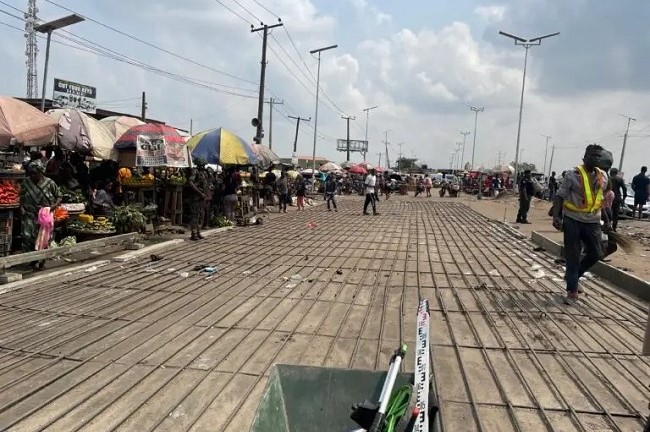
The 23km Phase One of the Lagos-Badagry Highway is 95% completed, the Minister of Works, Sen. Dave Umahi, said on Monday, January 12, 2026, in Lagos.

Umahi made this known while inspecting the project.

The minister noted that the highway comprised three lanes and two carriageways with a train track.

Lagos-Badagry Highway
Construction of Lagos-Badagry Highway

He expressed satisfaction at the quality and pace of the work being handled by CGC Construction Company.

“I can say they have completed the job to about 95 per cent. What is left for them to finish this phase one is only 300 metres.

“We have directed them to put the solar lights, not cable lights as they proposed. We are building for tomorrow,” he said.

Umahi said that the Federal Government was working on Section Two of the project, which is 22km.

“I want them to still do the same three lanes, two carriageways up to Seme Border, although it is part of the Lagos-Abidjan route.

“The point where we will get to the Sokoto-Badagry Superhighway is also the point where the tunnel is coming, which means that the flyover there is imperative.”

He noted that the tunnel would begin from Ahmadu Bello Way on Victoria Island and go underground at a point.

“It will pass through the fishery school underground and go through the Ogogoro Island, and from there, it will go through the Snake Island and we come over to that junction and join the Sokoto-Badagry Superhighway through the flyover,” he said.

He said that President Bola Tinubu was committed to the development of Nigeria.

Nigeria plans to build an underground tunnel in Lagos.

It is expected to connect Victoria Island to Snake Island and extend toward Badagry, linking the Lagos-Calabar Coastal Highway with the Sokoto-Badagry Superhighway.

Meanwhile, The Federal Government has ordered immediate commencement of palliative works on the Lagos-Ota-Abeokuta Road to address critical failures and restore traffic flow.

Minister of Works, ‎Sen. Dave Umahi, gave the directive during an inspection of the federal highway linking Lagos and Ogun states.

He said that although about 22km were assessed, active intervention would focus on about 18km of the most distressed sections of the road.

Umahi said that the Federal Government was already handling about 60km on the corridor and they were being executed in phases based on urgency.

He attributed the road’s failures to unresolved concession issues and misjudged engineering parameters during an earlier construction.

The minister said that the repair would begin immediately, mostly at night, targeting sections that prevented free movement of vehicles.

According to him, low-lying failed areas will be reconstructed with concrete to ensure durability.

Umahi said that the Ota-bound carriageway suffered more severe damage than the Lagos-bound carriageway.

He said that a second phase would involve full resurfacing, replacement of bridge expansion joints, and installation of solar streetlights.

The minister gave the assurance that the concessionaire would operate and maintain the road as soon as works on it would be completed. 

By Lydia Chigozie-Ngwakwe

Tinubu arrives in Abu Dhabi for sustainability summit

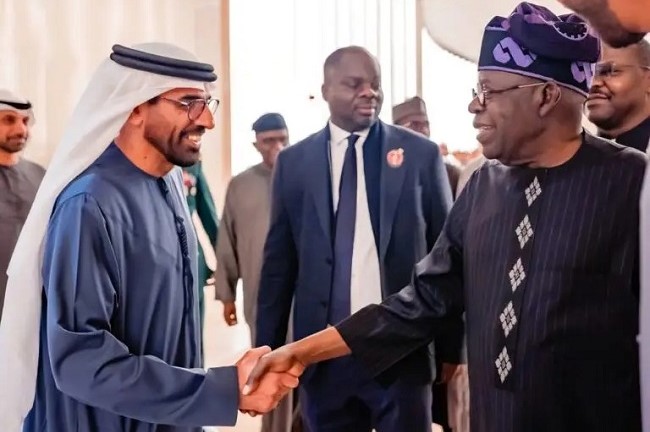
President Bola Tinubu arrived in Abu Dhabi, United Arab Emirates (UAE), on Sunday, January 11, for the 2026 Abu Dhabi Sustainability Week (ADSW), which began on Monday, January 12.

The president’s aircraft landed at the Presidential Wing of Zayed International Airport at 11:30 p.m. local time.

This is disclosed in a statement issued by Presidential Spokesperson, Mr. Bayo Onanuga, on Sunday.

Bola Tinubu
President Bola Tinubu on Sunday arrived at Abu Dhabi for the 2026 Abu Dhabi Sustainability Week

Tinubu was received by Sheikh Shakhboot Nahyan Al Nahyan, UAE Minister of State for Foreign Affairs, and the UAE Ambassador to Nigeria, Mr. Salem Saeed Al-Shamsi.

Also at the airport were Nigeria’s Minister of Foreign Affairs, Ambassador Yusuf Maitama Tuggar, and members of the Nigerian diplomatic mission in Abu Dhabi.

Several Nigerian officials, including the Minister of Budget and Planning, Atiku Bagudu, welcomed the President at his hotel.

Others were the Minister of Industry, Trade and Investment, Dr Jumoke Oduwole, and the Director-General of the National Intelligence Agency, Amb. Mohammed Mohammed.

Tinubu arrived from Europe, where he engaged in consultations with Rwandan President, Paul Kagame, and the French President, Emmanuel Macron.

The 2026 ADSW, themed “The Nexus of Next, All Systems Go,” focuses on sustainable development, climate action, energy transition, and inclusive growth.

The visit underscores Nigeria’s commitment to global sustainability dialogue and strengthens diplomatic and economic ties with the UAE.

By Muhyideen Jimoh

Third Mainland Bridge rehabilitation cost N43bn – Umahi

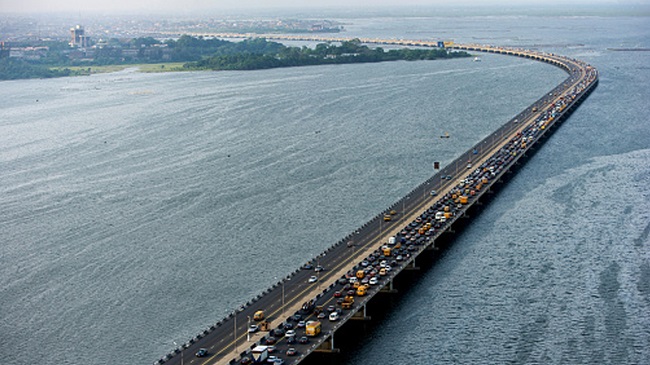
Total rehabilitation of the Third Mainland Bridge in Lagos State cost N43 billion while the bridge’s Closed Circuit Television Camera (CCTV)  Centre cost about N2.5 billion.

The Minister of Works, Sen. Dave Umahi, made this known on Monday, January 12, 2026, in Lagos while addressing journalists.

Umahi said that the scope of work covered total rehabilitation of 14km by 14 metres width by two carriageways.

Third Mainland Bridge
Third Mainland Bridge in Lagos

“It also includes rebuilding and repainting of some concrete works and replacing expansion joints and putting solar lights.”

He said that establishment of the CCTV centre was part of the Third Mainland Bridge rehabilitation contract.

“The total contract sum for rehabilitation of the bridge is N43 billion.

“The cost of the CCTV centre is not more than N2.5 billion,” he said.

He emphasised that the CCTV centre did not cost N40 billion as reported in some quarters.

Inaugurating the CCTV centre on Sunday,  Umahi had said that the current administration met a  terrible Third Mainland Bridge.

“When we came on board in 2023, we met a very terrible Third Mainland Bridge, Carter Bridge  and Iddo Bridge both on the pavement, surface, infrastructure above the water and even infrastructure below the water.

‎”The president, therefore, directed total re-evaluation and rehabilitation of the surfaces of the Third Mainland Bridge and changing the expansion joints.”

According to the Federal Controller of Works in Lagos State, Mr. Olufemi Dare, the CCTV centre is the first of its kind in Nigeria.

“We have a boat that has been bought for surveillance of the bridge. There are two Hilux vans, too.

“We have 240 solar panels in this environment.  The whole place is fully air-conditioned. We have 10 inverters inside the building.

‎”We have a transformer, a 300KVA transformer. We have a standby generating plant and monitoring screens,” he said.

By Lydia Chigozie-Ngwakwe

Govt lauds project to tackle environmental challenges

0

The Federal Government of Nigeria on Monday, January 12, 2026, in Abuja lauded Global Environment Facility’s (GEF) support to tackle environmental challenges in the country.

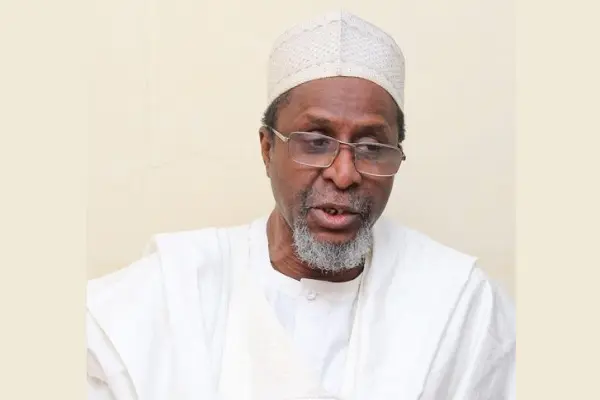
Minister of Environment, Malam Balarabe Lawal, said this at the National Capacity Building Workshop on Project Oversight for GEF, Operational Focal Point (OFP) and Implementing Partners in Nigeria.

“The Global Environment Facility has remained a long-standing and strategic partner to Nigeria in addressing our critical environmental challenges.”

Balarabe Lawal
Malam Balarabe Lawal, Minister of Environment

He said that the workshop underscored the Federal Government’s unwavering commitment to strengthening environmental governance, improving project delivery, and ensuring that Nigeria maximises the benefits of global environmental financing.

Lawal, who was represented by the Permanent Secretary in the ministry, Mr. Mahmud Kambari, said that the nation faced a complex mix of environmental issues.

“These environmental issues according to him, ranges from desertification encroachment on the northern frontiers, plastic pollution which threatens Nigeria’s cities and waterways.

“Biodiversity loss across key ecosystems, oil contamination in the Niger Delta, to climate change risks that continue to endanger lives and livelihoods.

“These challenges demand not only financial resources, but also strong institutional capacity to plan, implement, monitor, and oversee projects effectively.

“In this regard, GEF-supported projects have played a significant role in advancing environmental sustainability in Nigeria.”

The minister said that through its interventions, GEF had supported biodiversity conservation initiatives that have helped conserved over 500 indigenous plant species.

He said that it had also promoted sustainable forest management, and strengthened community-based conservation efforts across the country.

“In the area of climate change mitigation, GEF projects have focused on renewable energy, energy efficiency, and sustainable land-use practices, contributing meaningfully to Nigeria’s climate action goals.

“GEF has also been instrumental in addressing land degradation by supporting initiatives that promote sustainable agriculture, restore degraded landscapes, and enhance food security and ecosystem health,” Lawal said.

The permanent secretary in his remarks noted that the workshop was the outcome of the shared desire to strengthen Nigeria’s engagement with GEF.

Kambari was represented by Mrs. Nkechi Aneke, Director, Department of Planning Research and Statistics in the ministry.

Kambari said the workshop was also to ensure that Nigeria was fully equipped to manage its portfolio to international standards.

The permanent secretary noted that with more than three decades of partnership with the GEF, Nigeria continued to benefit from programmes and projects that address biodiversity conservation.

“Climate change mitigation and adaptation, land degradation control, international waters management, and the reduction of chemicals and waste.

“However, achieving real impact requires more than funding, it requires coordination, technical competence, and strong oversight,” the permanent secretary said.

Kambari commended the funding support of GEF in collaboration with the Tropical Biology Association (TBA) for facilitating the workshop.

Dr Michael David, the Executive Director of the Global Initiative for Food, Security and Ecosystem Preservation (GIFSEP), said that the training was part of GEF’s initiative.

David said the initiative was to provide some financial support and capacity building to over 144 countries with GEF operational focal point offices.

“So here in Africa, the Tropical Biology Association is leading the work in 25 countries while the African Wildlife is organising this same training in 29 other countries.

“So it’s basically for the OFP to strengthen oversight. Project oversight is important,” David explained.

He lauded GEF’s initiative to address biodiversity loss, climate change and pollution as well as its support for environmental sustainability in Nigeria.

By Abigael Joshua

Wildlife trafficker, Lin Yunhua, pleads not guilty to corruption charges amid high-stakes trial

0

Chinese national, Lin Yunhua, the notorious kingpin of a wildlife trafficking syndicate convicted in 2021 for smuggling 2.6 tons of ivory, rhino horns, and pangolin scales worth millions, entered a not-guilty plea on Monday, January 12, 2026, to seven corruption-related counts before High Court Judge Redson Kapindu, capping a saga marked by a controversial presidential pardon, international outcry from conservation groups, and allegations of deep-rooted bribery within Malawi’s justice and prison systems.

Yunhua, who led the Lin-Zhang cartel that turned Malawi into a hub for illegal wildlife trade across southern Africa since his arrival from China in 2009, faces two charges of corrupt practices for allegedly offering K30 million and house construction completion in 2019 to Maula Prison’s then-officer-in-charge, Aaron Ganyavu Kaunda, aiming to sway Chief Resident Magistrate Violet Chipao toward a lighter sentence in his original case.

Lin Yunhua
Chinese national Lin Yunhua at the court

Additionally, five counts of abuse of public office accuse him of persuading prison officials to allow unauthorised excursions from Maula Prison between 2022 and 2023 to his residences in Lilongwe’s Area 9, Biwi, Kanengo, and Bunda neighbourhoods while serving his 14-year term.

The case, resurfacing after Yunhua’s shock pardon by former President Lazarus Chakwera in July 2025 – which drew condemnation from groups like the Environmental Investigation Agency for undermining anti-trafficking efforts – led to his swift re-arrest by the Anti-Corruption Bureau on fresh bribery claims involving a High Court judge and prison staff.

Kapindu, who dismissed Yunhua’s bail and unlawful detention bids in November citing flight risk, adjourned proceedings to Tuesday for a ruling on the case’s direction, as Malawi’s conservation commitment faces scrutiny amid ongoing human and wildlife trafficking crises fueled by corruption.

By Winston Mwale, AfricaBrief

SAIPEC confirms first series of speakers for 10th anniversary programme

0

The Sub-Saharan Africa International Petroleum Exhibition and Conference (SAIPEC) has announced the first confirmed speakers for its 10th Anniversary programme, bringing together senior policymakers, regulators and National Oil Company (NOC) executives from across the region.

Many of the confirmed speakers have actively participated in SAIPEC since its inception, contributing to its evolution from a regional conference into Africa’s leading oil, gas and energy platform.

SAIPEC 2025
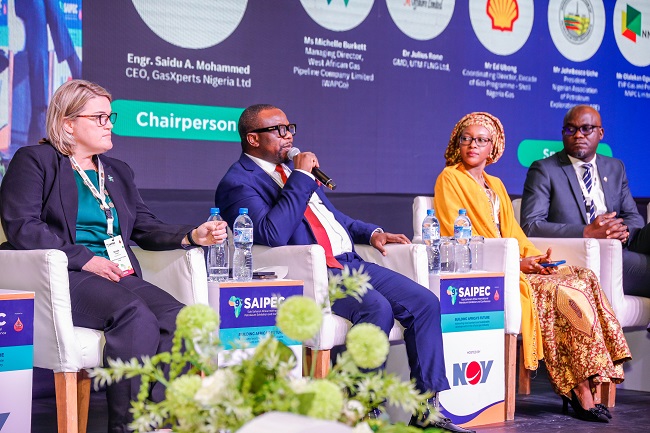
A panel discussion session at SAIPEC 2025

The first series of confirmed speakers includes:

  • Dr Emeafa Hardcastle, Acting CEO, Petroleum Commission Ghana (Ghana)
  • Engr. Felix Ogbe Omatsola, Executive Secretary, Nigerian Content Development and Monitoring Board (NCDMB) (Nigeria)
  • Hon. Dr Eng. Caleb Makwiranzou, Deputy Minister for Mines and Mining Development / Zimbabwe Energy Regulatory Authority (ZERA) (Zimbabwe)
  • Foday Mansaray, Director General, Petroleum Directorate (Sierra Leone)
  • Dr Ernest Rubondo, Executive Director, Petroleum Authority of Uganda (Uganda)
  • Dr Amadou Hassane, Former General Director of Hydrocarbons, Ministry of Petroleum (Niger Republic)
  • Baboucarr Njie, Managing Director, Gambia National Petroleum Corporation (GNPC) (The Gambia)
  • Proscovia Nabbanja, Chief Executive Officer, Uganda National Oil Company (UNOC) (Uganda)
  • Fabian M. Lai, President & CEO, National Oil Company of Liberia (NOCAL) (Liberia)
  • Engr. Oritsemeyiwa Eyesan, CCE, Nigerian Upstream Petroleum Regulatory Commission (NUPRC), (Nigeria)
  • Engr. Wole Ogunsanya, CEO, Geoplex Limited, Chairman, Petroleum Technology Association of Nigeria (Nigeria)
  • Kwaku Boateng, Director, Economics and Local Content, Petroleum Commission Ghana (Ghana)
  • Jean Michel Akossi, Director of Local Content, Directorate of Local Content, Côte d’Ivoire (Côte d’Ivoire)

Collectively, these leaders represent institutions and markets that have consistently engaged with SAIPEC over the past decade, reinforcing the event’s role as a trusted forum for sustained policy dialogue, regional cooperation and investment promotion.

SAIPEC 2026 will take place next month, from February 10–12 2026, at the Eko Convention Centre, Lagos, marking 10 years since the event’s launch. Hosted by the Petroleum Technology Association of Nigeria (PETAN) in strategic partnership with NCDMB, NNPC Ltd, NUPRC and AOS Orwell, the anniversary edition will convene regulators, NOCs, operators, investors and service providers from across Africa and beyond.

A key focus of the 10th anniversary programme will be Nigeria’s ongoing oil licensing round, with dedicated sessions providing the latest regulatory updates, acreage opportunities and investment insights. These discussions will be complemented by country spotlight sessions highlighting upstream, gas, and infrastructure opportunities across major African energy markets.

Beyond the conference agenda, networking remains central to SAIPEC, with curated business meetings, executive receptions and industry networking events designed to facilitate partnerships and deal-making. The international exhibition, one of the largest of its kind in Sub-Saharan Africa, will feature over 150 exhibitors, showcasing technologies, services and solutions across exploration, production, engineering, digitalisation and energy transition.

The full SAIPEC 2026 programme is available at www.saipec-event.com.

Chinedum Nwajiuba: On no harmattan in December 2025, January 2026 in Nigeria

0

The harmattan experience in Nigeria

  1. This is the northeast trade wind emanating from the Sahara, which blows across West Africa, and reaches Nigeria typically from November in a year and ends around March the following year. It therefore expectedly reaches Nigeria’s northern arid borders before the rainforest and mangroves of the south on the Atlantic Ocean.
  • The harmattan in Nigeria is characterised by hazy conditions, often windy and dusty, and low temperature especially at night and in the mornings. Hitherto we experienced significant daily temperature fluctuations, sometimes from 9°C to 30°C. So far, as at the second week in January 2026, this has not happened.
  • This has led to the very widely commented no harmattan in December 2025 and so far in January 2026, in Nigeria.
Alex Ekwueme Federal University
Professor Chinedum Nwajiuba

Questions arise

  • As a result of the experience this December 2025/January 2026, people are asking questions. These include:
    • How do we explain this phenomenon/What could have caused this?
    • What should we expect this year?
    • What other impact could there be?

A brief on how we addressed these questions

  • The simple way to go about this would be to look at meteorological records and see if we have had this experience in the past. We cannot rely on human memory because that is weak. The world of science and policy requires that we produce evidence. If we find a similar year in the past, we may then look into the year that followed and imagine what to expect.
  • Being in the southeast of Nigeria, the closest research institute to me, having reliable meteorological records is the National Root Crops Research Institute (NRCRI) at Umudike, in Abia state. That institute has the longest records on such parameters. Available data at the NRCRI spanned 103 years, and included data on temperature, wind, and dust. Absence of harmattan in this period is indicated by higher-than-average temperature for period, less dust in the atmosphere, and less wind speed.
  • In the past, may be up till the 1980s most primary and secondary schools in the same southeast Nigeria collated basic meteorological records and recorded them. These they did using simple rain gauges and wind vanes or weathercock. Today, I cannot find one school with rain gauge, wind vane or weathercock indicating the cardinal points of North, South, East and West, not to add thermometers recording day time and evening temperatures.
  • Despite the multiplicity of policies, plans, strategies, and numerous “talkshops” and workshops, conferences etc. on climate change etc. we are in many practical ways technically behind and inferior to what we had pre- and immediate post-independence era, up till the 1980s, on this subject.
  • The lack of data is a well-known limitation to addressing the challenge of climate change, and has limited the quality of our national plans, including the Nationally Determined Contributions (NDCs) submitted to the United Nations Framework Convention on Climate Change (UNFCCC), and indeed most aspects of planning at all levels of governance in Nigeria.
  1. If the sub-nationals were serious entities in Nigeria and sincere on their claims on climate governance and climate change policies and plans, they should urgently be restoring the collation of climate and weather data in all schools, and I add, in all churches in the area. Churches, because there is hardly any community in the southeast without a church. Of course this could be applied across Nigeria.
  1. This is important because science recognises the need for high density data collection as there is very strong variation in weather and climate parameters over small areas. Unfortunately, the NRCRI data collated at Umudike has over decades been used as proxy for the entire region.

What does records at NRCRI Umudike show?

  1. From the records at the NRCRI Umudike, dating over a century, we can confirm that the phenomenon this year has never been experienced. According to researchers at the NRCRI, “based on 103 years digitise meteorological records from the Umudike microclimate zone, a complete absence of Harmattan has not been previously observed.”
  1. In the past the harmattan has never failed to happen. What has happened are harmattan of varying intensities or severities. Some years may be mild and some years may be more intense. But never has it failed to happen: “From our 103 years meteorological records for rain, temperature, wind, and dust parameters, no year within our dataset indicates a complete absence of Harmattan conditions. Observed variations reflect intensity fluctuations rather than total disappearance.”
  1. In effect from scientific records the total or complete absence of harmattan has never been recorded.

Question 1: How do we explain this phenomenon/What could have caused this?

  1. We could start by reflecting on wat triggers the harmattan and why has that trigger not happened, or if the trigger is still in place and acted, why did the harmattan-effect not happen? This is a challenge for atmospheric scientists and researchers.
  1. It could be simplistic to attribute this to climate change. It may be, it may also not be. If what we experience December 2025/January 2026 becomes irreversible, not temporary, that is if we do not see a restoration of previous conditions in this period of the year, then we could place that in the realm of climate change. If that is not the case, that is, we see in December 2026/January 2027 and beyond the return of the long-term weather characteristics of these same parts of the world, then we could define what we now see as mere variability. If, however, we insist on this as the impact of climate change then we could see this as an extreme weather occurrence.

The rain in late December 2025 in several locations in Southeast

  1. A case of extreme weather event. As reported from multiple locations in the southeast of Nigeria, in late December 2025 we had a few days of rains of varying intensity. In my home at Umuezeala-Nsu in the Ehime-Mbano LGA of Imo State, the rain was unusually heavy. While I recorded that by video, there was no rain gauge to have data on this in terms of millimeters of rainfall. In the same community in the 1970s the primary schools had rain gauges and wind vanes. We therefore limit to the inadequate statement of “heavy” rain.
  1. Rainfall in December are not totally unseen in the past, but this time it was heavier than usual.
  1. On the rainfall of December 29, 2025, researchers at NRCRI reported on how widespread the rainfall experienced was and if it has happened before, and if it has, was that also in the years with no harmattan. If yes, what followed in the next year?

– Their response: Within the Umudike microclimate zone under our coverage, no rainfall was recorded in December 2025, indicating strong spatial variability. However, historical records (1921–2025) show rare on 29th Decembers. Records we have for rainfall events 29th December are as follows: in 1929 (6.04 mm), 1934 (9.31 mm), 1958 (0.47 mm), and 1990 (0.10mm).”

In effect while we at Umuezeala-Nsu, approximately 20kms Northwest of Umudike experienced such heavy rainfall, Umudike did not. Refer again to the earlier statement on the need to increase the density of collection of weather data.

  • In the same locations around Umuezeala-Nsu in 2024, commencement of rainfall was delayed. Farmers had started operations only for the rain not to come when expected. Farmers lost. The same farmers expected delayed rains in 2025 and did not see the rains coming earlier. They delayed farming. Again, farmers lost.

Implications: Farmers do not like uncertainties. In rainfed cropping systems these adversely impact farmers. As these irregularities and swings have emerged as a new pattern, we can add a new impact of climate change as uncertainties in weather parameters.

  • Before now, the commonest mentioned impacts of climate change in the literatures have been:
  • Rising temperature;
  • Changing precipitation/rainfall regimes (commencement and duration, volume and intensity); and,
  • Increased frequencies of extreme weather events.
  • When we merge the steady lack of pattern on commencement dates for rainfall and now the harmattan absence phenomenon, we can add a fourth impact of climate change as

–  Uncertainties on the direction of change on all parameters of weather and climate, simultaneously occurring. As a result, famers and other stakeholders cannot plan based on experiences as no weather parameter has a pattern any longer.

  • Outstanding are of course investigations on the triggers of no harmattan beyond climate change. What is it that usually happened in the global climate and atmospheric systems, and specifically, what triggers the northeast trade winds from the Sahara that leads to harmattan in West Africa, that did not happen this year? This should interest researchers and atmospheric scientists. Are there significant changes to the Sahara ecologies? How much of vegetative cover is there. Can the Greening of the Sahara be a way forward, and can the governments of West Africa do to/with the Sahara what some other parts of the world have done in greening their deserts? This opens new research questions on whether changing the Sahara land cover may be influencing regional wind systems.

Question 2: What should we expect this year?

  • Science is no voodoo, and we have to rely on what is known to model the future. However, since we have never had the absence of the harmattan, we do not stand on solid grounds to make statements on what we can expect this year. If we had such an experience in the past, we could easily fall back to referencing what followed the period of no harmattan.
  • We can only present a sample of responses from a few researchers and farmers on what to expect. These fall into two broad categories – biophysical and economic:
  • The commonest perception is that the harmattan prepares fruit trees for flowering and fruiting. Therefore, there is fear that in 2026 most fruit trees will perform less optimally. Reduced supply and increased cost may be coming.
  • There is fear that farmlands are having less leaves shed by trees (reduced fertility, sans bush burning), and more shrubs still green. Therefore, farmers have more work to do on land preparation. Labour, which has been a major challenge in terms of availability and cost will pose more challenges this year. It will be good to encourage farmers to stop bush burning. Unfortunately, public and private extension services are weak in the area.
  • Most farmers store cassava in the soil and harvest when needed. Cassava is a strategic food security crop in the area. With high soil temperatures farmers expect more rotten cassava tubers, and therefore less produce this year, and therefore higher costs of products from cassava produce.
  • Yams stored in barns will be adversely affected by higher temperature. The speed of yams rotting will be faster, and therefore less arriving in good form in the market in the course of the year, and therefore higher cost.

Question 3: What are the impacts?

  • On a positive note, we have seen less adverse health challenges unlike years with harmattan. These include respiratory issues like increased risk of colds, coughs, asthma, bronchitis, and pneumonia due to dust inhalation. We have seen less dry skin, cracked lips, and hair breakage. We also see less irritation of the eyes, as dust can cause red, itchy, watery eyes.
  • We see less fires outbreaks, and cancellation of flights dues to reduced visibility.

Are there other relevant or related information on these?

  • Several other unusual climatic features have recently been observed. Notably, the 2025 records show the longest August break since 1921. This underscores the increasing frequency of atypical weather patterns. The Agrometeorology Unit at the NRCRI Umudike maintains a fully digitised weather database spanning 1921–2025, which supports these observations. Data Source: Agrometeorology Unit National Root Crops Research Institute Umudike (NRCRI) (2026).

Responses from researchers at NRCRI on the December 2025/January 2026 Harmattan

  1. The Harmattan season did not occur – are we still expecting it in view of climate change?

– “The Harmattan has not completely disappeared, but it has been delayed and weakened in many parts of Nigeria due to climate change. In places like Abia State and much of the southern region, the expected dry, dusty and cool conditions were replaced by warm and humid weather well into January. Some Harmattan influence is still being felt in parts of the country and may strengthen slightly, but it is likely to be shorter and less intense than in the past. Climate change is disrupting the traditional wind patterns from the Sahara, making Harmattan less predictable rather than entirely absent.”

2. Is this usual? Has this happened before?

– “Traditionally, Harmattan starts around November and peaks between December and January, so this delay is not normal. However, it is no longer rare. Similar delayed or weak Harmattan seasons have been recorded repeatedly over the last three to five years. While short-term variations have always occurred, the increasing frequency of these delays’ points to long-term climate change rather than a one-off event.”

3. Any implications on crop production, besides fruiting for horticultural/tree crops?

– “Yes, the implications go beyond delayed fruiting. In Abia State and other cassava-producing areas, reduced Harmattan dryness can help soils retain moisture, which may initially benefit cassava since it tolerates wetter conditions better than many cereals. However, prolonged warmth and humidity increase the risk of pests and diseases, including fungal infections and cassava pests. Higher temperatures also raise evaporation rates, leading to water stress later in the season. For staple crops like maize, millet and sorghum, these conditions can reduce yields unless farmers adapt through better water management or improved crop varieties. Planting calendars may also shift, affecting overall farm planning. Soon, Seasonal Climate Predictions will be published with onset, peak, and cessation dates, which will guide farm activities and help determine optimal planting dates in Nigeria.”

4. Is this scenario the same for far north/northern region?

– “No, the situation is not the same across Nigeria. The far northern and northern regions (such as Borno, Yobe and Kano) are experiencing more typical Harmattan conditions, including dry, dusty winds, low humidity and cooler temperatures. However, even in these areas, the Harmattan is reported to be milder or slightly delayed compared to historical norms. In contrast, the southern region, including Abia State, has experienced a more noticeable delay, with continued high humidity and warmer temperatures. This regional difference highlights how climate change is affecting Nigeria unevenly. “

  • Will it affect rainfall pattern? Researchers at NRCRI are currently working on rainfall pattern expected for 2026 in partnership with NIMET, and reported as follows:

“Analysis of post-Harmattan climatic responses—particularly rainfall onset, cessation, duration, intensity, and temperature – is ongoing. These aspects are being integrated into the upcoming Seasonal Climate Prediction developed in collaboration with NiMet, which will provide a more comprehensive outlook.”

Conclusion

While the complete absence of harmattan is worrisome as it suggests major alterations in natures balance, we may have to see what happens in the following

years to be conclusive on this. But while waiting we have to be prepared. We have to anticipate its effect on human health, agriculture, etc.

Appreciation

  1. Dr. Ben Okoye, National Root Crops Umudike.
  2. Dr. O. S. Chukwuemeka, Head Met Unit, NRCRI, Umudike.

Prof. Chinedum Nwajiuba (chnwajiuba@yahoo.de/+2348128498302) is Chairman, Board of West African Science Service Centre on Climate Change and Adapted land Use (WASCAL); Nigerian Environmental Study/Action Team (NEST); Development Planning and Research Institute (DPRI); Future Generations Institute (FGI)