Shell Nigeria Exploration and Production Company Ltd (SNEPCo) won an award for “Promotion of Good health/Wellbeing” at The SERAS Africa Sustainability Awards 2025 in Lagos at the weekend.
The recognition came as the latest outreach of the Nigerian National Petroleum Company Limited (NNPC)/SNEPCo Vision First initiative held in Asaba, Delta State from November 17 to 22, 2025, reaching a total of 6,538 individuals since the inception of the programme in 2022.
The SERAs Africa Sustainability Awards, which began in 2007, recognise achievements of individuals and organisations in corporate social responsibility. SNEPCo was honoured for investments in health, one of many high-impact projects the pioneer deep-water company has implemented since it commenced production at the Bonga field in 2005.
L-R: Social Investment Advisor, Shell Nigeria Exploration and Production Company Limited (SNEPCo), Lawretta Ehebha; SNEPCo’s Policy & Advocacy, Senior Advisor, Elohor Abu and SNEPCo’s Social Investment Advisor, Ayobami Ikuemonisan during the 19TH SERAS award ceremony in Lagos
Founder of the SERAS Awards, Ken Egbas, said at the award ceremony: “Tonight, we celebrate the organisations that are not only doing well but doing good,” commending the support which has made the event the gold standard for sustainability recognition in Africa.
“We are pleased at the recognition of our modest efforts to make life more meaningful for the people” commented SNEPCo Managing Director Ronald Adams. “The award is also a tribute for the support of NNPC Upstream Investment Services (NUIMS) and our co-venture partners – Nigerian Agip Exploration Limited, TotalEnergies Nigeria, and Esso Exploration and Production Nigeria (Deepwater) Limited.”
The Vision First initiative is the flagship of SNEPCo’s broader Health-in-Motion programme, and the outreach in Asaba was the fifth, and first outside Lagos.
Of the 1,927 who registered, more than 1,300 received consultation for ailments such as hypertension, diabetes and malaria, while 174 were operated for cataract and pterygium with nearly 1,500 given eyeglasses and eye drops. The programme was delivered in collaboration with the Delta State Ministry of Health, Aniocha North Local Government Council and a Jos-based NGO, Kolmarg Eyesight Foundation.
SNEPCo Managing Director, represented by Senior Asset Manager, Bolanle Odunayo-Ojo, said: “Through free eye screenings, treatments, and surgeries, we are working to restore sight, renew hope, and reaffirm our commitment to the health and dignity of every individual.”
In a goodwill message delivered by Gloria Mok, State Coordinator, Emergency Ambulance Service (DELSEAS) & Focal Person, Eye Health Programme, Ministry of Health, the Commissioner of Health, Dr. Joseph Onojae, said: “We are grateful to NNPC/SNEPCo for sponsoring this programme and adding Delta State in their corporate social responsibility agenda.”
Prof Olukorede Adenuga, Executive Director, Kolmarg Eyesight Foundation, noted: “Investing in eyecare and carrying out blindness prevention programmes have been shown to have the highest returns compared with investments in other area of healthcare; therefore, the Vision First program is a laudable initiative.”
Among other milestones recorded by the programme since 2022, nearly 5,000 prescription glasses have been dispensed at no cost with 4,869 people receiving essential medications, and 667 people undergoing vision-restoring procedures including cataract removals to other corrective surgeries.
Now that a proposal to relax the prohibition on commercial trade in elephant ivory has been rejected – once again- at the latest conference of CITES (Convention on International Trade in Endangered Species of Wild Fauna and Flora) in Samarkand, Uzbekistan, we have an extraordinary opportunity to chart a new and exciting path for elephant conservation across Africa.
Collectively we have over a century of experience, working to understand elephant ecology and conservation, in defining and regulating sustainable trade, and in developing plans and policies to protect wildlife. We believe African elephant range states should now harness a broader suite of policy tools to finally provide the protection and generate the financing this keystone species deserves.
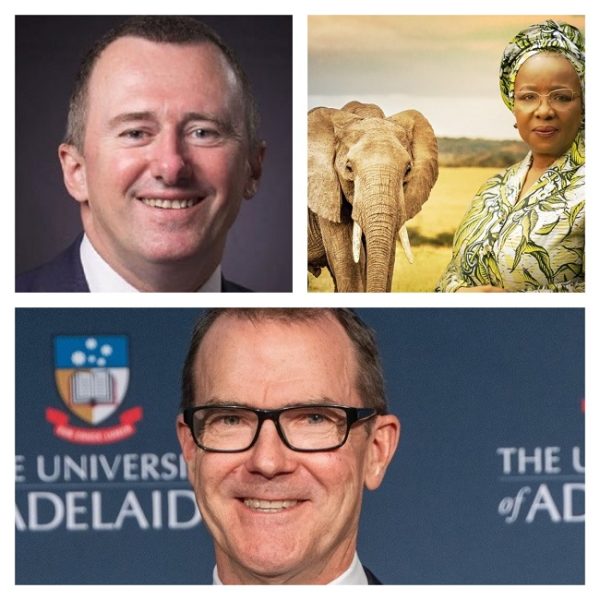
Clockwise from top left: Professor Lee White CBE; Sharon Ikeazor CON and John Scanlon AO. Photo credit: The EPI Foundation
On November 29, 2025, the overwhelming majority of countries at the CITES conference voted against the proposal by the southern African nation of Namibia for the ivory trade ban to be partially lifted so its government could sell its stockpile of ivory.
We were pleased to see that delegates from most African countries, and the majority of other countries across the world, did not want to put at risk the huge progress made since 1990 when CITES banned commercial trading in African elephant ivory; and similar resolutions have been rejected at the last three CITES gatherings. The evidence from previous partial exemptions to the 1990 ban is clear: a trickle of legal trade leads to a deluge of elephant blood as poachers target the animals for their white gold.
However, as former politicians and policy makers who have had to balance environmental, economic and electoral concerns, we understand Namibia’s predicament. Its great achievements in conservation and in protecting elephants across its territory, are hugely expensive, and resources are tight. But the true value of elephants is not in their ivory, and the short-term financial benefits of sales are not the answer.
As so often in public policy the key here is “monetising”: creating value out of an asset. For too long the sole focus for creating value out of elephants was through selling their tusks. A high price for ivory has always led to a surge of illegal killing, illegal trade, and laundering.
This trade resulted in the slaughter of hundreds of thousands of elephants, in Africa’s savannas in the 1970s-1980’s and subsequently in the forests, between 2007-2015. The second wave of killing resulted in the loss of upwards of 70% of forest elephants.
Elephant poaching is generally carried out by transnational criminal networks. It undermines governance and security, degrades ecosystems, and destroys sustainable, tourism-based economies. Furthermore, the forest elephant in particular is a critical part of the Congo basin rain forest ecosystem.
An elephant is a remarkable value-adding creature, working as an unpaid landscape architect. It leaves in its wake a trail of environmental benefits: its dung, the seeds it spreads, the soil it shifts, the biodiversity it catalyses, the tree species distribution it impacts, the winnowing out of less carbon absorbent plant life, the boosting of the above-ground biomass.
And this rich, valuable, transformative trail does not just run for thousands of looping kilometres during an animal’s life. It has an impact long after each individual animal has died.
Those of us who have spent time in the Congo basin can tell the difference between a forest with an active elephant population and one without. The level of life, of insect activity, the shape of the trees, even the light itself, is the difference between a full colour photograph and one in black and white. You might not see the forest elephant – they are famously good at ghosting away into thin air – but you see their rich impact.
Scientifically, there is research that suggests, for example, that a single forest elephant drives carbon capture increases worth $1.75 million. That is one helluva a landscape gardener!
This figure alone is extraordinary. Like all good science, this research begs more questions, demands more work, opens more avenues to explore. We need similar research on African savanna elephants that inhabit more open, grassland environments, not least in Namibia. But even if this figure is proven to be out by an order of magnitude, the value to the planet of an elephant alive is unequivocally and demonstrably many times more than its value dead as a source of ivory.
Furthermore, elephants are the biggest attraction of Africa’s wildlife tourism industry, estimated to generate over $30 billion annually and to employ over 3.5 million people.
History has taught us the high costs of reopening the commercial trade in ivory. Instead, let us forge a different path, working with Namibia and all elephant range states, and find creative ways to monetise the many benefits we derive from these magnificent animals.
By Professor Lee White CBE (Trustee of the Elephant Protection Initiative Foundation, a pan-African alliance of 26 nations working to protect the elephant population and former Minister of Water, Forests, Sea and Environment of the Gabonese Republic), John Scanlon AO (CEO of the Elephant Protection Initiative Foundation and former Secretary General of CITES) and Sharon Ikeazor CON (Chair of the Elephant Protection Initiative Foundation and former Minister of State for Environment, Federal Republic of Nigeria)
The Nigerian Conservation Foundation (NCF), in partnership with the Ford Foundation, has urged the Federal Government to introduce policies mandating supermarkets to channel proceeds from plastic bag charges to climate financing.
The NCF Director-General, Dr Joseph Onoja, made the call at the Youth-Focused Climate Event on Saturday, November 29, 2025, at Ibeju-Lekki in Lagos.
Onoja was represented at the event by the NCF Programme Development Manager, Mr Joshua Danzi.
Plastic bags
Onoja noted that climate change was already reshaping Nigeria’s environment, affecting farmlands, waterways, and coastal communities.
He observed that many supermarkets and restaurants have begun charging customers for plastic bags, but without a structured government mandate on how the collected funds should be used.
“These charges should not just serve as revenue for businesses.
“They must be directed into climate financing or environmental sustainability projects.
“Nigeria, as a signatory to the Paris Agreement, must ensure that every effort contributes to long-term climate solutions,” he said.
According to him, Nigeria needs structured policies especially on plastic usage to strengthen climate financing and secure environmental sustainability for future generations.
He underlined the importance of grassroots engagement to curb plastic pollution in the country.
Onoja noted that the collaboration with the Ford Foundation aims to make climate education more relatable, especially for young people in vulnerable communities.
He also highlighted the need for stronger national policy direction, particularly regarding plastic pollution.
The event was organised to inspire young environmental advocates through sports, art, and creative expression.
It was also part of activities to mark the Ford Foundation’s 65th anniversary.
The event gathered schoolchildren, teachers, community leaders, and environmental advocates for a day of interactive sessions.
This is aimed at deepening awareness about climate change and empowering young people to become frontline voices in climate justice.
A climate advocate, Mr. Shittu Usman, presented a detailed talk on the impact of climate change on agricultural productivity, rising fire outbreaks, and their links to global warming.
Student voices dominated the programme, reinforcing the urgency of the climate crisis.
Mr. Kasheen Abdulrasheed of Community Junior High School, Ibeju-Lekki, emphasised that young people must take proactive steps to protect the environment, starting with reducing plastic waste.
Miss Elizabeth Lawal of Magbon Alade Junior Grammar School, Ibeju-Lekki, urged policymakers to stop deforestation, protect forests and oceans, and enforce regulations on waste disposal.
Students from Refiners School, Lekki, presented “The Cry of the Waters,” a gripping narrative about marine pollution and community responsibility.
The competitive segments added energy to the day.
Students described the programme as transformative, with Miss Annu Akinwalere of Magbon Alade Junior Grammar School noting that the outreach had helped them understand climate issues more clearly and inspired them to act.
The Federation racked up a record N17.5 trillion debt to the Nigerian National Petroleum Company Limited (NNPC) in the 2024 financial year for pipeline protection, under-recovery on petrol, and other energy-security operations undertaken by the national oil company.
The figure – contained in NNPC’s newly released 2024 consolidated financial statements – has triggered widespread public concern, with economists and industry analysts demanding a full forensic audit of the spending.
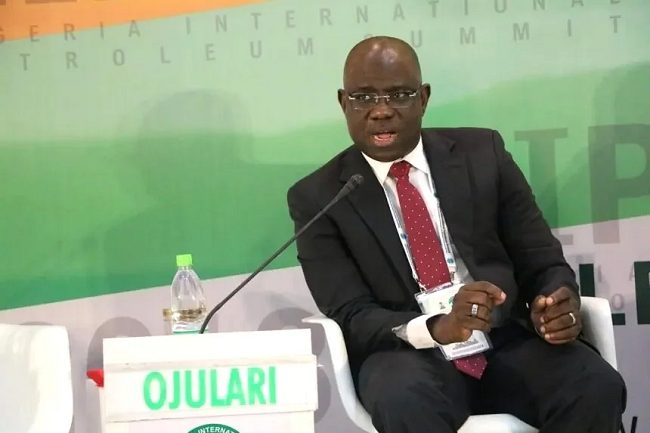
Group Chief Executive Officer of NNPC, Bayo Ojulari
Breakdown of the N17.5trn Cost
Findings show that N7.13 trillion of the expenditure was incurred as energy-security costs to keep petrol prices stable whenever the gap widened between the exchange rate and the ex-coastal cost of imported fuel.
Another N8.67 trillion was spent directly on under-recovery – the financial shortfall that arises when the regulated pump price of petrol is lower than the actual landing cost.
In addition, N8.84 trillion was recorded under Other Receivables from the Federation, representing advance payments made by NNPC and additional security spending on the protection of oil and gas installations.
The 2024 figure nearly doubled the N9.36tn recorded the previous year, signalling rising fiscal strain as the nation battles crude theft, vandalism, and volatile exchange rates.
Legal Basis and Contradictory Realities
Under Section 64(m) of the Petroleum Industry Act (PIA) 2021, the Federation is responsible for reimbursing NNPC for energy-security costs incurred as the supplier of last resort.
But the latest disclosures complicate President Bola Tinubu’s May 2023 declaration that “fuel subsidy is gone.” With under-recovery costs now at multi-trillion-naira levels, the financial statements indicate that government support for petrol pricing has in effect continued.
The report also confirmed that the year opened with an under-recovery balance of N6.21 trillion, up sharply from N2.06 trillion in 2023, and that total energy-security debts owed to NNPC climbed to N8.67 trillion by December 31.
NNPC Posts Record Profit Despite Rising Debts
Despite the heavy financial burden on its books, NNPC announced a Profit After Tax (PAT) of N5.4 trillion for 2024, its strongest performance since becoming a limited liability company. The company’s PAT represents a 64% increase from the N3.297 trillion reported in 2023.
Proshare, a Nigerian financial intelligence platform, described the performance as “strong and commercially encouraging,” citing an 87.89% growth in total revenue, driven largely by higher crude oil production and improved operational efficiency.
Crude sales alone surged to N29.21 trillion, more than double the previous year’s figures, while natural gas and power revenues rose by 125.66%.
However, Proshare warned that the company’s rising finance costs and shrinking gross margins demand cautious oversight.
Stakeholders Demand Probe
The massive security-related expense has drawn sharp criticism from experts, who question the transparency and justification for such spending.
Jeremiah Olatide, CEO of Petroleumprice.ng, described the N17.5 trillion bill as “outrageous and indefensible,” accusing the national oil company of masking deep inefficiencies and internal collusion.
“N17.5 trillion spent on pipeline security and energy-security costs in a single year is outrageous and should be probed,” he said. “How do you justify such a humongous expense when production remains around 1.4–1.5 million barrels per day?”
He argued that despite years of security spending, crude oil theft, pipeline vandalism, and sabotage remain rampant.
A critique, Kelvin Emmanuel, public finance analyst and co-founder of Dairy Hills, alleged that the government has been compensating militant groups with crude supplies under the guise of pipeline surveillance agreements.
Writing on X, Emmanuel said: “Now that NNPC’s financial statement shows that N7.1 trillion was disbursed in 2024 from supposed subsidy savings for pipeline security contracts, I am sure the 78,000 to 110,000 barrels per day is now confirmed.”
He called for open contracting, third-party verification of all security-related payments, and a complete overhaul of the current pipeline protection framework.
Repayment Uncertain
The financial documents do not indicate whether the Federal Government has refunded any portion of the mounting amount owed to NNPC. With debts nearly doubling in a single year, analysts warn that delayed reimbursements could weaken NNPC’s liquidity and ultimately shift the financial burden to the Nigerian public.
Rising Pressure on Nigeria’s Oil Sector
As the country struggles with declining output, deteriorating infrastructure, and persistent under-recovery of fuel costs, stakeholders insist that transparency, accountability, and reform of the national security and subsidy systems are now unavoidable.
With the national oil company carrying the cost of government-mandated fuel pricing and security operations, experts say Nigeria’s energy future hinges on bold policy decisions – and a willingness to confront long-standing distortions in the petroleum sector.
The Nigerian Upstream Petroleum Regulatory Commission (NUPRC) has announced the official commencement of the Nigeria 2025 Licensing Round, marking another major step in the Federal Government’s drive to enhance the sector.
Mr. Gbenga Komolafe, the Commission Chief Executive, NUPRC, on Monday, December 1, 2025, unveiled the dedicated bid portal: br2025.nuprc.gov.ng during a press briefing at the commission’s headquarters in Abuja.
Unveiling the portal, Komolafe said the development was in the bid to expand investment, strengthen transparency, and deepen exploration in the upstream sector.
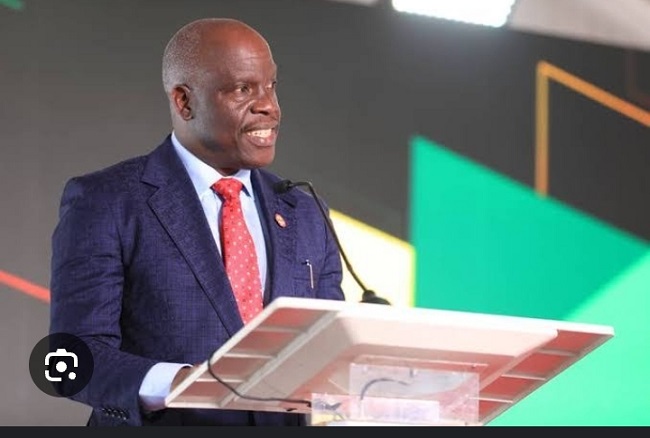
Gbenga Komolafe, the Chief Executive of NUPRC
The CCE recalled that recent licensing initiatives, particularly the 2022 Mini-Bid Round and the historic 2024 Licensing Round, were conducted with unprecedented transparency, global competitiveness, and strong investor engagement.
He said the 2024 Licensing Round was completed without a single litigation and earned commendations from the Nigeria Extractive Industries Transparency Initiative (NEITI) and other stakeholders.
Komolafe said that, with Presidential approval from President Bola Tinubu, the NUPRC had now placed 50 Oil and Gas blocks on offer across onshore, swamp/shallow water, frontier basins, and deepwater terrain.
“A breakdown of the blocks includes 15 onshore blocks, 19 shallow water blocks, 15 frontier assets and One deepwater block,” he said.
He outlined the key objectives of the 2025 Licensing Round, to include boosting Nigeria’s reserves, increasing production capacity, expanding gas utilisation and creating thousands of jobs across the value chain.
Komolafe listed others as enhancing indigenous participation, and reinforcing Nigeria’s commitment to transparency in line with EITI principles.
He said as a business enabler, and with the president’s approval, NUPRC had also reduced signature bonuses to attract greater investment and participation.
He said to further de-risk exploration, the NUPRC had undertaken extensive multi-client surveys, reprocessing thousands of kilometres of 2D and 3D seismic data to deliver the highest-quality subsurface imagery available in Africa.
“This, the commission noted, sharply reduces uncertainty, lowers entry costs, accelerates time to first oil or gas, and enhances investor confidence.
“The 2025 Licensing Round is projected to attract about 10 billion dollars in investments, add up to two billion barrels to national oil reserves over the next decade, and deliver an estimated 400,000 barrels per day from fully developed assets.
“At the Commission, we acknowledge that transparency is key to investor confidence. To ensure that the bidding process is credible and seamless, the Commission has rolled out guidelines which are now available on its website,” he said.
The CCE said it had adopted a two-stage bidding process for the award of the Blocks, comprising a qualification stage and a bid stage.
Reinforcing its commitment to transparency, Komolafe said the NUPRC had also introduced a two-stage, fully digital bidding process, comprising a qualification stage and a bid submission stage.
According to him, winners will emerge at the commercial bid round and the Commission emphasised that the age or date of incorporation of bidding companies is not a limiting factor.
He added that the assessment would focus strictly on technical capacity, professionalism, and financial capability.
Komolafe said, “The qualification stage involves the submission and evaluation of applications by interested parties or consortia in accordance with the Regulation and the Guidelines.
“Only applicants who are adjudged qualified and subsequently shortlisted by the Commission shall proceed to the Bid Stage and will be required to execute a Confidentiality Agreement prior to participation.
“At the bid stage, shortlisted applicants or bidders shall submit their Technical and Commercial Bids in accordance with the Regulation, the Guidelines, and any other bidding documents issued by the commission.
“Given our commitment to transparency and alignment with best practices, the bid process will be automated and digital.”
Meanwhile, the NUPRC has reaffirmed its commitment to promoting inclusive development in the Niger Delta region, with particular focus on Persons with Disabilities (PWDs).
The Chief Executive Officer, NUPRC, Gbenga Komolafe, made the remark during a one-day workshop organised by the Centre for Citizens with Disabilities (CCD) for PWDs, held in Port Harcourt, on Monday.
Komolafe, represented by Dr Ogechi Opete, the Deputy Director at NUPRC Port Harcourt Regional Office, acknowledged that the workshop, with the theme “Ending Barriers Against Niger-DeItans with Disabilities (EBANA), was apt.
He emphasised that the Petroleum Industry Act (PIA) 2021 provided a legal framework for promoting social equity and inclusion in host communities.
Komolafe noted that the Host Community Development Regulations of 2022 mandates participatory, needs assessment, stakeholder engagement, and transparent governance structures.
The NUPRC chief executive officer stressed that PWD-inclusive planning was not optional, but a requirement for development projects, saying that representation of PWDs in governance structures was vital to ensuring their unique needs were met.
He said that the commission would ensure full compliance with the PIA and Host Communities Development Trust (HCDT) regulations, strengthen accountability, and support initiatives that promote equity and social harmony in host communities.
Earlier, the Acting Director of the CCD, Mr. Godwin Unumeri, stated that the workshop was aimed at finalising a regional demand charter for the inclusion of PWDs in the petroleum industry act benefit structures.
Unumeri stated that the organisation had developed a regional demand charter for the nine Niger Delta states, highlighting the needs of PWDs, including accessible infrastructure, education, and employment opportunities.
The acting director said that the stakeholders, including PWDs, policymakers, and advocates gathered to deliberate on measures to ensure that the PWDs demand charter would be included in the PIA’s host community development trusts, needs assessments, and budgets.
“The stakeholders will review and finalise the charter, which will be presented to the Nigerian Upstream Petroleum Regulatory Commission to form a supplementary act for disability inclusion,” he said.
Unumeri appealed to NUPRC to develop a supplementary act that would ensure host community development trusts prioritises disability inclusion in their needs assessments, development plans, and budgets.
Also, Mr. Amadi Onyekwere, the Director of Petroleum Ministry of Petroleum and Mineral Resource, Abia, said that the initiative was a right step to ensuring that right and needs of the PWDs were recognised and properly addressed in the oil and gas sector.
Onyekwere said that the PIA was a landmark legislation governing Nigeria’s oil and gas industry, but that the PWDs were not properly considered.
He said that the situation could be changed by co-creating the charters demands of the PWDs.
He called on the HCDT to integrate disability related concerns, providing support for infrastructure development, economic empowerment and social services.
The director also called on Nigerian government and industry regulators to consider amendment of the relevant sectors of the PIA act to include appropriate qualified PWDs into relevant communities of the HCDT.
He also called on government to recognise state ministry vested with oil and gas portfolio in host communities mattered.
Onyekwere stated that the governor of Abia State, Dr Alex Otti, through the Ministry of Petroleum and Mineral Resources, strongly advocated inclusivity in the membership of the trust.
He reaffirmed that Abia State Ministry of Petroleum and Mineral Resources would always work with the government for effective implementation of the PIA for the good of the people.
The workshop drew stakeholders from across the nine states of the Niger Delta region
Addressing global loss of fertile lands and escalating droughts will be the focus of the 23rd session of the Committee for the Review of the Implementation of the Convention (CRIC23), as 197 Parties to the United Nations Convention to Combat Desertification (UNCCD) convene in Panama this week.
The meeting comes at a crucial moment. If current trends continue, land almost the size of South America (16 million square kilometres) will show continued degradation by 2050, just as the global demand for food, water and energy continues to soar. Meanwhile, two-thirds of the planet have become permanently drier in the last three decades, and the past two years have seen the most widespread and damaging droughts in recorded history. In Panama, drought disrupted traffic through the Canal, significantly impacting global trade.
UNCCD Executive Secretary, Yasmine Fouad
UNCCD Executive Secretary, Yasmine Fouad, said: “The resilience of our communities, economies and ecosystems depends on healthy land. Yet, we continue to degrade an area the size of Egypt every year, eroding the land’s ability to produce food, store water, support biodiversity and shield people from droughts, floods and sand and dust storms. Investing in sustainable land management, land restoration and nature-based solutions is not only an environmental necessity; it is a development imperative and a strategic investment in stability, prosperity and peace.”
“CRIC23 is a key moment to assess our collective progress, strengthen the bridge between Riyadh and Ulaanbaatar, and recognize land and drought resilience as the red thread connecting the Rio Conventions. Together, we can accelerate the shift toward a more resilient, food-secure and nature-positive future.”
From Riyadh to Ulaanbaatar
CRIC23 will review progress in implementing decisions taken at the 16th meeting of the Conference of the Parties (COP16) to UNCCD in Riyadh, Saudi Arabia in December 2024 and discuss the Convention’s post-2030 roadmap.
Osama Faqeeha, Deputy Minister of Environment, Water and Agriculture of the Kingdom of Saudi Arabia, UNCCD COP16 Presidency, said: “In Riyadh, world leaders established new priorities for land and drought action. One year on, this meeting is a crucial opportunity to accelerate the translation of COP16 decisions into concrete policies and practices and to advance the Convention’s agenda. Sustainable land management and drought resilience cannot wait: we depend on them to ensure food, water and energy security, as the world will need to produce 50 per cent more food by 2050.”
The meeting will hold thematic sessions on land tenure as the basis for investments in healthy land; discuss the growing threat of sand and dust storms; and host the second Gender Caucus to give a voice to women, who are disproportionately affected by land degradation and drought, while supporting the livelihoods of entire communities around the world.
Parties will also engage with other key stakeholders including youth, Indigenous Peoples and local communities, and see the launch of new reports on Small Island Developing States and rangelands.
In addition, the first of three informal and voluntary dialogues on drought resilience will be convened alongside CRIC23, building on the outcomes of COP16 and preparing for the resumption of negotiations at COP17. Led by the COP16 Presidency, the Tafa’ul Process is inspired by the Arabic word تَفَاؤُل (Tafa’ul), meaning constructive optimism and hopeful determination. CRIC23 recommendations will inform decision-making by the Convention’s 196 country Parties and the European Union ahead of the next UNCCD COP17, which will take place in Ulaanbaatar, Mongolia, in August 2026.
Mr. Batmunkh Dondovdorj, Special Advisor to the Minister and Chairman of upcoming COP17 Presidency National Office, stressed that the road from Riyadh to Ulaanbaatar must be a road of hope for communities and ecosystems that have long been undervalued. COP17 will coincide with the International Year of Rangelands and Pastoralists, offering a unique political moment to highlight rangelands, which are disappearing faster than rainforests.
“The meeting in Panama is crucial to set the basis for a successful COP17, which will bring to the fore the links between human wellbeing and healthy, productive and resilient landscapes,” said Dondovdorj. “That is particularly true for rangelands, which cover around half of the planet’s land area and are home to two billion people, but are often treated as empty, expendable spaces. For Mongolia – a country whose history, culture and economy are deeply rooted in pastoralism – this is not an abstract issue. It is about dignity, identity and opportunity for people who have been overlooked for far too long.”
Panama’s Nature Pledge
Today, Panama highlighted the centrality of land in its Nature Pledge, a roadmap that unifies national efforts to tackle land degradation, biodiversity loss and climate change to leverage the synergies between the three Rio Conventions and advance all of their interconnected goals, faster.
As part of its Nature Pledge, Panama plans to restore 100,000 hectares of degraded land by 2035.
Juan Carlos Navarro, Minister of Environment of Panama, declared: “Nature is the backbone of the global economy. The Panama Nature Pledge shows our commitment to restoring critical watersheds, protecting forests, and incentivising sustainable agricultural practices as a means to build the resilience of our economy and our communities. The Panama Natural Fund, in turn, guarantees long-term conservation actions across the territory. There is no time to lose: We must urgently take care of nature, so nature can continue taking care of us.”
A signatory to UNCCD since 1996, Panama has committed to achieve Land Degradation Neutrality by 2030, identified 31 critical hotspots, and is advancing reforestation and Dry Corridor adaptation programmes – underlining its role as CRIC23 host. This year, Panama became the first country to host meetings of all three Rio Conventions in the same year.
More than 600 experts appointed to the three Working Groups of the Intergovernmental Panel on Climate Change (IPCC) are gathering in Paris this week to commence work on the first draft of IPCC’s Seventh Assessment Report (AR7). This is the first time in IPCC’s history that the three Working Groups are holding a joint Lead Author Meeting.
At the invitation of the French government, through the Ministry of Ecological Transition, Biodiversity, and International Negotiations on Climate and Nature, the Ministry of Education and Research and the Ministry for Europe and Foreign Affairs, the IPCC’s Lead Author Meeting, held jointly by the three Working Groups, is taking place from 1 to 5 December.
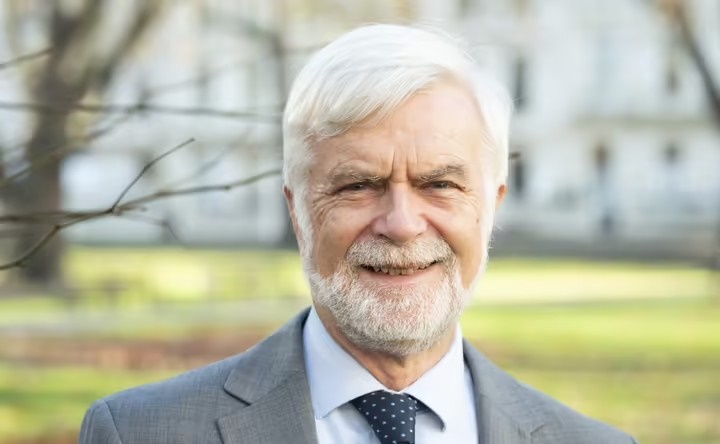
Jim Skea, IPCC Chair
The authors, from more than 100 countries, will focus their work on the initial drafts of the three Working Group contributions to AR7 and cross-cutting topics. Bringing together authors from all three Working Groups in a single venue aims to enable the IPCC to take an ambitious qualitative leap in assessing key interdisciplinary questions related to climate change.
“It is apt that France is hosting our first Lead Author Meeting for the Seventh Assessment Report on the 10th anniversary of the Paris Agreement. The meeting marks the beginning of our assessment of the latest science related to climate change. From here on, our focus will be on delivering scientifically robust and actionable findings relevant for the world’s policymakers,” said IPCC Chair Jim Skea.
The IPCC provides the world’s policymakers with comprehensive summaries that synthesise and contextualise what is known about the drivers of climate change, its impacts and future risks, and how adaptation and mitigation can reduce those risks. Through its assessments, the IPCC identifies the strength of scientific agreement in different areas and indicates where further research is needed.
“In this year marking the 10th anniversary of the Paris Agreement, France is proud to host the very first joint meeting of all IPCC authors. This is an opportunity to send a strong message of support for science, which must remain the foundation of our decisions to reduce our emissions everywhere across the world,” said Monique Barbut, Minister of Ecological Transition, Biodiversity and International Negotiations on Climate and Nature.
France’s Minister for Europe and Foreign Affairs, Jean-Noël Barrot, said: “Ten years after the Paris Agreement, France is proud to champion climate and scientific diplomacy informed by the work of the IPCC. In an era marked by growing information warfare, France stands as a steadfast bulwark against attacks on science. We will continue to act with strength and determination to ensure that science and climate action remain inseparable.”
IPCC assessments aim for the highest standards of scientific excellence, balance, and clarity. Appointed experts volunteer their time and expertise as IPCC authors to assess the tens of thousands of scientific papers published each year.
“The sheer volume and high level of interest that we received from the scientific community to participate in the IPCC is a positive indication of a global commitment to advance climate action policies that are rooted in science,” said Robert Vautard, Co-Chair of Working Group I and senior climate scientist at the National Centre for Scientific Research at Institute Pierre-Simon Laplace, Paris.
IPCC reports are subject to multiple stages of review to ensure a comprehensive, objective and transparent assessment of the current state of knowledge of the science related to climate change. An open and transparent review by experts and governments around the world is an essential part of the IPCC process, to ensure an objective and complete assessment and to reflect a diverse range of views and expertise.
The IPCC’s first joint Lead Author Meeting will be opened by Monique Barbut, Minister of Ecological Transition, Biodiversity and International Negotiations on Climate and Nature.
Members of the International Press Institute (IPI) Nigeria will converge on the Federal Capital Territory (FCT), Abuja, for their Annual Conference and Annual General Meeting (AGM), with a major focus on Nigeria’s deteriorating press freedom indicators.
Nigeria has fallen 10 places to 122nd in the 2025 World Press Freedom Index released by Reporters Without Borders (RSF), a sharp drop from its 112th position in 2024.
This troubling slide will dominate discussions at the 2025 Annual Conference on the opening day, December 2, 2025, and at the members-only closed-door AGM session on December 3.
IPI Nigeria President, Musikilu Mojeed
The worsening situation informed the group’s choice of papers and speakers for the conference, reflecting the collective concern of its seasoned membership.
The first paper, “Addressing Media Repression in Nigeria: Safeguarding Press Freedom and Democratic Accountability,” will be delivered by the Executive Director of Media Rights Agenda (MRA), Edetaen Ojo.
The session will be moderated by Busola Ajibola, Deputy Director at the Centre for Journalism Innovation and Development (CJID, with a panel featuring the Executive Director of the International Press Centre, Lanre Arogundade; Force Public Relations Officer, Benjamin Hundeyin; and Special Adviser at the Office of the National Security Adviser, Idayat Hassan.
The second paper, “Building Sustainable Media in Nigeria: Navigating Innovation, Credibility, and Revenue Challenges,” will be delivered by the President/CEO of CBD MediaEdge Communications Limited and Co-Founder of Media Trust Limited, Isiaq Ajibola.
A robust panel will follow, comprising the Vice-Chair of Channels Television, Olusola Momoh; Editor-In-Chief of LEADERSHIP, Azu Ishiekwene; the Director of the MacArthur Foundation in Nigeria, Kole Shettima; and the Publisher of The Point Newspaper, Yemi Kolapo.
The session will be moderated by Professor Abigail Ogwezzy-Ndisika, a Professor of Mass Communication and Director of the Institute of Continuing Education (ICE), University of Lagos (UNILAG).
As part of activities lined up for the first day, a Book of Infamy will be unveiled by Professor Abiodun Adeniyi, a Professor of Mass Communication and Registrar of Baze University, while the President of IPI Nigeria, Musikilu Mojeed, will coordinate a Surprise Honorary Event.
For the second day, reserved strictly for IPI Nigeria members, the institute will conduct a deeper interrogation of the country’s press freedom climate.
According to the 2025 World Press Freedom Index by RSF, “Nigeria is one of the most dangerous countries for journalists in West Africa.”
RSF noted that electoral periods continue to trigger “significant violence” against journalists.
In August 2024 alone, about 30 journalists were assaulted, arrested, or targeted with tear gas or gunfire while covering nationwide social protests.
The report adds that crimes against journalists persist with “almost no state mechanism for protection,” and that authorities “keep investigative journalists under close surveillance and do not hesitate to threaten and arbitrarily detain them,” often with impunity even when perpetrators are identified.
Vice President Kashim Shettima is billed to chair the conference, while the Minister of Information and National Orientation will deliver a special remark.
Other high-profile guests expected include the Director General of the Department of State Services (DSS), Oluwatosin Ajayi; former Minister of Information and Culture, Alhaji Lai Mohammed; former spokesperson to the late President Muhammadu Buhari, Garba Shehu; and former State Chief of Protocol to Buhari, Ambassador Lawal Kazaure.
Several eminent personalities and senior media leaders are also scheduled to attend, including the Executive Director of IPI Global, Scott Grifen, who will deliver a solidarity address; and former Governor of Ogun State, Olusegun Osoba.
Presidents of major media associations invited to the event include Lady Maiden Alex-Ibru, President of the Newspapers Proprietors Association of Nigeria (NPAN); Eze Anaba, President of the Nigerian Guild of Editors (NGE); Danlami Nmodu, mni, President of the Guild of Corporate Online Publishers (GOCOP); and Comrade Alhassan Yahya Abdul, President of the Nigerian Union of Journalists (NUJ).
Heads of agencies under the Ministry of Information and National Orientation will also be present. They include the Directors General of the National Orientation Agency (NOA), Lanre Issa-Onilu; Voice of Nigeria (VON), Jubrin Baba Ndace; Federal Radio Corporation of Nigeria (FRCN), Mohammed Bulama; Nigerian Television Authority (NTA), Salihu Dembos; and the Managing Director of the News Agency of Nigeria (NAN), Ali M. Ali.
Other invited dignitaries include former Director of Information in the Office of the Secretary to the Government of the Federation (SGF), Haruna Imrana; former Provost of the Nigerian Institute of Journalism (NIJ), Gbemiga Ogunleye; IPI Global Board Member, Raheem Adedoyin; former Managing Director of Champion Newspaper, Emma Agu: former Executive Director at the Tribune Newspapers, Folu Olamiti; former editor of The Punch, Najeem Jimoh, a Professor of Communication at the Lagos State University, Tunde Akanni; Associate Professor of Mass Communication at Bayero University, Kano, Sule Yau Sule; and Publisher of PRNigeria, Yushau Shuaib.
Business secretary, Peter Kyle, confirmed on Monday, December 1, 2025, that the UK Export Finance (UKEF) agency would pull its support for the long-delayed Mozambique liquified natural gas project, led by French energy giant TotalEnergies. The decision comes five years after the scheme became a focal point for environmental protests and accusations that it was fuelling instability in Cabo Delgado province.
The project has been frozen since 2021, when Islamist militants stormed the nearby town of Palma, killing more than 800 people and forcing Total to evacuate staff and halt operations. The company is preparing to restart work in the coming months after enhanced security measures were deployed in the area.
TotalEnergies
Kyle said UKEF’s withdrawal followed “a comprehensive assessment of the project and the interests of UK taxpayers”, adding: “Whilst these decisions are never easy, the government believes that UK financing of this project will not advance the interests of our country.”
The UK had initially approved the loan in 2020, shortly after MPs on the environmental audit committee urged the previous Conservative government to end financial support for overseas fossil fuel projects, warning such backing undermined the UK’s climate commitments.
UKEF originally argued the scheme could support more than 2,000 UK jobs, benefit small businesses and deliver economic development for Mozambique. A 2019 agreement with Centrica also raised the possibility that gas from the project could supply British households.
But environmental groups and development campaigners have long criticised the project’s climate impact and the forced relocation of communities living near the construction zone. They also argued that Mozambique – one of the countries most vulnerable to climate change – should be supported to expand renewable energy capacity instead.
Antoine Bouhey of Reclaim Finance said the UK’s withdrawal showed the project was “riddled with problems and cannot be supported”, adding that major lenders including Standard Chartered, Crédit Agricole and Société Générale should now follow suit. “It has been blatantly clear for years that this project is a disaster for local communities and for the climate,” he said.
In a reaction to the development, environmental campaigners, say that UK’s Prime Minister, Keir Starmer, “has righted this wrong”.
Friends of the Earth chief executive, Asad Rehman, said the government’s decision was long overdue. “This gas project is a huge carbon timebomb, linked to serious human rights abuses,” he said. “It should never have been given UK taxpayer-funded support in the first place.”
Rehman urged other governments to withdraw backing and called on the UK to shift support toward climate adaptation efforts and clean energy projects in Mozambique, where 60% of the population still lacks access to electricity.
Adam McGibbon, Campaign Strategist at Oil Change International, said: “Keir Starmer and his government made the right decision to refuse to fund the Mozambique LNG project, which is a human rights and environmental disaster. Committing UK taxpayer’s money to enable the project was a reckless move by the last government and would have breached the UK’s policy to not fund fossil fuel projects overseas. Starmer has now righted this wrong.
“It’s time for the other financiers – governments like The Netherlands, the United States, Italy and Japan, and private financiers like Standard Chartered – to pull out too and put an end to this nightmare project forever.”
Daniel Rubiero, from Justicia Ambiental Mozambique, said: “This decision by the UK shows that it is never too late to correct a mistake. Gas exploration in northern Mozambique has been associated with numerous human rights violations. Local communities have suffered the brunt of this, as well as having lost their livelihoods and lands to the project.
“In addition, the project is a carbon bomb and will have an impact on one of the most pristine ecosystems in Africa.
“Hopefully other financiers reflect on the reality of this project and put people’s rights over profits.”
Environment groups, such as the Friends of the Earth, have long campaigned against UK support for the project.
In October last year, the Friends of the Earth lawyers wrote to the Government and the UKEF chief executive saying that recent developments in climate litigation, including the ‘Finch ruling’, meant that the earlier climate assessment for the project could no longer be used lawfully.
The Supreme Court’s landmark “Finch ruling” requires regulators to include Scope 3 emissions in Environmental Impact Assessments for all new oil projects.
The UK Government’s decision does not stop the Mozambique LNG project from continuing, but it may lead other countries including Japan, Italy, South Africa, and the US to reconsider their support.
Friends of the Earth’s Rehman added: “We now urge other countries to follow suit and end their backing for this destructive project.
“The UK should instead support countries like Mozambique – which are on the frontline of the climate crisis – by helping them adapt to its impacts and invest in their abundant clean energy resources to bring affordable energy to the 60% of the country locked into energy poverty.”
The Mozambique LNG projectis regarded as a controversial fossil fuel project with grave allegations of human rights abuses and severe climate harms.
The UK initially signed up to support the LNG project in 2020, at the insistence of then-International Trade Secretary Liz Truss, and personally signed off by Prime Minister Boris Johnson. The UK withdrawing its export finance support for a project – after initially saying yes in 2020 – is said to unprecedented.
UK financing was seen as key for the project to go ahead. Campaigners believe that the UK pulling out could start a “domino effect” of other key financiers pulling out, such as the Dutch government, who have yet to make a decision on whether to go ahead with financing.
In June 2025, Oil Change International threatened the UK government with court action, saying that financing the project could put the government in breach of its international human rights obligations.
A civil society organisation (CSO), Civil Society Legislative Advocacy Centre (CISLAC), has called for a competitive green economy that creates jobs, unlocks innovation and strengthens energy security for Nigerians.
Executive Director of CISLAC, Auwal Rafsanjani, made the call during its Policy Dialogue with Legislators on Tax for Fossil Fuel Phase-Out in Lagos on Monday, December 1, 2025.
The dialogue was aimed at convening the leadership of African Parliamentary Network on Illicit Financial Flows and Tax (APNIFFT).
Participants at the Policy Dialogue with Legislators on Tax for Fossil Fuel Phase-Out in Lagos
Rafsanjani expressed CISLAC’s deep commitment to supporting the process.
He expressed the belief that the legislature must have the evidence, technical capacity and the institutional tools required to scrutinise existing fiscal incentives, evaluate their environmental and economic impact and introduce reforms, where necessary.
He said that the dialogue aimed to effectively situate Nigeria in the global drive towards transitioning to greener and sustainable energy sources.
“It is no longer news that Nigeria operates an oil and gas-dependent economy. Hence, Nigeria relies heavily on oil revenue to finance annual budgetary implementation and thereby financing its development.
“While we recognise the critical need to diversify and break the dependence on oil revenue, the challenges of global warming and climate change and the accompanied global efforts to combat the menace have made the need to break away from fossil fuel a major necessity.
“This is why today’s conversation could not be more timely, as Nigeria stands at a crossroads.
“On one side is our long-standing dependence on fossil fuels and on the other is the imperative to pursue a cleaner, more resilient and economically-inclusive energy future,” he said..
According to him, the Nigeria Energy Transition Plan (ETP) provides a national compass towards net-zero emissions by 2060.
He, however, said that its success would depend heavily on the country’s capacity to enact and enforce strategic fiscal reforms and targetted tax incentives that redirect investments towards transition fuels and green energy.
“Even as the largest economy in Sub-Saharan Africa, Nigeria continues to face significant energy challenges, including a growing demand for energy, heavy reliance on fossil fuels and limited penetration of renewable energy sources.
“With the share of renewable energy in Nigeria’s energy mix remaining critically low and accounting for less than 10 per cent of total energy consumption, Nigeria continues to be vulnerable to energy insecurity and environmental degradation,” he said.
Rafsanjani noted that the country had demonstrated a good understanding of the problems and had rolled out significant attempts to transition from fossil fuel to renewable energy sources.
This, he said, was part of Nigeria’s contributions to combatting climate change and tackling energy poverty in the country.
The executive director acknowledged the fact that the legislature had contributed its own quota by passing into law these critical frameworks and establishing key government agencies in implementing climate actions.
He, however, stated that effective implementation of key provisions of the frameworks remained a challenge and barriers to building the needed climate resilient infrastructure and low carbon development.
Rafsanjani expressed the belief that the legislature had bigger roles beyond the establishment of frameworks to over-sighting implementations, entrenching transparency and accountability as well as mobilising for efficient climate financing in the country.
“We know that fiscal policy – especially tax incentives – is one of the most powerful levers governments can use to shape economic behaviour.
“Around the world, countries have deployed incentives to accelerate renewable energy, stimulate green industries and encourage divestment from fossil fuels. Nigeria must not be left behind,” he said.
Rafsanjani recalled that CISLAC had also conducted a study on assessing tax practices, such as incentives and holidays for fossil fuel industries in the country.
He said, however, that incentives could only be effective if they were well-designed, transparently administered and closely overseen.
This, he said, was where the National Assembly had a pivotal role to play through lawmaking, budget appropriation and oversight.
Rafsanjani said that the national assembly could ensure incentives support strategic divestments from high-emission assets, expand access to transition fuels like natural gas for households and industries, and encourage investments in solar, wind, hydrogen and other renewable technologies.
Also speaking, Speaker of House of Representatives, Rep. Abbas Tajudeen, commended CISLAC and African Parliamentary network on Illicit Financial Flows and Taxation (APNIFFT) for convening the dialogue at an important moment in the country’s national life.
Tajudeen, represented by the House Committee Chairman on Media and Public Affairs, Akin Rotimi, expressed the parliament’s commitment to collaborating to strengthen the energy transition’s fiscal foundations, deepening environmental accountability and safeguarding Nigeria’s long-term prosperity.
“To underscore the seriousness with which the House approaches this subject, we have ensured strong institutional representation at today’s dialogue.
“Committees responsible for fiscal policy, the environment, economic planning and national development are also represented.
“Our presence reflects a united, whole-of-parliament commitment to a just, inclusive and future-focused transition,” he said.
In his own contribution, House Committee Chairman on Foreign Affairs, Oluwole Oke, said that the world had witnessed lots of progress on the issue of climate change in the last two decades.
“In Nigeria, we see increased mining of coal in places like Okaba in Ankpa Local Government of Kogi State, which has come with significant environmental and infrastructural breakdown.
“Generally, there seems to be a resurgence in the world’s recourse to fossil fuel. We, therefore, must deliberate on these issues and come up with a strategy on where we want to stand as a country, as a people and as a parliament.
“We must not lose sight of the fact that we need to preserve the planet because it is the only habitation we have and the only place for generations unborn to live and thrive,” he said.
The lawmaker said that the event was coming at a very crucial time when everyone needed to be asking key questions and seeking how the planet could jointly be protected.