26 C
Lagos
Thursday, March 5, 2026
Home Blog Page 85

Nigeria can achieve global methane reduction target by 2030 – Ekpo

0

The Federal Government said on Tuesday, November 25, 2025, that the country can achieve the Global Methane Pledge target of a 30 per cent reduction in emissions by 2030.

Dr Ekperikpe Ekpo, Minister of State for Petroleum Resources (Gas), said this in Abuja at a two-day Sub-Saharan African Roundtable on Methane Emissions.

The event, organised by the International Energy Agency (IEA) in partnership with the Ministry of Petroleum Resources and the African Energy Commission (AFREC), had its theme as “Turning Methane Pledges into Action”.
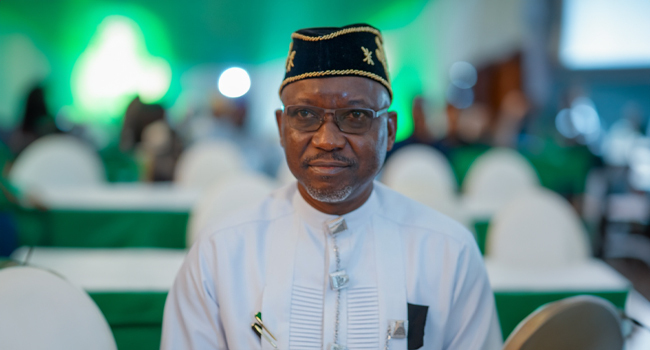
Ekperikpe Ekpo
Minister of State Petroleum Resources (Gas), Mr Ekperikpe Ekpo

“Nigeria achieving the Global Methane Pledge target is realistic and economically advantageous for oil and gas producing countries,” he said.

Ekpo described methane as one of the most potent greenhouse gases accelerating global warming.

He highlighted Nigeria’s strength in methane management, noting that the country became the first African nation to publish a Methane Action Plan after recording major progress through sustained reductions in routine gas flaring and extensive mapping of flare sites.

He said the country had also recorded progress in advancement of the Nigerian Gas Flare Commercialisation Programme, deployment of leak detection and repair technologies, and expanded Liquefied Petroleum Gas (LPG) utilisation in households.

According to him, these actions, alongside ongoing gas infrastructure projects under the Decade of Gas Initiative demonstrate Nigeria’s commitment to environmental stewardship, economic diversification, improved energy access and public health.

Permanent Secretary, Ministry of Petroleum Resources, Dr Emeka Obi, described the roundtable as timely, especially as the world had shifted attention from broad climate declarations to measurable emission-reduction outcomes.

Obi said methane reduction was central to Nigeria’s environmental, economic and energy priorities.

“While Nigeria holds vast natural gas reserves, decades of flaring and venting have resulted in significant financial losses and environmental damage.”

He said the Federal Government was reversing the trend through strengthened regulatory frameworks under the Petroleum Industry Act (PIA), which prohibited unauthorised flaring and enhancing environmental oversight across the energy value chain.

”Nigeria’s updated Nationally Determined Contribution (NDC) under the Paris Agreement, demands that the country cut greenhouse gas emissions by up to 47 per cent by 2030 on a conditional basis, and 20 per cent unconditionally with international support.

“These commitments are not abstract targets, they are embedded in national programmes, policy reforms and infrastructure investments currently underway,” he said.

He urged African countries to leverage methane reduction as a development catalyst capable of delivering cleaner industries, improving public health, creating jobs, expanding energy access and attracting investment.

By Emmanuella Anokam
FCT Minister urged to reactivate environmental courts

0

To tackle the environmental challenges facing the nation’s capital, a non-governemental organisation (NGO) has called on the Minister of FCT, Nyesom Wike, to reactivate environmental court and tribunals.

The NGO, the CRUX Environmental Rights, Advocacy and Development Foundation (CERADF), stated this in a letter written to the minister.

The letter is titled, “Request for the Reactivation of Environmental Courts and Tribunals in the Federal Capital Territory (FCT), Abuja.”

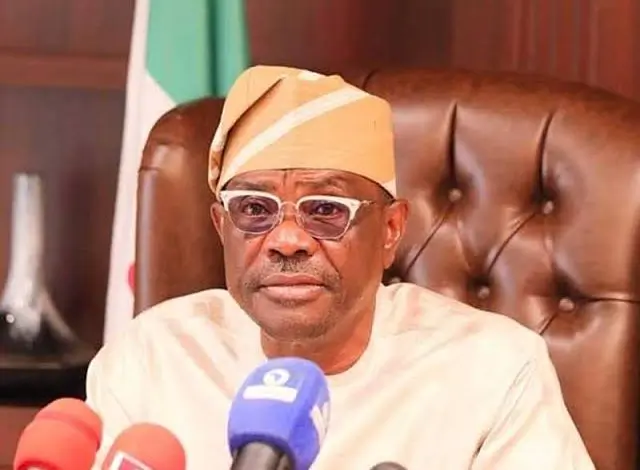
Nyesom Wike
Minister of FCT, Nyesom Wike

It reads: “The CRUX Environmental Rights, Advocacy and Development Foundation (CERADF) respectfully presents this formal request for the reactivation and strengthening of dedicated Environmental Courts and Tribunals within the Federal Capital Territory (FCT).

“Specifically, we request the establishment of a central Environmental Court within the High Court of the FCT, as well as Environmental Tribunals across all six Area Councils.

“This call is made pursuant to relevant constitutional and statutory provisions and in recognition of the urgent environmental challenges confronting the nation’s capital.”

According to CERADF, the Abuja Environmental Protection Board (AEPB), established in 1997, introduced mobile courts in May 2022 to address environmental infractions.

It, however, said that these measures had proven inadequate for the scale and complexity of the environmental crisis now facing the FCT.

“Recent CERADF’s field monitoring across Gwarinpa, Utako, Mpape, Kubwa, Nyanya, Karu, Lugbe, Kuje, Apo Mechanic Village, and even parts of the Central Business District reveals widespread waste accumulation and poor sanitation.

“These conditions have resulted in: Overburdened AEPB and waste-management agencies; Blocked drainages and recurrent flooding; Increased rodent infestation and heightened public-health risks,” it said.

Besides, it said the situation had also resulted in “escalating pollution and offensive odours; reputational damage to Abuja as Nigeria’s administrative and diplomatic capital; weak enforcement due to slow court processes and insufficient deterrent penalties.”

CERADF said while public sensitisation efforts are ongoing, these cannot succeed without a dedicated judicial framework that would ensure speedy trials, consistent application of environmental laws, and firm sanctions for violators.

The NGO, therefore, gave some recommendations which include collaboration with the Chief Judge of the High Court of the FCT, among others.

By Taiye Agbaje

Lagos to unveil Greenhouse Gas Registry Q1, 2026

0

The Lagos State Government says it is on track to unveil the Lagos Greenhouse Gas Registry by the first quarter of 2026 as part of measures to reduce greenhouse gas emissions and promote a sustainable environment.

This, it said, would make Lagos the first African city to operate a functional, verifiable emissions registry.

The Lead Consultant, TPHG Technologies Ltd., Dr Mofoluso Fagbeja, disclosed this during the second stakeholders’ engagement on the Lagos GHG Registry held on Wednesday, November 26, 2025, in Lagos.

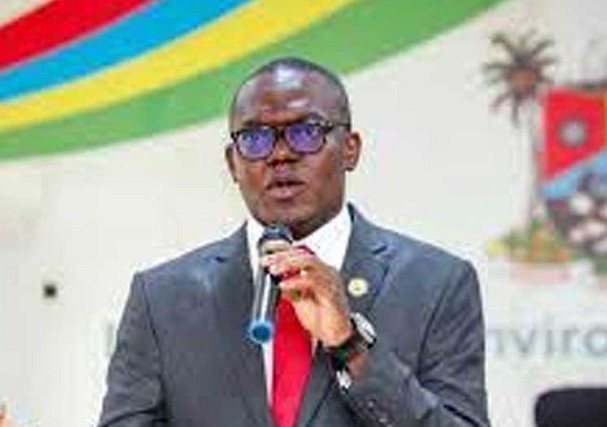
Tunde Ajayi
General Manager, Lagos State Environmental Protection Agency (LASEPA), Dr Tunde Ajayi

Fagbeja said the registry would serve as the central infrastructure for carbon accounting and future carbon trading activities in the state.

He said the state had made significant progress since the first engagement held last year, expanding participation to include a broader set of industry players, regulators and professional groups.

According to him, the development of the registry is not limited to technology but includes regulations, governance frameworks and operational guidelines already reviewed by national and state-level experts.

He said organisations such as NESREA, the Lagos State Ministry of Justice, Ministry of Environment and Water Resources, and sector-specific professionals had contributed to the reviewed documents.

Fagbeja said the next phase would involve sharing sector-specific data collection templates that would guide organisations on the type of emissions data required ahead of the platform’s launch.

He said the registry would cover major sectors including transport, commercial enterprises, waste management, industry and agriculture, but would not extend to individual households.

According to him, the registry will strengthen transparency, support the state’s energy transition goals and attract climate finance for organisations willing to decarbonise.

He said carbon trading would also become possible when emission limits are established, enabling organisations with lower emissions to trade with those exceeding their thresholds.

The General Manager, Lagos State Environmental Protection Agency (LASEPA), Dr Tunde Ajayi, said the initiative was essential for accountability and effective climate governance.

Ajayi said accurate measurement of emissions was the only way the state could track progress and implement responsible policies, likening it to the diagnostic processes in healthcare.

He described the engagement as an important step towards Lagos becoming the first African city to operate a functional greenhouse gas registry, adding that such a system would ultimately come with economic benefits.

Mrs. Ayodele Oso, Director, Air Quality and Emissions Control Unit, LASEPA, said the registry would provide a transparent and reliable system for tracking emissions across key sectors of the economy.

Oso said the initiative would strengthen environmental governance, improve climate reporting and enhance Lagos State’s sustainability profile.

She noted that the success of the registry depended heavily on the cooperation of industry players, regulators, technical experts and partner institutions.

Oso urged participants to work collectively to turn the registry from a policy design into a functional tool that supports the state’s climate resilience goals.

She said Lagos, as a rapidly growing megacity, carried both the responsibility and opportunity to lead Africa in responsible environmental stewardship.

Oso encouraged participants to be open-minded and contribute actively, adding that the future of the state’s environment depended on decisions made today.

The Lagos GHG Registry will serve as the foundation for future carbon market activities, climate finance mobilisation and improved environmental accountability across sectors in the state.

By Fabian Ekeruche

Minister pledges stronger partnerships for renewable energy

0

The Minister of Power, Mr. Adebayo Adelabu, has reaffirmed the Federal Government’s commitment to expanding clean and modern energy access across Nigeria.

He made the pledge at the ongoing two-day Renewable Energy Conference 2025 in Abuja on Wednesday, November 26, 2025.

Adelabu was represented by Mr. Metu Francis, Principal Electricity Engineer at the Ministry.

Renewable energy
Participants at the Renewable Energy Conference 2025 in Abuja

He said collaboration across the renewable energy value chain is essential as Nigeria expands local manufacturing, solar systems, mini-grids and climate-smart technologies.

“The Ministry remains committed to enabling policies, improved financing and support for industry players expanding clean electricity access,” he said.

He said this year’s theme aligns with the Ministry’s drive to deliver clean, reliable and affordable energy for all Nigerians.

Adelabu commended the Renewable Energy Association of Nigeria (REAN) for promoting collaboration, innovation and dialogue in the sector.

He said private-sector leadership, local manufacturing and community-driven solutions are vital to achieving national energy transition targets.

“Together, we can expand mini-grids, strengthen local capacity and support women, small businesses and underserved communities,” he said.

President of the Renewable Energy Association of Nigeria, Mr. Ayo Ademilua, said the association continues to drive strong advocacy and strategic partnerships.

He said members have established solar panel assembly plants in the North and South, supplying domestic and export markets.

He said these investments have increased investor confidence, foreign investment and strengthened the renewable energy value chain.

Ademilua said Nigeria still faces major energy access gaps, with 3.3 gigawatts far below the 9 gigawatt target for 2030.

He said millions of Nigerians still lack reliable electricity despite progress in the energy transition plan.

He called for predictable policies, stronger legislative engagement and full implementation of the Electricity Act 2023.

He said a Just Energy Transition must benefit rural communities, women, youths, small businesses and farmers.

Director-General of the Energy Commission of Nigeria (ECN), Dr Mustapha Abdullahi, represented by Mr. Halilu Sale, said the conference reflects Nigeria’s commitment to inclusive energy access.

He said strong public and private partnerships are essential for achieving universal access.

He said the Commission is building national capacity through its Energy Research Centres.

He added that decentralised renewable solutions, including mini-grids and standalone solar systems, are key to reaching underserved communities.

He said true energy access must empower households, businesses and youths through green jobs and local manufacturing.

By Patricia Amogu

Lagos reaffirms commitment for subnational climate leadership in Africa

0

The Lagos State Government (LASG) has reaffirmed its commitment to position as a model for subnational climate leadership in Africa.

The Commissioner for Environment and Water Resources, Mr. Tokunbo Wahab, said this in a statement signed and issued by the Director of Public Affairs, Mr. Kunle Adeshina, on Wednesday, November 26, 2025, in Lagos.

Wahab spoke at an Africa Climate Finance Summit held at the Mike Adenuga Centre, Ikoyi.

Tokunbo Wahab
Commissioner for Environment and Water Resources, Mr. Tokunbo Wahab

He said Lagos was deliberately creating an enabling environment for private capital to flow into green investments and build a robust pipeline of green businesses.

“The gap between climate challenges and sustainable opportunities is climate finance,” he said.

He noted that climate financing had become a key component of the development strategy of Lagos State.

Wahab said Lagos recently unveiled a strategic pathway to accelerate its climate ambitions and foster partnerships that unlock the state’s green potential.

He said Lagos by scientific data was known to be impacted by three climate impact drivers which were rising tides caused by sea level rise, flooded streets after heavy rain and hotter days.

This, he said, was a result of increasing temperature.

Wahab added that the socio-economic implications of climate-related disruptions underscore the urgency.

He said in addressing climate change challenges, the state in conjunction with C40 cities developed a five-year Lagos Climate Action Plan.

“This is a document that sets a clear pathway towards a low-carbon, climate-resilient future, with ambitious targets across critical sectors in energy, transport, waste and water.

“Complementing the Lagos Climate Action Plan is the Lagos Climate Adaptation and Resilience Plan, our long-term roadmap designed to strengthen the city’s resilience over the next decade,” he said.

By Olaitan Idris

WIEN positions women as strategic drivers of Nigeria’s energy future

0

The Women in Energy Network (WIEN) on Tuesday, November 25, 2025, outlined a bold, future-focused agenda at a pre-AGM media briefing in Lagos, placing emphasis on building a sustainable talent pipeline, reshaping policy conversations, and redefining the role of women across Nigeria’s rapidly evolving energy value chain.

Ahead of its 2025 Annual General Meeting scheduled for November 25, WIEN’s leadership highlighted how the organisation is shifting from simply creating opportunities for women to actively engineering pathways that connect young girls, early-career professionals, and senior executives into a cohesive ecosystem of advancement.

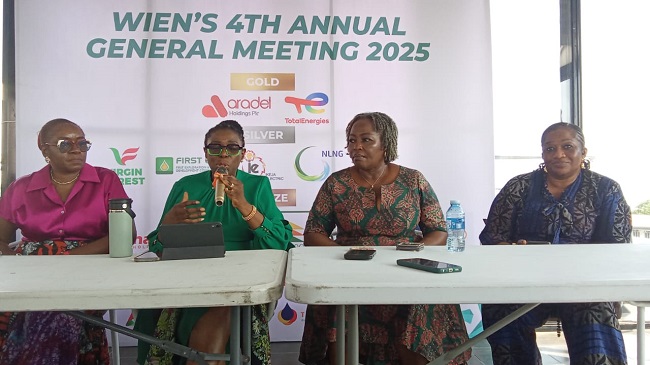
Women in Energy Network (WIEN)
L-R: Alternate Chair, WIEN 2025 Electoral Committee, Mrs. Nneka Obi; President, Mrs. Eyono Fatayi-Williams; Executive Secretary, Mrs. Asanimo Omezei; and Vice President, Upstream, Mrs. Ifeoma Ukabiala, at the Pre-2025 AGM Media Parley on Tuesday, November 25, 2025, in Lagos

WIEN President, Eyono Fatayi-Williams, said the network’s growth – now surpassing 1,008 lifetime members – signals not only expanded reach but a deepening commitment to structural influence.

“We’re no longer just participating in the energy sector – we are shaping it,” she told journalists. “From policy tables to international stages, WIEN has become a strategic voice advocating for the future of Nigeria’s energy workforce.”

A significant theme emerging from the briefing was WIEN’s intentional focus on the full talent spectrum, beginning with STEM education in primary and secondary schools.

WIEN Executive Secretary, Asanimo Omezi, outlined how the network is cultivating tomorrow’s female engineers, having reached more than 500 girls in Lagos, Port Harcourt, and Rivers State through hands-on STEM initiatives, mentorship engagements, and NLNG-supported outreach.

“Our philosophy is simple: if girls don’t enter STEM early, they don’t enter the energy workforce at all,” Omezi said.

The organisation is now developing a coordinated STEM impact framework – designed to align what schools need, what corporations can support, and what the sector demands by 2026.

Beyond STEM, WIEN expanded opportunities for emerging professionals with the WINs IWD Career Fair in Lagos and Port Harcourt, linking young women and collegiate members to employers such as Aradel Holdings and major regulatory bodies.

Corporate engagement also deepened, with WIEN welcoming TotalEnergies as its first International Oil Company member – a signal that gender inclusion is becoming a priority for top-tier industry players.

Another strategic front where WIEN is asserting influence is national policy engagement.

The network contributed at the NCDMB Stakeholders’ Engagement Forum, where discussions on Nigeria’s energy transition, local content strategy, and regulatory bottlenecks are increasingly shaping the sector’s direction.

WIEN’s role, Fatayi-Williams noted, is “not to observe policies – but to help inform them.”

The network also introduced the ETE Taxation Platform to help women-led energy businesses improve compliance – a barrier that often limits growth and access to opportunities.

Through strengthened structuring and the creation of sub-sector committees, WIEN is tailoring support to the realities of each energy segment.

WIEN Vice President (Upstream), Ifeoma Ukabiala, emphasised that while midstream and downstream sectors are seeing gradual improvements in female representation, upstream still requires deliberate, sector-wide effort.

“Upstream roles demand visibility, confidence, and sponsorship,” she said. “Women don’t just need opportunities – they need champions advocating for them in spaces they are not yet present.”

She called for mindset shifts among both men and women, stressing that confidence and sponsorship often determine who advances.

Agroween, IRF urge innovation to tackle Nigeria’s rising food crisis

0

The Intergenerational Rescue Foundation (IRF) has called for innovation to tackle Nigeria’s rising food crisis.

The foundation made the call at Agroween 2025: Agroween Recognition Awards (ARA) 2025; Food, Agriculture, and Innovation Festival, held on Tuesday, November 25, in Lagos.

Hunger and worsening food insecurity dominated discussions as the convener and experts called for urgent, community-driven and innovative solutions.

 Agroween Recognition Awards (ARA) 2025
Dignitaries at the Agroween Recognition Awards (ARA) 2025

Mrs. Bimbola Aghahowa, IRF Chief Operating Officer, said hunger had become one of the world’s most pressing development challenges, with socioeconomic pressures often blamed on individuals instead of deeper governance failures and structural inequalities.

She cited FAO data showing 690 million people were hungry globally in 2020, adding that Nigeria remains among the worst affected, with about 50 million citizens facing severe food insecurity.

Aghahowa said hunger levels reached about 30 per cent in Lagos and as high as 40–50 per cent in parts of northern Nigeria.

She stressed the need for stronger collaboration among citizens, institutions and government.

She noted that the COVID-19 pandemic showed how quickly a health crisis could escalate into hunger, inspiring community interventions such as Agroween’s research-driven programmes and its “Food Not for Sale” food-rights framework.

According to her, Agroween promotes food as a universal human right rather than a commodity, running food pantries, composting workshops, research projects and its Rent-A-Lot farming scheme to strengthen community access and resilience.

Delivering a keynote address, Prof. Vide Adedayo, called for a radical shift in Nigeria’s food-production approach, insisting that traditional farming methods alone cannot meet rising demand or withstand climate and economic pressures.

Adedayo said food security requires availability, affordability, safety and access, warning that fragmented policies, climate shocks, low innovation, insecurity, labour shortages and post-harvest waste continue worsening Nigeria’s food system outcomes.

She noted that Nigeria wastes between 40 and 50 per cent of its produced food, even as millions struggle with hunger.

She added that agricultural exports from Nigeria suffer frequent rejection due to poor safety standards.

She urged Nigeria to embrace innovation such as digital tools, renewable energy, precision farming, indigenous knowledge systems and circular-economy practices to strengthen resilience and prepare for future population growth.

In his welcome address, Prof. Samuel Adejoh, Head of Social Work, UNILAG, said food insecurity is also a social-justice and national-security issue requiring long-term community empowerment and policy reforms.

Adejoh said Africa accounts for nearly one-third of global food-insecure persons, with Nigeria recording over 120 million food-insecure citizens and millions experiencing acute hunger across rural and urban communities.

He urged social workers, institutions and development partners to build innovative models that strengthen livelihoods, empower households and reduce dependency on relief-based interventions.

Stakeholders at a panel session agreed that Nigeria must adopt sustainable practices, strengthen collaboration and prioritise food equity to ensure that no citizen goes hungry in the face of mounting socioeconomic and climate pressures.

They reaffirmed commitment to building a just food system where innovation drives access, community participation improves resilience, and food is ultimately available not for sale, but for all Nigerians.

The climax of the event was the Agroween Recognition Award given to Prof. Desmond Majekodunmi, Prof. Vide Adedayo and Mrs. Funke Egbemode, to mention but a few.

The event also had compost training and workshop for students from various secondary schools.

By Fabian Ekeruche 

NNPC/Heirs Energies breaks new ground as OML 17 doubles output

0

The NNPC/Heirs Energies OML 17 Joint Venture (JV) has achieved what looks like a major breakthrough with the innovative, rigless recompletion of a key non-associated gas well in OML 17. This pioneering intervention – said to be the first of its kind in Nigeria – has doubled the JV’s gas output to a peak of 135 million standard cubic feet per day (MMscf/d), delivering a significant boost to domestic gas supply and strengthening the nation’s energy security.

This significant production increase has transformed power generation across the eastern network. Transcorp PLC – TransAfam Power, one of Nigeria’s leading power generation plants, has quadrupled its output, rising from an average of 50 megawatts to more than 180 megawatts, with peaks of 200 megawatts.

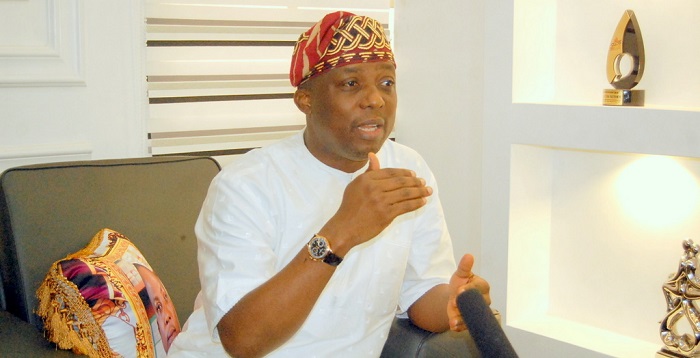
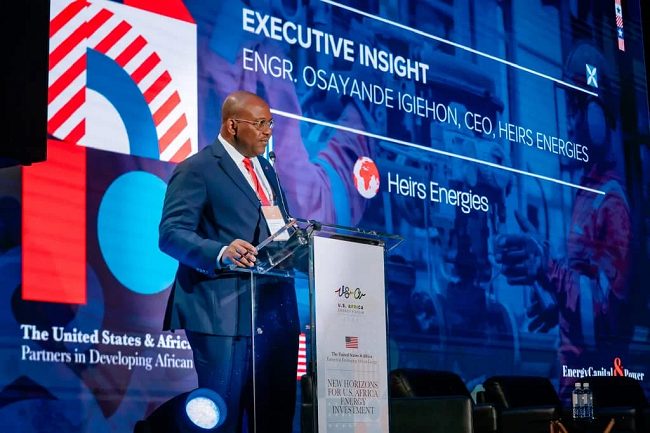
Osa Igiehon
Chief Executive Officer of Heirs Energies, Mr. Osa Igiehon

Other power plants also supplied by the network, including First Independent Power Limited (FIPL) and Geometric Power, have also recorded more stable operations and higher generation.

In total, the power plants now receiving gas from the Joint Venture have seen combined output surge from around 100 megawatts to more than 350 megawatts. This increased power generation provides enough energy to power hundreds of thousands of homes and businesses – reducing blackouts, supporting hospitals, and schools, and keeping factories, small enterprises, and critical infrastructure running.

The operation has already drawn high-level recognition. Mrs Olu Verheijen, Special Adviser to the President on Energy, wrote to Heirs Energies CEO Osa Igiehon: “I congratulate the entire Heirs Energies team on this remarkable achievement, which is a testament to the strength of Nigerian engineering expertise and the value of persistent technical innovation.”

She added: “Please be assured of my continued support as you expand your operation across the energy sector, unlocking additional oil and gas resources to power homes, industries and commercial activities nationwide.”

The Well at the centre of this success had previously been shut in due to excessive water production. Rather than drilling a new well or undertaking a conventional workover, Heirs Energies engineered a rigless through-tubing recompletion into an untapped reservoir interval. Completed safely, in record time, and at just 15% of the cost of drilling a new Well, the operation sets a new standard for rigless solutions in Nigeria’s upstream sector.

Udy Ntia, Executive Vice President, Upstream, NNPC Ltd, said: “This innovative intervention demonstrates NNPC’s strong commitment to unlocking the nation’s gas resources in support of national development. The performance of the NNPC/Heirs Energies OML 17 Joint Venture shows the power of partnership, disciplined execution, and innovation in driving substantial value for Nigeria.”

Seyi Omotowa, Chief Upstream Investment Officer, NUIMS, added: “This project reflects NUIMS’ strategic focus on safe, efficient, and value-driven upstream operations. It is a model for the type of innovative solutions required to optimise Nigeria’s hydrocarbon assets.”

The NNPC/Heirs Energies OML 17 Joint Venture continues to advance gas-focused, innovation-driven developments, aiming to expand domestic gas supply, strengthen electricity generation, build local capacity, and support broader economic and industrial growth. This latest success reinforces the JV’s commitment to delivering energy that powers homes, industries, and national prosperity.

Osa Igiehon, Chief Executive Officer, Heirs Energies, said: “This milestone is another testament to Heirs Energies’ leading capabilities in managing brownfields. The ingenuity, thoroughness, and resilience of our 100% Nigerian workforce made this possible. We remain committed to supporting Nigeria’s gas-to-power agenda through innovation-led, responsible, and performance-driven upstream operations.”

Heirs Energies Limited describes itself as “Africa’s leading indigenous-owned integrated energy company, committed to meeting Africa’s unique energy needs while aligning with global sustainability goals”.

UN treaty talks conclude with calls for cooperation to tackle illicit tobacco trade

0

The Fourth session of the Meeting of the Parties to the Protocol to Eliminate Illicit Trade of Tobacco Products has concluded with a series of decisions to strengthen measures on international cooperation.

The Protocol was developed in response to the global issue of illegal trade in tobacco products. Independent estimates suggest that illicit trade accounts for some 11% of the global tobacco market, and that its elimination could bolster global tax revenues by around $47.4 billion annually.

Representatives from 60 Parties participated in the deliberations from November 24 to 26, 2025, in Geneva. Topics included measures to strengthen the implementation of international cooperation in combating illicit trade, mechanisms of assistance and mobilisation of financial resources to support implementation of the Protocol, licensing, and measures to control the supply chain of tobacco products.

Andrew Black
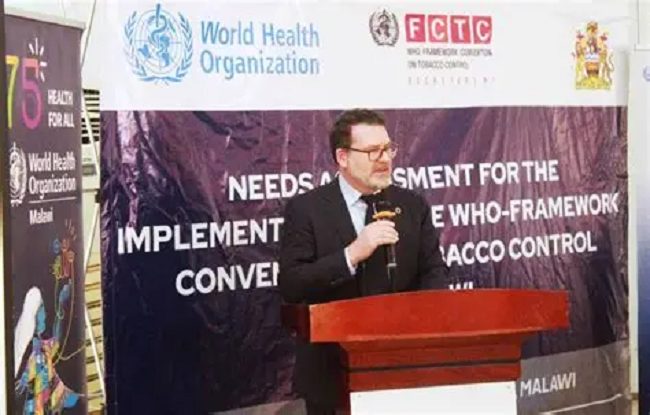
Andrew Black, Acting Head of the Secretariat of the WHO FCTC

“The Protocol is more than a treaty – it is a framework for coordinated action that equips Parties with tools to slam the door on illicit trade,” said Andrew Black, Acting Head of the Secretariat of the WHO Framework Convention on Tobacco Control.

“Illicit trade in tobacco products is not a victimless crime. It robs governments of vital resources, undermines public health, and erodes the foundations of sustainable development. It fuels corruption, money laundering and organised crime. we cannot allow those who profit from illicit trade in tobacco to escape justice.”

“We are thankful to all the Parties for their cooperation and collaboration during the MOP negotiations.”

Parties adopted a decision that calls on the Convention Secretariat to undertake, in coordination with the World Customs Organisation and the United Nations Office of Drugs and Crime, an exercise to map existing data on seizures of tobacco, tobacco products and manufacturing equipment. This will be used to inform decision-making on tackling illicit trade.

Parties agreed to set up a working group on evidence-based research, and to promote exchange of experiences of control measures, best practices, related case studies, technology and capacity building.

A second working group was established to identify good practice, and to prepare a report on effective mechanisms for strengthening assistance and cooperation on investigation and prosecution of offences.

A decision was also adopted inviting Parties to intensify efforts to monitor and collect licence fees; these may be levied and used to support the effective administration and enforcement of the licensing system, or for public health or other related activities. Parties were also urged to cooperate with each other and through competent international and regional organisations to provide training, technical assistance and cooperation in implementation of licensing-related measures.

Finally, it was announced that Vanuatu is the latest country to join the Protocol, becoming its 71st Party.

The Protocol to Eliminate Illicit Trade in Tobacco Products is an international treaty adopted under the WHO Framework Convention on Tobacco Control (WHO FCTC). It was adopted by consensus on November 12, 2012, at the Fifth session of the Conference of the Parties to the WHO FCTC in Seoul, Republic of Korea.

The Protocol builds upon and complements Article 15 of the WHO FCTC, which addresses means of countering illicit trade in tobacco products – a key aspect of a comprehensive tobacco control policy.

Sokoto stakeholders advocate climate-resilient conflict resolution

0

Stakeholders in peace-building, humanitarian, and development sectors in Sokoto State have stressed the urgent need to integrate climate-sensitive approaches into conflict resolution strategies.

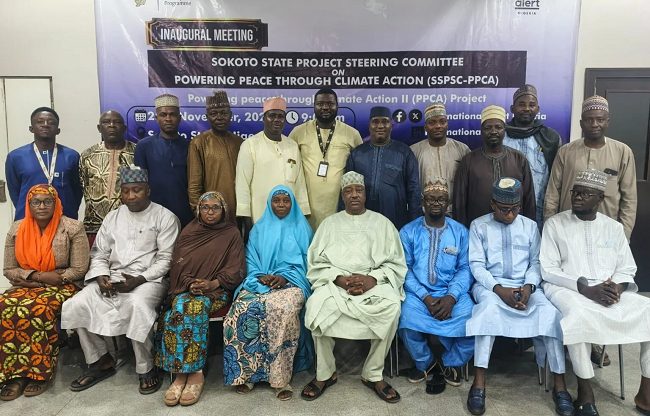
The stakeholders agreed on the strategy during the inaugural meeting of Sokoto State Project Steering Committee for the Powering Peace through Climate Action II (PPCA) Project on Wednesday, November 26, 2025, in Sokoto.

The initiative is being led by International Alert Nigeria, a non-governmental organisation, with financial and technical support from Irish Aid.

Sokoto
Participants at the inaugural meeting of Sokoto State Project Steering Committee for the Powering Peace through Climate Action II (PPCA) Project

Participants noted that climate-sensitive conflict approaches prioritised understanding the links between climate change and conflict, enabling policymakers to address both issues effectively and prevent escalation in vulnerable communities.

They added that adopting climate-sensitive adaptation strategies could mitigate climate-related conflicts, promote sustainable peace, enhance development, and strengthen resilience in communities most affected by climate impacts.

The District Head of Gagi, Alhaji Sani Umar-Jabbi, emphasised the importance of a joint strategy addressing climate and conflict challenges at national, state, and community levels for a coordinated response.

Umar-Jabbi urged conflict-sensitive policymaking that recognised the root causes of conflict and responded proactively, noting that climate change exacerbated gender-based violence, poverty, social decay, and declining educational standards.

The Special Adviser to Gov. Ahmad Aliyu on donor agencies, Malam Shehu Gwaranyo, commended International Alert for the project and reiterated the state government’s commitment to addressing climate change as a global challenge.

Gwaranyo stressed that tackling climate impacts required coordinated action by government, civil society, international partners, and citizens to achieve lasting solutions and sustainable development outcomes.

Senior Project Officer for International Alert, Mr. Sanusi Audu, said the meeting united stakeholders to discuss insecurity challenges facing Sokoto, highlighting that climate change was drying grazing areas, reducing farming productivity, and threatening food security.

Audu explained that reduced resources created competition among occupational groups, such as herders and farmers, escalating conflicts across the country, which were mostly resource-based in nature.

He added that addressing insecurity without considering climate drivers would allow underlying issues to fester, making climate-sensitive approaches essential for long-term peace, stability, and sustainable development in Nigeria.

By Habibu Harisu

×