Home Blog Page 8

Stakeholders explore potential in new EIA initiative

Stakeholders in the environmental sector have explored the potential of a new Environmental Impact Assessment (EIA) initiative in Nigeria.

The stakeholders said this at the Inclusive Environment Nigeria Workshop organised by the University of Derby, Renevlyn Development Initiative and the Environmental Defenders Network on Tuesday, April 7, 2026, in Lagos.

The initiative aims to address long-standing issues of community exclusion and environmental injustice in development projects across the country.
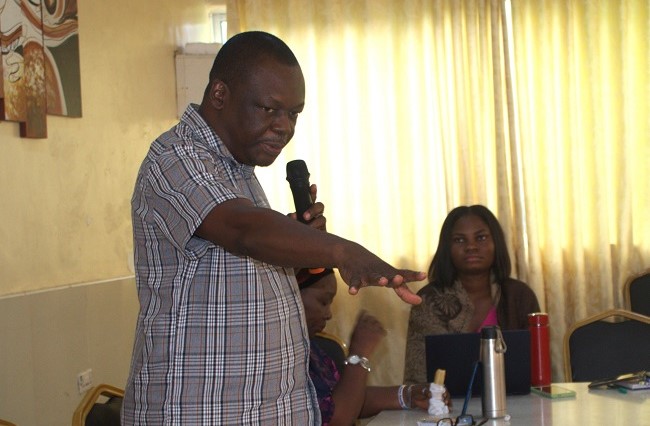
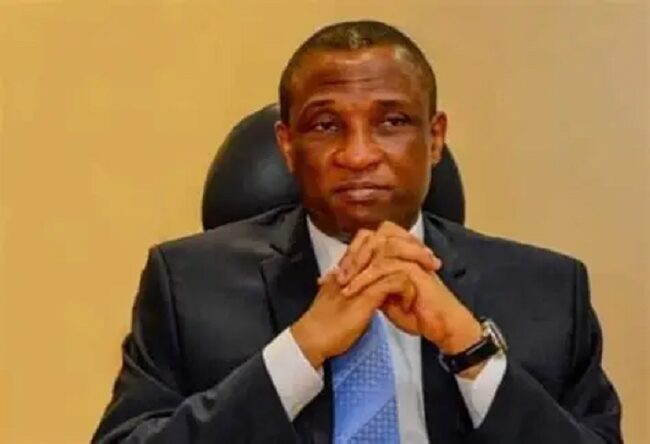
Philip Jakpor,
Executive Director of Renevlyn Development Initiative, Mr. Philip Jakpor, moderating the session

It is anchored on findings from a 12-month research led by Dr Eghosa Ekhator of the University of Derby and other scholars.

The 2023 research adopted co-production principles through extensive engagement with communities and key stakeholders.

The outcome is the Inclusive Environments (Environmental Justice) Framework designed to promote equitable environmental decision-making.

Speaking at the workshop, Ekhator said the framework provides a structured approach for inclusive and accountable environmental governance.

He said the tool draws from equality impact assessment models but tailored for environmental sustainability challenges.

Ekhator added that the framework is flexible and can be adapted to different national and institutional contexts, including Nigeria.

The Executive Director of Renevlyn Development Initiative, Mr. Philip Jakpor, who moderated the hybrid workshop, said the failure to involve communities in decision-making around development projects remains a “sore point” nationwide.

Jakpor noted that although EIAs are legally required for projects with significant environmental impact – such as oil and gas exploration, mining, and large-scale construction – implementation in Nigeria is often flawed.

“Community people are supposed to be part and parcel of the process. Their views should inform whether a project goes forward or not.

“Where projects must proceed despite concerns, safeguards should be agreed upon with the communities,” Jakpor said.

He, however, lamented that in practice, communities are largely sidelined.

“What we see in Nigeria is limited or no community involvement in EIA processes and a total lack of transparency by project implementers. In many cases, the so-called EIA reports cannot even be found,” he said.

Jakpor cited several examples across the country – from the Niger Delta to northern mining regions – where communities claim projects were imposed on them without consultation.

“The process is treated as a mere formality. Companies only inform communities instead of engaging them as stakeholders whose views matter,” he added.

He stressed that the exclusion of communities makes it difficult for them to seek justice when their environmental rights are violated, noting that companies are rarely penalised for breaching EIA requirements.

“These gaps are largely responsible for the environmental degradation we see across the country,” Jakpor said.

Also speaking, an Ogoni environmental activist, Chief Eric Dooh, decried what he described as a long-standing conspiracy between government authorities and oil companies, which has left host communities to bear the brunt of environmental damage.

Dooh said there was little or no consultation with communities before the commencement of oil exploration activities in Ogoniland.

“There were no discussions with the people who own the environment. What we saw was a high-level arrangement between the government and companies, without considering the impact on communities,” he said.

Dooh recounted his personal journey in environmental advocacy, which began after taking over from his father, who had initiated legal battles against oil companies over environmental pollution.

“My father had taken Shell to court several times. When he became too weak, I took over the struggle. It has not been easy – seeking justice in Nigeria is very difficult,” he said.

He noted that decades of oil exploration have devastated the local economy, which once thrived on fishing and farming.

“That environment sustained us before – it supported fishing and farming. Today, it is destroyed. We have lost so much,” he lamented.

The activist called for a more inclusive approach to resource management, urging the government and companies to actively involve communities in decision-making processes.

“If development must continue, then communities must be carried along. They should be involved in project planning, empowerment programmes, and environmental management.

That is the only way to ensure peace and sustainability,” he said.

The workshop brought together policymakers, academics, community representatives and civil society organisations.

Participants called for stronger collaboration among government, civil society and host communities.

They stressed that development must not marginalise vulnerable populations but ensure equitable outcomes.
Graduation from least developed country status: São Tomé and Príncipe presents 2026-2040 investment strategy

In December 2024, São Tomé and Príncipe officially graduated from the category of least developed countries (LDCs). Shortly after, in December 2025, the Gulf of Guinea archipelago presented in Brussels a national sustainable development strategy through 2040 and an integrated National Financing Framework (INFF).

This dual signal, graduation and roadmap, positions this island state of 235,000 inhabitants as a structured partner for private investors, climate finance actors and public-private partnership stakeholders. Four sectors are targeted: biodiversity, blue economy, premium cocoa and ecotourism.

São Tomé and Príncipe
Carlos Vila Nova, President, São Tomé and Príncipe

An unprecedented financing framework for a small island state 

Graduating from LDC status represents a major transition for São Tomé and Príncipe: it comes with a reduction in international aid and heightened budgetary constraints. The country responds with an approach that is unprecedented at this scale: aligning public and private capital, climate finance and development finance within a single framework. The National Strategy 2026–2040 and the INFF together form the foundation of this structured proposal to international partners.

The first country entirely designated a UNESCO Biosphere Reserve 

São Tomé and Príncipe is the first country in the world where 100% of the national territory has been designated a UNESCO Biosphere Reserve. Not a park, not a region, but the entire country. This status is not a marketing label: it defines a governance framework in which economic activity is designed to reconcile growth and conservation. For investors, it provides long-term visibility rooted in sustainability, independent of shifting political cycles. The country also hosts one of the most singular island ecosystems in the world, with endemic flora and fauna holding strong potential for bioprospecting, nature-based solutions and climate research.

A 160,000 km² EEZ as a lever for the economy 

While São Tomé and Príncipe’s land territory is modest, its exclusive economic zone (EEZ) covers approximately 160,000 square kilometres of ocean, nearly 160 times the size of its land surface. Located along major Atlantic routes, the archipelago oversees waters that have remained largely intact. The blue economy, encompassing sustainable fishing, marine sciences, biotechnology, ocean data services and offshore renewable energy, is identified as one of the most undercapitalised pillars of future global growth. São Tomé and Príncipe is positioning itself to develop this resource within sustainable models from the outset.

Premium cocoa: value over volume 

São Tomé and Príncipe produces cocoa recognised for its exceptional quality, with output estimated at around 4,000 tonnes. In volume terms, the country remains a small player. Yet on European markets now shaped by anti-deforestation regulations, carbon accounting and traceability requirements, the position is differentiating. The identified lever is not the export of raw beans, but the creation of local value: premium chocolate, traceable brands, agrotourism, and partnerships that reward quality over volume.

Ecotourism: a preserved model, a value chain to structure 

No cruise terminals, no artificialised coastlines. São Tomé and Príncipe remains untouched by mass tourism. The strategy focuses on high unit-value models: boutique hospitality, conservation-based tourism and scientific travel, where returns are measured in decades rather than seasons. For investors exposed to the volatility of saturated destinations, the opportunity lies in structuring an ecotourism value chain before the destination is discovered.

Political stability as a foundation 

In a region often viewed through the lens of risk, São Tomé and Príncipe stands out for its tradition of stable democracy and orderly transfers of power. This political context forms the foundation on which the investment proposal presented in Brussels in December 2025 is built.

François Menguelé emerges UCLG Africa’s new Secretary General

0

The Executive Committee of the pan-African organisation United Cities and Local Governments of Africa (UCLG Africa) has officially appointed Mr. François Menguelé as Secretary General.

Following a rigorous and competitive international recruitment process launched in September 2025, Mr. Menguelé stood out among the three finalists during interviews in January 2026. He succeeds Mr. Jean Pierre Elong Mbassi, following his official assumption of office on March 19, 2026, on the eve of the organisation’s elective General Assembly held from March 23 to 25, 2026, in Nouakchott, Mauritania.

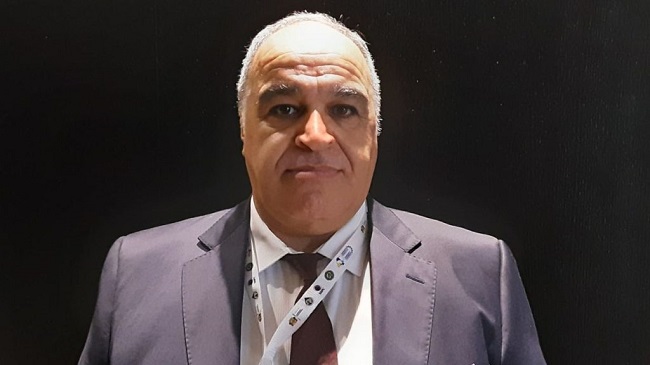
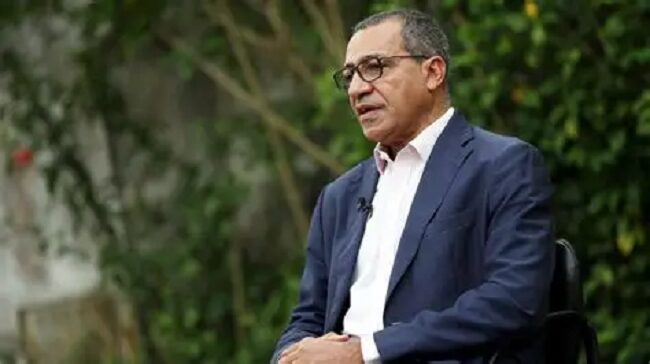
Mr. François Menguelé
Mr. François Menguelé, Secretary General, UCLG Africa

The new Secretary General is firmly committed to restoring UCLG Africa’s reputation.

“We will work to ensure that our organisation regains its former prestige. My ambition is for African local governments to be recognised as leading actors, both within the architecture of pan-African governance and on the global multilateral stage. The goal is also to enable our youth to regain hope and play their rightful role in shaping their future,” he said following the General Assembly.

Biography of Mr. François Menguelé

A recognised expert, practitioner, and passionate theorist in the field of sustainable development, Mr. François Menguelé has an exemplary academic and professional background.

He holds a master’s degree in Urban Engineering and Regional Planning from the Technical University of Dortmund (Germany), and has also attended a Master of Business Administration (MBA) programme at the University of the Free State in Bloemfontein (South Africa) and earned a specialist degree in Public Affairs Management from Quadriga University in Berlin. As a holder of the “Net Zero Carbon Emissions Leader” (CNZ™) certification, he is also accredited by the Chartered Institute of Professional Certifications based in Singapore.

With 30 years of experience, he has led long-term assignments on behalf of GIZ, the European Union, and the African Union in numerous countries (Ghana, Côte d’Ivoire, South Africa, Cameroon, Mali, Egypt, and Togo).

Notable achievements

  • Urban policies: He played a key role in shaping South Africa’s post-apartheid urban renewal and housing policies, helping to build 12,000 decent homes for low-income households.
  • Pan-African institutional frameworks : As facilitator of the ministerial conferences, he played a central role in the establishment of the AU Specialized Technical Committee on Urban Development (STC08) and in the adoption of the African Charter on Decentralization and the Niamey Convention on Cross-Border Cooperation.
  • Key Areas of Expertise : His areas of expertise include institutional development in the panafrican context, decentralization, local governance, resilience to climate change, sustainable urban development, local economic development, and regional integration.

Awards

He was knighted as Chevalier de l’Ordre National de la Valeur (in 2015) by the President of the Republic of Cameroon, and he also holds an honorary doctorate conferred by the CVPT in Tunis and the IARPA. Since March 2026, Mr. François Menguelé has been managing the General Secretariat of UCLG Africa, headquartered in Rabat, Morocco.

FCCPC and digital theft: Time to act

0

For those who studied Economics at the Ordinary Level in the 1970s, the name O.A. Lawal likely rings a bell. His seminal work, O’ Level Economics of West Africa, outlines the four pillars of production – land, labour, capital, and enterprise – as the essential resources for creating value.

Centuries earlier, in 1776, Adam Smith published The Wealth of Nations just as the Industrial Revolution began to flicker across Europe. Smith dismantled the antiquated notion that wealth was a finite hoard of gold, arguing instead that prosperity flowed from productive labour and the “invisible hand” of the market, which incentivised innovation. Similarly, Karl Marx viewed labour as the fundamental human activity that transforms the world.

Tunji Bello
Tunji Bello, Executive Vice Chairman/Chief Executive Officer, Federal Competition and Consumer Protection Commission (FCCPC)

Today, we stand at the precipice of a digital revolution in which these theories are being put to a surreal and perverse test. In the expanding frontier of Artificial Intelligence, the “invisible hand” has begun to look like a sleight of hand. Creative labour doesn’t matter anymore, at least in Nigeria’s media ecosystem.

For Nigerian journalists and newsrooms, the digital economy is no longer a marketplace of fair exchange; it has become a modern enclosure movement. Intellectual commons are being fenced off and harvested by global tech giants without a single kobo of compensation for the “tillers of the soil.”

The most predictable and substantial profits are currently going to firms that sell the necessary tools to build AI, often likened to the merchants who profited more than the miners during the Gold Rush. As of early 2026, AI-driven wealth creation is largely concentrated in Silicon Valley, with top tech executives reaching record net worths, and AI startups achieving massive valuations.

For instance, Elon Musk leads the 2026 Forbes list with an estimated net worth of $839 billion, followed by Google co-founders Larry Page ($257 billion) and Sergey Brin ($237 billion), Amazon’s Jeff Bezos ($224 billion) and Meta’s Mark Zuckerberg ($222 billion). I don’t have the numbers, but it’s doubtful whether any individual Nigerian publisher hits a billion-dollar net worth.

For decades, the bedrock of Nigerian democracy has been its independent press. Our pressmen and journalists have served as the nation’s primary witnesses, travelling to the furthest reaches of the Delta or the volatile borders of the north to document the pulse of the country, sometimes putting their lives on the line.

They and their publishers are the ones who bear the cost – economic, legal, and often physical – of extracting truth from the noise of a complex society. Yet, today, the fruits of this labour are being mindlessly treated by Silicon Valley as “free” raw material to generate the mega-wealth of Elon Musk & Co.

It is just time to act. Giant tech and AI firms must share the enormous value they reap from exploiting trusted Nigerian content with the human journalists and publishers who actually create it. It is the legal and patriotic duty of the Federal Competitive and Consumer Protection Commission to right all the wrongs.

These firms are currently scraping decades of Nigerian reportage to train systems that can mimic our cultural cadence, summarise our investigative journalism, and answer queries about our local politics. When a user asks an AI to explain the intricacies of the Central Bank of Nigeria’s latest fiscal policy or to summarise a deep dive into national infrastructure, the “value” is captured entirely by the tech firm: the original newsroom – which paid the journalist’s salary, costs of investigation, and all that goes into storytelling – left to pick the crumbs that fall from Big Tech table.

Yet, in an era of rampant misinformation and sophisticated deepfakes, trusted journalism is more expensive to produce than ever. In Nigeria, documenting the truth is a service to the state, often performed under the shadow of business volatility and economic instability. But the Big Tech and AI firms turn these resources into mind-boggling wealth. That isn’t right or fair.

When AI models ingest the archives of Nigerian newspapers, they are not just taking data points; they are taking specialised local knowledge and hard-won public trust. If these firms continue to exploit this content without a revenue-sharing model, they are effectively starving the very sources they depend on for accuracy. If our newsrooms collapse because they can no longer monetise their work, AI models will eventually be forced to “hallucinate” based on a vacuum of real-time facts. The truth is an AI is only as smart as the human bravery that feeds it.

Our stories are our national assets. If an AI firm uses Nigerian reportage to build a product valued in the billions of dollars, a percentage of that value must flow back to the sources, as of right not of aid.  And this is not merely about corporate profits; it is about the survival of the Nigerian press.

To move from exploitation to equity, we need a model built on three pillars: transparent licensing, usage royalties and algorithmic transparency.  Countries like Australia, Canada and South Africa have already introduced measures along these lines. The Nigerian government, through its regulatory agencies, especially FCCPC and the Bosun Tijani-led Ministry of Communications, Innovation and Digital Economy, must provide the regulatory muscle for this fight.

 For the press, we either swim or sink together. We must work together to avoid mutual failure. Individual media outlets cannot take on the behemoths of Silicon Valley alone and win. We need collective bargaining power to ensure that “innovation” does not become a euphemism for uncompensated extraction.

The argument that the internet is a “free and open” space has always been a convenient fiction for those who own the servers. While the distribution of information should be free, the production of verified information is not. It requires labour, capital, and entrepreneurship—the very factors of production Smith identified 250 years ago. And that must be paid for.

Big Tech must be forced to the table. Tunji Bello-led FCCPC  should exercise its powers now. Innovation is the engine of the future, but it must not be fueled by the theft of others’ intellectual labour. If tech giants wish to build truly “intelligent” systems, they must act ethically by acknowledging and reimbursing the human cost of their data sets.

This is our clear message: Big Tech brigandage must stop. Those who profit from retelling creative content must pay the original tellers. It’s about the basic tenets of a fair market: value for value, and respect for the productive/creative labour, the fundamental human activity, that makes human progress possible.

By Segun Adediran, CEO, Newspaper Proprietors’ Association of Nigeria, olusegunadediran@gmail.com

World Health Day: Fix Nigeria’s health budgeting, policy crises, CAPPA urges govts

0

As Nigeria joined the global community to mark World Health Day 2026 on Tuesday, April 7, 2026, Corporate Accountability and Public Participation Africa (CAPPA) has urged governments at all levels to move beyond rhetoric and urgently address the chronic underfunding and policy gaps undermining the country’s health sector and worsening its disease burden.

In a statement to mark the day, CAPPA decried Nigeria’s persistent failure to adequately fund the health sector over the past decade. Citing data from the Budget Office of the Federation, the organisation noted that allocations have consistently fallen short of the 15 per cent benchmark set under the Abuja Declaration, with even approved funds often not fully released.

Akinbode Oluwafemi
Executive Director, Corporate Accountability and Public Participation Africa (CAPPA), Akinbode Oluwafemi

The group pointed to recent examples. In January, the Federal Ministry of Health and Social Welfare reportedly lamented its inability to implement its 2025 capital budget after only N36 million was released out of the N218 billion allocated. Similarly, in 2024, just N26.552 billion was released from the N233.656 billion earmarked for capital projects.

“This longstanding gap between budget promises and actual releases has weakened the health system and is short-changing Nigerians,” said CAPPA’s Executive Director, Akinbode Oluwafemi. “It shows up in limited access to essential medicines, overstretched facilities, a severe shortage of health workers worsened by the ‘Japa’ trend, high out-of-pocket costs, and a growing burden of non-communicable diseases driven by unhealthy food environments.”

CAPPA warned that non-communicable diseases (NCDs) – including hypertension, diabetes, obesity and heart-related conditions – now account for about 29 percent of annual deaths in Nigeria, placing enormous strain on families and the health system. It stressed that reversing this trend requires urgent preventive policies, particularly to curb excessive consumption of salt, sugar and trans fats.

Referencing the World Health Day 2026 theme, “Together for health: Stand with science,” the organisation called on governments to prioritise evidence-based policies.

One such measure, CAPPA said, is a stronger Sugar-Sweetened Beverage (SSB) tax. The group welcomed moves by the National Assembly to review the current N10 per litre levy and transition to a percentage-based tax tied to retail price, with part of the revenue earmarked for health promotion.

“We maintain that the current SSB tax is too low to significantly reduce consumption,” Oluwafemi said. “We are calling for an increase to at least 50 per cent of the retail price, in line with World Health Organisation recommendations. There is compelling evidence that stronger fiscal measures can reduce consumption while generating much-needed revenue for health financing.”

Beyond taxation, the organisation reiterated its call for complementary policies, including mandatory sodium reduction targets, front-of-pack labelling for processed foods, and restrictions on the marketing of unhealthy foods, especially to children.

Setting mandatory salt targets for processed and pre-packaged foods, the group argued, is a practical and evidence-based intervention to protect public health. It added that simple, visible warning labels would empower Nigerians to make informed choices at a glance, counter deceptive marketing tactics, and encourage manufacturers to reformulate products to meet healthier standards.

“These measures are critical to tackling what is now a silent epidemic of diet-related diseases,” CAPPA said. “Fiscal and regulatory policies that promote healthy diets remain among the most cost-effective tools available to governments.”

CAPPA further highlighted the rising burden of diseases linked to tobacco use and emerging nicotine products, urging increased funding for tobacco control. It described the current N13 million allocation to the Tobacco Control Fund (TCF) as grossly inadequate, calling for a review to at least N300 million.

“Tobacco use remains one of the leading causes of preventable deaths worldwide, including in Nigeria,” Oluwafemi said. “Effective implementation of the National Tobacco Control Act requires far greater investment than what is currently provided.”

The organisation called on governments, policymakers and relevant agencies to scale up health sector funding, ensure full and timely release of budgeted funds, fast-track the adoption of healthy food policies, and strengthen accountability across the system.

“Prevention must become central to Nigeria’s health strategy,” Oluwafemi added. “That means backing science with action through adequate funding and strong policies that protect public health.”

Africa’s new Energy Bank set to reshape oil financing as Angola conference looms

0

Secretary general of the African Petroleum Producers Organisation (APPO), Farid Ghezali, is set to take centre stage at this year’s Angola Oil & Gas (AOG) Conference, as African energy leaders prepare for the launch of a continent-backed financing institution aimed at transforming the sector.

The conference, scheduled to hold from September 9 to10, 2026, in Luanda with a pre-conference session on September 8, comes just months after the expected debut of the African Energy Bank (AEB), a $10 billion initiative designed to close persistent financing gaps in Africa’s oil and gas industry.

The bank – spearheaded by APPO in partnership with Afreximbank – is being positioned as a strategic alternative to Western capital markets, which have increasingly restricted funding for fossil fuel projects.

Farid Ghezali
Secretary general of the African Petroleum Producers Organisation (APPO), Farid Ghezali

Its launch signals a shift toward Africa-led financing mechanisms in a sector long constrained by external capital flows.

Financing pivot for major producers

In its initial phase, the AEB will prioritise projects in Angola, Nigeria and Libya – three of the continent’s largest oil producers – with plans to scale funding capacity to $15 billion by 2030.

The institution will target investments across the value chain, including upstream exploration, refining, gas-to-power projects and cross-border pipeline infrastructure.

Its “Mutual Assured Development” model is designed to balance commercial returns with national economic priorities, while leveraging partnerships with more than 700 African financial institutions to mobilise private capital and distribute risk.

Angola’s urgent capital needs

For Angola, the timing is critical.

The country is attempting to sustain crude production above one million barrels per day while expanding both exploration and refining capacity – ambitions that require substantial and sustained capital inflows.

Although Angola’s upstream sector is attracting an estimated $70 billion in investment, downstream projects remain underfunded.

The Lobito Refinery – expected to be the country’s largest at 200,000 barrels per day – is still seeking $4.8 billion to close its financing gap ahead of a planned 2027 launch.

The AEB is widely seen as a potential solution to such bottlenecks, particularly for capital-intensive infrastructure projects that have struggled to secure funding through traditional channels.

Strategic boost for national oil companies

Beyond direct project financing, the bank is also expected to play a role in strengthening African national oil companies.

In Angola, Sonangol is preparing for a partial privatisation through a planned 2027 initial public offering, which would release 30 percent of its shares to investors.

The move is aimed at expanding access to capital and repositioning the company as a competitive upstream operator.

Institutions such as the AEB could provide critical financial backing and market confidence as companies like Sonangol transition toward more commercially driven models.

A defining moment for Africa’s energy sector

The AOG 2026 conference is expected to draw policymakers, financiers and energy executives at a moment when access to capital has become the decisive factor in whether major oil and gas projects proceed.

With the launch of the African Energy Bank on the horizon, the gathering is likely to serve as a key forum for shaping how the continent finances its energy future – and whether Africa can successfully assert greater control over its resource development agenda.

By Winston Mwale, AfricaBrief

Dangote key to tackling Africa’s food security challenges – Amina Mohammed

The Deputy Secretary-General of the United Nations, Amina Mohammed, has underscored the strategic importance of Dangote Industries Limited – particularly Dangote Fertiliser Limited – in addressing Africa’s mounting food security challenges, while calling for stronger global partnerships to scale its impact.

Speaking during a visit to the company’s industrial complex in Ibeju-Lekki, Lagos, Mohammed said the United Nations would prioritise amplifying scalable solutions capable of mitigating the continent’s food crisis, describing Dangote’s integrated industrial model as a critical pathway.

“I think the UN’s job here is to amplify and to put visibility on the possibilities of mitigating a food security crisis, and this is one of them,” she said. “I hope that when we go back, we can continue to engage partners and countries that should collaborate with Dangote Industries.”

Dangote
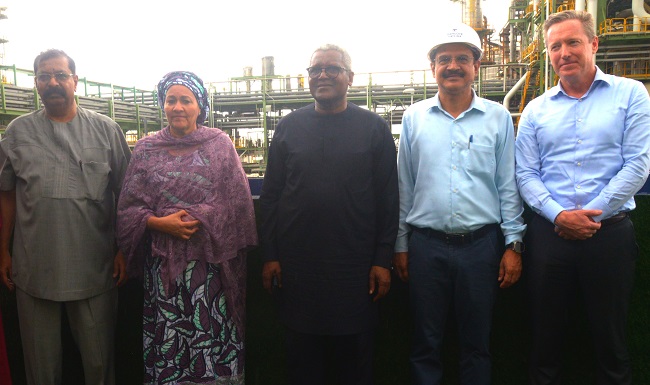
L-R: Vice President Oil & Gas, Dangote Industries Limited, Devakumar Edwin; Deputy Secretary-General of the United Nations, Amina Mohammed; President/CE, Dangote Industries Limited, Aliko Dangote; Managing Director/CEO, Dangote Fertiliser Limited, Sunil-Kumar Chauhan; Managing Director/CEO, Dangote Petroleum Refinery, David Bird; during her visit to Dangote Fertiliser Limited, Lekki Lagos on Monday, April 6, 2026

Her remarks come at a time of heightened concern over food shortages and supply chain disruptions across Africa, driven by global economic pressures, climate-related shocks and geopolitical tensions, particularly in the Middle East.

President/Chief Executive of Dangote Industries Limited, Aliko Dangote, said the group has ramped up exports of urea and Premium Motor Spirit (PMS) to African markets affected by supply disruptions arising from the crisis.

Noting the widening impact of the situation across the continent, Dangote said the company has intensified shipments of fertiliser to support agricultural productivity and ease supply constraints.

“The challenges are many. One is of urea, which is fertiliser that we have. I think in the last couple of days we’ve been loading to mostly African countries, which we were not doing before,” he said. “And then now it’s to do with petroleum products, which we are now sending mainly to African countries.”

He added that the refinery has shipped about 17 cargoes of petrol to African countries to cushion the impact of the crisis, leveraging its 650,000 barrels per day capacity to stabilise supply across multiple regions.

“What I can do is assure Nigerians … and most of West Africa, Central Africa, and East Africa, we have the capacity to supply them,” Dangote said.

On feedstock supply, Dangote commended the Nigerian National Petroleum Company Limited for increasing crude deliveries to the refinery in March, noting that volumes rose to 10 cargoes – six supplied in naira and four in dollars – to support domestic fuel availability.

“Last month, they gave us six cargoes for naira and four cargoes for dollars,” he said.

Despite the improvement, the supply remains below the 19 cargoes required for optimal operations, with the refinery continuing to bridge the gap through imports from the United States and other African producers.

Dangote also expressed concern over the unwillingness by international oil companies operating in Nigeria to sell to the refinery, stating that their preference for selling crude to traders forces it to repurchase at higher costs, with broader implications for the economy.

Dangote added that the refinery is seeking increased access to domestically priced crude under local currency arrangements as part of efforts to moderate fuel costs and enhance long-term energy and food security across the continent.

Experts advocate reforms to strengthen electricity value chain

Nigeria’s electricity sector remains one of the richly endowed with energy resources, yet struggling to keep the lights on for over 200 million people.

For decades, the promise of stable power has swung between hope and frustration.

Frequent grid collapses, gas supply challenges, mounting debts and ageing infrastructure have combined to create a crisis that affects both homes and industries.

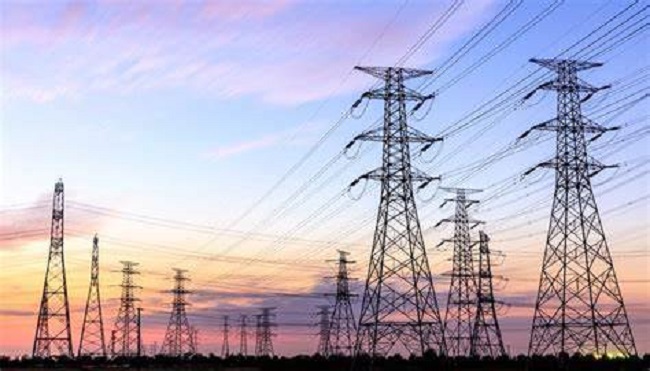
National grid
National grid lines

With an installed capacity of more than 13,000 megawatts, actual generation typically hovers between 4,000 and 5,000 megawatts, sometimes dipping lower due to gas constraints.

The gap forces businesses to depend heavily on diesel generators, raising operating costs, while households endure long hours without electricity.

At the core of the challenge is a fragile power value chain.

Generation companies face gas shortages and liquidity issues, the transmission network remains overstretched, and distribution companies contend with metering gaps, revenue losses and operational inefficiencies.

In response, the Federal Government, through the Federal Ministry of Power, has introduced a series of reforms aimed at stabilising the sector.

A key component is a debt resolution plan of about N3.3 trillion approved by President Bola Tinubu to address longstanding liabilities across the value chain.

The initiative is complemented by a broader N4 trillion framework, including bond issuances executed through the Nigerian Bulk Electricity Trading mechanism, designed to improve liquidity and restore investor confidence.

Some generation companies have already signed settlement agreements, with funds released to ease financial pressures and support operations.

Under the leadership of the Minister of Power, Dr Adebayo Adelabu, there have been modest improvements in peak generation, alongside efforts to promote long-term sustainability.

Tariff adjustments for high-end consumers are also helping reduce subsidy burdens while boosting sector revenue.

These indicate a gradual shift toward cost-reflective pricing long advocated by industry experts.

Across the board, stakeholders agree that Nigeria’s power sector stands at a critical juncture.

The path forward will require not just policy ambition, but sustained execution, strengthening the entire value chain, improving regulatory certainty, and investing in modern, resilient infrastructure.

However, experts caution that financial interventions alone might not resolve the sector’s deep-rooted challenges.

Mr Chinedu Bosah, National Coordinator of the Coalition for Affordable and Regular Electricity (CARE), insists that systemic inefficiencies, particularly in the gas supply chain, continue to undermine progress.

Nigeria still struggles to fully harness its over 200 trillion cubic feet of gas, as pricing and supply challenges often limit its use for domestic power generation.

Another energy expert, Dr Olukayode Akinrolabu, Member, Lagos State University’s Science and Technology Education Research Group, calls for a calibrated reform approach.

This, he says, can deepen private sector participation in generation and distribution while preserving strategic oversight of transmission infrastructure.

He warns that the national grid, which is unable to evacuate more than 5,000 megawatts, remains the system’s weakest link.

Similarly, a power expert, Mr. Francis Bada, advocates decentralisation, empowering states and private investors to develop embedded and renewable energy solutions.

Bada, Consultant, Adglow Renewable Energy, says models like the Aba integrated power system “demonstrate the potential of localised electricity networks.”

Ultimately, the stakes extend far beyond electricity. Reliable power is the backbone of industrial growth, job creation, and national development.

By Yunus Yusuf

Addressing impacts of the Middle East conflict on Africa

0

The global economic environment has become increasingly volatile with rising frequency of major shocks worldwide. Amid spikes in energy, food and fertiliser prices caused by the ongoing conflict in the Middle East, the African Development Bank (AfDB), the African Union Commission (AUC) the United Nations Development Programme (UNDP), and the UN Economic Commission for Africa (UNECA) outline practical recommendations for crisis responses and resilience building in African countries.

On the margins of the 58th Session of the Economic Commission for Africa in Tangier, the principals of the four institutions discussed the implications of the conflict on African economies and highlighted the key findings and recommendations of the forthcoming report.

Mahmoud Ali Youssouf
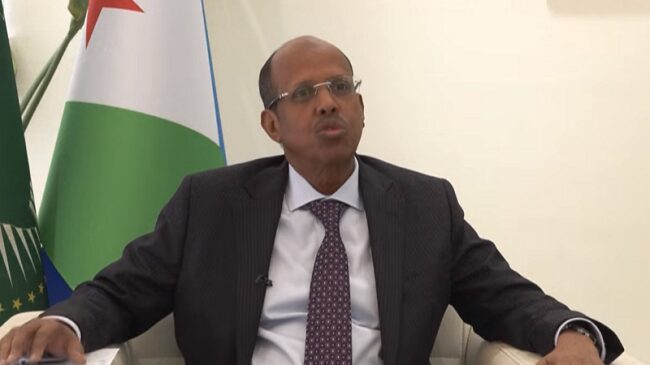
Mahmoud Ali Youssouf, Chairperson of the African Union Commission

“Continued escalation of the conflict worsens global instability, with serious implications for energy markets, food security, and economic resilience, particularly in Africa where economic pressures remain acute,” said Mahmoud Ali Youssouf, Chairperson of the African Union Commission.

The report highlights that the current shocks are transmitting faster and through more concentrated channels than past global disruptions, leaving African economies with little time to adjust. Its effects are already affecting African economies and households, requiring rapid effective policy action.

Global oil prices have already surged by more than 50 percent as of late March. Twenty-nine currencies in Africa have weakened, raising the cost of servicing external debt and importing food, fuel, and fertiliser. Disruptions linked to Gulf energy supplies limit access to ammonia and urea during the critical March–May planting season. This will affect agricultural production, compounding risks of crisis and emergency levels of food insecurity, especially for low‑income households and import‑dependent economies.

A Test and a Turning Point

“Africa has been hit by too many external shocks not of its making,” said Claver Gatete, UN Under-Secretary-General and Executive Secretary of the United Nations Economic Commission for Africa “This moment calls for decisive action, to protect people now, but also to accelerate Africa’s long‑term push towards energy security, food sovereignty, and financial self‑reliance. Crises like this reinforce why Africa must finance more of its own future and strengthen regional solutions that build resilience before the next shock hits.”

“This moment demands leadership, within Africa and from its partners,” stressed Ahunna Eziakonwa, UN Assistant Secretary‑General and Director of UNDP’s Regional Bureau for Africa. “With the right mix of policy choices, financing tools, and political resolve, Africa can weather this shock and emerge more resilient, more self-reliant, and better positioned to shape its own economic future.”

The Brief calls for coordinated action across three horizons:

  • Immediate crisis response measures to cushion households and stabilize fuel, food, and fertiliser supply by African governments and supported by development partners and the private sector.
  • Medium‑term reforms to strengthen energy security, targeted social protection, and regional trade under the AfCFTA
  • Long‑term structural reforms towards stronger domestic resource mobilisation and African financial safety nets, including accelerated implementation of the African Financing Stability Mechanism

“As global crises multiply, Africa’s response must evolve from managing shocks to fostering resilience,” emphasised Sidi Ould Tah, President of the African Development Bank Group. “African institutions and development partners need to act swiftly and in concert, leveraging their comparative advantages to cushion short-term shocks while laying the foundations for long-term resilience.”

By strengthening regional integration, accelerating African-led financial solutions, and investing decisively in energy, food, and trade resilience, the continent can move from vulnerability to preparedness.

Human bile emerges as a hidden reservoir for microplastics

0

Plastic pollution has become one of the defining environmental issues of modern life, and microplastics are now known to enter the body through food, drink, and air.

Previous studies have detected them in organs and tissues including the lungs, placenta, brain, semen, and feces, raising concern about long-term health effects.

Yet one crucial question has remained largely unexplored: where do these particles go after entering the body, and how might they affect the systems that process and excrete them?

Microplastics
Microplastics

Because bile is both a digestive fluid and a key medium for substance excretion in enterohepatic circulation, and because disturbances in bile balance can contribute to gallstones and other disorders, based on these challenges, in-depth research into microplastic accumulation and toxicity in the biliary system is needed.

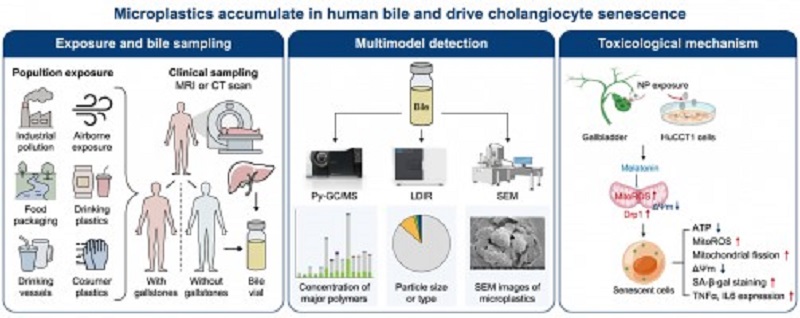
Researchers from The Tenth Affiliated Hospital of Southern Medical University (Dongguan People’s Hospital), Sun Yat-sen University, Guilin Medical University, and collaborating institutions reported (DOI: 10.1016/j.ese.2026.100686) this study in Environmental Science and Ecotechnology as a 2026 journal pre-proof accepted on April 26, 2026, describing how microplastics accumulate in human bile and drive cholangiocyte senescence.

To answer that question, the team collected bile from 14 patients undergoing surgery, including five without gallstones and nine with gallstones, while using strict plastic-free protocols to avoid contamination.

Microplastics
Overview of microplastic accumulation in human bile and its toxic effects. Photo credit: Environmental Science and Ecotechnology

They combined pyrolysis–gas chromatography–mass spectrometry, laser direct infrared spectroscopy, and scanning electron microscopy to identify polymer types, estimate concentrations, and characterise particle size and morphology.

Microplastics were found in all samples. Six polymers were identified by Py-GC/MS, with PET accounting for 68.05% and PE for 27.11%. Patients with gallstones carried far heavier burdens: median bile concentrations reached 25.89 μg g−1, compared with 6.98 μg g−1 in controls. Most particles measured 20–50 μm, and microscopy revealed irregular, rod-like, and spherical shapes.

The researchers then modeled chronic exposure in cultured human cholangiocytes using low-dose polystyrene nanoplastics. Proteomic and cellular assays showed increased expression of senescence-related molecules, greater SA-β-gal activity, and G1 cell-cycle arrest. Mechanistically, the particles reduced ATP, increased mitochondrial reactive oxygen species, promoted Drp1-related mitochondrial fission, and lowered mitochondrial membrane potential. Melatonin reversed much of this damage and suppressed inflammatory markers including IL-6 and TNF-α.

“This study reframes the biliary system as more than a passive transit site,” an expert might say. “It suggests that bile may act as a previously underrecognised reservoir and excretion route for microplastics, while also revealing that chronic exposure can age cholangiocytes through mitochondrial injury. Just as importantly, the finding that melatonin blunted these effects offers a biologically plausible starting point for protective intervention, even though larger human studies are still needed.” This interpretation is consistent with the authors’ conclusion that the biliary system may be a new target of microplastic-related health risk.

The implications extend beyond gallstones. By identifying bile as a potential accumulation and excretion hub, the study opens a new window into how plastic pollution may interact with digestive and liver-related health. It also strengthens the case for better monitoring of microplastics in drinking water and food systems, more realistic chronic-exposure models, and broader risk assessment for vulnerable populations.

At the same time, the authors caution that their sample size was small and drawn from a single center, so the findings should be expanded in larger, multicenter studies. Even so, the work offers a compelling narrative: tiny plastic particles may be leaving a measurable biological footprint in one of the body’s most overlooked fluids.