25.9 C
Lagos
Tuesday, March 3, 2026
Home Blog Page 7

Nigeria not ready for blanket ban on solar panel importation – Experts

0

Nigeria is not prepared for a blanket ban on solar panel imports, experts in the environment and energy sector said in Abuja on Tuesday, February 24, 2026.

They said this at the National Stakeholders Engagement Workshop on accelerating Nigeria’s Clean Energy Transition.

Dr Michael David, the Executive-Director, Global Initiative for Food Security and Ecosystem Preservation (GIFSEP), said that solar is the beacon of hope – the lifeline, adding that a pathway out of energy poverty in Nigeria is through solar.
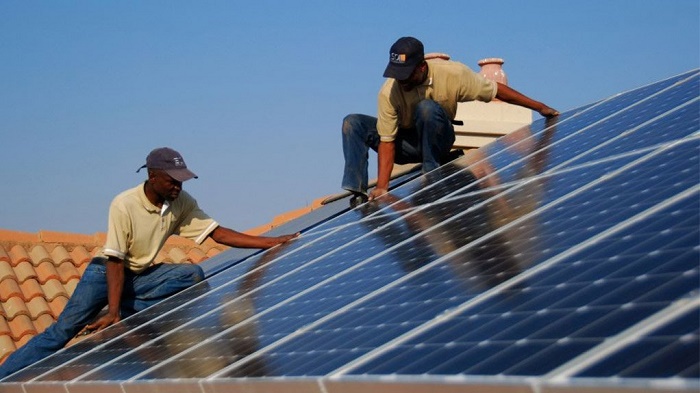
Solar panels installation

According to him, Nigeria faces a paradox of energy wealth and energy poverty, so Nigeria is not yet ready for a blanket ban on solar panel imports.

“Nigeria is faced with widespread energy poverty, severe electricity access deficit, chronic power shortages, persistent energy inequality, limited access to reliable electricity, access to electricity remains unreliable, unaffordable, and unequal.

“Energy poverty continues to undermine economic growth and human development. It is correct to say that energy poverty is communities in poverty.

David said that solar energy offers Nigeria a real chance to close its energy gap to clean, affordable, and accessible power for millions left behind by the grid.

“Banning solar imports now would be like removing lifelines in a crisis.

“Such a policy, if implemented now, would likely worsen energy poverty, slow renewable energy adoption, and hurt households and businesses.

“What we need now is a clean energy policy that offers incentives for local solar production, promotes local assembly and manufacturing, and offers affordable financing for clean energy systems. Let’s get some basic things right before a blanket ban.

“Nigeria has one of the largest electricity access deficits in the world. Despite being one of Africa’s largest economies, Nigeria’s national electricity grid is one of the least reliable on the continent, with electricity demand consistently outstripping supply,” he said.

David stated that a study by Nigeria’s World Data in 2026 shows that billions of people have access to far less electricity per day than is required to run an air conditioner (AC) for just one hour.

“The study revealed that while people in richer parts of the world can switch on their ACs, for billions in energy-poor countries, there is little electricity available to power a fan or an air conditioner.

“We can see this by comparing how much electricity people use at home on a typical day with how much power an air conditioner requires. Let’s consider a typical single-room air conditioner that uses around 1,000 watt-hours of electricity in an hour.

“The study finds that, in at least 45 countries, the average residential electricity use per person for an entire day is less than the electricity that is required to power an air conditioner for one hour.

“The number of people without access to electricity in Nigeria is put at 86.8 million, the highest world-wide, says a World Bank 2025 report.”

He stated that on the role of state governors, the enactment of the Electricity Act 2023 represents a significant policy shift.

“The act seeks to restructure the electricity sector by promoting decentralised generation, incentivising investment in renewable energy, and granting state governments greater regulatory authority over electricity supply.”

Rep. Terseer Ugbor, the Deputy Chairman, House Committee on Environment, in a keynote address, said that solar energy is becoming a necessity in Nigeria due to the level of power failure experienced in almost every part of the country.

“I imagine a Nigeria where every home has electric power where no child studies in the dark, where businesses thrive with constant power supply without the use of generators.

“Solar energy is central to economic diversification, job creation, climate responsibilities, rural transformation and national development.

“Solar energy is a tool for survival and growth in our country, an abstruct restriction of solar panels imports without sufficient global capacity will unintentionally affect rural and upgrade community businesses, institutions and healthcare facilities,” Ugbor worried.

Also, Mr. Joseph Ibrahim, Nigeria Campaign Director Secure Energy Project, frowned at the proposed ban on importation of solar panels, advising that renewable energy be made affordable to everyone.

By Abigael Joshua
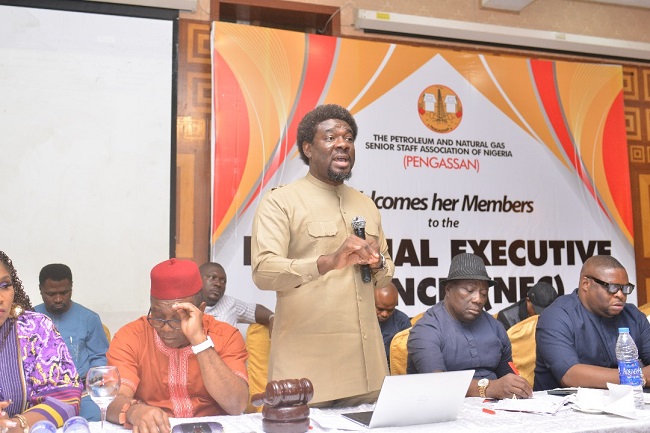
PENGASSAN seeks legislative process on Executive Order 9

0

The Petroleum and Natural Gas Senior Staff Association of Nigeria (PENGASSAN) has urged that amendments under Executive Order 9 be subjected to legislative process to safeguard stability in the oil and gas sector.

Mr. Festus Osifo, President of PENGASSAN, said this on Tuesday, February 24, 2026, in Abuja while addressing newsmen at the opening of the association’s National Executive Council (NEC) meeting.

President Bola Tinubu had, on Feb. 13, issued Executive Order 9 to reform oil and gas revenue management and enhance transparency in government earnings.

Festus Osifo
Mr. Festus Osifo, PENGASSAN’s President

The order directs that all petroleum revenues, including royalties, taxes and profit oil, be paid directly into the Federation Account to curb leakages and enforce constitutional provisions.

Osifo said the provisions of the order could undermine existing laws guiding the petroleum industry, particularly the Petroleum Industry Act (PIA).

According to him, any attempt to amend industry laws through executive orders rather than legislative processes threatens transparency and sectoral confidence.

“The provisions of Executive Order 9, as presently constituted, amount to a direct threat to the stability we currently enjoy in the oil and gas sector.

“Amending critical industry laws through executive orders, instead of legislative processes, undermines transparency, stakeholder confidence and long-term sectoral sustainability.

“Such actions, if unchecked, could negatively affect investments, operations and the welfare of workers across the petroleum industry,” he said.

The PENGASSAN president urged the Federal Government to channel all proposed legal amendments through the National Assembly for proper debate and stakeholder engagement.

He said policy uncertainty could discourage investment and disrupt ongoing reforms in the oil and gas industry.

Osifo added that the order could negatively affect workers’ jobs, welfare and operational funding structures within key industry institutions.

He noted that there were potential implications for salary payments and management fees tied to profit oil arrangements in joint venture operations.

He also said instability in the sector could reduce foreign exchange earnings and further weaken the national economy.

According to him, declining confidence in the sector could worsen inflationary pressures already burdening Nigerian workers.

Osifo, however, said PENGASSAN had held multiple engagements with government officials and would meet with the Presidential Implementation Committee to further address concerns over Executive Order 9.

He added that the discussions had been fruitful, expressing hope that both sides would bridge differences through dialogue.

By Joan Nwagwu

Climate Data Hub unlocks access to climate information to boost data-driven action

0

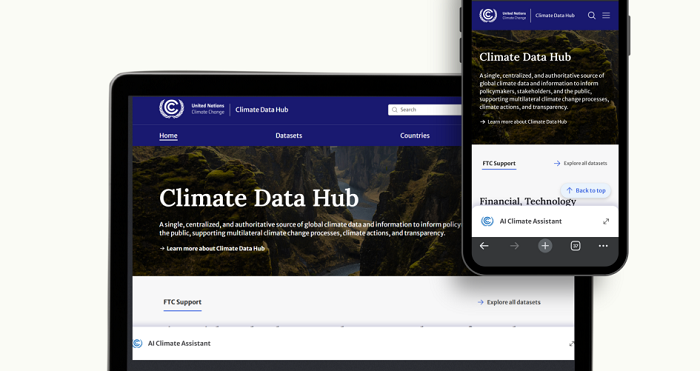
Global climate transparency entered a new phase with the launch of the Climate Data Hub, a centralised platform that – for the first time – consolidates climate data from more than 190 countries in one place, offering critical insight into progress, gaps, investment flows and support needs – insight essential to turning climate ambition into real-world outcomes in this new era of implementation.

Developed by UN Climate Change in partnership with Microsoft, EY and NEDAMCO Africa, the Climate Data Hub provides reliable, official climate data that is easier to access, analyse and use, for all stakeholders – from government leaders and policy-makers, to investors and other real economy implementors, to academia and civil society groups.

Climate Data Hub
Climate Data Hub

“Climate data and transparency enable countries to identify needs, set priorities, and assess progress,” said Xuehong Wang, Director of Transparency at UN Climate Change. “Through this new Hub, climate data becomes more than numbers. It becomes knowledge and insights, collaboration and opportunities to drive implementation and real-world results with vast benefits for peoples, governments and economies.”

The Hub is now operational in its first phase, providing public access to financial, technical and capacity-building support data submitted under the Paris Agreement’s Enhanced Transparency Framework (ETF). Future updates will expand the platform’s functionality and integrate additional data sources as global needs evolve.

Climate data submitted under the UNFCCC and the ETF has long been abundant but difficult to compare, as countries reported in different formats. This complexity made it harder for policymakers, researchers, civil society and other climate stakeholders to track progress, analyse trends, and draw meaningful insights.

The Climate Data Hub is designed to address this limitation by applying advance analytics, artificial intelligence, and user-friendly design to make it easier to transform information submitted under the UNFCCC and the ETF into clear insights and visualisations. It is built in line with strict UN data governance standards to ensure security and integrity.

New opportunities for all stakeholders

The Climate Data Hub unlocks new potential for policymakers, business leaders, investors, researchers, development agencies, civil society, and the public. Its interface enables users to explore official data through simple queries, improving their ability to integrate evidence-based climate insights into planning, research and action.

For policymakers, the platform offers a clearer picture of national and sectoral progress over time, enabling governments to assess policy pathways and identify the most effective strategies – all grounded in official data.

For researchers, the Hub provides immediate access to harmonised datasets that can strengthen climate studies, modelling efforts and long-term assessments.

The Hub will also help investors, business leaders, support providers, development agencies, civil society organisations, and others working to advance climate action.

“The UNFCCC Climate Data Hub tackles a core challenge: climate data is often fragmented, difficult to compare, and manually processed,” said Melanie Nakagawa, Chief Sustainability Officer at Microsoft. “Together with partners, we have built an AI-enabled, centralised platform that streamlines data management and strengthens transparent tracking of climate action. This is the kind of technology that helps turn data into action, and we’re excited to see how governments, civil society, industry, and investors use it to accelerate progress.”

Transparency beyond reporting

Transparency equips governments and real-economy implementers with the data to strengthen climate policy-making over time, identify investment needs and opportunities helping to mobilisse more finance, and deliver faster and wider progress with more benefits for people, businesses and economies.

“Centralising and enhancing our climate data systems is not just a technical upgrade – it’s a strategic move to empower governments and all other implementers to boost data-driven climate actions and deliver real-economy outcomes, in this new era of implementation,” said Wang.

African LDCs to host first-ever centralised review of transparency reports in Rwanda

0

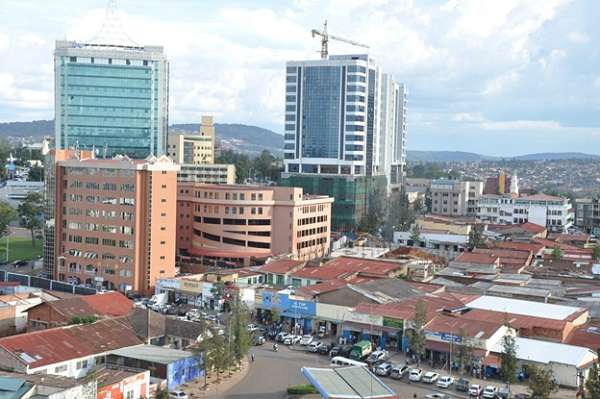
Rwanda will host the first-ever centralised group review of Biennial Transparency Reports (BTRs) for African Least Developed Countries (LDCs). The event will take place alongside a hands-on capacity-building training on Enhanced Transparency Framework (ETF) tools.

The event, happening from May 11 to 16, 2026, in Kigali, is organised by the Government of Rwanda through the Rwanda Environment Management Authority (REMA), in collaboration with the UNFCCC secretariat and partners including the United Nations Environment Programme (UNEP), the CBIT Global Support Programme, the Commonwealth Secretariat and the Office of the LDC Group Chair.

kigali
Kigali, Rwanda

This pilot initiative responds to requests from four African LDCs – Burkina Faso, Malawi, Niger and Rwanda – to conduct their technical expert reviews in a centralised format. The event represents an innovative step in implementing the ETF and strengthening technical capacity across LDCs.

It will bring together technical expert review teams, technical experts from Burkina Faso, Malawi, Niger and Rwanda, and partner organisations. In addition to BTR reviews of these four Parties, the session also aims to deliver practical, hands-on training on ETF reporting tools – including on greenhouse gas (GHG) inventories, tracking of national climate plans (NDCs), and support needed and received.

The integration of review and capacity-building is designed to foster collaboration and peer learning, enhance the quality, consistency and efficiency of reporting and review processes, and ensure that Parties are equipped for future reporting cycles.

As host, Rwanda demonstrates leadership in climate transparency and reflects a shared commitment to capacity development, cost efficiency, and regional cooperation.

As Parties continue submitting their Biennial Transparency Reports, initiatives such as this centralised group review underscore the importance of partnerships and efficiency gains in implementing the ETF and supporting countries to meet their reporting obligations.

Africa must align climate diplomacy with its industrial ambitions – AGN Chair

0

At the just concluded 39th Ordinary Session of the African Union Assembly of Heads of State and Government in Addis Ababa, Ethiopia, Chair of the African Group of Negotiators on Climate Change (AGN), Nana Dr. Antwi-Boasiako Amoah, undertook several engagements to reinforce institutional coordination in advancing Africa’s climate narrative and in particular, calling for alignment between climate diplomacy and the continent’s industrial ambitions.

In his several engagements with cooperating partners, AU technical agencies and high-level continental leadership, particularly the Committee of African Heads of State and Government on Climate Change (CAHOSCC), Nana Dr. Amoah emphasised the need for Africa to not only continue negotiating under a common position but also strategically align climate diplomacy with its overall development agenda.

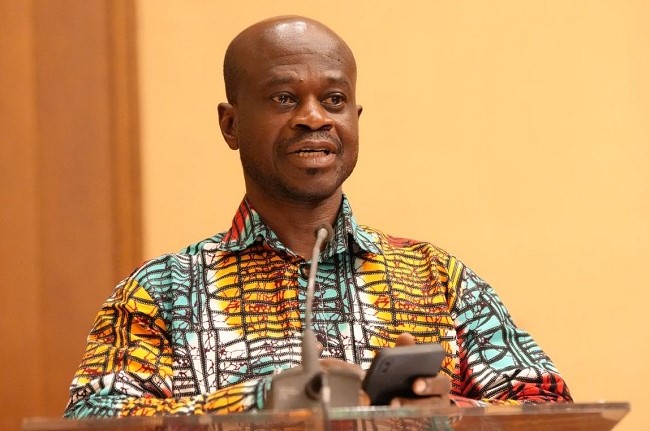
AU Summit
Chair of the African Group of Negotiators on Climate Change (AGN), Nana Dr. Antwi-Boasiako Amoah, at the AU Summit

He noted that global climate diplomacy had fundamentally shifted beyond emissions targets and long- term ambition, becoming increasingly intertwined with geopolitics, energy security, industrial competition, critical minerals and finance.

“These global shifts are reshaping Africa’s development options faster than our institutions are adapting,” he said. “At the same time, decisions taken outside the UNFCCC framework, in trade, industrial policy and finance, are increasingly determining what is feasible within it. If our climate diplomacy is not aligned with our energy needs and industrial ambitions, we risk locking ourselves into pathways that reproduce dependency rather than transformation,” he cautioned.

Nana Dr Amoah stressed that energy sovereignty, industrial policy and access to finance must be placed at the centre of Africa’s climate strategy, and urged stronger coordination among African institutions to address fragmentation between mandates and implementation.

Reflecting on key COP30 outcomes, Nana Dr Amoah highlighted three priority areas for Africa: the Just Transition Mechanism, the climate–trade dialogue, and climate finance under Article 9.1 of the Paris Agreement.

On the Just Transition Mechanism, he stressed that Africa’s interpretation must go beyond worker protection to encompass national development and shared prosperity.

“For Africa, a just transition must mean manufacturing solar panels, batteries and green hydrogen components on the African soil. It must mean local beneficiation of critical minerals, supported by skills development and meaningful technology transfer,” he said, warning that a green transition that leaves Africa confined to exporting raw materials at the bottom of global value chains could not be described as just.

On trade, the AGN Chair cautioned that unilateral trade measures, carbon border adjustments and green subsidies were already reshaping global competitiveness, posing risks to African economies.

He thus urged the African Continental Free Trade Area (AfCFTA) to offer a platform to aggregate regional markets and address scale constraints, but stressed the need to preserve policy space for green industrial strategies and differentiated transition pathways.

Turning to finance, he underscored that the Paris Agreement’s affirmation of developed countries’ responsibility to provide financial resources to developing countries.

“In an era of tight fiscal space, climate finance must be adequate, predictable and patient. It must address Africa’s high cost of capital and support debt sustainability,” he said, calling for a shift from “fragmented, project financing towards programmatic, regional investment platforms capable of transforming entire sectors and value chains.”

Nana Dr Amoah reaffirmed the readiness of the AGN to ensure that climate diplomacy strengthens Africa’s industrial ambitions and long-term economic transformation.

In his efforts to ensure that Africa’s climate narrative is well-coordinated, technically grounded, and politically aligned to translate into real resilience for African communities, Nana Dr. Amoah engaged with several partners including the International Organisation for Migration (IOM), African Union Economic, Social and Cultural Council (ECOSOCC), United Nations Office to the African Union (UNOAU), United Nations Environment Programme (UNEP) Africa Regional Office, United Nations Economic Commission for Africa (UNECA), Green Climate Fund (GCF), the African Continental Free Trade Area (AfCFTA), African Union Development Agency (AUDA-NEPAD), Africa Green Industrialisation Initiative, among others.

Lisa Lim Ah Ken, Senior Specialist for Climate Action at IOM, reaffirmed the organisation’s readiness to continue supporting Africa’s climate agenda through sustained collaboration, technical engagement, and institutional partnership, while UNOAU’s Parfait Onanga-Anyanga, the Special Representative of the Secretary-General to the AU and Head of the UN Office to the AU, emphasised on the nexus of peace, security and climate change.

Meanwhile, UNEP Africa Regional Director, Rose Mwebaza, pledged continued strategic support, particularly focusing on strengthening Africa’s coordination, technical preparedness and political engagement in global climate negotiations.

VCDF, SEEPCO launch free eye care programme in Delta’s Ndokwa East LGA

0

Many Nigerians continue to suffer from avoidable vision problems, with cataracts and other eye conditions being major causes of preventable blindness. In Delta State, an estimated 50,000 people are living with cataracts, a condition that can be treated through timely medical care.

Unfortunately, limited access to eye care services and the high cost of treatment often prevent many residents, especially in rural communities, from receiving help.

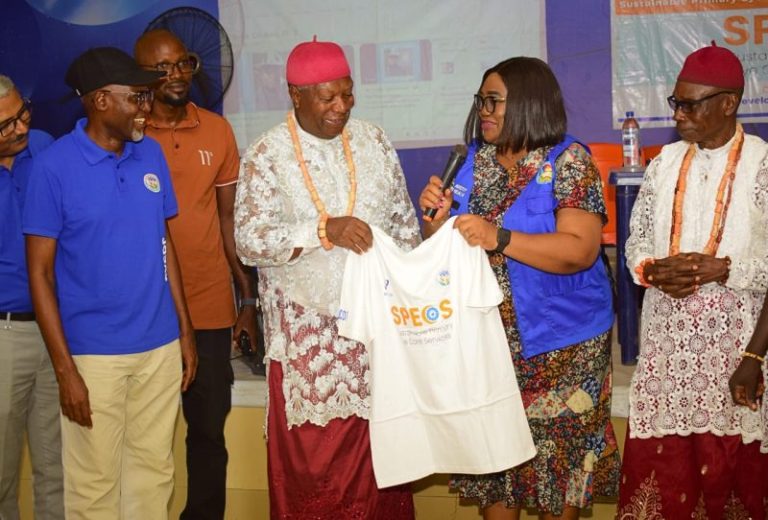
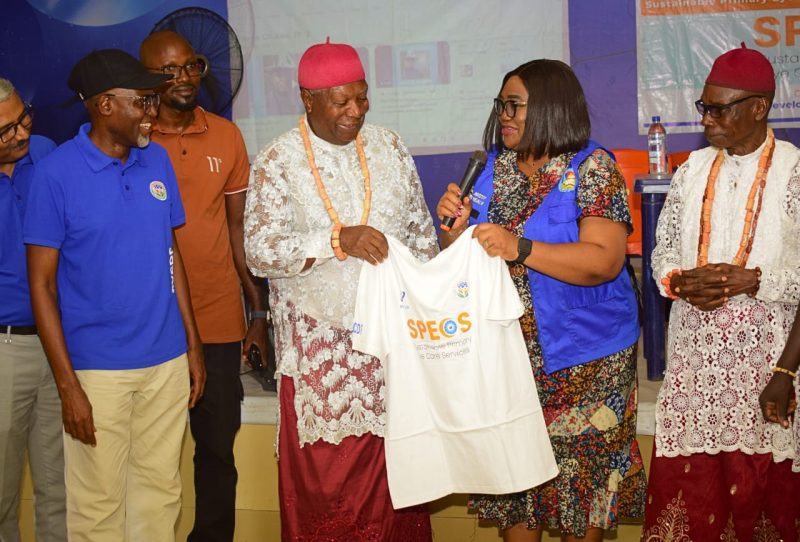
To help address this challenge, the Vcare for Development Foundation (VCDF), with the support of Sterling Oil Exploration and Energy Production Company (SEEPCO), has launched its Sustainable Primary Eye Care Services (SPECS) Programme in Ashaka, Ndokwa East Local Government Area.

VCDF
Members of the VCDF team, representative of the Delta State Commissioner of Health and traditional rulers of the community

The programme provides free eye screenings, surgeries, medications, and eyeglasses, bringing much-needed eye care services directly to the people.

Speaking at the launch, VCDF Programme Manager, Mr. Phillip Ukemezia, explained that the initiative is part of a long-term partnership with the Delta State Government.

According to him, VCDF has signed a 10-year Memorandum of Understanding (MoU) with the state to improve access to quality and sustainable eye care services. He noted that the collaboration with the Delta State Ministry of Health, alongside SEEPCO’s support, would help ensure that more residents receive timely diagnosis and treatment for eye conditions such as cataracts and pterygium.

Ukemezia further stated that the SPECS Programme, which began in 2023, focuses on integrating primary eye care into existing Primary Health Care Centres. These centres serve as the first point of contact for community members, allowing for early detection, screening, and referral of patients for proper treatment.

The Delta rollout builds on the programme’s successful pilot phase in Akwa Ibom State, where 8,579 people benefited from free eye screenings, eyeglasses, and medications, and 865 successful cataract surgeries completed.

Encouraged by the positive impact, VCDF has expanded the programme to Delta State to reach more underserved communities.

Also speaking at the event, Mrs. Cecilia Ekpo, Vice Chairman of Ndokwa East LGA, described the programme as a major relief for residents. She expressed appreciation for the intervention, noting that many people who could not afford eye treatment now have an opportunity to receive care at no cost.

SEEPCO, which has supported several health and community development initiatives, reaffirmed its commitment to improving the wellbeing of host communities. The company emphasised its readiness to continue partnering with VCDF and other stakeholders on programmes that positively impact lives.

As part of the programme’s sustainability efforts, 73 health workers and community volunteers have been trained across Ndokwa East and West LGAs. This step ensures that eye care services remain accessible and effectively integrated within local health facilities.

Through the SPECS Programme, VCDF and SEEPCO are helping to restore sight, improve health outcomes, and bring hope to many families in Delta State.

ICARRD+20: Group urges banks to finance agroecology, equitable food systems

0

As governments, social movements, and multilateral institutions gather in Cartagena for ICARRD+20 to advance agrarian reform and rural development, the Stop Financing Factory Farming (S3F) Campaign is calling for an urgent shift in global development finance.

Public and multilateral development banks, says the group, must end financing for industrial livestock and redirect resources toward agroecology and equitable food systems.

Twenty years after the first ICARRD, land inequality, rural dispossession, and ecological decline remain urgent global challenges. Development finance continues to shape land use, agricultural systems, and rural livelihoods and too often, it is reinforcing the very crises agrarian reform seeks to resolve.

Mariann Bassey-Orovwuje
Mariann Bassey-Olsson, S3F Africa Regional Coordinator

Development finance is far from neutral, noted Mariann Bassey-Olsson, S3F Africa Regional Coordinator.

“Public and multilateral development bank financing of industrial livestock is driving deforestation, land conversion for feed production, and land concentration,” she emphasised. “These investments directly undermine climate goals, biodiversity protection, and the vision of sustainable rural development.”

Industrial livestock production relies heavily on monoculture feed production, accelerates forest destruction, increases greenhouse gas emissions, and subjects billions of animals to intensive confinement and chronic suffering, while entrenching export-oriented agribusiness models. Rather than supporting equitable land distribution and community resilience, such financing consolidates corporate control over land and food systems.

Multilateral development banks claim that their financing of industrial livestock production boosts food security. However, industrial production is dependent on feeding grains such as wheat and corn to animals who convert these crops very inefficiently into meat and milk. This undermines food security. A new report shows that if the grain fed to livestock were instead used for direct human consumption, worldwide an extra 2 billion people could be fed each year.

Across Africa and Latin America, including Colombia, the host of ICARRD+20, communities continue to resist land grabbing, ecological destruction, and rural decline linked to industrial agriculture expansion.

Industrial livestock systems are also reshaping rural economies in ways that deepen inequality, warned Opeyemi Elujulo, S3F Youth, Policy & Campaigns Lead.

“Factory farming concentrates ownership and decision-making power in the hands of large agribusiness corporations, displacing small-scale producers and Indigenous landowners,” he stated. “Women, youth, and marginalised communities bear the heaviest burden. This is not rural development, it is rural dispossession.”

In many regions, industrial livestock expansion is promoted as modernisation or food security. However, grassroots movements and smallholder farmers consistently highlight its damaging social and environmental consequences. The expansion of these systems undermines local food sovereignty, increases dependency on global commodity chains, and weakens community resilience.

ICARRD+20 presents a critical opportunity to realign development finance with its stated goals of reducing rural poverty, supporting agrarian reform, and advancing sustainable development.

Redirecting financial flows can transform land outcomes and rural futures, stressed Claudia Escorza, S3F Latin America Regional Coordinator.

“Shifting public finance away from factory farming toward agroecological and diversified food systems supports more equitable land use, strengthens resilient rural livelihoods, and aligns with climate and biodiversity commitments,” she affirmed. “Public money must serve the public good, not corporate concentration.”

Agroecology and diversified food systems offer proven pathways that support small-scale farmers, protect land rights, and strengthen local markets. Across regions, agroecological approaches have demonstrated increased climate resilience, improved soil health and fertility, enhanced biodiversity, reduced input costs, and greater income stability for farming communities.

Evidence from multiple regions shows that agroecological systems can maintain – and often improve – yields while reducing dependency on costly external inputs, thereby boosting farmers’ incomes and livelihoods. These systems promote gender equity, strengthen community food sovereignty, and contribute to long-term rural sustainability. Redirecting development finance toward these approaches is essential to achieving meaningful agrarian reform that is both socially just and economically viable.

The Stop Financing Factory Farming Campaign is calling on governments and multilateral development banks participating in ICARRD+20 to:

  1. End public and multilateral financing for industrial livestock and factory farming projects;
  2. Conduct transparent reviews of existing agricultural investment portfolios;
  3. Redirect financing toward agroecology and community-led, small-scale food systems;
  4. Align agricultural investments with climate, biodiversity, and human rights commitments;
  5. Guarantee meaningful participation of grassroots movements, women, youth, small-scale farmers and producers, and Indigenous Peoples in agricultural financing decisions.

Agrarian reform cannot succeed without transforming how development finance is structured and deployed. Development banks cannot credibly champion rural equity while funding systems that accelerate land concentration, environmental degradation, and social inequality.

The future of rural development depends not only on policy commitments but on where public money flows. It is time to stop financing factory farming and start financing food systems that nourish communities, protect ecosystems, and uphold justice.

NAPTIP, UK unite to amplify voices of trafficking survivors

0

The National Agency for the Prohibition of Trafficking in Persons (NAPTIP), in partnership with the British High Commission Abuja, on Monday, February 23, 2026, convened a survivor‑centred event highlighting the emerging global crisis of human trafficking into cyber‑enabled scam operations in Southeast Asia.

The event, “Confronting the Global Scam Centre Crisis: Perspectives of Nigerian Survivors,” brought together recently repatriated Nigerian nationals who were deceived with fraudulent job offers and trafficked to Myanmar, Laos, Cambodia and Thailand. Many were coerced into conducting sophisticated cyber‑fraud schemes under exploitative and abusive conditions.

NAPTIP
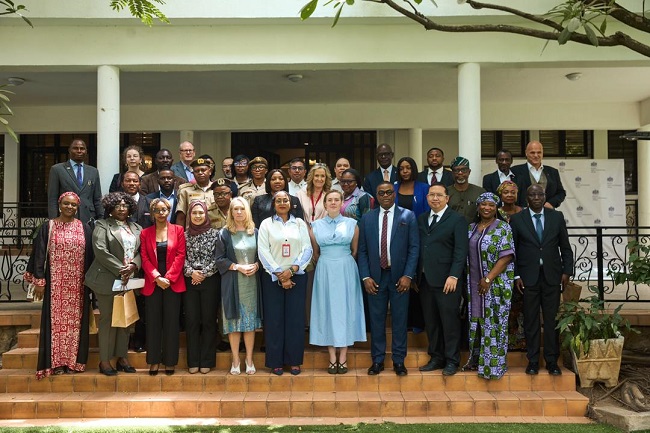
Deputy High Commissioner, Gill Lever, with representatives of NATIP, IOM, Thailand Embassy, Nigeria Immigration Service and National Cybersecurity Coordination Centre

The programme follows the successful joint efforts of NAPTIP, the Nigerian Ministry of Foreign Affairs, the Nigerian Embassy in Bangkok, and the British NGO EDEN, whose coordinated action – including on‑the‑ground triangulation at the Thai–Myanmar border and welfare visits to affected nationals in Bangkok’s Immigration Detention Centre (IDC) – enabled the safe rescue and return of 23 Nigerian survivors earlier this month.

According to the UN OHCHR’s 2026 report “A Wicked Problem”, credible sources estimate that at least 120,000 people are currently being held in forced scam operations inside Myanmar, with the total rising to over 300,000 across Southeast Asia. Survivors identified in the report originate from at least 66 countries. Between 2020 and 2025, 74% of known victims trafficked into scam centres worldwide were taken to Southeast Asia after being promised high‑paying jobs.

Monday’s event provided a protected platform for survivors to voluntarily describe in their own words how they were recruited, the coercive conditions inside scam compounds, and their journeys toward safety and recovery.

Gill Lever OBE, UK Deputy High Commissioner to Abuja, said: “We are here today to listen to survivors who have shown remarkable bravery in sharing their experiences. The UK is working closely with NAPTIP, the Nigerian Ministry of Foreign Affairs, EDEN and IOM to ensure survivors receive trauma‑informed care and safe repatriation. Their courage will help prevent others from being harmed, and we stand firmly with Nigeria and all African Commonwealth partners in confronting this rapidly evolving threat.”

Representing, Director-General of NAPTIP, Mrs. Kehinde Akomolafe, Director of Public Enlightenment, said: “The courage these survivors have shown in sharing their stories is remarkable. Their experiences expose the brutal reality of trafficking into scam centres, a crime that strips people of their dignity and freedom. NAPTIP is committed to protecting Nigerian citizens from this growing threat and grateful for the steadfast support from our partners in ensuring survivors receive the comprehensive support they need to heal and rebuild their lives.”

One of the survivors said: “I was promised opportunity, a good job and a chance for a better life. Instead, I was trapped and forced to do things that went against everything I believe in, while living in constant fear. I am sharing my story so that other Nigerians can recognise the warning signs and protect themselves. No one should have to endure what we experienced.”

Lead exposure: Ogun commences independent health audit of Ogijo residents

0

The Ogun State Government has commenced an independent and comprehensive health audit of residents of Ogijo in Sagamu Local Government Area, following concerns over possible lead exposure in the community.

This is contained in a statement in Abeokuta on Monday, February 23, 2026, by Mr. Goke Gbadamosi, Public Relations Officer and Information Officer of the state Ministry of Health.

The state government recently identified and sealed a used lead-acid battery recycling plants in the area after reports of an alleged lead poisoning surfaced in November 2025.

Dr. Tomi Coker
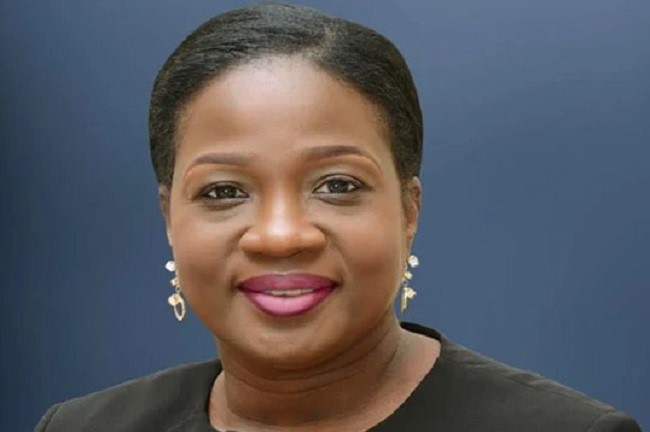
Ogun State Commissioner for Health, Dr. Tomi Coker

According to the statement, the Commissioner for Health, Dr Tomi Coker, disclosed the commencement of the health audit during a stakeholders’ engagement at the Ologijo’s Palace.

Coker said the state government had completed blood sample collection from over 500 scientifically selected residents to determine their Blood Lead Levels (BLL).

She noted that global attention following reports by some international media organisations had placed Ogijo in the international spotlight, necessitating a deliberate and structured government response.

She explained that shortly after the reports emerged, the Ministries of Health and Environment visited the affected communities to allay fears and outline a clear monitoring, evaluation and response framework.

“The health sector deliberately adopted a scientific approach to the audit process.

“His Excellency directed that the Nigerian Institute of Medical Research (NIMR) be engaged to independently conduct the study to ensure authenticity, transparency and global credibility of the findings.

“We have ensured that NIMR is working independently to deliver unbiased results, and once the report is received, appropriate recommendations will be submitted to the governor for necessary action.

“NIMR commenced fieldwork in the community last week and has collected over 500 blood samples using a stratified scientific methodology, covering individuals previously identified with elevated blood lead levels,” she said.

Coker acknowledged that some facilities earlier sealed had since been reopened by the ministry of environment following compliance reviews.

She stated that the ministry of health would institute a monitoring protocol requiring periodic blood lead level testing for workers in the affected industries to safeguard them against health risks.

Coker assured residents that the governor remains committed to their welfare.

In his remarks, the Director-General/Chief Executive Officer of NIMR, Prof. Oladipo Obafunwa, said the institute deployed a professional team to conduct the exercise in line with established scientific standards.

Responding, the Ologijo of Ogijo, Oba Kazeem Gbadamosi, commended the state government for its timely intervention and transparent engagement.

By Abiodun Lawal

CBD Parties advance key implementation enablers ahead of decisive COP17 in October

0

The sixth meeting of the Subsidiary Body on Implementation (SBI-6) concluded on Thursday, February 19, 2026, in Rome, with broad agreement among the Parties to the Convention on Biological Diversity (CBD) around key enablers to implement the Kunming-Montreal Global Biodiversity Framework (KMGBF).

The aspects addressed included biodiversity finance, progress in the implementation of the Gender Plan of Action, capacity-building and development, cooperation with international organisations and other conventions, and the fair and equitable sharing of benefits arising from the use of genetic resources.

Astrid Schomaker
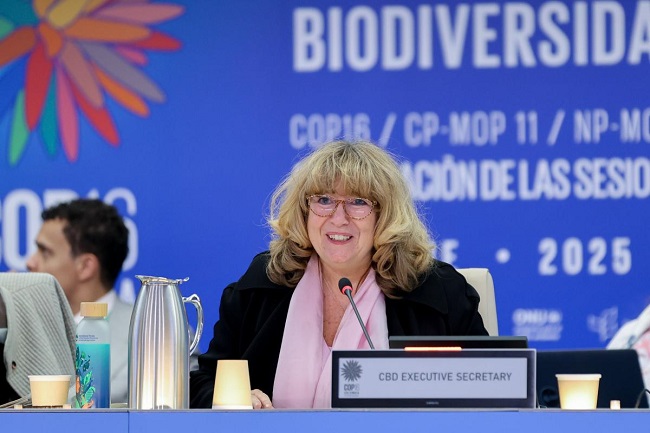
CBD Executive Secretary, Astrid Schomaker

The recommendations adopted by the Subsidiary Body will be considered for adoption at the 2026 United Nations Biodiversity Conference, hosted by Armenia in Yerevan from October 19 to 30, 2026.The Conference, comprising the 17th meeting of the Conference of the Parties (COP17) and meetings of the Convention’s Cartagena and Nagoya Protocols, will see the first global review of collective progress in the implementation of the KMGBF.

In many of the adopted recommendations, Party negotiators were able to produce bracket-free,
clean text, signaling commitment to securing consensus in Yerevan. “The conclusion of SBI-6
marks the achievement of an important first milestone in a marathon year,” said Clarissa Nina, the Chair of SBI. “I thank the Parties for working together in a spirit of solidarity and common purpose to iron out divergences and deliver these robust recommendations.”

Parties re-committed to finalising National Biodiversity Strategies and Action Plans (NBSAPs),
National Targets, and National Reports as soon as possible. There is a February 28 deadline for
national reports as inputs into this year’s global review of collective progress, with their inclusion being important to provide an evidence-based assessment of where the world stands on halting and reversing biodiversity loss.

An analysis covering 130 sets of national targets and 51 NBSAPs, which informed the deliberations at the meeting, revealed a gap between the global ambition of the KMGBF and what Parties have set out to achieve at the national level.

“These insights also highlight the possibility of correcting course by increasing ambition and accelerating implementation at the national level,” said Astrid Schomaker, Executive Secretary of the CBD. Since the analysis, a further 20 NBSAPs have been submitted.

By the time the meeting closed, the European Union, Lesotho, Uganda and Switzerland were
announced as the first Parties to have submitted their 7th National Reports ahead of the February 28 deadline. Several Parties indicated their intention to follow suit, while others pointed to difficulties linked to capacity gaps and limited or delayed access to resources. All other actors were also encouraged to submit information, including indigenous peoples and local communities, civil society, women, youth, the private sector and academia.

Up to now, 75 percent of Parties have submitted national targets. These constitute the actual
drivers of national implementation and are tethered into the monitoring and review mechanisms – which makes them crucial for the global review at COP17 and for responsibility and transparency in the implementation of the 23 targets of the KMGBF.

Due to a shortage of funding for the participation of delegates from developing countries, several single-member delegations faced considerable challenges in keeping pace with the intensive nature of the negotiations during the four-day meeting.

Thanking Austria, Canada, Denmark, Finland, Ireland, Germany, Monaco, Netherlands, Sweden, Poland, Spain, and Switzerland for their contributions to the dedicated Trust Fund, the Executive Secretary reiterated her call on other eligible donors to “step forward and support inclusive participation in a year of taking action for nature.”

×