In what looks like a landmark decision adopted on Sunday, March 29, 2026, in Brazil, governments at the fifteenth Conference of the Parties to the Convention on Migratory Species (CMS COP15) formally recognised marine flyways for the first time. Scientists describe this as one of the most significant advances in ocean conservation in a generation.
What Marine Flyways Reveal
Marine flyways are vast migration highways across the open ocean, used by more than 150 seabird species across 54 countries. Despite their resilience, 42% of these species are globally threatened and more than half are declining.
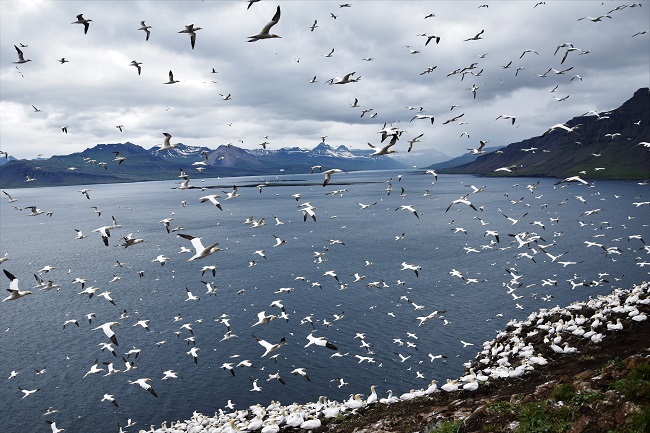
Northern gannet colony Skrudur Iceland Photo credit: Beth Clark
Dr Tammy Davies, Marine Science Coordinator at BirdLife International, says: “Seabirds are indicators of ocean health. When seabirds struggle, it is because the ocean itself is under strain. They are a highly visible dipstick for our ocean’s health.”
New Science, New Urgency
Research from BirdLife International identifies globally important sites, or Key Biodiversity Areas, across these flyways. These highlight where conservation action is most urgently needed. The threats facing seabirds are global and relentless, from invasive species to climate change. No single country can solve these challenges alone.
A Transformative Global Framework
The CMS resolution establishes marine flyways as a global conservation framework. It is built on a simple but transformative principle: shared routes require shared responsibility.
Marine flyways now provide a structure for countries and stakeholders to coordinate priorities, mobilise finance and deliver action. This includes new marine protected areas, invasive species eradication on breeding islands and safer fishing practices.
Prof Dr Aline Kühl Stenzel, Senior Policy Manager, Marine at BirdLife International, says: “Without coordinated action at an ocean basin scale, we will lose many of these species within our lifetimes. Marine flyways show us that the ocean is a single, interconnected system and its protection depends on cooperation at a scale we have never attempted before.”
Strengthening Global Agreements
The new framework supports major global agreements including the Kunming Montreal Global Biodiversity Framework, Regional Seas Conventions and the new High Seas Treaty. It gives governments a shared language, shared priorities and shared accountability.
Recently, I attended the African Union Summit in Addis Ababa, which brings together Member States from both the WHO African Region (AFR) and the Eastern Mediterranean Region (EMR). The discussions highlighted a structural shift in global health: health systems are operating within the context of geopolitical fragmentation, prolonged crises and increasingly constrained and volatile external financing.
Official development assistance (ODA) for health is contracting sharply, decreasing by 9% in real terms in 2024, with the Organisation for Economic Co-operation and Development (OECD) projecting a further decline of 9-17% in 2025. At the same time, structural dependence remains high: in half of the low-income countries in sub-Saharan Africa, external financing accounts for one-third or more of total health expenditure.
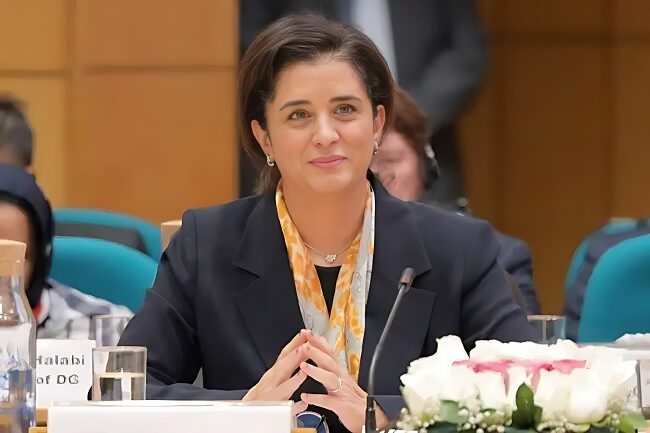
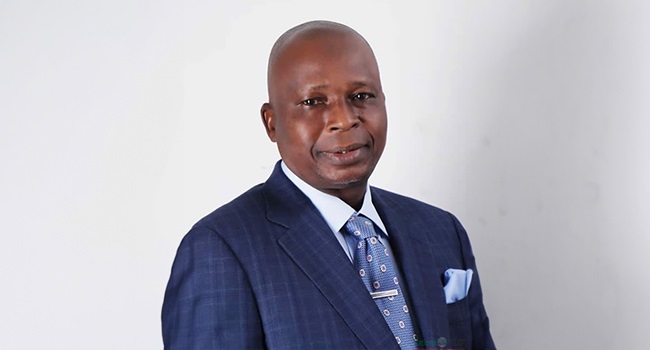
Dr Hanan Hassan Balkhy will serve as Regional Director for the Eastern Mediterranean
In parts of the Eastern Mediterranean Region – particularly the conflict-affected settings – essential health services continue to rely heavily on externally financed humanitarian assistance. These realities heighten the urgency to strengthen national institutions while deepening structured cooperation between regions that share epidemiologic risks.
Health sovereignty, in this context, must be understood as institutional capacity. It is not confined to domestic production of vaccines or medicines. It encompasses the ability to finance and govern essential services sustainably, regulate medical products, maintain resilient supply chains, generate and share surveillance data, and respond to emergencies without systemic collapse. Sovereignty rests on durable systems.
The African and the Eastern Mediterranean regions are experiencing converging crises – conflict, displacement, climate shocks, economic strain and recurrent disease outbreaks, which unfold simultaneously rather than sequentially. In several EMR countries, prolonged conflict and large-scale displacement have placed extraordinary strain on health systems, and in such settings, hospitals and primary care facilities are not only providers of care but also anchors of social stability. When systems fracture, instability often follows.
The polio incidence illustrates the indivisibility of health security across regions. Although the African Region has been certified as free of wild poliovirus, circulating vaccine-derived poliovirus outbreaks continue in many of the countries. In the Horn of Africa and Yemen, for example, transmission has demonstrated clear epidemiological linkages between the two regions. Whenever cross-border coordination weakens – whether due to insecurity, population movement or immunisation campaign quality gaps – transmission resurges.
Viruses exploit fragmentation. WHO has been supporting interministerial coordination across the Horn of Africa and Yemen to strengthen synchronised campaigns, improve surveillance quality and address persistent implementation gaps. Eradication will depend on urgency as well as on sustained improvements in campaign quality, shared environmental surveillance and collective accountability. In this context, cooperation will reduce collective risk while fragmentation will amplify it.
The same logic applies to malaria, neglected tropical diseases and waterborne disease outbreaks. Vector ecology, climate patterns, increasing biological threats, and human mobility do not align with administrative boundaries. In malaria-endemic corridors linking the Sahel, the Horn of Africa and parts of the Arabian Peninsula, cross-border coordination on policies, surveillance, integrated vector control, treatment protocols, and monitoring of drug resistance and biological threats is essential to move towards elimination and prevent resurgence. Sustainable progress requires embedding disease control within strong primary health care systems, reinforced water and sanitation programmes, effective surveillance, and community ownership and engagement. Vertical gains are fragile without system integration.
Primary health care is central to health sovereignty. For millions of people across AFR and EMR, primary health care remains the first – and often only – point of contact with the health system. Yet, services remain fragmented, with limited integration across the life-course, and there is uneven adoption of digital technologies. Strengthening primary care through integrated service packages, workforce development, streamlined referral systems and accountable data platforms creates shock absorbers that protect populations when crises converge.
WHO and the Africa Centres for Disease Control and Prevention (Africa CDC) are increasingly aligning support across surveillance, emergency preparedness, workforce development, and regulatory strengthening in countries connected by cross-border transmission – particularly across the Horn of Africa, the Sahel and the Red Sea corridor linking AFR and EMR Member States. By coordinating across regions, the partnership reduces fragmentation and strengthens collective resilience against transnational health threats.
The ongoing negotiations on pathogen access and benefit-sharing (PABS) under the WHO Pandemic Agreement further illustrate the link between sovereignty and cooperation. AFR and EMR countries were among the hardest hit by the COVID-19 pandemic – in terms of health system strain and delayed access to vaccines, diagnostics and therapeutics. The pandemic exposed weaknesses in pathogen and genetic sequence data sharing and revealed profound inequities in access to countermeasures.
For AFR and EMR Member States, active and coordinated participation in the PABS negotiations is essential. The final framework must reflect the realities of countries with limited manufacturing capacity, fragile supply chains and recurrent disease outbreaks, linking rapid pathogen sharing to fair and equitable benefit distribution.
Ultimately, health sovereignty and interregional cooperation are mutually reinforcing. Sovereignty requires strong national institutions, skilled health workforces and accountable governance. Yet in an interconnected world, it is consolidated through deliberate collaboration across regions that share epidemiologic corridors and structural vulnerabilities.
AFR and EMR are not peripheral to global health governance; they are central testing grounds for its resilience. If health systems can withstand compound stress in these regions – conflict, climate shocks, displacement and infectious threats – then the architecture of global health is robust. If not, redesign is required. Health sovereignty can only be achieved through institutional strength aligned with structured and sustained inter-regional cooperation.
By Dr Hanan Hassan Balkhy, WHO Regional Director for the Eastern Mediterranean
Concerns over the proliferation of abandoned and non-functional water projects dominated discussions as the Cross River State Government and its partners shifted focus from funding gaps to the urgent need to revive existing infrastructure in the water, sanitation and hygiene (WASH) sector.
At the end of a two-day draft presentation and review of the state’s WASH Financing Strategy in Calabar, the state capital, stakeholders acknowledged that while financing remains important, poor maintenance and weak sustainability frameworks have left over 200 water schemes idle across the state.
The Commissioner for Water Resources, Bassey Mensah, said the continued neglect of completed water projects poses a bigger threat to access than the absence of new funding.
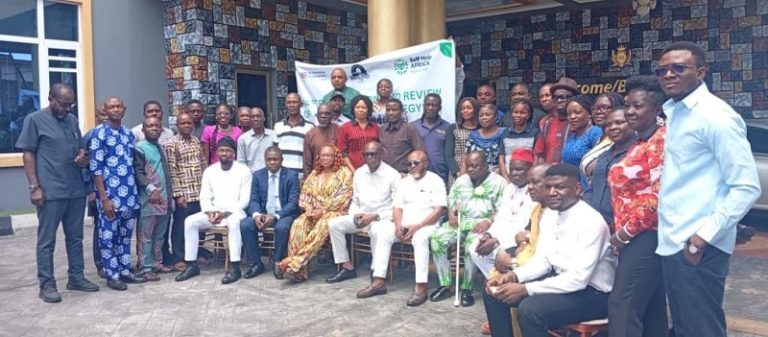
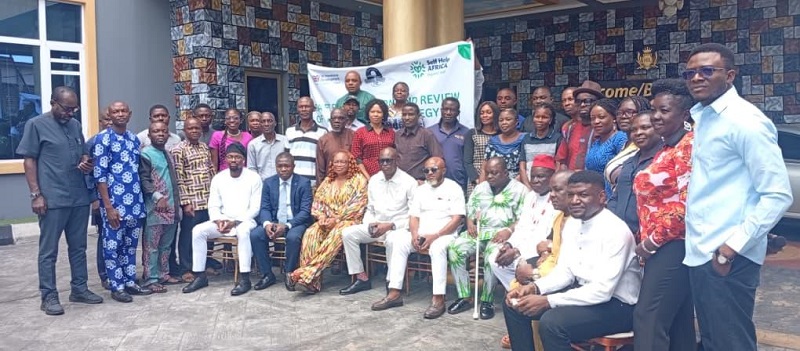
Participants at the draft presentation and review of the state’s WASH Financing Strategy in Calabar
He lamented that several boreholes and water facilities, including those funded by international donors, have become redundant due to lack of maintenance and unreliable power supply.
According to him, the state must prioritise making existing investments functional before seeking fresh funds.
“Inasmuch as water is not running in our communities, I cannot rest. We cannot abandon existing water schemes for Abuja engagements,” he said.
Mensah disclosed that the government is considering the conversion of dormant water facilities to solar-powered systems, especially in rural communities and schools, to ensure consistent water supply.
He added that the intervention would also target schools for girls, noting that access to water is closely linked to improved health and school attendance among female students.
Stakeholders at the meeting emphasised that sustainable financing models must go beyond government budgeting and incorporate private sector participation to ensure continuity.
Managing Director of Ekondo Microfinance Bank, Charles Abiola, said financial institutions have a critical role to play in supporting WASH-related enterprises and services.
He noted that the bank, in collaboration with development partners, has introduced financial products tailored to water, sanitation and hygiene businesses.
Abiola stressed that investments in WASH are not only socially beneficial but also economically viable when structured properly.
Also speaking, a representative of In-line Informatics Limited, Emmanuel Ami-Okhani, warned that any financing strategy that is disconnected from market realities would fail to deliver long-term impact.
He called for broader stakeholder inclusion, including microfinance institutions, service providers and end users, in designing workable funding frameworks.
According to him, sustainability in the WASH sector depends largely on the ability of users to pay for and maintain services over time.
Participants at the meeting agreed on the need to rehabilitate abandoned water schemes, strengthen maintenance systems and develop financing models that integrate public and private sector contributions.
They noted that aligning infrastructure development with sustainable financing and community ownership would be key to improving access to clean water and sanitation across Cross River State.
A coalition of Nigerian and international civil society organisations has raised concerns over what it describes as a troubling pattern of absence by representatives of the Office of the Attorney General of the Federation (AGF) in an ongoing environmental justice case at the Federal High Court in Yenagoa, Bayelsa State.
In a strongly worded communication addressed to the Attorney General of the Federation (AGF) and Minister of Justice, Lateef Fagbemi SAN, the groups expressed alarm over the repeated failure of government legal representatives to appear in court, a development they say is undermining justice and accountability in a case involving allegations of large-scale environmental pollution.
Attorney General of the Federation (AGF) and Minister of Justice, Lateef Fagbemi SAN
The case, filed by King Bubaraiye Dakolo, the traditional ruler of Ekpetiama Kingdom and Chairman of the Bayelsa State Council of Traditional Rulers, is before the Federal High Court, Bayelsa Division (Suit No: FHC/YNG/CS/81/2025). The suit is instituted against Shell Petroleum Development Company of Nigeria, Shell Petroleum N.V., and Shell UK Plc over alleged environmental degradation affecting thousands of residents.
According to the coalition, proceedings on March 18, 2026, could not move forward due to the absence of representatives from the AGF’s office. This marks the sixth adjournment since the case was first heard on June 20, 2025, and most of which, they noted, were caused by the failure of government counsel or relevant agencies to attend court sittings. The groups warned that this pattern is fast becoming a “justice delayed, justice denied” scenario, raising serious questions about the commitment of public institutions to uphold the rule of law.
“The case is of significant public interest, as it seeks justice for victims of oil pollution allegedly linked to the operations of Shell, and addresses broader concerns around corporate accountability and environmental responsibility in the Niger Delta. The repeated absence of AGF representatives was described as “deeply disappointing” and cautioned that it risks escalating into a national and international scandal if not urgently addressed.” Statement reads.
With the next hearing scheduled for May 6, 2026, following yet another adjournment requested by a government representative, the coalition called on the AGF to take immediate steps to ensure full and timely participation of its legal team in the proceedings. They also disclosed that the case is being closely monitored, with plans to report developments to both the Nigerian public and the international community, particularly on issues of human rights, environmental justice, and government accountability.
The statement was endorsed by a broad coalition of organisations, including Hawkmoth, HEDA Resource Centre, Justice 4 Nigeria, Help Initiative for Social Justice and Humanitarian Development, The Corner House, Tsvek Consulting Limited, Enamel Development Initiative, Kebetkache Women Development & Resource Centre, Women Initiative on Climate Change, League of Queens Empowerment International, re•generation, Lekeh Development Foundation, Samuel Uchechukwu Chukwure’s Family (Ibaa Community), 350 Hawaii, Allen +, Network Advancement Program for Poverty & Disaster Risk Reduction, Eagle Eye Transparency And Integrity Initiative, Accountability Lab Nigeria, Miideekor Environmental Development Initiative, Collective Pathways, Both ENDS, Powershift Africa, Rights Advocacy and Development Centre, FENRAD Nigeria, and Socio Economic Research and Development Centre.
Other endorsing organisations include Cherokee Concerned Citizens, Oil Change International, Climate Action for Lifelong Learners, Earthlife Africa Durban, ReCommon, Social Action Nigeria, National University of Ireland Maynooth, Centre for Renewable Energy and Action on Climate Change, Weka Afri Sustainable Biodiversity and Food Security Foundation, Urgewald, War on Want, Animals Are Sentient Beings Inc, Amnesty International Nigeria, Amnesty International, Movement for the Survival of the Ogoni People, Peer Foundation, Batani Foundation, Policy Alert, Vessel Project of Louisiana, Public Service of Ukraine Poltava Branch, Platform London, Safe Space Development Foundation, Justice Institute Guyana, Mothers Rise Up, Eco Clean Active Initiative, The Future We Need, BudgIT, and SOMO.
The coalition reiterated that ensuring diligent legal representation is not only a constitutional responsibility but also a moral obligation in the pursuit of justice for affected communities in the Niger Delta.
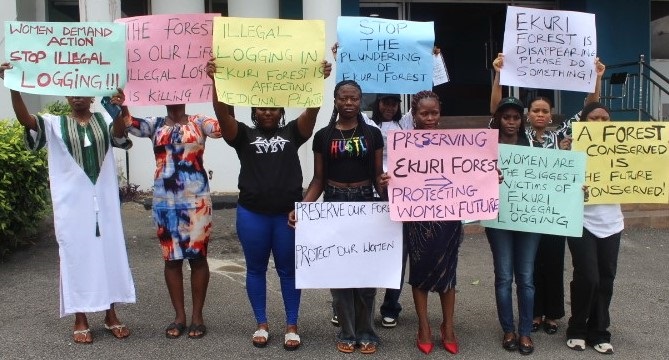
Women from Ekuri in Akamkpa Local Government Area of Cross River State have petitioned the Cross River State House of Assembly on the activities of illegal loggers in the Ekuri Forest affecting them adversely.
The petition, which is captioned “Illegal Logging in Ekuri and Environs Impacting Negatively on Women, Forest and Biodiversity|, is dated March 26, 2026, and was jointly signed by the Women Leader of Ekuri, Mrs. Lawrencia Agbor, Imelda Offiong Oyi, Theresa Benedicta Akamo, Agatha Egot, Lucy Abel, Esther Atim Jerome, Akamo Mary Godwin, and Mrs. Freda Francis.
Ekuri women
Addressed to the Speaker, Elvert Ayambem, the petition articulated the concerns of the women which included harassment and the depletion of Ekuri forest resources, which have cumulatively led to food security concerns.
They lamented the fact that the ban on illegal logging by the state government has not been enforced and illegal logging had gone unchecked for years despite the outcry of Ekuri people who depend on the forest for their livelihood and sustenance.
The text of the petition reads: “Honourable Speaker, every day more than 200 truckloads of timber and other exotic wood leave Ekuri forest and efforts by our people to halt this practice are met with harassment and intimidation by security personnel hired by the logging merchants.
“Aside the harassment we face, the trucks belonging to the loggers continue to worsen the already bad state of the only access road to old and new Ekuri. Sometimes they break down in the middle of the road and remain there for days, making access by our people totally impossible.”
They referenced recent statistics which showed that, aside biodiversity loss, an estimated 91,000 tons of timber leave Cross River State annually due to illegal logging activities, and further reinforced their argument with the recent Global Forest Watch report which alerted that illegal logging activities has cost Ekuri and environs the loss of more than 540 square miles of its tree cover as at 2024.
The petition captured the fact that women in Ekuri are mainly farmers who depend on the forest resources for food and medicine but are now unable to access the forest for basic needs. Continuing, they said that when it is inevitable, women wander far into the forest in search of fuel wood, medicinal plants and other necessities to take care of their families.
They frowned at the fact that despite forming the largest population that suffer the socio-economic situation in Ekuri, in the decision-making processes concerning the forest they are hardly mentioned or consulted.
To address this gap, they urged the House to make it mandatory that key government ministries, especially Women Affairs and Youth Development, actively engage women and youths in Ekuri, to foster inclusivity and participation.
Their prayers included urging the government to work with conservation groups to embark on a reforestation exercise to repopulate forest areas depleted due to logging and other unsustainable practices.
They urged the government to create a framework that would properly define what constitutes legal logging and how it can be operationalised in the context of Ekuri forest. They equally encouraged the Speaker to use his good office to weigh in on the matter and stop the illegal forest practices that have made life difficult for them.
In a reaction to the development, the Renevlyn Development Initiative (RDI) said that the step taken by the Ekuri women is in the right direction and represents the first major effort of women in the community to take their destinies in their hands.
RDI Project Officer, Linda Amadi, said: “We anticipate that the Cross River State House of Assembly will handle this issue with the seriousness it deserves. The forest sustains the Ekuri people and no one understands this better than the women. They have asked for environmental justice and that is what they deserve. Anything short of this is unacceptable.”
WWF Africa has commemorated 20 years of Earth Hour, celebrating two decades of global and African-led action to protect the planet.
Millions of people across Africa joined communities worldwide on Saturday, March 28, 2026, to mark the milestone anniversary of Earth Hour, widely recognised as the world’s largest grassroots environmental movement.
Across the continent, individuals, communities, organisations and cities participated by dedicating one hour to actions supporting nature, climate and local communities.
Old Mutual Kenya switched off lights at its Nairobi headquarters on Saturday night in a symbolic gesture supporting global climate action to mark Earth Hour 2026
Since its launch in 2007, Earth Hour has evolved from a symbolic lights-off campaign into a year-round global movement mobilising people to safeguard natural systems that sustain life.
Africa’s Unique Approach
While the campaign began as a call to switch off lights, Africa quickly adapted the initiative to reflect its realities. In many communities where electricity access is inconsistent, the symbolic act held less meaning.
Instead, African participation became action-oriented – focusing on tree planting, ecosystem restoration, community clean-ups and environmental education. This practical approach has since influenced the global direction of the movement.
Key Milestones Over Two Decades
Earth Hour began on March 31, 2007, in Sydney, Australia, when 2.2 million people and more than 2,100 businesses switched off their lights to demand action on climate change.
By 2009, the movement had expanded to 4,000 cities in 88 countries, with a petition of one million signatures presented to world leaders at the United Nations Climate Change Conference 2009.
In 2013, WWF-Uganda established the first Earth Hour Forest, protecting 2,700 hectares of land while supporting local livelihoods.
Youth engagement became a defining feature in 2019 through partnerships with the Africa Alliance of YMCA and the World Organization of the Scout Movement, mobilising thousands of young people in environmental action across the continent.
During the COVID-19 pandemic, Earth Hour transitioned to a fully digital campaign in 2020, connecting participants across 190 countries. In 2021, its “Virtual Spotlight” campaign reached 2.4 million views within 24 hours.
The initiative has since evolved into “The Biggest Hour for Earth,” introducing tools such as the Hour Bank to track environmental actions. In 2024, Africa recorded a leading contribution of 171,531 hours globally.
Calls for Leadership and Action
Regional Director for East and Southern Africa, Yvonne Godo, said the anniversary is a moment to recognise the role of communities and young people in driving environmental change.
“Across the continent, people are showing that when individuals act together, even one hour can inspire lasting change for nature and climate,” she said.
Meanwhile, Regional Director, Congo Basin ad Interim, Laurent Some, urged African leaders to prioritise measurable environmental initiatives.
“This movement is about leadership and decisive action to safeguard the natural systems that underpin our economies, stability, and identity,” he said.
Growing Environmental Urgency
Africa remains home to some of the world’s richest biodiversity and ecosystems, but these face increasing threats from climate change, environmental degradation and biodiversity loss.
Earth Hour continues to serve as a unifying platform for individuals and organisations to reconnect with nature and demonstrate commitment to protecting it.
WWF has called on individuals, communities and organisations to take part by dedicating one hour to activities such as tree planting, clean-ups and environmental education, while logging their contributions through the global Hour Bank.
The organisation says collective action across the continent will be key in shaping a sustainable and nature-positive future.
Solid waste is one of the most visible by-products of human prosperity – and one of the most underestimated threats to our shared future.
Without action, rising waste volumes will overwhelm existing infrastructure, undermine global economic development and job creation, and threaten public health and the environment. Nonetheless, through policy and investment, countries can cap waste even as they grow their economies by expanding infrastructure, improving service quality, and unlocking millions of jobs.
To fully grasp the scale and urgency of today’s challenges, as well as the opportunities they present, the World Bank Group’s new What a Waste 3.0 report offers the most up-to date data and statistical analytics on global solid waste management. Drawing on the most recent publicly accessible data from 217 countries and economies and 262 cities, it provides a framework for understanding how different policy choices and levels of ambition could shape the future of global waste.
Through policy and investment, countries can cap waste even as they grow their economies – expanding infrastructure, improving service quality, and unlocking jobs. Photo credit: Adobe Stock
Here are 10 key takeaways from What a Waste 3.0 that explain the global waste crisis – and how to fix it.
1. Waste Volumes Could Grow 50% by 2050
In 2022, the world generated 2.6 billion tonnes of municipal solid waste. What a Waste 3.0 reveals that total annual volumes could rise to 3.9 billion tonnes by 2050 without major policy and investment shifts – a 50% increase – with the fastest growth projected in the rapidly growing regions of Sub-Saharan Africa (124%) and South Asia (99%).
2. One-Third of All Waste is Mismanaged
One-third of all waste produced globally goes uncollected or is openly dumped, according to the report. This challenge is most acute in low-income countries, where just 3% of generated waste is treated in some way. Plastic waste is of particular concern; nearly 29% of all plastic waste, or 93 million tonnes per year, is mismanaged.
3. Food Makes Up the Largest Share of Global Waste
Food waste constitutes the largest share of municipal solid waste globally, accounting for 38% of all waste. Food waste occurs at retail and consumer levels, when edible food is discarded or wasted due to spoilage, over purchasing, aesthetic standards, or expiry dates. In low-income countries, food and garden waste account for more than half of municipal waste.
4. The Average Person Generates 0.88 Kilograms of Waste Per Day
Globally, the average person generates 0.88 kilogrammes of waste each day. This varies widely across countries and regions – from 0.2 kilogrammes per capita per day or less in some low-income countries such as Niger, to 2.2 kilogrammes per capita per day or more in high-income countries like the United States of America and Canada.
5. Countries Can Cap Waste Even as They Grow Their Economies
Without action, annual global waste generation is projected to increase by 50% by 2050. But a different future is possible: What a Waste 3.0 has developed low and high ambition alternate scenarios, providing a framework for understanding how different choices could shape the future of global waste.
The high ambition scenario would reduce total waste generation, eliminate uncollected waste and dumpsite disposal, and significantly improve waste treatment. The low ambition scenario represents a middle path, achieving half the reduction of the high ambition scenario.
6. Better Waste Management Can Offset Projected Emissions Increases
In 2022, waste-related emissions were about 1.28 billion tonnes of carbon dioxide equivalent (CO2e), mostly generated from waste disposal. Based on current trajectories, emissions could rise to roughly 1.84 billion tonnes of CO2e by 2050. Both the low and high ambition scenarios would reduce emissions compared to the business-as-usual scenario through reduced waste generation and a shift away from dumping and incineration.
7. Ambition Costs Less than Inaction
The economic damage from dumping and burning – including flooding, health impacts, lost income, and environmental degradation – exceeds the cost of properly operating waste systems. The low and high ambition scenarios outlined in the report would reduce costs compared to business as usual, mostly by decreasing total waste generation in high-income countries.
8. Most Countries Underinvest in Waste Management
Adequate waste management requires around 0.3–0.8% of GDP, yet most countries spend less than half that level. Low- and middle-income countries face investment needs of $2.2 trillion by 2050, while official development finance over the past 18 years was less than 1% of that amount.
9. Stronger Waste Systems Can Create Better Jobs
Inadequate waste management is undermining global economic development and job creation in sectors like tourism, agriculture, and fisheries, while also threatening public health and the environment. Approximately 18 million people work in urban waste management today, and according to the ILO, about 40 percent of waste sector workers globally operate outside formal employment. Investing more to integrate informal workers and scale circular solutions could create more jobs in sectors like recycling, manufacturing, construction, and clean energy.
10. The World Bank Group Stands Ready to Support
The World Bank Group is the largest development financier for solid waste management, having provided $5.1 billion between 2003 and 2021. The Group provides data, technical expertise, financing, and private-capital solutions to help countries and cities shift from open dumping to universal collection, resource recovery, and controlled disposal.
By aligning data with ambition and finance with reform, the Group can turn the mounting waste crisis into an opportunity to build cleaner, more resilient, and livable cities and communities – creating jobs today while safeguarding resources for tomorrow.
Demand for wildlife products supplied through illegal trade supply chains continues to place significant pressure on many wild species. As international bodies recognise the need to pair demand‑side action with traditional enforcement, countries are expanding the use of behaviour‑change and public‑engagement approaches.
Within the Convention on International Trade in Endangered Species of Wild Fauna and Flora (CITES), “demand reduction” refers to measures that discourage and prevent the consumption of wildlife derived from illegally traded species listed in the Appendices, particularly through behaviour‑change interventions.
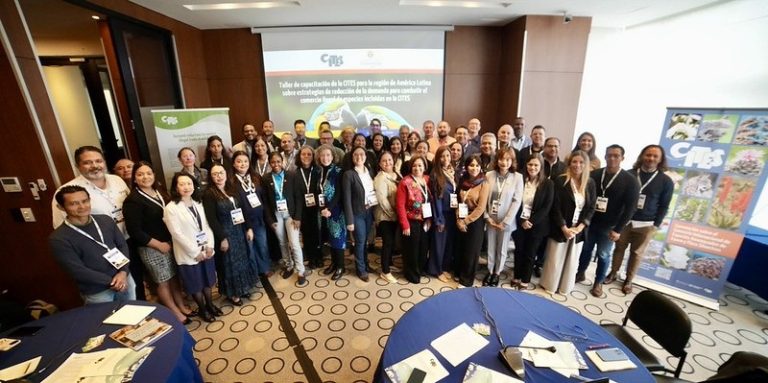
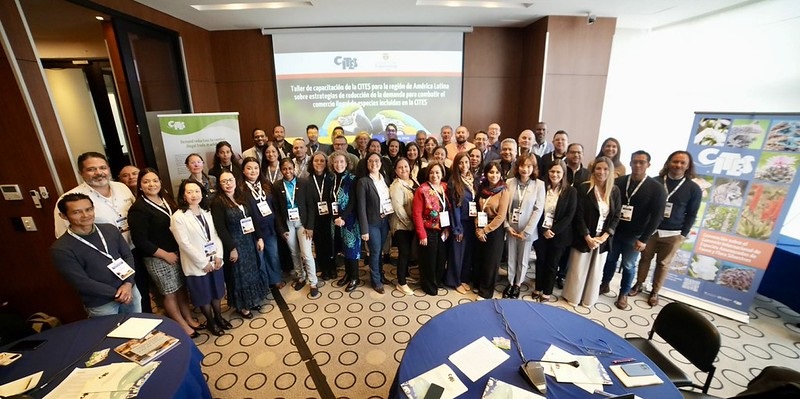
Participants at the CITES regional workshop in Bogotá, Colombia
These measures form a key part of a holistic approach that also includes enforcement and support for rural livelihoods. By guiding consumers toward lawful, sustainable choices, demand‑reduction strategies help strengthen broader regional efforts to conserve CITES‑listed plant and animal species.
Working sessions facilitated by TRAFFIC enabled countries to translate the Guidance’s conceptual elements into practice, while considering their specific national contexts. Participants identified the need for behaviour change interventions for timber, birds, sharks, and amphibians.
Over two days, 52 participants (31 women and 21 men) representing 20 Parties worked together to identify priority CITES‑listed species illegally traded in the region and to discuss where demand‑reduction interventions could effectively reinforce ongoing efforts to combat illegal trade. Participants exchanged national experiences and received guidance from expert facilitators on addressing complex or ambiguous issues.
CITES Secretary-General, Ms. Ivonne Higuero, highlighted the significance of these efforts, noting: “Illegal trade continues to threaten wild species, destroy ecosystems, and harm communities that depend directly on biodiversity. Its effects go beyond conservation: it fuels organised crime, undermines security, and hinders sustainable development. We also know that legal, well-managed trade can support those who make their living from nature, strengthen local economies, and provide real, sustainable opportunities. That is the balance we seek, and reducing the demand fueling illegal trade is a key part of achieving the CITES Strategic Vision and ensuring international wildlife trade is sustainable, legal and traceable.”
Mr. Luis Francisco Camargo, Coordinator of the Biodiversity Group of the Directorate of Forests, Biodiversity and Ecosystem Services and representative of Colombia’s CITES Management Authority, stressed the importance of the initiative, stating: “For many years, the response to the problem of illegal trafficking has focused primarily on monitoring and law enforcement actions. And these measures remain essential. But today there is an increasingly clear consensus within the international community: if we want to address the root causes of illegal wildlife trade, we must also understand and transform the dynamics that drive the demand for wildlife and its products.
“For Latin America, this meeting represents a particularly valuable opportunity. Our region is home to approximately 40% of the planet’s biodiversity, making us a key region for global conservation, but also a territory that is especially vulnerable to illegal wildlife trafficking.”
This workshop builds on efforts undertaken since the 19th meeting of the Conference of the Parties to CITES (CITES CoP19) in 2022 to promote the use of the CITES Guidelines on demand reduction. This includes the regional training seminars held in Singapore and Zambia and pilot projects in selected countries.
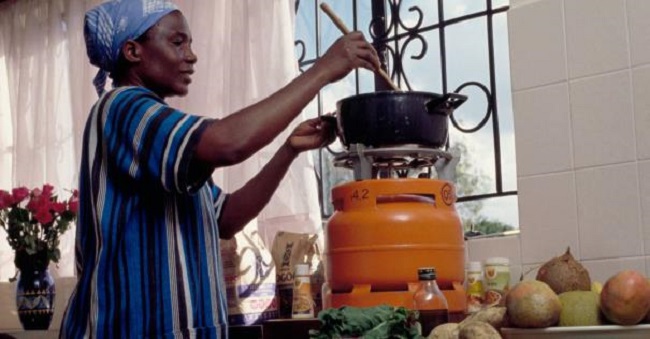
The lack of access to clean cooking which continues the dependence on traditional cooking fuels has substantial impact to health and well-being. Around the world, 2.1 billion people still lack access to clean cooking, with 900 million of them residing in Sub-Saharan Africa.
They – usually women and children – are at risk from bearing the severe consequences of household air pollution, which is associated with various illnesses and is responsible for premature deaths and deaths of children under the age of five.
Alternative and clean solutions that include renewable energy are available, such as improved biomass cookstoves, pellets, biogas, ethanol, and electric cooking. Renewables-based clean cooking solutions can offer environmental benefits, fuel and cost efficiency. But adoption of these solutions is still low due to affordability, as majority of those needing them are from low-income households.
Clean cooking
Scaling up these solutions to reduce the massive gap in access to clean cooking requires an annual investment of around $8 billion by 2030. However, currently only a fraction of these funds has been mobilised. During the pre-day of the International Renewable Energy Agency (IRENA)’s 16th Assembly, governments and stakeholders highlighted this issue, sharing countries’ experiences in increasing financial flows towards their clean cooking sectors.
In her opening IRENA’s Deputy Director-General, Ms. Gauri Singh, said, “It is important that we explore a wide range of finance sources and opportunities including those available domestically. External finance, especially grants and concessional loans, remain important, and its critical role should not be undermined. The key message is to consider both; pursue strategies that can increase both the domestic spending on clean cooking as well as international finance.”
Although a significant opportunity exists of raising additional capital, and some funds are already available, the target recipients have low capacity to absorb those funds due to lack of bankable projects, high interest rates, and stringent requirements. It means there are no takers of that finance, and there is a need for guarantees to reduce interest rates.
An additional challenge is lack of clear information for investors. Comprehensive data allows investors to track where investments are going and the impact they make, boosting investors’ confidence and mobilising more funds for the sector.
In a new report, IRENA presents new primary data on clean cooking investments channelled by Global South governments between 2022 and 2024, drawn from IRENA surveys of the 100 largest access-deficit countries and supplemented with analysis by the Organisation for Economic Co-operation and Development’s Development Assistance Committee. Based on the findings, the report encourages a more cohesive and coherent assessment of international clean cooking finance flows going forward.
Using the case of Tanzania, another IRENA report shows how clean cooking investment data – including detailed information at the country and project levels – is necessary to support decision making by governments, development finance institutions, donors and private investors. The data collected for the report has mapped companies and organisations that produce and/or promote clean cooking solutions and the financial sources, identified the financing gaps, as well as the capacity gaps of the stakeholders, among others.
By understanding the gaps and needs, the report came to several conclusions which include more targeted financing towards strengthening the business capacity of clean cooking companies, as well as boosting local manufacturing and maintenance.
However, the effort to scale up investment towards clean cooking solutions must be done in parallel with investments in transitional fuels like charcoal. With 157 million people in Sub-Saharan Africa still relying on charcoal as a primary fuel for cooking, it cannot be ignored entirely in the pursuit of a clean energy transition.
Ignoring charcoal in national energy planning risks undermining livelihoods and may result in policies that do not account for local realities. Therefore, the use of charcoal for cooking must be addressed strategically.
Another new report by IRENA highlights the urgent need for innovations and investments that contribute to the modernisation of charcoal production and use. The report introduces a ‘new form of charcoal’ for cooking, whose only resemblance to traditional charcoal is in the final product. It is different in its production, harvesting, processing, transport and use as they are more sustainable. Moreover, for a successful and inclusive transition, the report recommends policy frameworks to enable the creation of alternative sources of income for the charcoal producers.
This message is further strengthened by IRENA, Nuvoni Centre for Innovation Research, the Climate Compatible Growth, representatives from Kenya, Malawi, Uganda, Rwanda, Zambia and Ethiopia, and relevant stakeholders through a communiqué released after a workshop in Kenya. Together, they acknowledged that including charcoal into the clean cooking conversation is not about endorsing unsustainable or illegal practices, but rather taking a pragmatic step towards modernising, regulating and improving the sustainability of charcoal within the evolving clean cooking transition.
The African Development Bank Group’s Board of Directors has approved a $5.65 million reimbursable grant from the Sustainable Energy Fund for Africa (SEFA) to pilot the Peace Renewable Energy Certificate (P-REC) Aggregation Facility, a pioneering initiative that will, for the first time, deploy renewable energy certificates as a direct funding instrument for a portfolio of mini-grids across Africa’s most fragile and energy-poor countries.
Co-financed with the Nordic Development Fund (NDF), which committed an equivalent of $5.65 million, the $11.3 million facility will be managed by Camco Clean Energy, a climate and impact fund manager, and Energy Peace Partners, a US-registered non-profit that developed the Peace Renewable Energy Certificate label.
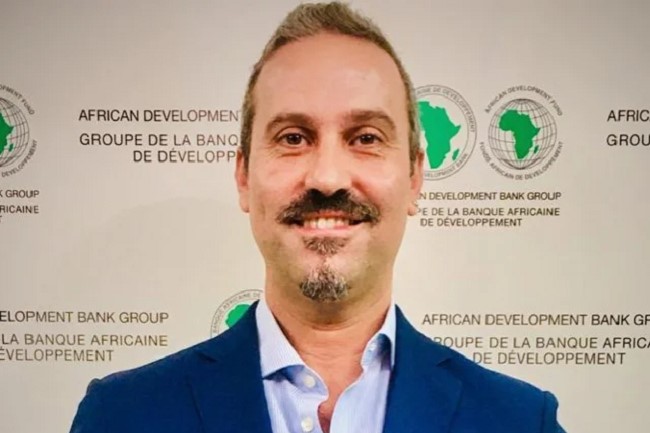
João Duarte Cunha, Manager, Renewable Energy Funds Division and Sustainable Energy Fund for Africa, African Development Bank Group
The certificates come exclusively from small-scale mini-grid projects in conflict-affected and energy-poor communities and are voluntarily purchased by multinationals looking to put their corporate sustainability spending where it drives the greatest social and environmental impact.
The facility will enter into long-term purchase agreements with qualifying mini-grid developers across 14 frontier countries – Burundi, Central African Republic, Chad, the Democratic Republic of Congo, Ethiopia, Liberia, Mali, Niger, Nigeria, Sierra Leone, Somalia, South Sudan, Sudan, and Uganda.
It will provide developers with upfront cash payments in exchange for the rights to the certificates produced by the project. The facility will subsequently sell those certificates to global corporate buyers, channelling hard currency back to developers in markets where commercial financing is very limited.
Some 856,000 people across these 14 countries are expected to gain first-time access to reliable electricity as a result, roughly half of them women, through approximately 240,000 new connections and 71 megawatts of new renewable energy capacity.
The project is fully aligned with Mission 300, the joint African Development Bank and World Bank initiative to connect 300 million Africans to electricity by 2030. NDF is contributing to the ambitious energy access targets of Mission 300 through their sizable renewable energy portfolio and as a member of the Development Partner Coordination Group.
“Lack of access to capital for rural electrification continues to be a major hurdle for universal energy access in the African continent, particularly in countries experiencing conflicts and fragility. I am proud that SEFA is backing this innovative, first-of-a-kind facility testing a new climate finance product capable of unlocking new sources of commercial funding for private sector led mini-grids. This is the kind of market-making needed to advance Mission 300 objectives,” said João Duarte Cunha, Manager, Renewable Energy Funds Division and Sustainable Energy Fund for Africa, African Development Bank Group.
“Countries in Sub‑Saharan Africa facing fragile and conflict‑affected situations urgently need support and access to clean, reliable energy solutions. At NDF, we are proud to contribute to the Innovative Peace Renewable Energy Certificate (P‑REC) Aggregation Facility, which helps bring small‑scale, off‑grid renewable energy to communities with no, limited or disrupted energy access. By supporting this initiative, we also strengthen the role of Nordic climate leadership – working in partnership, through innovation and responsibility, to advance sustainable energy solutions where they are needed most,” added Satu Santala, Managing Director, Nordic Development Fund (NDF).
“PAF will provide additional low-cost, non-dilutive capital to energy access projects in fragile states. In doing so, it will provide more communities with access to the benefits of clean energy, boosting jobs, opportunities, and living standards. Camco is pleased to be working with EPP, SEFA and NDF on this important initiative,” noted Geoff Sinclair, CEO, Camco.
“The majority of people on the continent without access to electricity live in fragile and conflict-affected countries where renewable energy projects can have outsize impacts – improving health, education, safety and security outcomes. The P-REC Aggregation Facility, based on EPP’s Peace-REC label, can accelerate that transition by converting corporate climate ambition into upfront capital for renewable energy developers who would otherwise struggle to close their projects,” stated Sherwin Das, Managing Director, Energy Peace Partners.