Home Blog Page 40

PETROAN, RMAFC hail Tinubu for oil revenue remittance order

0

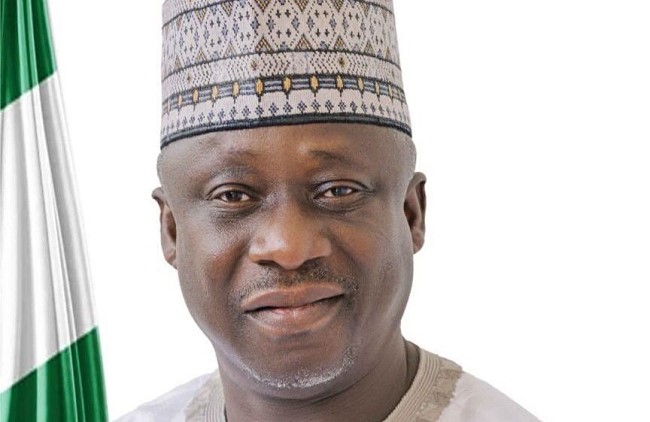
The Petroleum Products Retail Outlets Owners Association of Nigeria (PETROAN) has described the Federal Government’s Executive Order No. 9 as a reform-driven step to boost accountability and investors’ confidence in Nigeria’s energy sector.

Dr Billy Gillis-Harry, National President of PETROAN, made the commendation while reacting to the development on Saturday, February 21, 2026.

Gillis-Harry said the order, compelling the Nigerian National Petroleum Company Limited (NNPC Ltd.). to remit revenues directly to the Federation Account, aligned with global best practices and would reinforce NNPC’s transformation into a commercially disciplined company.

Billy Gillis-Harry
Dr Billy Gillis-Harry, PETROAN’s National President

President Bola Tinubu signed the Executive Order No. 9 of 2026 on February 13, aimed at strengthening fiscal discipline and promoting transparency in Nigeria’s oil and gas revenue management.

The Executive Order directs that all oil and gas revenues due to the Federation, including royalty oil, tax oil, profit oil, and profit gas, be paid directly into the Federation Account.

It also suspends certain revenue retention mechanisms under the Petroleum Industry Act (PIA) 2021, including the 30 per cent Frontier Exploration Fund, 30 per cent NNPC Ltd. management fee on profit oil and profit gas.

It also includes the redirection of gas flare penalties to the Federation Account.

Reacting, Gillis-Harry said transparent revenue management was critical to improving Nigeria’s economic credibility and attractiveness to both local and foreign investors.

He described the executive order as a courageous decision that strengthens accountability while deepening reforms within the oil and gas industry.

The PETROAN president also commended the Group Chief Executive Officer, NNPC Ltd., Mr. Bayo Ojulari, for his proactive efforts to revive the Port Harcourt Refinery, particularly during a recent inspection engagement with a Chinese technical firm.

He endorsed the proposal to adopt the governance structure of Nigeria Liquefied Natural Gas Limited (NLNG) for the Port Harcourt Refinery, noting that the NLNG Bonny model has proven effective in promoting operational efficiency, transparency, and private-sector discipline.

He emphasised that replicating a commercially driven governance model similar to NLNG would enhance the long-term productivity and global competitiveness of Nigeria’s refineries.

Such reforms, he said, would strengthen energy security, reduce dependence on fuel imports, and position the downstream sector for sustainable growth.

Gillis-Harry reaffirmed PETROAN’s readiness to collaborate with the Federal Government and relevant regulatory institutions to ensure that the order promotes energy security, safeguards jobs, and delivers long-term stability.

In a related development, the Revenue Mobilisation Allocation and Fiscal Commission (RMAFC) has commended President Bola Tinubu for ordering direct remittance of oil and gas revenues to the Federation Account, describing it as a major fiscal reform.

Dr Mohammed Shehu, Chairman of the RMAFC, made the remark in a statement on Saturday in Abuja.

Shehu described the Executive Order as bold, constitutionally grounded and capable of improving transparency and accountability in revenue management.

He said the directive would help eliminate leakages and strengthen the revenue base of federal, state and local governments.

He explained that the order aligned with constitutional provisions governing ownership and control of mineral resources for the collective benefit of Nigerians.

According to him, previous frameworks allowed multiple deductions that reduced remittances into the federation account.

Shehu listed such deductions to include management fees, frontier exploration allocations and other charges.

He said the deductions constrained fiscal capacity across all tiers of government, adding that the commission had consistently advocated reforms to address revenue leakages and improve remittance processes.

The chairman recalled a recent retreat where concerns about revenue retention outside the federation account were discussed.

He said the executive order had addressed many of the structural challenges identified by the commission.

Shehu described the reform as timely in view of increasing national demands, adding that such demands include security, infrastructure, education, healthcare and economic stabilisation.

‘’The directive will improve transparency and predictability in government revenue flows; it will also strengthen fiscal federalism and restore constitutional revenue rights.

“The reform enhances the commission’s capacity to monitor revenue accruals and disbursement, as well as supporting the commission’s constitutional oversight responsibilities,” he said.

Shehu reaffirmed the commission’s support for ongoing public financial management reforms, noting that the RMAFC would continue to collaborate with relevant institutions to ensure effective implementation.

He said that the commission remained committed to safeguarding the integrity of the federation account.

Similarly, Mr. Tunji Oyebanji, Chief Executive Officer of 11 Plc, has expressed support for the Federal Government’s directive mandating the direct remittance of oil and gas revenues from Nigerian National Petroleum Company Ltd. (NNPCL) into the Federation Account.

Oyebanji, in an interview on Saturday in Lagos, described the move as a step toward transparency, fiscal discipline and strengthened public finances.

Oyebanji acknowledged the fiscal pressures confronting government, noting that the reform reflected necessary effort to strengthen revenue inflows and ensure resources are available for national priorities.

“I understand that the Federal Government is working to strengthen revenue generation and block leakages in order to meet critical expenditure obligations,” he said.

He explained that the executive order rerefined erational mechanisms within Nigeria’s petroleum revenue framework by ensuring that funds due to the Federation were remitted transparently and promptly.

While endorsing the reform’s objectives, Oyebanji emphasised the importance of ensuring smooth implementation so that NNPCL continued to meet its commercial and operational responsibilities effectively.

“There is a need for careful execution to ensure operational efficiency is preserved.

“We must understand the cash-flow requirements of NNPCL so that its commercial operations continue seamlessly,” he said.

He noted that under Nigeria’s petroleum governance framework, NNPCL is expected to operate competitively, meet contractual obligations, finance capital investments and function with private-sector efficiency.

According to him, ensuring clarity in operational funding mechanisms will help the company sustain performance while aligning with the government’s transparency and accountability goals.

He added that efficient implementation procedures would prevent delays in infrastructure repairs, investments and financial commitments, thereby supporting the company’s transition into a fully commercial enterprise.

Oyebanji said the reform underscored government’s commitment to strengthening public finance management while safeguarding the operational resilience of the nation’s strategic energy institution.

He noted that with proper coordination and stakeholder engagement, the directive would enhance accountability, improve revenue flows to the three tiers of government and support national development priorities.

By Yunus Yusuf, Emmanuella Anokam and Vivian Emoni

Monthly environmental sanitation yet to resume – Lagos

0

The Lagos State Government on Saturday, February 21, 2026, refuted an online media report claiming that the state had resumed the monthly environmental sanitation exercise.

The Commissioner for the Environment and Water Resources, Mr. Tokunbo Wahab, said no categorical statement had been made regarding the date of commencement of the exercise.

Wahab explained that what he told newsmen after a project inspection tour last Sunday was that engagements with relevant stakeholders were still ongoing.

Tokunbo Wahab
Lagos State Commissioner for the Environment and Water Resources, Tokunbo Wahab

He said the state government had planned to begin with a sensitisation programme last week but was constrained by logistics issues.

“The truth is, we were meant to start with a sensitisation programme last week, but we had a logistics issue. We need to find a day that is acceptable to all stakeholders,” he said.

Wahab expressed optimism that the exercise might return very soon, adding that the official date would be communicated by the Governor, Mr. Babajide Sanwo-Olu.

The commissioner urged law-abiding residents to continue their lawful activities without hindrance, assuring that adequate notice would be given before the reintroduction of the exercise.

The monthly environmental sanitation, previously held on the last Saturday of every month between 7.00 a.m. and 10.00 a.m., was suspended in November 2016 following a legal pronouncement restricting movement during the exercise.

However, renewed waste management challenges, including clogged drainage channels and indiscriminate refuse disposal, have sparked calls from residents for its reinstatement.

By Olaitan Idris

NNPC, Dangote forge strategic alliance to accelerate Nigeria’s energy security

0

The Nigerian National Petroleum Company Limited (NNPC Ltd.) and the Dangote Group have forged a renewed strategic alliance designed to accelerate energy security, deepen domestic refining capacity and drive long-term economic prosperity.

In a significant move aimed at reshaping Nigeria’s energy landscape, the two companies renewed the alliance on Saturday, February 21, 2026.

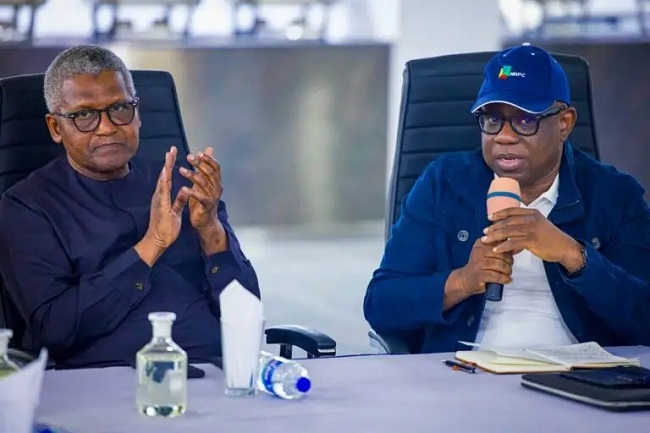
This epochal deal was reached when Mr. Bashir Ojulari, Group Chief Executive Officer, NNPC Ltd., led the NNPC’s delegation to the Dangote Refinery and Petrochemical Complex in Ibeju-Lekki, Lagos State.

NNPC
Mr Bashir Ojulari, Group Chief Executive Officer, NNPC Ltd,. and the Chairman of Dangote Group, Alhaji Aliko Dangote during Ojulari’s led delegation visi to the Dangote Refinery and Petrochemical Complex in Ibeju-Lekki, Lagos State

The visit was for high-level discussions that culminated in a renewed commitment to strategic collaboration between the two companies.

The visit, which included a facility tour, focused on strengthening operational and commercial relationship between NNPC Limited and the Dangote Refinery, with both organisations reaffirming their shared vision for Nigeria’s energy future.

Ojulari, in a statement, commended the President of the Dangote Group, Alhaji Aliko Dangote, for his vision and perseverance in delivering the 650,000 barrels per day refinery, a project that positions Nigeria as a major downstream hub in Africa.

Speaking on the breadth of the partnership, Ojulari described the strategic alliance as one that will “unlock synergies across assets, infrastructure, capital and markets”.

“It will also provide visibility of all NNPC-Dangote business relations,” he added.

He further revealed the expansive potential of the collaboration, noting that there is huge opportunity for both companies to expand upstream, and  move into trading, shipping, gas supplies, among other fronts.

Ojulari expressed profound appreciation to President Bola Tinubu for his visionary leadership in the oil and gas sector.

He said the president’s policy clarity, investor-friendly reforms and commitment to sectoral transformation had signalled seriousness to both domestic and international investors, creating an enabling environment for partnerships of this scale to flourish.

According to the Chairman of Dangote Group, Alhaji Aliko Dangote, Nigerians will be the beneficiaries of the synergy between Dangote Group and NNPC Ltd, because the collaboration will achieve economies of scale and unlock value across markets.

The visit concluded with both parties reaffirming their commitment to deepening cooperation in pursuit of shared objectives, ensuring energy security, driving industrial growth and delivering value to Nigerians.

NNPC Ltd. currently holds a 7.25 per cent stake in the Dangote Refinery.

The shareholding is considered to be a strategic investment that aligns with NNPC Ltd’s downstream growth objectives and commitment to domestic refining capacity.

By Emmanuella Anokam

World Pangolin Day 2026: Stronger laws will protect pangolins, says Wild Africa

0

Wild Africa has called on the Nigerian government to protect pangolins, the world’s most trafficked mammals, from extinction and expedite efforts to update national legislation safeguarding them.

Despite being protected by national and international laws, such as the 2016 ban on international commercial trade, pangolins face extinction due to high demand for their scales, which are used mainly in Asia for traditional medicine, and for their meat, considered a delicacy. Nigeria has become a key global exporter and a significant source of pangolin scales for Asian markets. It was associated with 55 per cent of pangolin scale seizures worldwide from 2016 to 2019.

pangolins
The Pangolin. Pangolins are believed to be the world’s most trafficked mammals

“Nigeria is a custodian of precious biodiversity, but our pangolins are being trafficked into extinction. This World Pangolin Day, let’s make history for the right reasons,” said Dr Mark Ofua, Wild Africa’s West Africa spokesperson.

“The speedy passage of the Endangered Species Conservation and Protection Bill is the game-changer that will cement Nigeria’s commitment to conservation and secure a future for these unique creatures that our country is blessed with.”

In addition, it is reported that more than half a million pangolins, an estimated 530,978 individuals, were involved in 2,222 illegal pangolin trade seizures between 2016 and 2024. Pangolin scales accounted for 99 per cent of all confiscated parts.

The new global report Conservation Status, Trade and Enforcement Efforts for Pangolins, released at the end of 2025, provides the most up-to-date review of pangolin conservation status and legal and illegal trade.

The report was prepared by experts from the IUCN Species Survival Commission Pangolin Specialist Group for the CITES Secretariat, using information submitted by 32 CITES Parties, including 15 pangolin-range States. It shows that demand for pangolin scales and meat continues to drive exploitation across Africa despite international trade bans, and highlights the need for stronger protection, improved population monitoring, and effective engagement with local communities.

On its part, Nigeria has taken significant steps to combat the illegal trade of pangolin scales through legislative measures and enforcement. In early 2024, Nigeria introduced the Endangered Species Conservation and Protection Bill, which proposes stronger penalties for trafficking in illegal wildlife products such as pangolin scales.

The bill is currently awaiting final presidential signoff. West African governments and the IUCN Species Survival Commission also announced the first-ever West Africa Regional Pangolin Conservation Action Plan 2026–2056 to coordinate protection, monitoring, and community engagement across several range states.

Furthermore, seizures of pangolin scales and other illegal wildlife products, as well as prosecutions of such cases, are also on the rise. In December 2024, the Nigeria Customs Service (NCS) arrested a suspected pangolin scale broker and confiscated 2.179 tonnes of pangolin scales, representing approximately 1,100 pangolins. Since July 2021, the NCS and its partners have conducted 16 operations, resulting in 35 arrests and 12 convictions, and have seized 21,582 tonnes of pangolin scales.

Peter Knights OBE, CEO of Wild Africa, says, “With few natural predators and slow reproduction rates, pangolins cannot sustain human exploitation. Recent changes to reduce use of scales in China should help, but we need more public awareness and better enforcement in Africa if they are to survive.”

Pangolins remain understudied and underprotected, and their time is running out. World Pangolin Day highlights the urgent need for governments, conservation organisations, and communities to scale up efforts to protect pangolins and prevent the loss of one of the world’s most extraordinary animals.

Dangote Refinery delivers cleaner air, healthier lives with high quality fuel – MD

0

The Managing Director and Chief Executive Officer of Dangote Petroleum Refinery & Petrochemicals, David Bird, has said the refinery is delivering measurable public health and environmental benefits through the production of Euro 5 standard fuels, positioning Nigeria among countries with the highest fuel quality specifications globally.

Speaking during an interaction with selected journalists, Bird explained that modern fuel standards are rooted in public health requirements, particularly the need to reduce harmful emissions linked to high sulphur and metal content. According to him, the refinery is producing Euro 5 specification petrol with a sulphur content of 50 parts per million, a benchmark designed to protect public health and the environment.

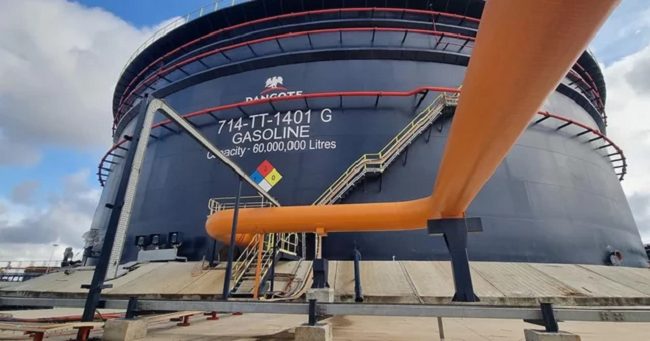
Dangote Refinery
Dangote Refinery

“Fuel specifications have evolved over time in response to public health requirements,” Bird said. “Euro 5 is not about imposing costs on industry. It is about safeguarding health and ensuring cleaner air. The reduction of sulphur in fuels has significantly reduced problems such as acid rain and harmful emissions.”

He noted that while some countries in West Africa still operate under legacy fuel specifications with far higher sulphur levels, Nigeria now benefits from cleaner fuels produced locally. He added that metals such as lead, previously used to enhance fuel performance, have long been eliminated in advanced markets due to health concerns.

“Nigerians are now enjoying low sulphur, metal free petrol comparable to what is available in Europe,” he stated. “This is something many Europeans take for granted. It should not be considered a luxury. If industry can deliver the highest standards, then consumers have the right to benefit from them. Our ambition is to extend the reach of high-quality fuels across the continent.”

He added that the refinery’s ability to consistently produce cleaner, higher quality fuels underscores its role in transforming Nigeria’s energy landscape while aligning domestic fuel quality with global best practice.

Bird emphasised that the development represents not only an industrial milestone but also a significant advancement in environmental protection and public health standards in Nigeria.

NIMC goes paperless, launches WorkflowPro for digital correspondence

In furtherance of President Bola Ahmed Tinubu’s Renewed Hope Agenda and the Federal Government’s commitment to institutionalising a paperless public service, the National    Identity Management Commission (NIMC) has deployed WorkflowPro as its official platform for the digital submission and management of correspondence.

The adoption of WorkflowPro marks NIMC’s formal transition to a paperless operating environment and reflects the Commission’s resolve to strengthen governance, improve administrative efficiency, and standardise records management in line with approved public sector reforms. The platform provides a secure, structured, and traceable system for managing both internal and external communications, thereby enhancing accountability and operational transparency.

Abisoye Coker-Odusote
Abisoye Coker-Odusote, Director General/CEO, National Identity Management Commission (NIMC)

Under the new framework, all external correspondence to NIMC will be processed electronically through  WorkflowPro. The system enables end-to-end tracking of submissions, accelerates internal routing and response timelines, and ensures secure electronic archiving of official records. This approach eliminates the risks associated with manual handling of documents while reinforcing compliance with established information management standards.

The implementation of WorkflowPro is consistent with the Federal Government’s Enterprise Content ECM) policy, which mandates the digitisation of official records and the elimination of   physical file movements across all Ministries, Departments, and Agencies (MDAs).

Accordingly, all external correspondence addressed to the National Identity Management Commission must be submitted via the NIMC WorkflowPro platform, accessible through the official portal link.

To support effective implementation, NIMC has approved a 30-day transition period from the date of this announcement, during which stakeholders are expected to acquaint themselves with the new process. Upon the expiration of this period, the Commission will discontinue the acceptance of manually submitted letters and paper-based correspondence.

WorkflowPro was developed by NIMC’s in-house technical team under the directive of the Director-General/Chief Executive Officer, Dr. Abisoye Coker-Odusote. The platform forms part of a broader institutional reform agenda aimed at strengthening the security of official communications, reducing administrative delays, and entrenching digital governance within the public service.

The NIMC enjoins all stakeholders to take note of this policy directive and ensure full compliance.

AfDB approves $200m loan to boost Nigeria’s agricultural productivity

0

The Board of Directors of the African Development Bank (AfDB) Group has approved a $200 million loan to scale up priority agricultural investments in Nigeria.

The AfDB said this in a statement on its website.

It said the financing would support the second phase of the Federal Government’s National Agricultural Growth Scheme–Agro-Pocket (NAGS-AP).

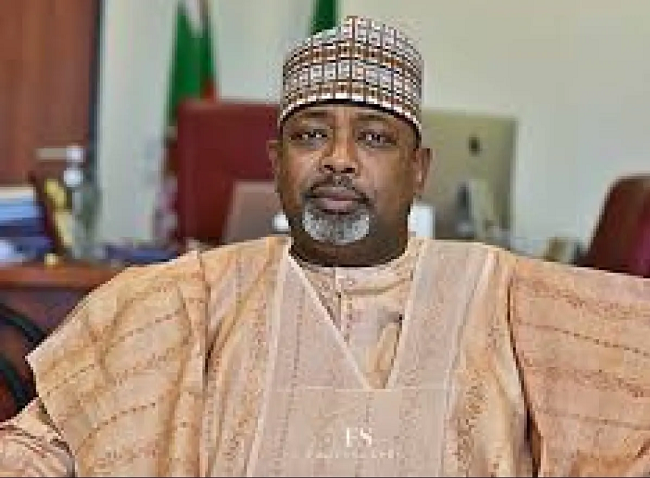
Sen. Abubakar Kyari
Sen. Abubakar Kyari, Minister of Agriculture and Food Security

According to the statement, this aims at boosting productivity, strengthening value chains and accelerating climate-smart, data-driven farming.

“The approval follows earlier financing under the Bank Group’s African Emergency Food Production Facility and will contribute to implementing five programmes under the National Agricultural Technology and Innovation Policy (NATIP).

“The programmes focus on improving access to quality agricultural inputs, strengthening value chains for priority crops, revitalising extension services, promoting digital and climate-smart agriculture, and enhancing agricultural data management.

“The funding is expected to raise staple crop production through climate-resistant, high-yield seed varieties and fertiliser blends tailored to local conditions.

“While expanding crop insurance coverage to protect farmers from climate-related losses,” the statement said.

The AfDB said the fund also targeted a fivefold increase in wheat production and a 20 per cent rise in rice output.

According to the statement, this will strengthen national food self-sufficiency, while encouraging youth participation in commercial farming.

The statement quoted Abdul Kamara, Director General of the Bank’s Nigeria Country Department, as saying that the second phase built on the strong results of Phase One.

“Building on the strong results achieved under Phase 1, this second phase draws directly from those lessons and successes to scale up impact even further.

“By expanding access to quality inputs, digital tools, and climate-smart technologies, we are supporting farmers to improve productivity and resilience.

“This programme will continue to play a critical role in reducing food imports, boosting local production, and advancing inclusive growth across the country,” Kamara said.

Phase One featured an ICT-based system that delivered quality seeds, pesticides and fertiliser to farmers through more than 600 agro-dealers nationwide.

It also supported the cultivation of 118,000 hectares of wheat in the 2023/2024 dry season, tripling national wheat output to an estimated 0.5 million metric tonnes in 2024, with 650,000 smallholder farmers benefiting so far.

Agriculture employs about 38 per cent of Nigeria’s workforce and contributes 25.2 per cent to Gross Domestic Product, but the sector faced low productivity due to limited access to quality inputs, inadequate irrigation and climate challenges.

The four-year project, scheduled to begin in March, aligned with the Bank Group’s strategic vision to empower young people and women through technology and financial support.

By Lucy Ogalue

Why IEA should be at forefront of Africa’s clean cooking development

0

The U.S. has intensified pressure on the International Energy Agency (IEA) – signaling that it could withdraw from the institution unless it refocuses on its founding mandate of safeguarding global energy security.

U.S. Secretary of Energy, Chris Wright, said Washington is not satisfied with the Paris-based agency’s current direction, arguing that its modelling and outlooks have become overly shaped by climate ideology at the expense of practical energy realities. He was direct in his messaging when he said that the IEA must return to prioritising energy access and solvable clean cooking solutions.

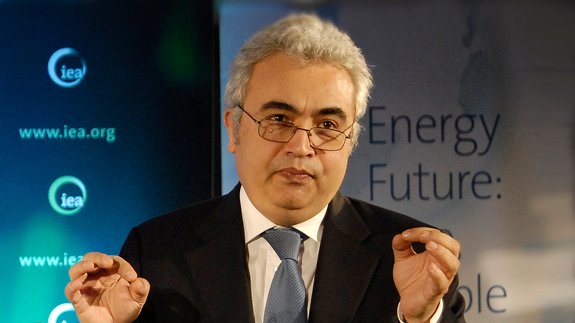
Fatih Birol
Fatih Birol, Executive Director of the International Energy Agency (IEA)

For years, African leaders and private-sector stakeholders have argued that the IEA drifted from its original purpose – becoming increasingly politicised in its outlooks and instrumental in shaping restrictive financing narratives around oil and gas.

The African Energy Chamber (AEC) has consistently maintained that this shift has had real consequences for developing economies, contributing to capital flight from African hydrocarbons and slowing the continent’s ability to tackle widespread energy poverty. If the IEA is now reassessing its position, the question is whether this represents genuine reform – or political expediency under mounting global pressure.

A History of Weaponising Energy Outlooks  

The IEA has politicised its outlooks and adopted an anti-oil and gas agenda that directly undermined African development ambitions for years. Its 2021 net-zero roadmap – updated in 2025 – became a weapon used by financiers and multilateral institutions to restrict capital flows into Africa’s energy sector. Some of the objectives include no new investment for fossil fuel supply after 2021 and sales of fossil fuel boilers after 2025. It also condemns international combustion engine car sales after 2035, targeting 60% electric car sales and 50% electric heavy trucks from 2035.

These steps assume a lot about the state of the world – assumptions that are faulty, especially for Africa. For one, it will require universal energy access by 2030 – including electricity and clean cooking. With approximately 592 million Africans currently without this access, the continent is going to be hard-pressed to flip that switch in less than 10 years.

The IEA’s roadmap also relies on unprecedented investments in renewables – a substantial boost in clean energy investments from the $1 trillion made over the last five years all the way up to $5 trillion annually by 2030 – and cooperation from policymakers who are unified in their efforts. In this idyllic partnership, Africa’s Western counterparts talk a good game.

But the fact is, to date, these same Western countries have invested little to no funding into Africa’s renewables space. To our dismay even the international oil companies that have tried to accept the IEA’s publicity stunt have little or no renewable projects in Africa.

OPEC wrote in response to IEA’s roadmap release that “For many developing countries, the pathway to net zero without international assistance is not clear. Technical and financial support is needed to ensure deployment of key technologies and infrastructure. Without greater international co‐operation, global CO2 emissions will not fall to net zero by 2050.”

The damage of the roadmap has been profound. Global financiers such as BNP Paribas and HSBC halted all new oil and gas financing while institutions such as Barclays, Nedbank and Deutsche Bank moved to selectively finance projects. In 2019, the World Bank also announced that it will stop direct investments in upstream oil and gas. When African countries were fighting for the development of strategic gas resources, one of the continent’s biggest institutional opponents was the IEA.  

“A bank should evaluate investment in an African oil field based on a project’s viability and associated risk, just as it would for a Norwegian, British or American project. Yet they don’t. This is precisely why the AEC plans to hold several banks legally accountable for promoting financial apartheid in the energy sector,” states NJ Ayuk, Executive Chairman, AEC.

The Clean Cooking Challenge

With over 900 million people in Africa living without access to clean cooking solutions, addressing the problem of energy security is no longer an isolated challenge – it’s a strategic imperative. If Africa were to listen to the IEA, there would be no investment to address this challenge. Europe would not gain access to African gas supplies, making projects such as Angola LNG, Congo LNG, Greater Tortue Ahmeyim in Senegal/Mauritania, Equatorial Guinea’s Gas Mega Hub and Algerian production facilities obsolete. At a time when Mozambique LNG is resuming and Libya, Egypt and Nigeria are looking to produce more, IEA recommendations could prove catastrophic for Africa’s clean cooking quest.

Delivering remarks during the IEA’s 2026 Ministerial this week, Secretary Wright underscored that with $4 billion invested annually, the world can accelerate the rollout of clean cooking solutions and lift nearly two billion people out of energy poverty. While the IEA should be at the forefront of this drive, Secretary Wright highlighted how a focus on climate change has redirected critical financing away from hydrocarbons.

“The world today spends $1 trillion in the name of fighting climate change – collectively over $10 trillion in the last 20 years. What has been the upside of that? Only 2.6% of global energy comes from solar, wind, batteries and the increased transmission lines to promote them. This has only had meaningful penetration in rich countries,” he said.

A 2024 report by U.S. Senator John Barrasso further condemns the IEA for its renewable approach, arguing that the organisation is increasingly responsible for feeding the unrealistic view that emerging economies can develop using only renewables. This shift began in 2020 when the IEA ceased creating energy market forecasts based on actual demand and decided to focus exclusively on hypothetical scenarios aligned with extreme emissions reduction targets.

This goes against the very mandate by which the IEA was established. Following an oil crisis and spike in prices in 1974, the IEA was established to ensure reliable, affordable and secure energy supplies worldwide. The organisation’s recent history has contradicted this mandate.

“Africa will not make energy poverty history by abandoning the very resources that can fund its development. Oil and gas are not the problem – underdevelopment is. Organizations such as the IEA have played a central role in restricting financing, politicizing fossil fuels and impacting African energy development. That needs to stop,” adds Ayuk.

A Step in the Right Direction

Despite its history of inaction, the IEA seems to be moving in the right direction, announcing that it will host the Clean Cooking Alliance (CCA) – launched in 2010 – to tackle the global clean cooking crisis. The IEA will partner with governments and industry to accelerate universal clean cooking access, integrating the CCA within the IEA. The U.S. is also ramping-up its clean cooking support. Secretary Wright announced the launch of a Clean Cooking Accelerator Programme to help build infrastructure to enable faster deployment of clean cooking solutions – focusing primarily on Africa. While these efforts are notable, much more needs to be done.

“Reform at the IEA must go beyond press releases. It must include a recalibration of outlooks to reflect differentiated development pathways, a rejection of blanket investment bans and an acknowledgment that African hydrocarbons are compatible with global climate goals,” Ayuk stated. “The AEC believes that Secretary Wright needs to put more teeth on his clean cooking and energy poverty plan. The African private sector will fund it. We don’t want aid – we want partnerships.”

ACReSAL secures statutory backing for Kaduna gully works

0

The Kaduna State Agro-Climatic Resilience in Semi-Arid Landscapes (ACReSAL) Project has secured statutory land validation to advance planned gully erosion control works in parts of the state.

The State Project Coordinator, Hadiza Halid, disclosed this during a courtesy visit to the Kaduna Geographic Information Service (KADGIS) on Friday, February 20, 2026, in Kaduna, the state capital.

Halid said the engagement was to harmonise land records and validate property data under the project’s Resettlement Action Plan (RAP), ahead of civil works on identified erosion corridors.

Abdulhamid Umar
Abdulhamid Umar, National Project Coordinator, Agro-Climatic Resilience in Semi-Arid Landscapes (ACReSAL)

According to her, the process is designed to ensure lawful compensation for Project Affected Persons (PAPs) in Rigasa, Tudun Wada, Kawo and Zaria, in line with established safeguard procedures.

“This engagement provides the statutory backing required for a project of this scale. It guarantees transparency, due process and credible documentation before construction begins,” she said.

Halid explained that accurate mapping and verification of land titles were critical to preventing disputes and ensuring smooth project implementation.

The project coordinator recalled that ACReSAL had earlier sensitised residents of the affected communities to prepare them for the erosion control intervention.

She described ACReSAL as a tripartite initiative of the Federal Government, Kaduna State Government and the World Bank aimed at strengthening environmental resilience and livelihoods in climate vulnerable communities.

The coordinator added that the targeted corridors had recorded recurring flooding and severe gully erosion, particularly during peak rainy seasons.

She added that civil works would commence upon completion of compensation and final validation processes.

In his remarks, the Director-General of KADGIS, Bashir Ibrahim, commended ACReSAL for the collaboration, describing it as procedural and necessary.

He assured the agency’s support to ensure the seamless documentation and successful delivery of the intervention.

By Ezra Musa

Africa’s LNG expansion to dominate Paris Energy Forum

0

With governments and operators from across Africa’s gas frontier confirmed to participate, the Invest in African Energy Forum in Paris from April 22 to 23, 2026, arrives as the continent’s LNG sector enters a new growth phase marked by expansion projects, floating liquefaction scale-ups and commercialisation of large undeveloped discoveries.

The forum is expected to spotlight where capital, partnerships and infrastructure investment will flow as Africa advances its next wave of liquefied natural gas (LNG) opportunities.

Paris, France
Paris, France

Grand Tortue Ahmeyim Expansion – Mauritania & Senegal

Following first LNG production, attention has shifted to Phase 2 of the cross-border Grand Tortue Ahmeyim (GTA) development between Mauritania and Senegal.

Partners are advancing a low-cost scale-up that could nearly double liquefaction capacity before the end of the decade, leveraging existing floating LNG infrastructure and offshore reserves. With export routes already established, Phase 2 is widely viewed as one of Africa’s clearest near-term LNG growth opportunities, offering comparatively lower development risk and significant production upside.

Yakaar-Teranga – Senegal’s Pre-FID Gas Anchor

Senegal’s Yakaar-Teranga discovery remains among the world’s largest undeveloped gas resources. Commercialisation terms and domestic-versus-export allocations are still under negotiation, placing the project among Africa’s most consequential pre-final investment decision (FID) opportunities.

The resource has the potential to anchor future LNG trains, long-term gas-to-power supply and industrial feedstock development, making it a focal point for upstream financiers and infrastructure developers seeking scalable, long-life reserves.

Nigeria’s Domestic LNG & Gas-to-Power Strategy

Nigeria is accelerating gas monetization through supply growth, LNG expansion and downstream utilisation.

A 2026 gas master plan targets an additional 1.8 billion cubic feet per day (bcf/d) of supply, contributing to ambitions of 10 bcf/d by 2027 and 12 bcf/d by 2030, alongside more than $60 billion in sector investment.

Parallel deployment of mini-LNG and small-scale liquefaction projects is expanding gas access for off-grid industries, transport and distributed power.

For capital markets, Nigeria’s strategy signals a pivot from export-only LNG toward integrated domestic gas ecosystems with diversified revenue streams.

Libya’s Gas Redevelopment Drive

Libya aims to increase gas production to nearly 1 billion cubic feet per day in the second half of 2026 through offshore redevelopment and rehabilitation of legacy infrastructure.

The strategy seeks to stabilise domestic electricity supply while rebuilding export capacity.

If financing conditions and political alignment improve, Libya could re-emerge as a major Mediterranean gas supplier later this decade, presenting one of North Africa’s most undercapitalised gas investment opportunities.

Congo LNG – Fast-Track Floating Liquefaction

The Congo LNG project has rapidly positioned the Republic of the Congo as a new LNG exporter. Phase 2 began operations in December 2025, adding 2.4 million tons per year of capacity and raising total output to roughly 3 million tons annually.

Built around floating LNG units and modular upstream tie-ins, the project demonstrates a replicable, lower-cost commercialisation model that reduces timelines compared with traditional onshore terminals.

The modular structure and expansion-ready design present opportunities across upstream supply, LNG shipping, processing services and regional infrastructure partnerships.

As Africa’s LNG landscape evolves from frontier exploration to scalable production and integrated domestic gas ecosystems, the Paris forum is expected to play a central role in shaping investment decisions across the continent’s next generation of gas developments.

By Winston Mwale, AfricaBrief