Home Blog Page 32

World Obesity Day 2026: CAPPA seeks tougher regulation of junk food marketing

0

On the occasion of World Obesity Day (WOD) 2026 on Wednesday, March 4, Corporate Accountability and Public Participation Africa (CAPPA) has called for stricter policies to curb the aggressive marketing of unhealthy foods and beverages linked to obesity and other noncommunicable diseases (NCDs), warning that decisive regulation is critical to protect public health.

In a statement marking this year’s theme, “8 billion reasons to act on obesity,” CAPPA noted that the disease has become one of the world’s most urgent health challenges, with projections indicating that nearly half of the world’s population – about 4 billion people – could be living with overweight and obesity by 2035.

Trans fat foods
Trans fat foods

The organisation stressed that Nigeria is not insulated from this trend, saying shifting dietary patterns, rapid urbanisation, and the growing normalisation of ultra-processed foods in the national diet are negatively reshaping the country’s food environment.

CAPPA warned that the unregulated marketing, and proliferation of local market shelves with foods high in sugar, salt and trans fats, are contributing significantly to rising cases of obesity, diabetes, hypertension, cardiovascular diseases, and other diet-related conditions across the country.

According to data published by the National Library of Medicine, as of 2020, over 21 million Nigerians aged 15 years and above were overweight, while more than 12 million were classified as obese.

Particularly troubling, the group said, is the targeted advertising of such products to children and young people through television, digital platforms, in-school promotions, and outdoor advertisements, especially at festive periods.

“The aggressive promotion of ultra-processed foods to children is deliberate,” CAPPA argued, citing its latest report, titled “Unhealthy Food Hijack of Festive Periods in Nigeria”. “Food and beverage corporations are shaping taste preferences early to secure lifelong consumers, while the public bears the long-term health and economic consequences.”

To address this growing crisis, CAPPA urged governments at all levels to enact policies and enforce regulations restricting the marketing of unhealthy foods and beverages to children across all platforms.

The organisation also renewed its call for the National Assembly to substantially review the country’s Sugar-Sweetened Beverages (SSB) tax upward. CAPPA maintained that the current rate remains too low to significantly reduce consumption. Hence, it called for an increase to 50 per cent of the retail price, in line with World Health Organisation (WHO) recommendations, noting that stronger fiscal measures would both discourage excessive intake and generate revenue for health financing.

Beyond taxation, CAPPA emphasised the urgency of adopting mandatory Front-of-Pack Labelling (FOPL) that clearly warns consumers when products are high in sugar, salt, or unhealthy fats. The organisation said simple, visible warning labels would empower Nigerians to make informed choices at a glance, counter deceptive marketing tactics, and encourage manufacturers to reformulate products to meet healthier standards.

In addition, CAPPA called for the development and enforcement of a robust national salt reduction regulation, noting the link between excessive sodium intake and obesity, hypertension, which affects millions of Nigerians and is a leading risk factor for stroke and heart disease. Setting mandatory salt targets for processed and pre-packaged foods, the group argued, is a practical and evidence-based intervention to protect public health.

As the world reflects on the “8 billion reasons” to act, CAPPA stressed that Nigeria has millions of reasons of its own to confront obesity.

“Protecting present and future generations from diet-related diseases requires effective policies, firm regulation and political will that puts people before profit,” the organisation concluded.

Maiden edition of PRCAN Knowledge Hub features local, international AI experts

0

The Executive Council of the Public Relations Consultants Association of Nigeria (PRCAN), under the leadership of Dr. Nkechi Ali Balogun, has announced the maiden edition of the PRCAN Knowledge Hub (formerly PRCAN Masterclass Series), scheduled for Tuesday, March 24, 2026.

The hybrid event will hold at the Lagos Marriott Hotel, Ikeja, and will feature renowned experts in strategic communication and digital media.

Key facilitators include Karl Haechler, CEO, Burson Africa, who will speak on “AI-Driven Strategic Communication: Mastering Algorithmic Disruption and Digital Volatility,” and Tomiwa Aladekomo, CEO, Tech Cabal Nigeria, presenting “Rewriting the PR Playbook: AI-Driven Storytelling, Media Intelligence & Reputation Management.”

Nkechi Ali Balogun
Dr. Nkechi Ali Balogun, head of the Public Relations Consultants Association of Nigeria (PRCAN)

The session will be moderated by Mojisola Saka, Chief Engagement and Experience Officer, Booucles Africa, and Ayeni Adekunle, Founder/CEO, Black House Media.

The PRCAN Knowledge Hub serves as the flagship platform for professional development, targeting senior and mid-level practitioners from both public and private sectors. This includes PRCAN members as well as professionals from allied associations such as ADVAN, OAAN, AAAN, and MIPAN.

The programme features targeted sessions, case studies, interactive workshops, and demonstrations of AI tools. Key topics encompass AI algorithms in public relations, managing digital disruption, crisis communication in volatile online environments, AI-driven content creation and analytics, reputation management, and deepfake detection.

Adetola Odusote, Chairman of the PRCAN Education Sub-Committee, commented: “The PRCAN Knowledge Hub marks a strategic evolution of our capacity-building mandate. As technology transforms communication practices, it is imperative that we equip practitioners with future-ready competencies. This platform empowers professionals, institutions, and policymakers to leverage digital disruption as a strategic advantage through the responsible and intelligent application of AI.”

PRCAN extends an invitation to marketing and communication professionals across public and private sectors, including corporate communicators, policy communicators, brand strategists, media professionals, and integrated marketing communications (IMC) stakeholders; to join this landmark inaugural edition of the PRCAN Knowledge Hub.

DisCos meter 109,556 customers in Dec. 2025 – NERC

The Nigerian Electricity Regulatory Commission (NERC) says Electricity Distribution Companies (DisCos) metered 109,556 customers in December 2025.

The figure, contained in the Metering Factsheet for November and December 2025, was released by the NERC in Abuja on Tuesday, March 3, 2026. In comparison, 88,592 customers were metered in November.

Nigerian Electricity Regulatory Commission (NERC)

According to the fact sheet, the national metering rate rose to 57.27 per cent by the end of December, up from 56.54 per cent in November.

NERC listed Ikeja, Eko, and Abuja DisCos as the best performers, maintaining the highest metering rates above 76 per cent.

The report revealed that, by December 2025, a total of 6,966,584 customers were metered out of 12,163,412 active electricity customers nationwide.

By Constance Athekame

NCDC alarms over rising Lassa fever in 18 states

0

The Nigeria Centre for Disease Control and Prevention (NCDC) has raised concern over increasing Lassa fever cases across 18 states and 67 Local Government Areas (LGAs).

The agency attributed the sustained transmission and rising fatalities to operational gaps at the state level, urging urgent action to strengthen outbreak response and control measures.

Director-General of NCDC, Dr Jide Idris, disclosed this in a statement on Tuesday, March 3, 2026, in Abuja.

Dr Jide Idris
Director-General of NCDC, Dr Jide Idris

He said that Bauchi, Ondo, Taraba, Edo and Benue accounted for more than 80 per cent of confirmed cases recorded during the 2026 peak transmission season.

Idris described as particularly worrisome the growing infections among healthcare workers, with 28 confirmed cases and three deaths reported so far this season.

He said field investigations showed most transmissions were occurring in known endemic areas, but weak implementation of established response frameworks had contributed to the continued spread and higher case fatality rate.

According to him, gaps identified include infections in general outpatient and maternity settings, poor adherence to Infection Prevention and Control (IPC) protocols, and inadequate pre-positioning of Personal Protective Equipment (PPE).

He added that delayed patient presentation due to financial barriers, inconsistent activation of State Incident Management Systems, weak contact tracing, persistent stigma and poor isolation centre standards were also driving transmission.

Idris emphasised that outbreak response implementation and health service delivery fell primarily under state governments within Nigeria’s federal structure, urging them to strengthen accountability and resource allocation.

He called on affected and high-risk states to urgently activate and closely monitor their Incident Management Systems, ensuring timely coordination and efficient outbreak response at all levels of healthcare delivery.

He also urged the immediate release of response funds, strict enforcement of Infection Prevention and Control (IPC) compliance in public and private health facilities, and continuous availability of PPE and other critical supplies.

The NCDC boss also advocated accelerated financial protection mechanisms to reduce late presentation and high fatality rates, alongside institutionalised rodent control and environmental sanitation measures under a One Health approach.

He advised healthcare workers to maintain a high index of suspicion and adhere strictly to IPC guidelines.

He also urged the public to keep environments clean, prevent rodent entry into homes, store food safely and seek early medical care when symptoms appeared.

Idris noted that Lassa fever was treatable, with improved outcomes when detected early, adding that Nigeria was also responding to other epidemic-prone diseases including Cerebrospinal Meningitis, Diphtheria, Mpox and Cholera.

He reiterated NCDC’s toll-free emergency line, 6232, for reporting suspected cases and obtaining further information.

By Abujah Racheal

Climate change, forest systems and agricultural futures: Emerging research insights

Recent scientific research continues to demonstrate that climate change is reshaping forest ecosystems, agricultural productivity, and environmental governance systems globally. While the impacts vary by region, the underlying patterns are increasingly consistent: altered temperature regimes, changing rainfall patterns, rising atmospheric CO₂ concentrations, and increased frequency of extreme weather events are influencing both natural and managed ecosystems.

Bibliometric analyses of climate change research in agriculture and forestry show a sharp growth in scientific output since the mid-2000s, reflecting heightened global concern. Studies indicate that more than half of climate-related agricultural research in the past decade has focused on adaptation, modelling, temperature impacts, and CO₂ dynamics.

Forest ecosystems
Forest ecosystems

International collaboration particularly led by institutions in the United States, China, Canada, and Europe, has shaped much of the knowledge base. However, research from developing regions, including sub-Saharan Africa, has expanded significantly in recent years, especially on vulnerability and adaptation.

Forest systems are particularly sensitive to climate variability. Evidence shows that warming temperatures and prolonged drought stress increase susceptibility to pests, invasive species, and wildfires. In temperate regions, large-scale pest outbreaks have been linked to warming winters. In tropical regions, including West Africa, forest degradation interacts with climate stressors, creating feedback loops between deforestation, carbon emissions, and reduced ecosystem resilience. Globally, approximately 10-12% of greenhouse gas emissions are attributed to deforestation and forest degradation.

At the same time, forests serve as major carbon sinks. Elevated atmospheric CO₂ can stimulate plant growth under certain conditions (the “carbon fertilisation effect”), but this effect is constrained by nutrient availability, water stress, and disturbance regimes. Current research suggests that while some forests may initially experience productivity gains, long-term ecosystem stability depends heavily on management practices and disturbance frequency.

Agricultural systems face parallel pressures. Rising temperatures influence evapotranspiration rates, irrigation demand, and crop phenology. Research highlights the need for improved nutrient use efficiency, water management strategies, and crop adaptation to temperature extremes. Global projections indicate that average cereal yields must increase significantly in coming decades to meet population demand, yet climate variability introduces uncertainty in yield stability. In regions like Nigeria, where rain-fed agriculture dominates, variability in rainfall onset and distribution poses substantial risks to food security.

Climate change also intersects with land-use decisions. Intensification of agriculture to meet food demand can reduce pressure on forest frontiers if managed sustainably. However, poorly regulated expansion remains a primary driver of deforestation in many tropical regions. Studies underscore the importance of integrated land-use planning that aligns food production goals with forest conservation and climate mitigation objectives.

Emerging modelling approaches now link forestry and agriculture sectors to assess economic and land-use shifts under climate scenarios. Findings suggest that adaptive management such as altered crop varieties, modified forest rotation cycles, and strategic land allocation, can moderate aggregate economic impacts, though producer-level vulnerabilities remain significant.

Overall, current research emphasises three consistent themes: (1) climate impacts are already observable in forest and agricultural systems; (2) adaptive capacity depends on governance, technology, and institutional frameworks; and (3) mitigation and adaptation strategies must be considered together rather than in isolation.

For Nigeria and other forest-dependent economies, strengthening climate-smart land management and improving institutional coordination between forestry and agricultural sectors will be critical to long-term sustainability.

Key Research Insights

  1. Climate change research in agriculture and forestry has grown exponentially since 2005.
  1. Deforestation contributes roughly 10–12% of global greenhouse gas emissions.
  2. Elevated CO₂ may enhance plant growth, but gains are limited by water and nutrient constraints.
  3. Rising temperatures increase evapotranspiration and irrigation demand.
  4. Pest outbreaks and wildfire intensity are linked to warming trends.
  5. Sustainable intensification can reduce forest conversion pressure if governance is effective.
  6. Integrated modelling shows adaptive land-use management reduces long-term economic risks.

By Dr. Harrison U. Nkwocha, Programme Officer, Nigerian Environmental Study Action Team (NEST)

2026 Nigeria DigitalSENSE Forum focuses on sustaining WSIS vision, multistakeholder synergy

0

As the global community accelerates toward a more integrated digital future, ITREALMS Media Group, through its flagship digital rights initiative, the Nigeria DigitalSENSE Forum (NDSF), has officially announced the 2026 edition of its annual convening on Internet Governance for Development (IG4D).

The forum, scheduled for Thursday, June 11, 2026, at the Welcome Centre Hotels, Ikeja, Lagos, will bring together policymakers, tech innovators, and civil society under the theme: “Sustaining WSIS Vision with Multistakeholder Synergy in Nigeria.”

Remmy Nweke
Ogbuefi Remmy Nweke, Lead Consulting Strategist/Group Executive Editor at ITREALMS Media

This year’s theme aligns with the recent UN General Assembly Resolution A/RES/80/173, which reaffirms the World Summit on the Information Society (WSIS) vision. The 2026 NDSF aims to address the critical need for connecting all citizens, ensuring the affordability of digital technologies, and increasing investment in Digital Public Infrastructure (DPI) to bridge the widening digital divide.

Speaking on the upcoming event, Ogbuefi Remmy Nweke, Group Executive Editor and Lead Consulting Strategist at ITREALMS Media, emphasised that the stability of Nigeria’s digital economy depends on collaborative security.

“Building an inclusive, open, and secure digital space remains paramount,” Nweke stated. “Beyond connectivity, we must ensure that our digital ecosystem protects children online and remains resilient against global threats. The 2026 NDSF serves as a catalyst for the multistakeholder synergy required to achieve these goals.”

Key Highlights of NDSF 2026:

  1. Focus on Emerging Tech: In-depth discourse on IPv6 adoption, Domain Name System (DNS) security, and the evolution of Digital Public Infrastructure.
  2. Child Online Protection: Strategies for creating a safer internet for the younger generation.
    Strategic Collaboration: Continuing a long-standing partnership with the Nigerian.
  3. Communications Commission (NCC), NITDA, and Association of Licensed Telecoms Operators of Nigeria (ALTON).
  4. Smart Infrastructure: Exploring how telecommunications and satellite technology can drive the “Smart Nigeria” agenda.

The forum will feature a keynote address titled “Sustaining the WSIS Vision via Telecoms: Driving Multistakeholder Synergy for Nigeria’s Future,” expected to be delivered by leadership from the nation’s top regulatory bodies.

Since its inception, NDSF, hosted by DigitalSENSE Africa (DSA), an ICANN-certified At-Large Structure, has been at the forefront of motivating public discourse on the business and technological benefits of advancing internet governance.

Members of the press, stakeholders in the ICT sector, and the general public are invited to join this milestone event to help shape the trajectory of Nigeria’s digital sovereignty.

New Ekuri, firm reach truce over logging, sign N15m compensation, restoration pact

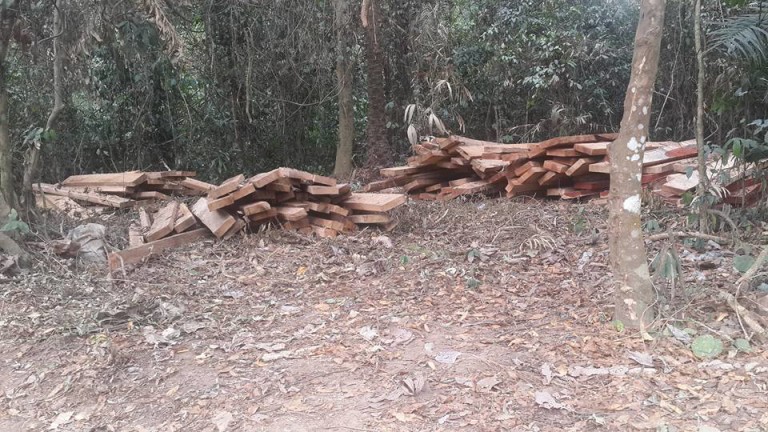
A tense dispute over alleged unauthorised logging in New Ekuri Community, Akamkpa Local Government Area of Cross River State, has been resolved following legislative intervention, with Ezemac International (Nig.) Ltd. agreeing to a N15 million compensation and environmental restoration package.

The disagreement, which drew the attention of civil society organisations and environmental advocates, stemmed from claims by the community that the company entered its forest and commenced logging without its consent.

The situation escalated weeks ago when the Community Leader, Dr. Martins Egot, was arrested amid the standoff, a development that further heightened tensions in the forest-dependent settlement.

Ekuri
Timber extraction in Ekuri forest

Concerned about the environmental and security implications of the impasse, the community and its supporters petitioned the Cross River State House of Assembly and other relevant authorities, calling for urgent intervention.

Their appeal prompted mediation by the House Committee on Agriculture, Natural Resources and Forestry, chaired by Bette Obi, alongside the lawmaker representing Akamkpa State Constituency, Ntufam Okon Owuna.

Following negotiations, both parties signed a Memorandum of Understanding (MoU) on February 16, 2026, outlining terms for compensation, cessation of logging and ecological restoration.

Under the agreement, Ezemac International (Nig.) Ltd. is to pay N8 million as compensation for timber already felled within the community forest.

An additional N2 million will cover legal and dispute-related expenses incurred by the community during the crisis.

The company also committed N5 million specifically for environmental restoration, bringing the total financial settlement to N15 million.

Crucially, the MoU stipulates that all payments must be completed before the company can evacuate already cut logs or operate any machinery within the forest area.

The agreement further affirms the recognition of New Ekuri as the lawful custodian of its forest, reinforcing the principle that no external entity can operate there without the community’s express approval.

As part of the settlement, the company has provided binding assurances that no further tree felling will occur and that its presence in the forest is strictly limited to evacuating previously cut wood.

It is also required to withdraw fully from the forest immediately after evacuation, while any future logging activity would depend on a fresh agreement sanctioned by the community.

Beyond compensation, the MoU provides for structured environmental restoration, including the raising and planting of 10,000 tree seedlings funded by the N5 million allocation.

The reforestation initiative will be carried out by the community’s Ecoguards, with technical supervision and coordination by the Panacea for Developmental and Infrastructural Challenges for Africa Initiative (PADIC-Africa), while access roads opened during logging are to be ecologically restored to prevent erosion and unauthorised entry.

Community leaders described the resolution as a triumph of peaceful advocacy and institutional engagement, noting that despite heightened emotions during the crisis, youths in the area exercised restraint and avoided violence.

Observers say the outcome underscores the growing influence of host communities in forest governance matters and signals the importance of dialogue, legislative oversight and environmental accountability in managing resource-related conflicts in Cross River State.

By Stina Ezin, Calabar 

EnviroNews’ Nsikak Ekere listed as EPI Foundation unveils inaugural Youth Ambassadors

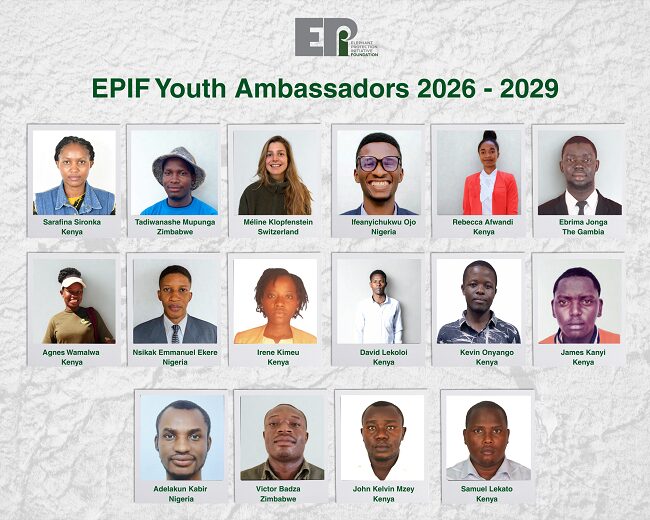
On UN World Wildlife Day on Monday, March 3, 2026, the Elephant Protection Initiative (EPI) Foundation announced its inaugural 2026 cohort of EPI Youth Ambassadors, 16 exceptional young leaders dedicated to advancing elephant conservation and inspiring action in communities around the world.

Representing a diverse and globally connected network, the cohort includes nine ambassadors from Kenya, four from Nigeria, one from Zimbabwe, one from The Gambia, and one from Switzerland. The appointment of EPIF Youth Ambassadors will take place annually on World Wildlife Day.

One of the Nigerians is Mr. Nsikak Ekere in the Abuja office of EnviroNews.

EPI Foundation Youth Ambassadors

Tadiwanashe Mupunga, a student from Zimbabwe, said he is particularly interested in using digital tools to promote awareness around elephant protection, and Sarafina Sironka from Kenya said she aims to drive lasting change for wildlife and the communities that depend on healthy ecosystems.

“At a time when elephants continue to face significant threats from illegal wildlife trade, habitat loss, and human-wildlife conflict, meaningful youth participation in conservation has never been more important,” said the EPI Foundation’s Chair of Trustees, Sharon Ikeazor.

“Through their creativity, digital innovation, and peer-to-peer engagement, our Youth Ambassadors can play a critical role in shaping attitudes, influencing behaviour, and driving long-term change for wildlife and the environment,” added the Foundation’s CEO, John E Scanlon, AO.

EPI Youth Ambassadors will advocate for elephant protection within their networks; participate in EPI awareness campaigns, including digital storytelling, videos, and films; and mobilise their peers to support or lead conservation initiatives at local, national, and global levels. This volunteer role also offers ambassadors a meaningful leadership opportunity, providing orientation on elephant conservation and advocacy, access to EPI campaign materials and toolkits, opportunities to collaborate with fellow ambassadors across regions, and recognition for their contributions and impact. 

Rachel Cao and Lareina Li, both studying in Beijing, China, were the first EPI Foundation Youth Ambassadors in 2024. They have successfully raised awareness of elephants, and wildlife conservation amongst their peers, and helped raise funds for the EPI Foundation. Through this initiative, the EPI Foundation reaffirms its commitment to amplifying young voices and building a global movement for elephant protection.

How Nigeria can achieve gas-led industrialisation – Shell

0

Nigeria can harness her gas resources for industrialisation if it achieves stable regulatory enforcement, fair pricing and infrastructure ownership models in the sector, Managing Director Shell Nigeria Gas (SNG), Ralph Gbobo, said in Lagos recently.

Speaking at the Energy Week of the Lagos Section of the Society of Petroleum Engineers (SPE), Gbobo said investors need “a stable, fast and transparent implementation” of rules while a fair pricing regime could be achieved with “the right incentives to grow pipeline gas” which would also attract more investments.

Ralph Gbobo
Managing Director, Shell Nigeria Gas (SNG), Ralph Gbobo, during the panel section

On infrastructure ownership models, he called for the completion of ongoing projects and ensuring the reliability of the Escravos-Lagos Pipeline System through “clear service standards.”

He said government could also encourage investments in gas distribution through “demand aggregation.”

“We need to create a friendly business environment and a clear plan (e.g., industrial parks or designated zones) so demand is clustered. That makes it easier for a distributor to get a license, invest, and build shared infrastructure that serves many industries – not just one or two.”

Gbobo added: “Public–private partnership is crucial. Government backing helps planning and delivery. This model can also support industrial parks and other ways to aggregate demand.”

Tinubu inaugurates Renewed Hope Climate Change Awareness Tour

0

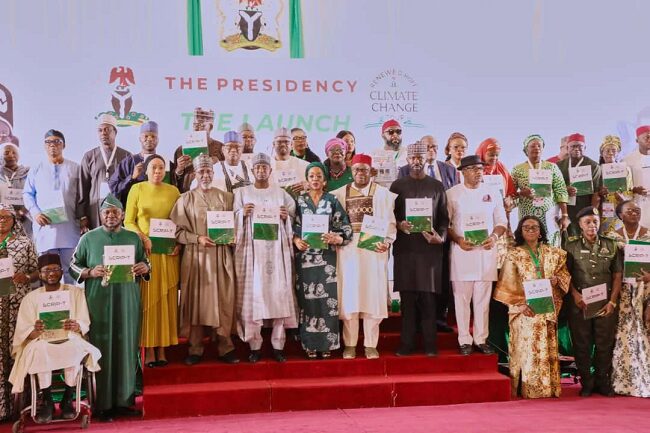
President Bola Tinubu on Tuesday, March 3, 2026, in Abuja inaugurated the Renewed Hope Climate Change Awareness Tour (REHCCAT), a national initiative aimed at promoting climate resilience and sustainable development across Nigeria.

Speaking at the State House Conference Centre, Tinubu urged governors, organised private sector actors, and other stakeholders to lead Nigeria’s climate transition, transforming awareness into practical action at all levels.

Represented by the Minister of Environment, Balarabe Lawal, the President said climate change was not only a risk but also an opportunity for innovation, growth, and national development.

REHCCAT
Dignitaries at the launch of the Renewed Hope Climate Change Awareness Tour (REHCCAT)

“Today we inaugurate a movement, the Renewed Hope Climate Change Awareness Tour.

“It is a national call to action, a call to innovation, opportunity, and sustainable development for all Nigerians,” Tinubu said.

He highlighted the impacts of climate change across the country: droughts affecting northern farmers, coastal erosion and flooding in the south, business disruptions, energy supply challenges, and the future of Nigerian youth.

Tinubu stressed that Nigeria stood at a defining moment as the global transition to low-carbon development accelerated.

“Capital is shifting, markets are evolving, and technology is transforming industries. Nigeria intends to lead tomorrow,” he said.

He explained that the tour would take climate awareness beyond conference halls into communities, engaging governors, traditional rulers, students, innovators, entrepreneurs, farmers, and financial institutions nationwide.

“Through this tour, we will identify bankable projects, unlock local solutions, strengthen climate finance capacity, and mobilise partnerships between the public and private sectors,” he added.

The President emphasised that nationally determined contributions were commitments to reduce emissions, enhance resilience, and safeguard communities.

“Commitments must be matched with action, supported by investment, and this tour bridges that gap,” he said.

He urged young Nigerians to take ownership of the climate transition, stressing that their ideas, technology, and entrepreneurship would shape the nation’s future while aligning with the Renewed Hope Agenda.

“Climate resilience is national security. Leadership is not a budget; it is a result we must accept with confidence. Nigeria chooses leadership over hesitation,” Tinubu said.

Also, Lawal, represented by the Director of Forestry, Halima Bawa, highlighted the urgency of confronting climate change, noting its effects, including desert encroachment, flooding, coastal erosion, and erratic rainfall affecting farmers.

Lawal lauded the Climate Change Act 2021 for establishing a legal framework for coordinated climate governance, carbon budgeting, and a pathway to net-zero emissions by 2060, institutionalising climate action across sectors.

He stressed the need for climate governance to extend beyond federal initiatives, urging implementation at subnational and grassroots levels to ensure meaningful impact in communities.

Special Assistant to the President on Climate Change Matters, Yussuf Kelani, said the tour represented a national movement grounded in leadership, collaboration, and commitment to Nigeria’s environmental and economic security.

Kelani, Chairman of the REHCCAT Committee, said the initiative sought to democratise climate knowledge, aligned federal and state-level action with Nigeria’s NDCs, and mobilise partnerships, green jobs, and climate finance.

“REHCCAT will proceed across Nigeria’s six geopolitical zones, beginning with two strategic states per zone, and convene high-level policy dialogues with governors, commissioners, state legislatures, youth, women, farmers, artisans, and community leaders.”

Guest Speaker, Prof. Babajide Alo, emphasised that climate resilience required locally led adaptation, community empowerment, and capacity-building to actively manage climate risks and implement sustainable solutions.

“Securing Nigeria’s climate future requires revisiting priorities and lifestyles, embracing responsible consumption, reducing carbon footprints, and embedding sustainable development in every sector,” Alo said, calling for action at all levels.

By Salisu Sani-Idris