27.5 C
Lagos
Monday, February 9, 2026
Home Blog Page 3

British High Commission welcomes 99 Nigerian graduates of Chevening and Commonwealth Scholarship Programmes

0

In Abuja and Lagos, the British High Commission held Welcome Home Ceremonies to celebrate 99 Nigerians who have recently completed their studies in the United Kingdom through the prestigious Chevening and Commonwealth scholarships pursuing a wide range of master’s degree, PhD, and fellowship programmes.

Chevening and Commonwealth Scholarships are awarded to individuals from all backgrounds who demonstrate that they have the commitment and skills required to create positive change. The Chevening scholars who have completed their studies are 30 in total, while the Commonwealth scholars and fellows are 69.

British High Commission
Some of the graduates

At both events, the scholars and fellows shared their academic journeys and experiences, and their preparedness to use the skills and knowledge developed during their studies to contribute to Nigeria’s development. Additionally, they were celebrated for their exceptional academic achievements, received their completion certificates, and were officially inducted into the Chevening and Commonwealth alumni community in Nigeria.

Speaking at the reception, the British Deputy High Commissioner, Mrs. Gill Lever (OBE), said: “We take great pride in welcoming back our Commonwealth and Chevening Scholars. Congratulations to each and every one of them for successfully completing their studies, many with distinctions.  I’m so happy that talented Nigerians have had the opportunity to study in the UK, returning with additional knowledge and skills to make a positive difference in their home country.

“I encourage them to aim for excellence in their future endeavours.  I know they will be great ambassadors for the UK in Nigeria and make the most of the networking and knowledge sharing that being a Commonwealth or Chevening scholar presents. Keep in touch everyone!”

British Council was represented at the welcome event by Mr. Chikodi Onyemerela, Director of Programmes, British Council Nigeria. During his remarks, Chikodi congratulated the scholars for successfully completing their master’s and PhD programmes in the UK. He urged the scholars to be good Ambassadors of their institutions in Nigeria and urged them to apply the knowledge, skills and network that they have acquired in the UK to address challenges facing Nigeria in various sectors while maintaining ties with their UK institutions.

Chevening Scholar, Nankur Pontip Ramdur, who studied Terrorism, International Crime and Global Security at Coventry University, UK, said: “I understand that peace and security are at the heart of every nation’s development and success; hence, I look forward to contributing to a safer Nigeria. I plan to continue outreach to schools and communities with my team, teaching responses and safe practices regarding sexual and gender-based violence.

“I am also currently writing a book to broaden the impact of this initiative in Nigeria and subsequently across the globe. I have so much more to meaningfully contribute to my country, and I am glad Chevening has propelled me towards achieving my dreams!”

Commonwealth Scholar, Chimdi Ekwueme, who studied Health Policy, Planning and Finance at London School of Hygiene and Tropical Medicine, UK, said: “Studying in the UK has deepened my Nigerian perspective by allowing me to situate my local experience within wider international conversations and gaining practical insights I can apply at home.”

‘Restoring Land, Restoring Hope’ announced as theme for landmark UN land conference

Mongolia and the United Nations Convention to Combat Desertification (UNCCD) on Thursday, February 5, announced the theme of the 17th session of the Conference of the Parties (COP17) to the UNCCD as preparations intensify for the landmark global conference on desertification, land degradation and drought taking place in Ulaanbaatar, Mongolia, from August 17 to 28, 2026.

The theme – “Restoring Land, Restoring Hope” – was announced during high-level meetings between UNCCD and Mongolia’s leadership to advance UNCCD COP17 preparations. 

Yasmine Fouad
UNCCD Executive Secretary, Yasmine Fouad

“Land is our most vital infrastructure – underpinning food security, water, livelihoods and stability. When land fails, insecurity rises – through lost livelihoods, forced displacement and increased competition over scarce resources. With UNCCD COP17, Mongolia is offering the world a powerful message: Restoring Land, Restoring Hope is not only an environmental agenda, but a development and resilience priority.

“As drought intensifies and land degradation accelerates, the conference must drive practical, investable solutions – from restoring degraded land and soils to strengthening the land–water nexus – so that communities can thrive,” said UNCCD Executive Secretary, Yasmine Fouad. 

“Mongolia is fully aware of the responsibility that comes with hosting UNCCD COP17, and we are committed to ensuring that the Conference delivers concrete, action-oriented and lasting outcomes. As a country whose development, livelihoods and cultural heritage are deeply connected to the land, we firmly believe that land restoration is a fundamental pillar of peace, sustainable development and inclusive socio-economic growth.

“Hosting COP17 in 2026, during the International Year of Rangelands and Pastoralists, offers a unique opportunity to elevate rangelands and pastoralist livelihoods from awareness to implementation and investment, and to strengthen global cooperation in addressing desertification, land degradation and drought,” noted the Prime Minister of Mongolia, Mr. Gombojavyn Zandanshatar. 

As the first of the three Rio Conventions’ COPs taking place in 2026-on land, biodiversity and climate change, UNCCD COP17 aims to catalyse collective action to protect land-based livelihoods and strengthen resilience through a people-centered approach.

COP17 is expected to bring together delegates from UNCCD’s 197 Parties, alongside leaders from government, business and civil society, as well as scientists, youth, Indigenous Peoples, pastoralists and smallholder farmers, to forge solutions to the interconnected challenges of desertification, land degradation and drought, recognising that restoring land is also essential to reducing instability, preventing displacement, and strengthening human and national security in vulnerable regions.

Land degradation is already affecting up to 40 per cent of the world’s land, with far-reaching impacts on food production, water availability, livelihoods, and economic stability. COP17 offers a pivotal moment for countries and partners to strengthen implementation and mobilise greater investment in drought resilience and sustainable land management.

With a vast territory of 1.56 million square kilometers, Mongolia is among the countries most affected by desertification and land degradation, with nearly 77 per cent of its land already degraded. Hosting UNCCD COP17 in Ulaanbaatar will place international focus on land restoration priorities, including approaches that safeguard livelihoods, food security and ecosystems in dryland regions.

COP17 is taking place during the International Year of Rangelands and Pastoralists, declared by the United Nations General Assembly and championed by Mongolia. This presents a major opportunity to accelerate action on the sustainable management, restoration and conservation of rangelands, while spotlighting the needs of pastoralist communities who depend directly on these ecosystems for their livelihoods.

Rangelands cover more than half of the Earth’s land surface, support the direct livelihoods of around 500 million people and provide one-sixth of the world’s nutrition needs, yet remain among the planet’s most overlooked and increasingly degraded ecosystems.

During the two-week conference, participants will engage in a high-level segment including ministerial dialogues, alongside multistakeholder forums and thematic discussions on science–policy integration, innovation and solutions, tools and technologies, and financing. In addition to formal negotiations, COP17 is expected to catalyze collective action on rangelands, resilience and water, as well as food systems and soil health.

In preparation for COP17, Mongolia has launched national initiatives linking land restoration with livelihoods and rural development, including the President-led Billion Trees” National Campaign, initiated in 2021 and aiming to plant one billion trees by 2030. Mongolia has also expanded public engagement and youth participation through national dialogues and outreach activities, including the “Youth4Land” National Forum.

Through the Mongolia Business Council, the COP17 Presidency has been engaging the country’s private sector in support of UNCCD’s Business 4 Land Initiative that aims to accelerate private sector action for sustainable land management.

“Mongolia’s initiatives illustrate the kind of integrated land restoration and resilience approaches UNCCD COP17 seeks to advance. It aims to deliver stronger political momentum and practical outcomes – helping countries mobilise resources and strengthen partnerships to scale up land restoration and build resilience where it is needed most,” concluded Executive Secretary Fouad.

EcoImpact Alliance calls for traditional knowledge to protect wetlands

0

EcoImpact Alliance Initiative has urged blending traditional knowledge with modern methods to protect wetlands, marking World Wetlands Day 2026 in Kogi State.

The event, with the theme “Wetlands and Traditional Knowledge: Celebrating Cultural Heritage”, gathered stakeholders to examine wetlands’ roles in climate resilience, biodiversity and livelihoods.

The Lead Expert, Mr. Owoleke Oluwafemi, delivered a keynote on Wednesday, February 4, 2026, in Lokoja, highlighting Nigeria’s diverse wetlands, including the Niger Delta.

EcoImpact Alliance
The Lead Expert, Mr Owoleke Oluwafemi, Kogi State Polytechnic, delivering his keynote lecture at the ECOIMPACT ALLIANCE INITIATIVE programme, to Commemorate World Wetlands Day, in Lokoja

Oluwafemi stressed indigenous conservation practices, citing fishing calendars and protection of sacred rivers as effective traditional tools.

“This theme highlights the cultural wisdom that sustained wetlands long before modern conservation approaches,” Oluwafemi said.

He noted Nigeria has 11 Ramsar Sites covering 1.07 million hectares, including the Niger Delta, Africa’s largest wetland system.

“These ecosystems support millions through fishing, farming, grazing and culture. The Hadejia-Nguru wetlands alone supported 1.5 million people,” he added.

Oluwafemi urged stakeholders to protect wetlands, document traditional knowledge, empower communities, and engage youths and schools in conservation.

The Founder, Mr. Ipinyomi Tafa, reaffirmed EcoImpact Alliance’s commitment to awareness, education and practical climate action.

Tafa called for collaboration among governments, stakeholders and citizens to safeguard wetlands vital to climate resilience, food security and biodiversity.

Environmental consultant, Mr. Salami Onaopemipo, advocated synergy between traditional and modern approaches to conservation.

“How you treat the environment is how the environment treats you back,” Onaopemipo said, urging stronger government commitment.

Project Lead, Mr. Joel Temitope, highlighted innovative initiatives promoting sustainable wetland use and conservation.

He urged governments to enforce laws against encroachment and integrate wetland protection into national and local land-use planning.

The event aimed to raise awareness and mobilise action to protect wetlands essential for human well-being and biodiversity.

Stakeholders praised the initiative, urging increased publicity to deepen public awareness of wetlands.

The World Wetlands Day is celebrated annually on Feb. 2.

By Stephen Adeleye

How to get involved in UN World Wildlife Day 2026 – CITES

0

The countdown is officially on: in just one month, the world will come together to celebrate United Nations World Wildlife Day 2026 and the incredible diversity of wild fauna and flora that sustains our planet.

This year’s theme, “Medicinal and Aromatic Plants: Conserving Health, Heritage and Livelihoods,” shines a spotlight on the extraordinary plants that have supported human well‑being for centuries. It also invites us all to learn from the communities, experts and knowledge‑holders working to conserve these species and the cultural traditions surrounding them.

Ms. Ivonne Higuero CITES
CITES Secretary-General, Ivonne Higuero

As the world approaches March 3, the Convention on International Trade in Endangered Species of Wild Fauna and Flora (CITES) says there are several ways to take part in this year’s global celebration:

  1. Organise and register your satellite celebration activity or event on the World Wildlife Day website and share with the world how you plan to celebrate in your community.
  2. Download, use and share the Official WWD2026 Poster, designed by the Official Poster Contest Winner, Ms. Hannah Payet, and promote the theme at your event, with a virtual background, or on social media.
  3. Submit your film to the Jackson Wild Film Showcase, deadline extended to February 11, to share your powerful stories about wildlife and the people conserving it.
  4. Use the WWD2026 Social Media Kit, which contains ready-made social media assets to support your outreach leading up to or on the Day.
  5. Join the United Nations Celebration Event, to be livestreamed on the World Wildlife Day YouTube channel on Tuesday, March 3, 2026.

“As the global celebration draws near, World Wildlife Day 2026 will invite us to rediscover the richness of medicinal and aromatic plants – plants that represent cultural heritage, and support livelihoods – hold immense value for human and planetary health. The celebration will recognise the traditional knowledge behind their use, the communities conserving these species, and our shared responsibility to ensure their conservation for future generations,” submitted CITES.

Lagos unveils cooking oil kiosks initiative to boost environmental protection

The Lagos State Environmental Protection Agency (LASEPA) has unveiled a household-focused used cooking oil (Ororo Waste) collection initiative to curb pollution, improve public health and create economic opportunities across the state.

The initiative, which was unveiled on Thursday, February 5, 2026, in Lagos, was in collaboration with LASEPA, Ororo Waste Management with the support of Shell Foundation.

Speaking at the unveilling, the General Manager, LASEPA, Dr Babatunde Ajayi, said improper disposal of used cooking oil blocks drainage, causes flooding, damages roads and increases public health risks in communities.

LASEPA
The unveiling of the used cooking oil (Ororo Waste) collection initiative

Ajayi spoke on the theme: “Turning Used Cooking Oil (Ororo) to Wealth for Environmental Protection.”

He noted that many households and restaurants discharge used oil into drainage, contaminating soil and groundwater while worsening air pollution through waste burning practices.

He said the initiative would convert used cooking oil into economic value, reduce infrastructure repair costs and prevent disease outbreaks linked to flooding and environmental pollution.

According to him, the programme promotes voluntary compliance by rewarding proper waste handling, encouraging residents to participate actively in environmental protection.

Ajayi said Nigeria ranks among the world’s top producers of used cooking oil, adding that Lagos accounts for about 50 per cent due to its population and economic activities.

He explained that collected oil would be processed for biofuel and other sustainable uses, supporting climate action and reducing pollution.

Also, the Managing Director, Ororo Waste Management, Mr. Ayo Banjo, said households generate up to 60 per cent of used cooking oil and were critical to building a sustainable circular economy.

Banjo said the initiative would create income opportunities, empower youths and improve public health through safer cooking oil management.

In a goodwill message, Director, LASEPA Zonal Directorates, Mr. Abiodun Ogunleye, pledged full grassroots support to ensure successful implementation across all zones.

Also, the Lagos State Coordinator of Waste Pickers Association of Nigeria, Mr. Franklyn Adebisi, said the initiative would address the indiscriminate disposal of used vegetable oil, popularly known as ororo.

Adebisi said used cooking oil was often poured into drains and waterways, especially during the rainy season, leading to environmental degradation and water contamination.

“Not every neighbourhood has access to pipe-borne water. Many households rely on wells and boreholes, which are increasingly contaminated due to improper disposal of waste oil,” he said.

He noted that water pollution contributes significantly to public health challenges, including cholera outbreaks, adding that the project was timely and long overdue.

He explained that the initiative would establish a structured collection system for used cooking oil from households, hotels, and fast-food outlets for onward processing into various value chains.

He disclosed that over 100 collection kiosks had been deployed across LASEPA zonal offices in Lagos to serve as designated drop-off points.

“These kiosks will enable waste pickers within each zone to collect used cooking oil from their catchment areas and deposit them at LASEPA collection centres,” he said.

He added that waste pickers would be financially compensated for the quantity of oil collected, although the pricing per litre would be determined in subsequent stakeholder engagements.

He said further discussions would be held to define roles, operational guidelines, and performance benchmarks to ensure smooth implementation of the project.

He commended LASEPA, Ororo Waste Management, Shell Foundation, and waste pickers for their commitment, describing waste pickers as “foot soldiers” critical to the project’s success.

The highlight of the event was the official unveilling of the kiosk used for the collection of Ororo Waste.

By Fabian Ekeruche

Govt champions LPG domestication for availability, price stability 

0

The Federal Government says it has championed the domestication of Liquefied Petroleum Gas (LPG) produced in Nigeria, leading to improved domestic availability, price stability, and reduced exposure to international price volatility for households.

Dr Ekperikpe Ekpo, Minister of State for Petroleum Resources (Gas), spoke at the National Gas Day session of the ninth Nigeria International Energy Summit (NIES 2026), themed “Unlocking Nigeria’s Gas Advantage for Power, Industry and Growth”.

He disclosed that it had completed the nationwide rollout of the Decade of Gas Free LPG Cylinder Distribution Programme across six geopolitical zones, aimed at accelerating clean cooking adoption, reducing deforestation, improving public health, and supporting Nigeria’s net-zero ambitions.

Ekperikpe Ekpo
Minister of State for Petroleum Resources (Gas), Ekperikpe Ekpo

Ekpo also announced the resolution of long-standing gas-to-power legacy debts, following presidential approval and ratification by the National Economic Council, describing the development as a major confidence booster for gas producers and investors in the domestic power market.

“Nigeria is positioning natural gas as the backbone of its economic transformation, with government policies focused on power generation, industrial development, energy access and long-term growth.

“The country holds 210.54 trillion cubic feet (Tcf) of proven gas reserves, the largest in Africa and the ninth largest globally,” he said.

Ekpo said gas was critical to expanding electricity access, deepening industrialisation, reducing energy poverty, and meeting climate commitments in a development-focused manner.

Under the Renewed Hope Agenda and the Decade of Gas Initiative, Ekpo said the Federal Government was entrenching gas as the backbone of the national energy system through institutional reforms, regulatory improvements, and targeted investment incentives.

The minister said, “Gas currently fuels over 70 per cent of Nigeria’s on-grid electricity generation, adding that government is strengthening the entire gas-to-power value chain to support industrial growth.

“Strategic measures include commercially viable gas supply agreements, sustained implementation of the debt resolution framework, expansion of pipelines and processing facilities, and the establishment of a National Gas Infrastructure Command Centre, recently approved by the President.

“Beyond power generation, the minister described gas as the engine of Nigeria’s industrialisation drive, supporting agriculture, manufacturing, petrochemicals, and transportation.”

He cited ongoing efforts to develop gas-based industrial hubs such as the Brass Gas Hub, promote LPG and compressed natural gas (CNG) adoption, and expand small-scale and modular gas projects to empower local entrepreneurs and host communities.

On policy and regulation, Ekpo said the Petroleum Industry Act (PIA) has provided a transparent and commercially viable framework for investment.

He added that government is working with regulators and industry stakeholders to ensure cost-reflective pricing, simplify licensing processes, grow local content, and shorten project timelines.

He emphasised that improved energy access is essential for peace, equity, and national cohesion, adding that Nigeria’s gas advantage also strengthens regional energy security across West Africa through exports, pipelines, and cross-border cooperation.

On Nigeria’s global energy diplomacy, Ekpo said the election of a Nigerian as Secretary-General of the Gas Exporting Countries Forum (GECF) has strengthened the country’s influence in the international gas community.

He reaffirmed the Federal Government’s commitment to building a gas-driven economy that delivers prosperity domestically and credibility internationally, calling on stakeholders to work together to harness gas as a driver of industrial transformation and sustainable development.

By Emmanuella Anokam

Experts urge Nigerians to reduce salt intake

0

Stakeholders in the health sector have appealed to Nigerians to cut back on their salt intake to reduce the burden of non-communicable diseases among citizens.

They said this on Thursday, February 5, 2026, during a “Journalism Training on Salt Reduction and Front-of-Pack Labelling (FOPL) in Nigeria”, held in Lagos.

The event was organised by Corporate Accountability and Public Participation Africa (CAPPA), with support from the Global Health Advocacy Incubator (GHAI).

CAPPA
Participants at the “Journalism Training on Salt Reduction and Front-of-Pack Labelling (FOPL) in Nigeria”, held in Lagos

Mr. Femi Stephen, Food Safety Technical Lead, Federal Ministry of Health and Social Welfare, said salt intake among Nigerians, at 3.9 grams per day, exceeded the 2 grams per day recommended by the World Health Organisation (WHO).

He, however, said many Nigerians exceed this recommended amount, primarily due to the high sodium content in processed and packaged foods.

Excess salt intake, he said, posed a significant health challenge, driving 38.1 per cent of hypertension among adult Nigerians.

According to him, hypertension is a major risk factor for heart diseases, stroke and other cardiovascular conditions, stressing that the condition affects individuals’ health, and places a burden on the economic and health system.

“That’s the reason why cardiology is one of the fastest rising medical specialties as more hospitals are placing demand for cardiologists because of the increasing numbers of people with the condition.”

Stephen said the ministry inaugurated the National Guidelines for Sodium Reduction which proposed a phased approach to sodium reduction with a target of 30 per cent by 2030.

To achieve this, he noted that the country adopted WHO’s SHAKE Roadmap, a multifaceted guideline that promotes healthier dietary habits using five components of surveillance, industry cuts, standards, awareness, and environment.

Stephen noted that food produced by manufacturers must conform to certain benchmark standards, urging the media to hold stakeholders accountable to the targets, and humanise the impact through their report.

“Every report, every headline brings us closer to a 30 per cent sodium reduction and countless lives saved.”

Similarly, Bukola Odele, Programme Officer, Cardiovascular Health at CAPPA, noted that sodium was vital for nerve function and fluid balance, but excessive intake increases risks of hypertension and cardiovascular diseases.

Odele spoke on “Salt Target, Front-of-Pack Labelling as Policy Tools for Combating Non-Communicable Disease Burden”.

She disclosed that most salt in the diet is hidden in condiments such as seasoning cubes (bouillon); MSG preservatives, baking soda, and other food additives; and processed foods.

According to her, labels on packaged and processed foods should serve as a guide that assists consumers understand composition of a product for a healthy choice.

She, however, said the Back of Pack Label, which is a commonly used label in Nigeria, does not deliver the most important nutritional information.

“To help consumers, there’s a need to shift to the Front-of-Pack labels that give the critical information in a simple, clear, and useful manner. This is what puts power in the hands of the consumer and drives healthy consumption.”

Also, Dr Jerome Mafeni, Technical Advisor, Network for Health Equity and Development (NHED), emphasised that nutrition labelling is one of the policy tools that can support healthy diets.

Mafeni noted that the Back of Pack label nutritional information widely available in the country is not legible for consumers to easily read, urging manufacturers to improve on it.

The Executive Director of CAPPA, Oluwafemi Akinbode, said the training was designed to equip journalists and media practitioners with the knowledge and tools necessary to effectively report and advocate for policies that promote healthier food environments in the country.

By Oluwafunke Ishola

Edo, NNPC partner to establish 10,000-bpd condensate refinery

0

The Edo State Government and the Nigerian National Petroleum Corporation (NNPC) Limited say they will collaborate to establish a 10,000 barrels-per-day condensate refinery in the state.

Dr Patrick Ebojele, the Chief Press Secretary to Gov. Monday Okpbeholo, disclosed this in a statement issued in Benin and made available to newsmen on Thursday, February 5, 2026.

Ebojele stated that the refinery would be sited across Oredo and Orhionmwon LGAs.

Monday Okpebholo
Gov. Monday Okpebholo of Edo State

He added that the facility was slated for completion between 24 months and 36 months.

According to the state government, once it becomes operational, the refinery would produce approximately 20 truckloads of Premium Motor Spirit and 10 truckloads of Automotive Gas Oil per day.

The statement added that the facility would serve Edo and the neighbouring states.

It further stated that the governor described the investment as a reflection of President Bola Tinubu’s “Renewed Hope Agenda”.

It quoted the governor to have also promised that the refinery would create jobs, reduce poverty, and strengthen the state’s industrial base.

It added that Okpbeholo, who received the NNPC’s Executive Vice-President, Downstream, Alhaji Mumuni Dagazia, and his team to the Government House, Benin, assured them of his administration’s full commitment to the success of the project.

“We are delighted to welcome this major investment to Edo.

“My administration is committed to creating jobs and reducing poverty, in line with the renewed hope agenda of the president,” the governor reportedly said.

The statement further reported that the state government would provide land, Certificates of Occupancy, security, and other necessary logistics to facilitate the project execution.

“We are committed to protecting investments and ensuring Edo remains safe for business.

“Our political will is fully behind this initiative,” Okpebholo reportedly said.

The statement also quoted the NNPC boss to have described the proposed refinery as a sustainable project, aimed not only at revenue generation but also job creation, industrial growth, and the overall development of the state.

The Chief Downstream Investment Officer at NNPC, Mr. Ikedichi Dick-Nwoke, was also reported to have promised that, upon completion, the refinery would position Edo as a major energy and industrial hub in the South-South region.

“He said the project would boost investor confidence, align with Gov. Okpebholo’s industrialisation agenda, and significantly expand employment opportunities for Edo residents,” the statement added.

By Imelda Osayande

Govt advocates bankable projects to help Nigeria attract global climate finance

0

Nigeria’s Federal Government has called upon environmental stakeholders to devise innovative project ideas aimed at securing international climate funds, ultimately benefiting its citizens.

The Permanent Secretary (PS) of the country’s Federal Ministry of Environment, Mahmud Kambari, made the call on Thursday, February 5, 2026, during a stakeholders’ consultative workshop on the development of concept notes to the Green Climate Fund (GCF) held in Abuja.

Represented by Mrs. Victoria Gwang Pwol, a director at the ministry’s Department of Climate Change (DCC), he hinted that the government has advanced the country’s National Adaptation Plan (NAP) significantly over the past few years.

GCF
Participants at the consultative workshop for stakeholders in Abuja, focusing on the development of concept notes for the Green Climate Fund (GCF

According to him, with crucial support from GCF and the United Nations Environment Programme (UNEP), the government, through extensive technical work, has completed a climate risk assessment across all geopolitical and agro-ecological zones, developed an economic appraisal, an adaptation finance strategy, and a robust monitoring and evaluation framework.

“These foundational elements now guide us in identifying priority adaptation needs and investment opportunities,” he stated.  

The PS disclosed that, as a nation, Nigeria stands at a critical juncture where climate risks ranging from extreme weather events to environmental degradation continue to threaten its socio-economic stability, food systems, public health, infrastructure, and national development aspirations.

Consequently, the workshop’s strategic goals, he underscored, are to ensure that suggested interventions are in line with national priorities and the GCF’s investment criteria, refine project ideas into solid, evidence-based concept notes, and harmonise perspectives across important Ministries, Departments and Agencies (MDAs). Additionally, it puts Nigeria in a competitive position to get the resources needed to improve resilience across vulnerable sectors.

“The true measure of our commitment lies in our ability to translate these frameworks into bankable, transformative, and implementable projects capable of attracting global climate finance and delivering tangible benefits to the Nigerian people. This is why we are gathered here today,” Kambari said.

Dr. Iniobong Abiola-Awe, director and head of the DCC, views the workshop as a crucial step in Nigeria’s efforts to strengthen climate resilience, advance sustainable development, and mobilise climate finance to protect communities, ecosystems, and the economy from the effects of climate change.

Dr. Abiola-Awe, who was represented by Mr. Jonah Barde, deputy director, Vulnerability and Adaptation Division, revealed that Nigeria is almost at the end of the GCF-supported NAP formulation process with UNEP as the delivery partner.

She noted that the frameworks of the NAP process have already been developed to guide national decision-making and investment priorities. Most importantly, the interim NAP document has been validated.

Therefore, the focus of today’s engagement, she went on to explain, is to build on these achievements by collaboratively developing bankable, climate-resilient concept notes that align with national priorities and meet the GCF’s investment requirements.

“This cannot be achieved without your expertise, insights, and commitment,” the DCC boss stated, encouraging everyone to engage actively, share their perspectives openly, and collaborate closely as the nation moves toward developing robust concept notes capable of securing GCF support for a climate-resilient Nigeria.

She appreciated the GCF and UNEP for their continued support and the participants for their presence and continued dedication to Nigeria’s climate resilience agenda.

By Etta Michael Bisong, Abuja

Cross River moves to curb open defecation through proposed sanitation law

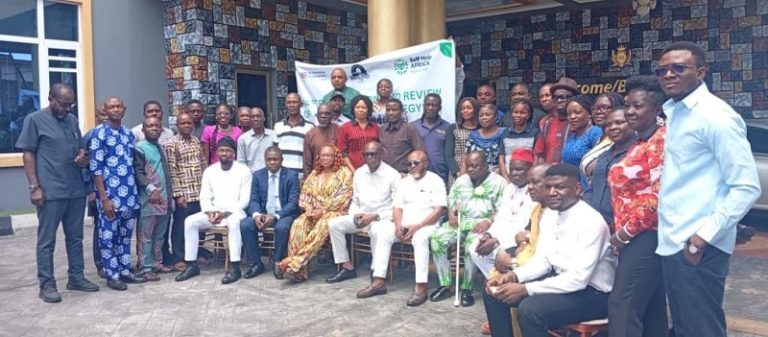
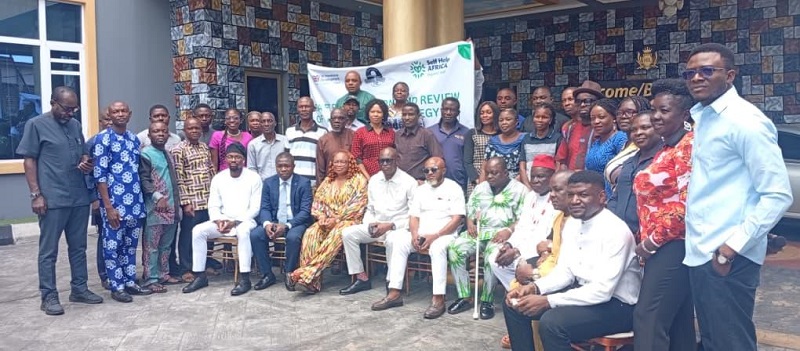
Efforts to tackle open defecation in Cross River State gained momentum as stakeholders in the water, sanitation and hygiene (WASH) sector backed a proposed law aimed at strengthening sanitation enforcement across the state.

The support was expressed during a public hearing on the Open Defecation Prohibition Bill held at the Cross River State House of Assembly in Calabar, the state capital.

Programme Manager of Self Help Africa, Ferdinand Anok, described open defecation as a persistent sanitation challenge in the state, warning that it continues to threaten public health and environmental safety.

Ferdinand Anok
Programme Manager, Self Help Africa, Ferdinand Anok

According to him, statistics indicate that 41 per cent of the state’s population still practices open defecation, while access to basic WASH services remains inadequate. He said only eight per cent of schools, 0.4 per cent of healthcare facilities and six per cent of public places have access to basic sanitation services.

Also contributing, the lawmaker representing Etung State Constituency, State House of Assembly, who is also Chairman, Committee on Water Resources and Hygiene, Kingsley Ntui, called for stricter enforcement measures to discourage the practice, particularly in ravines, uncompleted buildings and drainages.

He noted that the proposed legislation would provide legal backing to sanitation regulations and help reduce disease outbreaks linked to poor hygiene and contaminated water sources.

Ntui added that Nigeria’s target to end open defecation has recorded slow progress, making state-level legislation necessary to accelerate results.

Relevant stakeholders in the water sector also stressed the importance of public awareness, improved infrastructure and coordinated government action to address sanitation gaps.

They said the bill, when passed, would reinforce existing WASH policies, promote accountability and support Cross River State’s plan to eliminate open defecation by 2030.

Stakeholders expressed confidence that the proposed law would strengthen sanitation governance and improve hygiene conditions across communities in the state.

By Stina Ezin, Calabar 

×