27.2 C
Lagos
Tuesday, February 10, 2026
Home Blog Page 28

Princess Chigbo: Police arrests armed robbery suspects, programme of activities unveiled

0

The Federal Capital Territory (FCT) Police Command says it has recorded a major breakthrough in its sustained fight against violent crime with the arrest of three notorious armed robbery suspects involved in “one-chance” criminal operations and the gruesome murder of a legal practitioner, Barrister Chigbo Princess Nwamaka Mediatrix.

The arrest followed directives issued by the Commissioner of Police, FCT Command, CP Miller Dantawaye, PSC, to ensure that all perpetrators connected to the murder of the victim and other similar crimes within the FCT are swiftly identified and brought to justice.

Between January 5 and 10, 2026, operatives of the Command’s Scorpion Squad, led by ACP Victor Ogbeide Godfrey, acting on reconstructive digital intelligence, tracked the victim’s mobile phone and conducted follow up operations at Dei-Dei, Dakwa, and Dan-Tata communities within Kubwa Area of the FCT.
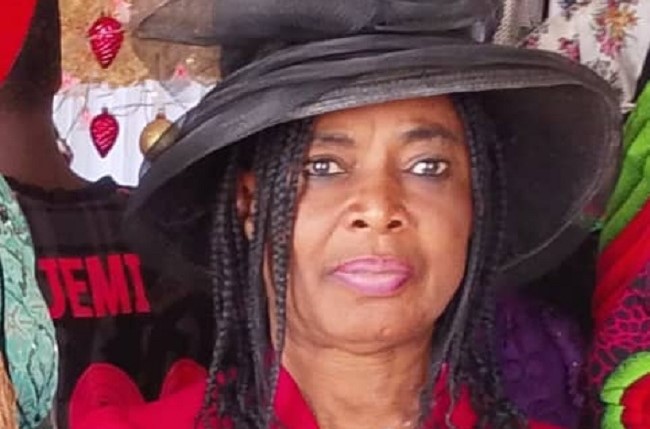
Princess Nwamaka Mediatrix Chigbo
The late Princess Nwamaka Mediatrix Chigbo

These intelligence-led operations led to the arrest of the following suspects:

1. Saifullahi Yusuf (Male, 22 years) – from Kaduna State, resident at Dan-Tata Community, Dei-Dei, Abuja.

2. Ishau Yusuf (Male, 24 years) – from Kaduna State, resident at Dan-Tata Community, Dei-Dei, Abuja.

3. Minka’ilu Jibril, also known as Dan-Hajia – from, Kaduna State.

The first and second suspects are said to be biological brothers.

Preliminary investigation revealed that the suspects are members of a notorious “one-chance” armed robbery syndicate that has been operating on and off within the FCT for several years, particularly during festive periods.

Further investigations revealed that, on January 5, 2026, at about 5:50 p.m., Barr. Princess Chigbo unknowingly boarded their black Volkswagen Golf 3 vehicle along the Kubwa Expressway, unaware that the occupants were criminals. Upon entry into the vehicle, the suspects wound up the tinted windows and threatened the victim with weapons in an attempt to force her to pay ransom for her own release. When she allegedly refused to cooperate, she was physically assaulted and pushed out of the moving vehicle along the Kubwa Expressway, resulting in her death.

The suspects further admitted to dispossessing the victim of her Android mobile phone, which was later sold at Dei-Dei for the sum of ₦120,000. From which: Minka’ilu Jibril received ₦30,000, Saifullahi Yusuf received ₦15,000, and Ishau Yusuf and another suspect currently at large, Musa, shared the remaining amount.

During the arrest, the following exhibits were recovered from the suspects: five scissors, two sharp dagger knives, two knives, one long chain used for restraining victims, and one plier.

These items are believed to have been used in the commission of their criminal activities.

Investigation is ongoing, stated the Police, adding that intensive efforts are in top gear to apprehend the remaining suspect currently at large, as well as to uncover any additional criminal networks linked to the syndicate.

The Commissioner of Police, FCT Command, CP Miller Dantawaye, PSC, commends the professionalism and dedication of the operatives involved and reassured residents of the FCT that the Command remained resolute in its commitment to rid the Territory of criminal elements.

The Police advised members of the public to remain vigilant, avoid boarding unregistered or suspicious vehicles, and promptly report any suspicious activities through the Commands emergency numbers: 08032003913, 07057337653.

SP Josephine Adeh, Police Public Relations Officer, FCT Police Command, Abuja, disclosed that further updates would be communicated as investigations progress.

Meanwhile, major groups which late Barrister Princess Mediatrix Nwamaka Chigbo was aligned with, have rolled out a programme of activities to honour her before her corpse is taken to her home state, Anambra. 

The groups, who have announced their activities, are the Blessed Iwene Tansi Catholic Community of St. Mary John Vianney (SJMV) Lugbe, Abuja, and Global Association of Female Attorneys (GAFA). 

According to SJMV, there will be a three-day prayers, hymns and Requiem Mass for late Barrister Chigbo at SJMV Catholic Church, Lugbe, Abuja, F.C.T.

The activities will begin on Monday, January 12, by 5.30pm and will be led by Sacred Heart Society. This will be followed by evening Mass. 

On Tuesday, January 13, Iwene Tansi Community will lead the prayers starting by 5.30pm and end with the celebration of evening Mass. 

On Wednesday, January 14, there will be Requiem Mass for the repose of the soul of late Princess Nwamaka Mediatrix Chigbo to round off the prayer sessions starting 6.00pm.

On Thursday, January 15, Our Lady Queen of Nigeria Procathedral, Area 3, Abuja, will celebrate Requiem Mass for the soul of late Barrister Chigbo. All the society she belongs such as Infant Jesus, Mother of Perpetual Help, Legion of Mary, Divine Mercy are expected to be at the Mass. 

The Requiem Mass will begin by 6pm.

Additionally, the Global Association of Female Attorneys will host a night of tribute on Friday, January 16, to honour the life, legacy, and cherished memories of Princess Mediatrix Chigbo. 

According to Chinelo Virginia Iriele, president, Global Association of Female Attorneys, “This will be a moment of reflection, remembrance, and mutual support as we celebrate a life well lived and bid her a peaceful farewell.

“Though words may never fully capture the depth of our sorrow, your presence will mean a great deal to us as we come together to honour her enduring impact and beautiful legacy.”

The venue for the night of tribute is Delight Garden and Park, Plot 990, Joshua Madaki Close, Apo Zone E, by Start-Rite School, Abuja.

The event will start by 4:00pm and the dress code is black. 

Realnews reports that the late Barrister Chigbo’s family announced the death of Princess Nwamaka Mediatrix Chigbo, an Abuja-based lawyer, at the hands of still-to-be-identified kidnappers in the Nigerian Federal Capital Territory on Monday, January 5, 2026.

Nwamaka was the elder sister of Dr. Maureen Chigbo, Editor/Publisher of Nigeria’s pioneer online Realnews Magazine, Barrister Mrs. Anthonia Ejenike of the Ministry of Justice, and Nwakaego Chigbo. Her brothers are Celestine Chigbo of Jogene Enterprises and Gerald Chigbo of Sparklinks Nigeria Ltd. 

According to a statement by the Chigbo’s family, Nwamaka, before her abduction, was on the phone with Anthonia, another sister, who briefly interrupted the call to attend to a client.

“When Anthonia reverted, Nwamaka’s phone was still live, with her distress cry heard in the background before the phone suddenly went dead and unreachable,” the statement added.

“Anthonia alerted her elder sister, Maureen Chigbo, and other family members, who called the lawyer’s number repeatedly to reach her or her abductors to no avail,” the statement continued, adding: “When a call finally went through, a male voice rained curses in English and Hausa language, saying: “Thunder fire you there, send three million Naira or else we will kill her.”

According to the statement, the captors gave no further details and abruptly terminated subsequent calls.

The family contacted the police, who sprang into action, assuring that they were tracking the kidnappers, who were said to be “in motion and would likely drop the lawyer off once they might have collected the ransom,” the statement further said.

“The kidnappers never initiated any calls, and when Nwamaka’s family members reached them through her phone for clarification on how the ransom would be paid, they only heard the lawyer screaming in pain, “I am dying. …save me, please send the money, I am dying,” before the phone finally went dead again,” the statement added.

While making frantic efforts for Nwamaka’s rescue, the family said, they were informed on Tuesday, January 6, that “a lady had been found in a critical condition and taken to an Abuja specialist hospital.”

According to the statement, Maureen “immediately took a flight from Lagos to Abuja and on reaching the hospital, saw her sister’s lifeless body in the mortuary with bruises, swollen eyes and a cracked skull, all signs of a tortured death.”

The Chigbo family has met with the Police authorities, who assured them that the case was under investigation and that the culprits would be apprehended, the statement added.

Nwamaka was a former Treasurer of the Nigerian Bar Association, Abuja, a member of the International Federation of Women Lawyers (FIDA), and the Global Association of Female Lawyers (GAFA). She had also served as President of the Catholic Lawyers Association, Abuja Branch.

A devout Catholic, Nwamaka authored a book on Infant Jesus, and until her death, was the vice president of the Infant Jesus Association, and a member of the Mother of Perpetual Help Catholic Group.

According to the statement, her family has expressed its “gratitude to the Police for their efforts and cooperation so far, and urges the force to ensure that justice is served in Nwamaka’s case.”

The family also thanked “Nwamaka’s friends, colleagues and well-wishers for their support and prayers,” the statement said, adding that her funeral arrangements “will be announced as soon as possible.”
N3.69bn Ondo Park project described a ‘misplaced priority’

The Peoples Democratic Party (PDP) in Ondo State has described the N3.69 billion Chief Reuben Fasoranti Park project by the state government as misplaced and insensitive to the economic plight of the people.

The state Chairman of PDP, Mr. Modupe Aisida, made the views known in an interview on Sunday, January 11, 2026, in Akure, the state capital.

The state government had in April 2025 approved N3.69 billion for the upgrade and vertical enhancement of the park, located directly opposite the Governor’s Office Complex, Alagbaka, Akure.

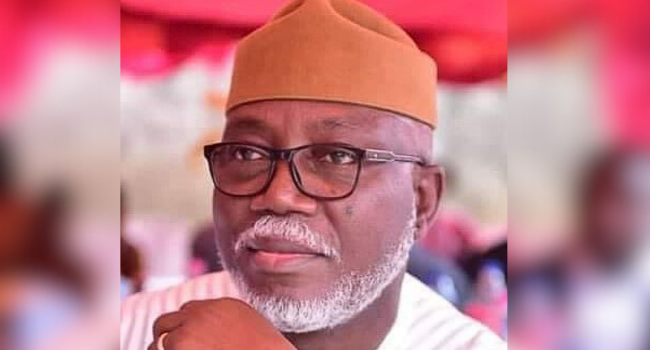
Lucky Aiyedatiwa
Gov Lucky Aiyedatiwa of Ondo State

Aisida argued that there were many pressing issues that should be focused on by the government and not a park that would gulp one per cent of the total capital expenditure of the state’s 2026 budget.

“They said that the Chief Reuben Fasoranti Park project opposite Governor’s Office is being done at the cost of N3.69 billion.

“That means that one per cent of the capital expenditure of the state’s budget in 2026 with people of six million is being spent on a park in front of Governor’s Office.

“And if you want to build a park, should it be opposite government secretariat where they are doing serious work, a power house of government.

“Park should be a place of relaxation where people think they can be on their own. It’s really laughable.

“This is a state where you have countless dilapidated school buildings; there are some health centres where you go and cry for the state. So, we need this money for serious things and not for a park,” he stated.

He decried the neglect of critical projects by the state government, saying that life impactful projects should have been the focus of Gov. Aiyedatiwa-led administration not “a mere relaxation centre.”

“We have housing deficit in the state except we want to deceive ourselves; that is why many companies are running around.

“They want to create estates because the government is not being proactive. Government used to do this in the past.

“What the state government is busy doing is chasing away civil servants living in Alagbaka and talking about building houses for political office holders.

“I wont criticise the government because I am the chairman of the opposition party. For me as a person, if I want to rate the state governor, it’s a straight F.

“I will always be objective in analysing issues and I will say which areas Gov. Lucky Aiyedatiwa has done much, but I’m trying to find the area and I’m yet to really pick it out,” he said.

According to him, it’s disappointing that the Shagari Estate flyover project is yet to be completed after over two years.

When our correspondent called the state Commissioner for Information and Orientation, Mr. Idowu Ajanaku, on his cell phone for reaction, someone who picked the call said he was unavailable. 

Work begins on 7th Axial Road linking Lekki corridor to Sagamu

Work has started on the Seventh Axial Road behind the Dangote Refinery, linking the Lekki Deep Sea Port corridor to Sagamu, Ogun State.

The Engineer’s Representative, Mr. Damola Oyeneye, told the Minister of Works, Sen. Dave Umahi, that the contractor had mobilised to site.

Oyeneye spoke during Umahi’s inspection tour on Saturday, January 10, 2026.

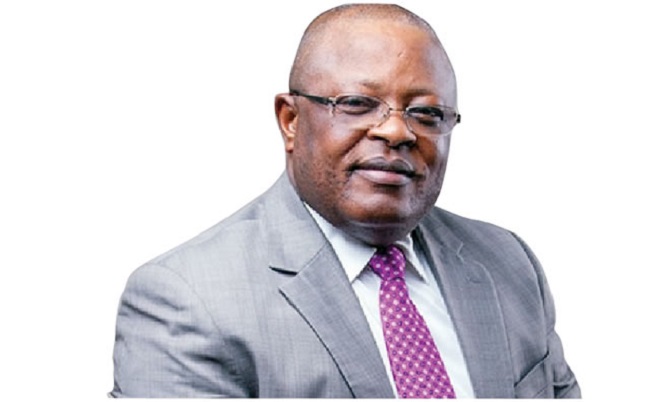
David Umahi
Minister of Works, David Umahi

China Harbour Engineering Company is the contractor executing the project.

“We have cleared six kilometres. Of the 12km stretch, about four kilometres are swampy, while the remainder is dry farmland.

“We are currently undertaking deep soil cleaning and sandfilling,” Oyeneye said.

Mr. Musa Saidu, a director at the Ministry of Works, said clearing had started from the coastal road under Lot One.

“They will begin filling on the alignment, which will be rigid pavement. The work, as seen, is progressing well,” he said.

Mr. Wang Jijun, Project Manager, said the firm is handling Lot One, covering site clearing, backfilling and topsoil removal.

“We have 33 units on site, but more than 120 pieces of equipment will be deployed,” Wang said.

He said lagoon sand would be sourced under four licences, following testing, to avoid community and ecological disruption.

Dr Eugene Itua of Natural Eco Capital said the project is registered with the environment ministry, with interim clearance approved and ESIA disclosure imminent.

He added that lagoon-crossing modelling and community engagement are ongoing.

By Lydia Chigozie-Ngwakwe

Worry as forced eviction of Lagos waterfront communities threatens thousands with displacement

0

Residents of informal settlements and civil society organisations (CSOs) have decried the Lagos State Government’s ongoing mass forced eviction that threatens tens of thousands of people of Makoko, Oko Agbon, and Sogunro communities with displacement without any form of resettlement, a move observers say violates subsisting court orders and Nigerian and international law.

Two days before Christmas on December 23, 2025, a first phase of demolition began to clear a 30-metre setback from the high-tension powerline that passes between the waterfront communities and the Third Mainland Bridge. The community cooperated with this exercise, understanding that the Building Control Regulations of Lagos State prescribe a maximum setback of 30-metres from the highest voltage powerline – and with assurances from community leaders that the Lagos State Government would provide some form of compensation for those affected.

Makoko
Makoko demolition

This first phase continued until January 3, 2026, stopping only on Christmas Day itself, displacing thousands and leaving them with no option than crowding into other people’s homes or sleeping in open canoes.

The communities’ resolve to cooperate with the demolition was reportedly based on assurances from the government that this would be a protection for the rest of the community. Thus, the communities were shocked on January 4, 2026, when suddenly the swamp buggies (or amphibious excavators) turned and began destroying buildings further into the community, pushing far beyond the 30-metre setback prescribed by the law.

Community members rose up in protest from January 4 to 5, 2026, but were met on January 5, 2026, by a violent show of force by the police officers protecting the demolition squad. Massive amounts of teargas were reportedly released across the community and houses were set ablaze. While this was ongoing, community leaders rushed to Alausa to meet with officials of the Lagos State Ministry of Physical Planning and Urban Development and were told that the Government would now be clearing an additional setback – threatening up to 100 metres or more – despite the fact that, according to the CSOs, such a large setback is nowhere provided for in the law and reverses prior assurances.

“As of January 9, 2025, the demolition has started to pass 100 metres’ setback and is still ongoing,” the groups, comprising the Justice & Empowerment Initiatives (JEI), Nigerian Slum/Informal Settlement Federation, Centre for Children’s Health, Education, Orientation and Protection (CEE-HOPE), Lagos Urban Development Initiative (LUDI) and Global Rights, submitted in a statement.

Makoko
A displaced Makoko resident

They added: “The ongoing demolition has already displaced thousands and tens of thousands are at risk. House numbering conducted by Makoko community youth with support from the Nigerian Slum/Informal Settlement Federation and Justice & Empowerment Initiatives (JEI) in 2020-2021 put the entire population of the four villages of Makoko over 80,000, with tens of thousands more in the neighboring villages of Oko Agbon and Sogunro. With the uncertainty of the threat and knowing that the Lagos State Government has already broken prior promises made to the people of Makoko, the numbers affected may even pass one hundred thousand – if not urgently stopped.

“Makoko and its neighboring communities are more than just a home. Dating back over 100 years, Makoko has become a Lagos icon where people from across the world come to appreciate the culture, unique architecture and community life. Fish smoked in Makoko feeds much of Lagos.

“This forced eviction is as heartless as any – taking place during the festive period and the worst economic crisis Nigeria has seen in decades – and its impacts on residents are the same as in all the forced evictions that have taken place across Lagos and Nigeria from the recent to the distant past. Ordinary citizens are left without shelter to guard their belongings and their bodies against looting, sexual assault, weather and mosquitos.

“Many will not find new shelter for months or years. Families are separated, forced to place their children in different places while the parents seek work. Children have no means to continue their schooling. Mental and physical health suffers.

“The ongoing forced eviction is part of the worst series of mass forced evictions witnessed since the military era, with hundreds of thousands evicted across Lagos communities since July 2023, starting with the forced eviction of Oworonshoki communities, and continuing with the demolition of Orisunmibare in February 2024, Otto communities in March 2024, and Oko Baba and parts of Aiyetoro communities in September 2024, the tragic demolition of Ilaje Otumara, Baba Ijora and neighboring areas in March 2025, and massive evictions in Oworonshoki from September – December 2025, displacing nearly the entire waterfront and communities further inland.

“These demolitions have taken place in violation of subsisting court orders and despite reneging on prior engagement between several communities, including Otumara and Makoko, and the Lagos State Government about partnership toward holistic planning and community-led regeneration.

As ancestral communities and the homes of the less privileged are razed at Makoko, leaving residents to live in wooden canoes, sandfilling for luxury real estate development by a private developer, FBT Coral Estate Limited, is ongoing between the high-tension powerline and Third Mainland Bridge – evidencing the continued collusion of the government with an oligarchy of powerful land-owning families and corrupt private developers around the State – and the continued trend of total disregard for rule of law and persistent violation of court orders.

“We condemn the ongoing forced eviction in no uncertain terms; and we call on the Lagos State Government and the Federal Government that stands behind to immediately halt the demolitions ongoing at Makoko, Oko Agbon, and Sogunro before Lagos loses an icon that cannot be rebuilt, and tens of thousands more join the ranks of people forced by their elected leaders into homelessness and desperate poverty in the heart of the ‘Centre of Excellence’.”

IPMAN rejects fuel imports as Dangote Refinery denies supply disruption claims

0

The Independent Petroleum Marketers Association of Nigeria (IPMAN) has voiced opposition to the continued importation of Premium Motor Spirit (PMS) into the country. The association also distanced itself from reports suggesting that the surge in petrol imports in November 2025 was linked to a breakdown in supply arrangements between Dangote Refinery and petroleum marketers, describing such claims as inaccurate and misleading.

According to IPMAN, the report does not reflect the reality experienced by its members. The association emphasised that the commencement of supply from Dangote Refinery has significantly improved product availability nationwide.

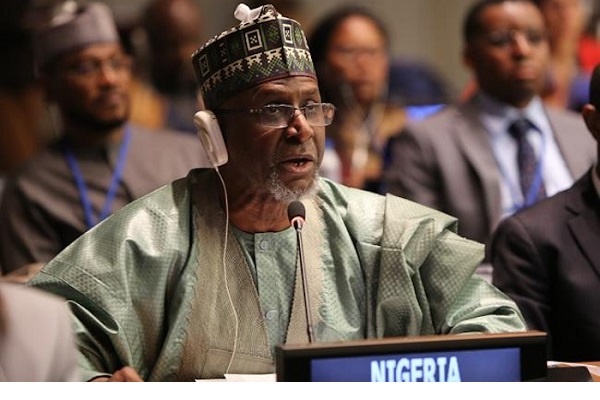
Abubakar Maigandi Shettima
IPMAN National President, Alhaji Abubakar Maigandi Shettima

Speaking on the issue, IPMAN National President, Abubakar Maigandi Shettima, stated:
“Our members fully support Dangote Refinery. Since supply began, marketers have consistently lifted products without any complaints. We oppose continued importation because Dangote Refinery has the capacity to meet the country’s entire PMS demand.”

Shettima further noted that members are satisfied with the reliability of supply and welcomed the refinery’s commitment to direct delivery to filling stations – a move he described as critical to stabilizing distribution and benefiting consumers. He stressed that improved access to locally refined products has eased supply pressures and boosted confidence among independent marketers, reaffirming IPMAN’s commitment to domestic refining as a sustainable solution for Nigeria’s downstream petroleum sector.

Similarly, Dangote Petroleum Refinery dismissed the media reports as baseless and inaccurate. In its statement, the refinery clarified that no supply agreement with marketers had collapsed, adding that its engagement with the downstream market was deliberately structured to meet rising demand and enhance access, competition, and efficiency.

The refinery disclosed that supply under the marketers’ arrangement began in October 2025 with an agreed offtake volume of 600 million litres of PMS. This was later increased to 900 million litres in November and further expanded to 1.5 billion litres in December.


“In line with market growth and absorption capacity, volumes were scaled up accordingly. Subsequently, and in line with downstream market liberalisation, we opened PMS supply to all qualified marketers, bulk consumers, and filling station operators,” the statement, signed by Group Chief Branding and Communications Officer, Anthony Chiejina, read.

Since December 16, 2025, Dangote Refinery has consistently loaded between 31 million and 48 million litres of PMS daily from its gantry, subject to market demand. These figures, the refinery noted, are verifiable against depot and loading records maintained under routine regulatory oversight.

To broaden participation and improve distribution efficiency, the refinery introduced several measures, including reducing minimum purchase volumes from two million litres to 250,000 litres and offering a 10-day credit facility backed by bank guarantees. These initiatives aim to enhance liquidity, support small and medium-sized operators, and reduce reliance on imported fuel.

The refinery added that this expanded access framework has driven higher utilisation of locally refined PMS and contributed to more competitive retail pricing, with domestic products priced significantly lower than imported alternatives. It also dismissed claims that marketers withdrew due to pricing concerns, affirming that its ex-gantry prices remain competitive, market-responsive, and aligned with import parity indicators while meeting all regulatory and quality standards.

Addressing the surge in petrol imports recorded in November, Dangote Refinery explained that the increase coincided with import licensing decisions approved by the former leadership of the Nigerian Midstream and Downstream Petroleum Regulatory Authority (NMDPRA), which sanctioned volumes beyond prevailing domestic demand. The refinery stressed that this development was unrelated to its operational capacity or supply commitments.

Dangote Refinery reaffirmed its commitment to reliable supply, transparency, and the orderly development of a competitive downstream petroleum market. It pledged continued collaboration with regulators and industry stakeholders to support Nigeria’s domestic refining, conserve foreign exchange, moderate prices, and strengthen long-term energy security.

GOCOP condoles with former president on death of her sister

0

The Guild of Corporate Online Publishers (GOCOP) has expressed its condolences to its immediate past president and the publisher of Realnews, Ms. Maureen Chigbo, on the death of her sister, Barrister Nwamaka Mediatrix Chigbo.

Barrister Chigbo was murdered by kidnappers in Abuja on January 5, 2026.

The Guild, in a condolence letter signed by its President. Mr. Danlami Nmodu, and the General Secretary, Mr. Sufuyan Ojeifo, expressed profound sadness over the passing of Barrister Chigbo.

Princess Nwamaka Mediatrix Chigbo
The late Princess Nwamaka Mediatrix Chigbo

The leadership of GOCOP recalled how the late lawyer diligently provided legal services to the Guild, even as it commended her dedication to the legal profession and her commitment to justice.

The letter reads in part: “It is with profound sadness and heavy hearts that we, the Guild of Corporate Online Publishers (GOCOP), learned of the tragic death of your beloved sister, Barrister Nwamaka Mediatrix Chigbo. Her brutal murder by kidnappers in Abuja on January 5, 2026, has left us all shattered and deeply disturbed.

“We can only imagine the immense pain and grief that you and your family must be going through in this unimaginably difficult time. The loss of a loved one is never easy, but to have it happen in such a violent and unexpected manner makes it even more unbearable. We want you to know that we stand with you in solidarity and share your sorrow.

“Barrister Nwamaka Mediatrix Chigbo was not just a sister, a daughter, or a friend; she was a shining example of dedication, passion, and commitment to her craft. Her legacy as a legal professional will undoubtedly continue to inspire and motivate those who knew her. We remember her for her strength, her resilience, and her unwavering commitment to justice.

“As a community of online publishers, we are deeply affected by the loss of this remarkable individual who was very close to us and offered tremendous services to the Guild when we needed her professional guidance.

“We understand the value of life, the importance of family, and the impact that one person can have on the lives of others. We want you to know that your sister’s memory will be cherished and honoured by all of us at GOCOP”, the letter further read.”

The Guild also expressed its condolences to the entire Chigbo family, the Nigerian Bar Association, FCT branch, as well as the associates and friends of Barrister Chigbo.

Sustaining HIV, TB, malaria gains amid declining donor support

0

When 32-year-old Grace Choji, who lives in Mpape, a satellite town in the FCT, swallowed her antiretroviral medication, she whispered a quiet prayer that the pills would still be available next month.

Choji, a front desk officer at a reputable real estate firm, has lived with HIV for 11 years.

She has a toddler, a job she loves, and carefully nurtured dreams of a stable future.

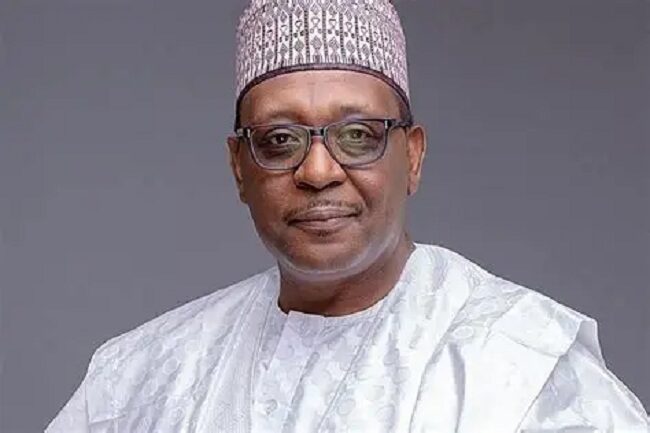
Muhammad Ali Pate
Coordinating Minister of Health and Social Welfare, Dr Muhammad Ali Pate

“I do not sleep well anymore. If the free treatment ends, I do not know how I will survive, or what will happen to my child,” she said.

Choji is one of an estimated 1.8 million Nigerians living with HIV, alongside hundreds of thousands battling tuberculosis and millions affected by malaria.

Their survival depends on medicines, preventive tools and health systems that have relied heavily on international donor support for more than two decades.

However, in 2025, that long-standing certainty is under threat.

Nigeria’s Coordinating Minister of Health and Social Welfare, Dr Muhammad Ali Pate, has warned that the country must begin to finance a far greater share of its HIV, tuberculosis and malaria response as donor funding declines.

Speaking at a House of Representatives investigative hearing into more than $4.6 billion in Global Fund and USAID grants received between 2021 and 2025, Pate said the probe was “a welcome step towards transparency, accountability and domestic ownership”.

“Donor funding has saved millions of lives, but underfunding threatens sustainability,” he cautioned, noting that Nigeria’s health spending still falls below the 15 per cent target set by the Abuja Declaration.

Similarly, the Speaker of the House of Representatives, Abbas Tajudeen, said lawmakers were determined to strengthen accountability, stressing that in spite massive investments, many Nigerians continue to suffer devastating health outcomes.

The motion to investigate the utilisation of donor funds was moved by Philip Agbese (APC, Benue), who warned that Nigeria remains among the world’s highest-burden countries for HIV, TB and malaria, despite billions of dollars in external assistance.

For Yahata Musa, a 46-year-old truck driver from Lugbe, another FCT suburb, the danger is already uncomfortably close.

Musa is undergoing treatment for Drug-Resistant Tuberculosis (DR-TB); a more complex and costly form of the disease that requires stronger medication and longer treatment periods.

“They told me my TB did not respond to the first medicine. Now the treatment is longer and harder. If the drugs stop coming, what happens to people like me?” he asked.

A clinician at the National Hospital, Abuja, who requested anonymity, said DR-TB cases were becoming “a very real clinical and financial threat”.

“These medicines are lifesaving, but they are also extremely expensive. Without donor support, most patients simply cannot afford treatment,” she said.

Public health economist, Chinyere Okafor, also expressed concern.

“Funding shocks do not merely pause services; they reverse progress.

“They increase deaths, fuel drug resistance and raise future costs. Communities feel the impact first,” she said.

Against this backdrop, civil society organisations are attempting to strengthen accountability from the grassroots.

The Civil Society in Malaria Control, Immunisation and Nutrition (ACOMIN) is expanding Community-Led Monitoring (CLM) under the Global Fund’s GC7 grant.

ACOMIN’s National Coordinator, Ayo Ipinmoye, said the initiative has already delivered measurable results.

These include advocacy that led to the procurement of N190 million worth of hospital equipment in Jigawa through the Association of Local Governments of Nigeria (ALGON), the restoration of services in several primary healthcare centres, and improved TB and HIV testing in Taraba.

“Community monitoring brings real-time evidence from the grassroots directly into policy conversations.

“We want this model scaled nationwide and integrated into pandemic preparedness efforts,” Ipinmoye said.

Currently, the intervention spans 13 states, working with 260 community-based organisations and 780 trained volunteers.

Meanwhile, the Global Fund is investing nearly $1 billion in Nigeria between 2024 and 2026 to combat HIV/AIDS, tuberculosis and malaria, strengthen health systems and improve pandemic preparedness.

The funding prioritises vulnerable groups, including women, children, pregnant women and key populations, while supporting treatment, service delivery, the distribution of insecticide-treated nets and stigma reduction.

HIV programmes focus on adults, children and key populations, with the aim of ending AIDS by 2030.

Tuberculosis interventions prioritise early detection, effective treatment and stigma reduction, while malaria efforts include the large-scale distribution of insecticide-treated nets and data-driven campaigns in states such as Delta and Adamawa.

In addition, health system strengthening initiatives target infrastructure, supply chains and the efficient use of resources, while pandemic preparedness programmes aim to build resilience against future health emergencies.

In February 2024, Nigeria received nearly $993 million in Cycle 7 grants; its largest single allocation from the Global Fund, part of more than $4.8 billion the country has received since the partnership began.

Collaboration with organisations such as FHI 360 and PharmAccess, aligned with PEPFAR, supports integrated service delivery nationwide.

Nevertheless, lawmakers are now demanding clarity on how these funds have been utilised and whether outcomes justify the scale of investment.

Agbese cited sobering data, noting that 51,000 AIDS-related deaths were recorded in Nigeria in 2023.

He added that the country ranks first in Africa for tuberculosis burden and accounts for 26.6 per cent of global malaria cases.

Without improved coordination and transparency, he warned, Nigeria risks missing the 2030 Sustainable Development Goals targets to end the three epidemics.

The House Committee on HIV/AIDS, TB and Malaria has been mandated to report its findings within four weeks.

Amid rising concern, Nigeria and the United States recently signed a $5-billion health sector Memorandum of Understanding (MoU), signalling a strategic pivot towards partnership and domestic responsibility.

Under the agreement, the United States will provide nearly $2 billion in grants between 2026 and 2030, while Nigeria has committed to increasing health spending to at least six per cent of federal and state budgets.

Over time, US-funded commodities will transition to full Nigerian financing by 2030, alongside investments in health data systems, workforce capacity and laboratory networks.

The MoU aligns with the Nigeria Health Sector Renewal Investment Initiative (NHSRII) and the Sector-Wide Approach (SWAp) launched under President Bola Tinubu, marking a gradual shift from donor dependence towards self-reliance.

Still, stakeholders caution that stigma, poverty, insecurity, workforce shortages and commodity stock-outs continue to shape daily survival.

Key populations face persistent discrimination, rural patients struggle with transport costs, flood-related malaria outbreaks threaten children, and drug resistance looms.

Ultimately, Alash’le Abimiku, Executive Director of the International Research Centre of Excellence (IRCE), stressed that Nigeria must increase predictable domestic funding; not just in words, but through executed budgets.

She added that transparency must extend beyond hearings, with parliamentary oversight enforcing genuine accountability, while communities remain central to the response.

“They are the first to feel system failures, and the strongest agents of change,” she said.

Meanwhile, Pate insisted that Nigeria will not abandon donor partnerships but must take ownership of its future.

For millions of Nigerians living with HIV, tuberculosis and malaria, 2025 must not be the year the system falters.

For them, the line between life and fear is measured in pills, tests, nets and trust.

As Nigeria moves towards self-reliance, one truth is clear: health security is not charity; it is survival.

By Abujah Racheal, News Agency of Nigeria (NAN)

The ‘People’ System: Why coordination is missing link in Nigeria’s food system

Consider the classic negotiation parable of two business owners fighting over a shipment of oranges; without understanding their interdependence, they engage in a bidding war. One pays excessively; the other gets nothing. Dialogue could have revealed that one needed the juice, while the other needed the peel for zest. Jointly purchasing the shipment would have met both needs at a lower cost.

This enduring illustration captures a recurring systems failure: as actors perform in silos, competition replaces coordination, shared value is destroyed rather than created, and inefficiencies become normalised.

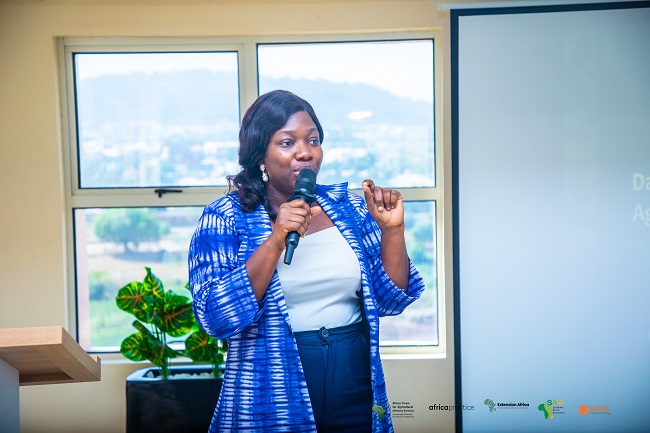
Folake Adebote
Folake Adebote

As Robert Axelrod of game theory observes, “In the long game, cooperative strategies statistically outperform aggression”. Yet, despite its simplicity, this knowledge remains strikingly absent in the engineering of complex systems, including Nigeria’s food and agriculture system.

At the centre of Nigeria’s food and agriculture system lies a truth we often overlook: systems are people. Usually, when we visualise the food system, we picture crops, livestock, machinery, distribution trucks, and perhaps the solitary figure of a farmer in a hat holding a cob of maize. Yet every node rests on people and functions through people: breeders, farmers, aggregators, processors, machine operators, researchers, state and federal MDAs, financiers, community leaders, transporters, technologists, and the countless informal actors who operate far from project documents but close to the realities of food.

This is why the food system cannot be easily transformed by adjusting a single technical component. Systems resist single-entry solutions. Still, there are Minimum Viable Solutions (MVS), practical levers that set a system up for real transformation. Coordination is a critical MVS in the food system, and this sociological side of transformation is the missing piece. For years, we have invested heavily in inputs, infrastructure, and technology, yet we see limited returns.

Why? Because we have not invested nearly enough in the relational work that allows these investments to land softly. The cost of this gap is measurable: whether we look at food inflation rates climbing past 35%, the recurring farmer–herder tensions, or the 40% of produce lost to post-harvest handling, one theme recurs: coordination gaps carry a high economic price tag.

“Soft” capabilities such as communication, conflict mediation, transparency, and accountability through structured dialogue must be treated as core agricultural skills. Coordination must happen vertically, horizontally, and diametrically; it is the connective tissue that aligns investment priorities and implementing actors with government direction, and private-sector incentives with societal norms. For instance, an improved seed variety succeeds only when researchers coordinate with local producers and producers with market demand (clients and customers). When this alignment holds, innovation becomes both desired and affordable.

The question is no longer “why”, but “how” we will build this resilient relational infrastructure, and the following are three practical steps essential as we formalise dialogue channels across the food system.

For vertical coordination, policies often fail because they are designed in isolation. We need mandatory “Reality Check” Policy Labs, not token meetings, but structured sessions where senior policy influencers across all relevant MDAs meet grassroots producers and local processors before launching major initiatives to confirm practical fit, for instance, that loan terms match the crop harvest cycle.  We must also re-imagine the role of the Agricultural Extension Agent (AEA). Rather than simply pushing technical advice downward, they must become Policy Translators.

We need to empower them to become Policy Translators. They need communication training to simplify regulations for communities and, in upward reporting, to convey ground-level realities, like a breakdown in the seed supply chain or a local resource need, to policymakers. This closes the gap between the field and the central capital, producing policies that impact.

For horizontal coordination, we must reduce friction and amplify impact across the ecosystem. Beyond commercial interactions, institutional coordination is crucial. Multilateral agencies and donors must establish “Alignment For a” that move beyond mere information sharing towards jointly defining priorities, eliminating duplicated funding, and enabling a deeper focus on real problem areas. At the grassroots, communal and cluster platforms must be supported to self-organise, manage dissent, and strengthen collective agency. Commodity-specific roundtables and market associations, when coordinated, can influence trade contracts, quality standards, and even policy direction, potentially eliminating price uncertainty, post-harvest losses, and the institutional friction that derails progress.

Diametrical Coordination is essential for stability. It involves the delicate work of managing competing interests, for instance, around land use. Rather than sporadic and reactive interventions, we need institutionalised “Regional Conflict Mediation Platforms”, permanent, multi-stakeholder forums comprising community leaders, farmer/herder representatives, and security agencies that meet proactively to resolve disputes before they escalate. Furthermore, Regulators and trade associations must convene Joint Regulatory Review Panels to ensure new standards support both compliance and economic growth, reducing arbitrary bottlenecks at major large-scale aggregation points, such as food hubs supplying cities

As people of and within the system, disagreements are inevitable. The goal of dialogue is not to forcefully homogenise perspectives, but to commit to four principles: reconvene consistently, listen actively, build consensus where possible, and keep the door open to engagement. Nigeria’s diversity means the “desired future” looks different to a smallholder in Katsina, an aggregator in Kaduna, a processor in Kebbi, a transporter in Kogi, a trader in Mile 12, or a seed company in Zaria. This diversity is the context we must work within, not a weakness.

Real progress depends on discovering reciprocity, and here collaboration becomes a survival strategy, not an option. When we recognise that we are all we have to make the system function, coordinated action becomes the currency that allows the system to self-correct. So, to the food system champions across the private, public, and multilateral sectors: If we can get this human side right, our communication, cooperation, and accommodation, we may find that our systems respond faster and more sustainably than we ever dared to expect.

By Folake Adebote, consultant at Sahel Consulting Agriculture and Nutrition Limited

Experts urge climate-smart practices, say climate change worsening hunger, health risks 

A Climate Justice Advocate, Mr. Oluwatobi OjuOluwa, has warned that worsening climate conditions in Nigeria are fuelling hunger, health challenges and economic instability across the country.

OjuOluwa said this in Ibadan on Thursday, January 8, 2026, while speaking on the current climate situation in Nigeria and Africa.

He noted that changing weather patterns had made rainfall unpredictable and disrupted seasonal cycles Nigerians once relied on.

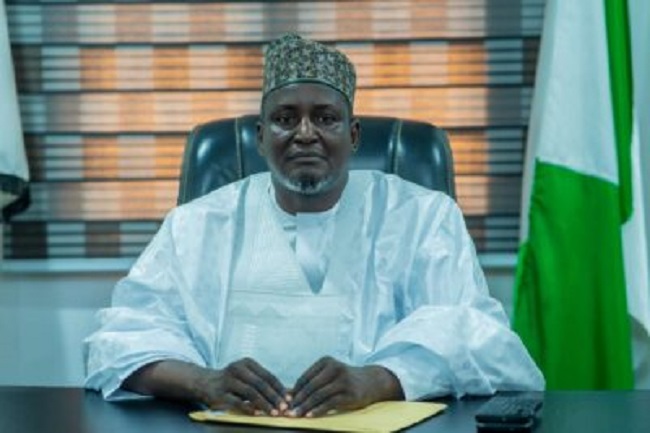
Balarabe Abbas Lawal
Minister of Environment, Alhaji Balarabe Lawal

He said that periods previously associated with harmattan and dry weather could no longer be clearly identified, adding  that rain could no longer be predicted.

According to him, human activities such as improper waste management, bush burning, deforestation and fossil fuel exploitation are major drivers of climate change.

He added that these have far-reaching consequences for livelihoods and public health.

“If there is hunger in the land, there is economic instability.

“Aviation cannot work well because the weather is not palatable, there is food insecurity and health issues, all of which are linked to climate change,” he said.

OjuOluwa explained that climate action, captured under Goal 13 of the Sustainable Development Goals (SDGs), was central to achieving other development targets, including poverty reduction, food security and improved health outcomes.

He also pointed out that although Africa contributes less than four per cent of global emissions, the continent bears a disproportionate burden of climate impacts due to limited resources to adapt and respond.

“The government cannot do it alone. Every individual is also a government in their own space. What am I doing? What are you doing? These are the questions we must ask,” he said.

The expert called on governments, non-governmental organisations and international partners, to scale up action through funding, capacity building and grassroots engagement, particularly by empowering young people to drive climate solutions.

He expressed optimism that sustained climate action would help address hunger, poverty, health challenges and inequality, while securing a better future for coming generations.

An environmental health specialist, Dr Festus Imuk, has called for the adoption of climate -smart practices to combat the effects of climate change on agricultural productivity.

He said the government should promote drought –resistant crops, improve irrigation, integrate renewable energy, and enhance farmer education and financial access.

Imuk made the call in an interview on Thursday in Abuja.

According to him, climate change is already reducing agricultural productivity in Nigeria and threatening rural livelihoods and food security.

“The effects occur through changes in rainfall, rising temperatures, and more frequent extreme weather events.

“It cut across crops, livestock, fisheries, and farm incomes, and are especially severe because most Nigerian farming is rain-fed,” he said.

The expert said that promoting climate-smart agriculture would require developing and distributing improved seed varieties that can withstand extreme weather.

He said that crop rotation, agroforestry, and mixed farming should be encouraged to reduce risks.

“Government should further promote mulching, cover crops, and rainwater harvesting to maintain soil fertility and moisture,” he said.

The expert also called on the Ministry of Agriculture and Rural Development to align with climate change agencies for coordinated action.

“Government should also establish climate information services to alert farmers about droughts, floods, and heat waves.

“Accordingly, deforestation should be prevented while promoting sustainable land management,” he said.

Imuk said digital tools such as mobile apps for weather forecasts, pest alerts, and market prices should be encouraged for usage.

“Solar-powered irrigation and cold storage reduce emissions and improve resilience.

“Climate-friendly machinery reduces dependence on manual labour and increases efficiency,’’ he said.

By Ibukun Emiola and Sylvester Thompson

UN regrets U.S. withdrawal from dozens of international organisations

0

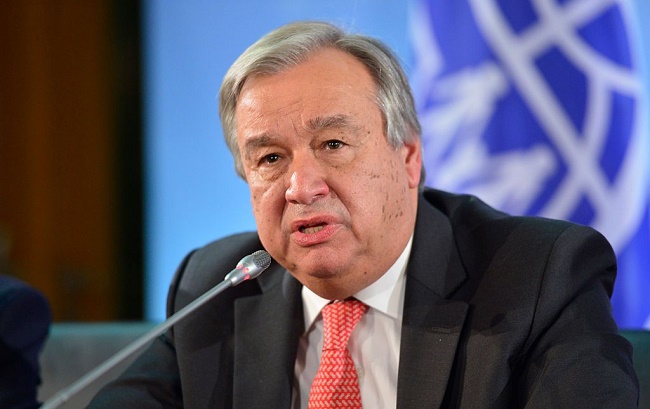
UN Secretary-General, António Guterres, has expressed regrets over the decision of the White House to withdraw the United States from 35 international organisations and 31 UN entities.

Guterres, in a statement by the UN Spokesperson, Stéphane Dujarric on Thursday, January 8, 2026, in New York, said the UN has a responsibility to deliver for those who depend on the organisation.

President Donald Trump had directed the immediate withdrawal of the U.S. from some international organisations, Conventions, and Treaties that his administration considers as being contrary to the interests of the country.

António Guterres
UN Secretary-General, António Guterres

In a White House Memorandum, dated January 7, 2026, Trump said that the action was the outcome of a report by the U.S. Secretary of State Marco Rubio following his Executive Order 14199 of February 4, 2025.

The Order was entitled “Withdrawing the United States from and Ending Funding to Certain United Nations Organisations and Reviewing United States Support to All International Organisations”.

Trump said that after reviewing the report of the Secretary of State, he had directed the immediate withdrawal of the U.S. from 35 non-UN and 31 UN organisations.

“I have considered the Secretary of State’s report and, after deliberating with my Cabinet, have determined that it is contrary to the interests of the United States to remain a member of, participate in, or otherwise provide support to the organisations listed in section 2 of this memorandum.

“Consistent with Executive Order 14199 and pursuant to the authority vested in me as President by the Constitution and the laws of the U.S. , I hereby direct all executive departments and agencies (agencies) to take immediate steps to effectuate the withdrawal of the United States from the organisations listed in section II of this memorandum as soon as possible.”

Trump added that “for United Nations entities, withdrawal means ceasing participation in or funding to those entities to the extent permitted by law”.

“My review of further findings of the Secretary of State remains ongoing,” the U.S. leader stressed.

Trump’s decision affects 31 UN agencies and entities.

These include the UN Population Fund (UNFPA), which supports maternal and child health, and combatting sexual and gender-based violence.

Also affected are the UN Framework Convention on Climate Change (UNFCCC), which fosters global cooperation against climate change, and the UN Democracy Fund, which funds and mentors civil society projects for democracy.

Other offices of the UN Secretariat based in New York and elsewhere, such as those dealing with children in armed conflict and ending sexual violence as a weapon of war, are also affected.

The list also includes four of the five UN regional commissions (Asia-Pacific, Western Asia, Africa, and Latin America and the Caribbean), which are key platforms for multilateral cooperation.

The United States is the largest assessed contributor to the UN, responsible for 22 per cent of the regular budget and approximately 26 per cent of the peacekeeping budget as of 2025.

While assessments for peacekeeping can exceed 26 per cent, U.S. law caps payments at 25 per cent, creating arrears.

As of January 2026, the U.S. has not paid its 2025 assessed contributions, leading to significant arrears that have reached approximately $1.5 billion, the largest of any member state.

However, UN Secretary-General said in spite of the U.S. withdrawal, the work of the UN would continue.

“As we have consistently underscored, assessed contributions to the United Nations regular budget and peacekeeping budget, as approved by the General Assembly, are a legal obligation under the UN Charter for all Member States, including the United States.

“All United Nations entities will go on with the implementation of their mandates as given by Member States,” Guterres said.

He underscored that “the United Nations has a responsibility to deliver for those who depend on us”.

“We will continue to carry out our mandates with determination,” he stressed.

Under the UN Charter, assessed contributions to the Organisation’s regular and peacekeeping budgets are approved by the General Assembly and are considered binding obligations for all Member States.

By Tiamiyu Prudence Arobani

×