35.6 C
Lagos
Saturday, February 28, 2026
Home Blog Page 27

Why eliminating child marriage is key to seizing Africa’s demographic dividend

0

Africa’s future prosperity rests on its daughters

Africa is home to an estimated 160 million adolescent girls aged 10 to 19. They embody the energy, creativity and potential of the continent. It is undeniable that the “Africa we want”, as envisioned in the African Union’s Agenda 2063, cannot be achieved without the full participation of this group, which represents an essential component of the continent’s current and future workforce.

However, one of the most persistent obstacles to achieving this vision is the prevalence of child marriage and its negative impact on the productive capacities of children in Africa. Child marriage is among the most underestimated structural constraints that hinder the African continent’s ability to harness its demographic dividend.

Child marriage
Child marriage

Africa’s daughters are still being left behind

The statistics paint a worrying picture. According to the World Bank, in Africa (excluding North Africa), four out of 10 between the ages of 15 and 19 are neither in school, nor employed, nor married, nor mothers, compared to just over one in 10 boys. On average, nearly one-third (32%) of young women (15-24 years old) are not employed, are not pursuing any education, are not in any (NEETs), compared with 23% of boys in the same age group.

In Africa, 130 million women and girls were married before their 18th birthday, the highest rate to the world (UNICEF, 2025). The prevalence of child marriage varies across the continent. Central and West Africa bear a disproportionate share of this problem. But even North Africa, which has the lowest rate, although still significant, shows that this odious practice persists throughout the continent. In addition, nine of the 10 countries with the highest incidence of child marriage are in Africa.

The economic costs are considerable.

Child marriage is most often presented as a human rights violation or a social and health problem. and indeed, complications related to pregnancy and childbirth remain a major cause of death among adolescent girls. However, these tragic and most visible aspects are only part of the problem.

Less visibly, but child marriage is more common, associated with first pregnancies and effectively excludes girls from education and formal economic participation at a stage when investments in skills and learning are most cost-effective. In addition to limiting the future of individuals, this practice has major economic consequences for African countries and regions.

For Africa, as for some other developing countries, child marriage is a major economic distortion and unresolved. Child marriage distorts the accumulation of human capital and the distribution of labour, with major economic consequences for productivity and growth. Specifically:

  • Child marriage interrupts schooling, limits skills acquisition and hinders women’s participation in the labour market formal;
  • Girls who are married young are much more likely to work in unpaid care work or to end up in activities informal sectors with low productivity, with limited prospects for upward mobility.
  • Child marriage limits girls’ full integration into society by depriving them of their rights, identity and capacity to act. It creates dependency and hinders their leadership potential.

The consequences for African labour markets are particularly severe. Productive structural transformation requires a workforce that can move from low-productivity activities to higher value-added sectors, including manufacturing, modern services and the digital economy. When schooling and skills acquisition girls are interrupted, the supply of skilled labour for these sectors decreases. As a result, the incentives for entrepreneurs to create and develop productive enterprises are reduced. At the macroeconomic level, growth productivity, job creation in the formal sector and diversification into high value-added activities are reduced.

The economic costs of child marriage are passed on from generation to generation. This practice is closely linked to early and high fertility, increased maternal morbidity and mortality, and lower educational and health outcomes for children. If no action is taken, these social consequences lead to a decrease in of the human capital (education and health) of the next generation, thus reducing labour productivity and innovation. Ultimately, they are a persistent obstacle to fiscal sustainability, regional integration and growth inclusive.

These dynamics undermine Africa’s chances of reaping the benefits of its demographic dividend. While population growth While the continent’s active population is seen as a potential source of accelerated growth, provided adequate investment in health, education and job creation, child marriage is aggravated by the reduction in female employment in the formal sector. As a result, productivity gains are below potential, and risks related to demographic opportunities are turning into a major demographic crisis.

Despite its negative macroeconomic implications, child marriage is not taken into account in frameworks and discussions that underpin macroeconomic planning and policies in Africa. It is usually addressed through social or legal interventions, while macroeconomic strategies, industrial policies and tax frameworks are considered as if these human capital constraints were exogenous. This lack of communication leads to systematic underinvestment in one of the main impediments to Africa’s productivity.

Policymakers and the population at large need to rethink the issue of child marriage.

From an economic perspective, the case for investing in girls is compelling. The analyses show systematically that investments in girls’ education and health generate high returns on investment, increasing their lifetime earnings and boosting productivity. Closing the gender gap education, employment and decision-making could add up to US$1 trillion to Africa’s GDP by 2043. Estimates also suggest that every US dollar invested in the health, education and empowerment of adolescent girls can generate significant economic returns over time.

Turning evidence into effective policy will require a shift in approach: eliminating marriage The development of children must be considered as a central element of Africa’s economic strategy. Indicators related to education, employment and the burden of unpaid care work of adolescent girls must therefore be fully integrated into macroeconomic frameworks. labour market projections and productive capacity assessments.

In this context, addressing the problem of child marriage in Africa is an economic necessity, as the success of the continent’s transformation depends on full mobilisation the productive potential of its population. This requires sustained investment in girls, as economic actors and not simply as beneficiaries of social programs.

Africa needs to finance the future of its daughters, and measures such as strengthening domestic resource mobilisation, Gender-responsive budgeting and positive social and environmental impact bonds could make a significant contribution to this. In addition, policymakers should consider public spending to reduce child marriage and support the continuation of girls’ education as investment expenditure and not as simple social expenditure. This would align fiscal frameworks with long-term growth objectives.

Eliminating child marriage alone will not guarantee that Africa will achieve its development goals. However, if this trend is not taken into account, this structural barrier will continue to hamper productivity, competitiveness and the implementation of Agenda 2063.

Recognise that ending child marriage is as much an economic imperative as it is a would constitute an important step forward. It would also put girls’ empowerment where it belongs: at the heart of the continent’s development strategy and its quest for inclusive and sustainable growth.

By Zuzana Schwidrowski, Director of the Gender, Poverty and Social Policy Division, and Omolola Mary Lipede, Associate Researcher


RDI urges NAFDAC to remain undeterred in enforcing sachet alcohol ban

0

The Renevlyn Development Initiative (RDI) has urged the National Agency for Food and Drug Administration and Control (NAFDAC) not to be intimidated by the alcohol and beverage industry’s blackmail tactics as it presses ahead with enforcing the ban on the production, distribution, and sale of alcoholic beverages in sachets, PET bottles, and glass bottles of 200ml or less.

The enforcement exercise, which began on January 22, 2026, is the culmination of more than two years of back and forth between NAFDAC and the alcohol industry over the implementation.

The Association of Food, Beverage and Tobacco Employers, and Distillers and Blenders Association of Nigeria had signed an agreement with the Ministry of Health and NAFDAC in December 2018 to phase out production of alcohol in sachet and PET bottles less than 200 ml by January 31, 2024.

Alcoholic drinks in sachet
Alcoholic drinks in sachets and small volume bottles

At the expiration of the deadline a further extension was given to enable members to adequately prepare for the ban.  

The Food, Beverage and Tobacco Senior Staff Association (FOBTOB), which claimed that the ban has disrupted operations of many of its members in different parts of the country, has criticised the policy. There has also been pushback from the Nigeria Employers’ Consultative Association (NECA) and the Manufacturers Association of Nigeria (MAN), both of which also hinged their arguments on job losses.

NAFDAC has however insisted that there is no going back on the policy, insisting that its decision was informed by health risks for children whose physiological systems are exposed to alcohol early and the damage it causes.

RDI Executive Director, Philip Jakpor, said: We must commend NAFDAC for this bold life-saving action. The enforcement of the ban on sachet alcohol is long overdue, and it is a step in the right direction. NAFDAC must remain undeterred by the usual rhetoric of the beverage and alcohol industry whose line of argument is usually about imaginary job losses because of their prioritization of profits over health.

“We have said it time and again that alcohol harm is a major but under-addressed driver of Non-Communicable Diseases (NCDs) and mental health conditions. Not only adults: Children are victims of this menace and science has proven it.”

While dismissing the beverage and alcohol industry arguments, Jakpor pointed out that it is a known and well documented fact that the industry and their front groups deliberately stand in the way of any form of regulation.

He cited the Movendi International 2025 Big Alcohol Exposed Report which documented 1,300 cases and 77 independent studies of the alcohol industry’s global system of interference that obstructs evidence-based alcohol policy despite strong public support.

“The sustained effort by alcohol lobby in Nigeria to kill and bury the enforcement of the sachet alcohol ban through a potential job loss claim is a clear testament that reinforces a statement in the Big Alcohol Exposed Report that the alcohol industry operates through concrete policy arenas, institutional arrangements, and political moments, adapting to local contexts while following a deliberate and recognisable global strategy.”

While urging NAFDAC to stand firm in the face of the gathering storm, he said that the new policy is epochal and would be a shining example to other African countries that are also entangled in the industry’s web of lies to sustain their grip on consumers including innocent children.

“We use this medium to commend NAFDAC and its director-general, Professor Mojisola Christianah Adeyeye, for placing the wellness of Nigerian citizens far and above profit motives.  Nigerians fully support this action. The false narrative and twisted rhetoric of the alcohol industry to continue business as usual will fail this time,” he insisted.

TASC’s Shelley Estcourt named Carbon Project Development CEO of the Year

0

Shelley Estcourt, CEO of Africa for leading carbon project developer, TASC, has been named Carbon Project Development CEO of the Year at CEO Monthly’s Female CEO of the Year Awards 2025.

The accolade recognises her leadership in scaling high-integrity carbon projects across the continent at a time when demand for credible African-generated credits is rapidly increasing.

Under Shelley’s leadership, TASC is said to have expanded its portfolio of clean cookstove, grassland restoration and other nature-based solutions, helping position Africa as one of the world’s most promising regions for transparent, socially impactful carbon projects.

Shelley Estcourt
Shelley Estcourt, CEO of TASC Africa

With Article 6 frameworks now taking greater shape and confidence returning to the voluntary carbon market, Shelley has been a strong advocate for Africa’s ability to supply high-quality credits that deliver real climate outcomes while transforming local communities.

Of the accolade, Shelley Estcourt said: “This award arrives at a critical juncture for African carbon markets. It reflects not just my work, but the dedication of our team across South Africa and the wider continent who are committed to delivering high-impact, high-integrity climate solutions. With clearer Article 6 pathways and growing awareness of the co-benefits that credible carbon projects can create – from cleaner air to women’s economic participation – our continent is entering a pivotal moment. I’m confident that 2026 will be a breakthrough year for African carbon markets.”

Nick Marshall, CEO and Co-Founder of TASC, added: “Shelley has led our South African business from strength to strength. Her drive, integrity and deep understanding of both community needs, and investor expectations have been pivotal to TASC becoming the largest carbon project developer in South Africa. We’re incredibly proud of her achievements and excited for what her leadership means as we head into 2026, a year that promises enormous progress for high-quality African carbon projects.”

TASC says it works across the continent to identify, structure and scale commercially viable carbon projects that deliver measurable climate impact, durable co-benefits and long-term value for African partners and communities.

Credibility of France’s climate leadership on the line as Senate votes to revive oil and gas extraction overseas

0

At a time when the climate crisis has never been more urgent, the French Senate on Thursday, January 29, 2026, adopted a bill to revive oil and gas extraction in French overseas territories, in an unprecedented move to dismantle a cornerstone of French climate policy.

The proposal tramples on the legacy of the landmark 2017 Hulot Law, which prohibits the granting of new licenses for the exploration of oil and gas and mandates a complete end to all oil and gas extraction on French soil, including overseas territories, by 2040.

Emmanuel Macron
Emmanuel Macron, President of France

At odds with scientific evidence and the opinion of the International Court of Justice on the obligations of States with regard to climate change, the decision has been described as an insult to frontline communities who bear the brunt of climate impacts. At a time when every tenth of a degree counts, the bill severely undermines the credibility of France’s climate leadership.

Fanny Petitbon, 350.org France Country Manager, said: “France is shattering its international credibility. By opening French overseas territories to oil drilling, the Senate is effectively tearing up the Paris Agreement. This isn’t sovereignty, it is a betrayal of the country’s climate diplomacy and its own people. The claim that oil and gas extraction ensures energy sovereignty is a cynical lie that rings hollow for frontline communities, where rising seas and devastating cyclones demonstrate the true cost of fossil fuels. Instead of sacrificing these territories, French decision-makers must tax the windfall profits of fossil fuel giants and accelerate the shift to renewables for its energy needs.

“While the Government’s late opposition to this legislative proposal remains necessary, the National Assembly must now hold the line. France cannot pretend to be a climate champion while subsidising destruction at home. It is time to end the era of fossil fuels, not to entrench it further by ignoring the dignity of those on the frontlines.”

NNPC unveils Gas Master Plan 2.0, Ekpo says milestone represents nation’s devpt aspirations

0

As part of ongoing efforts to reposition Nigeria’s gas sector as the engine room of national industrialisation, energy security, and sustainable economic growth, the Nigerian National Petroleum Company Limited (NNPC Ltd) has officially unveiled its Gas Master Plan (GMP) 2026, tagged NGMP 2026.

The unveiling, held at the NNPC Towers in Abuja on Friday, January 30, 2026, marks a strategic inflection point in Nigeria’s energy transition journey, underscoring government’s resolve to translate the nation’s vast gas endowment into tangible economic value, infrastructure expansion, and global competitiveness, in alignment with its long-term development aspirations.

NNPC
L-R: Executive Vice President, Gas, Power & New Energy, Mr. Olalekan Ogunleye; Chairman of the Oil Producers Trade Section (OPTS) and MD of TotalEnergies Upstream Companies in Nigeria, Matthieu Bouyer; Permanent Secretary, Ministry of Petroleum Resources, Mrs. Patience Oyekunle; Board Chairman, NNPC Ltd, Engr. Ahmadu Musa-Kida; Minister of State for Petroleum Resources (Gas), Rt. Hon. Ekperikpe Ekpo; GCEO NNPC Ltd, Engr. Bashir Bayo Ojulari and Chairman of the Independent Petroleum Producers Group (IPPG) and CEO of Aradel Holdings, Mr. Adegbite Falade during the Official Launch of the NNPC Gas Master Plan 2026 in Abuja, on Friday

Speaking at the event, the Minister of State for Petroleum Resources (Gas), Ekperikpe Ekpo, described the Gas Master Plan as a deliberate pivot from policy articulation to disciplined execution, anchored on commercial viability and integrated sector-wide coordination.

“Today’s launch is not merely the unveiling of a document; it represents a deliberate shift towards a more integrated, commercially driven, and execution-focused gas sector, aligned with Nigeria’s development aspirations. Nigeria is fundamentally a gas Nation. With one of the largest proven gas reserves in Africa, our challenge has never been potential, but translation: translating resources into reliable supply, infrastructure into value, and policy into measurable outcomes for our economy and our people. The Gas Master Plan speaks directly to this challenge.”

Ekpo further noted that the Plan’s strong focus on supply reliability, infrastructure expansion, domestic and export market flexibility, and strategic partnerships aligns seamlessly with the Federal Government’s Decade of Gas Initiative, positioning natural gas as the backbone of Nigeria’s energy security, industrialisation, and just energy transition.

In his address, the Group Chief Executive Officer, NNPC Ltd, Bashir Bayo Ojulari, described the NNPC Gas Master Plan 2026 as a bold, effective execution-anchored roadmap designed to unlock Nigeria’s immense gas potential and elevate the country into a globally competitive gas hub.

Ojulari noted that with about 210 trillion cubic feet (Tcf) of proven gas reserves and an upside potential of up to 600 Tcf, Nigeria possesses one of the most consequential hydrocarbon basins in the world; one reinforced by the Petroleum Industry Act (PIA) and the Federal Government’s gas-centric energy transition agenda.

“The Plan is structured not just to deliver – but to exceed- the Presidential mandate of increasing national gas production to 10 billion cubic feet per day by 2027 and 12 billion cubic feet per day by 2030, while catalysing over 60 billion dollars in new investments across the oil and gas value chain by 2030.”

He explained that the Plan prioritises cost optimisation, operational excellence, and systematic advancement of resources from 3P to bankable 2P reserves, while strengthening gas supply to power generation, CNG, LPG, Mini-LNG, and critical industrial off-takers.

Reaffirming his personal commitment as Chief Sponsor of the initiative, the NNPC Ltd GCEO stressed that the Company has adopted a more collaborative, investor-centric approach in shaping the NGMP 2026, with strong alignment to industry stakeholders, partners, and investors.

In a goodwill message at the occasion, the Chairman of the Independent Petroleum Producers’ Group (IPPG) and CEO of Aradel Holdings, Mr. Adegbite Falade, said: “This is giving a shot in the arm to the economy which will bridge the gap between intent and reality. Gas thrives on value chain, from upstream to offtakers. As IPPG members, we reiterate our commitment and support to this initiative.”

Also lending his voice to the initiative, the Chairman of the Oil Producers Trade Section (OPTS) and MD of TotalEnergies Upstream Companies in Nigeria, Matthieu Bouyer, thanked the NNPC Ltd for the ambition behind the NNPC GMP, stressing that his organisation supports the core operating principles of the Plan.

The Gas Master Plan 2026 is expected to serve as the definitive framework for coordinated gas sector development, execution discipline, and value creation over the next decade.

The Gas Master Plan 2026 is an offshoot of the Nigerian Gas Master Plan (NGMP) 2008, which is a strategic framework aimed at maximizing the economic benefits from the country’s abundant gas resources. Another significant dimension to the NGMP 2026 is the utmost attention to full alignment with the Nigerian Decade of Gas Programme.

LAWMA warns against attacks on enforcement officers

The Lagos State Waste Management Authority (LAWMA) has warned members of the public against attacking, harassing or obstructing its enforcement officers while carrying out lawful duties across the state.

This is contained in a statement issued by its Managing Director, Dr Muyiwa Gbadegesin, on Thursday, January 29, 2026, in Lagos.

Gbadegesin expressed concern over recent incidents in which its enforcement personnel were threatened or assaulted in the course of enforcing environmental sanitation laws.

Muyiwa Gbadegesin
Managing Director/Chief Executive Officer of the Lagos State Waste Management Authority (LAWMA), Dr. Muyiwa Gbadegesin

He described such actions as unacceptable.

He noted that enforcement officers were deployed to protect public health, ensure compliance with waste management regulations and keep Lagos clean.

Gbadegesin stressed that any form of violence or intimidation against LAWMA officials would be met with the full weight of the law.

He said the authority’s enforcement activities were backed by the Lagos State Environmental Management and Protection Law, 2017.

The LAWMA boss urged residents to cooperate with enforcement officers, comply with approved waste disposal guidelines and report environmental infractions through appropriate channels rather than resorting to confrontation.

He reaffirmed the authority’s commitment to firm but fair enforcement, public engagement and the protection of its personnel.

Gbadegesin also called on community leaders, market associations and transport unions to support efforts aimed at promoting order, safety and environmental responsibility across the state.

According to him, LAWMA remains resolute in its mandate to deliver a cleaner, healthier and more liveable city for all residents.

Ghana, Fossil Fuel Treaty Initiative host High-Level National Dialogue on Just Transition

0

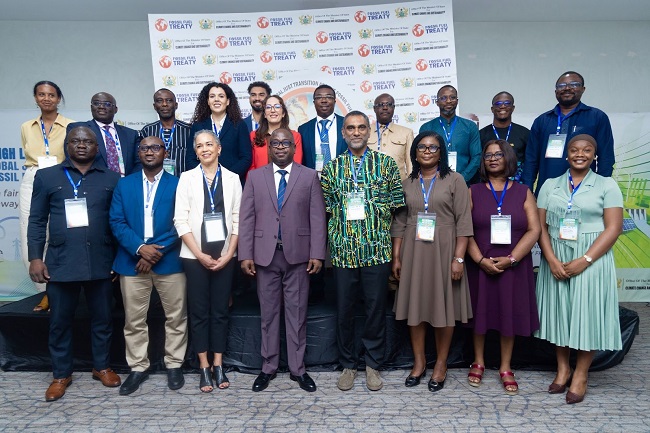
Ghana’s Ministry of Climate Change and Sustainability, led by the Minister Seidu Issifu, on Thursday, January 29, 2026, hosted a High-Level Dialogue in Accra, bringing together government officials, industry leaders and representatives across financial institutions and academia to explore how the country could both shape and benefit from emerging global frameworks for a just transition away from fossil fuels to equitable renewable energy systems, including a Fossil Fuel Treaty.

The convening marked a significant national moment to examine pathways for a fair, fast and financed transition and support the development of a coordinated engagement strategy and consultative process among sectors of Ghana’s society. The dialogue took place as the proposal for a Fossil Fuel Treaty, a mechanism to foster international cooperation for a managed and equitable global transition, continues to gain momentum globally.

Fossil Fuel Treaty
Participants at the High-Level Dialogue in Accra

In particular, as nations across the globe prepare for the First International Conference on Transitioning Away from Fossil Fuels, hosted by the governments of Colombia and The Netherlands in April 2026.

Ghana’s position at the intersection of deepening climate vulnerability and debt crisis highlights the growing urgency for a Fossil Fuel Treaty that would facilitate finance, technical support, pathways for economic diversification and debt relief for nations that are disproportionately burdened.

While 18 nations from the Pacific, Caribbean, Latin America and South East Asia are currently involved in discussions to advance the proposed Treaty, Ghana’s decision to host this high-level engagement signals its intent to actively contribute to the global conversation and to ensure that African priorities and realities are reflected in just transition frameworks.

Seidu Issifu, Minister of State for Climate Change and Sustainability, Republic of Ghana, said: “Ghana welcomes the idea of a Fossil Fuel Treaty and recognises the efforts of the growing bloc of nations already engaging in discussions across the Pacific, Latin America, the Caribbean, and Southeast Asia. As momentum builds, it is time for more African nations to join this bloc so that the terms of any future agreement prioritise Africa’s development needs, secure transition finance, unlock technology transfer, support debt relief, and ensure that no one is left behind.

“We see the proposed Treaty as a key piece of the puzzle, a framework that can help unlock finance, support debt relief, and create a fair global pathway to transition away from fossil fuels in line with the 1.5-degree goal. The global just transition will not be delivered by slogans. It will be delivered through patient diplomacy, credible finance, institutional reform, and political courage.”

Kumi Naidoo, President, Fossil Fuel Treaty Initiative, said: “This High-Level Dialogue is a vital step in ensuring that African voices and priorities shape both the Fossil Fuel Treaty process and the broader global transition away from fossil fuels. At a moment when the world needs solutions grounded in justice and equity, Ghana’s leadership shows that African nations refuse to be sidelined in defining the future of the transition and are ready to co-create the solutions.

“This engagement is essential to build an understanding that addresses the needs of the people first and foremost and contribute to a global framework that addresses the needs of other climate-vulnerable nations and accelerates meaningful action.”

Hubert Zan, Lead Mitigation Negotiator for Ghana, said: “A Fossil Fuel Treaty is doable. There are a few countries that have supported the proposal for a Treaty thus far, but there is a clear framework in which we can believe, and we hope that we will be able to adapt it. The objectives are ending the expansion of fossil fuels, managing the decline of existing production, and supporting the transition for workers and communities.

“It’s our shared responsibility to promote this proposal, in order to have more nations on board that identify with what we are trying to do. We need to provide a legal framework and finance and ensure that the pathways for the just transition are clear. Our collective actions will make sure that we are able to keep global warming under 1.5 degrees.”

The proposal for a Fossil Fuel Treaty is anchored in three pillars – a global just transition away from fossil fuels, where wealthy nations provide technical support and finance for developing nations to transition and equitably expand renewable energy access, diversify their economies and harness alternative development pathways; an end to the expansion of new fossil fuel projects; and an equitable phase out, which would require wealthy nations to phase out existing fossil fuel extraction first and fastest while providing support to fossil fuel dependent developing nations for the transition.

Lagos unveils WASH data platform, strengthens sector coordination

The Lagos State Government, with the support of WaterAid Nigeria, has reaffirmed its commitment to improved Water, Sanitation and Hygiene (WASH) service delivery with the unveiling of its WASH Management Information System (LAWMIS).

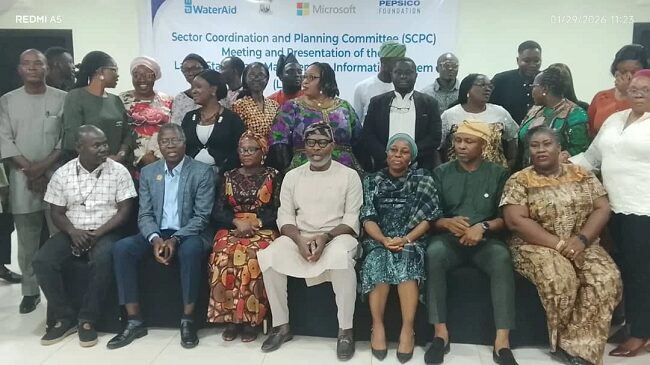
The platform was presented on Thursday, January 29, 2026, at the Sector Coordination and Planning Committee (SCPC) meeting of the WASH sector held at Amber Residence, Ikeja.

Speaking at the meeting, Mr. Mahmood Adegbite, Permanent Secretary, Office of Drainage Services and Water Resources, said the adoption of the Lagos State WASH Policy and the SCPC’s inauguration had provided a renewed mandate to harmonise interventions and accelerate service delivery across the state.

WASH sector
Participants at the Sector Coordination and Planning Committee (SCPC) meeting of the WASH sector

Adegbite said the meeting aimed at reviewing sector activities for 2025, aligning work plans for 2026, and identifying concrete deliverables toward achieving universal and sustainable WASH services.

According to him, effective coordination among Ministries, Departments and Agencies (MDAs), local governments, development partners and the private sector remains critical to eliminating duplication, improving accountability and ensuring efficient service delivery.

He noted that LAWMIS would strengthen planning, monitoring and reporting by providing reliable, real-time data to guide evidence-based decision-making in the sector.

In his presentation, the Lagos Project Lead, WaterAid Nigeria, Dr Adebayo Alao, underscored the importance of sector coordination as provided in the Lagos State WASH Policy.

Alao explained that while the Ministry of the Environment and Water Resources and its agencies formed the core of the WASH sector, effective service delivery depended on collaboration with other MDAs.

He listed other MDAs for collaboration as including Health, Education, Works, Physical Planning and local governments.

Alao said the Sector Coordination and Planning Committee served as a platform for aligning policies, investments and interventions.

He noted that challenges such as WASH in schools, cholera response, groundwater management and infrastructure protection required inter-agency collaboration.

Alao added that the overall goal of sector coordination was to build a vibrant, efficient and effective WASH sector in Lagos State, driven by policy, adequate financing and reliable data.

He also stressed the need for inclusive WASH infrastructure that catered for women, children, persons with disabilities and other vulnerable groups.

WaterAid Nigeria said its support for the coordination meeting aligned with its systems-strengthening objectives to improve governance, planning and coordination in the WASH sector.

The meeting also reviewed sector activities for the last quarter of 2025 and discussed plans for 2026, in line with the state’s approved budget and WASH policy implementation roadmap.

Stakeholders at the meeting agreed on the need for regular quarterly coordination meetings to sustain momentum and ensure effective implementation of sector plans.

By Fabian Ekeruche

Japan backs UNESCO with $50,000 to boost flood resilience in Niger

The Government of Japan and UNESCO have signed an Arrangement Letter to implement a $50,000 flood resilience project in Niger State.

The project aims at strengthening long-term societal stability and reducing the impact of climate-induced flooding.

The signing ceremony for the project titled: “Strengthening Flood Resilience in Nigeria to Foster Long-Term Societal Stability with Focus on Niger State”, took place on Wednesday, January 28, 2026, in Abuja.

Mohammed Umar Bago
Gov. Mohammed Umar Bago of Niger State

The ceremony marked the formal launch of a 12-month window for implementation in Mokwa Local Government Area of Niger.

The Ambassador of Japan to Nigeria, Mr. Hideo Suzuki, said the project reflected a shared commitment to turning vulnerabilities into strength and crisis into opportunities.

He recalled that, in 2025, flooding claimed over 500 lives and displaced over 1,000 persons in Niger State, hence the need to prepare against such disasters in the future.

“Last year, particularly Mokwa area, over 500 lives were lost, over 1,000 displaced, critical infrastructure and vast farmlands were ravaged, so much and these are not mere statistics, but human stories of loss and hardship.

“This is why the Government of Japan is about to support this UNESCO project with approximately $50,000, and over the next 12 months we will shift from reactive disaster response to proactive climate resilient development.

“We will ensure capacity building, strengthened early warning systems, nuclear production and innovative climate risk, informed decision analysis methodology towards the project.”

According to him, the project aligns with Japan’s development priorities under the Tokyo International Conference on African Development (TICAD) and supports key Sustainable Development Goals, particularly SDG 11 and SDG 13.

In his remarks, Dr John-Paul Abiaga, UNESCO Head of Office in Nigeria, said the 2025 floods exposed the urgent need to move from emergency response to preparedness and coordinated action.

“The impact of the 2025 flood in Niger State showed us the urgent need to move from reacting to disasters, to preparing for them.

“We need to move from fragmented efforts to coordinated action and from short term relief to lasting resilience,” he said.

Abiaga described the project as a science-driven and community-focused intervention.

“This project is about preparing community for early action, about improving coordination in climate informed decision making, and also in training experts, Nigerian experts,” he said.

He expressed UNESCO’s appreciation to the Government of Japan and other stakeholders for their support, describing the Arrangement Letter as a promise to protect lives and livelihoods.

Dr Aisha Ndayako, Permanent Secretary, Ecological Project Office, said the office remained fully committed to the successful implementation of the project.

According to her, the Ecological Project Office has the statutory responsibility for coordinating national efforts aimed at providing sustainable solutions to Nigeria’s ecological challenges.

“These realities underscore the urgent need to move beyond emergency response and adopt proactive, community-centered and climate resilient solution.”

Ndayako assured that the project’s lessons and best practices would serve as a model for other flood-prone communities across the country.

Dr Hajo Sani, Ambassador and Permanent Delegate of Nigeria to UNESCO, said that although the project focused on Niger State, it had strong potential for replication nationwide.

“While the immediate focus is on Niger State, we see this project as a strong foundation, one that can generate practical lessons, test models and their momentum for replication in other flood prone region of Nigeria,” she said.

Earlier, Dr Enang Moma, National Professional Officer, Natural Science Sector, UNESCO, explained that the project was developed in response to the Japanese Supplementary Budget’s call for proposals.

She said the initiative aimed at strengthening national and community capacities for flood preparedness through improved institutional coordination, climate-risk-informed decision-making and targeted capacity development.

According to her, the Arrangement Letter signing ceremony formalises the partnership between UNESCO and the Government of Japan and officially launches the project to support flood resilience and long-term stability in Nigeria.

The project objectives included formalising the partnership, raising public awareness, demonstrating Japan’s commitment to climate-resilient development.

The objectives also include reaffirming long-standing cooperation between Japan and UNESCO in Nigeria.

By Ijeoma Olorunfemi

Philippines: Group urges govt to prioritise waste reduction over waste-to-energy

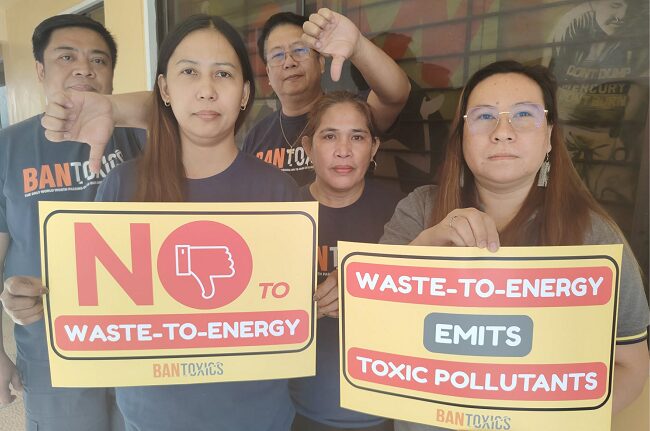
As International Zero Waste Month draws to a close, environmental NGO, BAN Toxics, has urged the Philippine government to abandon plans to pursue waste-to-energy (WTE) as a solution to the country’s escalating waste problem.

The call came after Congresswoman Gloria Macapagal-Arroyo announced during the 25th anniversary of RA 9003, or the Ecological Solid Waste Management Act of 2000, that she intends to file a bill amending said law to allow the use of WTE technology for waste disposal. RA 9003 was the first law she signed as president.

Philippines
BAN Toxics urges the Philippine government to abandon plans to pursue waste-to-energy (WTE)

According to the group, the government should first focus on effectively implementing RA 9003 and addressing persistent gaps, noting that improper waste disposal, insufficient infrastructure, and lack of public awareness remain widespread. BAN Toxics emphasised that the law has yet to be fully realised, even after 25 years.

The 2023 Commission on Audit (COA) report shows that only a fraction of barangays have operational Materials Recovery Facilities (MRFs), with just 39 percent of barangays (16,418 of 42,046) served by MRFs in 2021. Many local government units also lack adequate sanitary landfills, with only 29.25 percent (478 of 1,634 LGUs) having access to SLFs, leaving much of the country’s waste improperly managed or sent to dumpsites instead of environmentally sound facilities.

Under RA 9003, LGUs are mandated to divert at least 25 percent of their solid waste through reuse, recycling, composting, and other resource recovery activities, with targets increasing every three years. However, official assessments show that many LGUs have struggled to meet these diversion requirements in practice, with much waste still unmanaged or improperly disposed.

The Department of Environment and Natural Resources (DENR) has also acknowledged a lack of recycling infrastructure and waste processing facilities as a key barrier to effective implementation, adding that waste segregation at the source remains inconsistent across local governments.

“We should first conduct a comprehensive assessment of RA 9003, and invest our efforts and resources in improving its implementation before considering waste-to-energy or other burn technologies,” said Jam Lorenzo, BAN Toxics Deputy Executive Director and Head of Policy Development and Research.

According to Lorenzo, WTE is not clean energy, as it produces a wide range of toxic chemicals, including persistent organic pollutants (POPs) that remain in the environment for a long time. Citing a biomonitoring study by Zero Waste Europe from 2023–2024, Lorenzo said that even the most advanced waste incineration technologies emit unintentionally produced POPs, such as dioxins and furans.

He also noted that WTE facilities prefer dry, inorganic waste such as plastics due to its high energy content. “WTE is often framed as a solution to plastic pollution, but burning plastics creates new environmental and health risks by releasing toxic pollutants. Instead of reducing plastic waste, it only encourages continued virgin plastic production derived from fossil fuels, reinforcing dependence on extractive industries that drive pollution and climate change.”

The DENR estimates that the Philippines produces about 61,000 metric tons of solid waste every day, 12 to 24 percent of which is plastic. This translates to around 163 million plastic sachet packets, 48 million shopping bags, and 45 million thin-film bags used daily.

BAN Toxics is advocating for a Zero Waste framework to address the waste crisis, calling for decisive action to reduce or eliminate waste at the source by cutting reliance on plastics, especially single-use plastics, and ensuring accountability from producers and corporations for the full lifecycle of their products.

The approach emphasises designing products and systems that prevent waste from being generated, while promoting reusable and refillable packaging, community-based recycling and composting, and behavioral change among consumers to adopt more sustainable habits.

“Waste-to-energy may promise an easy solution, but it is a false one. Easy fixes rarely solve systemic problems. Lasting change comes from investing in systems and infrastructure needed to properly implement our waste management laws and reduce waste at the source,” Lorenzo said.

BAN Toxics stresses the need for a fundamental shift from fragmented, “end-of-pipe” waste disposal to integrated, sustainable, and holistic approaches. The group notes that current siloed efforts by the government can be inefficient, costly, and environmentally harmful. It advocates for a systems approach that coordinates technologies, policies, and community actions to achieve more sustainable waste management outcomes. 

×