Cities around the world came together during Urban October 2025 to address some of the most pressing urban challenges of our time – from responding to crises and displacement to harnessing digital innovation for more inclusive urban futures.
The newly released Urban October Report 2025 highlights key discussions, events and outcomes from the global observances of World Habitat Day and World Cities Day, as well as hundreds of partner-led initiatives held throughout the month.
Urban October opened with the global observance of World Habitat Day on October 6 at the UN-Habitat headquarters in Nairobi under the theme “Urban Crisis Response.” The observance focused on how cities can respond to multiple overlapping crises, including conflict, displacement and climate-related disasters, which are increasingly shaping urbanisation worldwide.
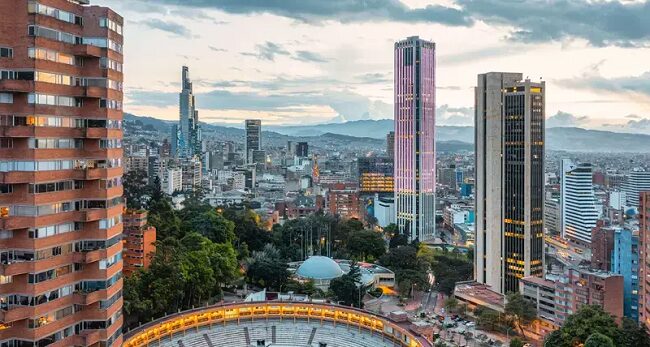
A view of Bogotá, host city of World Cities Day 2025. Photo credit: Shutterstock
With more than 117 million people forcibly displaced globally and over half of internally displaced persons and refugees living in cities and towns, participants emphasised the importance of inclusive urban planning, access to housing, land and basic services, and stronger local governance to support communities affected by crises.
“Humanitarian aid is essential, but it is not enough. People want to regain their homes – old or new – as soon as possible,” said Anacláudia Rossbach, Under-Secretary-General and Executive Director of UN-Habitat, during the observance. “We need to think earlier about recovery, and government- and community-led solutions.”
The month concluded with the global observance of World Cities Day on October 31 in Bogotá, Colombia, under the theme “People-centred Smart Cities.” Discussions highlighted how digital technologies, data and artificial intelligence can support better urban planning, service delivery and disaster preparedness – provided that innovation is guided by inclusion and the needs of communities.
As cities increasingly adopt digital tools, participants stressed that technological progress must not widen existing inequalities. Instead, people-centred approaches should ensure that innovation improves access to housing, infrastructure, services and economic opportunities for all residents, including those living in informal settlements.
Urban October 2025 mobilised 579 events in 58 countries, bringing together governments, local authorities, civil society, academia, youth groups and the private sector to exchange ideas and share solutions for sustainable urban development.
The report also highlights the recipients of the 2025 UN-Habitat Scroll of Honour Award, one of the most prestigious global awards recognising outstanding contributions to sustainable cities and communities. Winners included initiatives advancing housing rights, urban regeneration, community-driven housing rehabilitation and innovative approaches to food security and environmental sustainability.
Across the world, partners organised dialogues, workshops, exhibitions and community initiatives that showcased how cities are addressing urban challenges while advancing the Sustainable Development Goals and the New Urban Agenda.
Mozambique stands at a critical crossroads as it attempts to reconcile its status as a burgeoning global energy player with a domestic reality marked by extreme poverty, rising debt, and a violent insurgency in its most resource-rich province.
Despite a reported five percent growth in Gross Domestic Product (GDP) for 2023, largely propelled by the start of gas production at the Coral South offshore facility, the benefits of this “paradox of plenty” remain elusive for the majority of the population.
A new policy brief investigating the nexus between oil and gas investments and development outcomes suggests that while Mozambique possesses the third-largest liquefied natural gas (LNG) reserves in Africa, it is currently a textbook case of the “resource curse”.
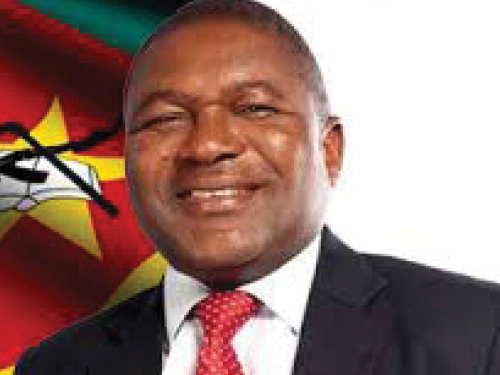
Filipe Nyusi, President of Mozambique
The report by the African Forum and Network on Debt and Development (AFRODAD) highlights that recent investments have not only failed to trigger broad-based economic transformation but have also exacerbated regional disparities and exposed systemic vulnerabilities, including corruption and debt dependence.
The Theoretical Paradox of Plenty
The “paradox of plenty,” or the resource curse, refers to the phenomenon in which nations rich in natural resources experience slower economic growth and weaker institutions than resource-poor countries.
In Mozambique, this is analyzed through the lens of the “Rentier State Theory,” which posits that states relying heavily on resource rents – specifically from oil, gas, and minerals – are less motivated to foster broad-based economic development or build accountable governance structures.
The report notes that Mozambique’s extractive industry absorbed approximately 70% of foreign direct investment (FDI) between 2010 and 2018. However, the sector’s contribution to structural transformation has been described as “minimal”.
Remarkably, the extractive sector accounts for less than 1% of total employment in the country, and royalties allocated to communities hosting these multi-billion-dollar investments are just 2.75%, among the lowest globally.
“Sub-Saharan Africa has a long history of external influence and neo-colonial control,” the report states, noting that countries without extractive resources often perform better because “they must develop their people to increase their wealth”.
Furthermore, Mozambique exhibits symptoms of the “Dutch Disease,” a situation in which a surge in demand for natural resources leads to an overvaluation of the local currency, thereby making other sectors – such as agriculture and manufacturing – less competitive.
In 2023, the country’s exports were dominated by coal ($1.76 billion), petroleum gases ($1.72 billion), and unwrought aluminium ($1.09 billion), indicating a pronounced lack of diversification across non-commodity sectors.
A Dominant Political Economy
Mozambique’s political landscape has been dominated by the FRELIMO party since gaining independence from Portugal in 1975. Following a 16-year civil war with the opposition group RENAMO, which ended in 1992, FRELIMO has won every subsequent election.
The concentration of power is immense; the report emphasizes that “the winner of the presidential election essentially takes all the power,” leaving the legislative branch often disregarded.
The political stakes have been heightened by the discovery of gas. The report notes that managing these resources has “intensified political competition and public dissatisfaction”.
Daniel Chapo, the FRELIMO candidate, was sworn in as president on Jan. 15, 2025, following a disputed 2024 general election that triggered post-election protests and violence, leaving over 300 people dead.
Tensions are often rooted in perceived regional marginalisation. FRELIMO’s strongholds are in the southern and northern-most (Makonde) provinces, while RENAMO has historically consolidated support in rural areas of central and central-northern provinces where residents feel excluded.
This regional divide is reflected in income inequality; data show that FRELIMO-stronghold provinces often have the highest Gini indices, indicating the unequal distribution of wealth characteristic of resource enclaves.
The Cabo Delgado Conflict
Nowhere is the disconnect between resource wealth and local reality more evident than in the northern province of Cabo Delgado.
Home to massive projects like the $30 billion Rovuma LNG Project and the $20 billion Mozambique LNG Project, the region has been the site of a violent insurgency since 2017.
The report describes the gas industry in Cabo Delgado as an “enclave,” meaning it operates with few “backward and forward linkages” to the local economy.
While multinational corporations such as TotalEnergies and Eni utilise offshore reserves, substantial numbers of locals have been relocated to accommodate onshore support infrastructure. These communities have “not yet reaped the benefits” of these agreements.
The ongoing conflict has roots in historical marginalisation and uneven development, but the potential profits from gas have become a “significant driver of conflict”.
Facing diminishing electoral influence, RENAMO resorted to violence in 2013 to demand a reorganisation of the state and access to future gas revenues. The government’s response, characterised by a heavy focus on security, has often “inflamed local grievances” and resulted in human rights violations.
Furthermore, the rise of radical Islamism in the region has disproportionately affected women. Women in Cabo Delgado face increased risks of exploitation, forced marriage, and gender-based violence (GBV).
Between 2017 and 2021, widespread violence displaced more than 735,000 people. Despite the industry’s economic potential, women make up only about 10% of the oil and gas workforce, hampered by discrimination, lack of education, and cultural norms.
The Debt Shadow and the “Tuna Bonds”
Mozambique’s economic stability is further undermined by a high risk of debt distress. In 2023, the government’s debt-to-GDP ratio stood at 93.90%. The report identifies a “hidden debt scandal” as a primary turning point for the nation’s credibility.
In 2016, it was discovered that three state-owned businesses had received $2 billion in undisclosed loans from the London offices of Credit Suisse and VTB Capital.
Backed by government guarantees, these funds were ostensibly for maritime projects, including a tuna fishing fleet – leading to the term “Tuna Bonds” – but a large portion was allegedly misappropriated.
The fallout has been severe. The debt burden has limited the government’s ability to invest in “essential public services and development projects”.
Loans for child development programs declined, and the proportion of children completing primary school fell significantly.
In 2024, Mozambique won a $3.1 billion case in London’s High Court against a shipbuilder accused of paying more than $200 million in bribes to Mozambican officials and bankers.
The crisis is exacerbated by military spending. The defence budget surged by 154.94% between 2017 and 2020 as the government attempted to contain the Cabo Delgado insurgency.
This increased spending “decreases spending and urgency on other critical services like infrastructure, education, and health”.
Energy Transition and the “Graphite Boom”
As the global community transitions to renewable energy, Mozambique faces another crossroads.
President Filipe Nyusi unveiled an ambitious $80 billion energy transformation strategy through 2050 at the COP28 summit. The plan aims to add 2,000 megawatts of new hydropower capacity and transition the transportation sector toward electric vehicles.
Mozambique already relies heavily on renewable sources, particularly the Hidroeléctrica de Cahora Bassa (HCB) dam. However, the country’s shift is complicated by its new reliance on gas as an economic anchor.
“Nascent petroleum producers are under pressure today to transition to cleaner sources of fuel,” the report notes, but they must balance these goals with “unique growth needs and resources”.
One major opportunity for diversification lies in “critical minerals” essential for green technology. Mozambique possesses vast reserves of graphite, lithium, and rare earth elements.
The Montepuez graphite mine in Cabo Delgado is among the largest in the world, and Mozambique accounts for 6% of global production.
To capitalise on this, the government recently authorized the establishment of the state-owned Mozambique Mining Exploration Company. The goal is to move beyond raw exports and “enhance value retention within the country”.
Policy Recommendations for Reform
The policy brief concludes that Mozambique must adopt a “balanced approach to resource management” to mitigate the risks of the resource curse. The study offers several specific recommendations:
Develop a Downstream Industry: Mozambique must move beyond the export of raw materials. Supporting downstream industries for natural gas and minerals would diversify the economy, create jobs, and reduce vulnerability to global price fluctuations.
Adopt a “Just Energy Framework”: Inclusive development is critical, especially for marginalized regions like Cabo Delgado. The report advocates for revenue-sharing mechanisms and community equity stakes in resource projects to mitigate conflict and improve social cohesion.
Strengthen Local Content Laws: While the government has issued mechanisms for preferential contracting, the report notes that the country lacks “sophisticated technological and literacy levels in the extractive industry”. There must be a concerted effort to develop a local workforce and provide capital to indigenous entrepreneurs.
Enhance Transparency and Accountability: The hidden debt scandal proved that Mozambique has “low transparency regarding debt acquisition and servicing”. The report recommends establishing independent regulatory bodies to oversee financial flows and promoting public asset declarations by political leaders.
A Gradual, Strategic Transition: Mozambique should pursue a transition that accounts for its economic realities. This “energy progression” involves investing in renewables while ensuring oil and gas remain part of the mix to support domestic development in the short to medium term.
Despite the “moderate score” Mozambique received in 2023 for its implementation of the Extractive Industries Transparency Initiative (EITI), the report warns that the country’s future hinges on its ability to manage expectations.
“The case study of Mozambique has shown the importance of understanding the political economy surrounding resource extraction,” the report concludes.
“The management and expectations of the current and future generations must be realistic so as not to cause unrest.”
By Winston Mwale, AfricaBrief
The study was based on a qualitative analysis of academic literature, government reports, and statistical data, including GDP metrics and the Gini Index
The National Emergency Management Agency (NEMA) on Tuesday, March 10, 2026, convened disaster management stakeholders in Kaduna to review emergencies recorded in 2025 and strengthen preventive measures across the state.
The Head of Operations, NEMA Kaduna Office, Suleiman Muhammad, said the meeting was aimed at assessing progress made, identifying gaps and developing coordinated strategies to improve disaster response and public safety.
Muhammad said disaster management had shifted from reactive response to proactive risk reduction, with greater focus on early warning, preparedness and multi-agency coordination.
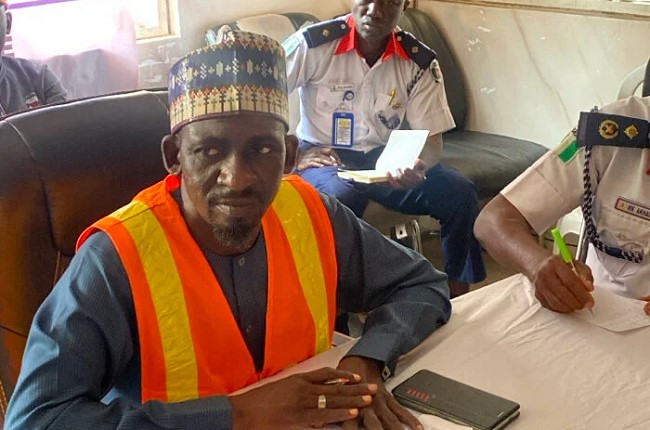
Head of Operations, NEMA Kaduna Office, Suleiman Muhammad
According to him, the engagement followed seasonal predictions issued by the Nigerian Meteorological Agency (NiMet) and the Nigeria Hydrological Services Agency (NIHSA), which highlighted potential flooding and other emergencies across Kaduna State.
He said flooding affected Kaduna North, Kaduna South, Zaria and Sanga Local Government Areas in 2025, but coordinated action by NEMA, the State Emergency Management Agency (SEMA), the Red Cross, Fire Service and the Nigeria Security and Civil Defence Corps (NSCDC) helped contain the damage.
Muhammad added that public sensitisation campaigns and practical simulations of tanker accidents had strengthened community awareness and emergency response capacity.
Also speaking, Akhaine Michael, Head of Disaster Management Unit, NSCDC Kaduna Command, said tanker accidents remained a major safety concern due to fuel spills on highways.
He said the corps supports NEMA through evacuation, crowd control and protection of lives and property during emergencies.
Rahama Suleiman, Head of Environment, Climate and Energy at the National Orientation Agency (NOA), Kaduna State Directorate, said the agency complements NEMA’s work through grassroots sensitisation and media engagement.
She said the outcomes of the engagement would be cascaded to field officers to strengthen awareness and preparedness in communities across the state.
Seven persons have been arraigned before the Special Offences (Mobile) Court sitting in Ikeja Magisterial District for allegedly assaulting enforcement operatives of the Lagos Waste Management Authority (LAWMA) during an environmental enforcement operation.
The defendants, Olamilekan Abdullahi (21), Akeem Olamilekan (24), Frank Tom (25), Sakiru Jamiu (20), Emmanuel Abiodun (41), Olarewanju Onyowale (35) and Taiwo Yusuf (30), were apprehended by LAWMA enforcement personnel on March 8, 2026, within the Moshalashi Jimoh axis in Lagos Island during routine monitoring against indiscriminate waste disposal.
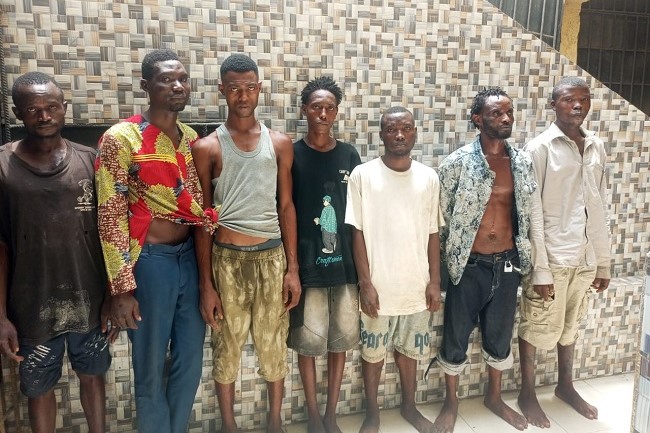
The seven defendants
They were subsequently arraigned on March 10, 2026, before the Special Offences (Mobile) Court, Ikeja, in the matter of Attorney General of Lagos State v. Olamilekan Abdullahi & 6 Others.
The prosecution charged the defendants on a five-count charge bordering on conduct likely to cause breach of peace, indiscriminate dumping of refuse at an unapproved location, failure to patronise an approved Private Sector Participant (PSP) waste operator, obstruction of officers in the discharge of their duties, and assault.
All seven defendants pleaded not guilty to the charges when they were read before the court.
The court thereafter adjourned the case to April 24, 2026, for trial and admitted the defendants to bail in the sum of N200,000 each with two responsible sureties, one of whom must be a recognised community leader while the other must be a gainfully employed relative.
Pending the fulfilment of the bail conditions, the defendants were remanded in a correctional facility.
LAWMA warns that obstruction or assault of enforcement personnel constitutes a serious offence under the laws of Lagos State, reiterating that acts capable of undermining environmental enforcement operations would be firmly addressed through appropriate legal channels.
Former Vice President, Prof. Yemi Osinbajo, will lead a multi-sector initiative to strengthen health financing and climate adaptation efforts across selected African countries.
This is contained in a statement made available to newsmen on Tuesday, March 10, 2026, in Abuja by the Spokesperson to Osinbajo, Mohammed Brimah.
Brimah said Osinbajo would lead the programme in five West African countries, namely Côte d’Ivoire, Ghana, Nigeria, Senegal and Sierra Leone.
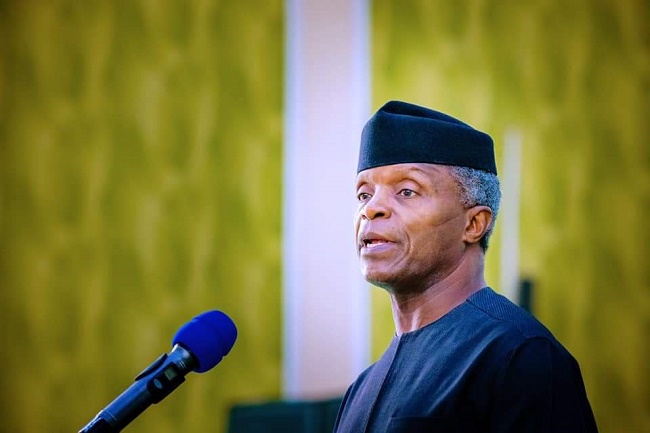
Former Vice President of Nigeria, Prof Yemi Osinbajo
He noted that the initiative was being undertaken by Future Perspectives, in partnership with its development and policy division, the Africa Centre for Future Perspectives, to generate evidence and guide strategies on health financing and climate resilience.
According to him, the initiative aimed to promote domestic health financing solutions to strengthen African health systems amid growing climate-related challenges.
He noted that governments in Sub-Saharan Africa faced increasing pressure to strengthen health infrastructure while managing rising debt and frequent climate-induced shocks.
He said the situation had worsened food insecurity, increased vector-borne diseases and placed additional pressure on already vulnerable health systems.
He also warned that the effects of climate change would vary across regions and populations, with poor and vulnerable communities in developing economies likely to suffer the most.
He said the consequences of climate change could also affect other sectors, including health, shelter and security.
The initiative, he said, underscored the need for coordinated multi-sector responses and innovative health financing strategies to build resilient systems across Africa.
Osinbajo is expected to convene an inaugural high-level consultation in Sierra Leone from March 11 to March 13 alongside the President of Sierra Leone, Julius Maada Bio.
The meeting will bring together senior ministers and national leaders to deliberate on advancing climate-health financing efforts in the region.
Nigeria’s petroleum industry has long been the backbone of the country’s economy, yet its regulatory landscape has historically faced challenges ranging from inefficiencies and infrastructure gaps to market distortions. The establishment of the Nigerian Midstream and Downstream Petroleum Regulatory Authority (NMDPRA) under the Petroleum Industry Act (PIA) 2021 marked a significant turning point in the country’s effort to modernise and strengthen governance across the oil and gas value chain.
By consolidating regulatory responsibilities within a single authority, the reform aims to create a more transparent, efficient, and investor-friendly environment that can unlock growth in Nigeria’s midstream and downstream petroleum sectors.
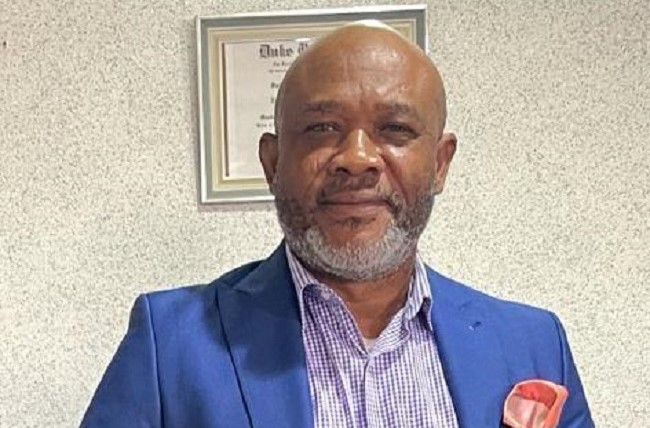
Barrister Nwachukwu Okafor
A new era of regulation
The creation of the NMDPRA introduced a comprehensive regulatory framework for Nigeria’s midstream and downstream petroleum operations. Prior to the reform, regulatory oversight was fragmented across multiple institutions, often resulting in overlapping functions and slow decision-making processes.
Today, the authority oversees a wide range of activities that are critical to the smooth functioning of the petroleum industry. These include licensing and permitting for refineries, depots, pipelines, retail outlets, and gas facilities, as well as the monitoring of fuel importation, storage, transportation, and distribution systems.
Beyond licensing, the agency also plays a crucial role in ensuring compliance with operational, environmental, and safety standards. Through strict monitoring of petroleum product quality, the authority works to curb adulteration and protect consumers from substandard fuels.
Equally important is its role in market regulation. By promoting fair competition and monitoring supply and pricing mechanisms, the NMDPRA helps stabilise fuel availability across the country while supporting the broader goal of consumer protection.
Strategic importance for Nigeria’s economy
Effective regulation in the petroleum sector has far-reaching implications for the national economy. A strong and efficient regulatory system ensures a stable fuel supply, reduces market manipulation, and improves investor confidence in the energy sector.
For a country like Nigeria, where petroleum remains a major economic driver, strengthening regulatory institutions is vital for achieving long-term energy security and economic diversification.
The NMDPRA also plays a central role in promoting infrastructure development. By encouraging private investment in refining capacity, storage facilities, pipeline networks, and gas commercialisation projects, the authority helps address long-standing structural challenges in the sector.
Improved infrastructure not only enhances domestic energy supply but also reduces reliance on imported refined petroleum products, a key objective in Nigeria’s broader industrialisation strategy.
Opportunities within the sector
The evolution of the regulatory framework has opened up numerous professional and business opportunities within both the agency and the industries it oversees.
Within the NMDPRA itself, demand is growing for skilled professionals such as regulatory compliance officers, policy and economic analysts, legal advisors, technical inspectors, environmental and health safety experts, and data analysts capable of managing complex industry information systems.
Outside the agency, the regulated industry offers expanding prospects for petroleum marketing companies, modular refinery operators, gas processing firms, infrastructure developers, and energy consulting organisations. As the sector continues to evolve, technology-driven solutions and data analytics are becoming increasingly central to operational efficiency and regulatory compliance.
Persistent challenges
Despite significant progress, Nigeria’s midstream and downstream petroleum sectors still face several challenges. Infrastructure deficits remain a major issue, particularly in pipeline networks, storage facilities, and refining capacity.
Fuel adulteration and illegal product diversion also continue to undermine market stability, while fluctuations in global energy markets contribute to pricing volatility. Additionally, enforcement capacity and the need for more advanced regulatory monitoring systems remain areas requiring sustained improvement.
The role of strategic partnerships
Strategic collaboration with industry experts and technology providers can significantly strengthen regulatory effectiveness. One such potential partner is Angel Consultants Inc., a firm specialising in advisory and technology solutions across the oil and gas value chain.
Through advanced Operational Technology (OT), Information Technology (IT), and Internet of Things (IoT) systems, the firm can help deploy real-time compliance monitoring platforms across refineries, pipelines, storage facilities, and distribution networks.
Such digital monitoring systems would enable regulators to detect operational irregularities, improve data-driven decision-making, and enhance transparency across the sector.
Cybersecurity is another critical area where collaboration can yield significant benefits. As petroleum infrastructure becomes increasingly digitised, protecting industrial networks and regulatory data from cyber threats is essential. Angel Consultants and her partners have developed and deployed systems for major companies against cybersecurity threats.
Building a more resilient petroleum industry
The establishment of the NMDPRA represents a bold step toward transforming Nigeria’s petroleum regulatory environment. However, the long-term success of these reforms will depend on sustained institutional strengthening, improved regulatory tools, and meaningful collaboration with industry stakeholders.
By investing in digital monitoring systems, enhancing transparency in licensing processes, expanding stakeholder engagement, and encouraging private sector participation in infrastructure development, Nigeria can build a more resilient and competitive midstream and downstream petroleum sector.
Ultimately, effective regulation will not only stabilise the energy market but also support broader economic growth, job creation, and national development.
By Barrister Nwachukwu Okafor, a lawyer and consultant. He can be reached at info@aconsultantsinc.com
The Lagos State House of Assembly has proposed the relocation of residents displaced by the demolition of waterfront settlements to a new settlement in Agbowa, Epe Local Government Area of the state.
Mr. Noheem Adams, the Chairman of the Standing Committee on Rules and Business, made this known while speaking with newsmen on Wednesday, March 11, 2026, in Lagos.
The waterfront communities affected by the demolition are Makoko, Sogunro and Oko Agbon in Lagos State.
Makoko demolition
Many inhabitants were forced to relocate after the state government started demolishing what it called “illicit structures” in communities around the Third Mainland Bridge in December 2025.
The affected communities later protested the demolition and submitted a petition to the state assembly, prompting lawmakers to call for the suspension of the exercise while the matter was investigated.
Adams said the relocation was necessary because the demolition had resulted in the displacement of numerous residents, including the elderly, the sick, women, and children, as well as the destruction of homes and other properties.
He further observed that the affected waterfront communities largely depended on fishing as their primary source of livelihood and had historically resided on the water due to the nature of their occupation.
Adams said that, following the demolition, living conditions within Makoko and surrounding areas deteriorated significantly, leading to environmental and health hazards, as well as heightened safety and security concerns.
Adams, who is also the Majority Leader of the House, said: “There was a resolution by the House during plenary, following a petition addressed to the Speaker, Mr Mudashiru Obasa, by the residents of the communities.
“Based on our findings, we recommended that the governor should direct the Special Adviser on E-GIS to vet the enumeration report submitted by the Makoko, Sogunro and Oko-Agbon communities.
“The committee also recommended that the government relocate the remaining residents of Makoko, Sogunro and Oko-Agbon to a proposed low-cost housing estate.
“This estate is to be constructed in Agbowa area of Lagos State, Epe, where they can continue their fishing activities.
“In addition, we also advised that the government should involve the Oloto of the Otto Family in the construction of the Water City Project, recognising them as the original owners of the land.”
Adams explained that the committee arrived at its conclusions after engaging the petitioners in five separate meetings.
According to him, it also conducted an oversight visit with relevant government officials, agencies, and representatives of the affected communities.
European Commission President, Ursula von der Leyen, on Wednesday, March 11, 2026, said the Middle East conflict has imposed heavy economic costs on Europe, driving up energy prices and adding billions of euros to import bills.
“Since the beginning of the conflict, gas prices have risen by 50 per cent and oil prices by 27 per cent,” von der Leyen told the European Parliament in Strasbourg.
She said 10 days of war had already cost European taxpayers an extra €3 billion ($3.48 billion) for fossil fuel imports.
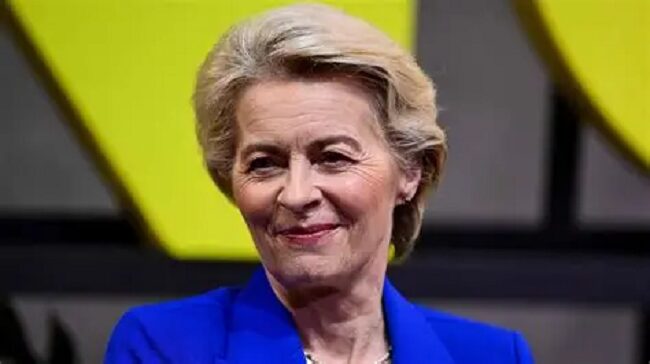
Ursula von der Leyen, President of the European Commission
Von der Leyen said the European Commission is assessing additional measures to lower energy bills, including a possible cap on gas prices.
She said the EU had diversified its fossil fuel supplies in recent years, but “this does not mean that we are immune to price shocks. Energy markets are global.”
The surge marks the second time in recent years that geopolitical conflict has triggered sharp rises in EU energy costs, following the Russia-Ukraine conflict in 2022.
The commission is also pushing nuclear power to boost production and cut prices.
Von der Leyen announced on Tuesday that a €200 million ($231.75 million) EU guarantees to support private investment in innovative nuclear technologies.
EU Energy Commissioner, Dan Jorgensen, urged member states to cut energy taxes where possible, particularly on electricity, to lower consumer bills.
The commission also unveiled a Clean Energy Investment Strategy aimed at channeling private financing into power grids, clean energy technologies and energy efficiency.
Similarly, Ursula von der Leyen highlighted the economic consequences of the conflict in the Middle East for Europeans due to the EU’s high dependencies on fossil fuel imports.
“Since the beginning of the conflict, gas prices have risen by 50% and oil prices by 27%,” von der Leyen said on Wednesday in a speech at the European Parliament in Strasbourg, France.
“If you translate this into euros: 10 days of war have already cost European taxpayers an additional €3 billion ($3.5 billion) in fossil fuels imports,” she said. “That is the price of our dependence.”
Her remarks follow the presentation of new EU energy initiatives on Tuesday, including the planned roll-out of new, smaller nuclear reactors by the early 2030s to boost the bloc’s energy production.
Von der Leyen said that the commission was currently assessing additional measures to reduce energy bills, including capping gas prices.
After Russia’s full-scale invasion of Ukraine in 2022 caused energy prices in the European Union to skyrocket, the fallout from the war in Iran is the second time in a few years that energy prices in the EU have soared due to geopolitical conflicts.
Von der Leyen stressed that recent efforts to diversify fossil fuel providers are limiting the fallout of the Middle East conflict.
“But this does not mean that we are immune to price shocks. Energy markets are global,” she said.
“No matter what we do in terms of measures, as long as we import a significant share of fossil fuels from unstable regions, we are vulnerable and we are dependent.”
More than 10 days into the latest escalation of conflict in the Middle East, health systems across the Region are coming under strain as injuries and displacement rise, attacks on health care continue, and public health risks increase.
National health authorities in Iran report more than 1,300 deaths and 9,000 injuries, and in Lebanon report at least 570 deaths and more than 1,400 injuries. In Israel, authorities report 15 deaths and 2,142 injuries.
At the same time, the conflict is affecting the very services meant to save lives. In Iran, the World Health Organisation (WHO) has verified 18 attacks on health care since February 28, 2026, resulting in eight deaths among health workers. Over the same period in Lebanon, 25 attacks on health care have resulted in 16 deaths and 29 injuries.
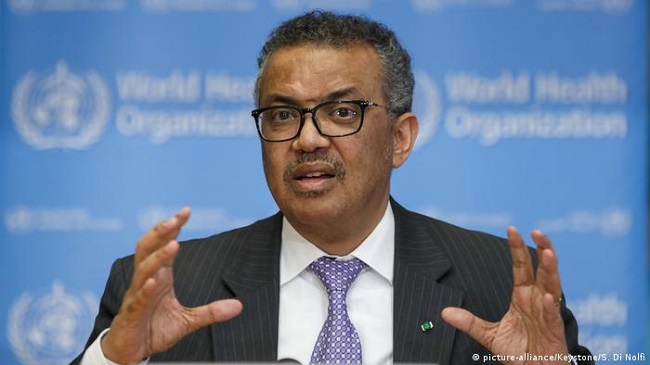
Dr. Tedros Adhanom Ghebreyesus, Director-General, World Health Organisation (WHO)
These attacks not only cost lives but deprive communities of care when they need it most. Health workers, patients and health facilities must always be protected under international humanitarian law.
Beyond the immediate impact, the conflict is creating wider public health risks. Current estimates indicate more than 100,000 people in Iran have relocated to other areas of the country due to insecurity, and up to 700,000 people have been internally displaced in Lebanon, with many in crowded collective shelters under deteriorating public health conditions, with limited access to safe water, sanitation and hygiene. These conditions increase the risk of respiratory infections, diarrhoeal diseases, and other communicable illnesses, especially for the most vulnerable populations, such as women and children.
Environmental hazards are also a raising concern. In Iran, petroleum fires and smoke from damaged infrastructure exposed nearby communities to toxic pollutants that potentially cause breathing problems, eye and skin irritation, and contaminated water and food sources.
Access to health services is becoming increasingly constrained across several countries. In Lebanon, 49 primary health care centres and five hospitals have shut following evacuation orders issued by Israel’s military, reducing the availability of essential services as medical needs rise.
In the occupied Palestinian territory, increased movement restrictions and checkpoint closures are delaying ambulance and mobile clinics’ access across several governorates in the West Bank. In Gaza, medical evacuations remain suspended since February 28, while hospitals continue to operate under strain amid ongoing shortages of medicines, medical supplies and fuel, which is being rationed to prioritise essential health services such as emergency and trauma care, maternal and neonatal services, and management of communicable diseases.
Temporary airspace restrictions have disrupted the movement of medical supplies from WHO’s global logistics hub in Dubai. More than 50 emergency supply requests, intended to benefit over 1.5 million people across 25 countries, are affected, resulting in significant backlogs. Current priority shipments include supplies planned for Al Arish, Egypt, to support the Gaza response, as well as Lebanon and Afghanistan. The first shipment, containing cholera response supplies for Mozambique, is expected to depart from the hub in the coming week.
The escalation comes at a time when humanitarian needs in the Eastern Mediterranean Region were already among the highest in the world. Across the Region, 115 million people require humanitarian assistance – almost half of all people in need globally – while humanitarian health emergency appeals remain 70% underfunded.
Without protection for health care, sustained humanitarian access and stronger financial and operational support for the humanitarian health response, the strain on vulnerable populations and already fragile health systems will continue to grow.
WHO calls on all parties to protect civilians and health care, ensure unimpeded and sustained humanitarian access, and pursue de-escalation of the conflict so communities can begin to recover and move towards peace.
Healthy eating is often portrayed as a matter of willpower or personal choice. Yet, for millions of women and girls, the concept of choice is an illusion. Their health is significantly influenced by their food environment – the physical, economic, and social factors that determine what food is accessible, affordable, and promoted.
A poor food environment is not just about a lack of food. More often, it is about limited access to nutritious options. This can manifest as food deserts, which are urban or rural areas where fresh, affordable produce is miles away, leaving residents dependent on convenience stores saturated with high-calorie, ultra-processed foods.
Bukola Olukemi-Odele, food and nutrition scientist, and Programme Officer, Cardiovascular Health, at Corporate Accountability and Public Participation Africa (CAPPA)
When food environments deteriorate in this way, the consequences are not shared equally. Women and girls bear a disproportionate share of the burden. Their bodies move through life stages that demand consistent and specific nutritional support, from adolescence to pregnancy and beyond. Yet the social realities surrounding food availability and preparation deepen their exposure to unhealthy diets.
As fresh and nutritious options become harder to access, supermarket shelves, kiosks, and convenience stores are increasingly dominated by products such as bread, noodles, frozen meals, sugary drinks, reconstituted meat products, fries, and snacks. These foods are deliberately formulated to trigger repeat consumption.
They typically contain high concentrations of salt, sugar, fats, and flavour enhancers that create what nutrition researchers describe as hyper-palatability, a sensory quality that strongly stimulates appetite and encourages repeated intake. The result is a steady shift away from whole foods toward diets that fill the stomach while offering little nutritional value.
The health effects are already visible.
Recent data from the Global Nutrition Report indicates that 15.7 percent of women in Nigeria are living with obesity. Research also shows that ultra-processed foods (UPFs) often contain endocrine-disrupting chemicals (EDCs) from packaging materials and industrial additives. For young girls, high consumption of UPFs has been linked to earlier onset of puberty, a development associated with lifelong health risks, including increased susceptibility to breast and ovarian cancers later in life.
The dangers intensify during pregnancy. Diets rich in UPFs can lead to gestational hypertension, diabetes, and even pre-eclampsia. Additionally, high consumption of UPFs is linked to Polycystic Ovary Syndrome (PCOS), largely due to insulin spikes caused by refined sugars. Industrial fats may also contribute to oxidative stress that can damage egg quality and complicate conception. In the end, what appears to be a simple matter of diet gradually becomes a question about reproductive health and the wellbeing of future generations.
Another dimension of the problem lies in how these products are marketed. Women remain widely responsible for feeding households and bearing much of unpaid care work, often while managing tight working schedules. Food companies exploit this reality by presenting UPFs as convenient and cheap solutions for the “busy woman.” Instant meals promise speed.
Packaged snacks promise convenience. Sugary drinks promise quick energy. In the absence of regulations such as mandatory front-of-package warning labels or restrictions on aggressive marketing, these products quietly become the default choice for consumers and many households.
The consequences extend far beyond individual health. Diet-related illnesses lead to lost workdays, rising medical expenses, and declining economic participation. Women already navigating income disparities often find themselves carrying the extra weight of chronic conditions, including autoimmune diseases, certain cancers, and inflammatory disorders linked to the consumption of UPFs.
Food justice is therefore a crucial feminist issue and sits firmly within the broader conversation about women’s wellbeing. When governments fail to regulate unhealthy food environments, the costs are borne most heavily by those already managing multiple burdens.
Effective action requires more than public health advice. Governments must adopt policies that reshape the market itself. Fiscal measures that discourage unhealthy products, clear front-of-pack warning labels that help consumers make informed choices, mandatory salt limits for processed and pre-packaged foods, and stronger controls on marketing aimed at women and children can help rebalance the forces at play, as well as counter market pressure.
True justice for women and girls means ensuring a world where the food on their plates is a source of strength rather than a slow, creeping threat to their future.
By Bukola Olukemi-Odele, food and nutrition scientist, and Programme Officer, Cardiovascular Health, at Corporate Accountability and Public Participation Africa (CAPPA)